Dog Raincoat Buying Guide: Everything You Need to Know
Rainy days don’t have to mean skipped walks. A good dog raincoat keeps your pup dry, comfortable, and happy — while saving you from toweling off a soaked, muddy dog. But with so many options available, how do you choose? This guide covers everything you need to know.
Why Your Dog Needs a Raincoat
Some pet parents think raincoats are just a fashion statement, but they serve real practical purposes:
- Prevents chilling: Wet fur loses its insulating properties, making dogs cold even in mild rain
- Reduces drying time: Less wet = less time with towels and blow dryers
- Protects your home: A dry dog means less mud tracked inside
- Keeps walks enjoyable: Dogs who hate getting wet will actually enjoy rainy walks
- Prevents skin issues: Constant dampness can lead to hot spots and skin irritation
Key Features to Look For
Waterproof vs. Water-Resistant
Waterproof coats completely block water penetration and are best for heavy rain or extended outdoor time. Look for coatings like PU (polyurethane) or TPU.
Water-resistant coats repel light rain and moisture but may soak through in heavy downpours. They’re often more breathable and work well for drizzly conditions.
Coverage Area
Consider how much of your dog you want to protect:
- Back-only: Simple coverage, easy on/off, good for light rain
- Full body: Covers chest and belly, best for heavy rain
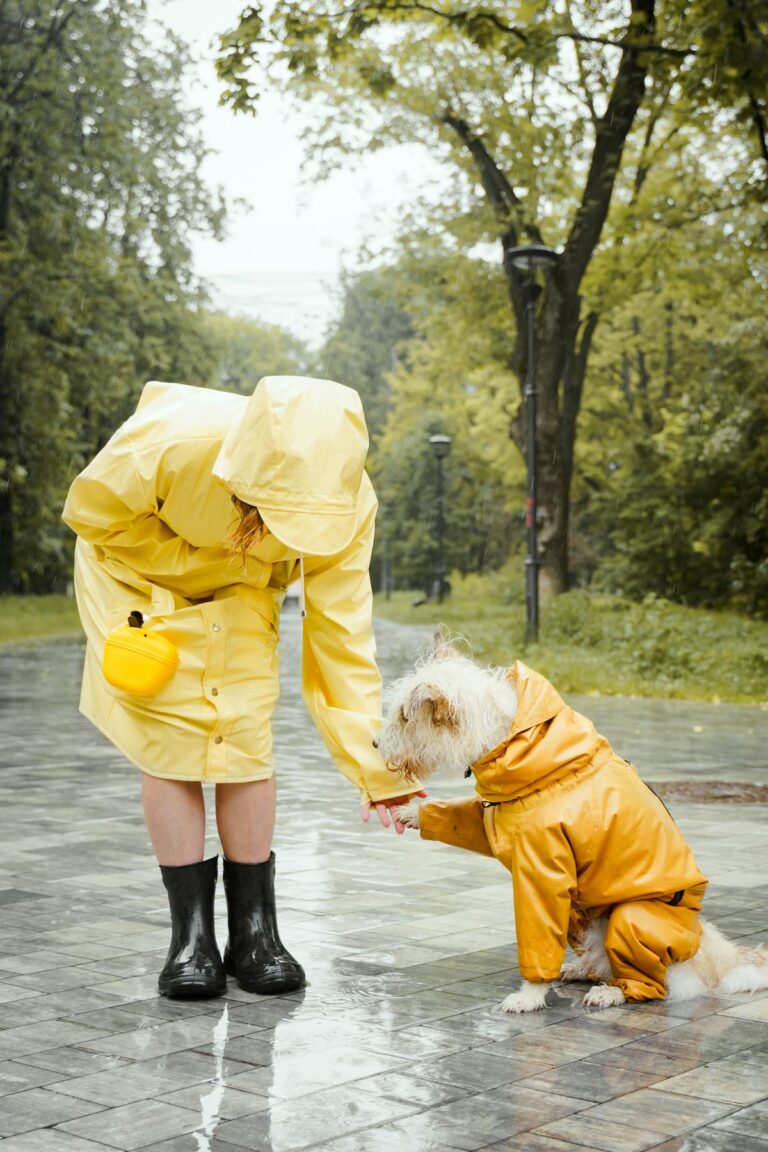
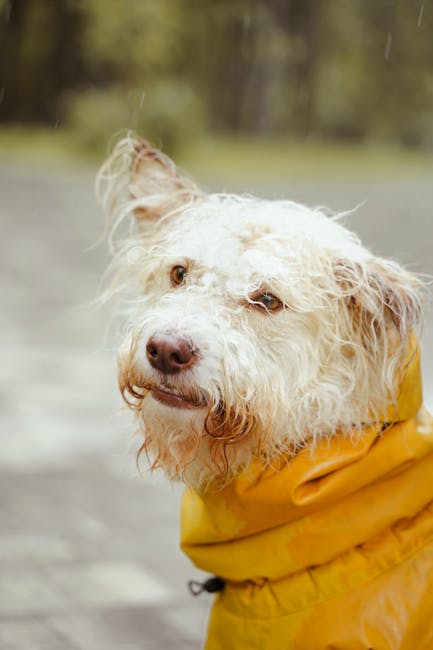
- With hood: Protects head and ears for dogs who tolerate it
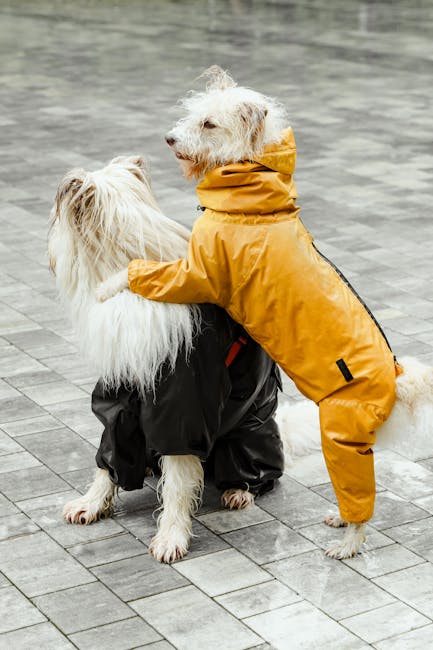
- With legs: Full coverage suits for extreme conditions
Closure System
How the coat fastens matters for fit and convenience:
- Velcro: Easy, adjustable, but can collect fur
- Snaps/Buttons: Secure, stay cleaner, but less adjustable
- Zipper: Quick on/off, but must fit well
- Elastic: Flexible fit, often combined with other closures
Leash Access
A leash hole or harness opening is essential. Without it, you’ll have to choose between the raincoat and the leash — not ideal for safety.
Reflective Elements
Rainy days often mean low visibility. Reflective strips or piping help drivers and cyclists see your dog during dawn, dusk, or nighttime walks.
Types of Dog Raincoats
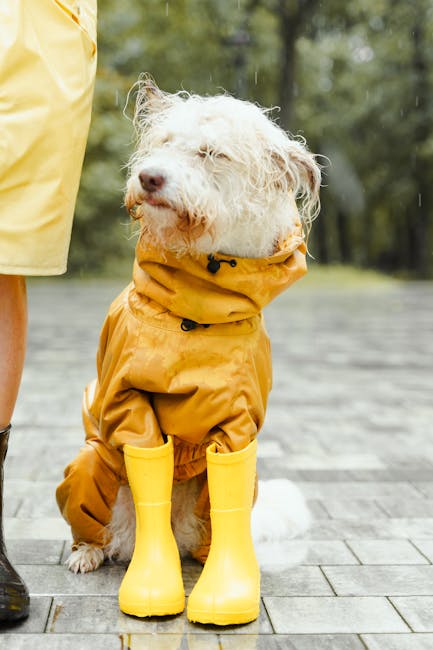
Classic Rain Jacket
The standard choice — covers the back and chest with adjustable straps. Works for most dogs and situations.
Rain Poncho
Lightweight and packable, ponchos slip over the head and provide basic coverage. Great for travel or unexpected showers.
Full-Body Rain Suit
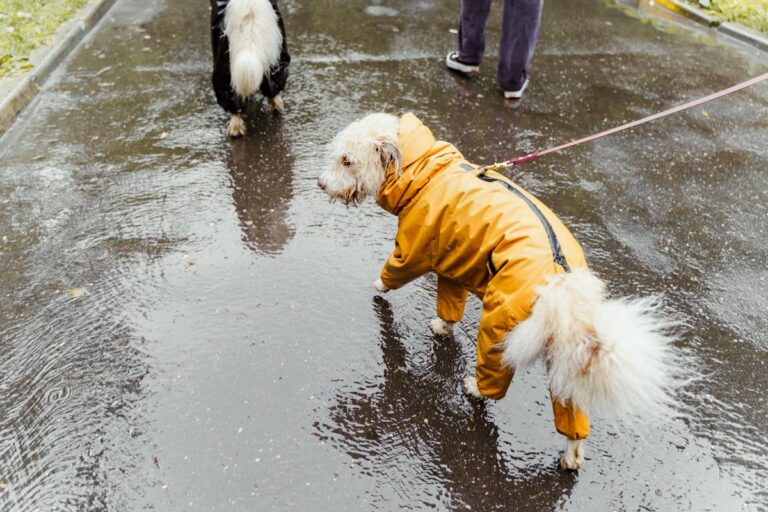
Maximum coverage including legs. Best for dogs who love puddles or for seriously wet climates. Can be trickier to put on.
Raincoat with Fleece Lining
Combines waterproofing with insulation. Perfect for cold rainy days when your dog needs both warmth and dryness.
Sizing Your Dog’s Raincoat
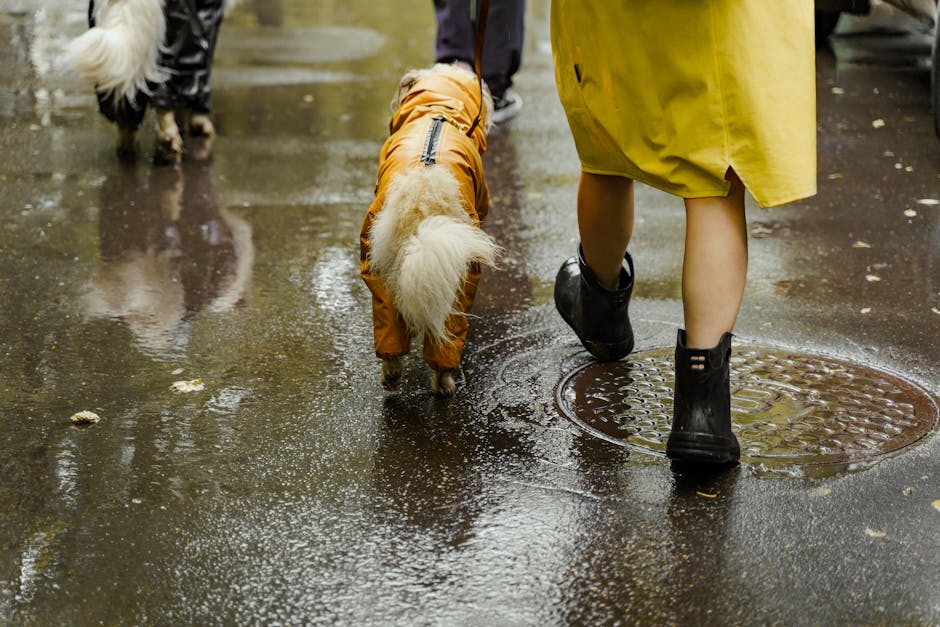
Raincoat fit is crucial. Too tight restricts movement; too loose lets water in. Measure your dog’s:
- Back length: Neck to tail base — raincoats often run by this measurement
- Chest girth: Widest part behind front legs
- Neck: Where collar sits
Need help measuring? Check our complete sizing guide.
Care and Maintenance
Keep your dog’s raincoat performing well:
- Rinse mud off after each use
- Hang to dry completely before storing
- Check waterproof coating periodically — reapply spray as needed
- Machine wash on gentle if the label allows
- Never use fabric softener (it degrades waterproofing)
Shop Dog Raincoats
Ready to keep your pup dry? Browse our dog raincoat collection with options for every size from XS to 5XL. Because big dogs deserve dry walks too!