Keeping Your Chihuahua Warm in Winter: Complete Guide
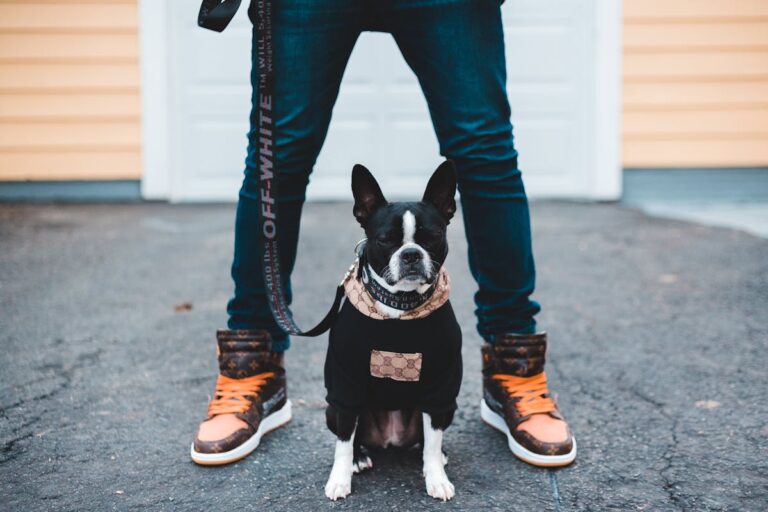
Chihuahuas are notorious for hating the cold — and for good reason. As one of the smallest dog breeds in the world, they lose body heat rapidly and genuinely need extra warmth during winter months. Whether you have a short-haired or long-haired Chihuahua, winter clothing isn’t just a fashion statement — it’s a health necessity. This complete guide covers everything from sizing and fabric choices to temperature thresholds and indoor comfort strategies, so your tiny companion stays safe and warm all season long.
Why Chihuahuas Get Cold So Easily
The American Kennel Club notes that Chihuahuas have several biological characteristics that make them exceptionally cold-sensitive compared to other breeds:
- Tiny size: A high surface-area-to-volume ratio means their bodies radiate heat much faster than larger dogs. A 5-pound Chihuahua loses warmth at a dramatically higher rate than a 50-pound Labrador.
- Low body fat: Chihuahuas carry very little subcutaneous fat, which serves as natural insulation in heavier breeds. Without this fat layer, cold air reaches their core more quickly.
- Thin coat: Short-haired (smooth coat) Chihuahuas have a single-layer coat with minimal undercoat. Even long-haired varieties lack the dense double coat found in cold-weather breeds like Huskies or Malamutes.
- Desert origins: The breed originated in the warm climate of Chihuahua, Mexico. Centuries of breeding in hot, arid conditions means they never developed natural cold-weather adaptations.
- Fast metabolism: While their rapid metabolism generates body heat, it also burns through energy stores quickly. In cold weather, they can’t sustain enough internal warmth to compensate for heat loss.
These factors combine to make Chihuahuas one of the most cold-sensitive dog breeds. Veterinarians at the American Veterinary Medical Association (AVMA) recommend that owners of small, thin-coated breeds take special precautions during cold weather — and winter clothing is one of the most effective tools available.
Chihuahua Sizing Guide
Getting the right fit is critical. Clothing that’s too tight restricts movement and can cause skin irritation, while clothing that’s too loose won’t retain heat effectively and may slip off during walks. Before you buy any sweater, coat, or jacket, take these four measurements with a flexible tape measure:
| Measurement | Typical Range | How to Measure |
|---|---|---|
| Weight | 3–6 pounds | Use a kitchen or baby scale for accuracy |
| Neck | 6–10 inches | Measure around the base of the neck where a collar sits |
| Chest (Girth) | 10–14 inches | Wrap the tape around the widest part of the ribcage, just behind the front legs |
| Back Length | 7–10 inches | Measure from the base of the neck to the base of the tail |
Most Chihuahuas fit size XS or XXS in standard dog clothing. However, Chihuahuas vary quite a bit — some teacup Chihuahuas weigh under 3 pounds while larger specimens can reach 8+ pounds. Always check the manufacturer’s specific size chart rather than relying on generic “small” or “extra small” labels. For a deeper dive into measuring techniques, see our full guide on how to measure your dog for clothes.
Pro tip: If your Chihuahua falls between two sizes, size up. You can always add a thin base layer underneath for a snugger fit, but you can’t stretch a too-small garment without compromising comfort.
Best Winter Clothing for Chihuahuas
Sweaters
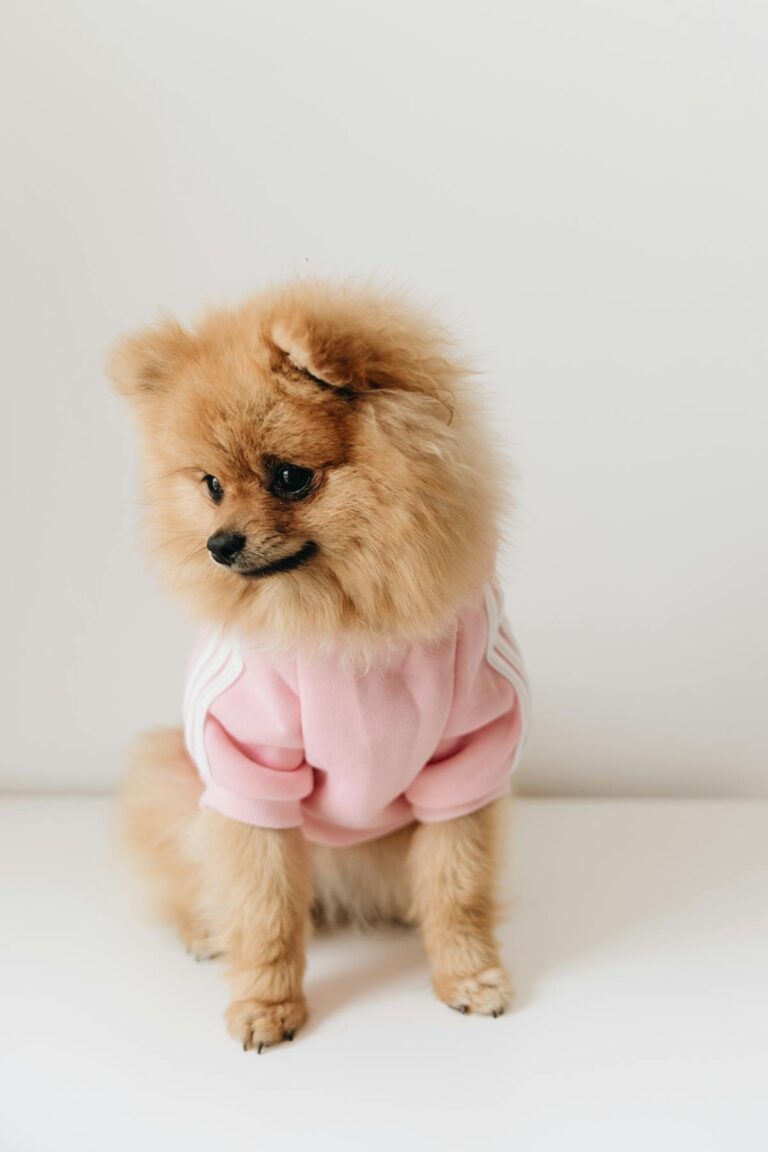
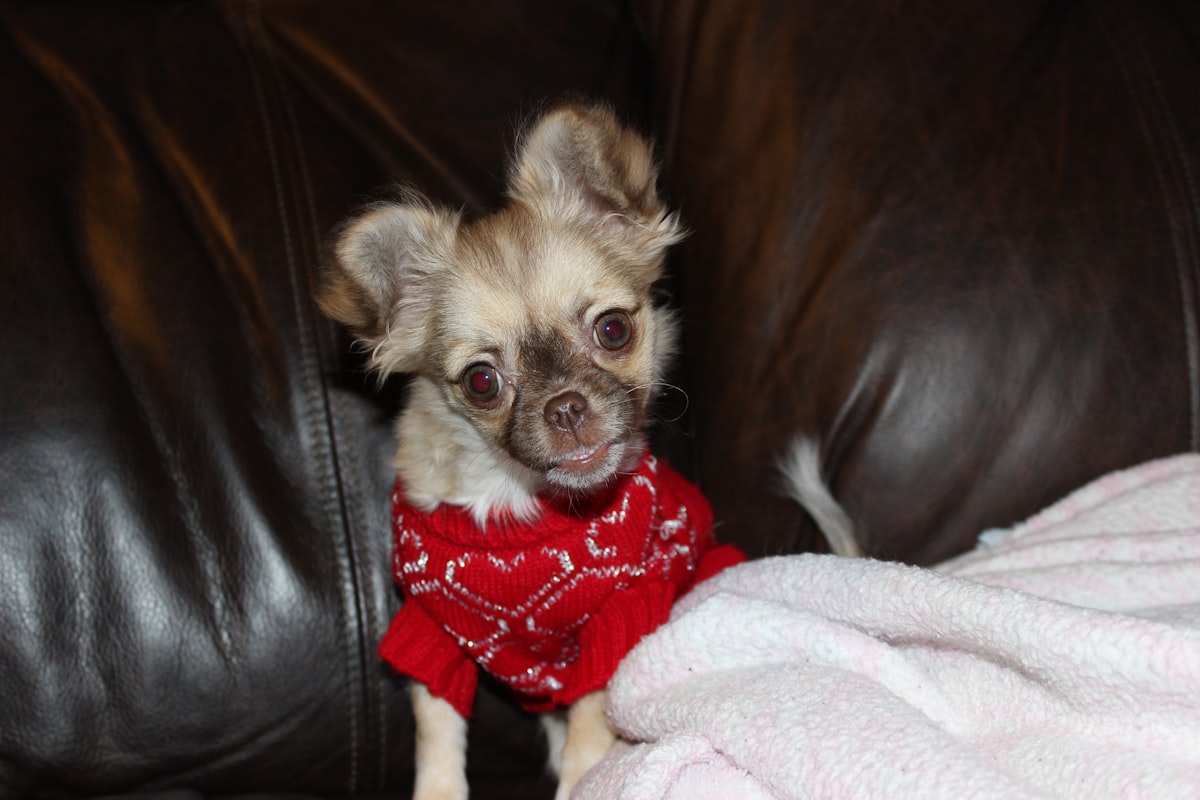
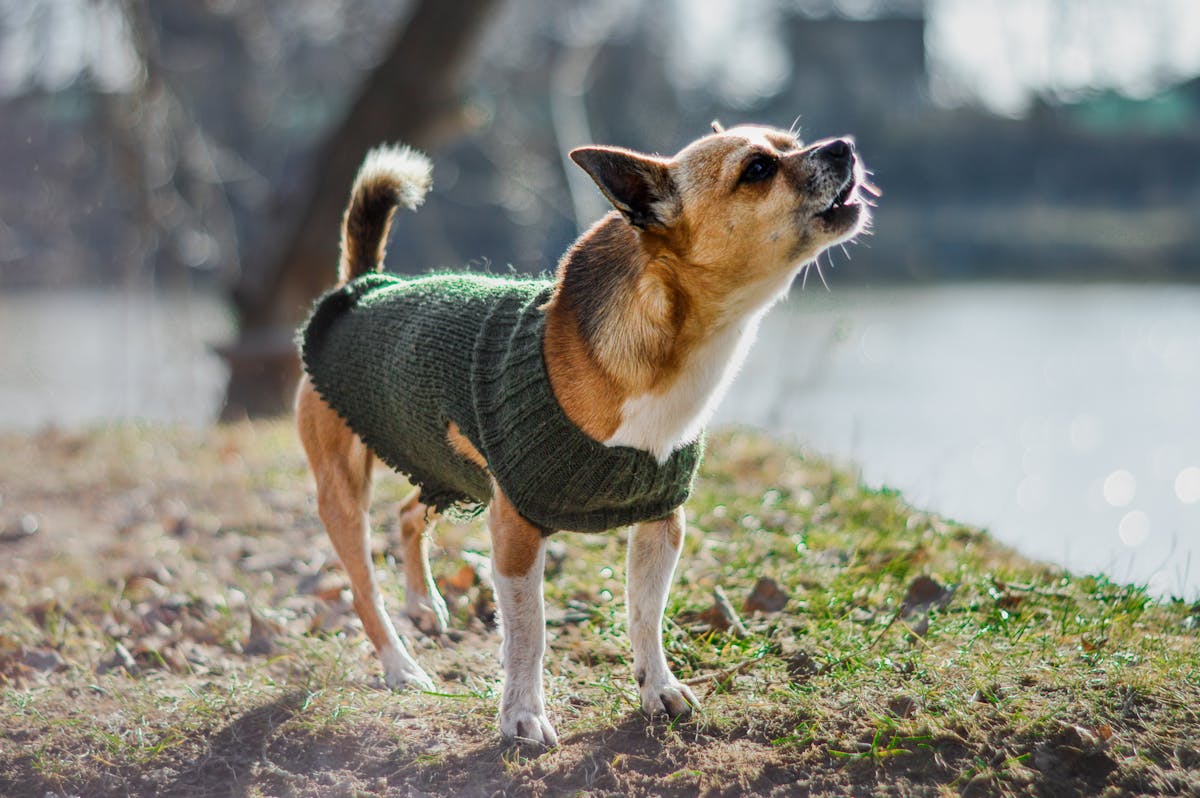
A soft Chihuahua sweater is the foundation of any cold-weather wardrobe. Sweaters work best for indoor use, mild outdoor temperatures (above 45°F), and as layering pieces under heavier coats. When shopping for the right sweater, prioritize these features:
- Soft, non-irritating fabrics: Fleece, cotton knit, and merino wool blends are gentle on sensitive Chihuahua skin. Avoid rough wool or scratchy synthetic materials that can cause itching or hot spots.
- Stretchy material: Four-way stretch fabric makes putting the sweater on and taking it off much easier — important since many Chihuahuas resist getting dressed at first.
- Adequate belly coverage: The belly is where Chihuahuas lose the most heat. Look for sweaters that wrap around the underside rather than just covering the back.
- Turtleneck or high-collar options: A snug neckline prevents cold drafts from reaching the chest and neck area. This small detail makes a big difference on windy days.
- Machine-washable construction: Your Chihuahua will wear their sweater frequently, so easy-care fabrics save time and keep things hygienic.
Coats & Jackets
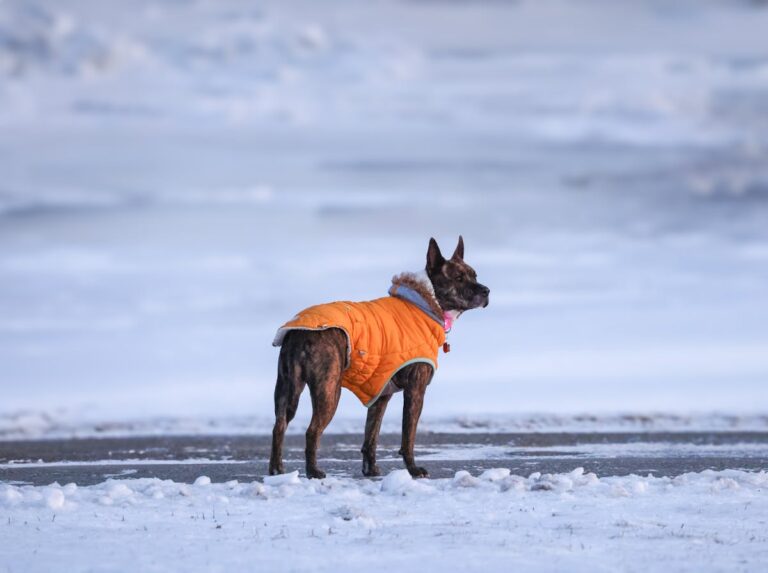
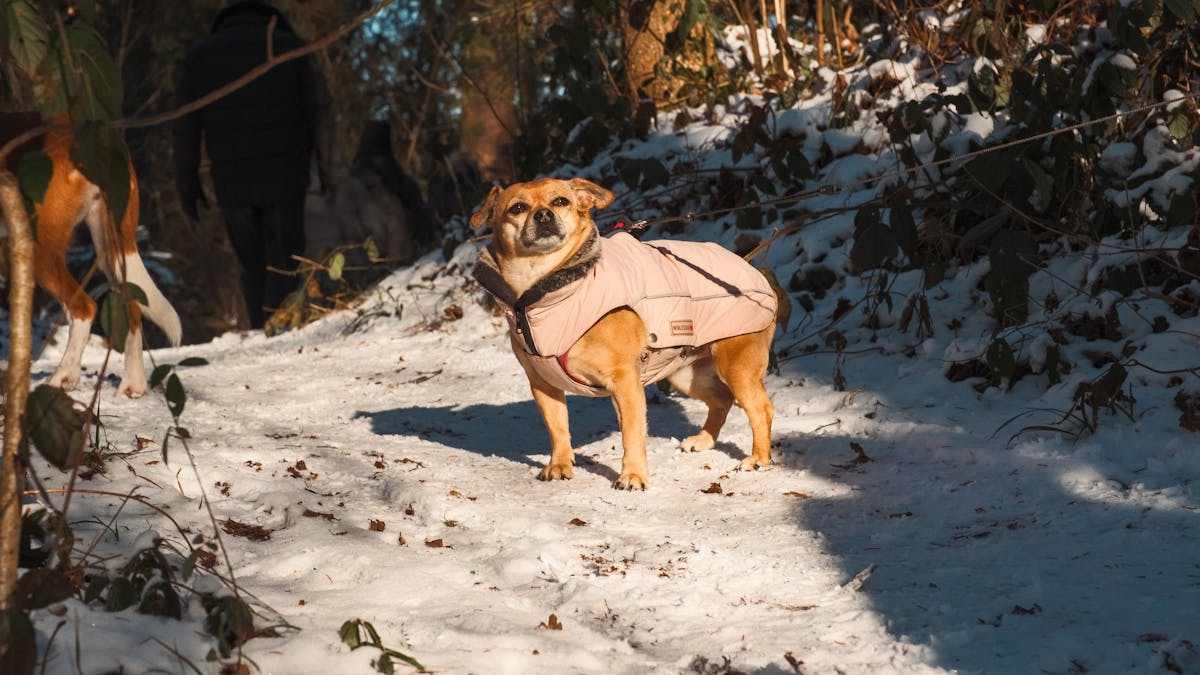
For temperatures below 45°F (7°C), upgrade to a proper Chihuahua winter coat. Coats provide significantly more insulation and weather protection than sweaters alone. The best winter coats for Chihuahuas include:
- Insulated lining: Fleece, sherpa, or synthetic fill provides warmth without adding too much bulk. Your Chihuahua still needs to move freely.
- Water-resistant or waterproof outer shell: Winter often means rain, sleet, or wet snow. A water-resistant exterior keeps the insulation dry and functional.
- Full belly coverage: The underside is the most vulnerable area. A coat with a belly panel protects against cold ground, puddles, and wind chill.
- Secure closures: Velcro straps, snap buttons, or adjustable buckles keep the coat from shifting or falling off during walks. Avoid loose drawstrings that could catch on objects.
- Reflective elements: Winter days are shorter. Reflective strips or piping improve visibility during early morning and evening walks.
Keep Your Chihuahua Warm This Winter
Our Warm Cotton-Padded Dog Coat ($24.99) features thick insulation and a water-resistant shell — ideal for small breeds in cold weather. For extreme winter conditions, check out the Reversible Waterproof Dog Winter Coat ($24.99) with padded warmth and dual-style design.
Boots & Paw Protection
Don’t forget your Chihuahua’s paws. Cold pavement, ice, road salt, and chemical de-icers can cause cracking, dryness, and chemical burns on sensitive paw pads. Dog boots provide a protective barrier and extra warmth. If your Chihuahua won’t tolerate boots (many resist them at first), apply a paw balm or wax before walks to create a protective layer against salt and ice.
Protect Those Tiny Paws
Our Winter Dog Snow Boots ($22.99) feature thick anti-slip soles and warm lining — perfect for Chihuahua-sized paws on icy sidewalks.
Temperature Guidelines for Chihuahua Clothing
Knowing when to dress your Chihuahua — and how much layering they need — depends on the outdoor temperature. Use this chart as a starting point, then adjust based on your individual dog’s tolerance (older dogs and puppies are more sensitive):
| Temperature | What Your Chihuahua Needs |
|---|---|
| Above 65°F (18°C) | Usually fine without clothes. Watch for direct sun — Chihuahuas can overheat quickly too. |
| 55–65°F (13–18°C) | A light sweater for sensitive or senior dogs. Short-haired Chihuahuas may need a layer while long-haired ones are often okay. |
| 45–55°F (7–13°C) | Sweater strongly recommended for all Chihuahuas. Keep outdoor time reasonable. |
| Below 45°F (7°C) | Insulated coat essential. Limit walks to 15–20 minutes. Consider boots for paw protection. |
| Below 32°F (0°C) | Full coverage needed: insulated coat + boots. Limit outdoor time to bathroom breaks only (5–10 minutes). Watch closely for signs of distress. |
The ASPCA’s cold weather guidelines recommend limiting outdoor exposure for small breeds when temperatures drop significantly. Wind chill makes things even worse — a 40°F day with 20 mph winds can feel like 30°F to your Chihuahua’s exposed skin.
Signs Your Chihuahua Is Too Cold
Chihuahuas can’t tell you they’re freezing, but they do show clear behavioral and physical signs. Learn to recognize these early warning signals so you can act before mild chill becomes dangerous hypothermia:
- Shivering or trembling: This is the most obvious sign. While Chihuahuas sometimes tremble from excitement or anxiety, persistent shivering — especially when combined with other signs — usually means they’re cold. If shivering continues indoors, add a sweater.
- Curling into a tight ball: Your Chihuahua is trying to minimize exposed surface area to conserve body heat. This instinctive posture means they need a warmer environment or clothing.
- Seeking warm spots: Burrowing under blankets, pressing against heaters, or climbing onto your lap more than usual are all signs your Chihuahua is trying to find warmth.
- Reluctance to go outside: If your normally enthusiastic Chihuahua resists going outdoors or tries to turn back immediately, the temperature is likely too cold for comfort.
- Lifting paws off cold ground: Alternating which paws touch the ground or holding paws up is a clear sign that the surface is too cold. This is when boots become essential.
- Whining, whimpering, or appearing anxious: Vocalization combined with restless behavior can indicate cold-related discomfort or pain.
- Cold ears and body: Touch your Chihuahua’s ears, paws, and belly. If they feel noticeably cold, your dog needs more warmth immediately.
- Lethargy or slow movement: A Chihuahua that becomes unusually sluggish in cold weather may be approaching hypothermia. Bring them inside and warm them gradually.
When to call your vet: If your Chihuahua shows signs of severe hypothermia — stiff muscles, very slow breathing, unresponsiveness, or a body temperature below 95°F — wrap them in warm blankets and contact your veterinarian or emergency animal hospital immediately.
Indoor Comfort Tips for Cold Weather
Many Chihuahua owners are surprised to learn that their dog may need a sweater indoors during winter. If your home drops below 68°F (20°C) — which happens frequently during cold snaps or in drafty older homes — your Chihuahua can get uncomfortably cold even inside.
- Keep a light sweater on during the day: A breathable cotton or thin fleece sweater provides just enough warmth without causing overheating. Remove it periodically to let the skin breathe and check for any irritation.
- Provide heated pet beds or self-warming blankets: Heated beds maintain a consistent warm surface. Self-warming pads that reflect body heat are a safer, electricity-free alternative. Place them in your Chihuahua’s favorite resting spot.
- Avoid placing beds near drafty windows or exterior doors: Cold air seeps in around window frames and door gaps. Position your Chihuahua’s sleeping area in the warmest part of the room, away from walls and windows.
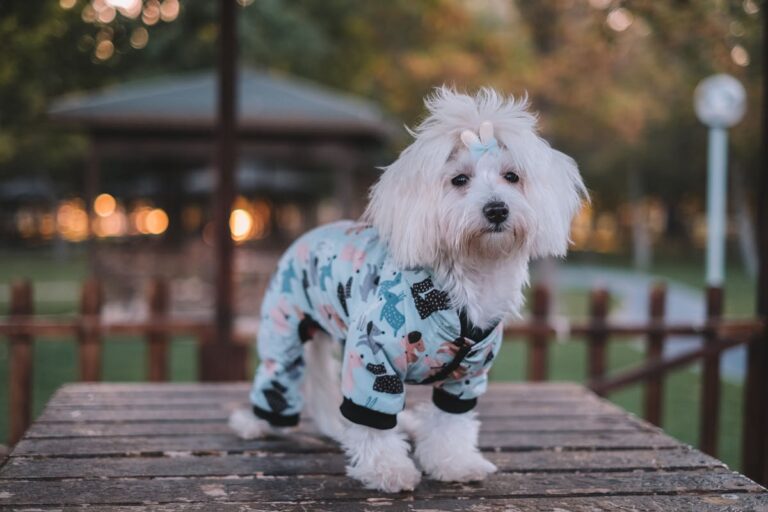
- Consider doggy pajamas for nighttime: Nighttime temperatures drop further, and your Chihuahua’s metabolism slows during sleep. Lightweight pajamas or onesies keep them cozy through the night without restricting movement.
- Use raised dog beds: Elevating the sleeping surface off cold floors (especially tile, hardwood, or concrete) makes a significant difference. A raised bed with a fleece pad is ideal.
- Maintain consistent indoor temperatures: If possible, keep your thermostat at 68–72°F during winter. Avoid major temperature fluctuations throughout the day.
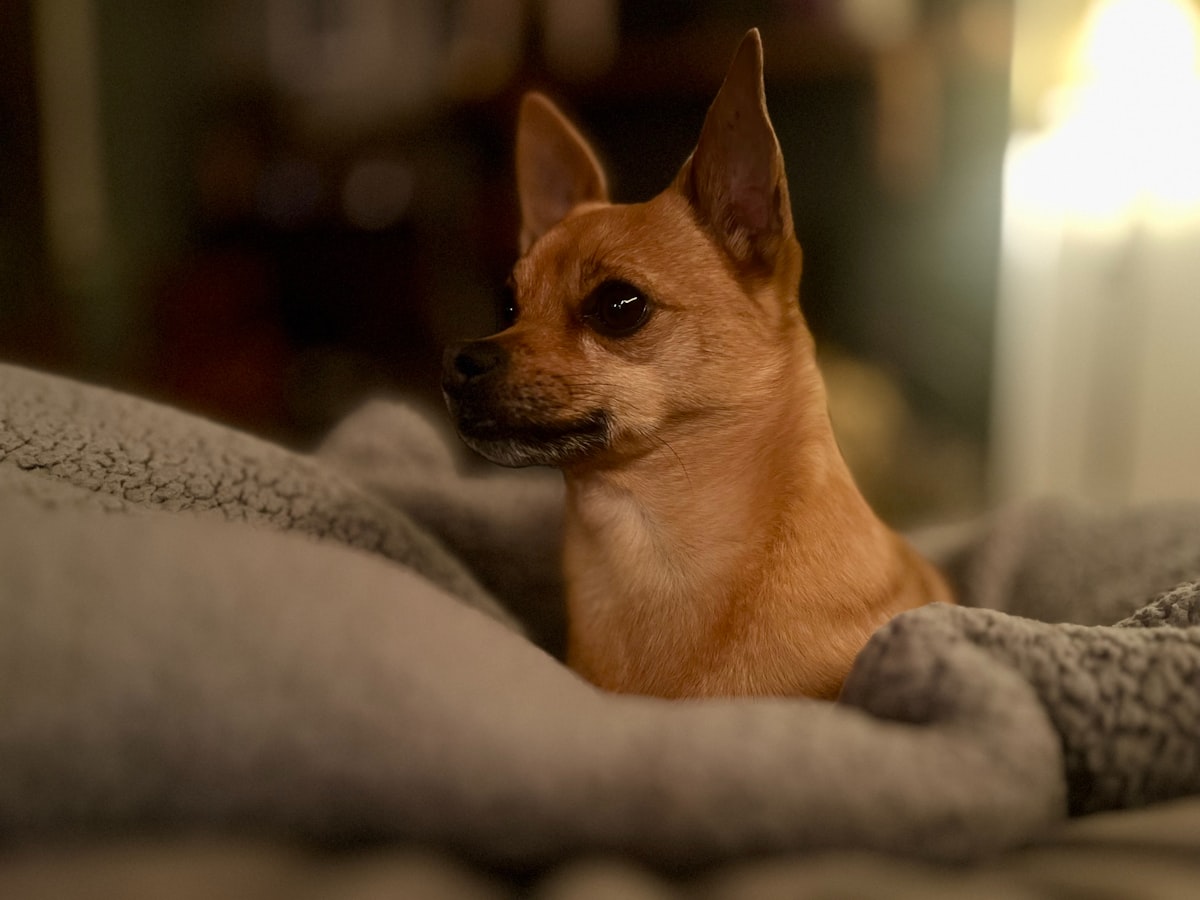
How to Get Your Chihuahua Comfortable Wearing Clothes
Not every Chihuahua takes to clothing right away. Some freeze in place, others try to shake or chew the garment off. Here’s how to make the transition smoother:
- Start with short sessions: Put the sweater on for just 5–10 minutes at a time. Immediately engage your Chihuahua with treats, play, or a walk to create positive associations.
- Choose the right first garment: Start with a lightweight, stretchy sweater rather than a bulky coat. Less material means less overwhelm.
- Watch for fit problems: If your Chihuahua keeps pawing at the clothing, it may be too tight around the neck or armpits. Adjust the size or try a different style.
- Gradually increase wear time: Over 1–2 weeks, slowly extend how long the clothing stays on. Most Chihuahuas adapt completely within a few weeks.
- Never force it: If your dog shows genuine distress (not just mild annoyance), take the clothing off and try again later with a different approach.
For a complete step-by-step training process, read our guide on how to get your dog to wear clothes.
Chihuahua Winter Clothing Care and Maintenance
Your Chihuahua’s winter wardrobe needs regular cleaning and inspection to stay effective and safe:
- Wash regularly: Clean sweaters and coats weekly during heavy use. Dog clothing collects dirt, dander, saliva, and outdoor contaminants that can irritate sensitive skin.
- Use pet-safe detergent: Fragrance-free, hypoallergenic detergents prevent skin reactions. Avoid fabric softeners, which leave chemical residue.
- Inspect for wear: Check seams, closures, and elastic regularly. Loose threads or broken snaps can become choking hazards or get caught on objects.
- Dry completely before use: Damp clothing against your Chihuahua’s skin can actually make them colder and may cause skin infections. Air dry fully or use a low-heat dryer setting.
- Rotate between garments: Having 3–4 sweaters and 2 coats in rotation means you always have a clean, dry option available and extends the life of each piece.
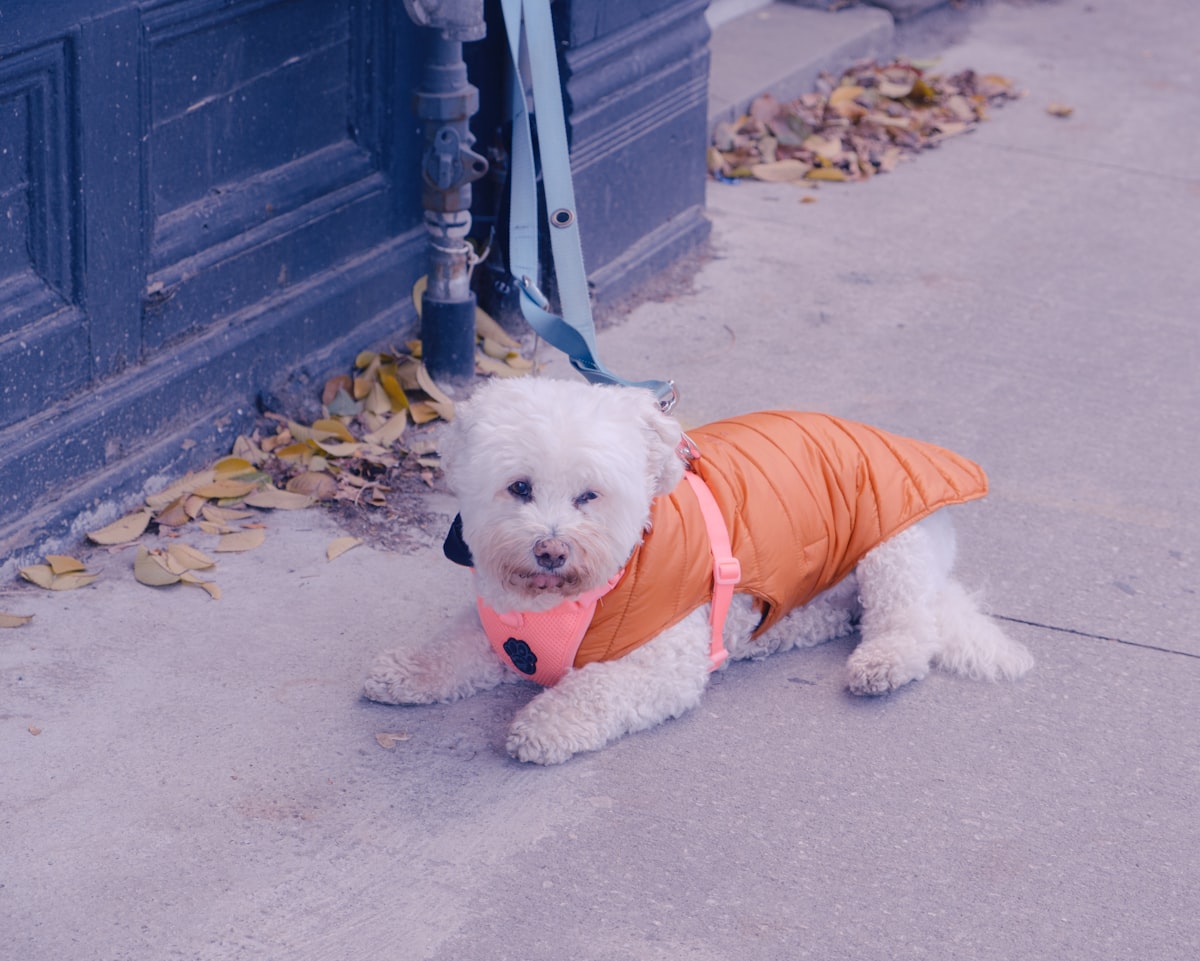
Chihuahua Winter Clothing Video Guide
This helpful video covers practical tips for keeping your Chihuahua warm during winter, including clothing recommendations and cold-weather safety advice:
Shop Chihuahua Winter Clothing
Finding the right winter gear for your Chihuahua doesn’t have to be complicated. Here are our top picks from the Hawa Pets shop, all available in sizes that fit Chihuahuas and other toy breeds:
Winter Essentials for Chihuahuas
- Warm Cotton-Padded Dog Coat — $24.99 — Thick insulation with a soft lining for maximum warmth on cold walks.
- Reversible Waterproof Dog Winter Coat — $24.99 — Two styles in one with waterproof protection and padded warmth.
- Winter Dog Snow Boots (4-Pack) — $22.99 — Anti-slip, thick warm boots for icy sidewalks and snowy yards.
- Tie-Dye Dog Hoodie — $22.99 — A cozy hoodie that works as a stylish indoor layer or light outdoor sweater.