Best Dog Raincoats for Spring 2026 | Keep Your Pup Dry and Stylish
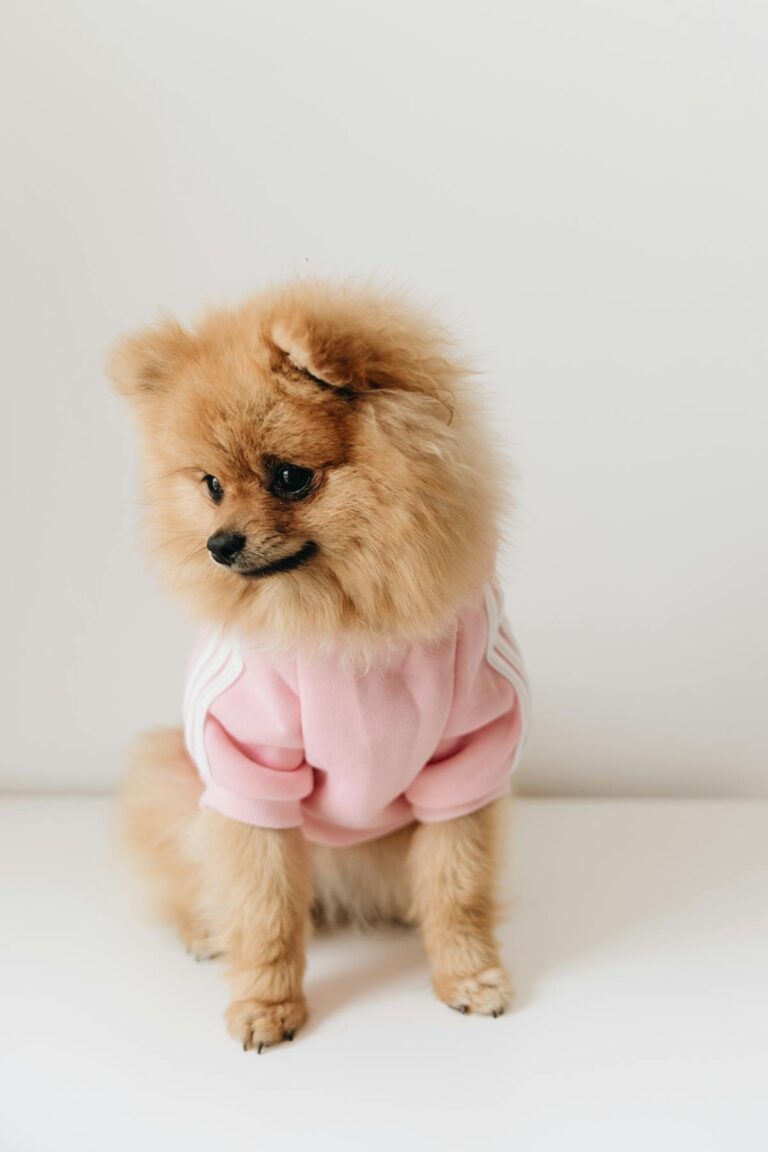
Spring showers bring more than flowers — they bring muddy paws, damp fur, and that unmistakable wet dog smell that lingers on your couch for days. If you’ve ever toweled off a soaked Golden Retriever or watched your Pomeranian refuse to step outside because of a light drizzle, you already know: a good dog raincoat isn’t a luxury. It’s survival gear for pet parents.
Whether your pup struts through puddles like a runway model or trembles at the first raindrop, the right waterproof jacket keeps them dry, comfortable, and actually willing to go outside when the weather turns gray. Here’s everything you need to know about choosing, fitting, and rocking a dog raincoat this spring.
Why Your Dog Actually Needs a Raincoat
Not every dog needs a coat — thick-furred breeds like Huskies and Bernese Mountain Dogs have built-in insulation that handles moisture well. But plenty of dogs genuinely benefit from rain protection:
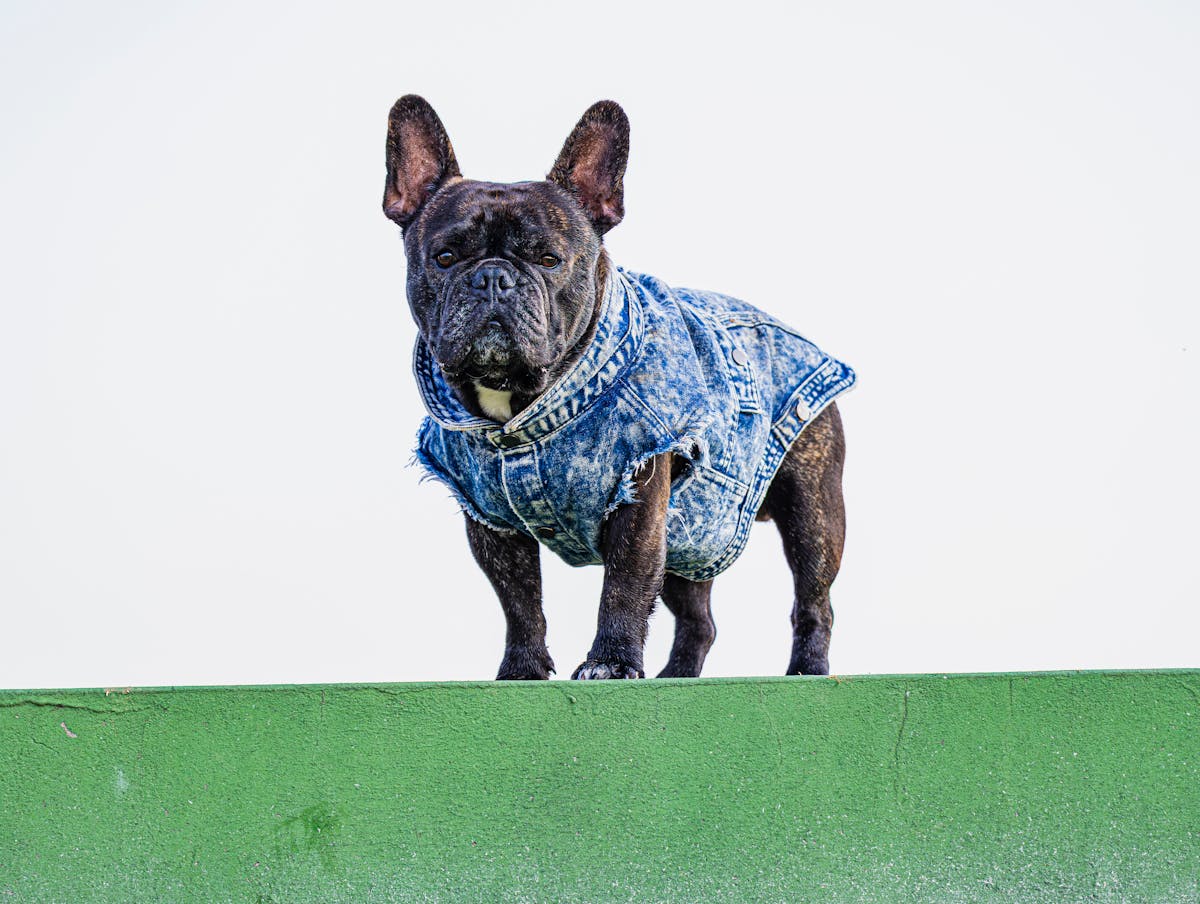
- Short-haired breeds like Boxers, Whippets, and French Bulldogs get cold fast when wet
- Small breeds including Chihuahuas, Yorkies, and Maltese lose body heat quickly
- Senior dogs with arthritis or joint issues — cold rain aggravates stiffness
- Long-haired breeds like Collies and Shih Tzus — rain causes matting and tangles that take hours to brush out
- Dogs prone to skin conditions — prolonged moisture can trigger hot spots and infections
Beyond comfort, there’s a practical angle too. A waterproof coat means less post-walk cleanup. No soggy towel mountains. No mud-streaked hallways. Your dog stays dry, your house stays clean, and everyone’s happier.
What Makes a Great Dog Raincoat
Dog raincoats range from flimsy plastic ponchos to high-performance technical gear. The difference between a coat your dog tolerates and one they forget they’re wearing comes down to a few key features.
Waterproof vs. Water-Resistant
These terms get thrown around interchangeably, but they’re not the same. Water-resistant coats repel light rain and splashes but will eventually soak through in heavy downpours. Waterproof coats use sealed seams and membrane technology (similar to human rain jackets) to block water completely. For spring storms, you want genuinely waterproof — look for terms like “PU-coated,” “3-layer membrane,” or “sealed seams” on the label.
Breathability Matters
A coat that traps heat and moisture underneath defeats the purpose. Dogs regulate temperature partly through their skin, so a breathable lining or mesh ventilation is essential — especially for active dogs who run and play during walks. Nylon ripstop with a mesh lining strikes the best balance between waterproofing and airflow.
Reflective Elements
Rainy days are dark days. Reflective strips or piping on your dog’s coat make them visible to drivers, cyclists, and other pedestrians during those gloomy spring walks. This is a non-negotiable safety feature if you walk near roads.
Leash Access
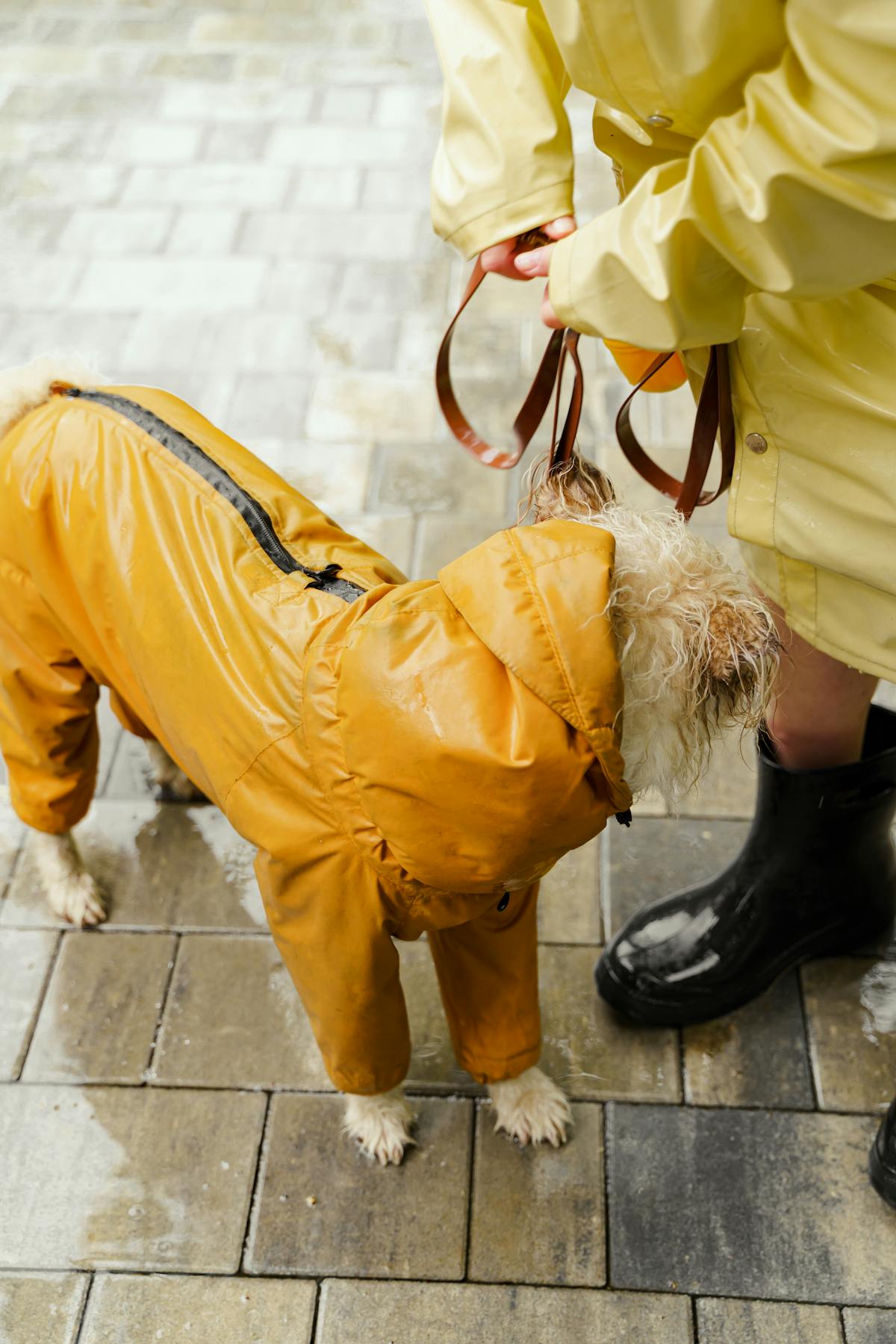
A surprising number of dog raincoats forget this detail. You need a harness hole or leash portal on the back so you can attach a leash without bunching the coat or exposing your dog’s back to rain. The best designs have a reinforced opening with a storm flap around it.
Top Dog Raincoat Styles for Spring 2026
Dog rainwear has come a long way from the basic yellow slicker. Here are the styles dominating the pet fashion scene this season:
The Classic Raincoat
Covers the back and chest, fastens with Velcro under the belly. Simple, effective, easy to put on and take off. Works for most breeds and most situations. Brands like Ruffwear and Hurtta have refined this design over years, adding features like adjustable neck closures and extended tail coverage. Expect to pay $25–$60 depending on size and brand.
The Full-Body Coverall
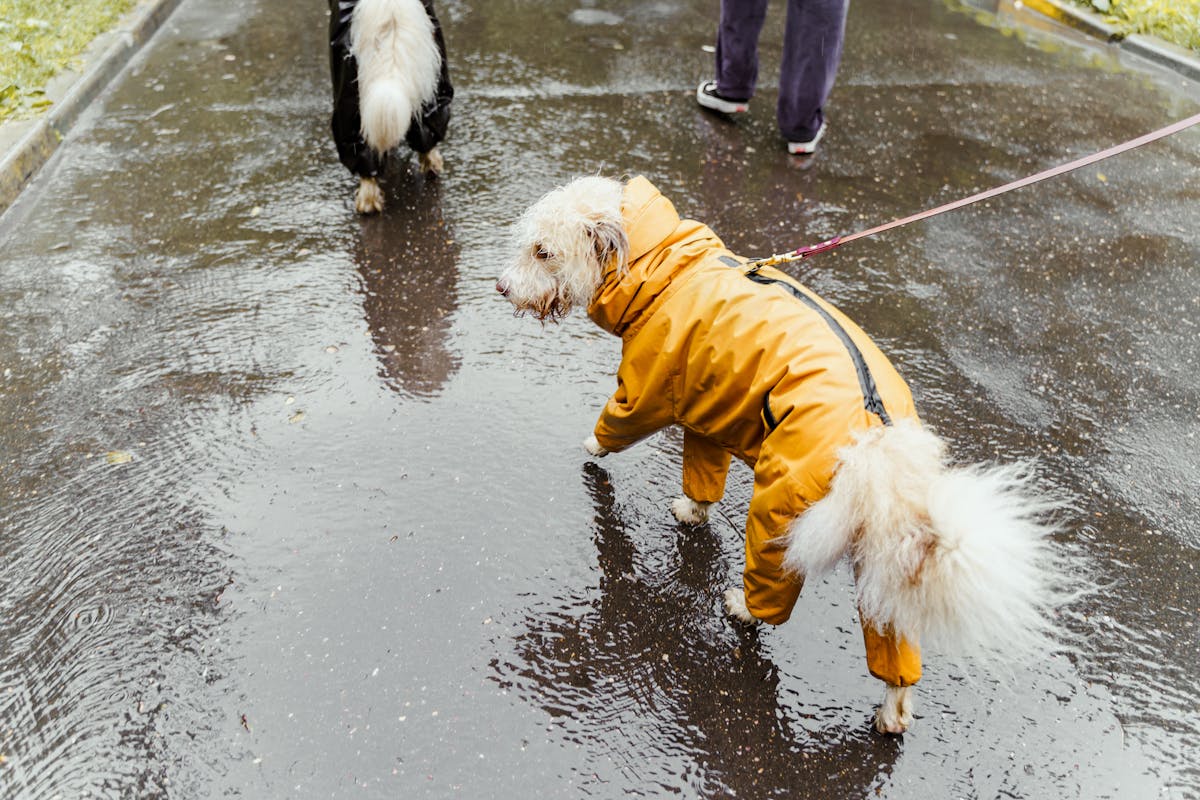
For dogs who love diving belly-first into mud puddles, a full-body rain suit covers the legs and undercarriage too. These are game-changers for long-haired breeds — no more spending 30 minutes detangling matted belly fur after a rainy walk. The Ruffwear Sun Shower Coverall and Non-stop Dogwear Fjord Overall lead this category. They’re pricier ($50–$90) but save you hours of grooming time.
The Lightweight Poncho
Packable, affordable, and good enough for light spring drizzle. These won’t hold up in a downpour, but they’re perfect for quick potty breaks or unexpected showers when you’re caught without gear. Most fold down small enough to stuff in a jacket pocket. Budget-friendly options from Frisco run $10–$20.
The Insulated Rain Jacket
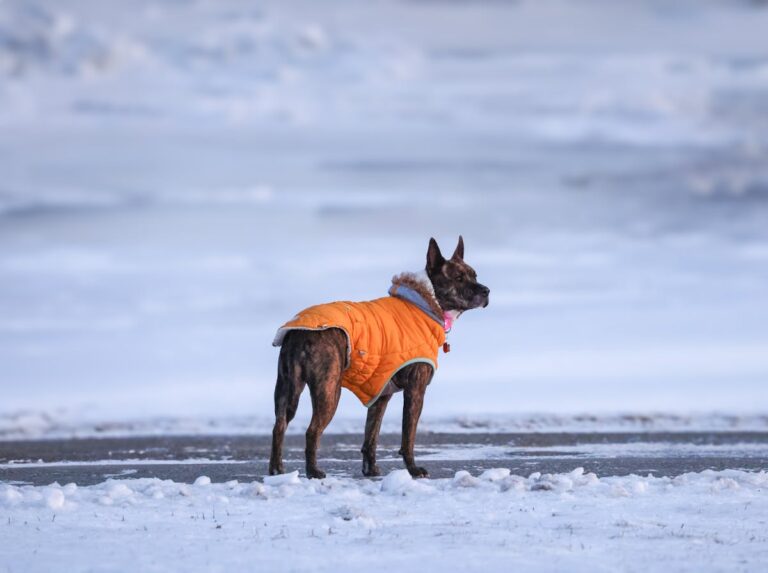
Spring in many regions means cold rain. If temperatures hover around 5–12°C (40–55°F) during your morning walks, an insulated waterproof coat handles both warmth and dryness. Non-stop Dogwear’s Fjord Lined Raincoat uses Primaloft insulation — the same material in premium human outdoor jackets — for warmth without bulk.
How to Measure Your Dog for the Perfect Fit
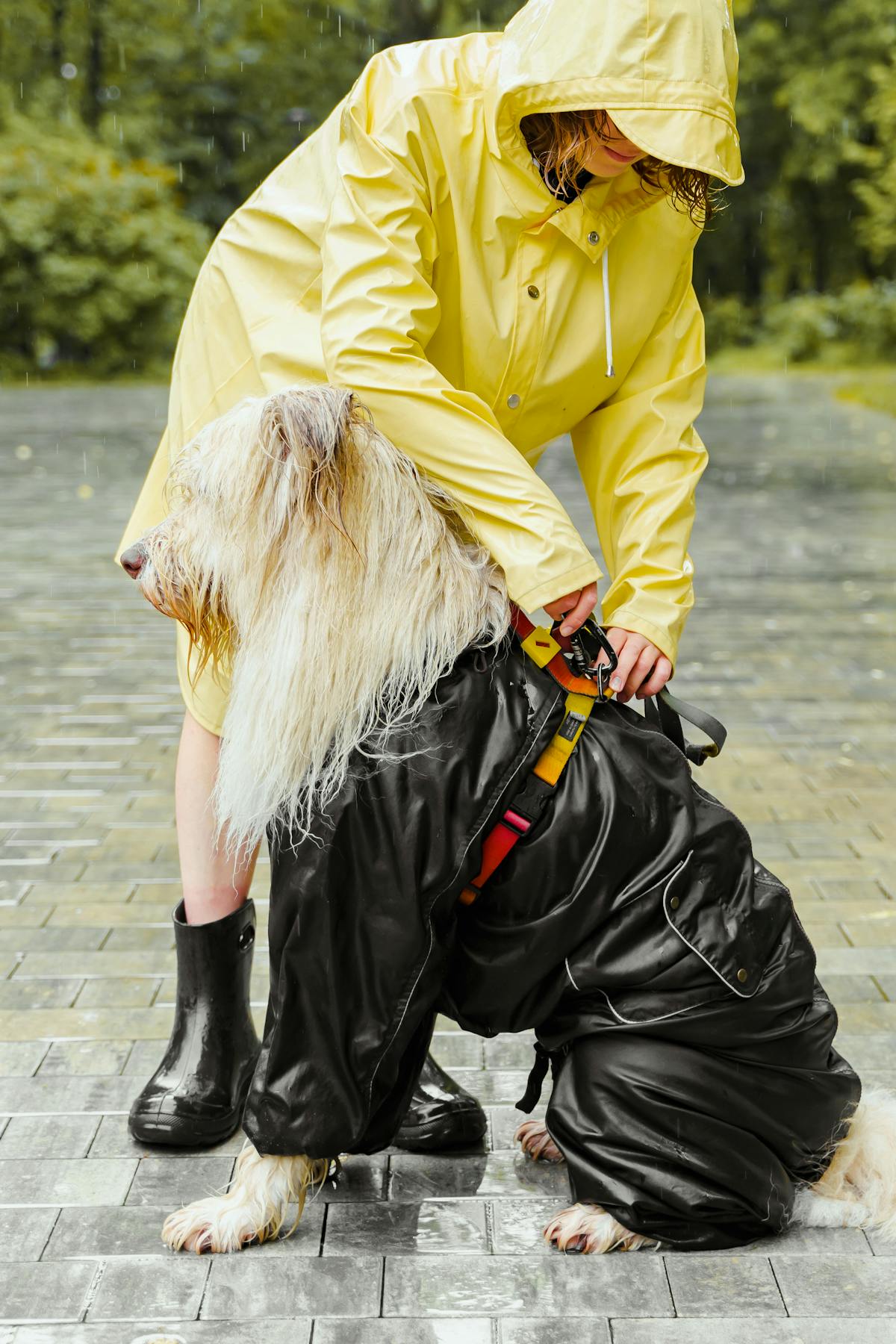
A poorly fitting raincoat is worse than no coat at all. Too loose and it shifts around, letting water in and restricting movement. Too tight and your dog will be miserable — and might pull a Houdini to escape it. Here’s how to measure correctly:
- Back length: Measure from the base of the neck (where the collar sits) to the base of the tail. This is the primary measurement most brands use for sizing.
- Chest girth: Wrap a measuring tape around the widest part of the ribcage, just behind the front legs. Add 2–3 cm for comfort.
- Neck circumference: Measure where the collar normally sits. The coat’s neck opening should be snug enough to keep rain out but loose enough to slip two fingers underneath.
- Weight: Some brands size by weight ranges. Use this as a secondary reference, not a primary one — a muscular 25 kg Pit Bull and a lean 25 kg Pointer have very different proportions.
Pro tip: If your dog falls between sizes, size up. You can always adjust a slightly large coat with Velcro tabs, but there’s no fixing one that’s too small.
Getting Your Dog Comfortable Wearing a Raincoat
Some dogs take to wearing a coat immediately. Others act like you’ve strapped a live alien to their back. If your dog freezes, shakes, or dramatically collapses when you put a coat on them, don’t force it. Try this gradual approach:
- Day 1–2: Let the coat sit near their bed or food bowl so they associate it with positive things
- Day 3–4: Drape it loosely over their back without fastening it. Treats and praise.
- Day 5–6: Fasten it for short indoor sessions (5–10 minutes). More treats.
- Day 7+: Wear it on a short outdoor walk. By now most dogs are too distracted by squirrels to care about the coat.
Patience works. Forcing a coat on a stressed dog creates a negative association that’s much harder to undo later.
Matching With Your Dog: The Trend That Won’t Quit
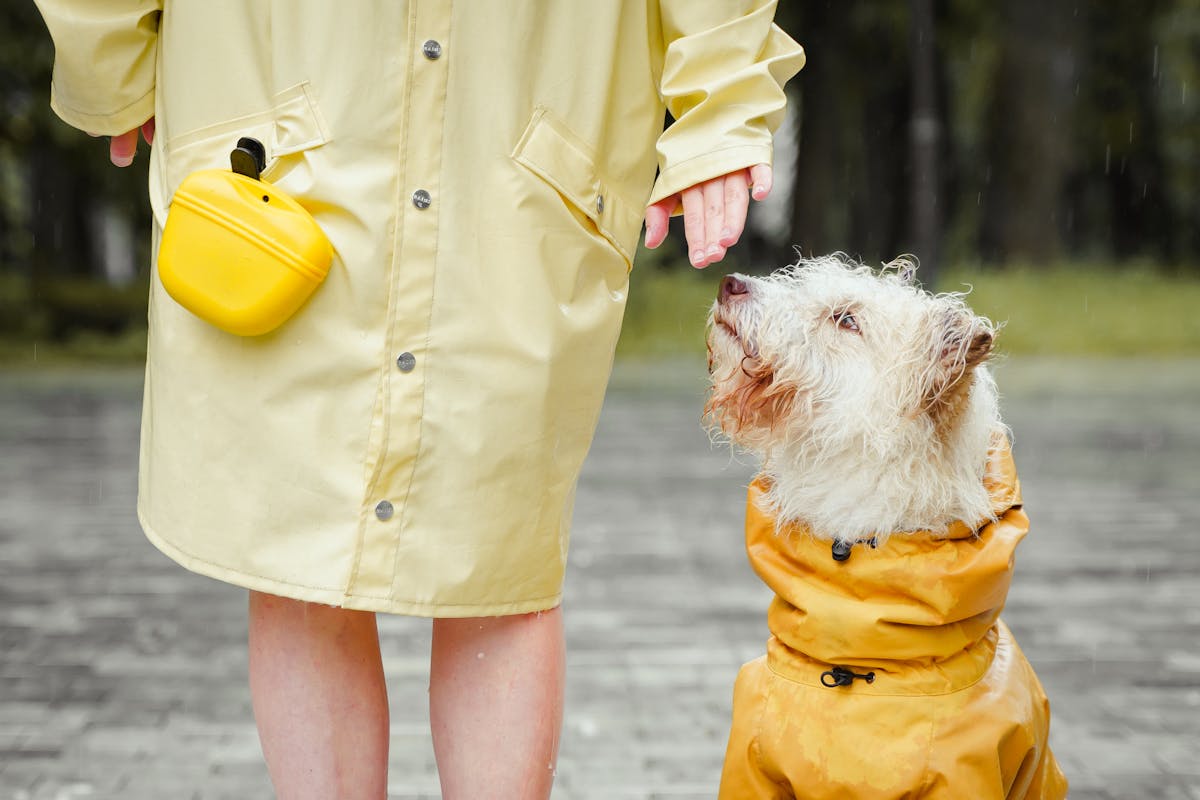
Twinning with your pup on rainy days has gone from quirky to mainstream. Brands now sell matching human-and-dog raincoat sets in coordinated colors and patterns. Is it necessary? No. Is it absolutely delightful and guaranteed to make strangers smile at you in the park? Every single time.
Yellow is the classic rainy day color, but spring 2026 is bringing pastels — mint green, dusty rose, and lavender dog raincoats are everywhere. If you’re going to match, commit to it. Half-measures look accidental. Full coordination looks intentional and fun.
Care and Maintenance Tips
A well-maintained raincoat lasts years. A neglected one loses its waterproofing in weeks. Keep yours performing with these habits:
- Rinse after every muddy walk — just cold water and a quick wipe-down
- Machine wash monthly on a gentle cycle with pet-safe detergent (no fabric softener — it destroys waterproof coatings)
- Hang dry only — never put a waterproof coat in the dryer
- Re-waterproof annually with a DWR spray (Nikwax or Grangers) if water stops beading on the surface
- Check Velcro regularly — fur and lint buildup reduces sticking power. A quick comb-through fixes it.
- Store unfolded when possible to prevent permanent creases that compromise waterproofing at fold points
Worth the Investment
A quality dog raincoat pays for itself in reduced grooming bills, fewer vet visits for skin irritation, and — honestly — in your own sanity. No more wrestling with a reluctant, rain-phobic dog who needs to go outside. No more mopping up muddy paw prints across the kitchen. Just clip on the coat, grab the leash, and walk.
Spring rain doesn’t have to mean staying home. Gear up your pup, and those puddle-filled walks become the best part of the season.