Why Small Dogs Need Sweaters More Than Big Dogs
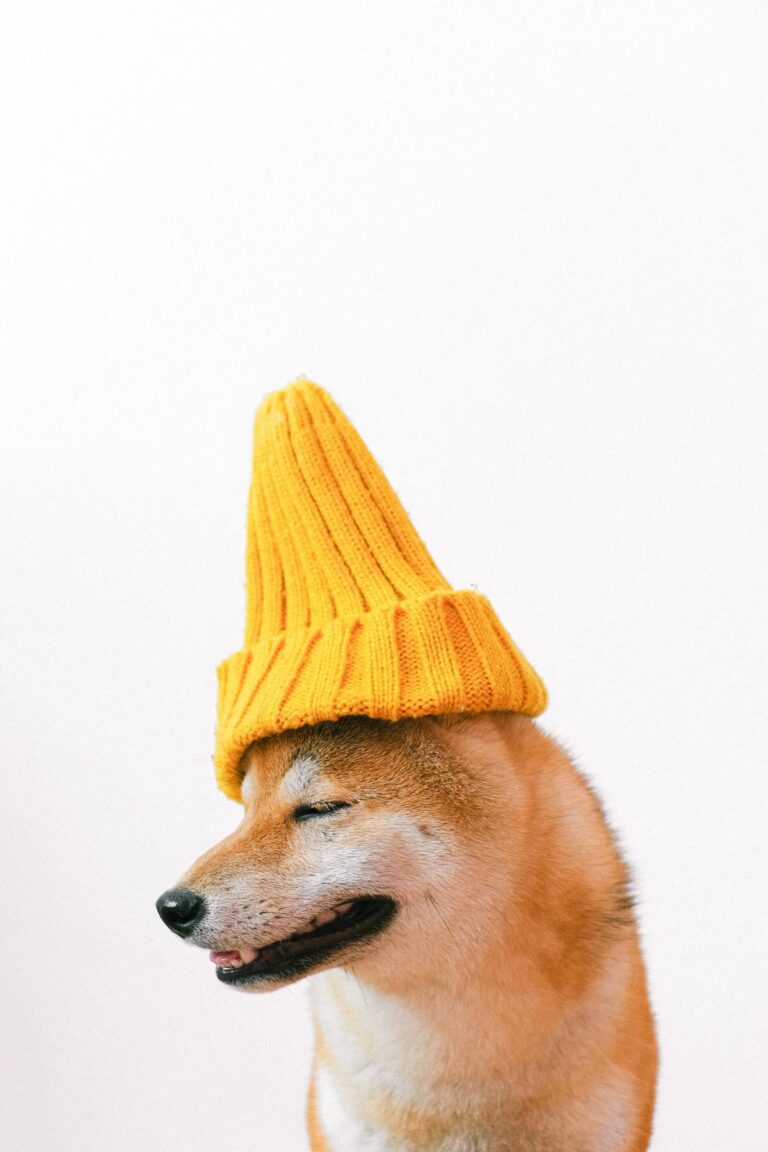
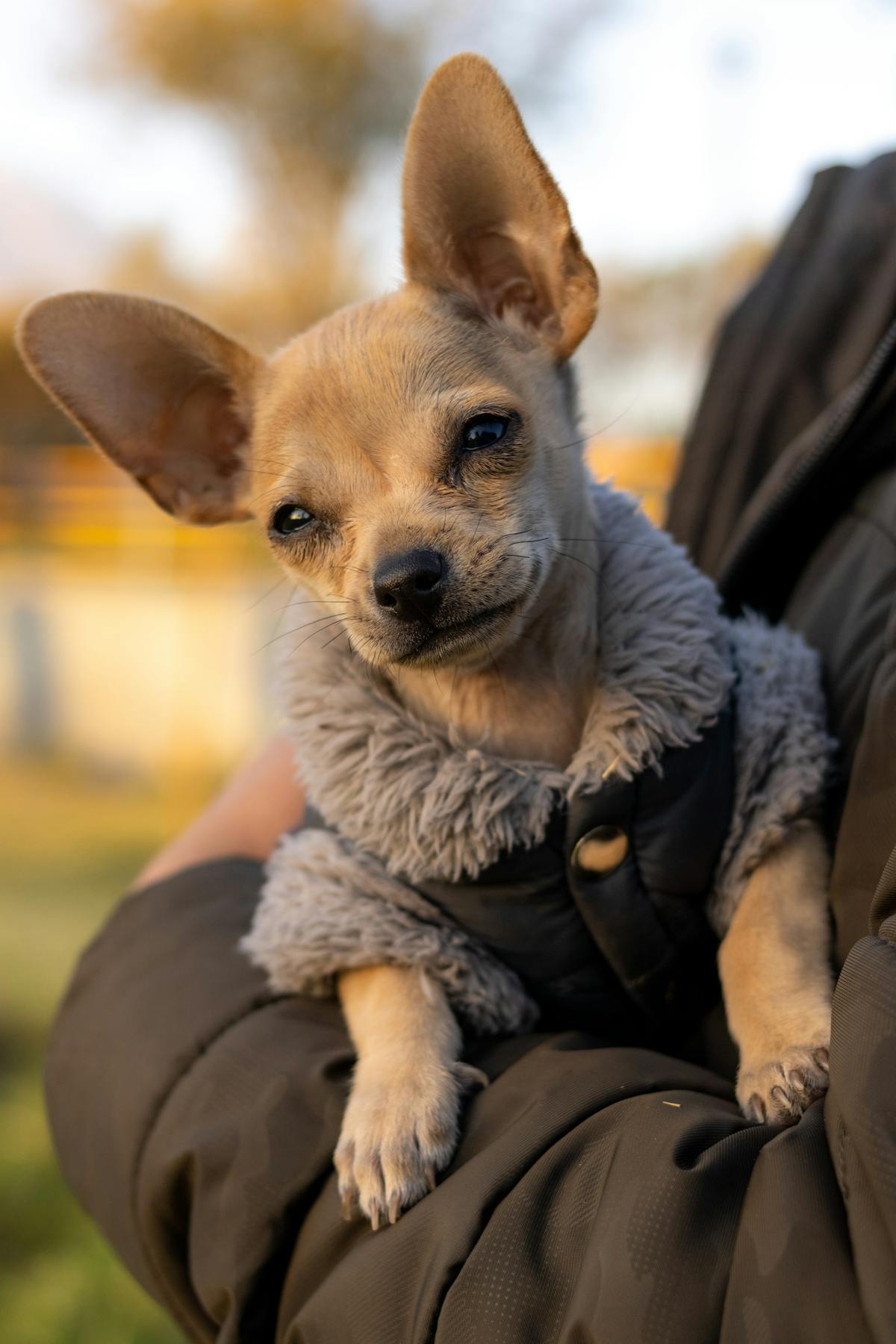
You’ve seen it at every dog park — a tiny Chihuahua bundled up in a knit sweater while a Labrador romps through the cold wearing nothing but its own fur. Some people laugh at dressed-up small dogs, assuming it’s purely a fashion statement. But there’s real science behind why small dogs need sweaters more than big dogs, and understanding it can make a genuine difference in your pet’s health and comfort during cooler months.
This isn’t about making your Yorkie look cute on Instagram (though that’s a nice bonus). It’s about thermoregulation, body composition, and the physics of heat loss that put small breeds at a real disadvantage when temperatures drop.
The Surface Area Problem
The core reason small dogs get cold faster comes down to a principle from physics called the surface-area-to-mass ratio. Smaller animals have proportionally more skin surface relative to their body volume than larger animals. Since heat escapes through the skin, a small dog radiates heat far more quickly than a big one.
Think of it like ice cubes versus a block of ice. Crushed ice melts in minutes because all those tiny pieces have enormous combined surface area. A solid block of the same weight takes much longer because less surface is exposed to warm air. Your 5-pound Chihuahua is the crushed ice. A 90-pound German Shepherd is the block.
A study published in the Journal of Thermal Biology confirmed that dogs under 10 pounds lose body heat at nearly twice the rate of dogs over 50 pounds when exposed to the same cold conditions. That’s not a subtle difference — it’s the difference between a mildly chilly walk and genuine discomfort bordering on danger.
Body Fat and Insulation Differences
Large dogs generally carry more subcutaneous fat, which acts as natural insulation beneath the skin. This fat layer traps body heat and slows the transfer of warmth to the cold outside air. It’s the same principle that keeps whales and seals warm in frigid ocean water.
Small breeds typically have very little body fat. Toy breeds like Chihuahuas, Italian Greyhounds, and Miniature Pinschers are especially lean. Their thin frames mean there’s almost nothing between their internal organs and the outside cold except skin and a thin layer of fur. When the temperature drops below 45°F (7°C), these dogs start burning calories rapidly just to maintain their core body temperature — calories that should be going toward energy, growth, and immune function.
This is why you might notice your small dog eating more in winter or seeming lethargic on cold days. Their body is diverting resources to heat generation, leaving less fuel for everything else. A simple sweater dramatically reduces this metabolic burden by providing an external insulation layer that their bodies can’t produce on their own.
Fur Coat Quality Varies Widely
Not all dog fur provides equal protection against the cold. Breeds developed in cold climates — Huskies, Malamutes, Bernese Mountain Dogs, and Newfoundlands — have dense double coats with a thick, insulating undercoat beneath coarser outer guard hairs. This double-layer system traps warm air close to the skin and repels moisture, creating a remarkably effective natural parka.
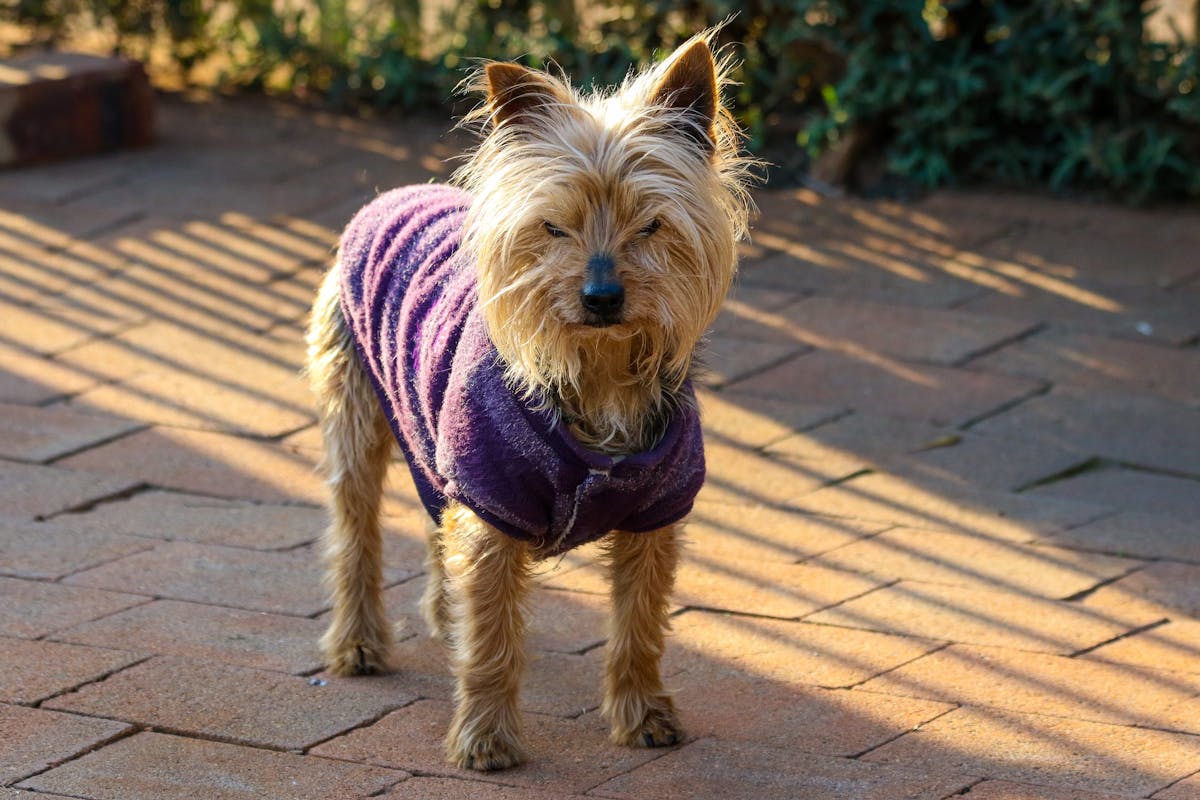
Most small breeds don’t have this advantage. Many toy and small breeds were developed as companion dogs meant to live indoors, not as working dogs built for harsh weather. Breeds like the Chihuahua, Yorkshire Terrier, Maltese, and Italian Greyhound have single-layer coats that offer minimal insulation. Some, like the Chinese Crested, are nearly hairless.
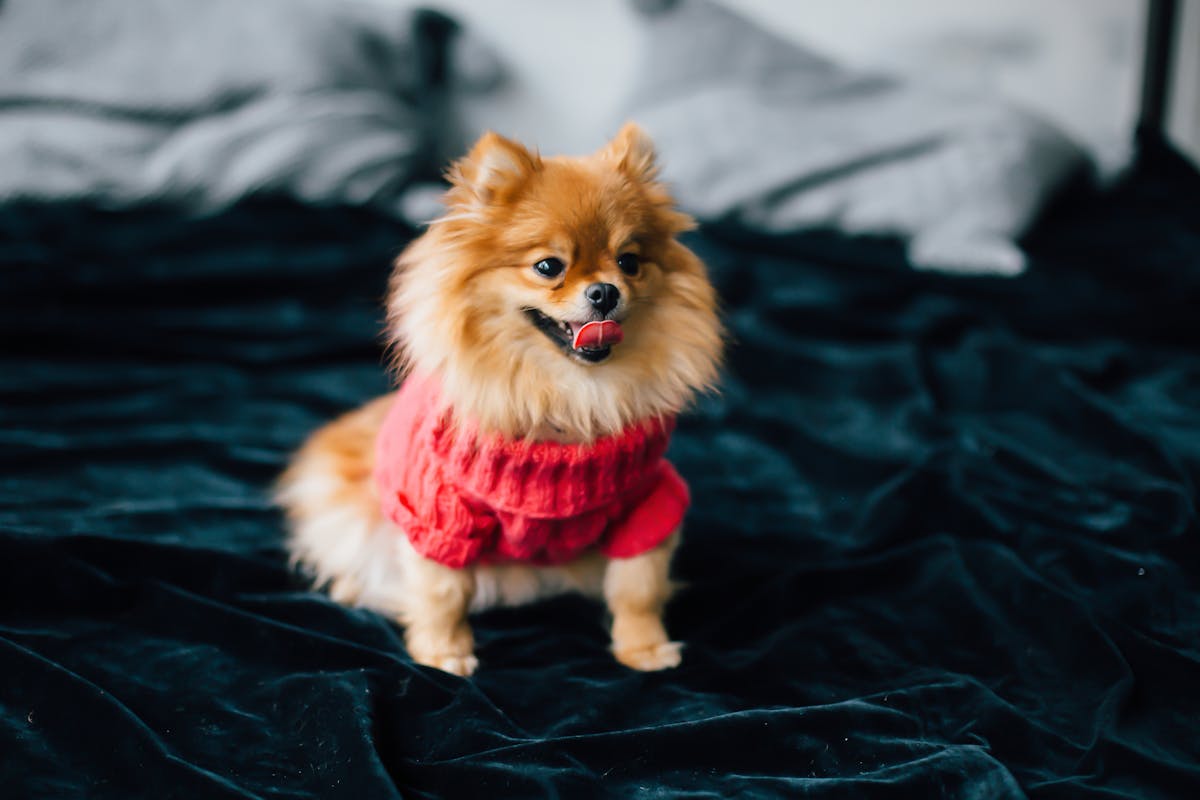
Even small breeds with seemingly fluffy coats, like Pomeranians and Papillons, don’t always have the undercoat density needed for true cold protection. Their fur looks impressive but may not trap heat effectively, especially when wet. A sweater adds the insulation layer that their coat evolution simply didn’t provide.
Proximity to the Ground
Here’s a factor most people overlook: small dogs walk much closer to the ground, and the ground is where the cold concentrates. On a winter day, air temperature at 5 feet might be 35°F, but at 4 inches off the ground — where a Chihuahua’s belly hovers — it can be 10–15 degrees colder due to cold radiation from frozen or snow-covered surfaces.
Large dogs carry their vital organs well above the coldest air layer. Their legs provide enough clearance that the freezing ground surface has less direct impact on their core temperature. A small dog’s entire torso is immersed in that bitter cold zone, making them far more vulnerable to rapid heat loss from below.
Wet ground amplifies this effect dramatically. Water conducts heat away from the body about 25 times faster than air. A small dog walking through damp grass, puddles, or melting snow gets hit with aggressive heat loss from both their paws and their low-riding belly. Sweaters that extend along the underside of the torso provide critical protection against this ground-level cold exposure.
Which Small Breeds Need Sweaters Most
While virtually all small dogs benefit from cold-weather clothing, some breeds face a higher risk than others. Here are the small breeds that veterinarians most commonly recommend wearing sweaters in cold weather:
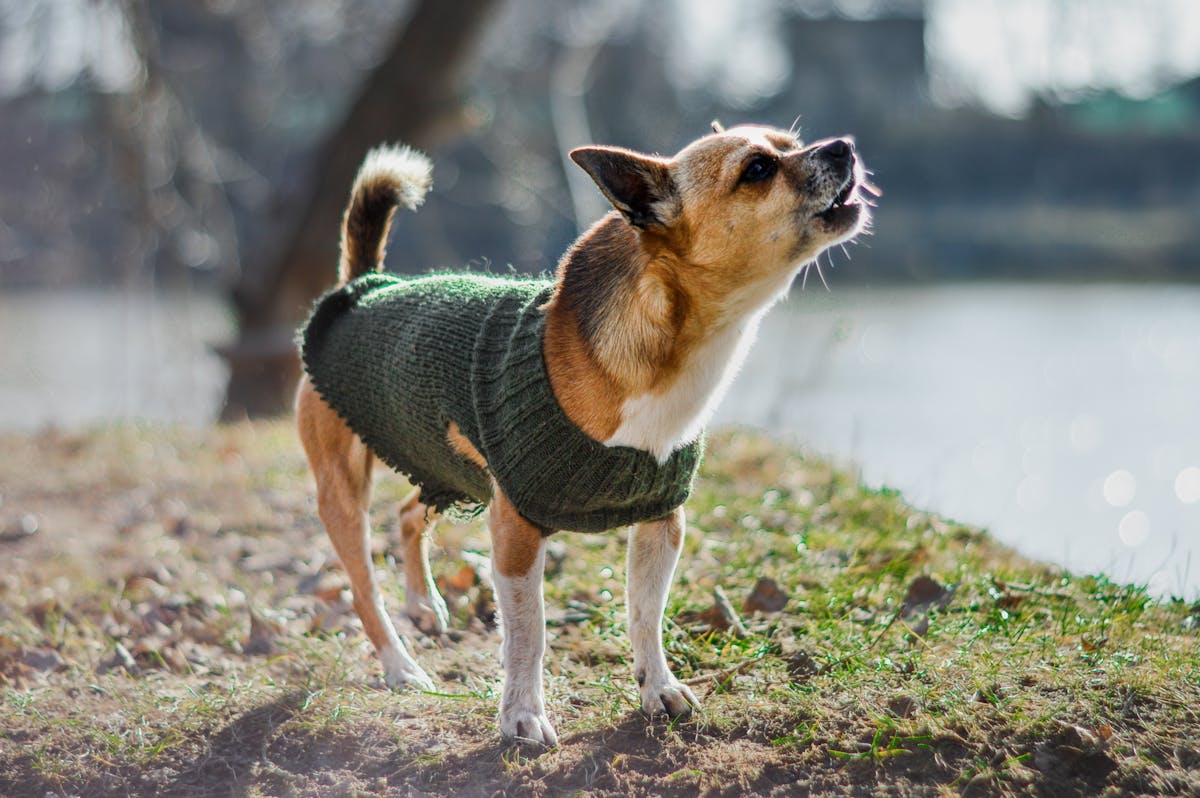
Chihuahuas top every list. Weighing 2–6 pounds with minimal fur, no undercoat, and almost zero body fat, they’re essentially walking heat sinks. Chihuahuas can start shivering at temperatures that most dogs find perfectly comfortable. If you own a Chihuahua, a warm padded coat isn’t optional — it’s essential gear from late fall through early spring.
Italian Greyhounds combine every vulnerability: single coat, extremely low body fat, thin skin, and a lean build that maximizes surface area relative to mass. They’re arguably the most cold-sensitive breed that exists.
Yorkshire Terriers have hair (technically closer to human hair than typical dog fur) rather than a true insulating coat. Despite their flowing locks, Yorkies lack the dense undercoat that provides real warmth. Their small size compounds the problem.
Miniature Pinschers look like tiny Dobermans and share the same short, single-layer coat — but at 8–12 pounds, they have none of the Doberman’s thermal mass. They get cold extremely quickly.
Toy Poodles and Miniature Poodles have curly coats that look warm but are actually single-layered. Without regular grooming, their fur mats rather than insulates, which can make cold sensitivity even worse.
Boston Terriers and French Bulldogs have short, flat coats that provide almost no insulation. While they’re slightly larger than the breeds above, their brachycephalic (flat-faced) anatomy means they already work harder to breathe, and cold air makes breathing even more difficult. A sweater helps warm the air around their chest and throat.
Signs Your Dog Is Too Cold
Dogs can’t tell you they’re freezing, but they show clear behavioral and physical signs that indicate cold stress. Watch for these signals, especially in small breeds:
Shivering and trembling are the most obvious signs. Like humans, dogs shiver to generate heat through rapid muscle contractions. If your dog is shivering, they’re already uncomfortable and burning extra calories to stay warm.
Reluctance to walk or go outside is a clear behavioral signal. A dog that normally bolts for the door but suddenly plants their feet and resists going out is telling you it’s too cold for them. Picking up paws alternately (the “cold foot dance”) means their feet are freezing.
Hunching or tucking their body into a tight ball minimizes exposed surface area. If your dog walks hunched with their tail tucked and spine curved, they’re trying to conserve heat.
Seeking warm spots aggressively — burrowing under blankets, pressing against heat vents, climbing into your lap the moment you sit down — suggests your dog’s baseline body temperature is running low even indoors. Some small dogs need a lightweight indoor sweater in homes kept below 68°F (20°C).
Whining, barking, or acting anxious during outdoor time in cold weather may indicate genuine discomfort rather than the normal excitement of being outside.
What About Big Dogs That Get Cold?
While this article focuses on small breeds, it’s worth noting that some large dogs benefit from sweaters too. Senior dogs of any size lose thermoregulation efficiency as they age. Dogs recovering from illness or surgery have compromised ability to maintain body temperature. And certain large breeds with thin coats — Greyhounds, Weimaraners, and Whippets — can absolutely need cold-weather clothing despite their size.
The difference is that these situations are the exception for large breeds and the rule for small breeds. A healthy adult Labrador in a Northern climate will almost never need a sweater. A healthy adult Chihuahua in the same climate will need one every single day from October through April.
Choosing the Right Sweater for Your Small Dog
Not all dog sweaters provide equal warmth. When shopping for your small breed, prioritize these features:
Material matters. Fleece-lined or wool-blend sweaters provide the best insulation-to-weight ratio. Cotton sweaters look nice but absorb moisture and lose insulating ability when damp. For outdoor walks, look for a waterproof winter coat with padding that blocks wind and repels rain or snow while trapping body heat.
Coverage area. A sweater that only covers the back leaves the chest and belly — where heat loss is greatest for small dogs — completely exposed. Look for designs that wrap under the torso and protect the chest. Full belly coverage is especially important for small breeds given their ground proximity.
Fit over fashion. A sweater that’s too loose lets cold air circulate underneath and defeats the purpose. Too tight restricts movement and breathing. The sweater should fit snugly without compressing the ribcage, and your dog should be able to walk, run, sit, and squat naturally while wearing it.
Easy on and off. Small dogs often resist having clothing pulled over their heads. Sweaters with Velcro closures, snap buttons, or step-in designs reduce the stress of dressing your dog and make the whole experience more positive for both of you.
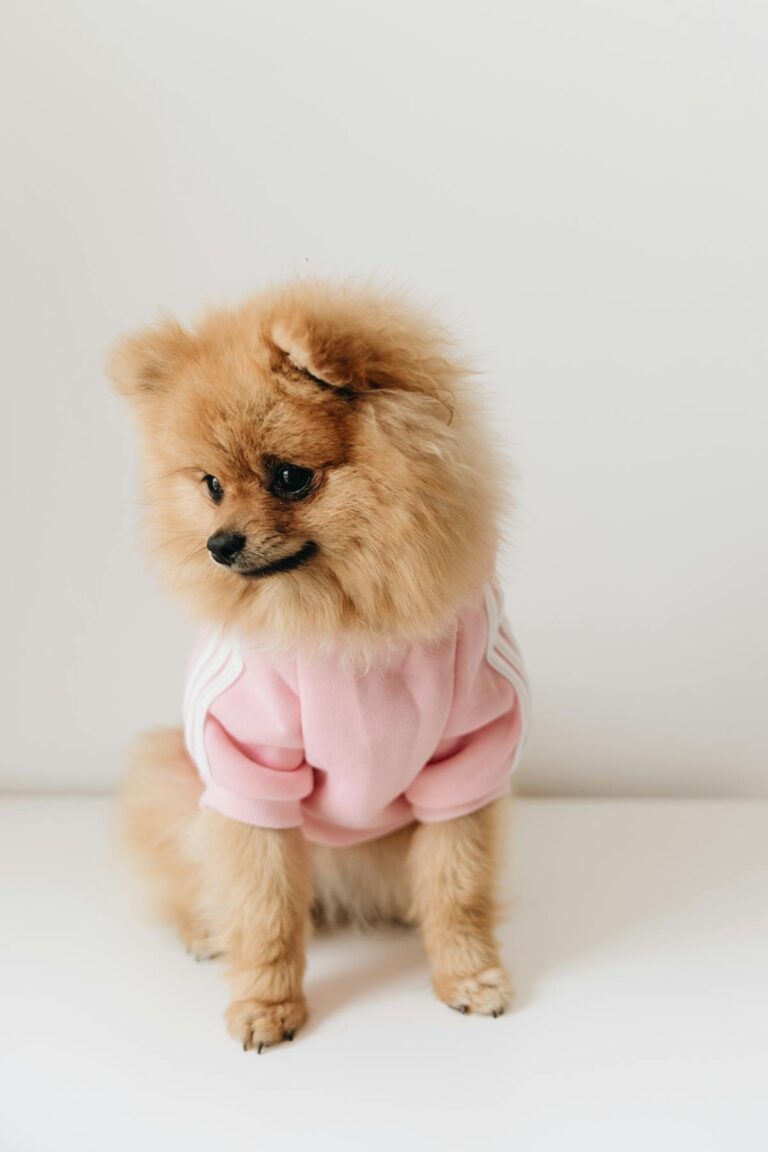
The tie-dye dog hoodie works well for dogs that need lightweight warmth during transitional seasons, while heavier-duty options like our warm knit pullover provide serious cold-weather protection.
It’s Not Vanity — It’s Veterinary Science
The next time someone rolls their eyes at a small dog in a sweater, you’ll know the real story. Dressing a Chihuahua for cold weather isn’t anthropomorphizing or being dramatic. It’s responding to the genuine physiological reality that tiny dogs lose heat faster, have less natural insulation, walk closer to frozen ground, and face real health risks from cold exposure that larger dogs simply don’t experience to the same degree.
Keeping your small dog warm isn’t just about comfort — it supports their immune function, protects their joints (cold exacerbates arthritis, which is common in aging toy breeds), preserves their caloric intake for healthy metabolic function, and prevents dangerous drops in core body temperature that can lead to hypothermia.
Your small dog needs that sweater. Science says so.