Spring Dog Clothes: Lightweight Outfits for Warmer Weather Walks
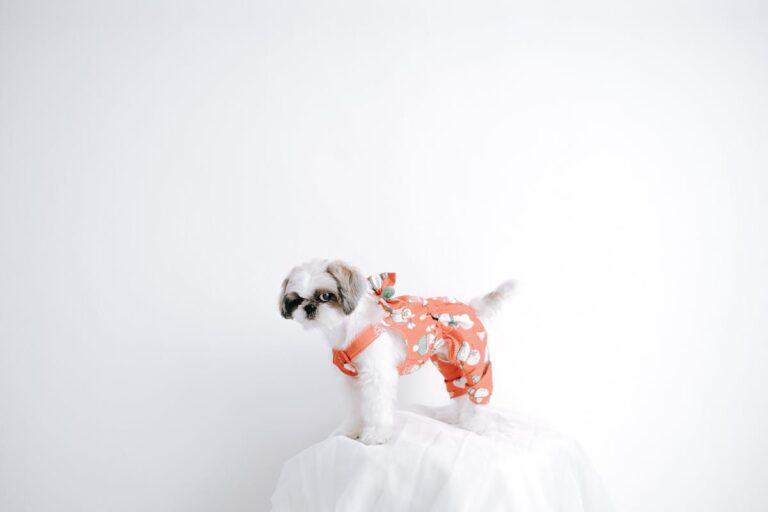
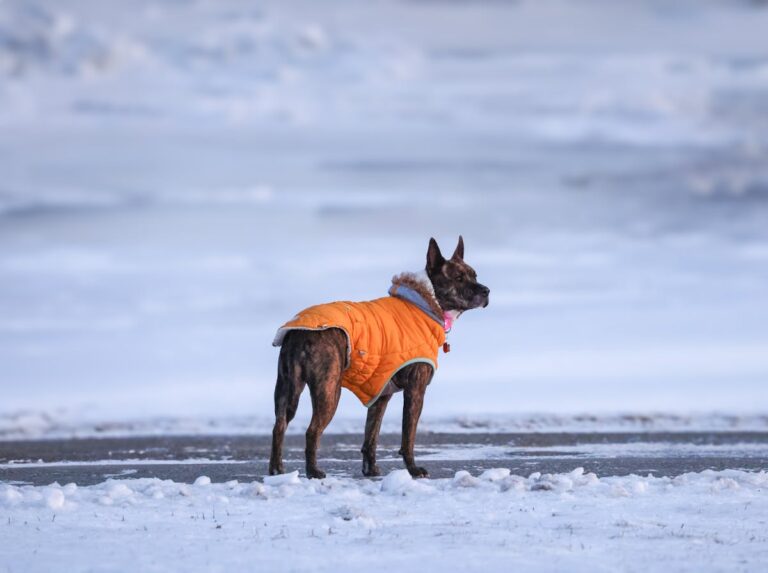
Spring is here, and that means swapping out the heavy winter parkas for something a little lighter. If you’ve been dressing your dog in thick padded jackets all season, it’s time to transition to spring dog clothes that offer just the right amount of warmth without overheating your pup. Whether you’re dealing with unpredictable March mornings or breezy April afternoons, the right lightweight outfit keeps your dog comfortable, protected, and looking sharp on every walk.
But spring dressing isn’t just about style — it’s about health. Dogs with thin coats, small breeds, seniors, and those recovering from surgery still need a layer when temperatures swing between 45°F and 65°F. The trick is choosing breathable fabrics that move with your dog instead of restricting them. Let’s break down everything you need to know about dressing your dog for the warmer months ahead.
Why Your Dog Still Needs Clothes in Spring
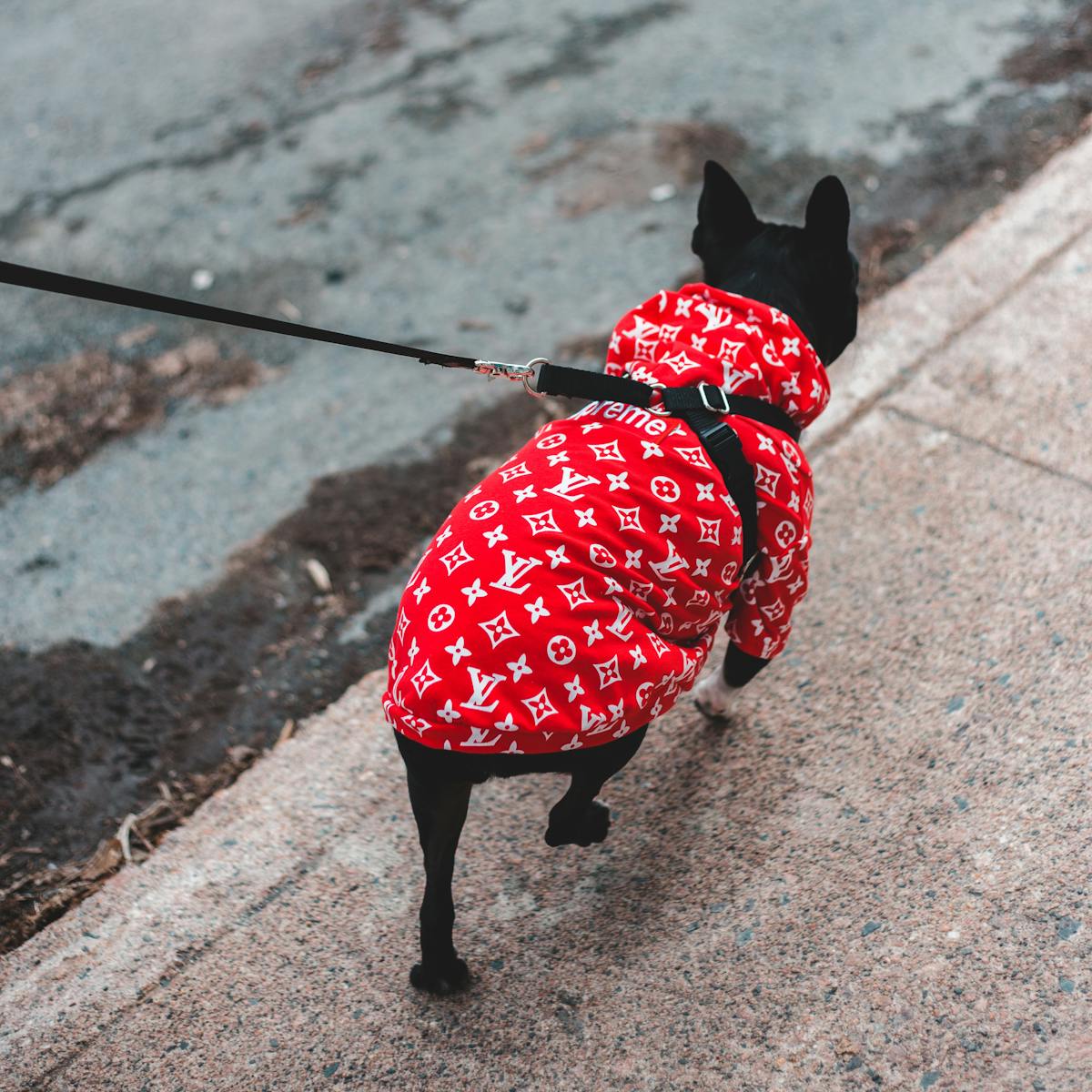
A lot of dog owners pack away the sweaters the moment the calendar hits March. That’s a mistake. According to the American Kennel Club, many dogs benefit from wearing clothes during transitional seasons — not just winter. Spring weather is notoriously inconsistent. You might step outside at 7 AM to 48°F fog and by noon it’s a sunny 68°F. That kind of swing catches dogs off guard just like it catches us.
Small breeds like Chihuahuas, Yorkshire Terriers, and Italian Greyhounds have very little body fat and thin coats. These dogs lose heat fast and genuinely feel cold at temperatures that larger, double-coated breeds barely notice. Small dogs need sweaters more than big dogs — and that doesn’t stop being true just because winter is technically over. Even medium-sized breeds with short hair like French Bulldogs, Boxers, and Pit Bulls can benefit from a light layer during cool spring mornings.
Beyond temperature regulation, spring clothing also serves a practical purpose. Lightweight dog shirts and bodysuits can protect against seasonal allergens. Pollen, grass, and environmental irritants that spike in spring cling to fur and skin. A simple t-shirt creates a barrier that reduces allergen contact during walks — something veterinary dermatologists have recommended for allergy-prone dogs for years.
The Best Types of Spring Dog Clothes
Not all dog clothes are built for spring. You want fabrics and styles that breathe, stretch, and dry quickly. Here’s what works best when the temperature starts climbing.
Lightweight Dog T-Shirts and Tank Tops
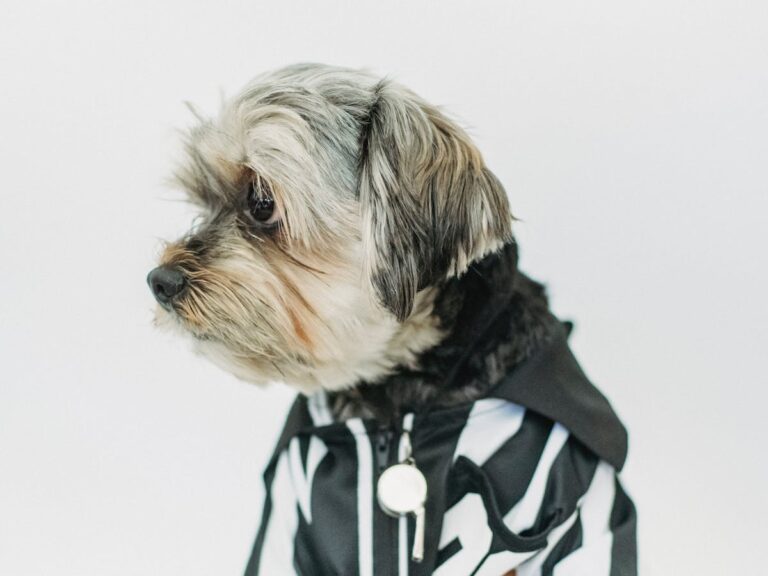
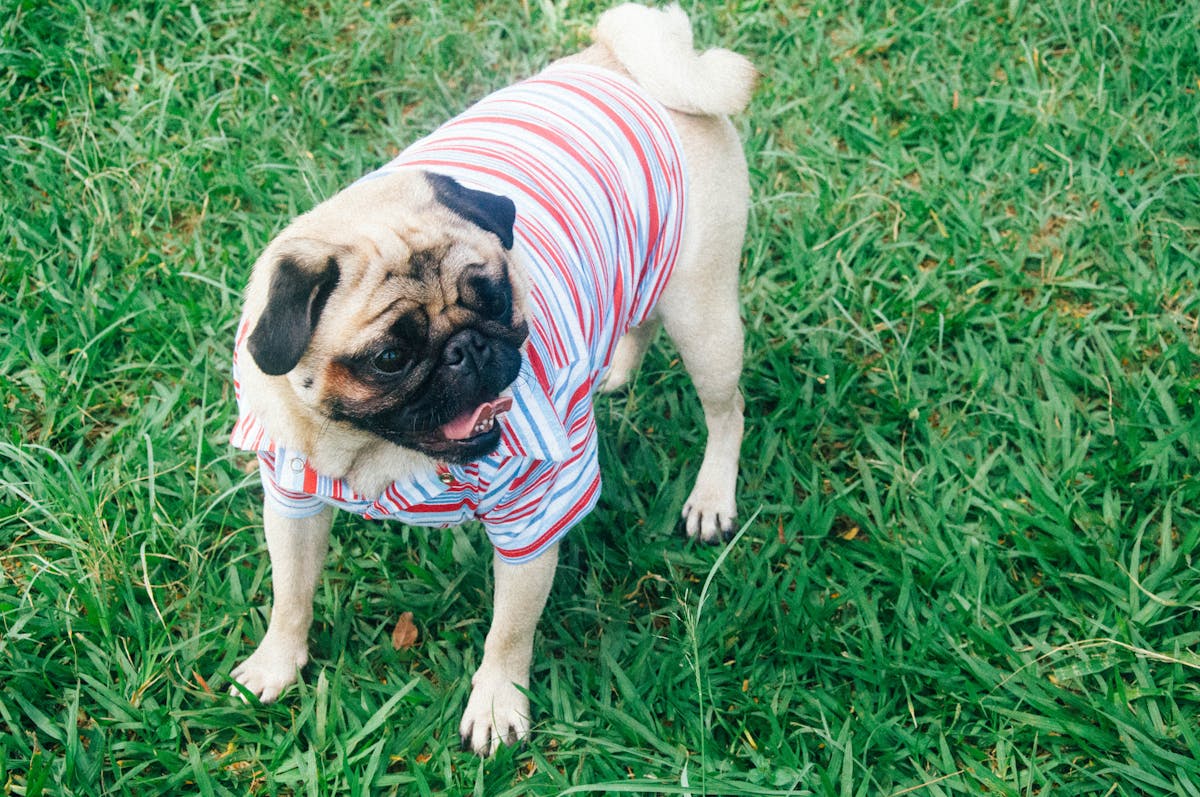
Cotton or cotton-blend t-shirts are the workhorses of spring dog fashion. They’re soft against the skin, machine washable, and offer just enough coverage to protect against UV rays and allergens without trapping heat. Look for shirts with flat seams to prevent chafing — especially around the armpits and chest where friction builds up during walks.
Striped tees, solid colors, and graphic prints all work. The key is fit: snug enough that the shirt doesn’t bunch or ride up, loose enough that your dog can run, sit, and scratch without restriction. If you can slide two fingers between the fabric and your dog’s body at the chest, the fit is right.
Breathable Dog Hoodies and Pullovers
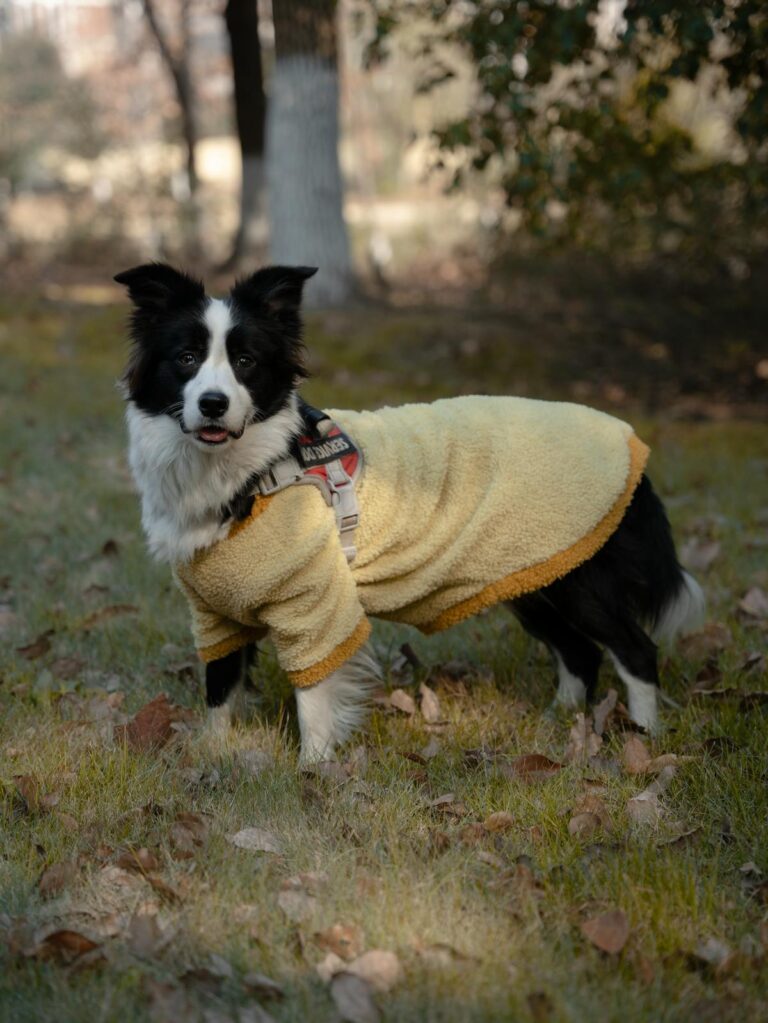
For those mornings that still carry a chill, a lightweight hoodie is your best friend. Unlike heavy fleece winter hoodies, spring versions use thinner French terry or jersey knit fabrics that regulate temperature without turning your dog into a furnace. The Tie-Dye Dog Hoodie in our shop is a perfect example — trendy enough for Instagram, light enough for a 60°F walk.
Hoodies with hoods that actually stay up provide extra warmth for dogs with thin ears (Whippets, Greyhounds, Chinese Cresteds), while rolled-back hoods work as a style piece for breeds that don’t need the coverage. If your dog already has a favorite winter hoodie, check out our full collection of best dog hoodies for 2026 for lighter options.
Thin Knit Sweaters
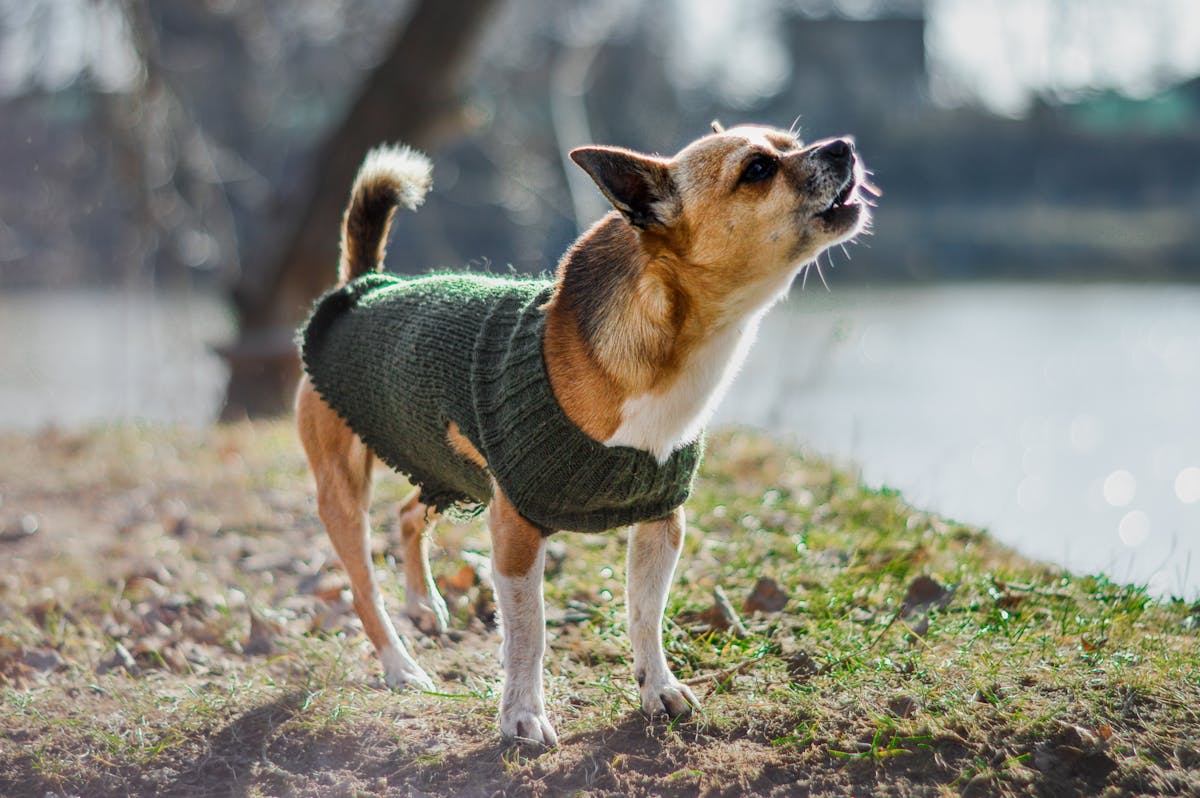
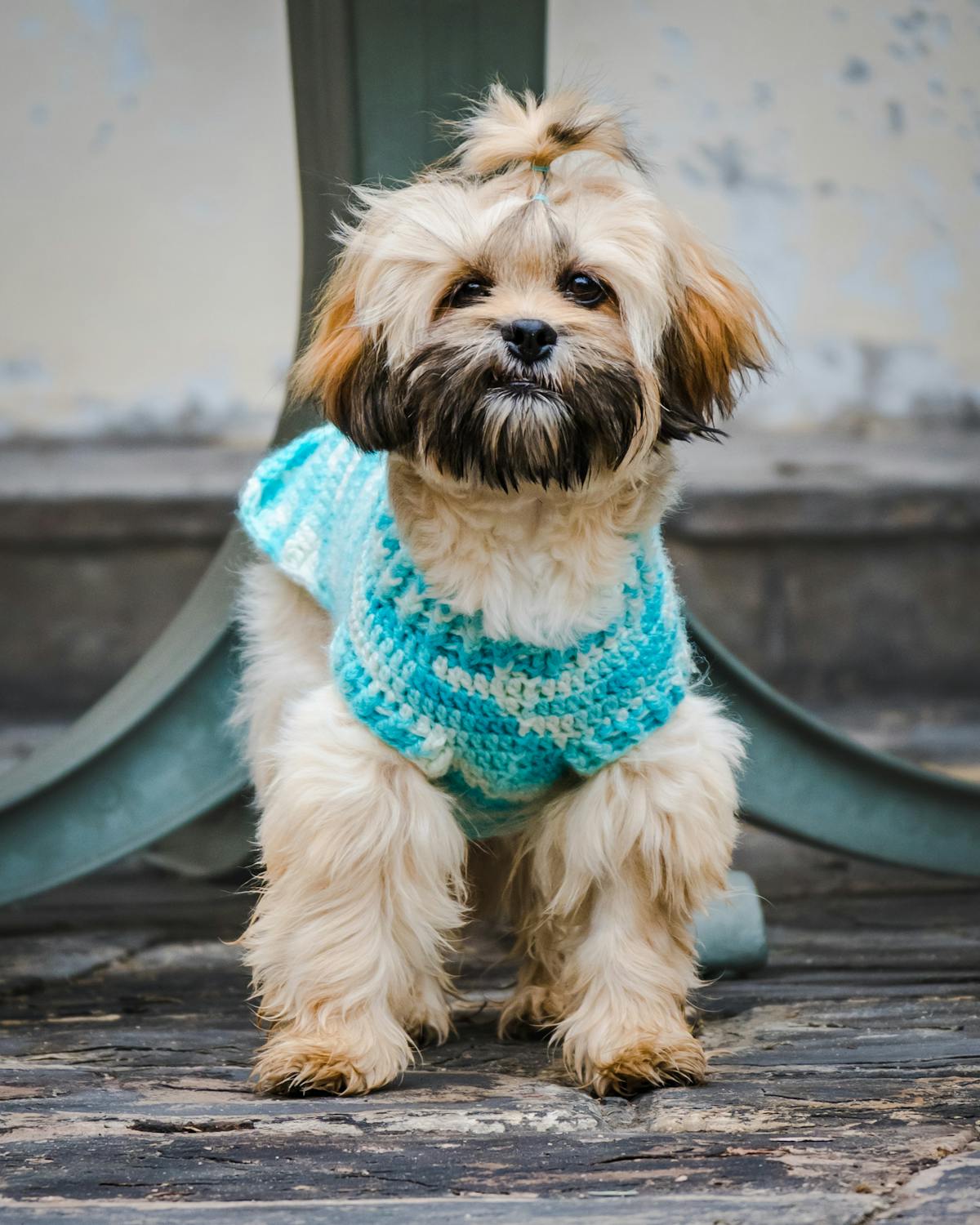
Don’t retire the sweaters completely — just swap to thinner gauge knits. A fine-knit cotton or acrylic blend sweater is ideal for early spring when mornings hover around 50°F. These sweaters offer more warmth than a t-shirt but far less bulk than a winter fleece. They work especially well for evening walks when the sun goes down and the temperature drops 10-15 degrees in an hour.
The Large Dog Sweater from our collection comes in a knit that works for fall and spring alike. For smaller breeds, look for sweaters with ribbed cuffs at the legs to keep the sleeves from dragging on wet grass.
Water-Resistant Light Jackets
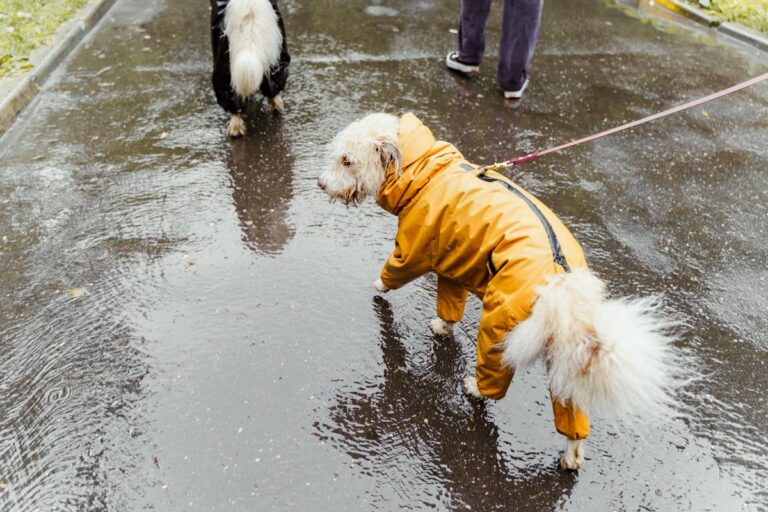
Spring means rain. Lots of it. A lightweight water-resistant jacket is non-negotiable if you walk your dog daily. Unlike full winter coats, spring rain jackets should be unlined or minimally lined — the goal is keeping water out, not trapping warmth in. Look for jackets with mesh lining for airflow, reflective strips for visibility during overcast walks, and a leash hole at the back so you don’t have to choose between a jacket and a harness.
Our Hooded Dog Poncho Raincoat is designed exactly for this — full waterproof coverage with a breathable design that won’t make your dog overheat during a spring shower. Pair it with our Waterproof Dog Rain Boots for full protection on muddy trails.
How to Transition Your Dog’s Wardrobe from Winter to Spring
You wouldn’t jump from a parka to a tank top overnight — and neither should your dog. The transition should be gradual, following the weather pattern in your area rather than the calendar.
Step 1: Start layering down. If your dog wore a padded jacket all winter, switch to an unpadded jacket first. Use this for a week or two until your dog adjusts. The Casual Dog Sweatshirt is perfect for this middle ground — warmer than a tee, cooler than a coat.
Step 2: Move to mid-weight layers. Once daytime highs consistently stay above 55°F, swap to hoodies or light sweaters. These provide enough warmth for morning walks but won’t cause overheating by midday.
Step 3: Go to t-shirts and tank tops. When temps regularly hit 65°F+, your dog only needs a shirt for sun and allergen protection — or simply for the look. At this point, clothing becomes optional for most breeds, though thin-coated and small dogs may still appreciate a layer during evening walks.
The complete guide to measuring your dog for clothes will help you nail the fit for any new spring pieces you’re adding to the rotation.
Spring Dog Outfit Ideas by Breed Size
Not every spring outfit works for every dog. Here’s a breakdown by size to help you pick the right style.
Small Dogs (Under 15 lbs)
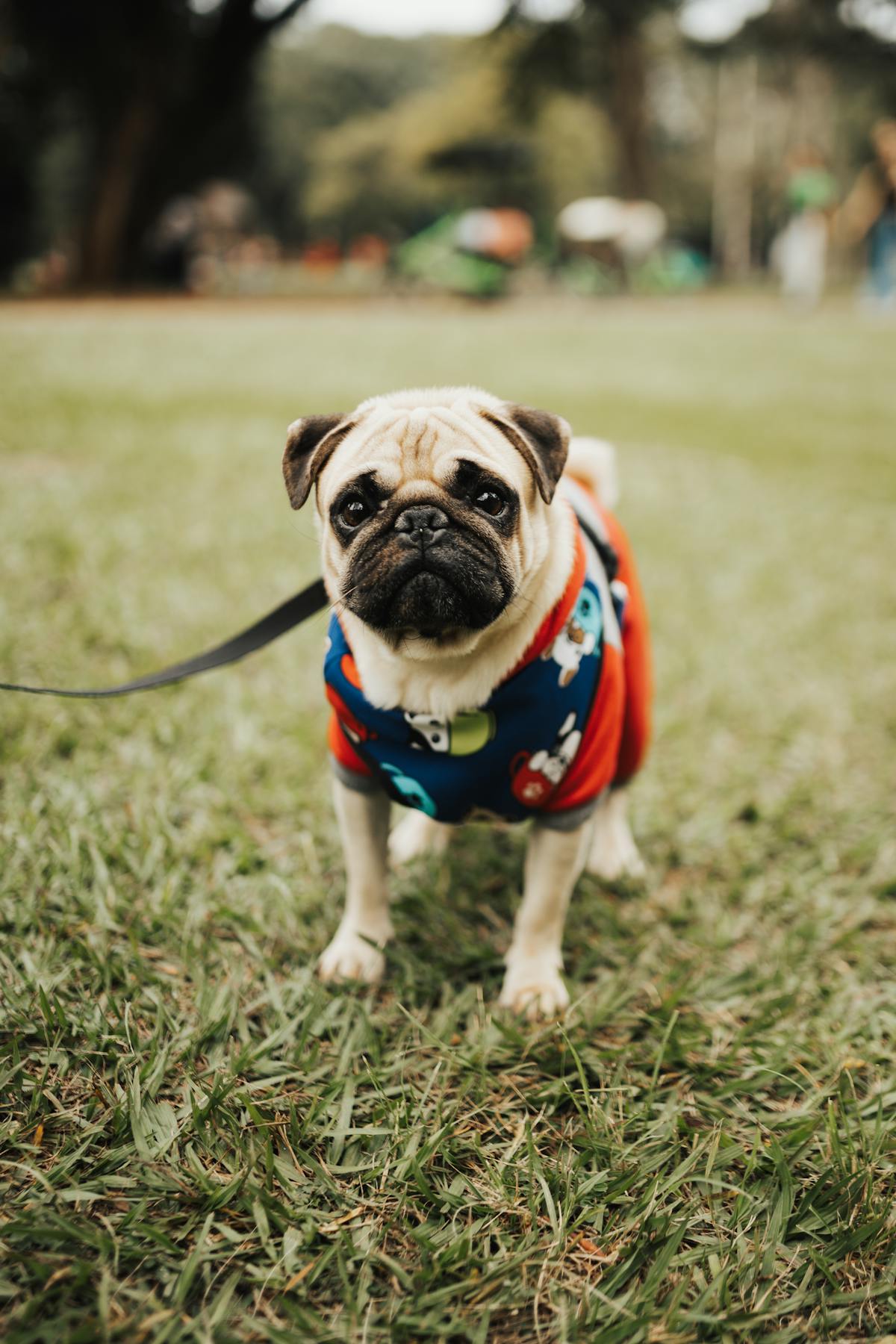
Chihuahuas, Yorkies, Toy Poodles, and Pomeranians benefit most from spring clothing. These breeds chill quickly and have fast metabolisms that burn through body heat. Go with fitted cotton tees for warm days, light knit sweaters for cool mornings, and always keep a rain jacket on hand. Small dogs ride low to the ground, so they pick up more moisture from wet grass and puddles — water-resistant clothing is more important for them than for tall breeds.
Medium Dogs (15-50 lbs)
French Bulldogs, Beagles, Cocker Spaniels, and Corgis generally need spring clothes only during the cooler parts of the day. A hoodie or light jacket for morning and evening walks is usually enough. Medium breeds with thick double coats (Corgis, Shetland Sheepdogs) can often skip clothes entirely once it’s above 55°F — their undercoat handles the transition naturally.
Large Dogs (50+ lbs)
Most large breeds don’t need spring clothing for warmth, but there are exceptions. Short-haired large breeds like Greyhounds, Great Danes, and Dobermans have surprisingly little insulation for their size. A properly sized XL to 5XL garment makes a real difference on cool spring mornings. For large double-coated breeds like Golden Retrievers and Huskies, skip the clothes entirely in spring — they’re already managing their own temperature with their undercoat shed.
Fabric Guide: What to Look for in Spring Dog Clothing
The fabric matters more than the style. Here’s what to prioritize when shopping for spring dog outfits:
Cotton and cotton blends: Breathable, soft, easy to wash. The gold standard for spring tees and casual wear. Downside: absorbs water, so not great for rainy days.
Polyester mesh: Excellent for rain jacket linings and active dogs. Dries fast, lets air circulate, resists odor. Less cozy against the skin than cotton.
Jersey knit: Stretchy, lightweight, and comfortable for hoodies and fitted garments. Moves with your dog during play and doesn’t restrict motion.
Nylon (ripstop): Best for outer shells on rain jackets and windbreakers. Water-resistant, durable, and lightweight. Usually paired with a mesh or cotton lining.
Avoid heavy fleece, wool, and sherpa-lined garments in spring — these trap heat and can push your dog’s body temperature into an uncomfortable range during activity. The complete guide on whether dogs need clothes covers the temperature thresholds in detail.
Signs Your Dog Is Too Warm (or Too Cold) in Their Spring Outfit
Getting the balance right takes a little observation. Watch for these signs during walks:
Too warm: Excessive panting, drooling, trying to pull the clothing off, lying down and refusing to walk, warm ears. Remove the layer immediately and offer water.
Too cold: Shivering, hunching their back, lifting paws, tucking their tail, reluctance to leave your side. Add a layer or head inside.
Just right: Your dog walks normally, tail is at its natural position, breathing is regular, and they show no interest in removing the clothing. This is the sweet spot.
A good rule of thumb from veterinary professionals: if you’re comfortable in a light long-sleeve shirt, your short-haired dog probably wants a similar level of coverage. If you’re fine in a t-shirt, your dog probably doesn’t need anything unless they’re a toy breed or hairless.
Spring Dog Fashion Trends for 2026
Dog fashion follows human trends more closely than you’d think. Here’s what’s trending this spring:
Pastel everything: Lavender, mint green, soft pink, and baby blue are dominating dog fashion this season. These colors photograph beautifully and stand out against spring backgrounds of green grass and blooming flowers.
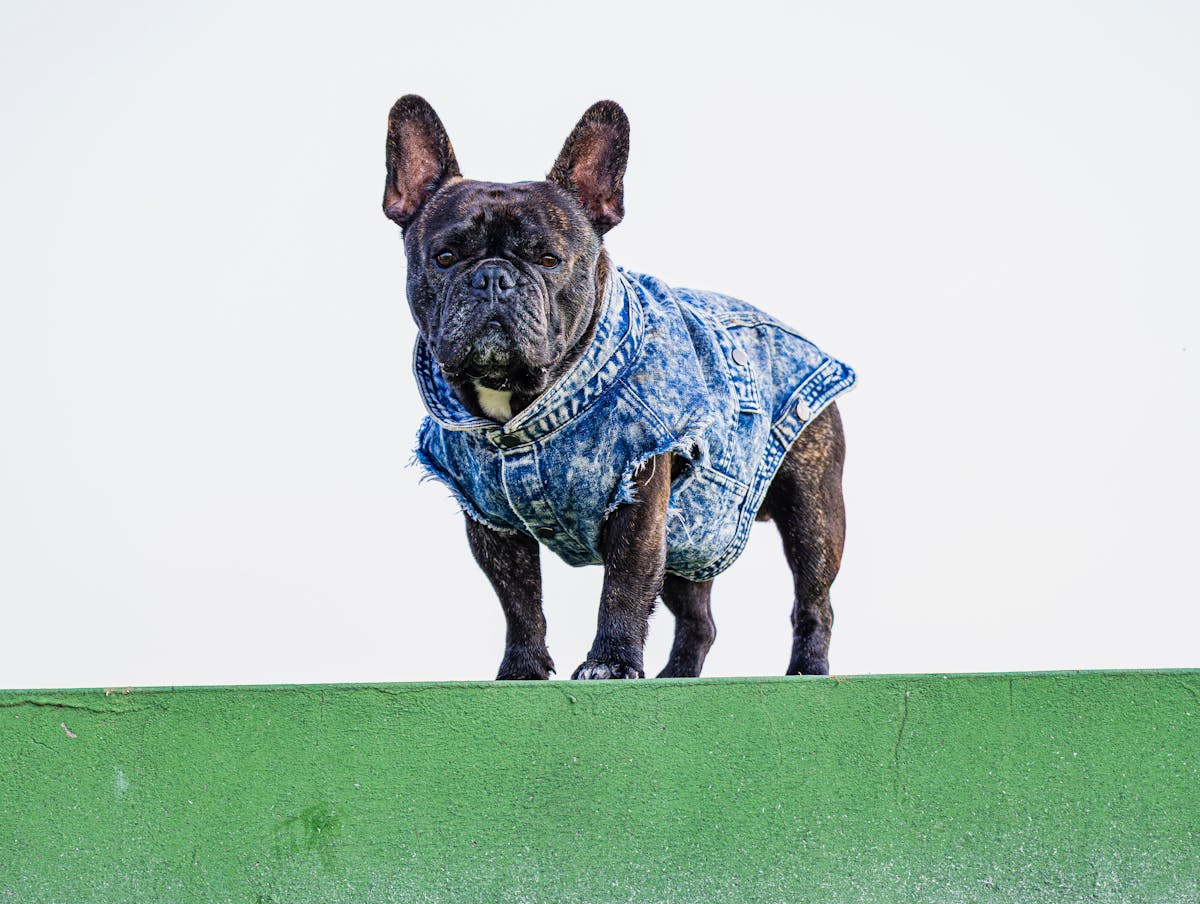
Denim: Dog denim jackets are having a moment. They pair with everything, offer decent wind protection, and give your dog that effortlessly cool look that never goes out of style.
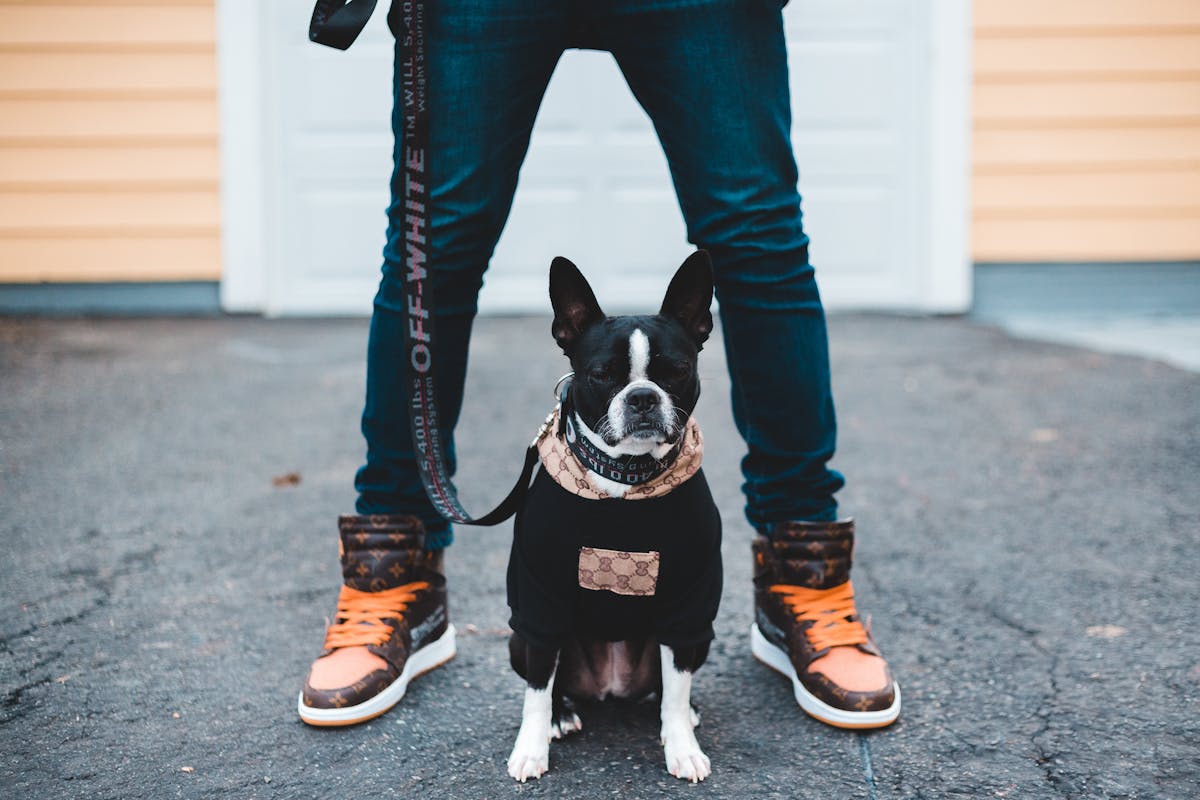
Matching sets: Dog and owner matching outfits are still going strong. Spring is the perfect time for coordinated looks — think matching striped tees or complementary color palettes for park walks and social media posts.
Functional fashion: The biggest shift in 2026 is toward clothes that serve a purpose beyond looks. UV-protective fabrics, anti-allergen layers, and quick-dry materials are what savvy pet parents are reaching for.
Check out this video for more adorable dog outfit inspiration across all seasons:
Caring for Your Dog’s Spring Wardrobe
Spring clothes get dirty fast. Between wet grass, mud puddles, and pollen, you’ll be washing dog outfits more often than winter gear. Here are some tips to keep everything fresh:
Wash after every 2-3 wears (or immediately if visibly dirty). Use a gentle, fragrance-free detergent — dogs have sensitive skin, and perfumed detergents can cause irritation. Cold water wash on a delicate cycle preserves the fabric and any reflective elements on jackets.
Air dry when possible. Tumble drying on low is fine for cotton, but heat warps elastic cuffs and damages water-resistant coatings on rain gear. Hang dry on a drying rack and most spring dog clothes will last multiple seasons.
Store winter clothes properly. Once you’ve fully transitioned to spring layers, wash all winter coats and sweaters before storing them. Fold (don’t hang) to maintain shape, and toss in a cedar block or lavender sachet to keep moths away until next fall.
Your dog’s spring wardrobe doesn’t need to break the bank. A couple of t-shirts, one good hoodie, and a rain jacket will cover virtually every spring weather scenario. Browse our full collection at Hawa Pets for lightweight dog clothing that ships free worldwide — because your pup deserves to look good in every season.