Dog Boots Guide: Sizing, Training, and Seasonal Paw Protection
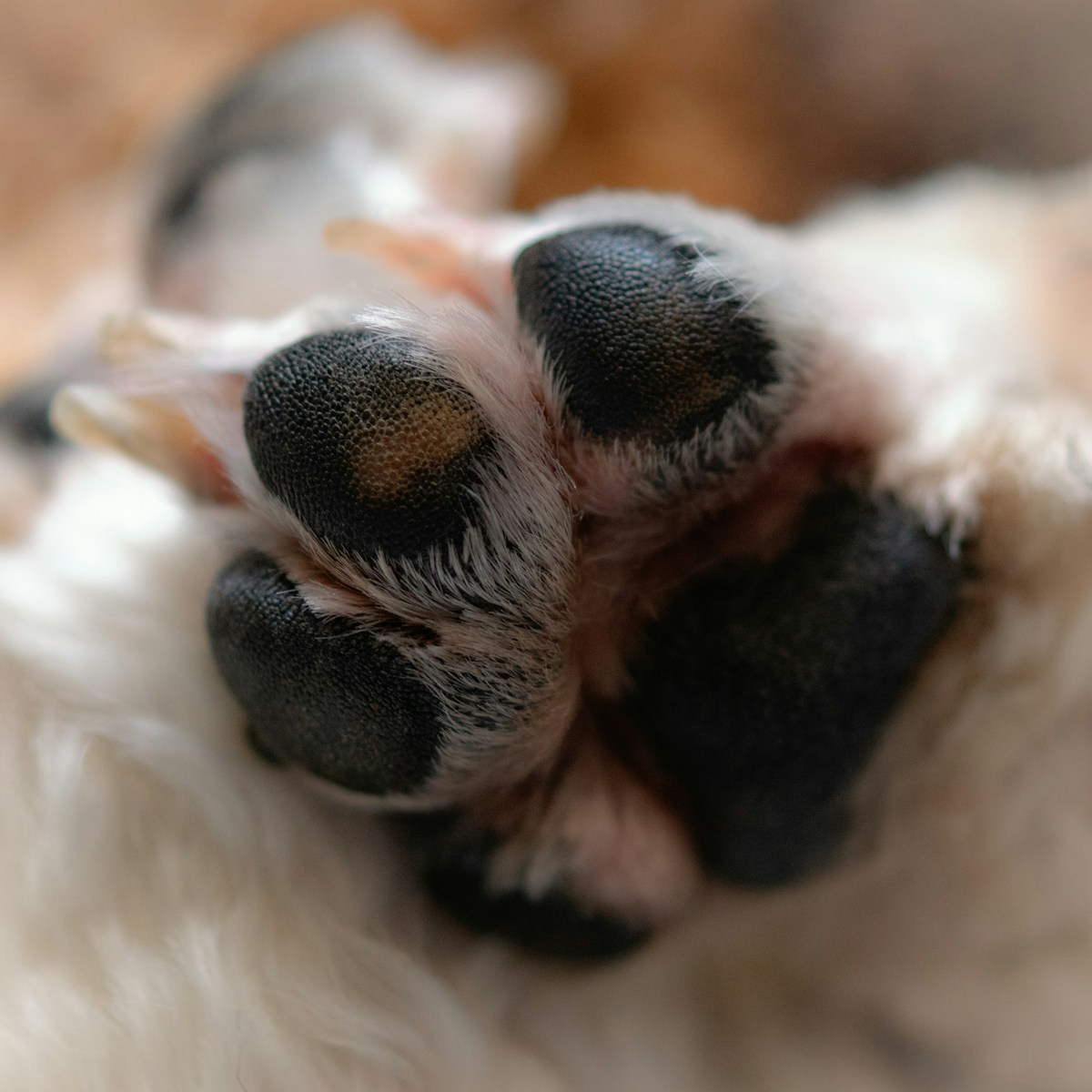
Your dog’s paws handle a lot. They absorb the shock of every step, grip slippery surfaces, and act as insulation against extreme temperatures. But paw pads are not indestructible. Hot asphalt in summer can cause painful burns in under 60 seconds. Road salt and chemical deicers in winter crack and irritate the skin. Sharp rocks on hiking trails can slice through even the toughest paw pads.
Dog boots solve all of these problems, yet most pet owners have never tried them. Some assume their dog would hate wearing shoes. Others don’t realize how much damage everyday surfaces can do to unprotected paws. The truth is that dog boots are one of the most practical pieces of gear you can buy for your pet, and with the right approach, almost any dog can learn to wear them comfortably.
This guide covers everything you need to know about choosing, sizing, and introducing dog boots. Whether you’re dealing with scorching summer sidewalks, icy winter trails, or rough terrain on weekend hikes, your dog’s paws deserve protection.
Why Your Dog Actually Needs Boots
The idea of putting shoes on a dog still makes some owners laugh. But veterinarians and canine sports professionals have recommended paw protection for decades. The American Kennel Club warns that pavement heated by summer sun can reach 150°F (65°C) or higher, causing second-degree burns on paw pads within minutes.
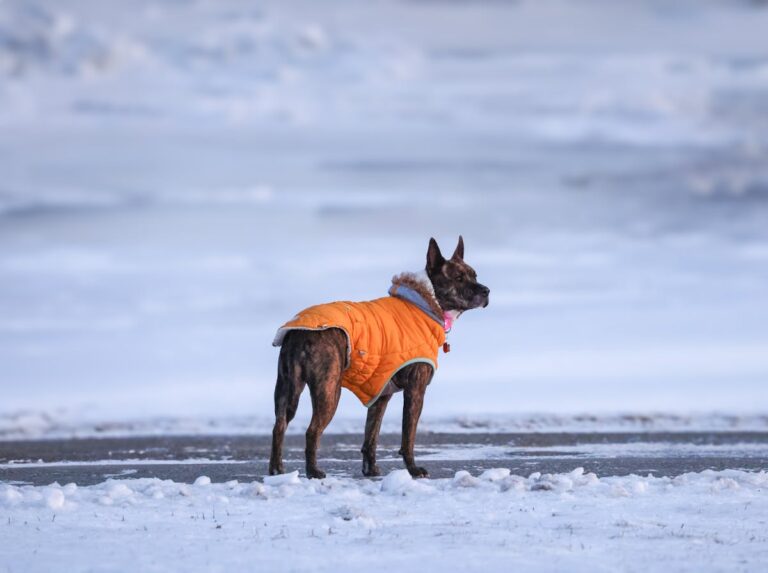
Winter brings a different set of dangers. Ice melt products containing calcium chloride and sodium chloride are toxic to dogs who lick their paws after walks. Even without chemical exposure, prolonged contact with snow and ice can cause frostbite on paw pads and between the toes. Dogs with thin coats or small body mass are especially vulnerable.
Beyond temperature extremes, boots protect against physical hazards that paw pads encounter year-round. Broken glass on city sidewalks, thorns on rural paths, sharp gravel on construction sites, and hot sand at the beach all pose risks. Dogs recovering from paw injuries or surgery also benefit enormously from boots that keep wounds clean and dry during walks.
Older dogs and breeds prone to joint problems get another benefit from boots: traction. Dogs with arthritis or hip dysplasia often struggle on smooth floors and slick outdoor surfaces. Boots with rubber soles provide grip that helps these dogs walk with confidence instead of splaying their legs and sliding around.
Types of Dog Boots and When to Use Each
Not all dog boots serve the same purpose. Choosing the right type depends on what hazards your dog faces most often.
Winter and Snow Boots
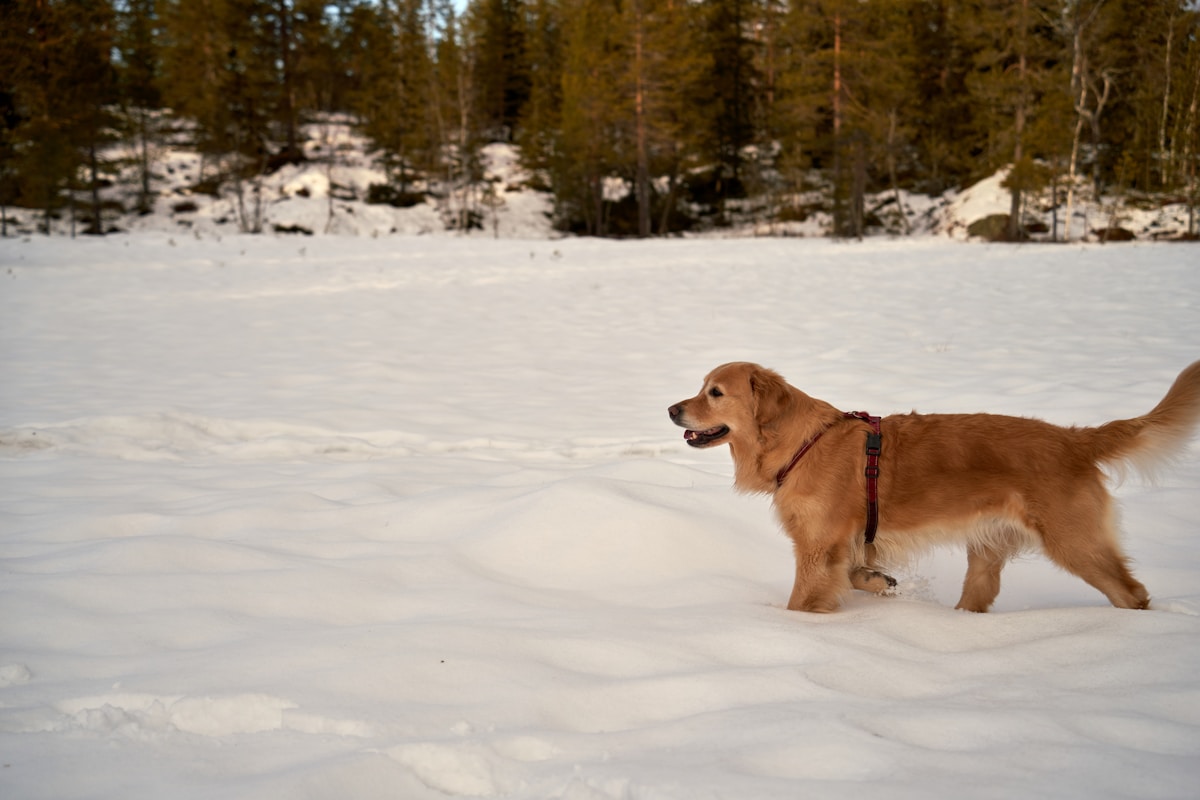
These feature insulated linings, waterproof outer shells, and thick rubber soles. They keep paws warm in freezing temperatures and prevent snowball buildup between the toes — a common problem for long-haired breeds like Golden Retrievers, Bernese Mountain Dogs, and Samoyeds. Look for boots with fleece or sherpa lining and a snug closure system that keeps snow out. Our Winter Dog Snow Boots feature thick anti-slip soles and warm padding perfect for cold-weather adventures.
Rain Boots
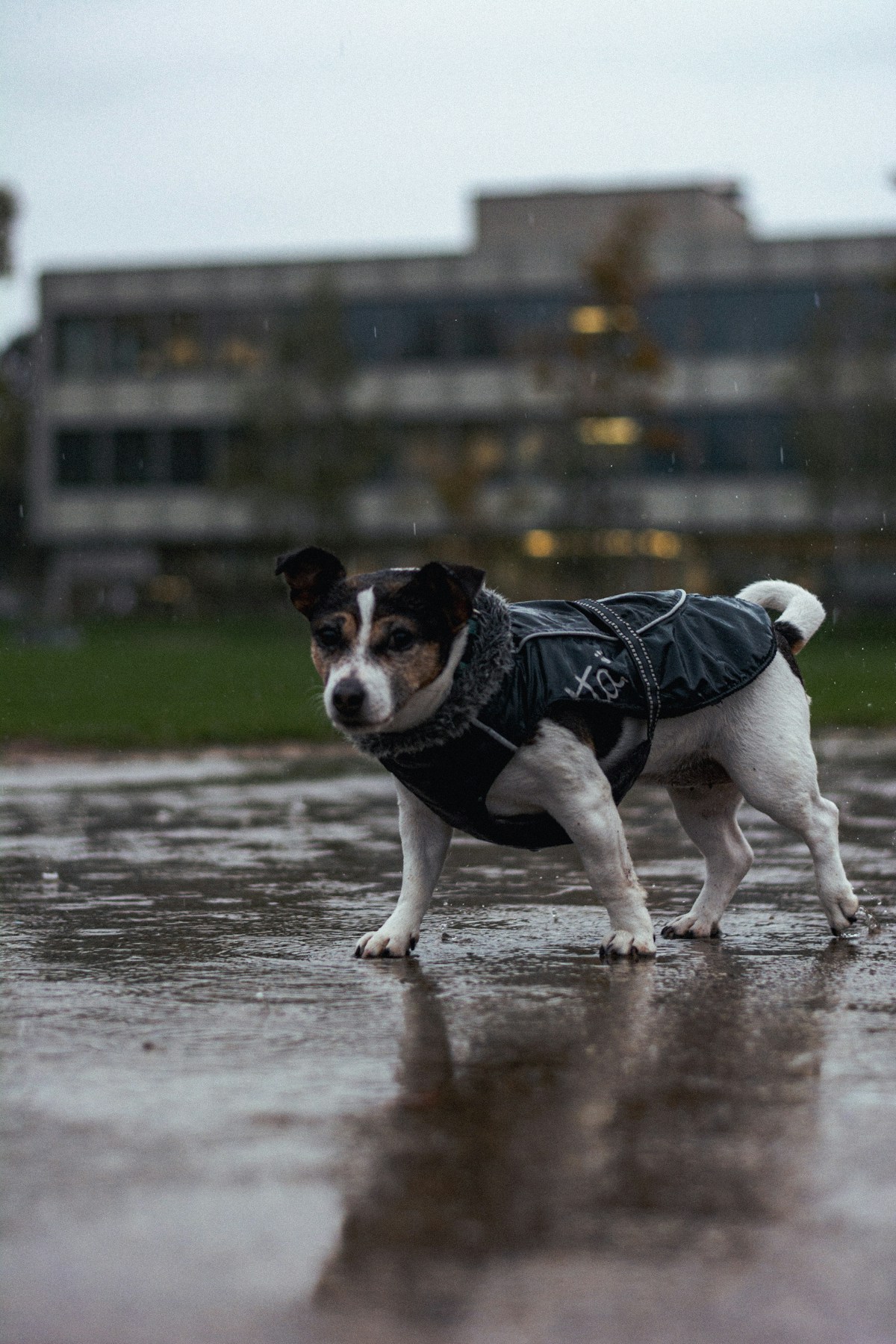
Waterproof rubber or silicone boots that keep paws dry during wet walks. They’re lighter than winter boots and more breathable, making them comfortable in mild temperatures. Rain boots also prevent your dog from tracking mud through the house. If your dog walks in wet conditions regularly, check out the Waterproof Anti-Slip Dog Rain Boots for reliable all-season protection.
Hiking and Trail Boots
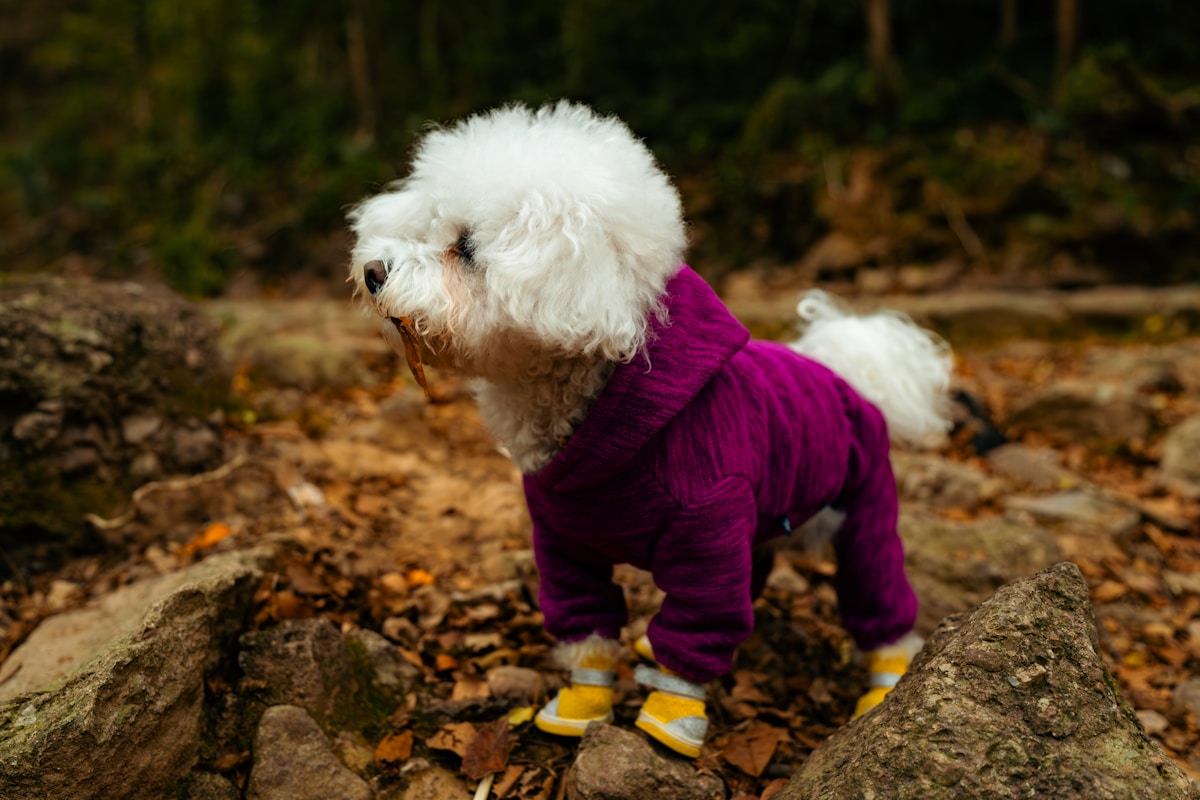
Built for durability with tough soles and reinforced toe caps. These boots handle rocky terrain, hot sand, and sharp debris. They typically have aggressive tread patterns for grip on uneven surfaces and taller shafts that protect the ankles. If you take your dog on trails, gravel roads, or anywhere with rough ground, hiking boots are worth the investment.
Everyday Paw Protectors
Lightweight disposable or reusable booties made from thin rubber or balloon-like material. These aren’t built for harsh conditions but work well for quick walks on treated sidewalks, post-surgery paw protection, or keeping bandages dry. They’re also the easiest type for dogs who are new to wearing footwear.
How to Measure Your Dog’s Paws for Boots
Getting the right size is the single most important factor in whether your dog will tolerate boots. Boots that are too tight cause discomfort and restrict blood flow. Boots that are too loose slip off within the first few steps.
Here’s the method that works every time:
- Have your dog stand on a piece of paper on a flat surface. Don’t let them sit — standing spreads the paw to its full weight-bearing width.
- Mark the widest point of the front paw (usually across the toe pads) with a pen on each side.
- Measure the distance between marks in millimeters or inches.
- Compare to the manufacturer’s size chart. If your dog falls between sizes, go up one size.
- Measure front and back paws separately. Most dogs have slightly smaller back paws, and some need different sizes front and back.
A quick test: when the boot is on, you should be able to slide one finger between the boot’s closure and your dog’s leg. If you can’t fit a finger, it’s too tight. If you can fit two fingers easily, it’s too loose. For a more detailed guide on measuring, our article on how to measure your dog for clothes covers the techniques that apply to boots as well.
Training Your Dog to Wear Boots
Most dogs react dramatically the first time they wear boots. The high-stepping “moon walk,” vigorous shaking, and attempts to chew the boots off are all completely normal. This doesn’t mean your dog hates boots — it means boots feel unfamiliar. With patience and positive reinforcement, almost every dog adjusts within a week or two.
Here’s a video from Chewy that walks through the process step by step:
Step 1: Let Them Investigate
Place the boots on the floor and let your dog sniff them. Reward any calm interaction with treats and praise. Do this for a day or two before putting anything on their paws.
Step 2: One Boot at a Time
Start with one front paw. Put the boot on, give a treat immediately, and take the boot off after 30 seconds. Repeat this several times per session. The goal is to build a positive association: boot goes on, good things happen.
Step 3: Two Boots, Then Four
Once your dog is comfortable with one boot, try two (both front paws). Let them walk around the house for a few minutes with treats and encouragement. After a couple of successful sessions, add the back paws.
Step 4: Short Outdoor Walks
Take your dog outside with all four boots on for a 5-minute walk. The excitement of being outdoors usually overrides the weirdness of the boots. Gradually increase walk length over the next week. Most dogs forget they’re wearing boots within a few sessions.
Common Mistakes to Avoid
- Forcing boots on a stressed dog. If your dog is pulling away or showing signs of anxiety, stop and try again later. Forcing the issue creates negative associations that are harder to undo.
- Starting with long outdoor sessions. Build up gradually. Five minutes in boots is plenty for the first outdoor attempt.
- Using the wrong size. A dog that’s trying to shake off boots may just be wearing the wrong size, not rejecting the concept of footwear entirely.
- Skipping treats. Positive reinforcement accelerates acceptance dramatically. High-value treats like small pieces of chicken or cheese work best during boot training.
Seasonal Paw Care Beyond Boots
Boots handle the heavy lifting, but a complete paw care routine keeps your dog’s feet healthy between walks too.
Paw balm moisturizes cracked pads, especially during winter when indoor heating dries out the skin. Apply a pet-safe paw balm before bed and let it absorb overnight. The American Veterinary Medical Association recommends regular paw checks and moisturizing during cold months.
Nail trimming affects how your dog walks in boots. Overgrown nails push the toes into awkward positions, making boots uncomfortable and throwing off your dog’s gait. Keep nails trimmed so they don’t click on hard floors when your dog walks.
Paw washing after every walk removes salt, chemicals, allergens, and debris. A simple rinse with warm water does the job. For dogs who walk through treated areas, the ASPCA recommends wiping paws thoroughly to prevent ingestion of harmful substances during grooming.
Fur trimming between the toes prevents matting and reduces the chance of debris getting lodged in the paw. This is especially important for breeds with feathered feet like Cocker Spaniels, Retrievers, and Setters. Trimmed paw fur also helps boots fit better and stay on more securely.
What to Look for When Buying Dog Boots
With dozens of dog boot options available, knowing what features matter most helps you avoid wasting money on boots your dog won’t wear or that fall apart after a few walks.
Sole material: Rubber soles with a textured tread provide the best grip and durability. Thin foam or fabric soles wear out quickly on rough surfaces and don’t protect against sharp objects.
Closure system: Velcro straps are the most common and easiest to use. Look for boots with wide velcro closures that wrap around the ankle — not just thin straps that can shift and loosen. Some premium boots use zipper closures with velcro reinforcement, which offer the most secure fit. The Waterproof Windproof Dog Jacket in our shop uses a similar velcro closure design that shows how effective this system is for active dogs.

Breathability: Boots with mesh panels or breathable linings prevent overheating during warm weather. Full waterproof boots work great in rain and snow but can make paws sweaty during summer walks.
Reflective elements: If you walk your dog at dawn, dusk, or after dark, reflective strips on boots add a layer of visibility. Our Reflective Tactical Dog Jacket pairs perfectly with reflective boots for maximum visibility on low-light walks.
Ease of cleaning: Boots get dirty fast. Choose boots that can be rinsed with water and air-dried without losing their shape. Machine-washable boots are a bonus but not essential.
Breed-Specific Boot Considerations
Different breeds have different paw shapes, which affects which boots fit best.
Small breeds (Chihuahuas, Yorkies, Pomeranians) have delicate paws that chill quickly. They benefit most from insulated winter boots and need the smallest sizes. Many small dogs also need boots indoors on slippery hardwood or tile floors. If your small dog also needs a warm sweater, they almost certainly need boots in winter too.
Medium breeds (Beagles, Bulldogs, Corgis) are often the easiest to fit for boots because their paw proportions match standard sizing charts. Focus on activity-appropriate boots — rain boots for city dogs, trail boots for adventure dogs.
Large breeds (Labs, German Shepherds, Huskies) need heavy-duty boots with reinforced stitching. Large dogs put more pressure on boot seams and soles, so cheap boots often split within weeks. Investing in well-constructed boots saves money over time. Check out our guide to large dog clothing for more sizing tips that apply to boots as well.
Flat-footed breeds (Bulldogs, Basset Hounds) often have wider paws relative to their body size. Measure carefully and prioritize boots with adjustable closures that accommodate wider feet without squeezing the toes.
When to Replace Your Dog’s Boots
Even the best dog boots wear out. Check for these signs that it’s time for a new pair:
- Worn-down soles with smooth patches where tread used to be. This means reduced traction, which defeats the purpose of boots.
- Loose velcro that doesn’t grip firmly. Velcro collects fur, lint, and debris over time. Clean it regularly with a stiff brush, but replace boots when velcro no longer holds a secure closure.
- Cracked or peeling waterproofing. If water starts soaking through, the boots are no longer doing their job in rain or snow.
- Stretched or torn fabric around the ankle or toe area. Once the structure gives way, the boot won’t stay on properly.
Most quality dog boots last 6 to 12 months with regular use. Dogs who walk primarily on concrete and asphalt will wear through soles faster than dogs who mostly walk on grass and dirt.
Making Boots Part of Your Routine
The most successful boot-wearing dogs are the ones whose owners make boots a consistent part of the walk routine. Keep the boots by the door with the leash. Put them on at the same time you clip the leash. Dogs thrive on routine, and once boots become part of the “we’re going outside” sequence, they stop being something strange and start being something exciting.
Pair boots with other protective gear for complete coverage. A good raincoat plus waterproof boots means your dog stays dry from nose to toes during wet weather walks. In winter, add an insulated jacket for dogs with thin coats, and you’ve eliminated the most common excuses for skipping walks when the weather turns bad.
Your dog’s paws carry them through every adventure you share together. Protecting those paws with the right boots isn’t pampering — it’s responsible pet ownership. Start with a good pair, introduce them gradually, and watch your dog walk with more confidence on any surface, in any season.