Dog Shedding: Proven Tips to Reduce Fur Loss at Home
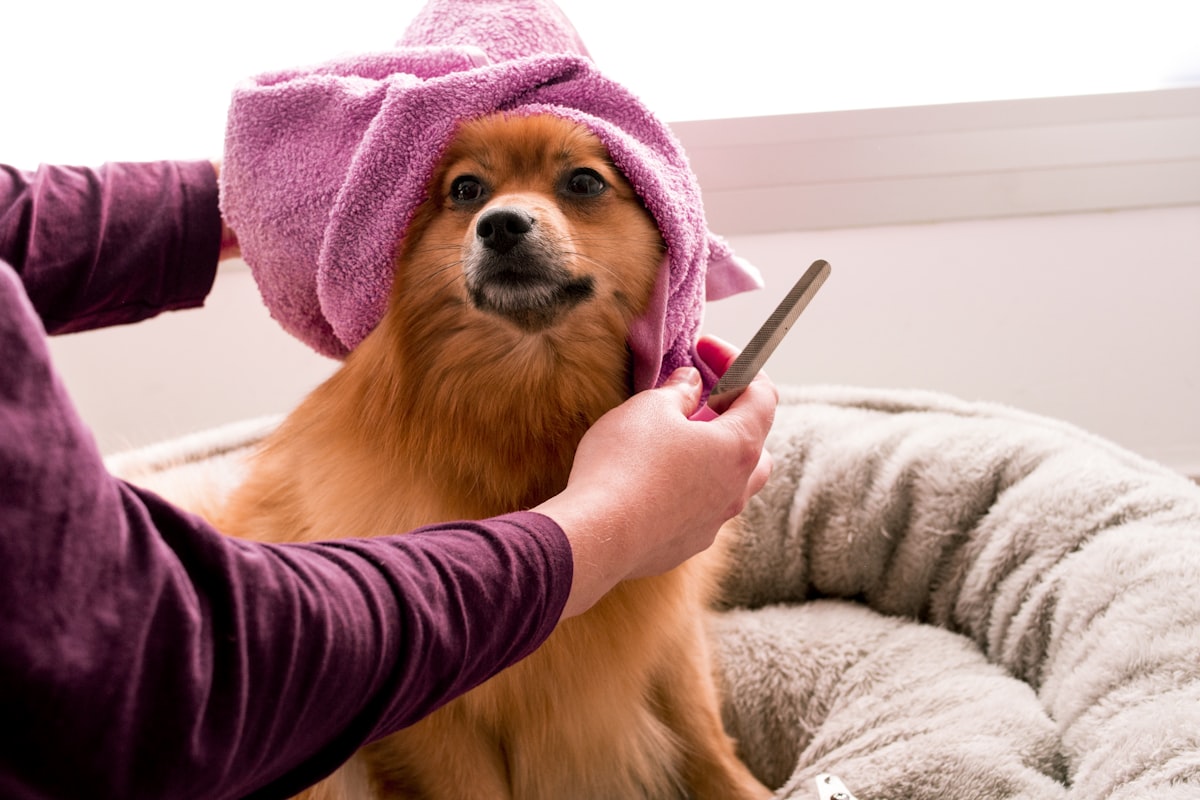
Every dog owner knows the feeling. You put on a fresh black shirt, sit on the couch, and stand up looking like you rolled around on the floor with a pack of wolves. Dog shedding is one of the most universal frustrations in pet ownership, and yet most people handle it wrong. They buy expensive lint rollers, curse at their furniture, and accept a life covered in fur.
It does not have to be that way. Understanding why dogs shed — and more importantly, what actually works to reduce it — can transform your daily life with your four-legged companion. Whether you have a heavy-shedding Husky blowing coat twice a year or a Labrador that drops fur every single day, this guide covers everything you need to know about managing dog shedding effectively.
Why Dogs Shed: The Science Behind Fur Loss

Shedding is a completely natural biological process. Dogs grow new hair continuously, and old or damaged hair must fall out to make room. The hair growth cycle has three main phases: anagen (active growth), catagen (transition), and telogen (resting and shedding). Every strand of fur on your dog goes through this cycle independently, which is why shedding happens constantly rather than all at once.
Several factors influence how much a dog sheds:
Breed genetics play the biggest role. Double-coated breeds like Siberian Huskies, German Shepherds, Golden Retrievers, and Labrador Retrievers have a dense undercoat beneath their longer topcoat. This undercoat insulates them in winter and sheds massively when spring arrives — an event groomers call “blowing coat.” Single-coated breeds like Poodles, Maltese, and Bichon Frises shed far less because their hair grows more like human hair, continuously without a dramatic seasonal dump.
Seasonal changes trigger the most dramatic shedding episodes. As daylight hours increase in spring, dogs shed their thick winter undercoat. In fall, they shed lighter summer hair to make room for a denser winter coat. Indoor dogs exposed to artificial lighting may shed more evenly year-round since their bodies receive mixed signals about the seasons.
Health and nutrition directly affect coat quality. Dogs with poor diets, allergies, hormonal imbalances, or skin conditions often shed excessively. According to the American Kennel Club, abnormal shedding accompanied by bald spots, skin irritation, or constant scratching warrants a veterinary visit — it could signal allergies, fungal infections, or thyroid problems.
Top Dog Breeds That Shed the Most (and the Least)
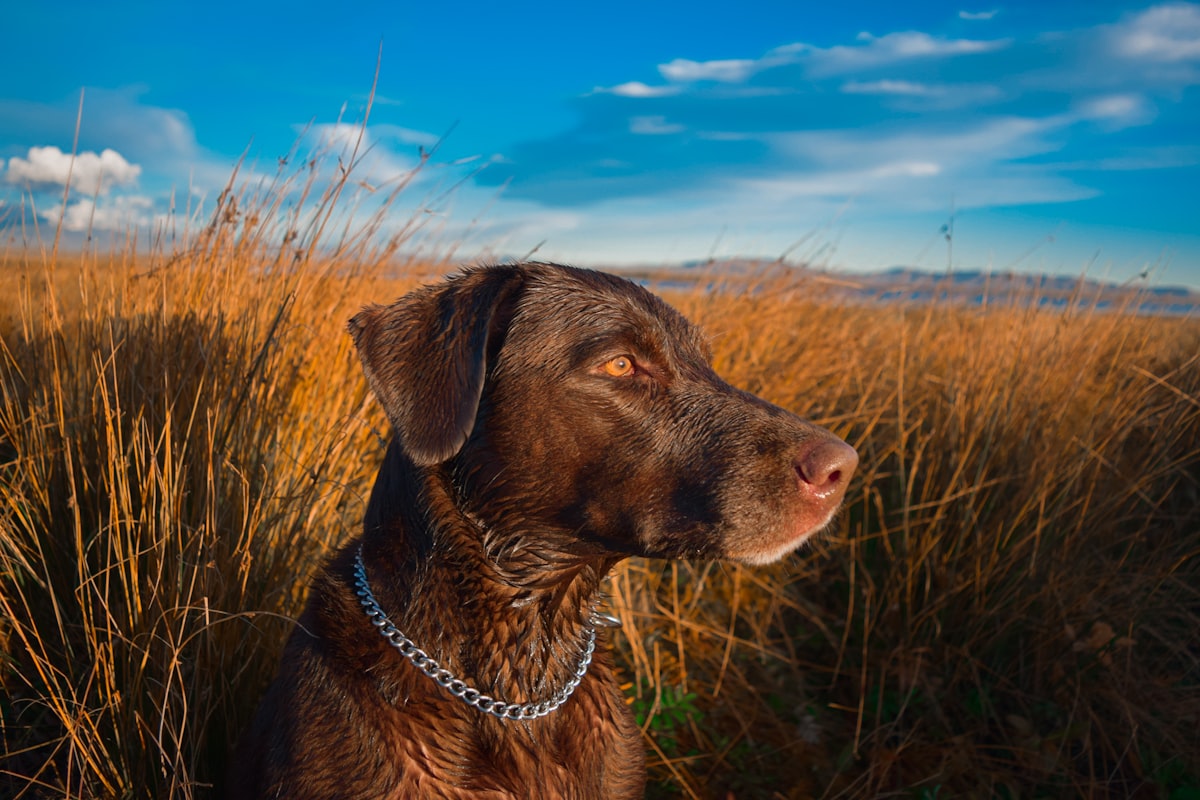
Knowing where your breed falls on the shedding spectrum helps you set realistic expectations and choose the right grooming strategy.
Heavy shedders include:
- Siberian Husky — Legendary shedders with a thick double coat that blows out spectacularly twice a year
- German Shepherd — Constant moderate shedding with two intense seasonal blowouts annually
- Labrador Retriever — Dense waterproof double coat sheds heavily year-round
- Golden Retriever — Long feathered coat that drops fur on everything it touches
- Akita — Plush double coat requires significant grooming to manage seasonal shedding
- Alaskan Malamute — Massive undercoat designed for Arctic temperatures means epic shedding
- Saint Bernard — Giant breed with a dense coat that sheds consistently
Low shedders include:
- Poodle — Curly coat traps loose hair, making them nearly hypoallergenic
- Bichon Frise — Double coat but hair gets caught in curls instead of falling
- Shih Tzu — Long silky coat sheds minimally when properly groomed
- Yorkshire Terrier — Fine, human-like hair that grows continuously with little shedding
- Portuguese Water Dog — Single-layer wavy coat with very low shedding
No dog breed is truly hypoallergenic. Even low-shedding breeds produce dander and saliva proteins that trigger allergies. But managing shedding dramatically reduces the amount of allergens floating around your home.
Brushing: The Single Most Effective Shedding Solution
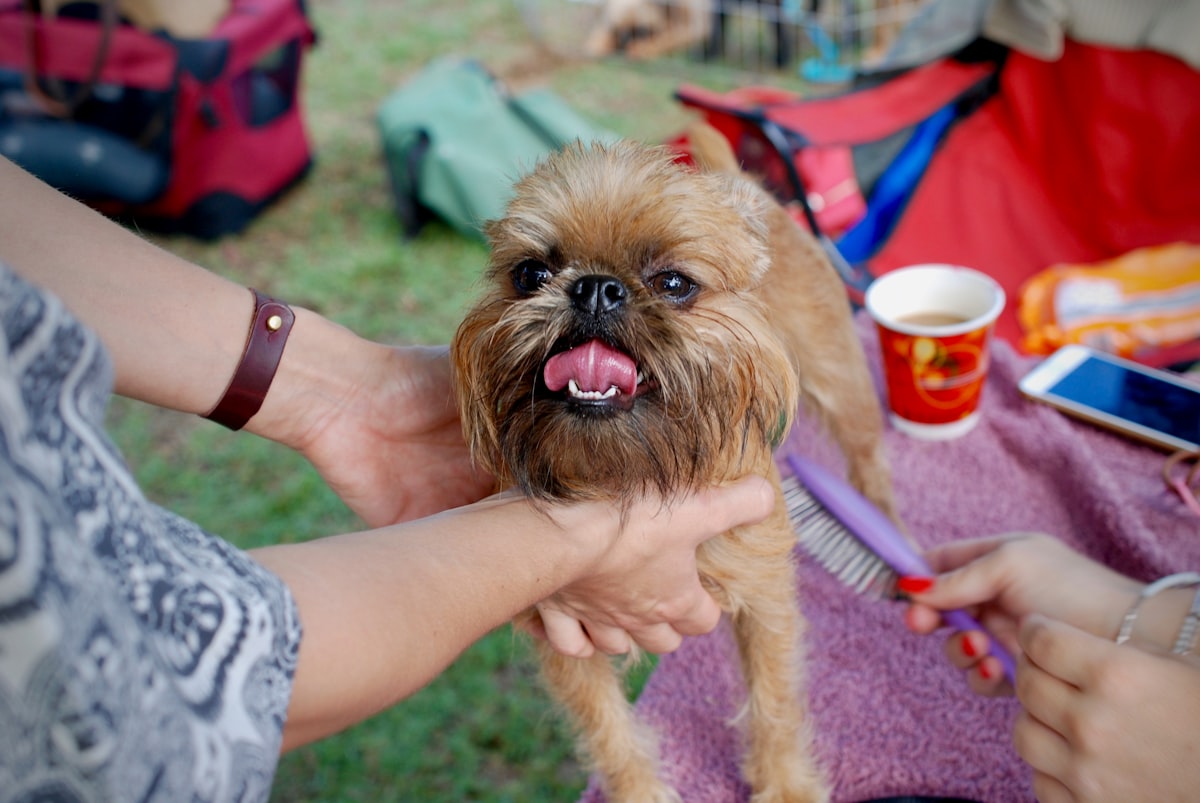
If you only do one thing to manage shedding, make it regular brushing. Nothing else comes close in terms of impact per effort. Brushing removes loose hair before it falls on your furniture, distributes natural skin oils across the coat, and stimulates blood circulation to the skin — all of which promote a healthier coat that sheds less over time.
The trick is using the right brush for your dog’s coat type:
Slicker brushes work best for medium to long coats with tangles. The fine wire bristles penetrate deep into the coat to remove mats and loose undercoat. Use them on breeds like Golden Retrievers, Collies, and Australian Shepherds.
Undercoat rakes are designed specifically for double-coated breeds. They reach through the topcoat to grab clumps of loose undercoat without cutting or damaging the outer hair. Essential for Huskies, Malamutes, and German Shepherds during shedding season.
Bristle brushes suit short-coated breeds like Beagles, Boxers, and Dalmatians. They remove surface-level loose hair and distribute oils for a healthy shine.
Rubber curry brushes are gentle enough for sensitive dogs and excellent at grabbing loose hair from short coats. They work like a massage, and most dogs love the sensation.
For heavy shedders, aim for brushing at least three to four times per week. During peak shedding season (spring and fall), daily brushing sessions of 10 to 15 minutes make a massive difference. For low shedders, two to three times per week keeps their coat in top shape.
Bathing for Shedding Control
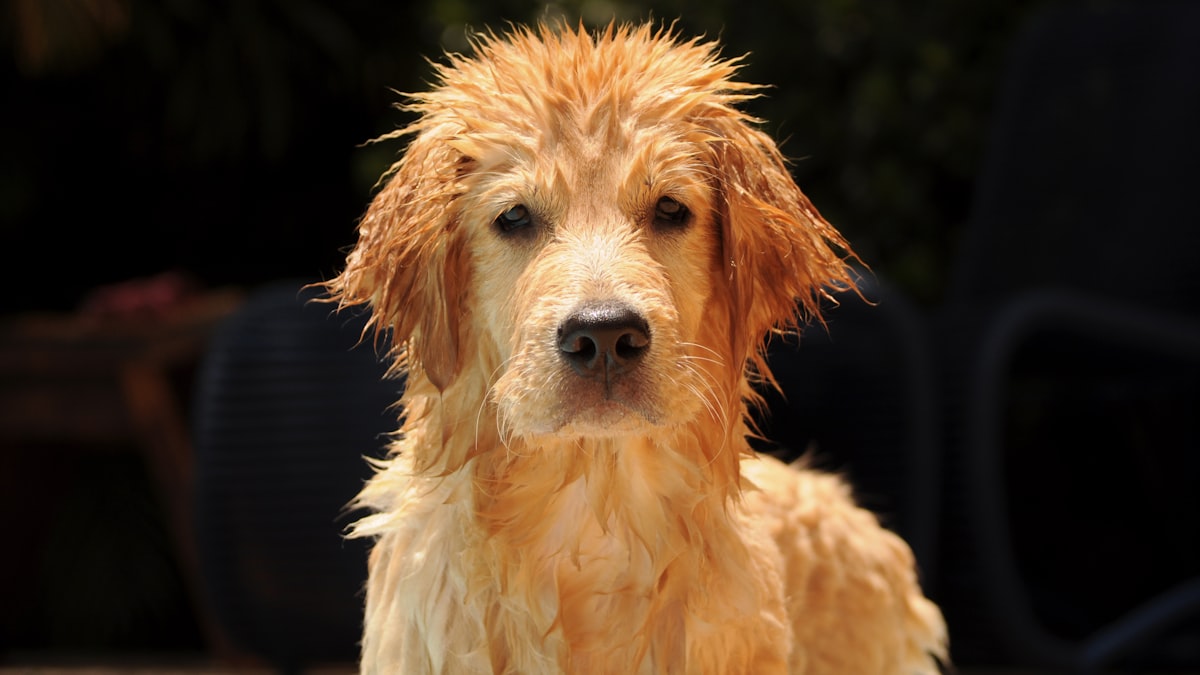
Regular baths help loosen dead hair and wash away dander, but the key word is regular — not excessive. Over-bathing strips natural oils from your dog’s skin, causing dryness, irritation, and ironically more shedding. The American Veterinary Medical Association recommends bathing most dogs every four to six weeks, though active outdoor dogs may need baths more frequently.
When bathing for shedding management:
- Use a deshedding shampoo formulated with omega fatty acids and natural moisturizers — they help condition the coat and loosen dead hair
- Massage the shampoo deeply into the coat, working all the way down to the skin
- Follow with a conditioner designed for dogs — it softens the coat and makes dead hair easier to brush out afterward
- Rinse thoroughly — leftover shampoo residue irritates skin and causes flaking
- Never use human shampoo — the pH balance is wrong for dog skin and can cause dryness
The real magic happens after the bath. Blow drying your dog on a low-heat setting loosens enormous amounts of dead undercoat that water alone cannot remove. Professional groomers swear by high-velocity dryers that blast loose fur out of the coat without excessive heat. If your dog tolerates it, post-bath blow drying followed by a thorough brushing removes more dead hair in one session than weeks of dry brushing alone.
Professional Deshedding Treatments
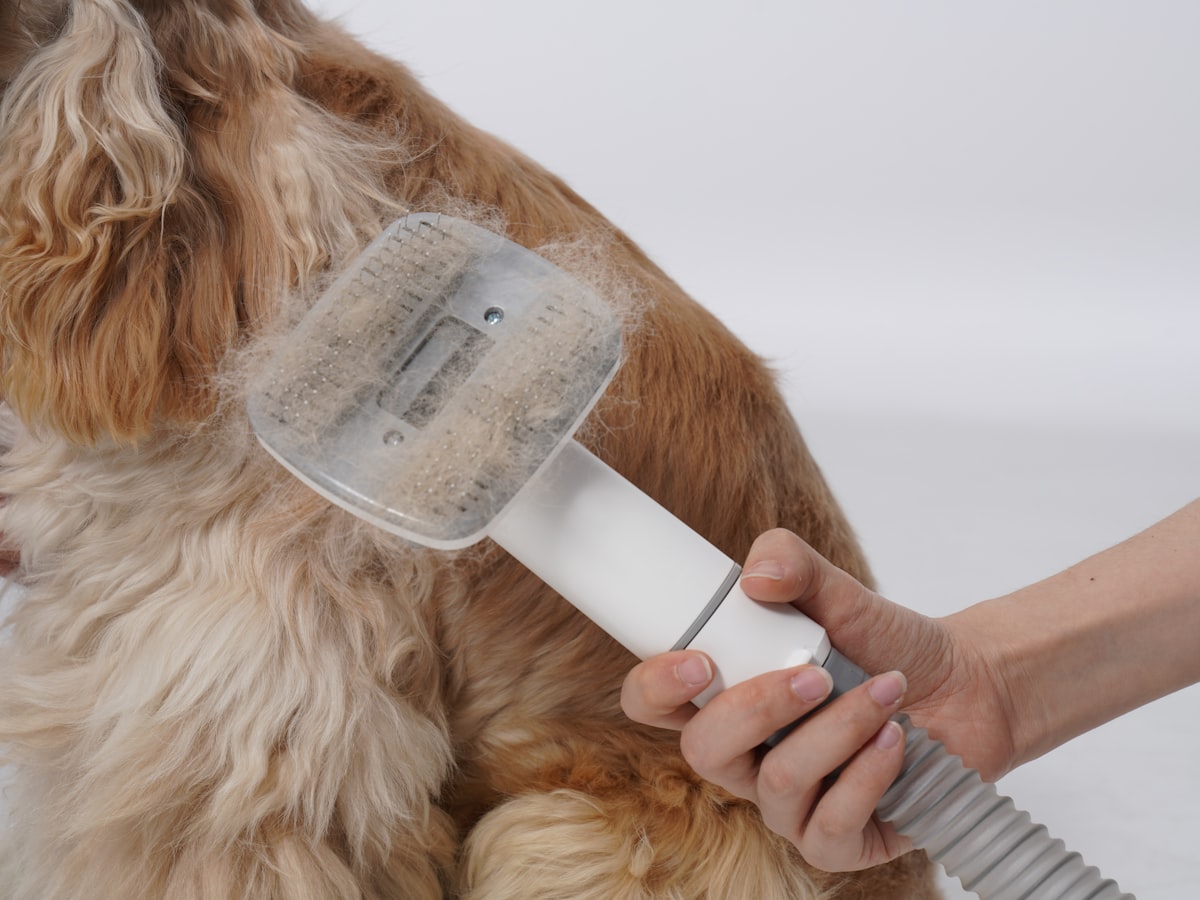
Sometimes the best investment is letting a professional handle it. A full deshedding treatment at a grooming salon typically includes a specialized deshedding shampoo bath, high-velocity blow dry, and an extended brushing session with professional-grade tools. Most groomers report removing grocery bags full of loose undercoat during a single deshedding appointment.
Professional deshedding treatments are especially valuable for:
- Double-coated breeds during seasonal coat blowouts
- Dogs who resist brushing at home
- Older dogs with thick, matted undercoat
- Owners who lack time for daily grooming during peak shedding season
A professional deshedding session typically costs between $40 and $100 depending on the size of your dog and the thickness of their coat. Scheduling one at the start of spring and fall — when shedding peaks — can dramatically reduce the amount of fur floating around your home during those transition months.
Here is an excellent video from a veterinarian on effective home deshedding strategies:
Diet and Supplements: Feed the Coat From the Inside
What goes into your dog directly affects what comes off of them. A nutrient-poor diet leads to dry, brittle fur that sheds excessively. Upgrading your dog’s nutrition is one of the most overlooked shedding solutions, and it works remarkably well.
Omega-3 and Omega-6 fatty acids are the gold standard for coat health. These essential fats reduce inflammation in the skin, strengthen hair follicles, and produce a visibly shinier, healthier coat. Sources include:
- Fish oil supplements — the most popular and effective source of omega-3s for dogs
- Salmon, sardines, or mackerel — whole food sources you can add to meals
- Flaxseed oil — a plant-based omega-3 alternative
- Coconut oil — applied topically or added to food for skin and coat benefits
High-quality protein matters because hair is made almost entirely of keratin, a structural protein. Dogs fed diets with high-quality animal protein (chicken, beef, fish, lamb) grow stronger, healthier coats. Cheap dog foods that rely on corn and grain fillers as protein substitutes often produce dull, shedding-prone coats.
Hydration plays a bigger role than most owners realize. Dehydrated skin becomes dry and flaky, leading to increased hair loss. Make sure your dog always has access to fresh, clean water — especially during warmer months when dehydration risk is higher.
According to PetMD, adding omega fatty acid supplements to your dog’s diet can show visible coat improvements within four to six weeks.
Managing Shedding in Your Home
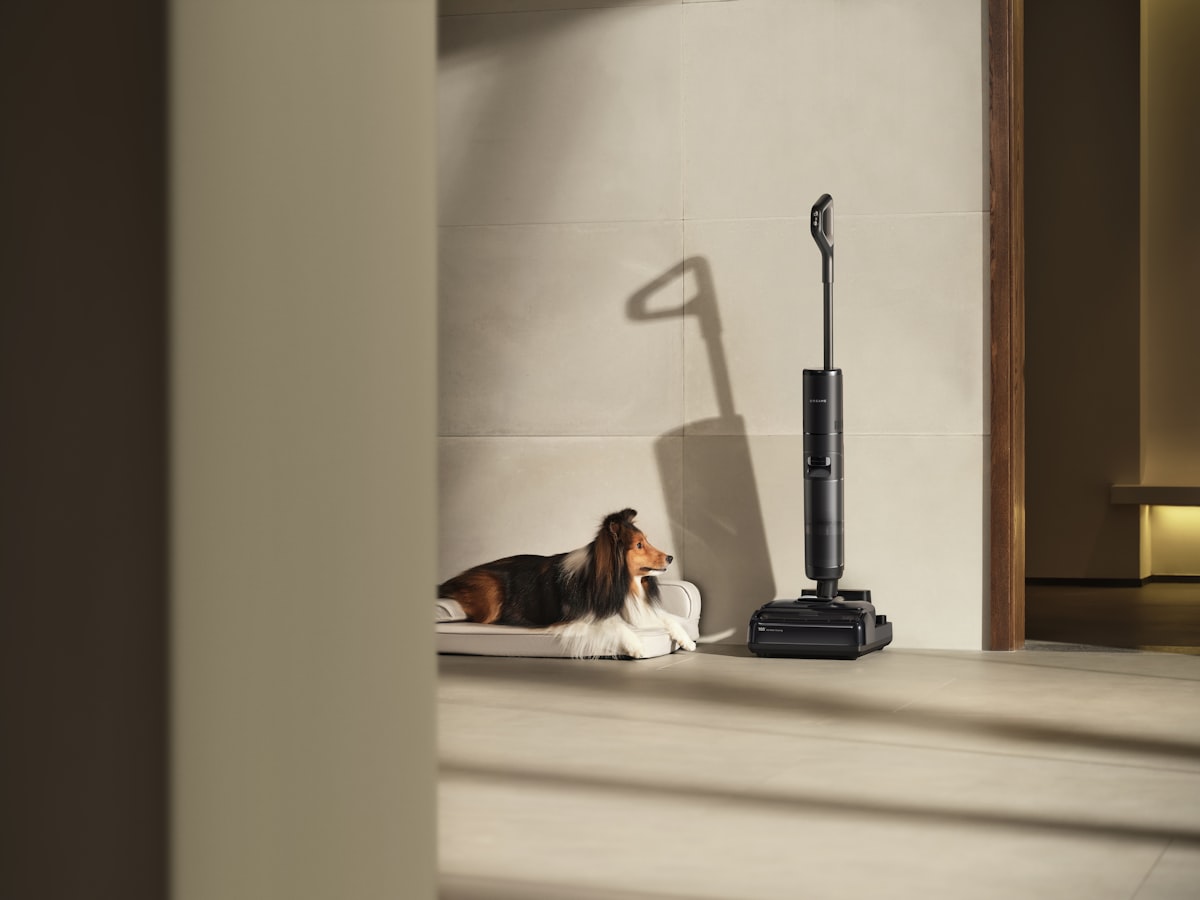
Even with the best grooming and nutrition, some shedding is inevitable. These home management strategies keep fur under control:
Invest in a pet hair vacuum. Not all vacuums handle pet hair equally. Look for models specifically designed for pet owners with strong suction, tangle-free brush rolls, and HEPA filtration. Robot vacuums that run daily are a game-changer for dog owners — they maintain baseline cleanliness between deep vacuuming sessions.
Washable furniture covers protect your couch and chairs. Choose machine-washable covers in colors that match your dog’s fur (strategic, not lazy). Throw them in the wash weekly and your furniture stays clean underneath.
Air purifiers with HEPA filters capture airborne pet dander and loose hair particles. Running one in your main living areas reduces allergens and keeps the air cleaner.
Lint rollers and rubber gloves remain the fastest solutions for clothing and upholstery. Keep lint rollers at your front door, in your car, and at your desk. Damp rubber gloves dragged across fabric furniture pick up pet hair with surprising efficiency.
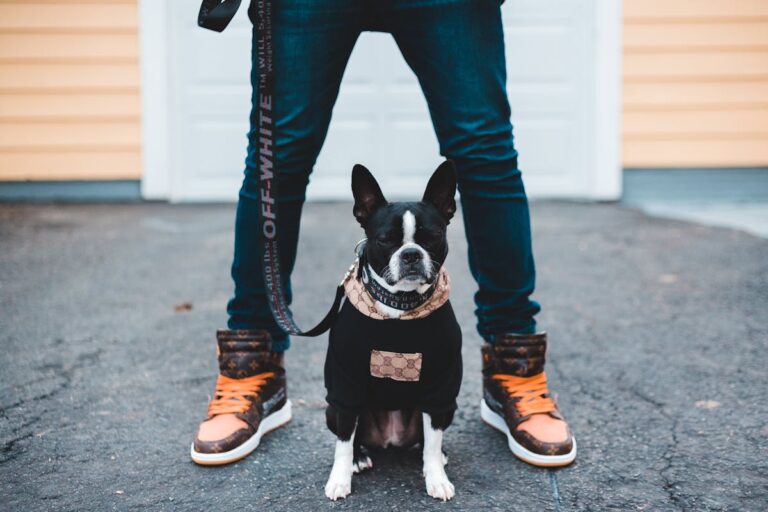
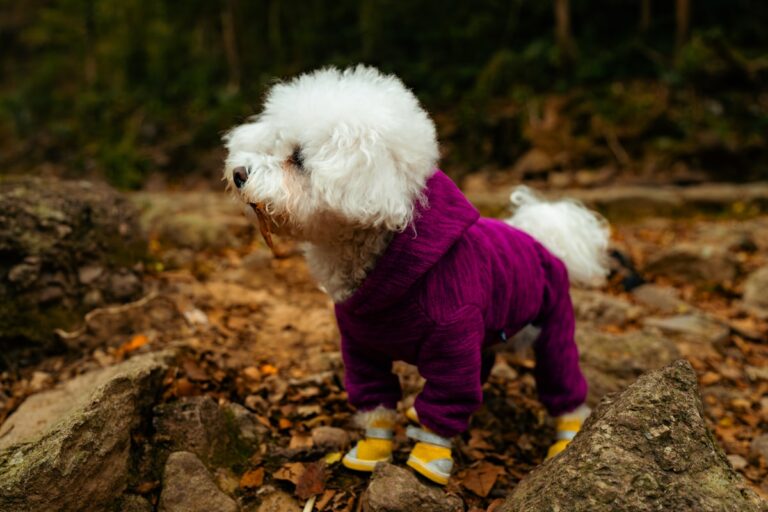
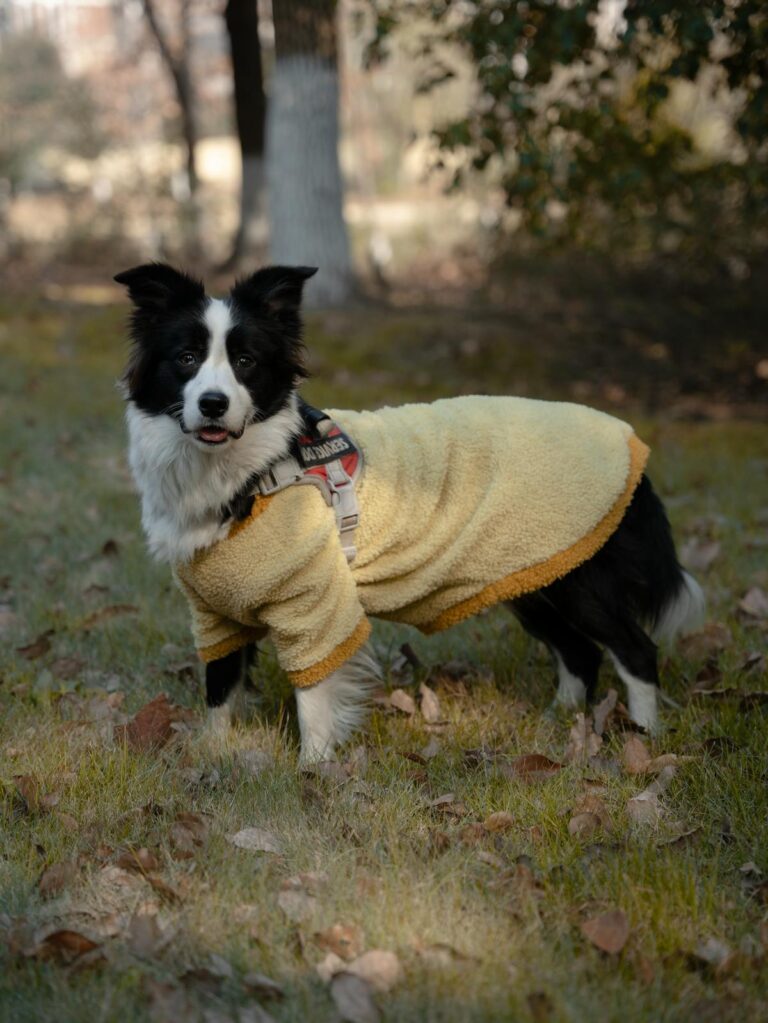
Dog clothing can actually help contain shedding. A lightweight spring outfit or cozy sweater traps loose fur against the fabric rather than letting it fall on your floors and furniture. It is not a replacement for grooming, but it helps — and your dog looks adorable in the process. Check out our sizing guide to find the right fit.
When Shedding Signals a Health Problem
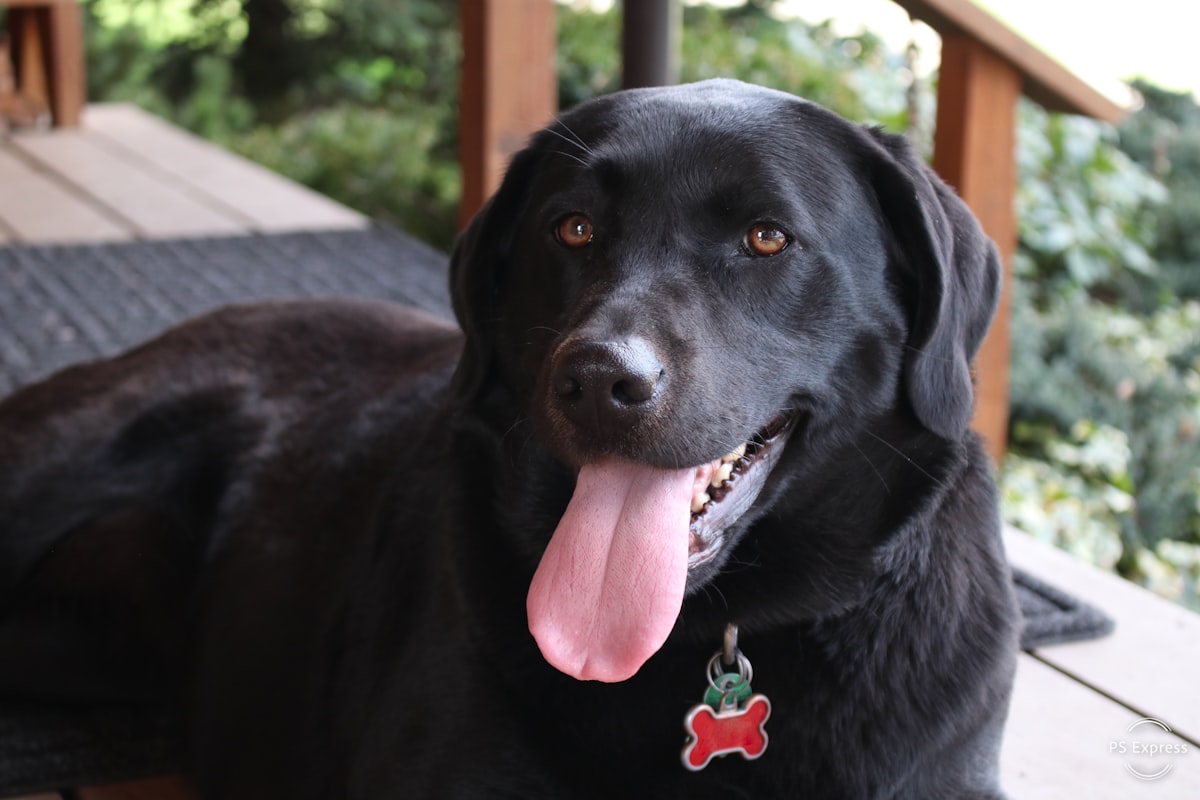
Normal shedding happens evenly across the body without bald patches, redness, or excessive scratching. When shedding becomes abnormal, it is your dog’s body sending a distress signal. Watch for these warning signs:
Bald patches or thinning areas suggest localized hair loss from allergies, fungal infections (ringworm), bacterial infections, or hormonal disorders like hypothyroidism or Cushing’s disease.
Excessive scratching, licking, or chewing at the skin paired with hair loss often points to environmental or food allergies. Common culprits include pollen, dust mites, chicken, beef, or grain ingredients in food.
Dull, brittle coat that breaks easily can indicate nutritional deficiencies, particularly in omega fatty acids, zinc, or biotin.
Sudden or dramatic increase in shedding not tied to seasonal changes could signal stress, illness, or a reaction to medication.
Red, inflamed, or flaky skin beneath the hair loss may indicate dermatitis, mange (mites), or autoimmune conditions.
If you notice any of these symptoms, schedule a veterinary checkup. Early diagnosis makes treatment faster and more effective, and your dog will be much more comfortable once the underlying issue is resolved.
Building a Shedding Management Routine
The most effective approach combines multiple strategies into a consistent routine:
Daily: Quick 5-minute brush, ensure fresh water is available, and a once-over with a lint roller before leaving the house.
Weekly: Full 15 to 20-minute brushing session, vacuum all floors and furniture, wash dog bedding and furniture covers.
Monthly: Deshedding bath with appropriate shampoo and conditioner, followed by blow drying and thorough brushing.
Seasonally: Professional deshedding treatment at the start of spring and fall. Adjust diet with omega-3 supplements if coat looks dull. Replace air purifier filters.
Consistency beats intensity. A dog owner who brushes their dog for five minutes every day will see dramatically better results than someone who does one marathon grooming session per month. The fur removal is cumulative, and regular brushing trains the coat to grow healthier over time.
Your dog’s shedding will never drop to zero — it is biologically necessary. But with the right tools, nutrition, and routine, you can reduce it by 60 to 80 percent and reclaim your furniture, your clothes, and your sanity.
References
- American Kennel Club. “Why Is My Dog Losing Hair?”
- American Veterinary Medical Association. “Dog Grooming.”
- PetMD. “The Importance of Omega Fatty Acids for Dogs.”