Dog Grooming at Home | Step-by-Step Guide for Every Breed and Coat Type
Grooming your dog at home saves money, strengthens the bond between you and your pup, and lets you spot skin issues, lumps, or parasites before they become serious. Whether you own a short-coated Labrador or a fluffy Golden Retriever, regular grooming keeps your dog comfortable, healthy, and looking great. This complete guide walks you through every step — from brushing and bathing to nail trimming and ear cleaning — so you can handle grooming like a pro without leaving your living room.
Why Groom Your Dog at Home?
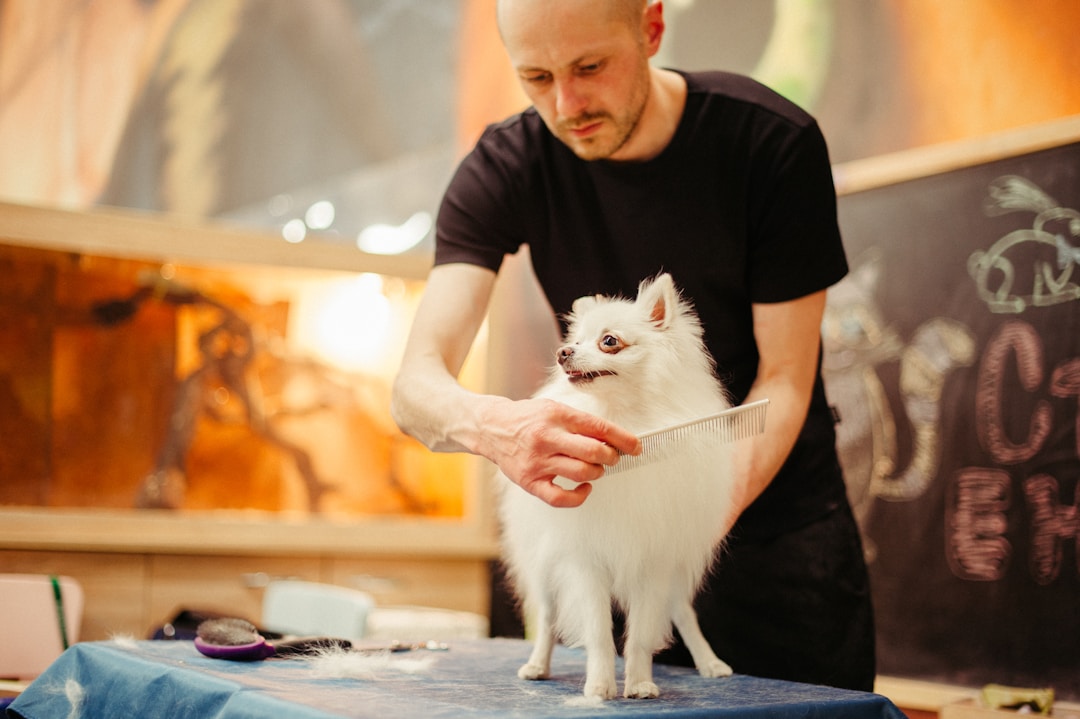
Professional grooming sessions can cost anywhere from $40 to over $100 per visit, and some dog owners are now spending upward of several hundred dollars per session on premium spa-style treatments. While professional groomers do fantastic work, the reality is that most routine grooming tasks are straightforward enough to handle yourself.
Home grooming offers several advantages that go beyond saving money:
- Less stress for anxious dogs — Many dogs get nervous at grooming salons. Familiar surroundings keep them calmer.
- Early detection of health problems — Running your hands over your dog regularly helps you notice lumps, rashes, ticks, or hot spots early.
- Stronger bonding — Gentle grooming sessions build trust and deepen the relationship between you and your pet.
- Flexible scheduling — No more waiting weeks for an available appointment. You groom when it fits your day.
- Customized care — You know your dog’s sensitivities better than anyone else.
According to the ASPCA’s grooming guidelines, regular at-home grooming is an essential part of responsible dog ownership, not just a cosmetic luxury.
Essential Dog Grooming Tools You Need
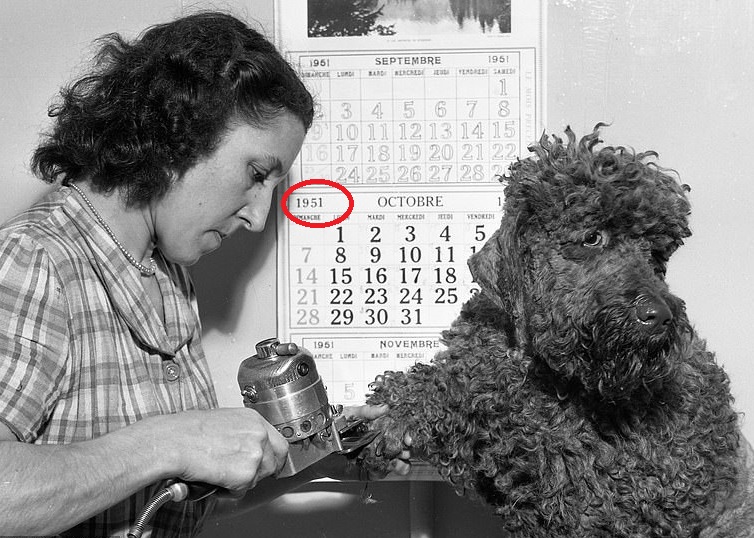
Before you start, gather the right tools. Having everything ready prevents you from chasing down supplies mid-session while your soapy dog makes a run for the couch.
Brushes and Combs
The type of brush you need depends entirely on your dog’s coat type:
- Slicker brush — Best for medium to long coats. The fine wire bristles remove tangles and loose undercoat without pulling.
- Bristle brush — Works well on short-haired breeds like Beagles and Boxers. Distributes natural oils for a healthy shine.
- Undercoat rake — A must-have for double-coated breeds like Huskies, German Shepherds, and Samoyeds.
- Dematting comb — For tackling stubborn mats in breeds prone to tangling, like Poodles and Shih Tzus.
- Grooming glove — Great for dogs who dislike brushes. Works especially well on short-coated breeds.
Bathing Supplies
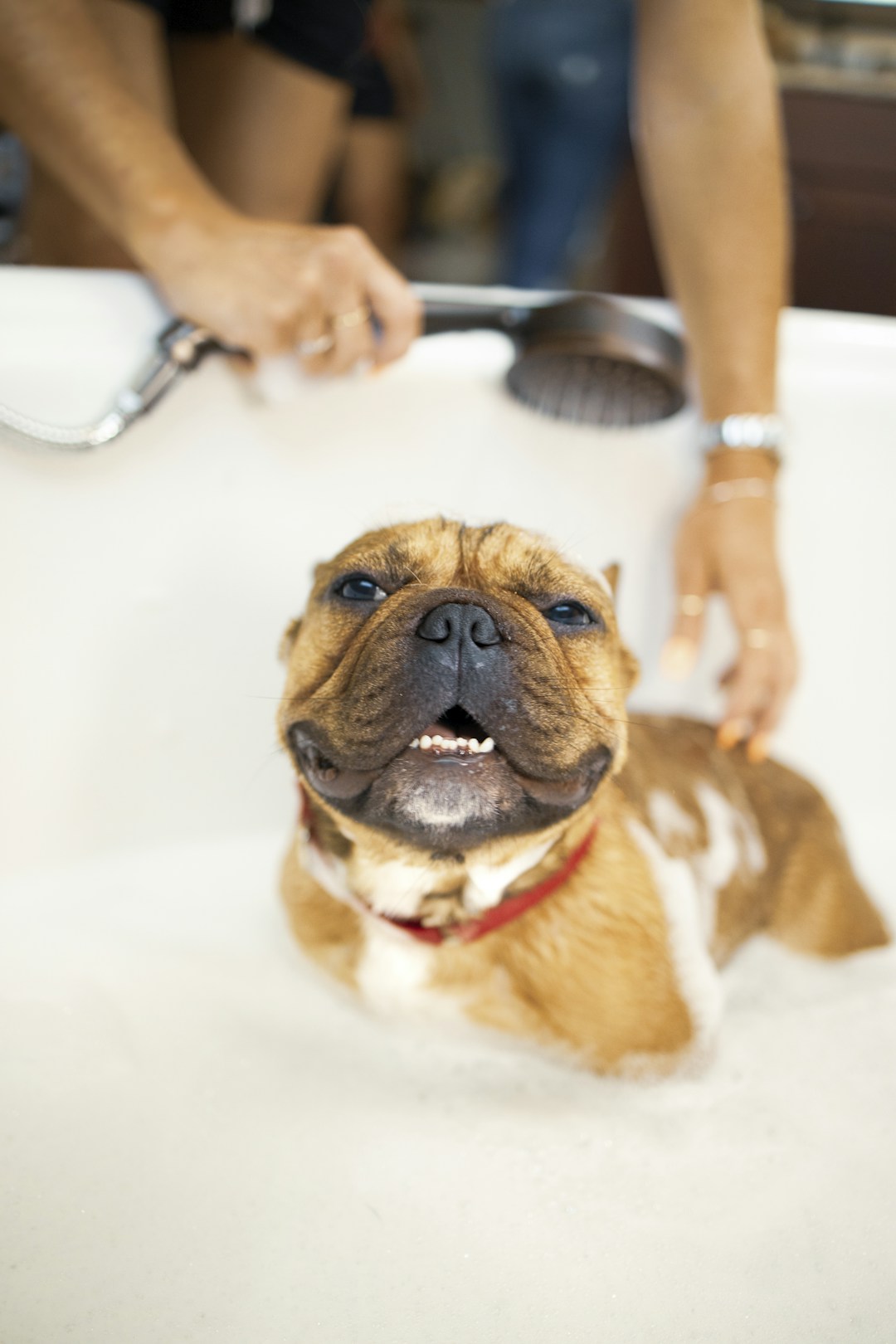
- Dog-specific shampoo — Never use human shampoo. Dogs have a different skin pH (around 7.0 vs. human 5.5), and human products strip their coat of essential oils.
- Conditioner — Optional but helpful for long-haired breeds to prevent tangles after the bath.
- Non-slip bath mat — Prevents your dog from sliding around in the tub, which reduces their anxiety significantly.
- Absorbent towels — Microfiber works best. Have at least two ready.
- Blow dryer (optional) — Use on low heat only. Some dogs tolerate dryers, some absolutely do not. Read your dog.
Nail Care
- Guillotine-style clippers — Best for small to medium dogs.
- Scissor-style clippers — Better for large breed nails.
- Nail grinder (Dremel) — Smooths nails without the risk of cutting too short. Many dogs actually prefer the vibration over the clipping sensation.
- Styptic powder — Essential for accidental quick cuts. Cornstarch works in a pinch.
How to Brush Your Dog the Right Way
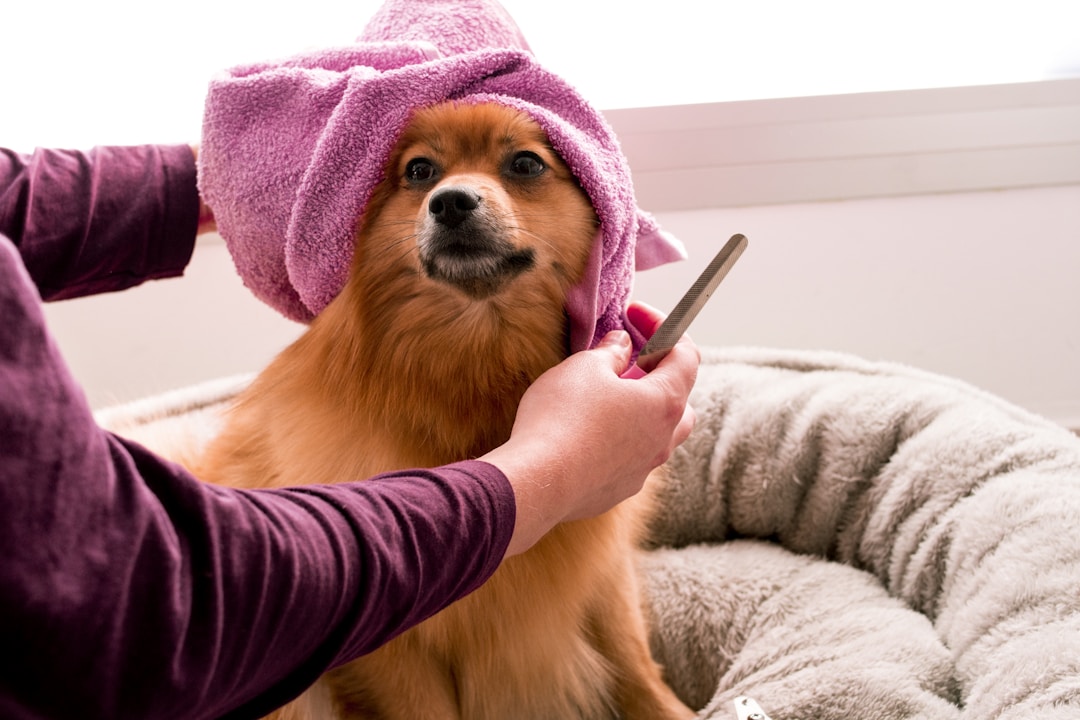
Brushing is the foundation of all grooming. It removes dead hair, prevents mats, stimulates blood flow to the skin, and distributes natural oils that keep the coat glossy and healthy. Here is how often different coat types need brushing:
| Coat Type | Example Breeds | Brushing Frequency |
|---|---|---|
| Short and smooth | Boxer, Beagle, Dalmatian | Once a week |
| Short and dense/double | Labrador, Corgi, Rottweiler | 2-3 times per week |
| Medium length | Golden Retriever, Border Collie | 3-4 times per week |
| Long and silky | Yorkshire Terrier, Maltese | Daily |
| Curly/wool | Poodle, Bichon Frise | Daily |
| Wire/rough | Schnauzer, Wire Fox Terrier | 2-3 times per week |
Brushing Technique
- Start from the bottom up. Begin at the feet and legs, working your way up to the body and head. This prevents you from pushing tangles down into already-brushed areas.
- Brush in the direction of hair growth. Going against the grain can be uncomfortable and may cause breakage.
- Work in sections. Part the hair with your free hand so you can see down to the skin. You want to brush through the entire coat, not just skim the surface.
- Be gentle around sensitive areas. The belly, behind the ears, armpits, and inner thighs are sensitive zones. Use lighter pressure.
- Check for mats. If you find one, hold the base of the mat close to the skin (so you are not pulling on it) and work through it from the tip down with a dematting comb.
If your dog is not used to brushing, start with short sessions (3-5 minutes) and reward heavily with treats. Gradually increase the time as your dog learns to relax.
Bathing Your Dog: How Often and How To
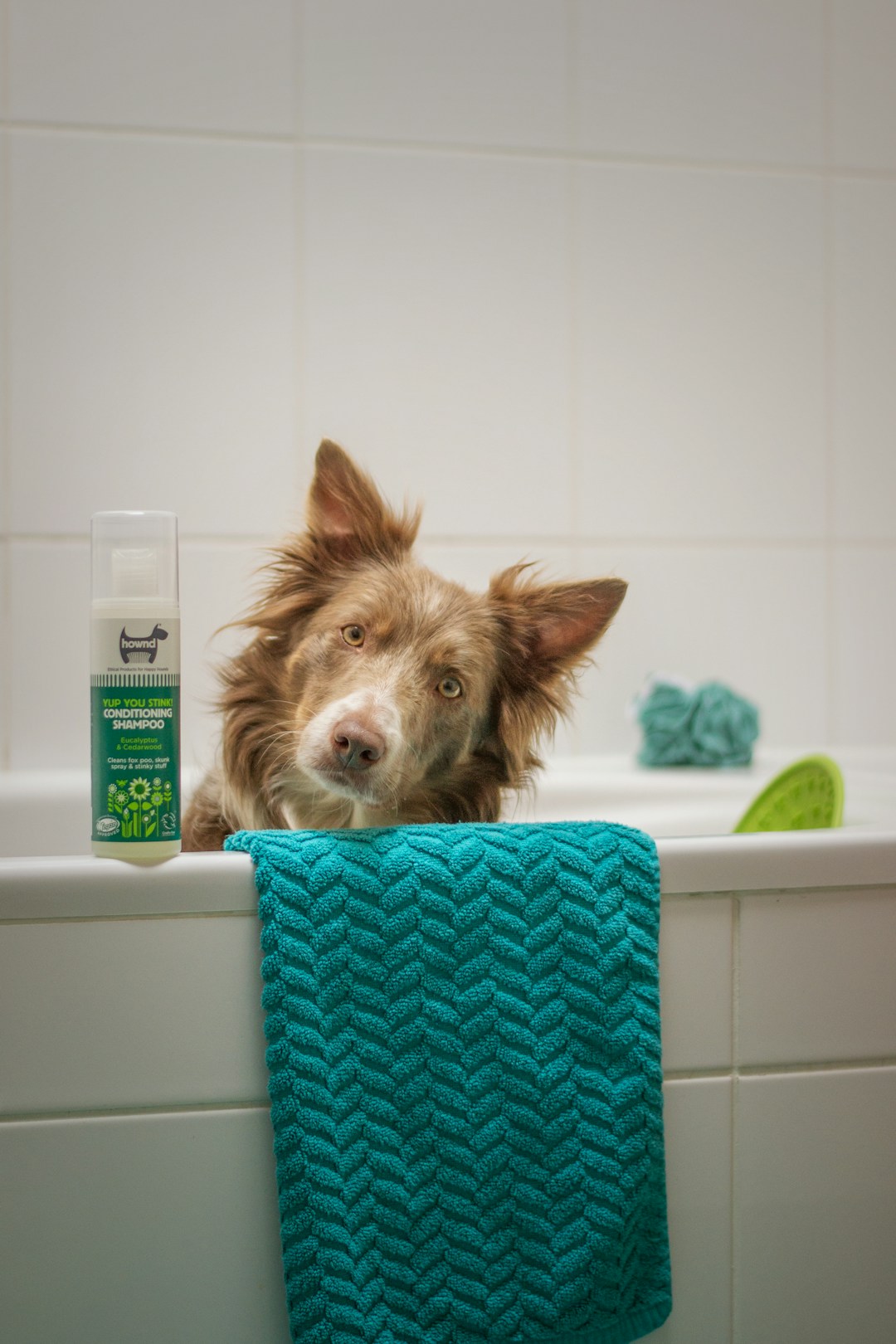
Most dogs only need a bath every 4-6 weeks unless they get dirty or start smelling. Over-bathing strips natural oils and can cause dry, itchy skin. Breeds with oilier coats (like Basset Hounds) may need more frequent baths, while breeds with water-resistant double coats (like Labrador Retrievers) need fewer.
Step-by-Step Bathing Process
- Brush first. Always brush your dog thoroughly before getting them wet. Water tightens mats and makes them almost impossible to remove.
- Use lukewarm water. Test it on your inner wrist — it should feel comfortable, not hot. Dogs are more sensitive to temperature than you might think.
- Wet the entire coat. Use a handheld sprayer or a large cup. Start from the neck and work backward. Avoid spraying directly into the face, ears, or eyes.
- Apply shampoo. Dilute it if the bottle suggests it. Work it into a lather starting at the neck and moving toward the tail. Massage it into the coat and down to the skin.
- Scrub gently. Use your fingertips (not nails) to work the shampoo through the coat. Pay attention to the belly, paws, and under the tail.
- Rinse thoroughly. This is the most important step. Leftover shampoo residue causes itching and skin irritation. Rinse until the water runs completely clear.
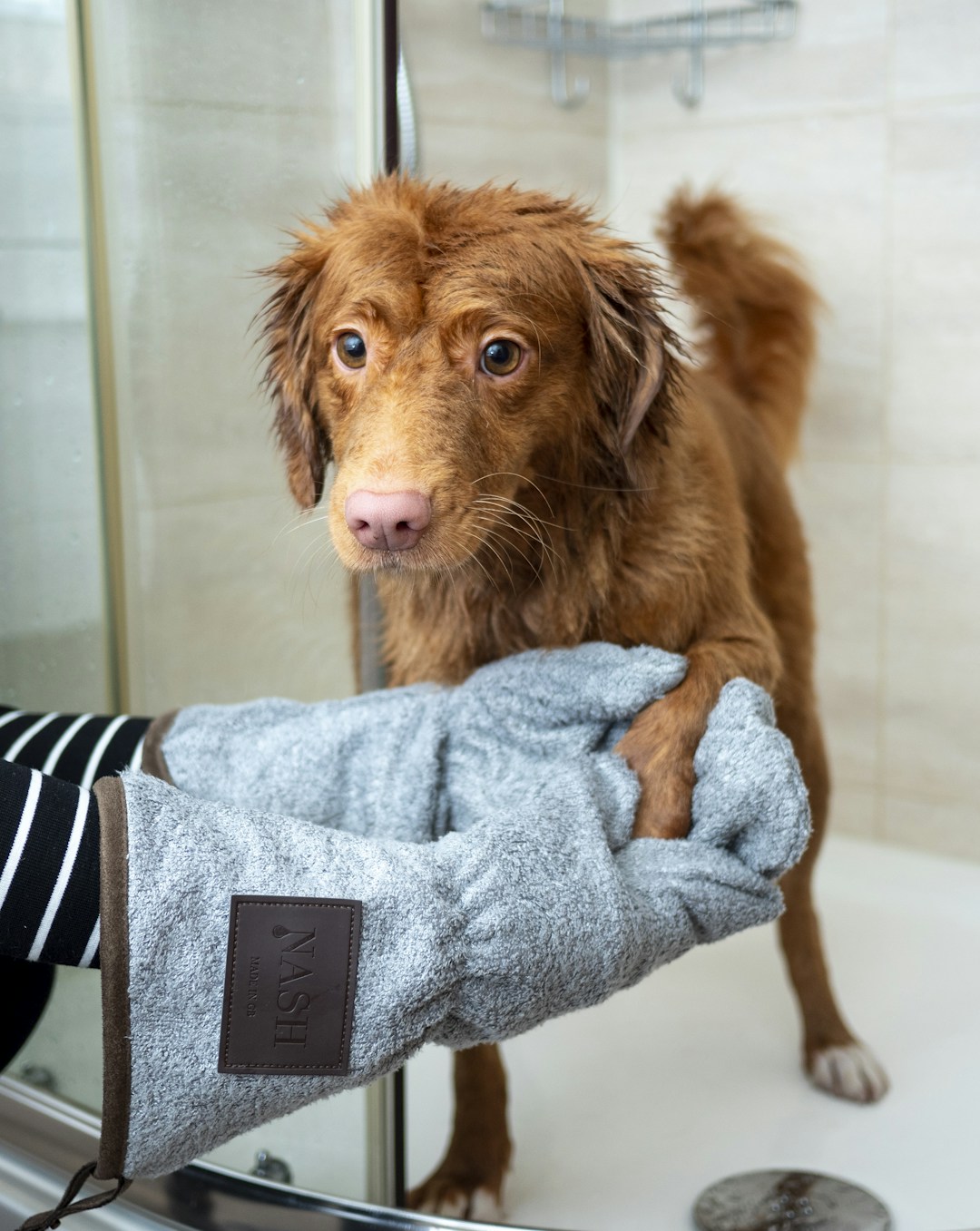
- Dry properly. Towel dry first by pressing (not rubbing) the towel against the coat. If using a blow dryer, keep it on low heat and maintain distance.
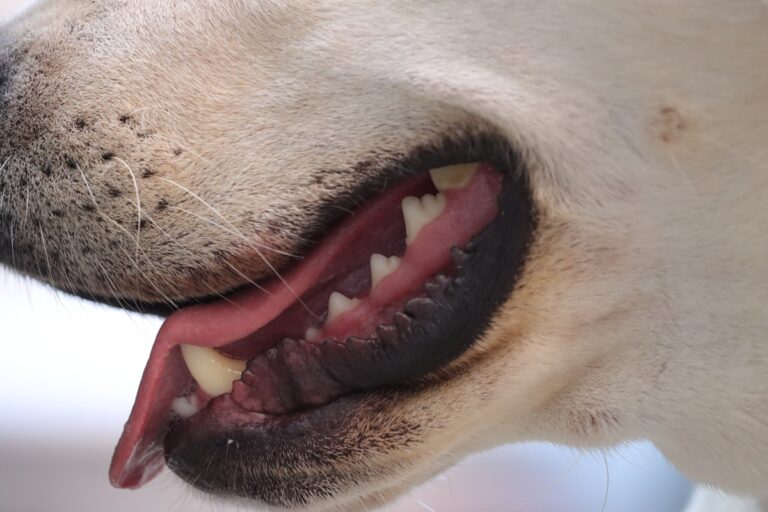
For your dog’s dental health during grooming sessions, consider adding a quick teeth-brushing step with a dog-safe enzymatic toothpaste.
Nail Trimming Without the Drama
Nail trimming is the grooming task that terrifies most dog owners — and most dogs. But overgrown nails cause real problems: they change how your dog walks, can curl into the paw pad, and make walking on hard surfaces painful. Here is how to make it less stressful for everyone.
Finding the Quick
The quick is the blood vessel inside each nail. On dogs with white or light nails, you can see it as a pinkish area. On dark nails, trim small amounts at a time and look at the cross-section — when you see a grayish-pink oval starting to appear, stop.
Nail Trimming Steps
- Get your dog comfortable with paw handling first. Spend a few days just touching and holding their paws with treats before you bring out the clippers.
- Hold the paw firmly but gently. Spread the toes and isolate one nail at a time.
- Clip at a 45-degree angle. Take small amounts off — 1-2mm at a time for dark nails.
- Reward after each nail. Not after each paw — after each individual nail. This keeps the positive association strong.
- If you cut the quick, stay calm. Apply styptic powder and gentle pressure. Your dog will take emotional cues from you.
If your dog absolutely refuses clippers, a nail grinder is often better tolerated. The AKC recommends introducing the sound of the grinder gradually over several sessions before touching it to the nails.
Ear Cleaning Basics
Dirty ears can lead to painful infections, especially in breeds with floppy ears like Cocker Spaniels, Basset Hounds, and Bloodhounds. Check your dog’s ears weekly and clean them as needed.
How to Clean Dog Ears Safely
- Use a vet-approved ear cleaning solution — never water, hydrogen peroxide, or alcohol.
- Lift the ear flap and squeeze enough solution to fill the ear canal.
- Massage the base of the ear for 20-30 seconds. You should hear a squishing sound.
- Let your dog shake their head (this is important — it brings debris up).
- Wipe away visible debris with a cotton ball. Never insert cotton swabs into the ear canal.
Signs that your dog needs a vet visit instead of a home cleaning include: dark brown or bloody discharge, strong odor, excessive scratching, head tilting, or swelling.
Coat Trimming and Haircuts at Home
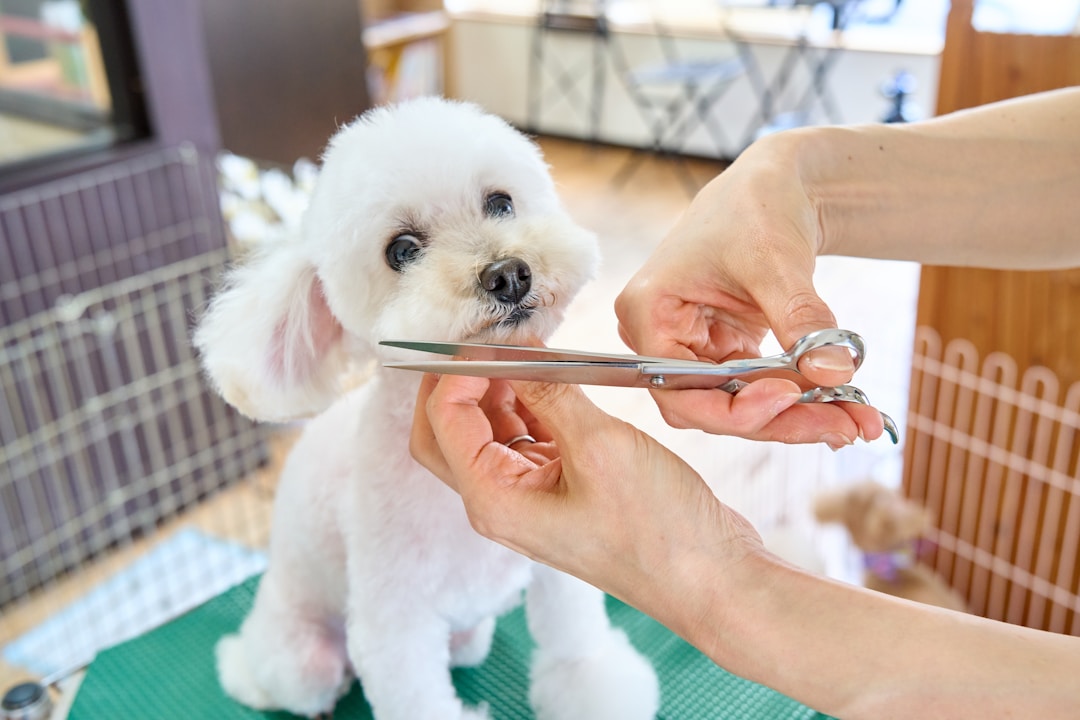
Not every breed needs haircuts, but many do. Breeds with continuously growing hair (Poodles, Shih Tzus, Yorkies, Maltese) need regular trimming to prevent the coat from becoming unmanageable.
For beginners, focus on maintenance trimming rather than full breed-specific cuts:
- Around the eyes — Use blunt-tipped scissors to carefully trim hair that blocks your dog’s vision.
- Sanitary areas — Keep the hair around the rear end trimmed for hygiene.
- Between paw pads — Excess hair here collects debris and can cause slipping on smooth floors.
- Belly — Light trimming prevents matting in this friction-heavy area.
Leave breed-specific haircuts to professionals until you are confident with clippers. A bad haircut grows out. A clipper burn or cut does not heal as fast.
Setting Up a Grooming Schedule
Consistency matters more than perfection. A simple weekly routine prevents problems from building up:
- Daily: Quick brush (especially for long-coated breeds), teeth brushing, visual check of eyes and ears.
- Weekly: Thorough brushing session, ear check and cleaning if needed, paw pad inspection.
- Every 2-4 weeks: Nail trimming or grinding.
- Every 4-8 weeks: Full bath with shampoo and conditioner.
- Every 6-12 weeks: Haircut or professional grooming session (for breeds that need it).
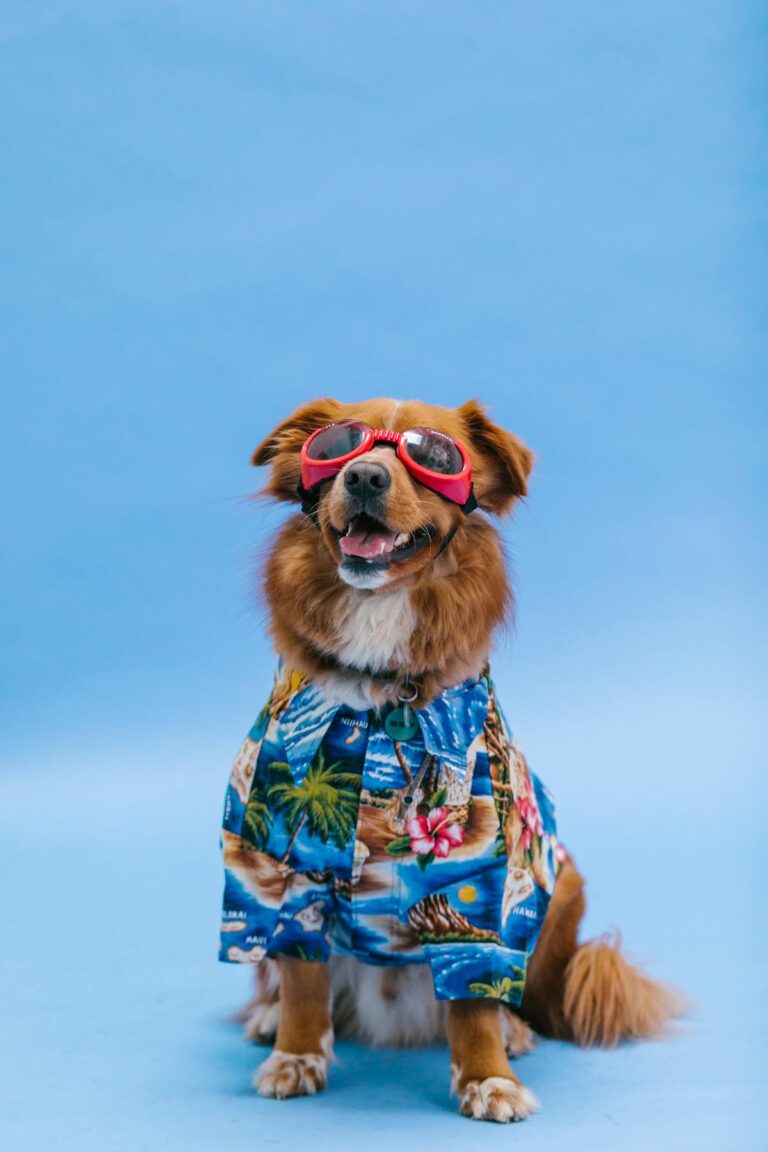
As the weather gets warmer, you may want to adjust your dog’s wardrobe too. Check out our guide to spring dog clothes and lightweight outfits for post-grooming walks. And if you want to protect those freshly trimmed paws, take a look at our dog boots guide for sizing and training.
Common Dog Grooming Mistakes to Avoid
Even experienced dog owners make these mistakes. Being aware of them saves you and your dog a lot of grief:
- Bathing before brushing. Water turns small tangles into rock-hard mats. Always brush first.
- Cutting nails too short. Trim conservatively. You can always take more off, but you cannot put it back.
- Using human products. Human shampoo, conditioner, and even baby shampoo are too harsh for dog skin.
- Skipping the rinse. Shampoo residue is one of the most common causes of dog skin irritation.
- Forcing it when your dog is stressed. Pushing through a grooming session when your dog is panicked builds negative associations. Take breaks.
- Ignoring the ears. Ear infections are painful and expensive to treat. Weekly checks take 30 seconds.
- Forgetting teeth. Dental disease affects over 80% of dogs over age three. Brushing teeth during grooming makes it part of the routine.
- Not checking between paw pads. Foxtails, small rocks, ice balls, and matted fur all hide between paw pads and can cause limping or infection.
Grooming Gear Worth Picking Up
Having the right gear makes a huge difference in how smooth your grooming sessions go. Here are a few essentials worth grabbing:
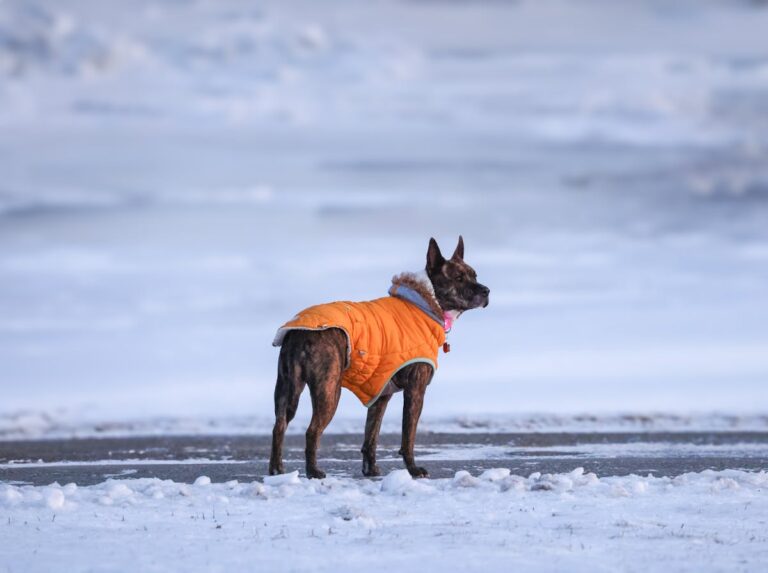
If your dog gets chilly after a bath — especially short-haired or small breeds — a comfortable dog sweatshirt keeps them warm while their coat dries. For outdoor grooming sessions in unpredictable weather, a waterproof dog poncho raincoat protects a freshly cleaned coat from getting muddy again on the walk home. And for winter grooming days when you need to take your dog outside afterward, a warm cotton-padded dog coat keeps your freshly bathed pup cozy.
When to Call a Professional Groomer
Home grooming covers most of your dog’s needs, but certain situations call for professional help:
- Severely matted coats — Mats close to the skin can cause bruising and sores. A professional knows how to remove them safely.
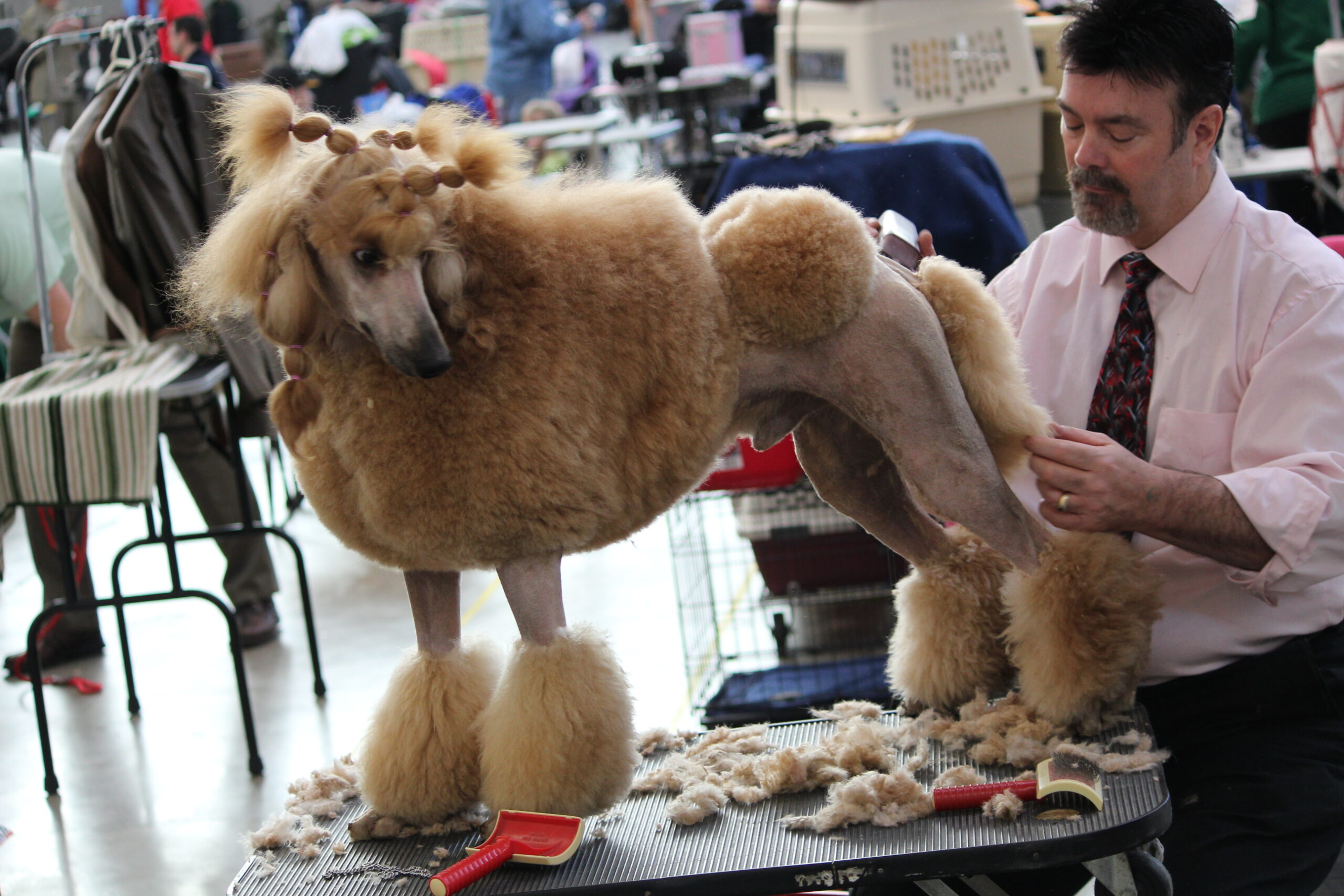
- Breed-specific haircuts — Show cuts, breed-standard trims, and complex styling are best left to trained groomers.
- Aggressive or extremely fearful dogs — Professionals have techniques and equipment for handling dogs that may bite during grooming.
- Anal gland expression — If your dog scoots or licks excessively, this may need attention from a groomer or vet.
- Skin conditions — If you notice unusual rashes, excessive flaking, hair loss, or sores, see a veterinarian first before grooming over potentially sensitive areas.
Most pet parents find that alternating between home grooming maintenance and periodic professional sessions gives their dog the best of both worlds — regular care without the stress of constant salon visits, plus expert attention when it is truly needed.