How to Socialize a Dog | Puppy to Adult Guide
Your dog’s ability to handle new people, animals, sounds, and environments comes down to one thing: socialization. Whether you just brought home an eight-week-old puppy or adopted a three-year-old rescue, building social confidence is one of the most important investments you’ll ever make in your dog’s wellbeing.
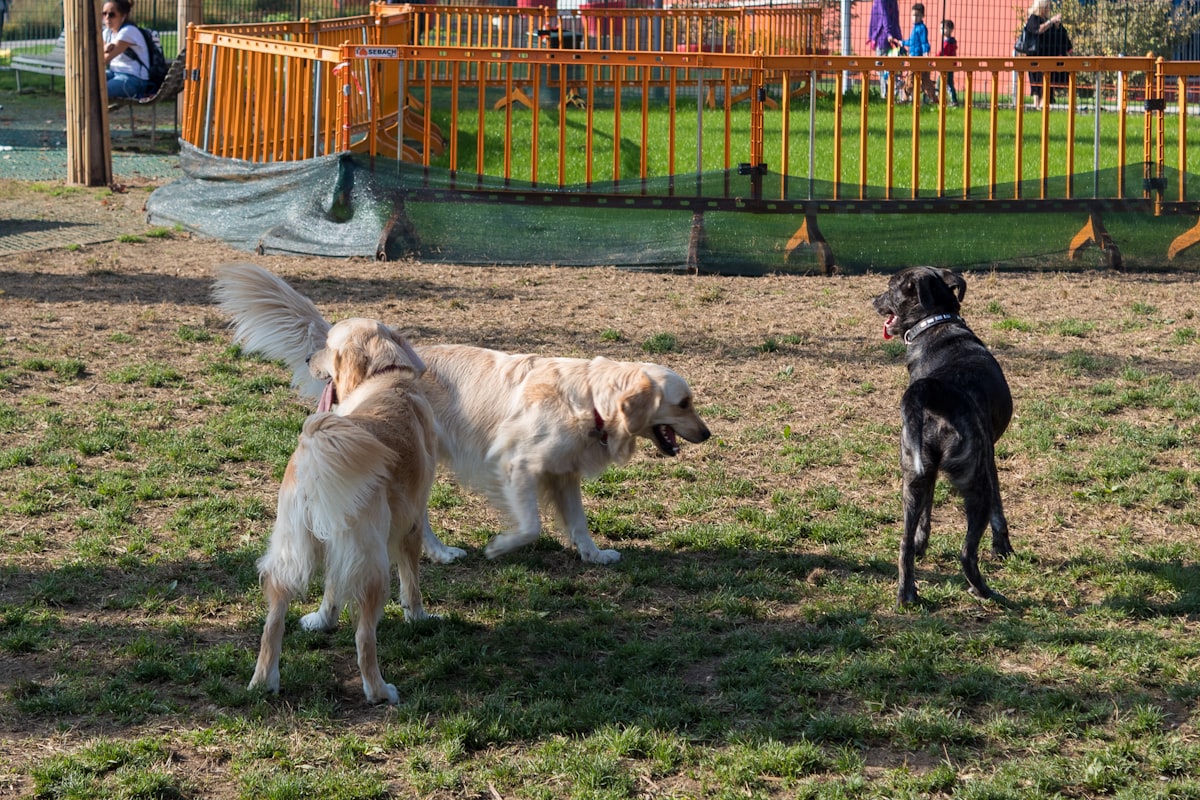
A well-socialized dog walks calmly through crowded sidewalks, greets strangers without lunging, and plays politely with other dogs at the park. A poorly socialized dog? That’s the one barking at every jogger, cowering behind your legs at the vet, or snapping at your neighbor’s friendly Labrador.
This guide breaks down everything you need to know — from the critical puppy socialization window to working with adult dogs who missed out early on.
The Critical Puppy Socialization Window: 3 to 14 Weeks
Between three and fourteen weeks of age, puppies go through what behaviorists call the critical socialization period. During this window, a puppy’s brain is uniquely wired to absorb new experiences and file them as “normal.” After this window starts to close — around 14 to 16 weeks — unfamiliar things become increasingly scary rather than interesting.
The American Kennel Club emphasizes that this period is so important that puppies who miss it often develop lifelong behavioral problems, including fear aggression and anxiety disorders.
Here’s what makes this window so powerful:
- Neural plasticity is at its peak. Your puppy’s brain forms new connections faster during these weeks than at any other time in their life.
- Fear responses are minimal. Young puppies approach new stimuli with curiosity rather than suspicion.
- Positive associations form quickly. A treat paired with a new experience creates a lasting positive memory.
This doesn’t mean you should overwhelm your puppy with every possible stimulus in a single weekend. Quality matters more than quantity. Short, positive exposures beat marathon socialization sessions every time.
What to Expose Your Puppy To (and How)
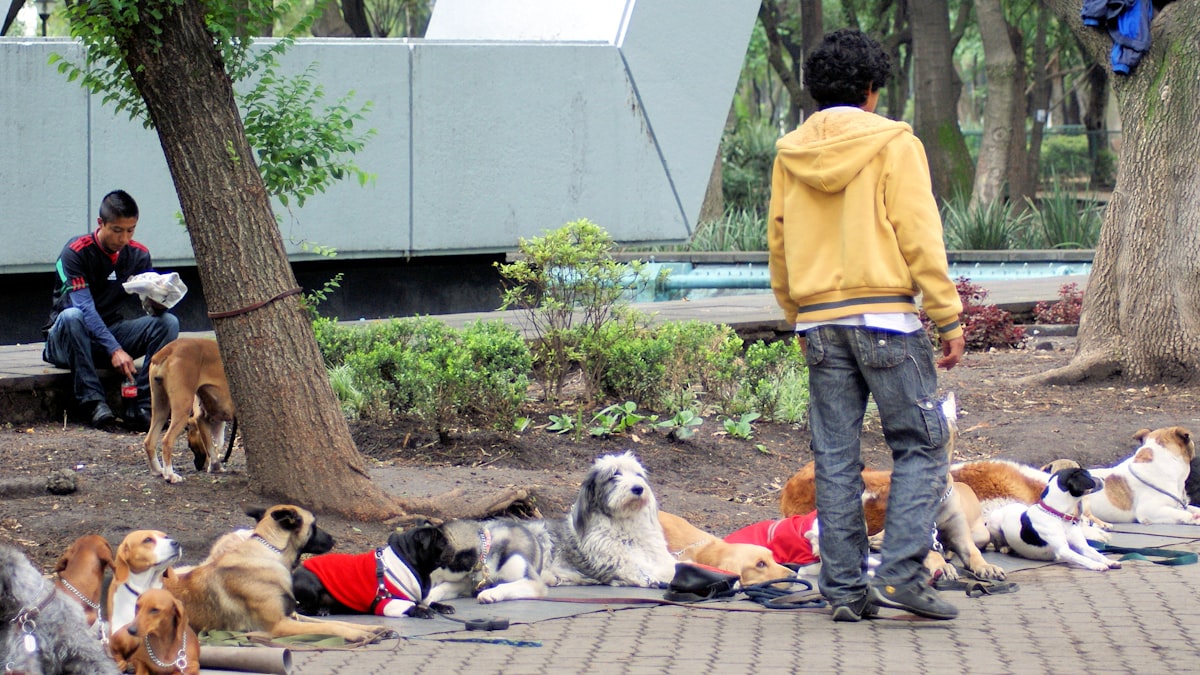
Effective puppy socialization covers four broad categories. You want your pup to have positive experiences with each one before that 14-week window closes.
People of All Types
Your puppy needs to meet men, women, children, people wearing hats, people with beards, people in wheelchairs, delivery drivers in uniform, and anyone else who might cross their path later in life. Aim for your puppy to meet at least 100 different people during their first three months home.
Ask each person to offer a small treat. Keep interactions brief — 30 seconds to a minute — and let your puppy approach on their own terms. Never force a greeting.
Other Dogs and Animals
Puppy socialization classes are the gold standard here. These controlled group settings let your puppy interact with other vaccinated puppies of similar ages. Look for classes run by certified trainers who keep groups small and monitor body language closely.
Beyond organized classes, arrange one-on-one play dates with calm, vaccinated adult dogs you know and trust. These older dogs can teach your puppy crucial social skills like bite inhibition and reading body language.
Environments and Surfaces
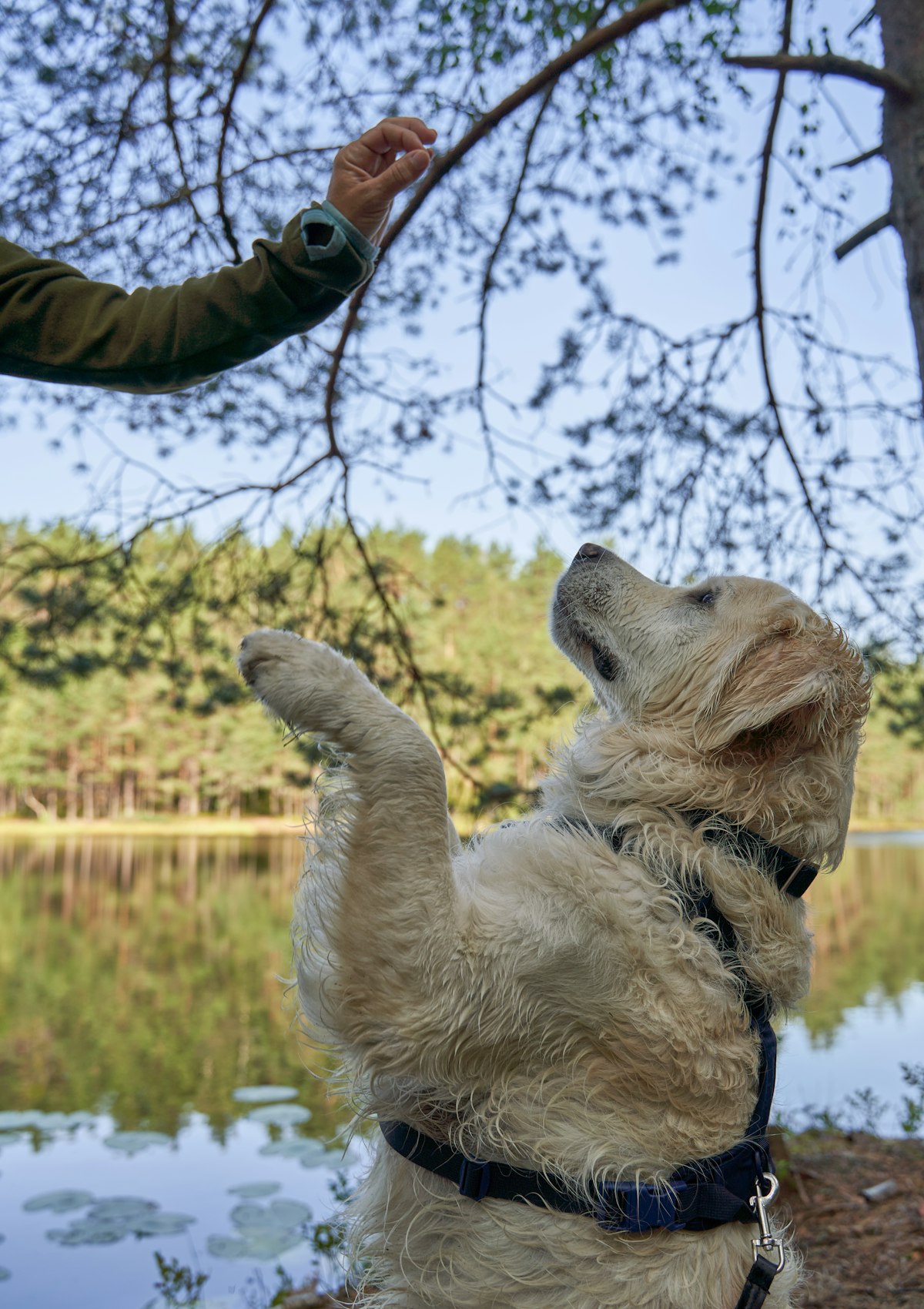
Expose your puppy to grass, gravel, tile, metal grates, wooden decks, wet surfaces, and stairs. Visit pet-friendly stores, sit outside a cafe, walk through a parking garage, and ride in the car. Each new environment builds your puppy’s confidence bank.
Sounds and Sensations
Thunderstorms, fireworks, vacuum cleaners, hair dryers, doorbells, sirens, and construction noise — your puppy will encounter all of these eventually. Start with recordings at low volume while feeding treats, then gradually increase the volume over several sessions.
Handling exercises matter too. Touch your puppy’s paws, ears, mouth, and tail daily. This makes future grooming sessions and vet visits dramatically easier.
Socializing Adult Dogs: It’s Not Too Late
Missed the puppy window? You can absolutely still socialize an adult dog. It takes more patience and a more structured approach, but dogs remain capable of learning new social skills throughout their lives.
The ASPCA notes that adult dogs with fear-based behavior problems can make significant progress with systematic desensitization and counter-conditioning — the science-backed approach to changing emotional responses.
Start with Distance
If your adult dog reacts to other dogs or people, find the distance where they notice the trigger but can still focus on you. This is called the threshold distance. Stay at that distance and reward calm behavior with high-value treats.
Over days and weeks, gradually decrease the distance. Rush this process and you’ll set your dog back. Patience is everything.
Use Parallel Walking
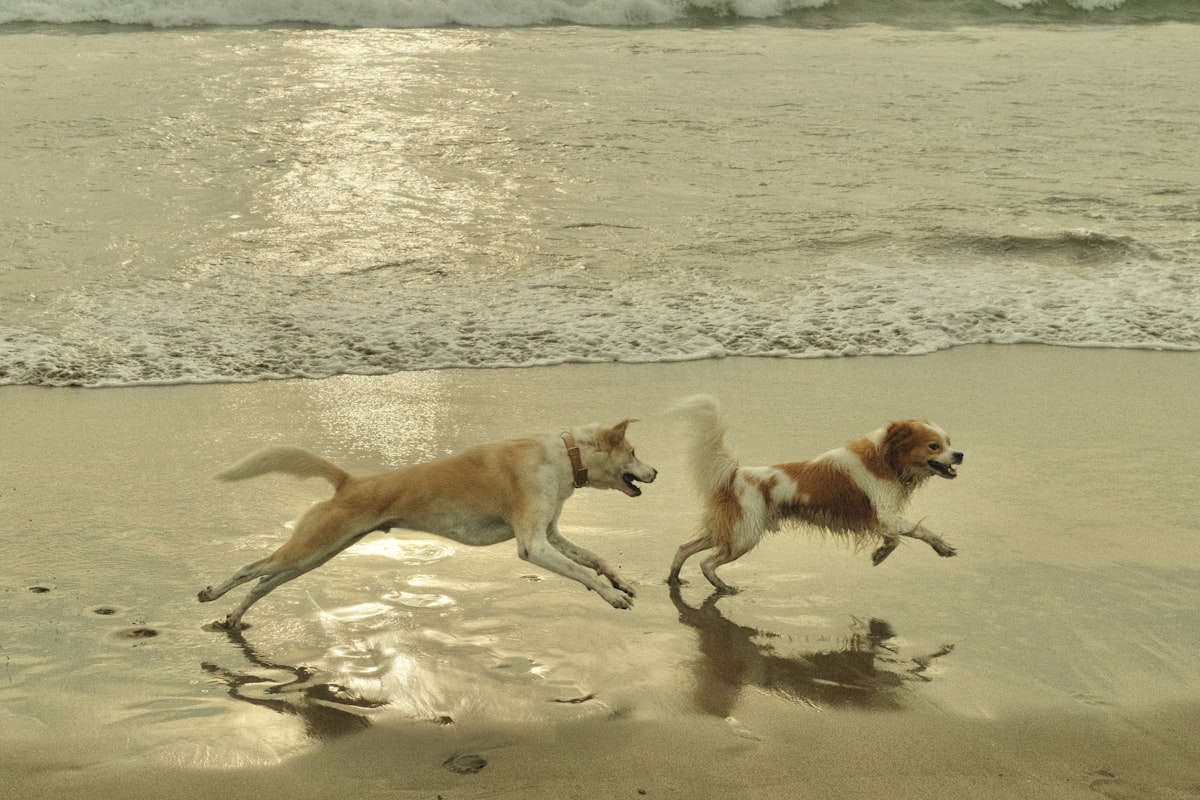
Parallel walking is one of the most effective techniques for dog-reactive adult dogs. Walk your dog alongside another calm dog, keeping enough distance that both dogs remain relaxed. Over multiple sessions, slowly decrease the gap between them.
This approach works because it lets dogs get accustomed to each other’s presence without the pressure of face-to-face interaction.
Hire a Professional If Needed
Adult dogs with serious fear or aggression issues benefit enormously from working with a certified animal behaviorist or a trainer who specializes in reactive dog rehabilitation. This isn’t a failure — it’s the smart move for dogs who need extra support.
Introducing Your Dog to New People
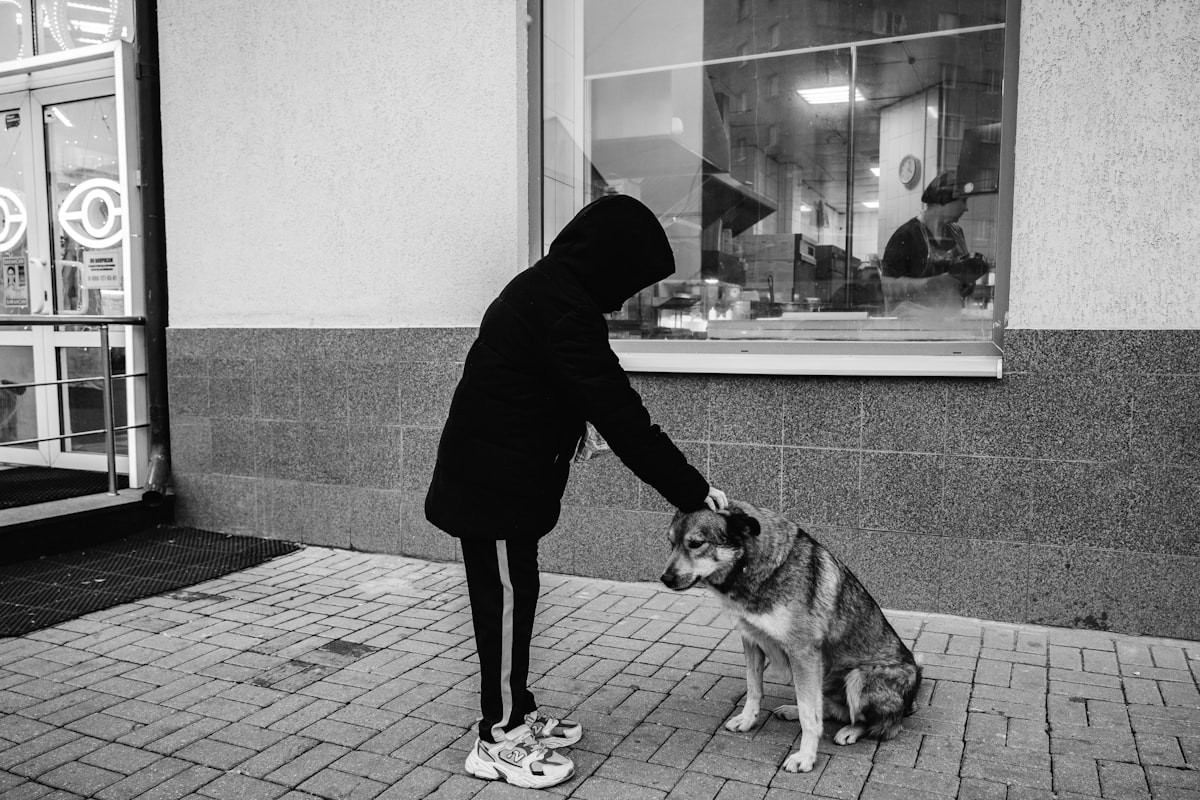
Whether your dog is eight weeks or eight years old, proper introductions to new people follow the same basic rules:
- Let your dog approach first. Ask the person to stand sideways (less threatening than facing head-on) and avoid direct eye contact initially.
- No reaching over the head. Have the person offer a closed fist below chin level for sniffing.
- Keep it short. A quick sniff and a treat is a successful introduction. Don’t force extended petting.
- Watch for stress signals. Lip licking, yawning, whale eye (showing the whites), or turning away all mean your dog needs space.
For dogs who are nervous around visitors at home, try tossing treats toward (not at) the dog from a distance. This builds a positive association without invading their space. As your dog’s confidence grows, visitors can gradually move closer.
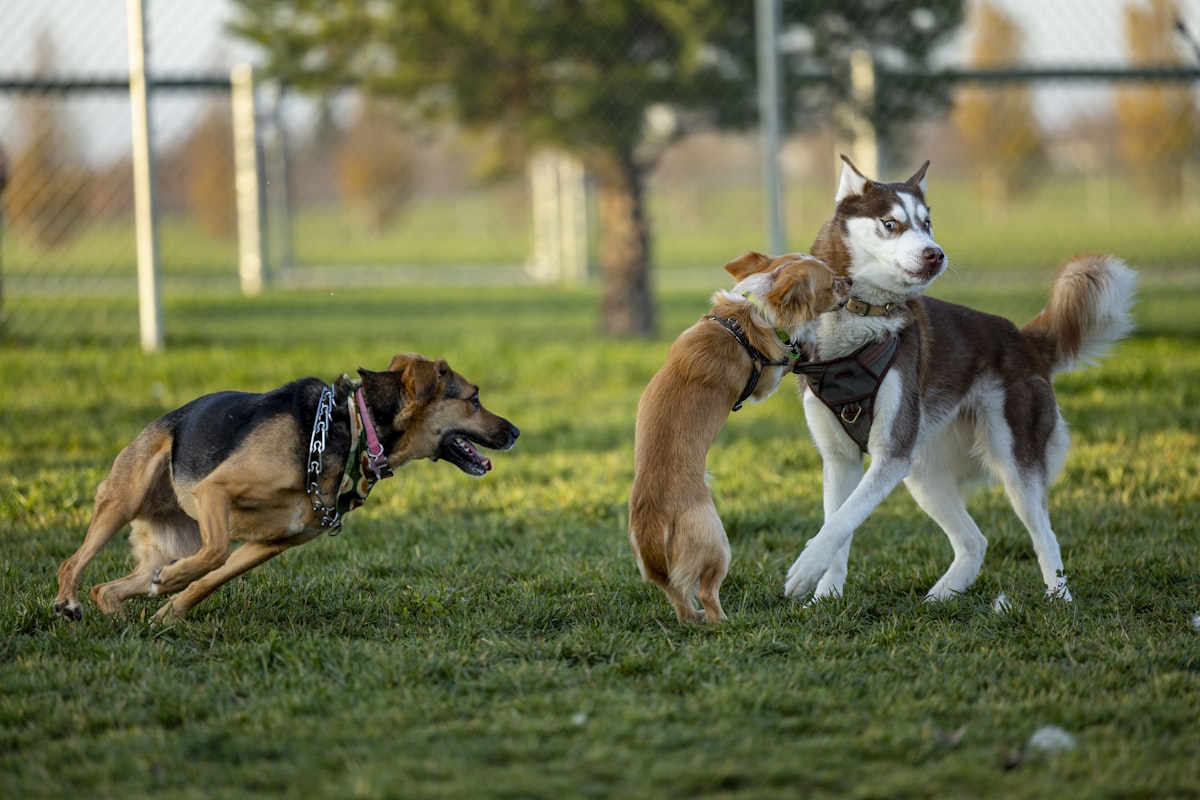
Introducing Your Dog to Other Dogs
Dog-to-dog introductions need careful management. Here’s the approach recommended by most professional trainers:
- Neutral territory. Meet in a park or open area, not inside either dog’s home or yard.
- Loose leashes. Tight leashes transmit your tension directly to your dog and restrict their ability to use natural body language.
- Side-by-side walking. Walk parallel for several minutes before allowing the dogs to interact directly.
- Brief greeting. Allow a three-second sniff, then call both dogs away. Repeat.
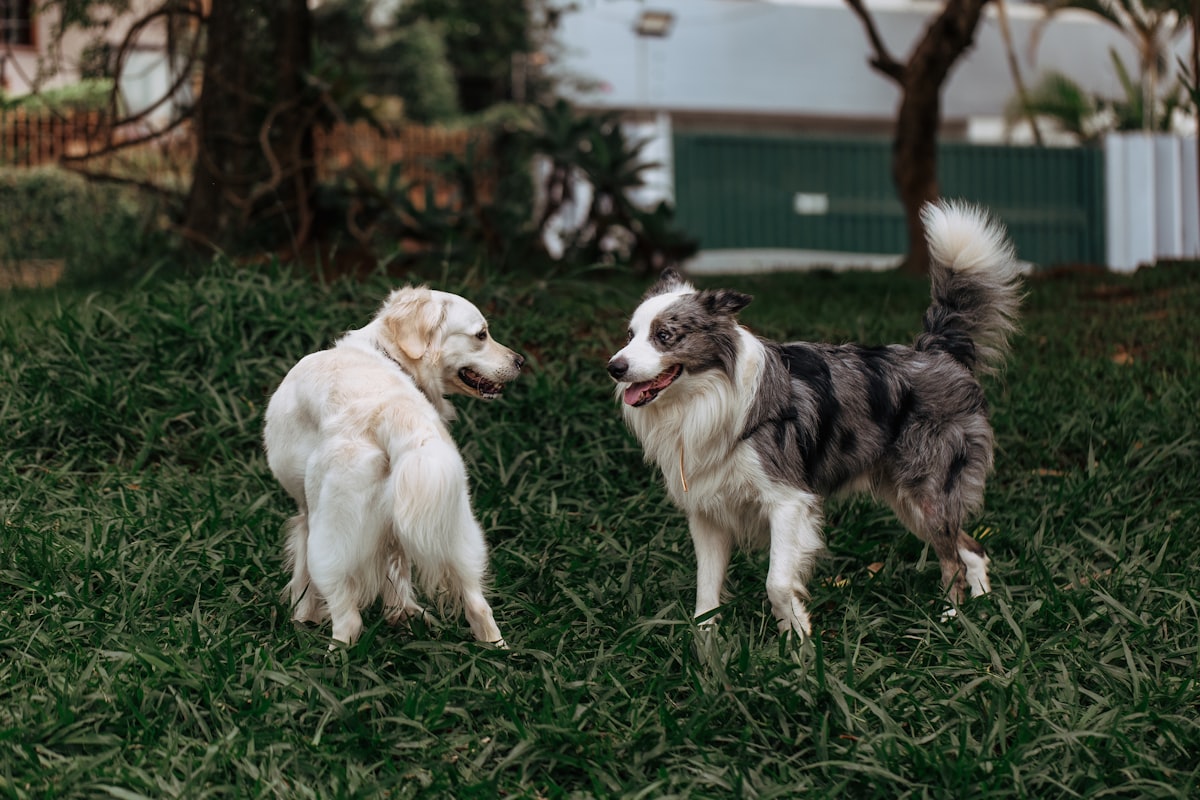
- Watch the body language. Loose, wiggly bodies and play bows are good. Stiff posture, hard stares, and raised hackles mean it’s time to separate and try again later.
Getting regular exercise before introductions helps too. A dog who’s already burned off excess energy is less likely to play too rough or become overstimulated.
Signs of Poor Socialization
How do you know if your dog needs socialization work? Watch for these red flags:
- Excessive barking or lunging at other dogs, people, bikes, or skateboards
- Cowering, trembling, or hiding in new environments or around unfamiliar people
- Snapping or growling when touched in certain areas or approached too quickly
- Inability to settle in public places like outdoor cafes, pet stores, or the vet’s office
- Guarding resources aggressively from people or other animals
- Panic during normal events like car rides, thunderstorms, or hearing the doorbell
If your dog shows any of these behaviors, don’t punish them. Punishment makes fear and anxiety worse. Instead, start a structured socialization program at whatever pace your dog can handle comfortably.
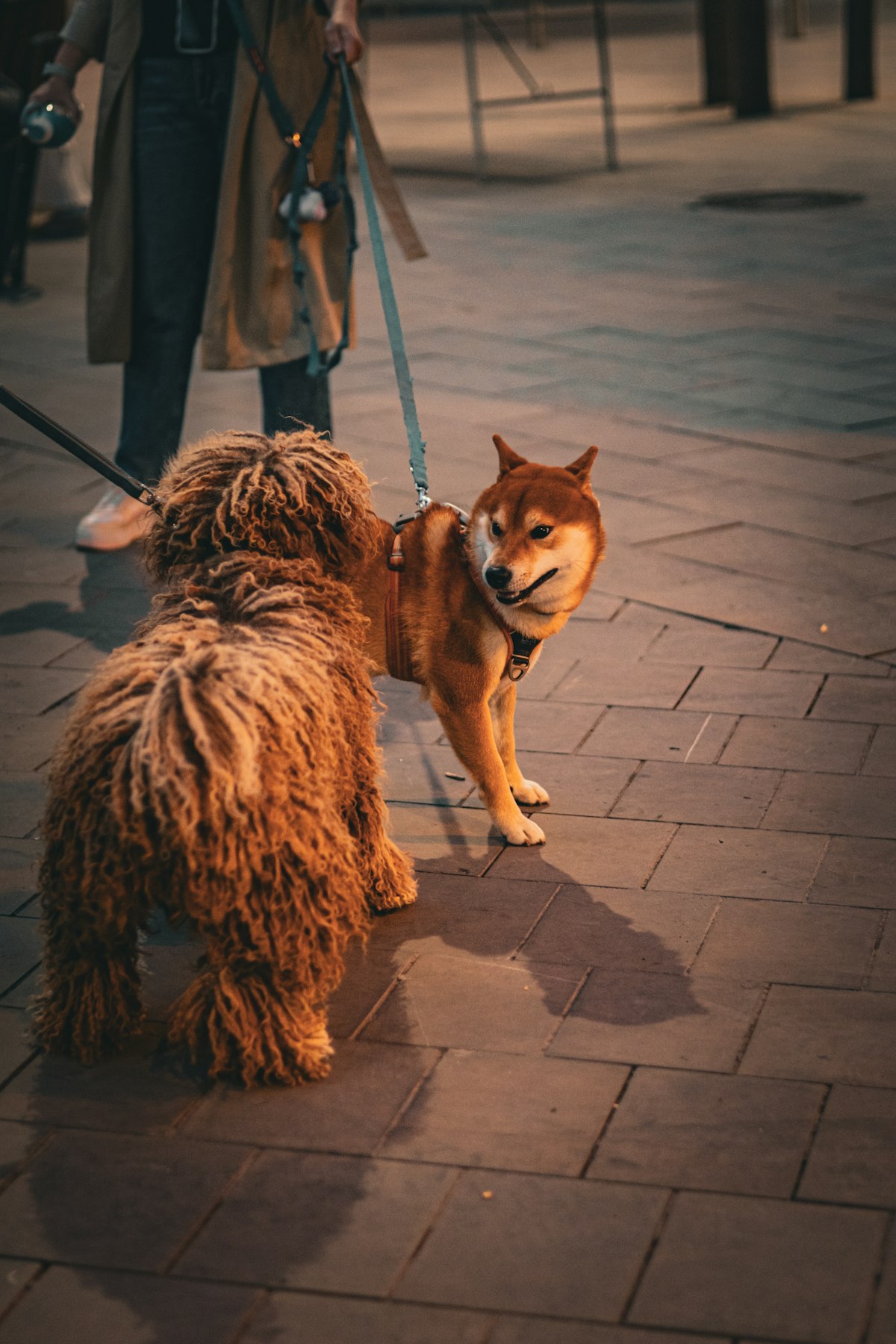
Common Socialization Mistakes
Even well-meaning owners make these errors. Avoid them and your dog will progress much faster.
Flooding
Taking a fearful dog to a crowded dog park and hoping they’ll “figure it out” is called flooding, and it almost always backfires. Overwhelming a dog with the thing they fear doesn’t build confidence — it destroys it. Always work at your dog’s pace.
Skipping Treats
Socialization without positive reinforcement is just exposure, and exposure alone can create negative associations. Every new experience should be paired with something your dog loves — treats, toys, or praise.
Ignoring Body Language
Your dog is constantly communicating. A tucked tail, pinned ears, or stiff body are all signals that they’ve had enough. Pushing past these signals teaches your dog that you won’t listen — and that they need to escalate to biting to be heard.
Inconsistency
Socializing your dog intensively for one week and then doing nothing for two months won’t produce lasting results. Socialization needs to be a consistent, ongoing part of your dog’s routine, especially during the first year.
Your 8-Week Puppy Socialization Plan
Follow this week-by-week roadmap to give your puppy the strongest social foundation possible.
Weeks 1-2 (Puppy age 8-10 weeks): Focus on your home environment. Introduce household sounds (TV, blender, vacuum at low levels), handle paws, ears, and mouth daily. Invite 2-3 calm visitors over for brief, treat-filled meetings.
Weeks 3-4 (Puppy age 10-12 weeks): Carry your puppy to new environments (until fully vaccinated, avoid ground contact in high-traffic dog areas). Visit a pet store in a cart, sit outside a cafe, and drive to different neighborhoods. Begin puppy socialization class.
Weeks 5-6 (Puppy age 12-14 weeks): Increase the variety. Meet children, elderly people, people with hats and sunglasses. Introduce your puppy to safe, vaccinated dogs for supervised play. Walk on different surfaces — metal, grates, gravel, wet grass.
Weeks 7-8 (Puppy age 14-16 weeks): As the critical window closes, continue building on previous experiences. Visit the vet for a “happy visit” (treats only, no procedures). Practice brief alone time to prevent separation anxiety.
Months 4-12: Socialization doesn’t stop at 16 weeks. Continue exposing your dog to new experiences weekly. Adolescence (6-18 months) often brings a second fear period, so keep up the positive reinforcement and avoid forcing interactions.
Puppy Socialization: Watch and Learn
This video walks through practical socialization activities you can start using today:
Gear Up for Socialization Success
The right gear makes socialization outings smoother and more comfortable for both you and your dog. Here are a few essentials from our shop:
Keep your pup comfortable and warm during outdoor socialization sessions. Our Casual Dog Sweatshirt is soft, easy to put on, and perfect for medium to large dogs heading to the park or puppy class. $22.99
Socializing during early morning or evening walks? Our Reflective Tactical Dog Jacket keeps your dog visible and protected. Full-body coverage with a secure fit for active dogs. $29.99
Wet weather shouldn’t stop your socialization routine. These Waterproof Anti-Slip Dog Rain Boots protect your dog’s paws on rainy walks and help them get used to wearing footwear — another great socialization exercise! $19.99
Making Socialization a Lifelong Habit
Socialization isn’t a box you check once and forget. Dogs need continued exposure to new experiences throughout their lives to maintain their confidence and social skills. The VCA Animal Hospitals recommend ongoing socialization as part of your dog’s regular routine.
Make it easy on yourself: bring your dog along on errands when possible, visit different walking routes each week, host regular play dates with well-matched doggy friends, and keep a pouch of treats in your pocket for surprise positive reinforcement.
Your dog is watching you for cues on how to feel about the world. Stay calm, stay positive, and keep those treats flowing. The work you put in now pays off every single day — in a dog who walks happily beside you, greets your friends with a wagging tail, and takes life’s surprises in stride.
For more tips on keeping your dog happy and healthy, check out our complete dog nutrition guide to make sure your pup is fueled for all those socialization adventures.