
Dog Skin Allergies | Symptoms, Causes, and Proven Remedies
Your dog is scratching nonstop, chewing at their paws, and rubbing their face against the carpet. Sound familiar? Dog skin allergies are one of the most common reasons pet owners visit the veterinarian, and they affect dogs of every breed, size, and age. The constant itching is uncomfortable for your pup and heartbreaking for you to watch.
The good news is that most dog skin allergies are highly manageable once you identify the cause. Whether your dog reacts to pollen, certain foods, flea bites, or environmental triggers, understanding the type of allergy is the first step toward lasting relief. This guide walks you through every major type of canine skin allergy, the symptoms to watch for, proven treatments, and practical home remedies that actually work.
What Are Dog Skin Allergies?

Dog skin allergies, known clinically as allergic dermatitis, occur when a dog’s immune system overreacts to substances that are normally harmless. These substances, called allergens, trigger an inflammatory response that shows up primarily on the skin. Unlike humans who tend to sneeze and get watery eyes, dogs express most allergic reactions through their skin.
The immune system mistakenly identifies an allergen as a threat and releases histamines and other chemicals to fight it off. This cascade of immune activity causes the itching, redness, swelling, and irritation that make your dog miserable. Over time, chronic scratching and licking can lead to secondary infections, hair loss, and thickened skin that becomes even harder to treat.
The Three Main Types of Dog Skin Allergies
Veterinary dermatologists categorize canine skin allergies into three primary types. Each has distinct triggers, patterns, and treatment approaches.
Environmental Allergies (Atopic Dermatitis)
Environmental allergies are the most common type of canine skin allergy. Dogs with atopic dermatitis react to airborne allergens like pollen, mold spores, dust mites, and dander. These allergies typically develop between ages one and three and tend to worsen over time without treatment.
Seasonal patterns are a key indicator. If your dog’s itching flares up in spring and fall, environmental allergens are likely the culprit. However, some dogs react to year-round triggers like dust mites, making the symptoms constant. The face, ears, paws, belly, and armpit areas are the most commonly affected zones.
Food Allergies
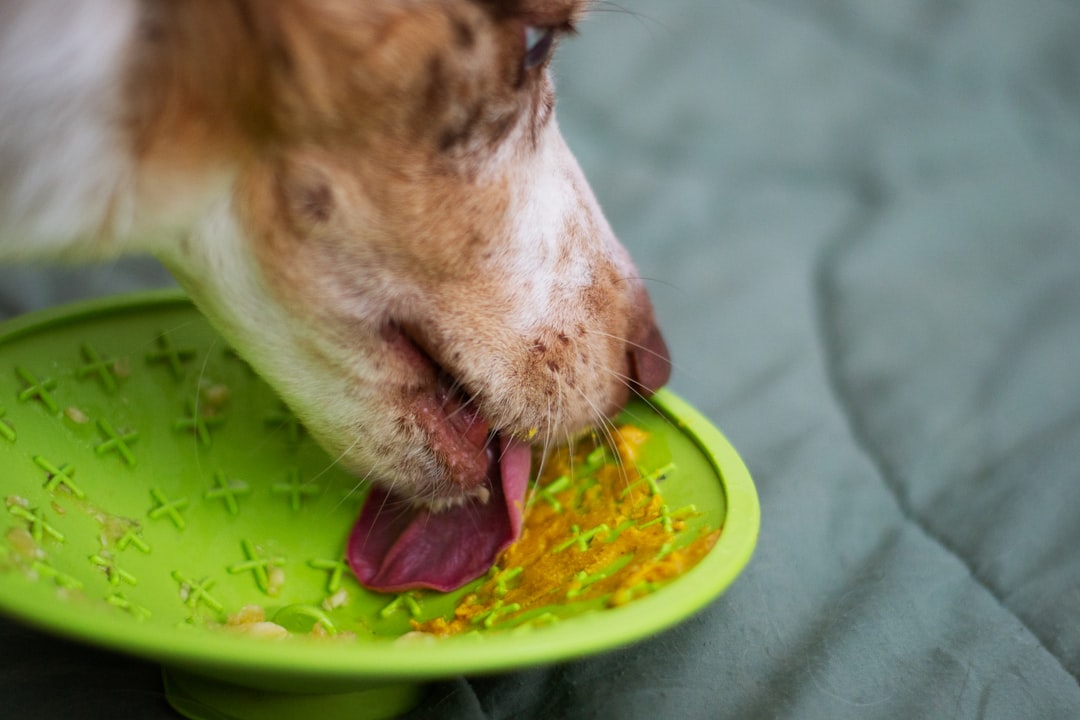
True food allergies account for about 10 to 15 percent of all canine allergy cases. The most common food allergens for dogs include beef, chicken, dairy, wheat, soy, and eggs. Food allergies cause year-round symptoms that do not fluctuate with seasons, which helps distinguish them from environmental allergies.
Dogs with food allergies often show skin symptoms alongside gastrointestinal issues like vomiting, diarrhea, or excessive gas. Chronic ear infections that keep coming back despite treatment are another hallmark sign. The only reliable way to diagnose a food allergy is through an elimination diet lasting eight to twelve weeks under veterinary guidance.
Flea Allergy Dermatitis (FAD)
Flea allergy dermatitis is triggered not by fleas themselves but by proteins in flea saliva. A single flea bite can set off an intense allergic reaction in sensitive dogs that lasts for days. The itching concentrates around the base of the tail, lower back, inner thighs, and belly.
FAD is the easiest type of skin allergy to prevent. Year-round flea prevention with veterinarian-recommended products eliminates the trigger entirely. Even if you do not see fleas on your dog, just one bite during a walk can cause a flare-up in an allergic dog.
Recognizing the Symptoms
Dog skin allergy symptoms range from subtle to severe. Early detection makes treatment far more effective, so knowing what to look for is essential. Watch for these common signs:
- Excessive scratching, licking, or chewing at specific body areas
- Red, inflamed skin especially on the belly, paws, ears, and face
- Recurring ear infections with brown or yellow discharge
- Hot spots (moist, raw patches that appear suddenly)
- Hair loss in patches from constant scratching or licking
- Darkened or thickened skin in chronically affected areas
- Paw chewing and staining (reddish-brown saliva stains on light fur)
- Scooting or rubbing the rear end on floors or furniture
- Hives or raised bumps on the skin surface
- Chronic dandruff or flaky skin
If your dog shows three or more of these symptoms consistently, schedule a veterinary appointment. A dermatology specialist can perform allergy testing to pinpoint the exact triggers causing your dog’s discomfort.
Breeds More Prone to Skin Allergies
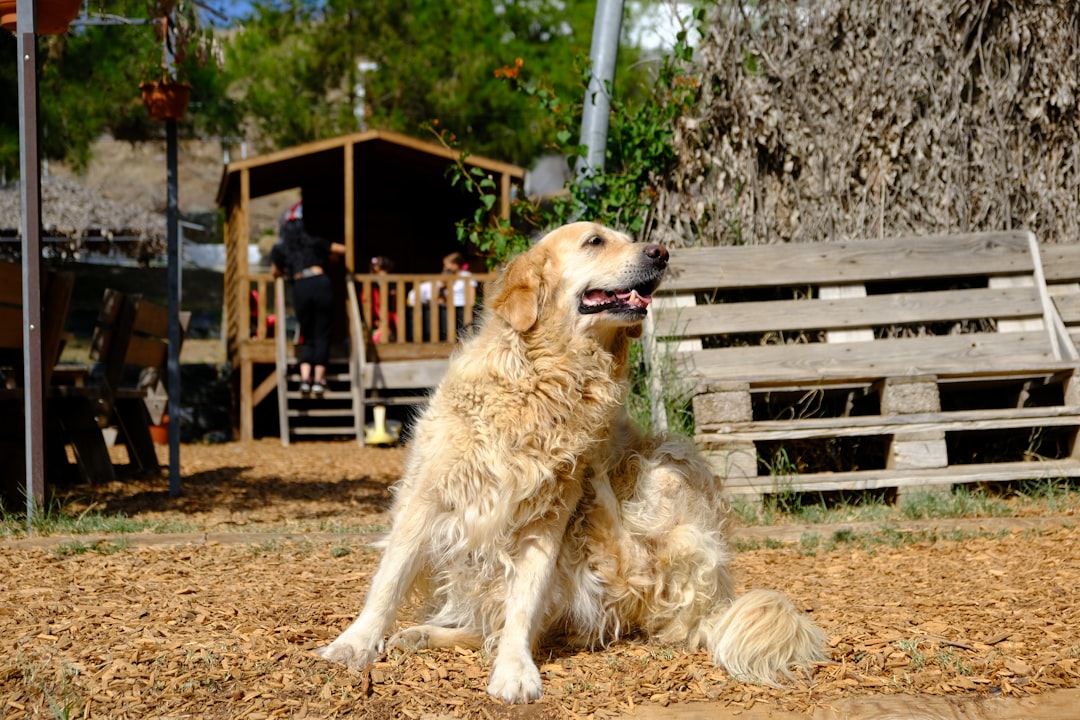
While any dog can develop skin allergies, certain breeds carry a genetic predisposition that makes them significantly more susceptible. Breeds commonly affected include Golden Retrievers, Labrador Retrievers, German Shepherds, Bulldogs (both English and French), Boxers, Cocker Spaniels, West Highland White Terriers, Shar-Peis, Dalmatians, and Irish Setters.
Brachycephalic breeds like Bulldogs and Pugs often struggle with skin fold dermatitis in addition to environmental allergies. Their wrinkled skin traps moisture and bacteria, creating a perfect storm for irritation. If you own a breed-prone dog, proactive skin care and regular veterinary checkups are especially important.
Protect Your Dog’s Sensitive Skin Outdoors
Dogs with skin allergies benefit from protective clothing that shields their skin from environmental allergens during walks and outdoor play.


Veterinary Diagnosis and Professional Treatment
Getting an accurate diagnosis is critical before starting any treatment plan. Your veterinarian may use several diagnostic approaches depending on the suspected allergy type.
Intradermal skin testing is considered the gold standard for environmental allergies. Small amounts of common allergens are injected under the skin to observe which ones cause a reaction. Blood tests (serum allergy testing) are less invasive but somewhat less accurate. For food allergies, the elimination diet remains the most reliable diagnostic tool since no blood test can conclusively identify food allergens in dogs.
Professional treatment options include:
- Apoquel (oclacitinib) — A targeted medication that blocks itch signals at the cellular level. Works within hours and is safe for long-term use in most dogs.
- Cytopoint injections — Monthly injections that neutralize the protein responsible for sending itch signals. Many owners prefer this over daily pills.
- Immunotherapy (allergy shots) — Custom-formulated injections that gradually desensitize your dog to specific allergens. This is the only treatment that addresses the root cause rather than just symptoms.
- Prescription shampoos and topicals — Medicated washes containing chlorhexidine or ketoconazole to treat secondary infections and soothe irritated skin.
- Antibiotics or antifungals — Prescribed when scratching has led to bacterial or yeast infections.
Home Remedies That Actually Help
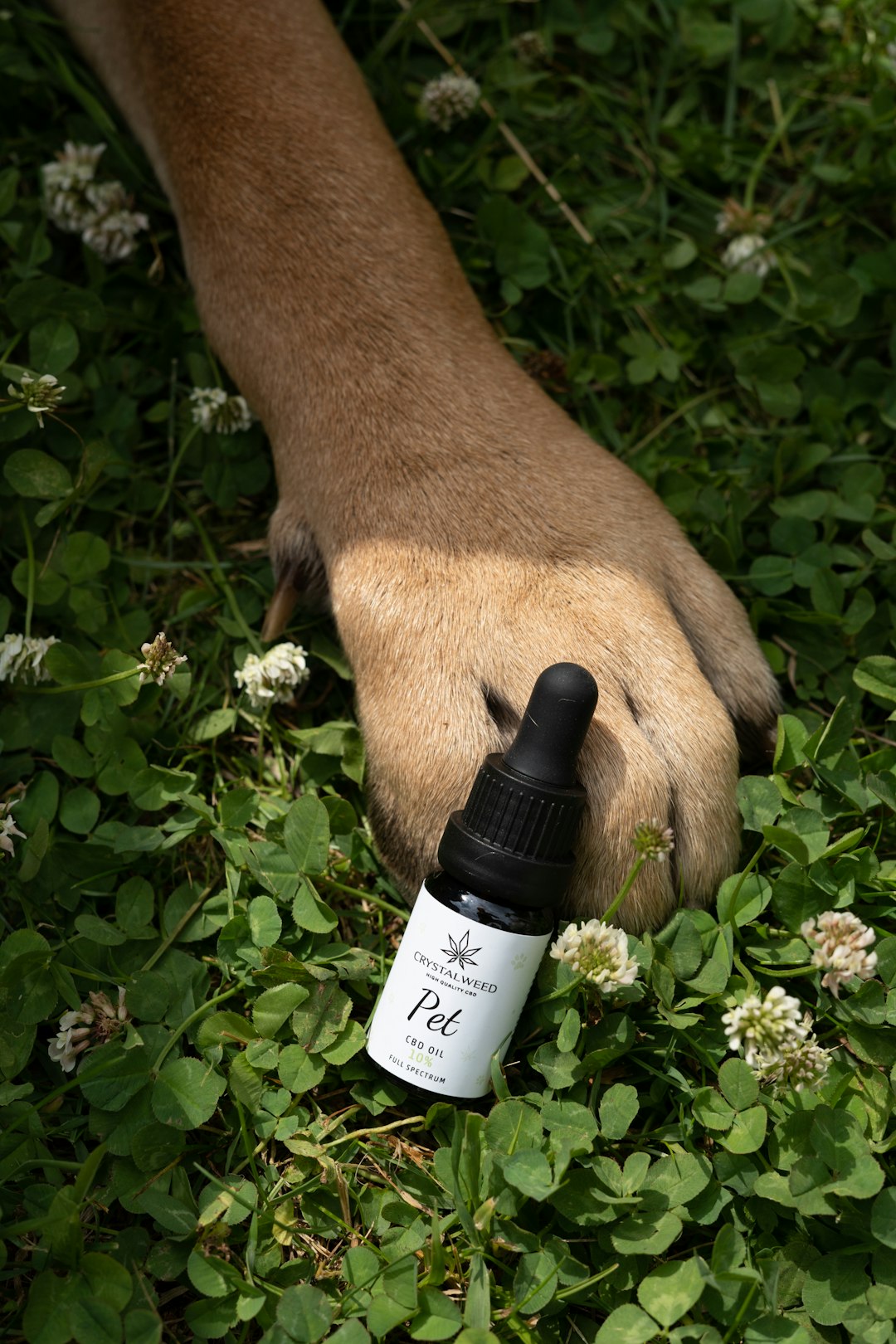
While home remedies should never replace veterinary care for moderate to severe allergies, they can provide meaningful relief for mild cases and complement professional treatment plans.
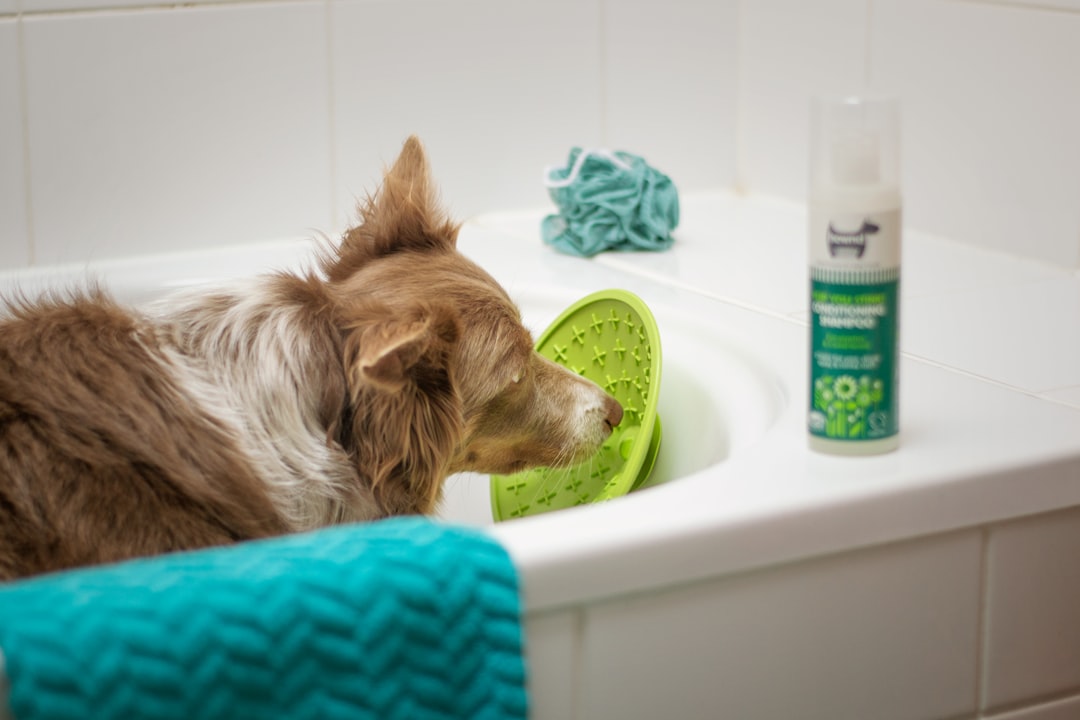
Oatmeal baths are one of the most effective natural soothers for itchy dog skin. Colloidal oatmeal contains avenanthramides and phenols that reduce inflammation and calm irritated nerve endings. Grind plain, unflavored oatmeal into a fine powder, dissolve it in lukewarm bathwater, and let your dog soak for ten to fifteen minutes. Rinse thoroughly and pat dry.
Omega-3 fatty acid supplements are backed by strong veterinary research. Fish oil supplements containing EPA and DHA strengthen the skin barrier, reduce inflammatory markers, and improve coat quality over four to six weeks of consistent use. Look for supplements specifically formulated for dogs with appropriate dosing based on body weight.
Apple cider vinegar spray can help with mild itching when diluted 50/50 with water in a spray bottle. Never apply it to broken skin or open wounds, as the acidity will cause stinging. It works best as a quick paw rinse after walks to remove surface allergens.
Coconut oil applied topically can moisturize dry, flaky skin and has mild antibacterial properties. Use virgin, unrefined coconut oil and apply a thin layer to affected areas. Some dogs may lick it off, which is generally safe in small amounts but reduces the topical benefit.
Epsom salt soaks work well for itchy paws. Dissolve a tablespoon of Epsom salts in a shallow basin of warm water and soak your dog’s paws for five to ten minutes daily. This helps remove allergens trapped between toe pads and reduces localized swelling.
Prevention Strategies for Long-Term Relief
Managing dog skin allergies is an ongoing process. These prevention strategies reduce flare-ups and keep your dog comfortable throughout the year.
- Wipe your dog down after walks using unscented pet wipes or a damp cloth. Focus on paws, belly, and face to remove pollen and other surface allergens.
- Wash bedding weekly in hot water to kill dust mites and remove accumulated allergens.
- Use HEPA air purifiers in rooms where your dog spends the most time.
- Maintain year-round flea prevention even in winter months.
- Feed a high-quality, limited-ingredient diet that avoids common allergens.
- Bathe regularly but not excessively — every two to four weeks with a gentle, hypoallergenic shampoo preserves natural skin oils while removing irritants.
- Keep your home humidity below 50 percent to discourage dust mites and mold growth.
- Consider protective clothing during high-pollen seasons to create a physical barrier between allergens and your dog’s skin.
Full-Body Protection for Sensitive Dogs
A lightweight jacket provides a barrier against pollen, grass, and other contact allergens during outdoor adventures.

When to See the Vet
Home management works well for mild allergies, but certain situations require professional intervention. Seek veterinary care immediately if your dog develops sudden facial swelling or hives (possible anaphylaxis), skin infections with pus or a foul smell, large bald patches from excessive scratching, bleeding hot spots that will not heal, or behavioral changes like aggression or depression caused by chronic discomfort.
Even for mild cases, an annual dermatology review helps catch changes early and adjust treatment plans before symptoms escalate. Dog skin allergies tend to evolve over time, and what worked last year may need tweaking as your dog ages or develops new sensitivities. With the right combination of professional guidance and at-home care, most dogs with skin allergies live comfortable, itch-free lives.
References
- Hensel, P., et al. (2015). “Canine atopic dermatitis: detailed guidelines for diagnosis and allergen identification.” BMC Veterinary Research, 11, 196.
- Mueller, R.S., et al. (2016). “Critically appraised topic on adverse food reactions of companion animals: common food allergen sources.” BMC Veterinary Research, 12, 9.
- Olivry, T., et al. (2015). “Treatment of canine atopic dermatitis: 2015 updated guidelines from the International Committee on Allergic Diseases of Animals (ICADA).” BMC Veterinary Research, 11, 210.