Spring Allergies in Dogs: Complete Guide & Relief Tips
As the flowers bloom and the weather warms, spring brings joy to many dog owners—but for some pups, it also brings sneezing, scratching, and discomfort. Spring allergies in dogs are more common than you might think, affecting millions of pets each year as pollen counts rise and outdoor adventures increase.
If you’ve noticed your dog scratching more than usual, developing red skin, or showing signs of respiratory distress during springtime, you’re not alone. This comprehensive guide will help you recognize the symptoms of spring allergies, understand what triggers them, and discover proven strategies to keep your furry friend comfortable throughout the season.
Understanding Spring Allergies in Dogs
Spring allergies in dogs, also known as seasonal allergic dermatitis or atopic dermatitis, occur when a dog’s immune system overreacts to environmental allergens that peak during the spring months. Unlike humans who primarily experience respiratory symptoms, dogs typically show allergic reactions through their skin and coat.
The most common spring allergens affecting dogs include:
- Tree pollen (oak, birch, cedar, pine)
- Grass pollen (Bermuda, Timothy, rye grass)
- Weed pollen (ragweed begins in late spring)
- Mold spores that thrive in damp spring conditions
- Dust mites that become more active in warmer weather
According to veterinary dermatologists, approximately 10-15% of dogs suffer from environmental allergies, with symptoms often beginning between 1-3 years of age and worsening over time without proper management.
Recognizing the Symptoms
Spotting spring allergies early can help you provide relief before symptoms become severe. Watch for these telltale signs:

Skin and Coat Issues
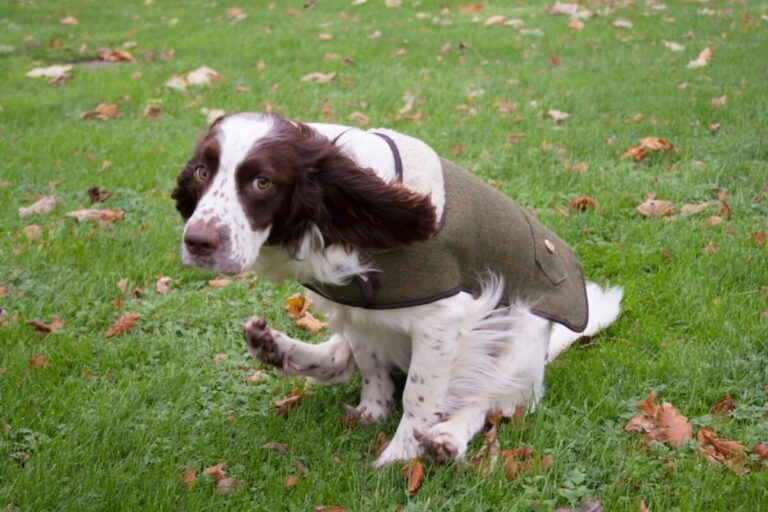
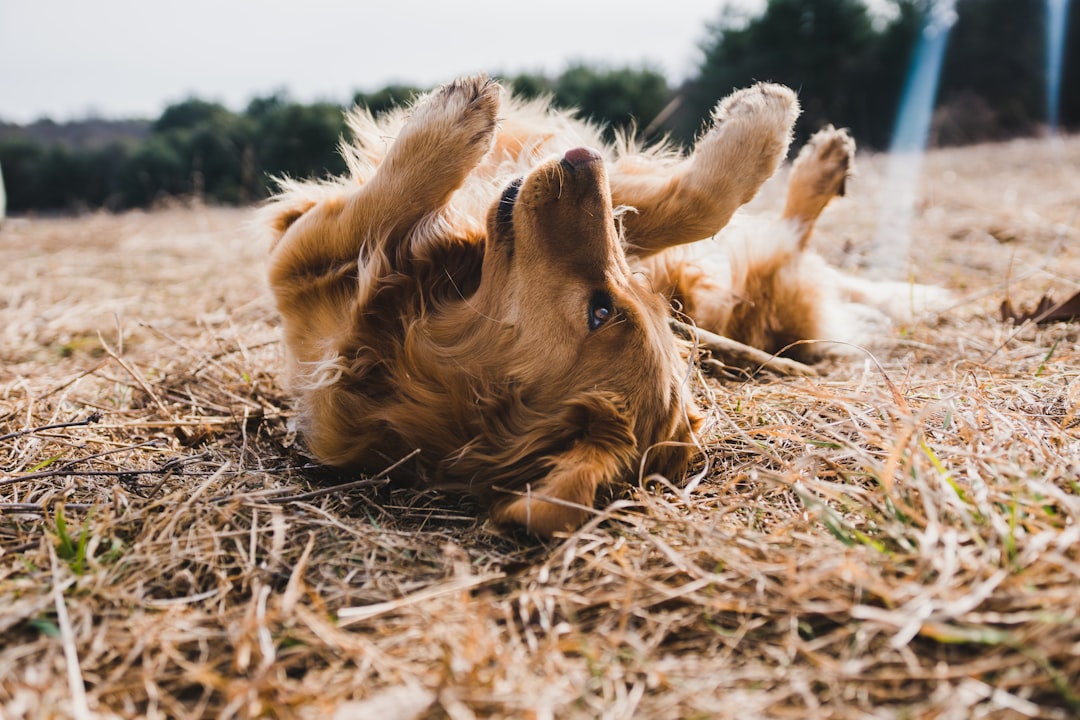
The most obvious indicator is excessive scratching, especially around the face, paws, ears, and belly. You might notice your dog rubbing their face on furniture or carpet, or chewing at their paws obsessively. Red, inflamed skin (particularly between the toes), hot spots, and recurrent ear infections are classic allergy symptoms.
Hair loss in patches, a dull or greasy coat, and persistent skin infections that seem to clear up temporarily then return are also red flags. Some dogs develop darkened skin in affected areas due to chronic inflammation.
Respiratory Symptoms
While less common than skin issues, some dogs do experience respiratory symptoms including sneezing, coughing, watery eyes, or nasal discharge. If your dog seems to have a persistent cold that coincides with spring, allergies may be the culprit.
Behavioral Changes
Allergies are uncomfortable and can affect your dog’s behavior. An allergic dog may become restless, have difficulty sleeping, show decreased interest in play or exercise, or become irritable when touched in affected areas.
If you notice any combination of these symptoms appearing consistently during spring months, it’s time to consult your veterinarian for proper diagnosis and treatment.
Diagnosing Spring Allergies
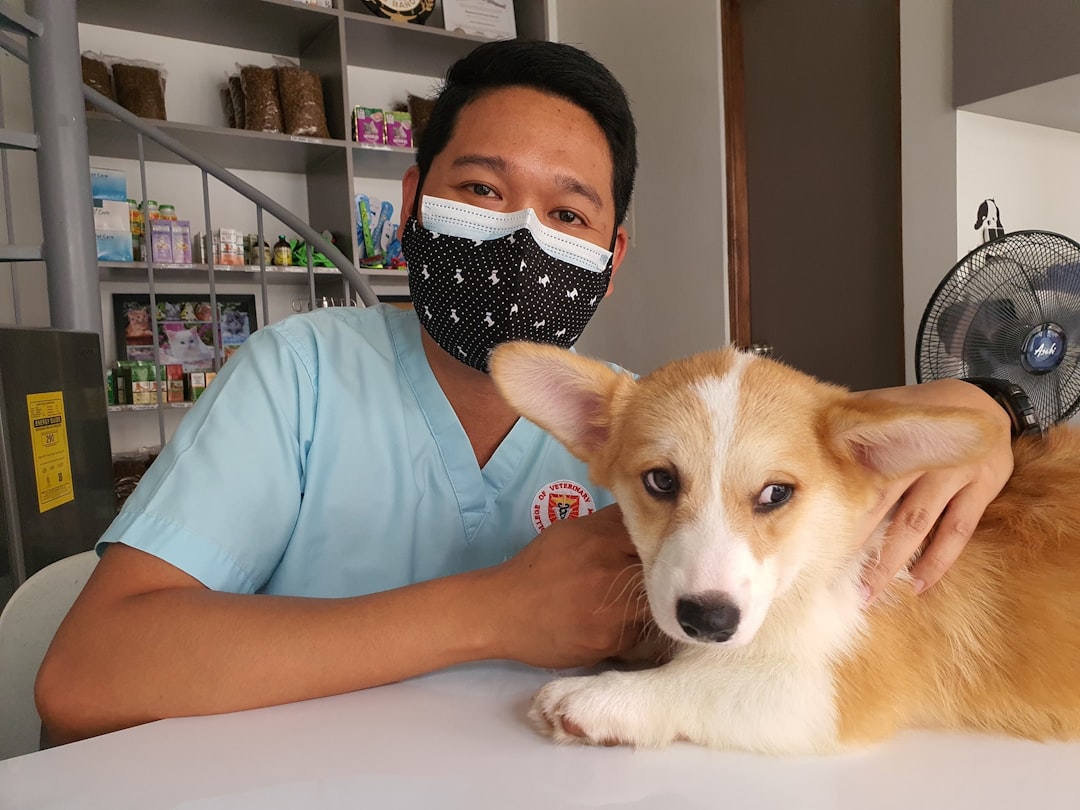
Your veterinarian will start with a thorough physical examination and detailed history of your dog’s symptoms. Since many conditions can mimic allergy symptoms—including parasites, bacterial infections, or food sensitivities—ruling out other causes is essential.
Diagnostic steps may include:
- Skin scrapings to check for mites or other parasites
- Cytology (examining cells under a microscope) to identify infections
- Food elimination trials to rule out food allergies
- Intradermal skin testing or blood allergy testing to identify specific allergens
Intradermal testing, similar to what humans receive, involves injecting small amounts of allergens under the skin and monitoring reactions. Blood tests (serum allergy testing) measure antibody responses to various allergens. While not 100% accurate, these tests can help identify the primary triggers affecting your dog.
Remember that diagnosing allergies is often a process of elimination, and your vet may recommend trying various treatments while monitoring your dog’s response.
Prevention Strategies
While you can’t completely eliminate spring allergens from your dog’s environment, you can significantly reduce their exposure and minimize symptoms with these proactive strategies.
Limit Peak Pollen Exposure
Pollen counts are typically highest in the early morning (5-10 AM) and on warm, dry, windy days. Schedule walks during lower pollen times—usually late afternoon or evening, or after rain when pollen has been washed from the air.
Keep windows closed during high pollen days and run air conditioning with HEPA filters instead. Create an allergen-free zone in your home where your dog sleeps, using air purifiers designed to capture pollen and mold spores.
Post-Walk Grooming Routine

After outdoor adventures, wipe down your dog with a damp cloth or hypoallergenic pet wipes, paying special attention to paws, belly, and face where pollen accumulates. Some owners find that a quick rinse of the paws in clean water helps remove trapped allergens.
Consider a weekly bath during peak allergy season using a gentle, hypoallergenic or medicated shampoo recommended by your vet. Overbathing can dry the skin and worsen symptoms, so follow your vet’s guidance on frequency.
Indoor Air Quality
Invest in a quality HEPA air purifier for rooms where your dog spends the most time. Vacuum frequently using a vacuum with a HEPA filter, and wash your dog’s bedding weekly in hot water to remove accumulated allergens.
Keep indoor humidity between 30-50% to discourage mold growth and dust mites. Dehumidifiers can help in damp climates, while humidifiers may be necessary in very dry environments.
Yard Management
Keep your lawn mowed short to reduce grass pollen, and rinse outdoor areas where your dog plays to settle pollen. Remove standing water and improve drainage to minimize mold growth.
Consider replacing allergenic plants in your yard with low-pollen alternatives. Native plants often produce less airborne pollen than imported ornamentals.
Treatment Options
If prevention alone isn’t enough—and for many allergic dogs it isn’t—several treatment options can provide significant relief.
Topical Treatments
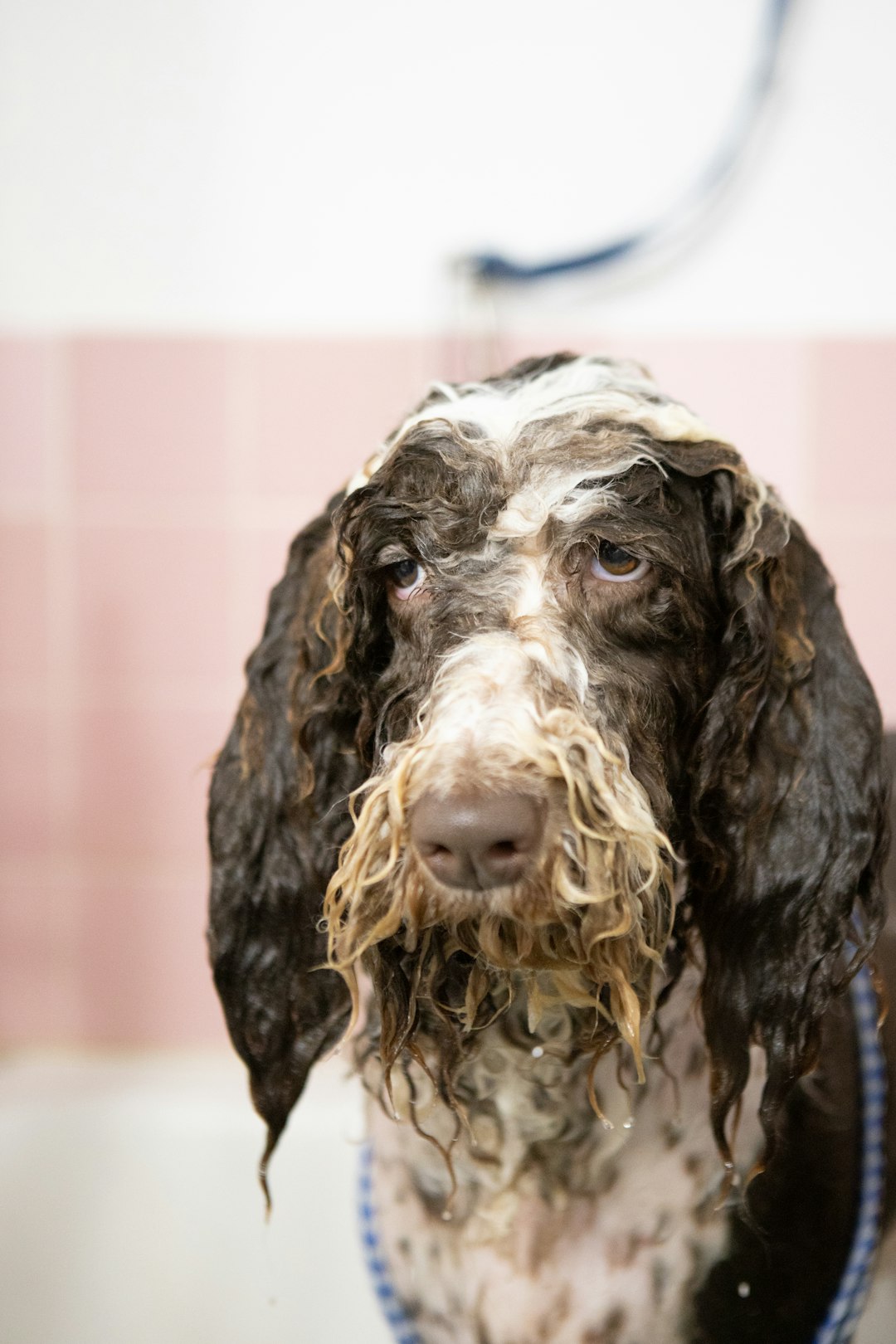
Medicated shampoos containing oatmeal, aloe vera, or anti-inflammatory ingredients can soothe irritated skin. Your vet may prescribe antimicrobial shampoos if secondary infections have developed.
Topical sprays, mousses, or wipes containing hydrocortisone or other anti-itch ingredients provide targeted relief for hot spots and localized itching. Some newer products contain phytosphingosine, a natural lipid that supports skin barrier function.
Oral Medications
Antihistamines like Benadryl (diphenhydramine), Zyrtec (cetirizine), or Claritin (loratadine) can help some dogs, though they’re generally less effective for dogs than for humans. Always consult your vet for proper dosing—never assume human doses are appropriate.
Apoquel (oclacitinib) is a prescription medication specifically designed for dogs that works by targeting itch at its source. It provides fast relief (often within hours) and can be used for both short-term and long-term management.
Cytopoint (lokivetmab) is an injectable monoclonal antibody that neutralizes the itch signal in dogs. A single injection typically provides 4-8 weeks of relief with minimal side effects, making it an excellent option for many dogs.
Corticosteroids like prednisone provide powerful anti-inflammatory effects but carry more potential side effects with long-term use. They’re often reserved for severe cases or short-term relief while other treatments take effect.
Immunotherapy (Allergy Shots)
For dogs with confirmed allergies to specific environmental triggers, immunotherapy can be life-changing. Also called allergy shots or sublingual drops, this treatment gradually desensitizes your dog’s immune system to specific allergens.
Immunotherapy requires commitment—treatment typically continues for 6-12 months before significant improvement is seen, and may be needed long-term. However, success rates are 60-80%, and it can reduce or eliminate the need for other medications.
Supplements and Natural Remedies
Omega-3 fatty acids (from fish oil) have anti-inflammatory properties that support skin health. High-quality supplements may reduce itching and improve coat condition over time.
Probiotics can support immune function and may help some allergic dogs. Local honey, while popular in holistic circles, has limited scientific evidence supporting its effectiveness for dog allergies.
Always discuss supplements with your veterinarian before starting them, as quality varies widely and some may interact with medications.
Diet and Nutrition Considerations
While spring allergies are environmental rather than food-related, diet plays a crucial role in supporting your dog’s immune system and skin health.
Look for high-quality dog foods with omega-3 fatty acids from fish sources, limited ingredients if your dog is sensitive to certain proteins, and no common allergens if your dog has multiple sensitivities.
Some veterinarians recommend novel protein diets (containing unusual proteins like duck, venison, or kangaroo) for dogs with skin issues, though this is more relevant for food allergies than environmental allergies.
Ensure your dog stays well-hydrated, as proper hydration supports healthy skin and mucous membranes. Some dogs benefit from adding moisture to their diet through wet food or food toppers.
When to See Your Veterinarian
While mild seasonal allergies can often be managed at home, certain situations require professional veterinary care:
- Severe or worsening symptoms despite home treatment
- Open sores, bleeding, or significant hair loss
- Signs of infection (foul odor, pus, fever, lethargy)
- Difficulty breathing or severe respiratory symptoms
- Symptoms that interfere with eating or sleeping
- Recurrent ear infections
Don’t wait until your dog is miserable. Early intervention prevents complications and provides faster relief.
Long-Term Management
Managing spring allergies is typically a lifelong commitment, as most dogs don’t outgrow environmental allergies. However, with the right combination of prevention and treatment, most allergic dogs can enjoy excellent quality of life.
Keep a symptom diary noting when symptoms appear, what treatments you’ve tried, and what works best. This information helps you and your vet refine your management strategy over time.
Consider having a relationship with a veterinary dermatologist if your dog’s allergies are severe or difficult to control. These specialists have additional training and access to advanced treatments.
Maintain regular veterinary checkups even when symptoms are controlled. Allergies can change over time, and what worked one year may need adjustment the next.
Connecting Spring Care
Spring allergies are just one aspect of seasonal dog care. For comprehensive guidance on transitioning your dog into the spring season, check out our Spring Dog Care Transition guide which covers everything from coat changes to activity adjustments.
Proper grooming becomes especially important during allergy season. Our Dog Grooming at Home guide provides step-by-step instructions for maintaining your dog’s coat between professional appointments, which can help remove allergens before they cause problems.
Don’t forget about paw care during spring walks through pollen-laden grass. Our Dog Paw Care guide offers essential tips for keeping those precious paw pads healthy year-round.
Making Spring Enjoyable Again
Spring allergies don’t have to keep your dog from enjoying the season. With proper identification of triggers, consistent prevention strategies, and appropriate treatment when needed, your furry friend can experience relief and return to loving spring adventures.
The key is being proactive rather than reactive. Don’t wait for symptoms to become severe before taking action. Start prevention strategies early in the season, maintain consistency with treatments your vet recommends, and monitor your dog closely for any changes.
Remember that every dog is different—what works perfectly for one may not help another. Be patient as you work with your veterinarian to find the right combination of strategies for your specific dog.
Spring should be a time of renewal and outdoor fun for both you and your pup. With the knowledge and tools outlined in this guide, you’re well-equipped to help your dog navigate allergy season comfortably and safely. Here’s to many happy, itch-free spring days ahead!