Cold Weather Dog Walking Gear | Complete Winter Outfit Guide
Walking your dog in winter isn’t just about bundling yourself up and hoping for the best. Your dog faces cold pavement, ice, road salt, biting wind, and reduced visibility — and unlike you, they can’t adjust a zipper or pull on an extra pair of gloves when the temperature drops. A proper cold weather dog walking gear setup keeps your dog safe, warm, and comfortable throughout the entire winter season.
This guide covers every piece of equipment your dog might need for winter walks, from essential items every cold-climate dog owner should have to nice-to-have extras that make harsh weather walks more enjoyable for everyone involved.
The Winter Dog Jacket — Your Most Important Purchase
A quality winter jacket is the foundation of your dog’s cold weather wardrobe. Not all jackets are created equal, and picking the right one depends on your local climate, your dog’s breed and coat type, and how long you typically spend outside.
For mild cold (30–45°F / -1 to 7°C): A lightweight, water-resistant jacket provides enough insulation for most dogs. Breeds with thick double coats (Huskies, Malamutes, Golden Retrievers) may not need a jacket at all in this range, but short-coated and small breeds definitely benefit from a layer. A leather dog jacket works well in this temperature range, offering wind protection and style for autumn and early winter walks.
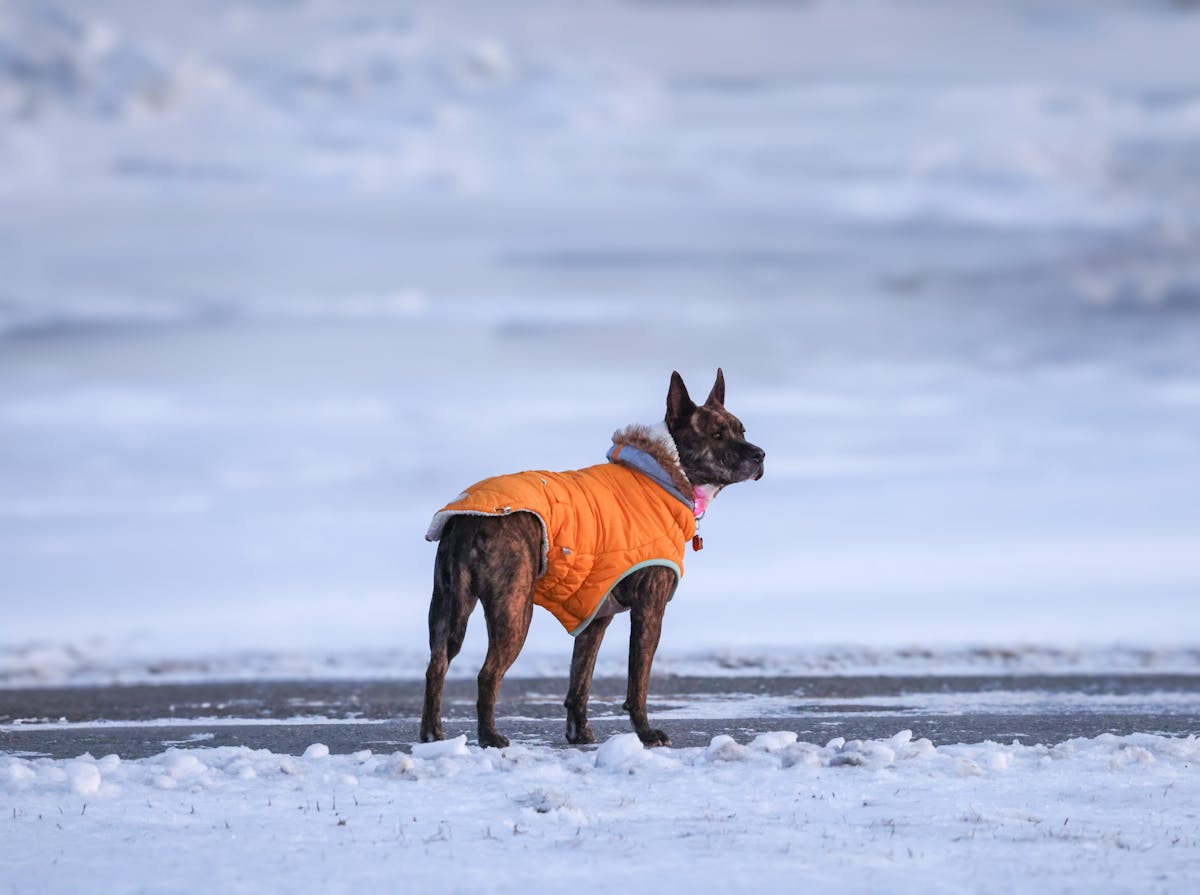
For moderate cold (15–30°F / -9 to -1°C): Insulated, padded jackets become necessary for most breeds. Look for jackets with quilted or synthetic fill that trap body heat while remaining lightweight enough for your dog to move naturally. The warm cotton-padded dog coat is ideal for this range — thick enough to block serious cold but not so bulky that it restricts movement.
For severe cold (below 15°F / -9°C): You need a heavyweight, insulated jacket with windproof and waterproof outer material. Dogs in these conditions face potential frostbite on exposed skin, especially ears, tail tips, and paw pads. A reversible waterproof winter coat with thick padding provides the maximum protection for walks in genuinely harsh winter weather.
Dog Snow Boots — Protecting What Touches the Ground
Your dog’s paws are their most vulnerable point in winter. They make direct contact with freezing surfaces, ice, road salt, and chemical deicers — all of which can cause cracking, chemical burns, frostbite, and significant pain.
Why boots matter more than you think: Road salt and chemical deicers don’t just hurt on contact. Dogs lick their paws after walks, ingesting potentially toxic chemicals that can cause gastrointestinal distress, vomiting, and in severe cases, poisoning. Boots create a complete barrier between your dog’s paws and these hazards.
Our winter dog snow boots feature thick, anti-slip soles with warm insulation that protect against both cold and chemicals. For wetter conditions where waterproofing matters most, the waterproof anti-slip rubber boots provide all-season paw protection with easy on-off design.
Getting your dog used to boots: Most dogs hate wearing boots at first. They’ll do the classic “high-step” walk, shake their feet, or refuse to move entirely. Start by having your dog wear the boots indoors for short periods (5–10 minutes) with lots of treats and praise. Gradually increase the duration over a week. Most dogs adjust within 3–5 sessions and eventually associate the boots with “walk time” rather than “weird foot prisons.”
Boot fit essentials: Boots should be snug enough to stay on during walking and running but not so tight they cut off circulation. If your dog can easily kick them off, they’re too loose. If you see their toes being squeezed together or the boot leaving marks on their legs, they’re too tight. Velcro straps at the top provide the best adjustable fit.
Waterproof Layer — Rain, Sleet, and Wet Snow
Wet cold is far more dangerous than dry cold for dogs. Water conducts heat away from the body 25 times faster than air, so a dog with a wet coat loses body heat at an alarming rate. Even dogs with thick fur can become hypothermic if their coat gets saturated in freezing rain or wet snow.
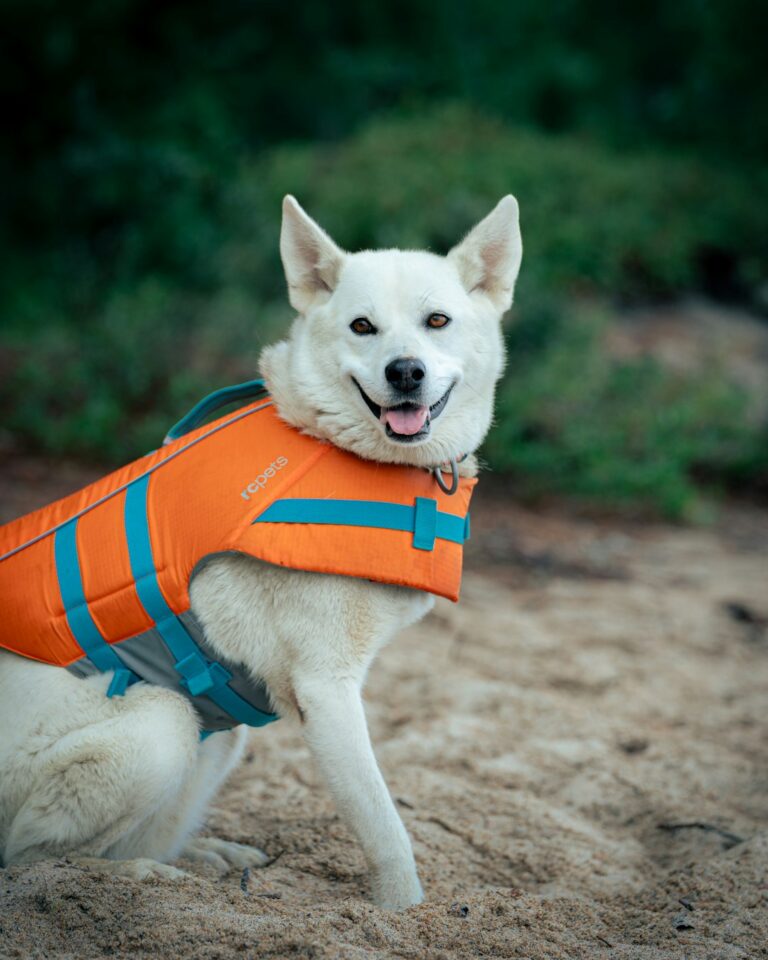
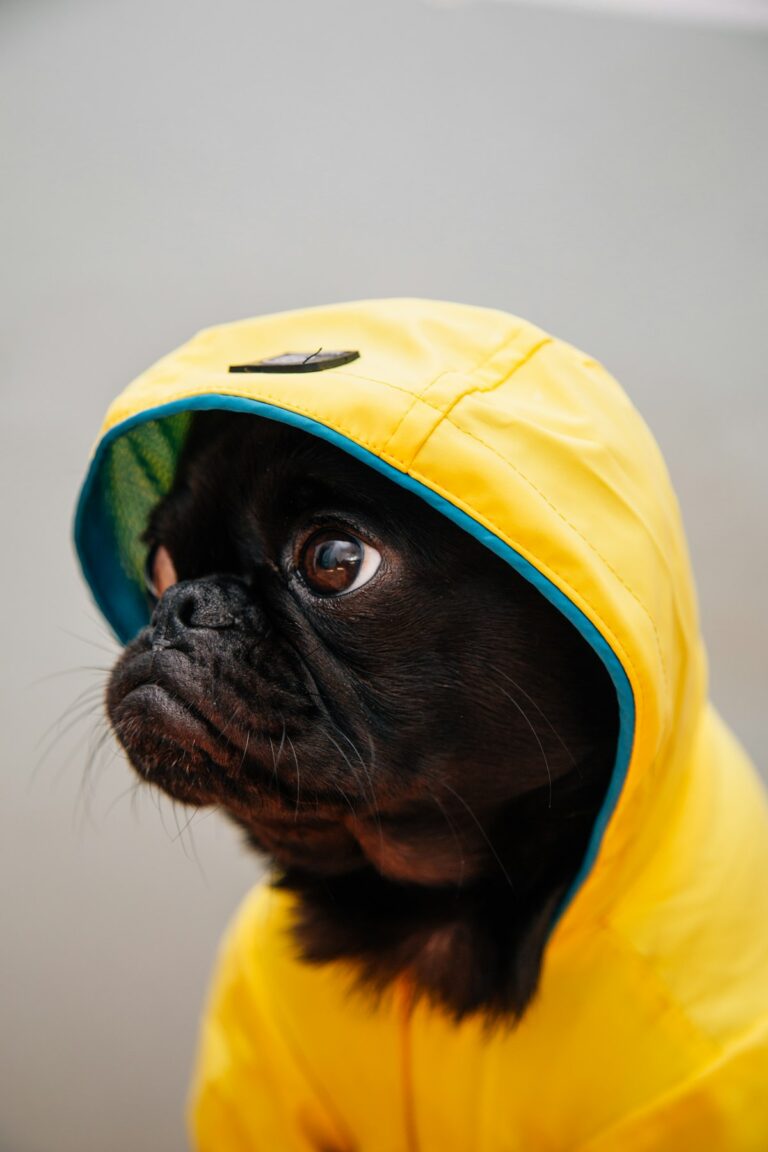
A waterproof outer layer serves as the first line of defense. The hooded dog poncho raincoat offers full coverage for wet weather walks, while the dog shell jacket works as a dual-purpose waterproof and windproof layer for larger breeds.
For the ultimate combination of fun and function, the dinosaur dog raincoat with reflective strips offers full four-leg waterproof coverage with built-in reflective elements for visibility — because winter walks often happen in the dark.
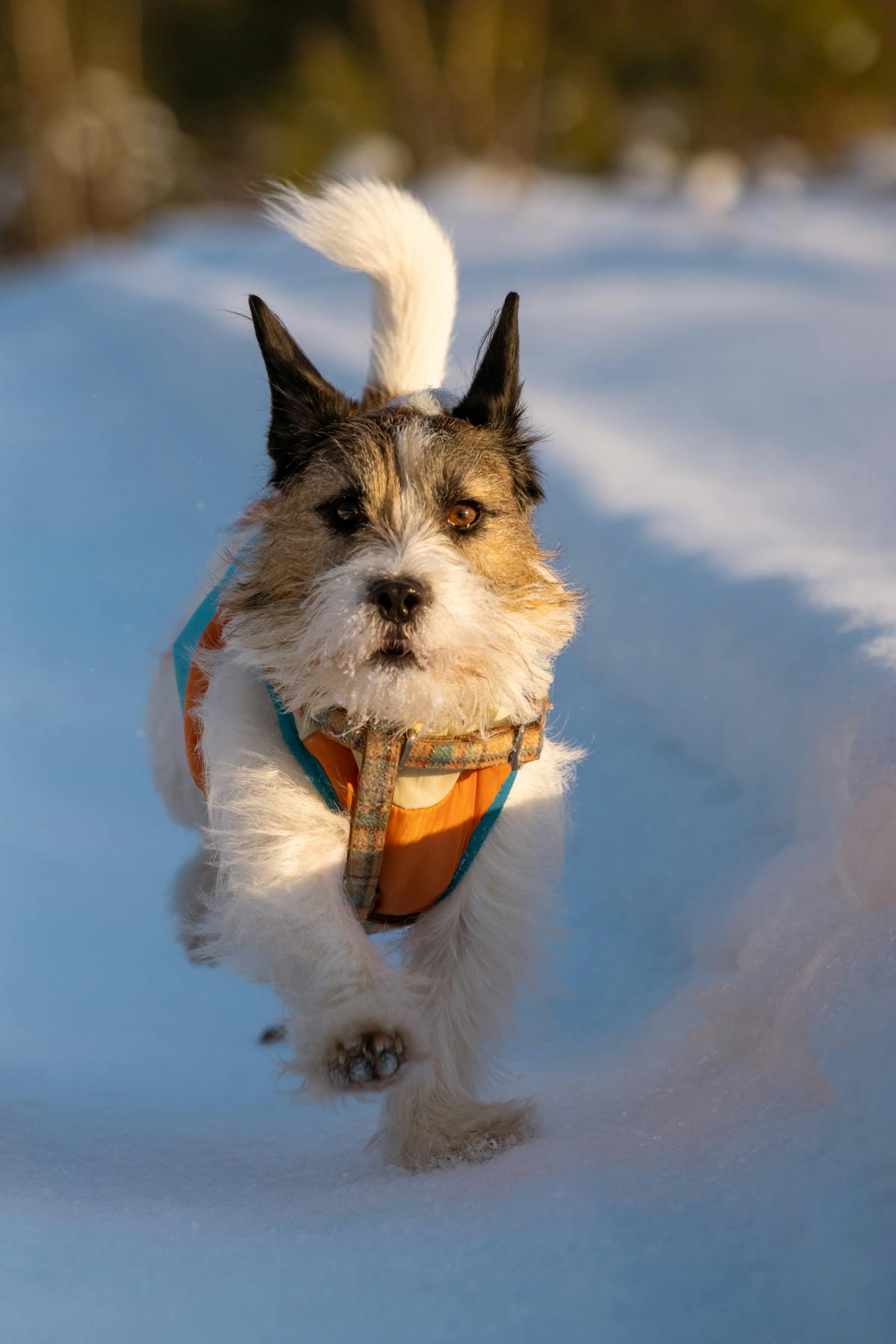
Reflective and High-Visibility Gear
Winter means shorter days, and in many northern latitudes, both the morning and evening walks happen in darkness or near-darkness. Your dog is low to the ground, often dark-colored, and essentially invisible to drivers, cyclists, and even other pedestrians in low-light conditions.
Reflective jackets solve this problem by bouncing headlight beams back toward drivers, making your dog visible from hundreds of feet away. The reflective tactical dog jacket combines cold protection with extensive reflective strips for maximum visibility during early morning and evening walks.
For large breeds that need both warmth and visibility, the reflective winter warm jacket for large breeds integrates reflective elements directly into an insulated winter design. No separate vest or clip-on reflector needed.
LED collars and clip-on lights add another layer of visibility. Unlike reflective gear (which requires an external light source), LED accessories emit their own light and are visible from all angles. Clip one to your dog’s collar or harness as a backup to their reflective jacket.
Paw Protection Beyond Boots
Not every dog will tolerate boots, and that’s okay. Several alternative products protect paws without the adjustment period that boots require:
Paw wax and balm: Products like Musher’s Secret create a waxy, semi-permeable barrier on paw pads that repels salt, chemicals, and moisture while allowing the pads to breathe. Apply it before walks and it lasts for the entire outing. It won’t prevent frostbite from extreme cold like boots will, but it handles salt and mild cold effectively.
Paw pad conditioner: Apply a conditioning balm after walks to repair any dryness or cracking caused by cold, dry air and abrasive surfaces. Think of it like hand cream for your dog’s feet. Winter air pulls moisture from paw pads just like it does from human skin, leading to painful cracks that can become infected.
Post-walk paw rinse: Keep a shallow tub of lukewarm water by your door. After every winter walk, dip your dog’s paws to rinse off salt and chemicals before they have a chance to lick them off. This takes 30 seconds and prevents both chemical ingestion and paw pad irritation.
Layering System for Extreme Cold
Just like human cold-weather clothing, the most effective approach for dogs in extreme cold is a layering system:
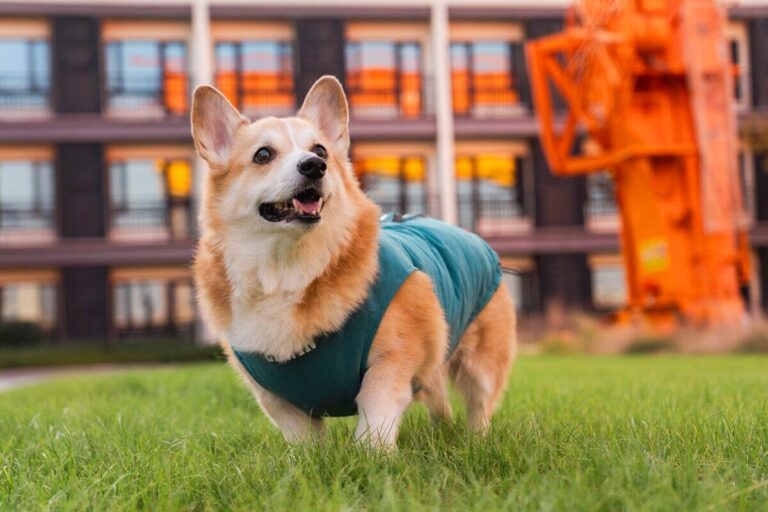
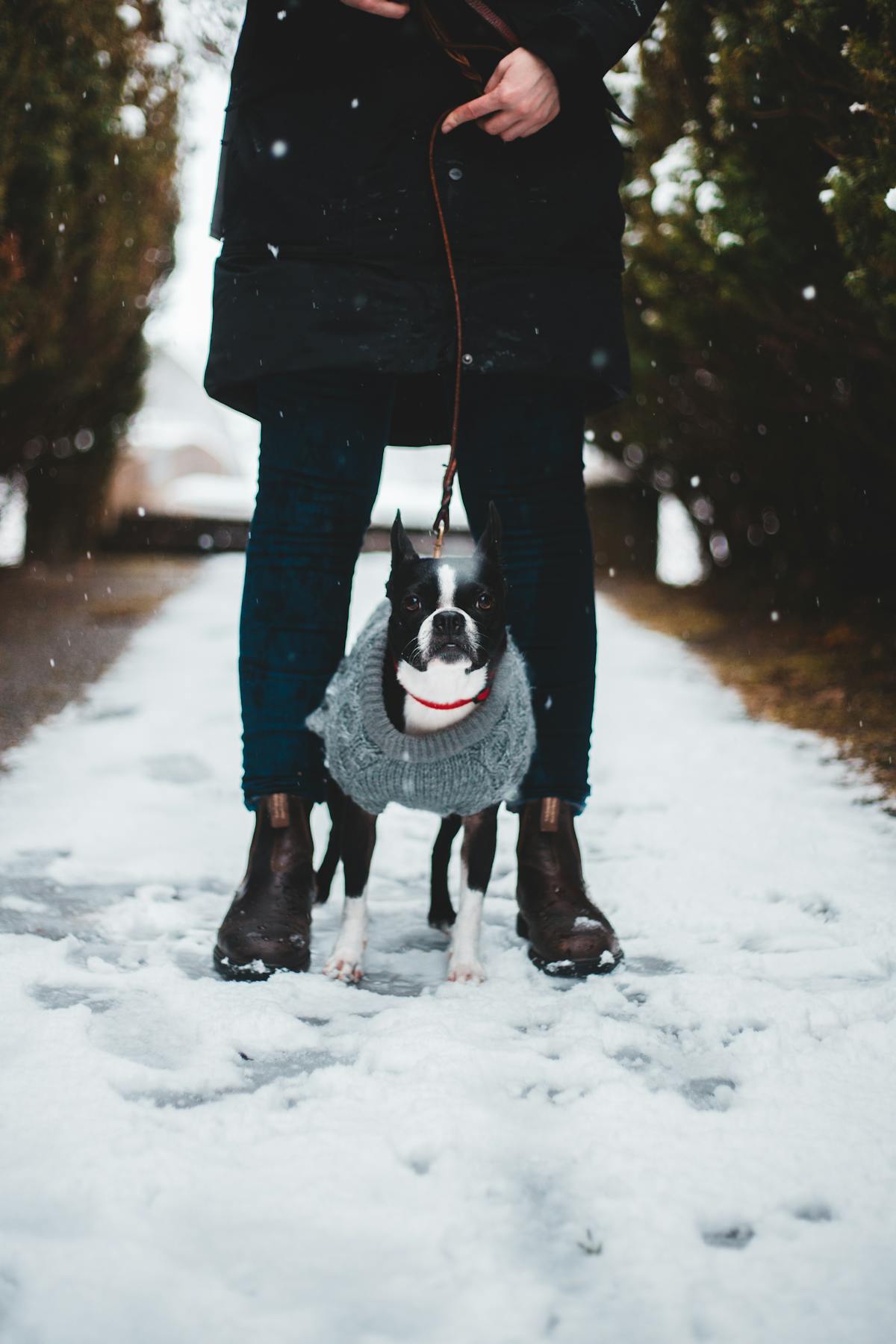
Base layer: A thin, snug sweater or fleece that sits directly against the fur and traps body heat. This layer should be breathable so moisture from your dog’s body doesn’t get trapped against their skin. The casual dog sweatshirt works perfectly as a base layer under a heavier outer coat.
Insulation layer: A padded or quilted jacket that provides the bulk of warmth. This layer should be easy to add or remove depending on conditions. On a 25°F walk, this might be all you need over the base layer.
Outer shell: A waterproof, windproof jacket that blocks the elements. This layer doesn’t need to be warm on its own — it just needs to keep wind and water away from the insulating layers beneath. This is especially important on wet, windy days when wind chill pushes the effective temperature well below what the thermometer reads.
Most dogs won’t need all three layers. A single well-insulated, water-resistant jacket handles 90% of winter conditions for most breeds. Save the full layering approach for genuinely extreme weather: below 0°F (-18°C), heavy wind chill, or extended outdoor time during winter activities like hiking or cross-country skiing.
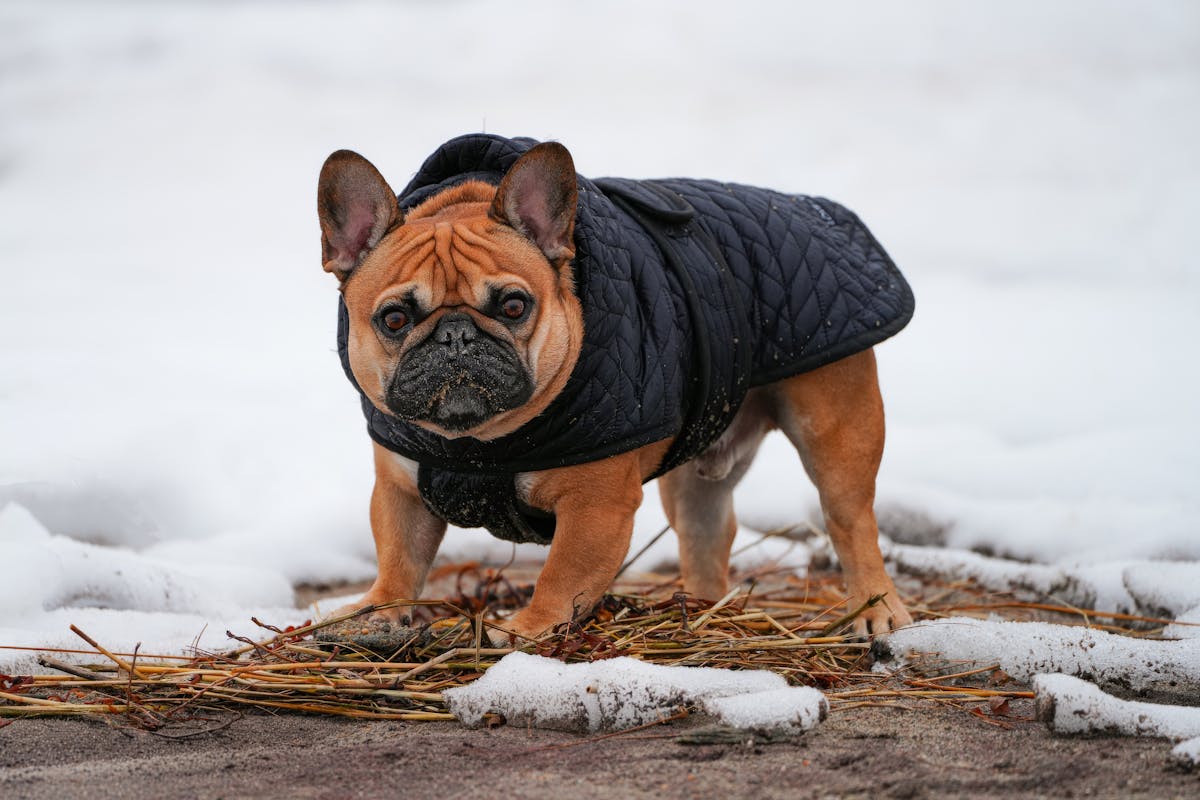
Full-Body Coverage Options
Some winter conditions call for more than just a jacket. Full-body coverage suits protect your dog’s legs, belly, and chest — areas where standard jackets leave gaps that let cold air in.
The waterproof reflective dog pants provide four-leg coverage that keeps snow, mud, and salt off your dog’s entire lower body. Combined with a jacket, this creates a complete winter outfit that leaves almost no exposed skin or fur.
Full-body coverage is particularly beneficial for dogs with long fur that picks up snowballs. Breeds like Bernese Mountain Dogs, Golden Retrievers, and Spaniels develop painful ice balls in their leg and belly fur during snowy walks. A full-coverage suit prevents snow from reaching the fur in the first place, eliminating both the discomfort and the tedious post-walk de-icing process.
Winter Walking Safety Beyond Gear
The right equipment is only part of winter walking safety. These practices complement your gear choices:
Shorten walk duration in extreme cold. Even with proper gear, limit walks to 15–20 minutes when temperatures drop below 20°F (-7°C). Frostbite can develop on exposed ears, tail tips, and genitals within 15 minutes at these temperatures, and no jacket covers everything.
Avoid frozen bodies of water. Dogs can’t judge ice thickness, and falling through ice into freezing water is one of the most dangerous winter scenarios for pets. Keep your dog leashed near ponds, lakes, and rivers, even if the surface appears solid.
Watch for antifreeze. Ethylene glycol antifreeze tastes sweet and is extremely toxic to dogs. Winter is when antifreeze leaks are most common on roads and driveways. If you see a bright green or orange puddle, steer your dog well clear of it.
Check for frostbite after walks. Inspect your dog’s ears, tail tip, and paw pads after cold-weather walks. Frostbitten skin appears pale or grayish-white and feels cold and hard to the touch. If you suspect frostbite, warm the area slowly with lukewarm (not hot) water and contact your veterinarian immediately.
Dry your dog thoroughly after walks. Even if your dog wore a jacket, moisture may have gotten underneath or their face and legs may be damp. Towel-dry your dog completely when you get home, paying special attention to between the toes where moisture and salt residue collect.
Building Your Dog’s Winter Gear Kit
You don’t need to buy everything at once. Here’s a priority order for building your dog’s cold weather walking kit:
Start with: One insulated, water-resistant jacket that fits well. This single item makes the biggest difference for most dogs in most winter conditions. A warm padded winter jacket or the waterproof windproof jacket with Velcro closure covers the majority of winter walking scenarios.
Add next: Paw protection — either boots or paw wax. Your dog’s feet take the most direct punishment from winter surfaces, and protecting them prevents both pain and toxic chemical ingestion.
Then add: A waterproof outer layer for rainy or wet-snow days if your primary jacket isn’t waterproof. Reflective elements if you walk in low light conditions.
Nice to have: A lighter sweater for indoor warmth or as a base layer under the jacket on the coldest days. Full-body coverage for snowy conditions if your dog has long fur. A post-walk paw care kit with conditioning balm and a rinse station.
Winter walks don’t have to be miserable for your dog. With the right gear, they can be just as enjoyable as summer outings — your dog stays warm, dry, visible, and protected while still getting the exercise and mental stimulation they need year-round. Start with the essentials, build up your kit over time, and pay attention to your dog’s comfort signals. They’ll tell you when they’re warm enough — and when they need another layer.