Do Dogs Need Clothes? Complete Guide by Breed
“Does my dog really need a sweater?” It’s a question every pet parent asks at some point. The answer isn’t always straightforward — it depends on your dog’s breed, coat type, age, and where you live. Let’s break down when dogs benefit from clothing and when they’re better off au naturel.
The Science Behind Dogs and Cold
Dogs regulate body temperature differently than humans. Their normal body temperature runs between 101-102.5°F, and they rely on their coat, body fat, and metabolism to stay warm. However, not all dogs are created equal when it comes to cold tolerance.
Dogs That Benefit Most From Clothing
Small and Toy Breeds
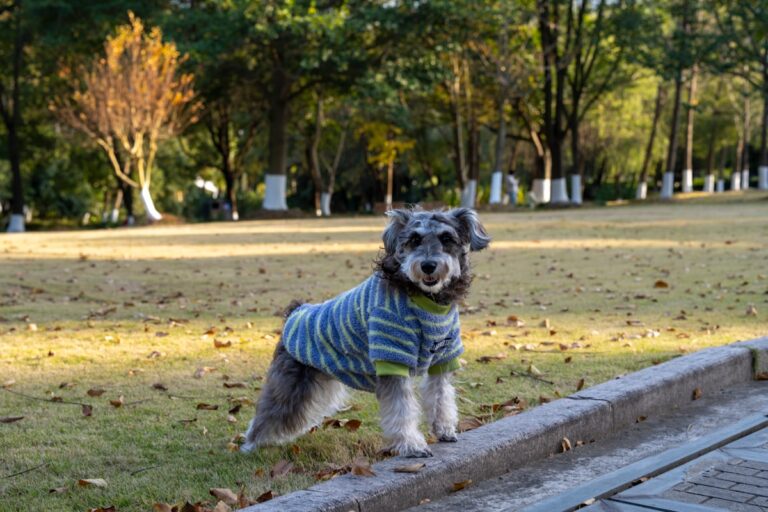
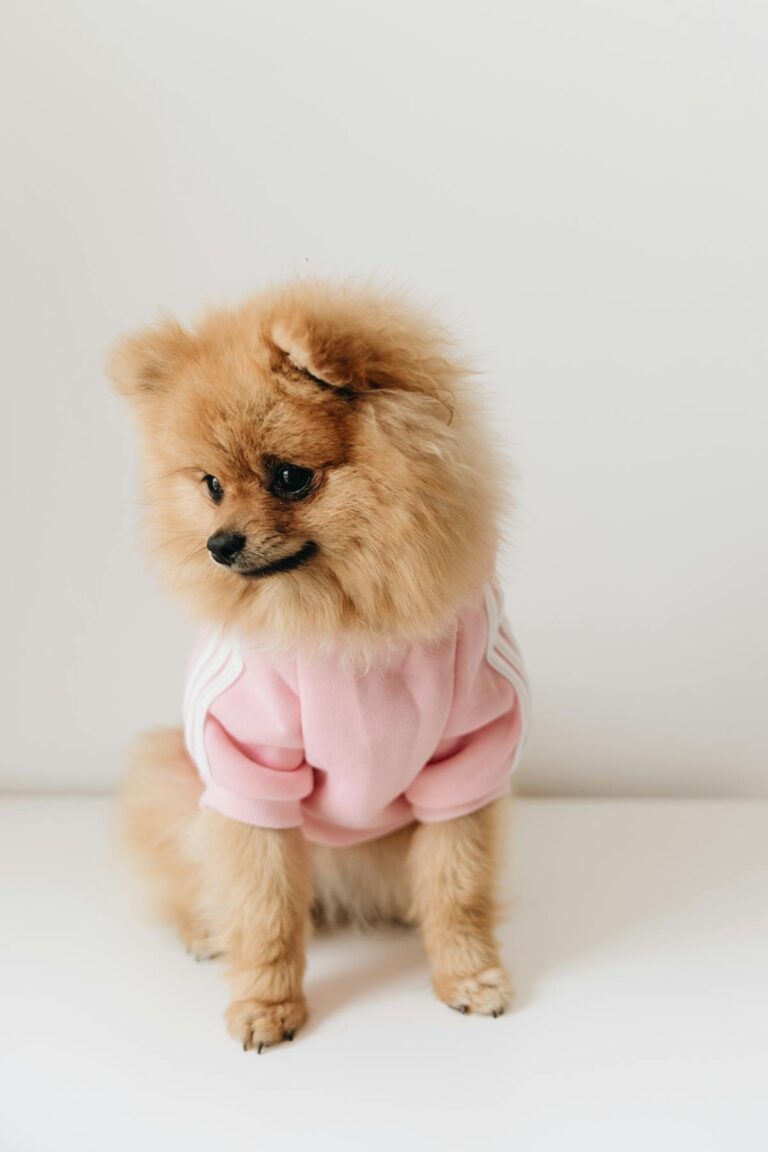
Chihuahuas, Yorkies, Pomeranians, and other tiny dogs have a high surface-area-to-volume ratio. This means they lose body heat much faster than larger dogs. Most small breeds genuinely benefit from sweaters when temperatures drop below 45°F (7°C).
Short-Coated Breeds
Breeds like Greyhounds, Whippets, Boxers, and Pit Bulls have thin coats with minimal undercoat. They lack the natural insulation that fluffy breeds enjoy and often appreciate an extra layer during cold weather walks.
Senior Dogs
Older dogs often struggle to regulate body temperature as efficiently as they once did. Arthritis can also worsen in cold weather. A cozy sweater helps senior pups stay comfortable and may even ease joint stiffness.
Dogs with Health Conditions
Dogs recovering from surgery, illness, or those with conditions like hypothyroidism may need extra warmth. Always consult your vet, but clothing can be part of keeping vulnerable dogs comfortable.
Recently Groomed Dogs
Just had your Poodle or Bichon trimmed short? They’ll likely feel the cold more than usual until their coat grows back. A light sweater bridges the gap.
Dogs That Usually Don’t Need Sweaters
Some breeds are built for cold weather and may actually overheat in clothing:
- Huskies and Malamutes — thick double coats designed for Arctic temperatures
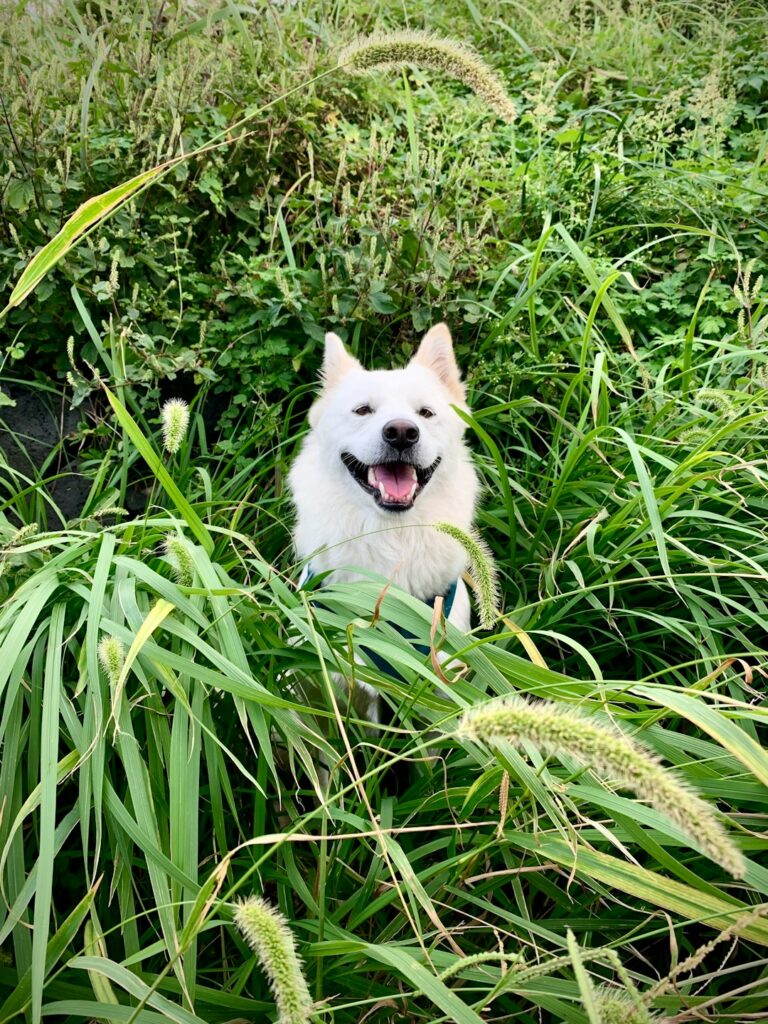
- Samoyeds — that fluffy white coat is serious insulation
- Bernese Mountain Dogs — bred for Swiss Alps conditions
- Newfoundlands — water-resistant double coat
- Saint Bernards — literally rescue dogs in snowy mountains
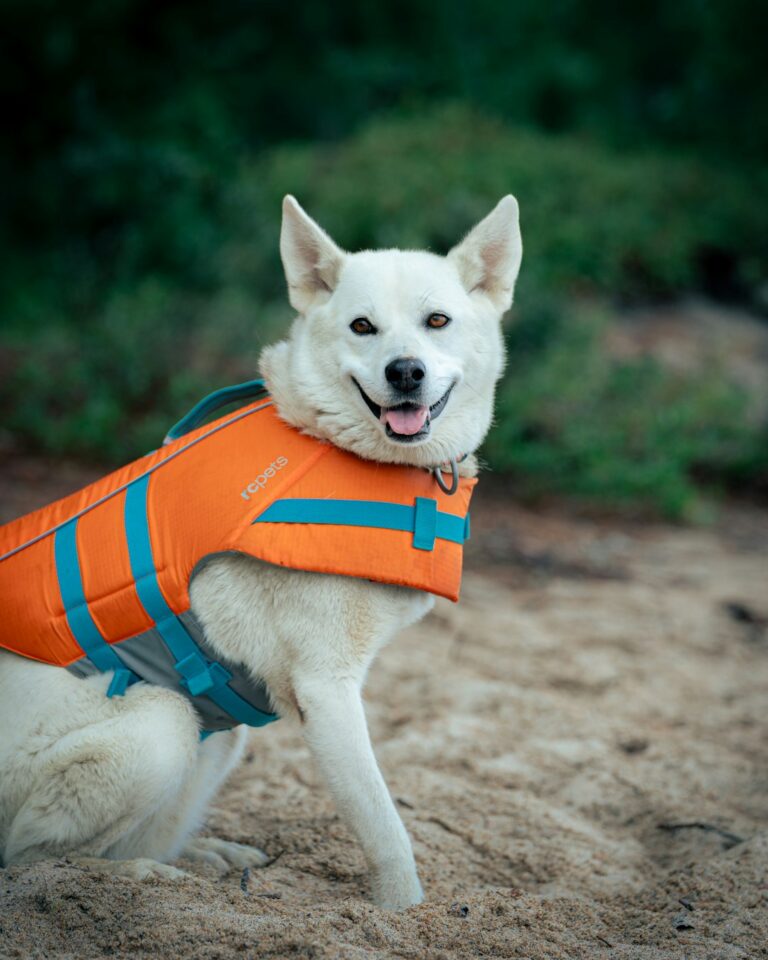
These breeds may still enjoy a raincoat to stay dry, but they rarely need warmth-focused clothing.
Signs Your Dog Is Cold
Watch for these signals that your pup needs more warmth:
- Shivering or trembling
- Reluctance to go outside
- Seeking warm spots (sunny windows, heating vents, under blankets)
- Curling into a tight ball
- Slow movement or lethargy on walks
- Whining or anxiety when exposed to cold
- Lifting paws off cold ground
Temperature Guidelines
| Temperature | Small/Thin-Coated Dogs | Medium Dogs | Large/Thick-Coated Dogs |
|---|---|---|---|
| Above 45°F (7°C) | Usually fine | Fine | Fine |
| 32-45°F (0-7°C) | Sweater recommended | Monitor closely | Usually fine |
| 20-32°F (-6 to 0°C) | Sweater + coat needed | Sweater recommended | Monitor closely |
| Below 20°F (-6°C) | Limit outdoor time | Sweater + coat needed | Sweater recommended |
Beyond Warmth: Other Reasons for Dog Clothes
Protection from Elements
Raincoats keep dogs dry, which matters more than you might think. Wet fur loses insulating properties and can lead to chilling even in mild temperatures.
Post-Surgery Recovery
Recovery suits and surgical onesies protect incision sites better than the dreaded cone of shame, while keeping your dog comfortable.
Anxiety Relief
Snug-fitting garments can have a calming effect on anxious dogs, similar to weighted blankets for humans. This is especially useful during thunderstorms or fireworks.
Sun Protection
Dogs with thin or white coats can get sunburned. Lightweight UV-protective shirts shield sensitive skin during summer outdoor activities.
The Bottom Line
Whether your dog needs clothing comes down to their individual needs. Pay attention to your pup’s signals, consider their breed characteristics, and use common sense. When in doubt, having a sweater on hand for cold snaps is never a bad idea.
Ready to find the right gear for your dog? Check out our sweaters, coats, and raincoats in sizes XS through 5XL.
What Veterinary Science Says
This isn’t just opinion — veterinary research confirms many dogs benefit from protective clothing:
The American Veterinary Medical Association (AVMA) states: “Like people, cats and dogs are susceptible to frostbite and hypothermia… no pet should be left outside for long periods in below-freezing weather.”
Cornell University College of Veterinary Medicine warns: “Prolonged time in the cold can put dogs at risk for frostbite or even hypothermia, which may be life-threatening.”
The Chicago Veterinary Medical Association explicitly recommends: “Short haired dogs can benefit from a doggie coat when walking.”
University of Illinois Veterinary Medicine research confirms that coat type, body fat, activity level, and health all affect cold tolerance. Breed-specific guidelines from Tufts University show small and short-coated breeds face serious risks that protective clothing can mitigate.
What Veterinary Science Says
This isn’t just opinion — veterinary research confirms many dogs benefit from protective clothing:
The American Veterinary Medical Association (AVMA) states: “Like people, cats and dogs are susceptible to frostbite and hypothermia… no pet should be left outside for long periods in below-freezing weather.”
Cornell University College of Veterinary Medicine warns: “Prolonged time in the cold can put dogs at risk for frostbite or even hypothermia, which may be life-threatening.”
The Chicago Veterinary Medical Association explicitly recommends: “Short haired dogs can benefit from a doggie coat when walking.”
University of Illinois Veterinary Medicine research confirms that coat type, body fat, activity level, and health all affect cold tolerance. Breed-specific guidelines from Tufts University show small and short-coated breeds face serious risks that protective clothing can mitigate.