Dog Cooling Vests: The Ultimate Guide 2026
When summer temperatures soar, your dog’s ability to stay cool becomes a genuine health concern. Unlike humans, dogs can’t sweat through their skin — they rely almost entirely on panting to regulate body temperature. A dog cooling vest gives them the extra edge they need to safely enjoy outdoor activities even in the heat. In this complete guide, you’ll learn exactly how cooling vests work, which dogs benefit most, how to choose the right one, and practical tips for keeping your dog safe all summer long.
What Is a Dog Cooling Vest and How Does It Work?
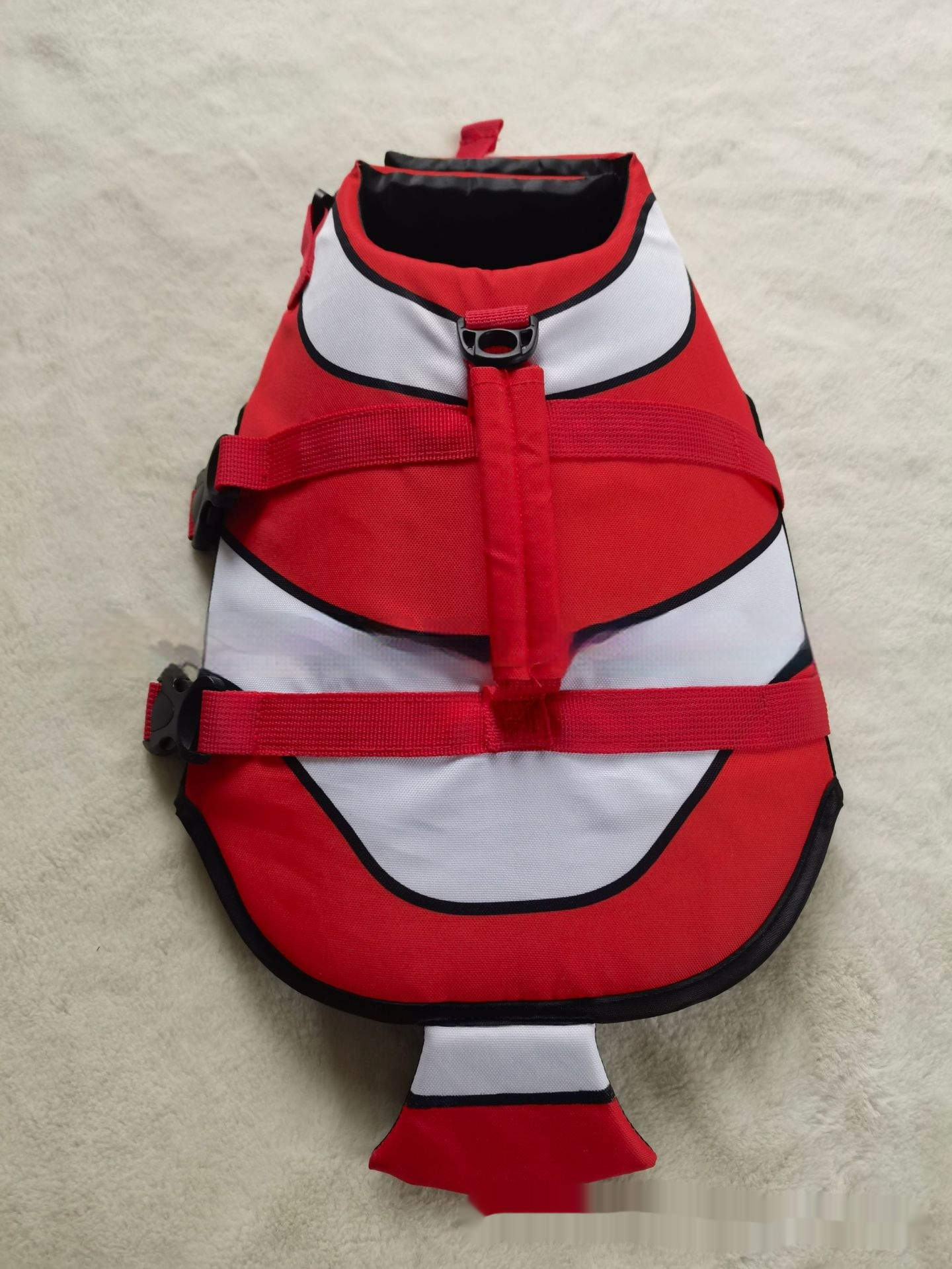
A dog cooling vest is a wearable garment designed to lower your dog’s body temperature through evaporative cooling, phase-change materials, or reflective insulation. The most common type — evaporative cooling vests — works by absorbing water and releasing it slowly through evaporation, creating a cooling effect on your dog’s skin and core temperature.
According to Ruffwear’s evaporative cooling research, a well-designed three-layer cooling vest wicks moisture, facilitates evaporation, and provides UPF 50+ sun protection simultaneously. Phase-change material (PCM) vests are another option: they absorb excess body heat and can maintain a steady cooling temperature for 1–2 hours before needing to be “recharged” in a freezer or cold water.
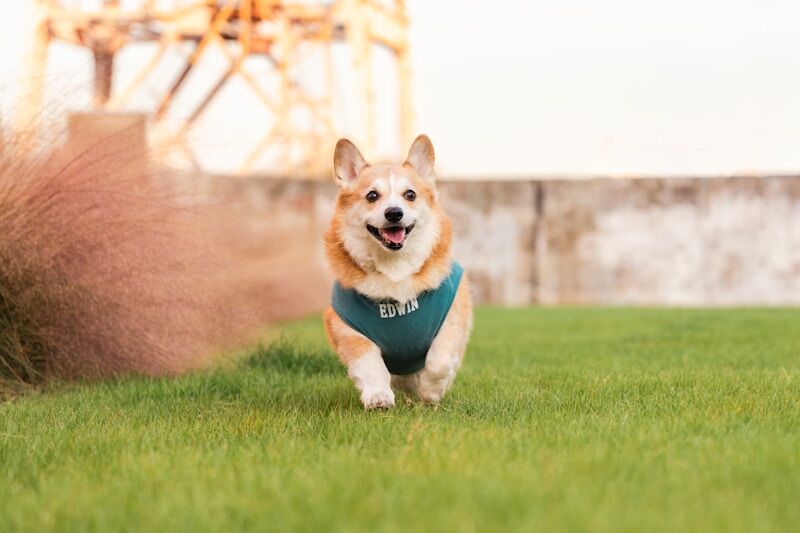
A well-fitted cooling vest helps dogs regulate body temperature during warm outdoor activities.
There are three main types to know:
- Evaporative vests: Soak in water, wring out, put on dog. Cooling lasts 30–60 minutes depending on heat and humidity. Easy to use, affordable.
- Phase-change material (PCM) vests: Contain special inserts that absorb heat at a fixed temperature. Last 1–2 hours, but more expensive and require preparation.
- Reflective/UV-blocking vests: Deflect solar radiation rather than actively cool. Best for breeds with thin or light-colored coats at risk of sunburn.
Dog Cooling Vest Benefits: Why Your Dog Needs One This Summer
Heatstroke in dogs is a medical emergency — and it happens faster than most owners expect. A dog’s normal body temperature sits between 101°F and 102.5°F (38.3–39.2°C). When it rises above 104°F, heat exhaustion begins. Above 106°F, organ damage and death can occur within minutes. The American Veterinary Medical Association consistently warns that even mild exercise in hot weather can push susceptible dogs past their limits.

Dogs resting in the sun can overheat quickly — a cooling vest helps extend safe outdoor time.
A dog cooling vest provides these key benefits:
- Reduces core body temperature by 3–7°F, buying critical time during outdoor activities
- Extends exercise duration safely — dogs in cooling vests can maintain comfortable activity levels 30–50% longer in warm conditions
- Protects high-risk breeds including brachycephalic dogs (French Bulldogs, Pugs, Bulldogs) that pant less efficiently
- Provides UV protection — many vests include UPF 50+ coverage that shields your dog’s skin and coat from sun damage
- Peace of mind for owners on hikes, beach trips, outdoor events, and backyard play sessions
Which Dogs Benefit Most from a Cooling Vest?
While any dog can benefit from a cooling vest in hot weather, certain breeds and body types are especially prone to overheating. If your dog falls into any of these categories, a cooling vest isn’t just a nice-to-have — it’s an essential piece of summer gear.
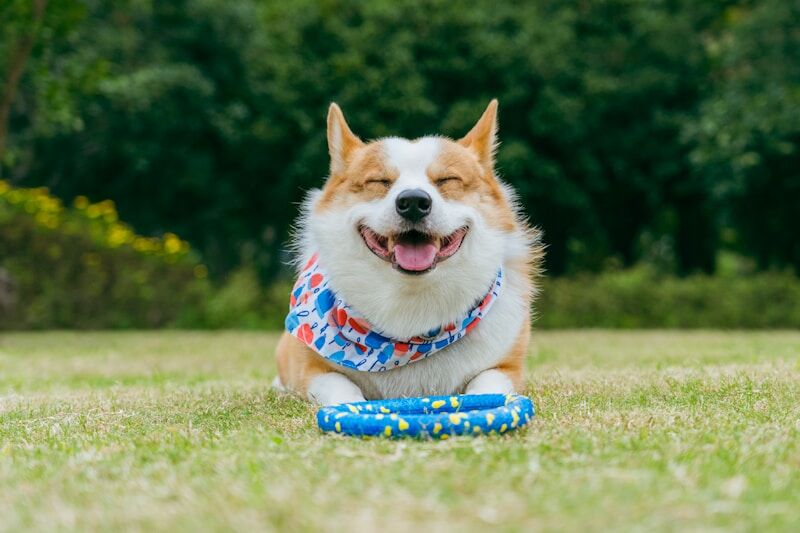
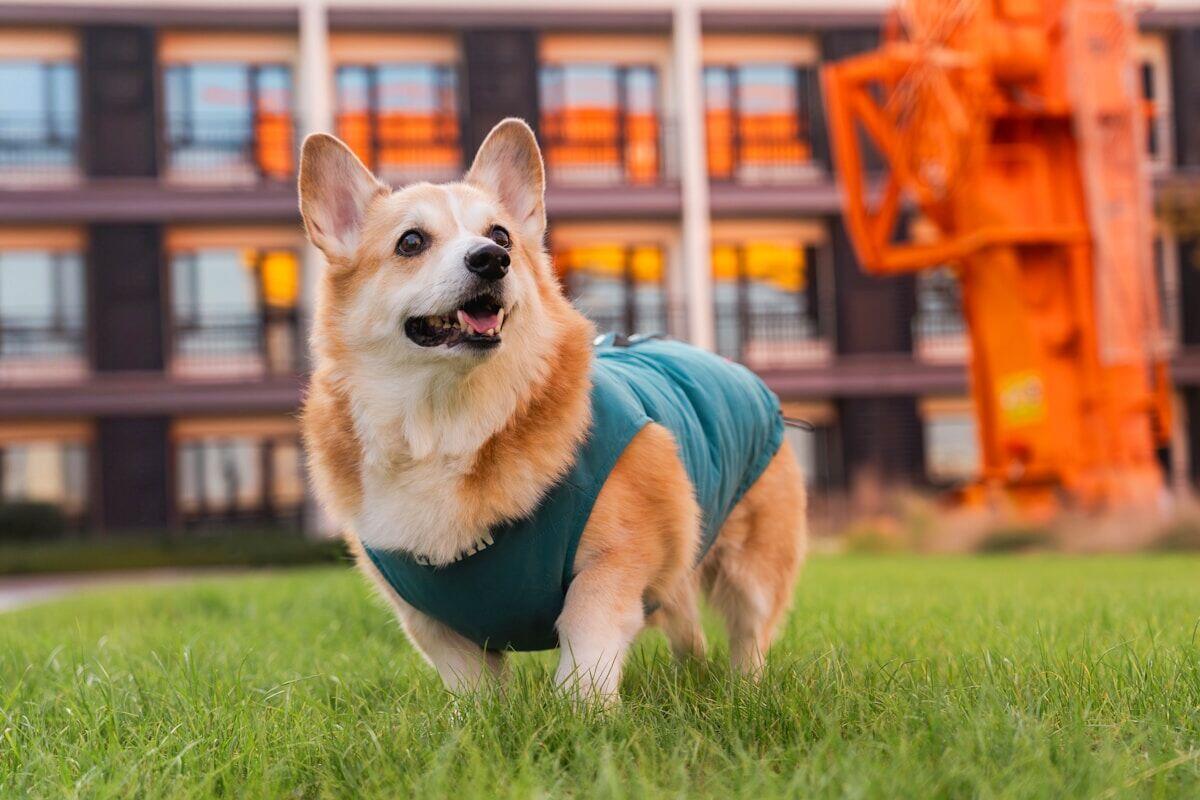
Active dogs like corgis enjoy outdoor time more safely with proper cooling gear.
- Brachycephalic breeds: French Bulldogs, Pugs, Boston Terriers, and English Bulldogs have compressed airways that make panting — their primary cooling mechanism — much less effective. These dogs overheat faster than any other type.
- Large and giant breeds: Great Danes, Saint Bernards, Newfoundlands, and Bernese Mountain Dogs generate more body heat and have more difficulty dissipating it. Active large breeds on summer outings need extra cooling support.
- Dark-coated dogs: Black and dark brown coats absorb significantly more solar heat than light-colored coats. A dark Lab or Rottweiler standing in direct sunlight absorbs substantially more radiant heat than a white Samoyed.
- Senior and overweight dogs: Older dogs and those carrying extra weight have reduced cardiovascular efficiency, making thermoregulation harder.
- High-energy working dogs: Any dog doing intense activity — agility training, hiking, dock diving, or fetch sessions — generates enough metabolic heat to need external cooling support in temperatures above 75°F.
How to Choose the Best Dog Cooling Vest in 2026
Not all cooling vests are created equal. The market ranges from budget evaporative wraps to premium technical gear, and choosing the wrong one wastes money without actually protecting your dog. Here’s what matters:
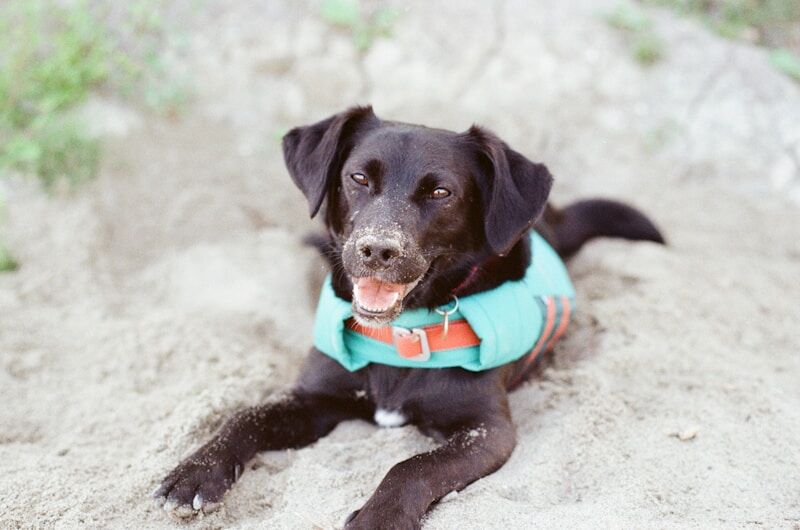
The right cooling vest fits snugly but allows full range of motion for active dogs.
Fit and Coverage
A cooling vest that doesn’t cover your dog’s core — the chest, sides, and back — won’t deliver meaningful temperature reduction. Measure your dog’s girth at the widest point of the chest, the length from neck to tail base, and their weight. Most quality vests offer size guides; when in doubt, size up. The vest should lay flat against the body without gapping, but shouldn’t restrict breathing or movement.
Cooling Method
For most dog owners, evaporative cooling vests offer the best combination of convenience, effectiveness, and price. They activate instantly with water and reactivate anywhere you can find water. PCM vests are better for predictable, structured activities (morning hikes, agility competitions) where you can prepare in advance.
Material Quality
Look for vests with a hydrophilic (water-loving) inner layer that holds moisture close to the skin, a middle layer that distributes it evenly, and an outer layer that facilitates rapid evaporation. Avoid heavy cotton — it stays wet too long and can cause chafing. Purpose-built technical fabrics work far better.
Ease of Use
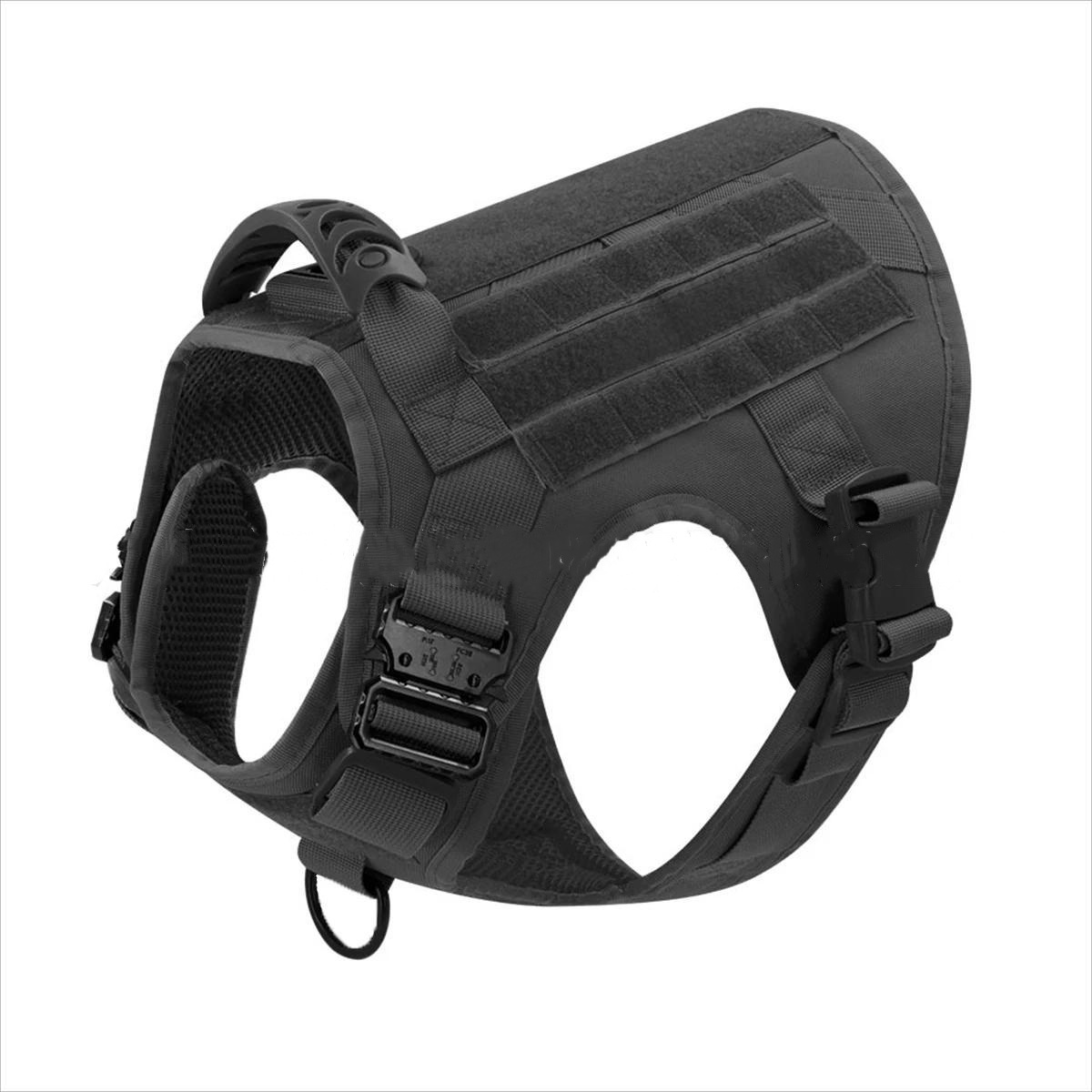
You’ll be putting this on an excited dog who wants to get outside. Quick-release buckles, wide Velcro closures, and a simple one-piece design matter. If the vest takes five minutes and two people to put on, you won’t use it consistently.
How to Use a Dog Cooling Vest Correctly
Using a cooling vest correctly makes the difference between effective temperature management and a soggy dog with no real benefit. Follow these steps for evaporative vests:
- Soak fully: Submerge the vest in cool (not ice cold) water for 1–3 minutes until completely saturated
- Wring out excess: Squeeze out standing water — you want the vest damp throughout, not dripping. Excess water just falls off rather than evaporating
- Apply immediately: Put the vest on your dog right before heading out. Starting cool means the vest maintains temperature longer
- Reactivate during activity: Carry a water bottle and periodically re-wet the vest when you notice it drying out. In high heat and low humidity, this might be every 20–30 minutes
- Never seal over the vest: Airflow is essential for evaporative cooling to work. Don’t put a second layer over the cooling vest
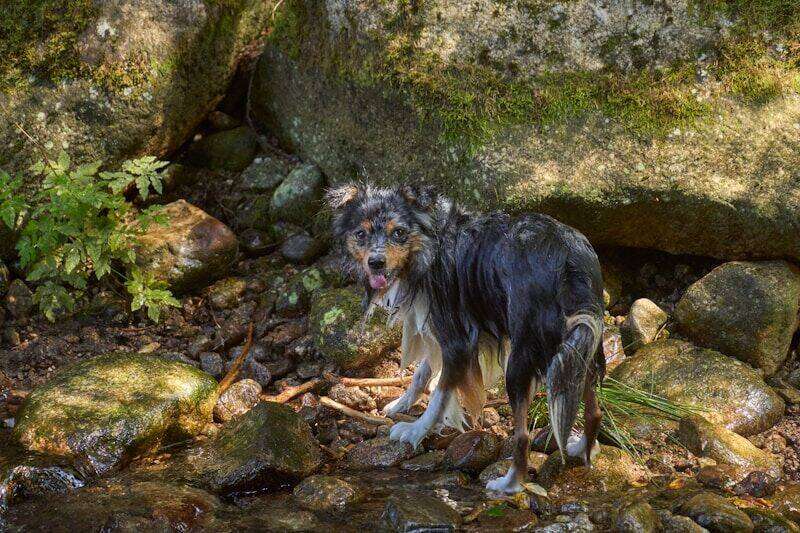
Water is the key ingredient — cooling vests work best when kept consistently moist.
Dog Cooling Vest vs. Other Summer Cooling Methods
A cooling vest is one tool in a broader summer safety kit. Here’s how it compares to other popular options:
| Method | Effectiveness | Duration | Best For |
|---|---|---|---|
| Cooling vest (evaporative) | High | 30–60 min | Active outdoor use |
| Cooling mat | Moderate | 2–3 hours | Resting indoors/outdoors |
| Cooling bandana | Low–Moderate | 15–30 min | Light activity, travel |
| Frozen treats | Low | 5–15 min | Supplement only |
| Fan + misting | High | Continuous | Stationary situations |
| Shade + water access | High | Continuous | Baseline requirement |
The key insight: a cooling vest performs best during active movement, where airflow enhances evaporation. Pair it with access to shade and fresh water for the best results. For dogs resting between activities, a cooling mat is often more comfortable.
Warning Signs of Overheating: Know When to Act
Even with a cooling vest, dog owners need to recognize heat distress early. According to Glacier Tek’s canine cooling research, the progression from normal panting to dangerous heat exhaustion can happen in under 10 minutes in extreme conditions.
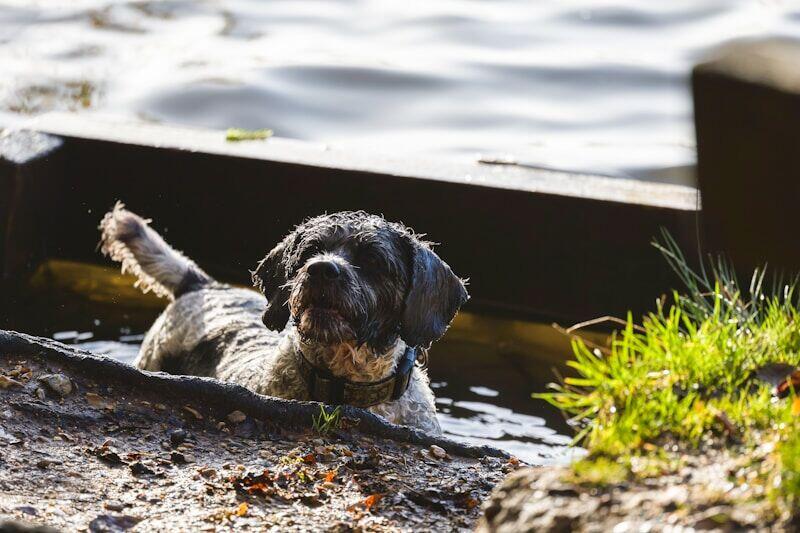
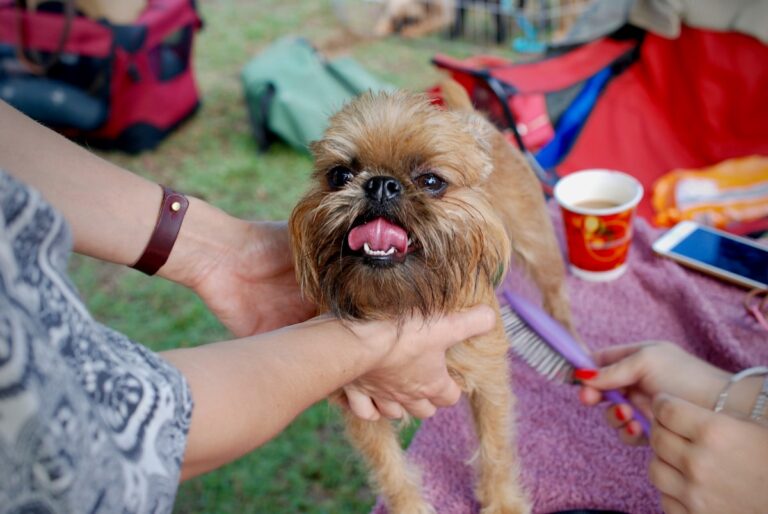
If your dog shows signs of overheating, cool them with water immediately and contact your vet.
Watch for these warning signs:
- Excessive, rapid panting — louder or more intense than normal exercise breathing
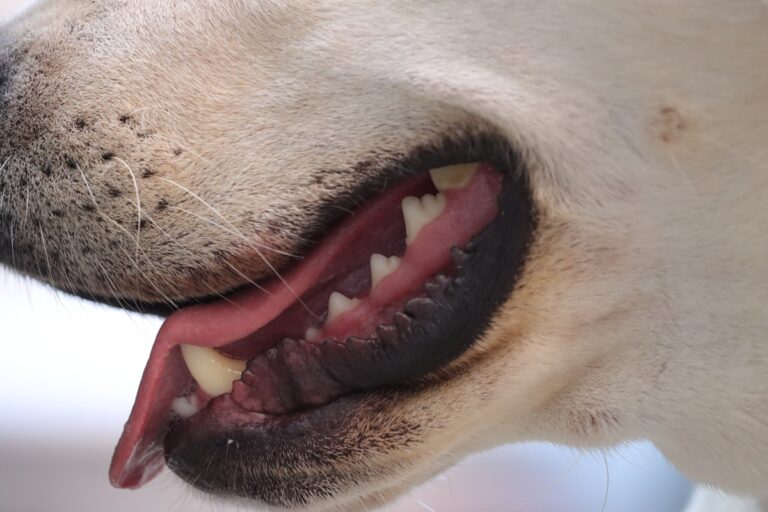
- Drooling heavily with thick, ropy saliva
- Bright red or pale gums — both indicate circulatory stress
- Lethargy or disorientation — stumbling, confusion, or sudden reluctance to continue
- Vomiting or diarrhea — signals dangerous systemic heat impact
- Collapse — immediate veterinary emergency
If you observe these signs: move your dog to shade immediately, apply cool (not cold) water to their paws, armpits, and groin, and contact your veterinarian. Do not use ice water — rapid cooling can cause blood vessel constriction and worsen the outcome.
Dog Cooling Vest Tips for Summer Adventures
Ready to take your dog out this summer with their cooling vest? Keep these practical tips in mind for common activities:
Hiking: Pre-wet the vest before the trailhead. Carry an extra 500ml of water per hour of hiking specifically for vest re-wetting. Take shaded breaks every 30 minutes in temperatures above 80°F.
Beach trips: Salt water works for re-wetting in a pinch, but rinse the vest thoroughly afterwards to prevent chafing and fabric degradation. The combination of high humidity and beach heat actually makes cooling vests less effective — keep sessions shorter.
Backyard play: Even in your own yard, a cooling vest pays off during peak heat hours (10am–4pm). Keep a bucket of water nearby for quick re-wetting during fetch sessions.
Dog events and festivals: Outdoor dog events in summer can be dangerously hot with crowds, asphalt, and limited shade. A cooling vest is non-negotiable for these situations. Check asphalt temperature before walking — if it’s too hot for your bare hand for 7 seconds, it’s too hot for paw pads.
For more on keeping your dog comfortable in changing seasons, check out our guides on spring dog walking safety and protecting your dog’s paw pads in summer heat.
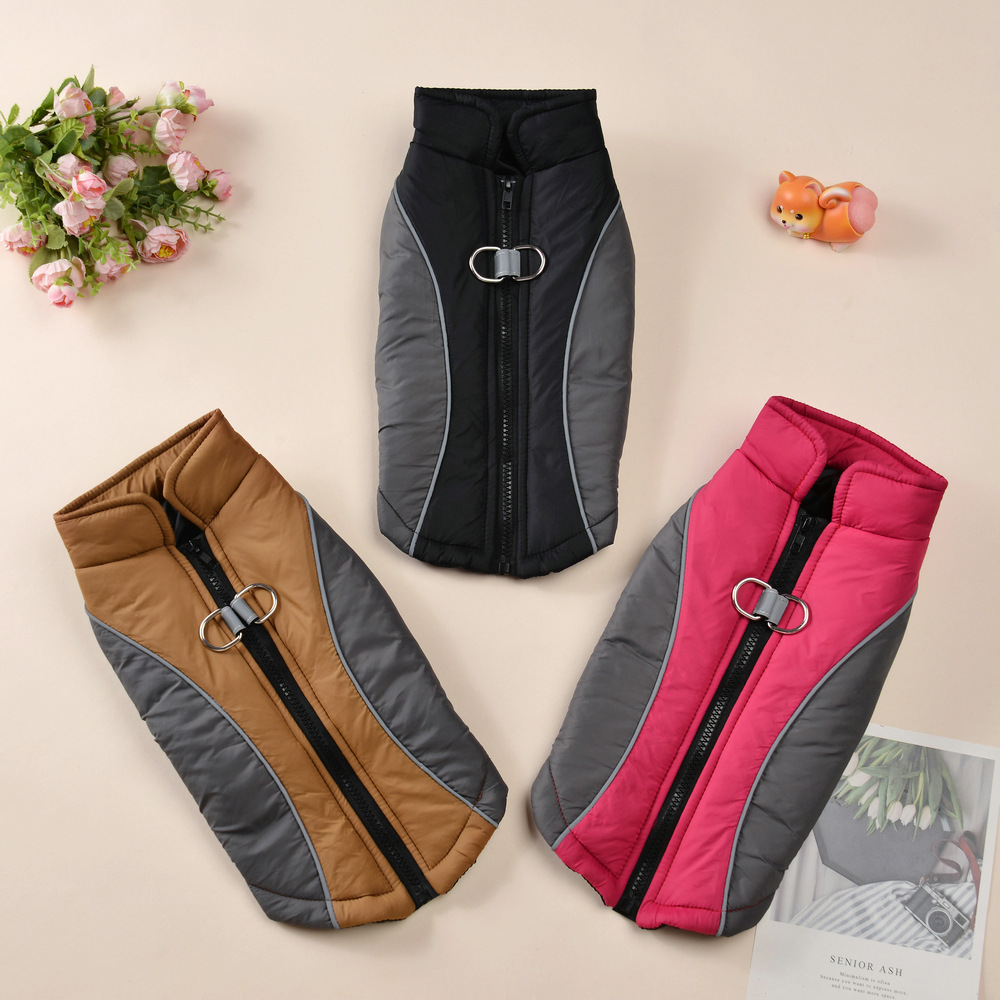
The Bottom Line on Dog Cooling Vests
A quality dog cooling vest is one of the most effective, practical investments you can make for your dog’s summer safety. Whether you have a brachycephalic breed who struggles in mild heat or an athletic working dog who pushes hard on trails, a properly fitted and maintained cooling vest extends safe activity time and reduces the risk of dangerous overheating.
The best cooling vest is the one that fits your dog’s body type, suits your lifestyle, and gets used consistently. Start with an evaporative vest if you’re new to this gear — they’re effective, affordable, and dead simple to use. Pair it with shade, fresh water, and careful monitoring of your dog’s behavior, and you’ll have a summer season full of happy outdoor adventures together.
Sources
- Ruffwear — Evaporative Cooling 101 — Technical explanation of three-layer evaporative cooling vest construction and UPF protection
- Glacier Tek — Do Dog Cooling Vests Work? — Research on phase-change materials and how they regulate canine body temperature
- American Veterinary Medical Association — Pets in Hot Cars — AVMA guidelines on canine heat safety and temperature thresholds