
Dog Dental Care Guide | How to Keep Your Dog’s Teeth Clean and Healthy
Your dog’s teeth do a lot more than tear apart treats and chew on squeaky toys. They’re a window into your pet’s overall health, and neglecting them can lead to infections, organ damage, and chronic pain your dog can’t tell you about. According to the American Veterinary Dental College, most dogs show signs of periodontal disease by age three. That’s a sobering statistic for any pet parent who hasn’t picked up a dog toothbrush yet.
The good news? Dog dental care doesn’t require expensive gadgets or hours of your time. A consistent routine built on brushing, the right chew products, and regular vet checkups can keep your pup’s mouth healthy for life. Here’s everything you need to know.
Why Dog Dental Care Matters More Than You Think
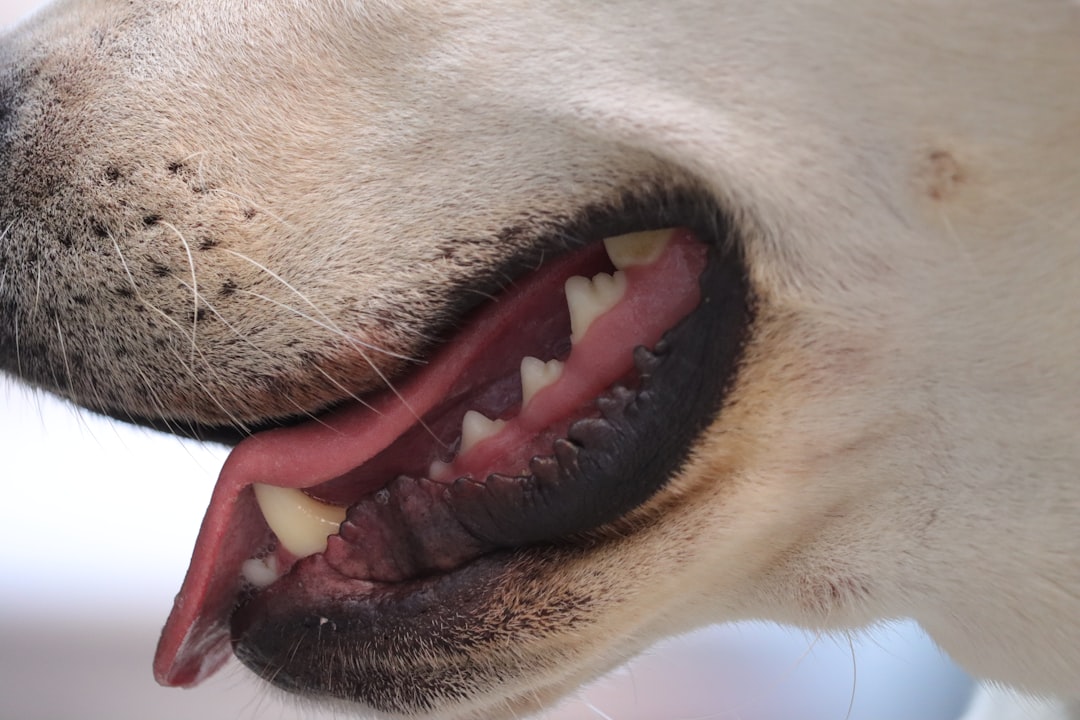
Dental disease in dogs isn’t just about bad breath. When plaque hardens into tartar along the gumline, bacteria travel beneath the surface and attack the structures that hold teeth in place. Left untreated, this leads to loose teeth, abscesses, and bone loss in the jaw. But the danger extends far beyond the mouth.
Research published in the Journal of Veterinary Dentistry has shown that chronic oral infections can seed bacteria into the bloodstream. These bacteria settle on heart valves, filtering organs like the kidneys and liver, and can cause lasting damage. Dogs with advanced periodontal disease have a significantly higher risk of developing heart conditions compared to dogs with clean mouths.
The tricky part is that dogs are masters at hiding pain. A dog with a cracked tooth or an infected gum pocket will often keep eating, playing, and wagging its tail right up until the problem becomes severe. By the time you notice something’s wrong, the disease may have been progressing for months.
Signs Your Dog Might Have a Dental Problem
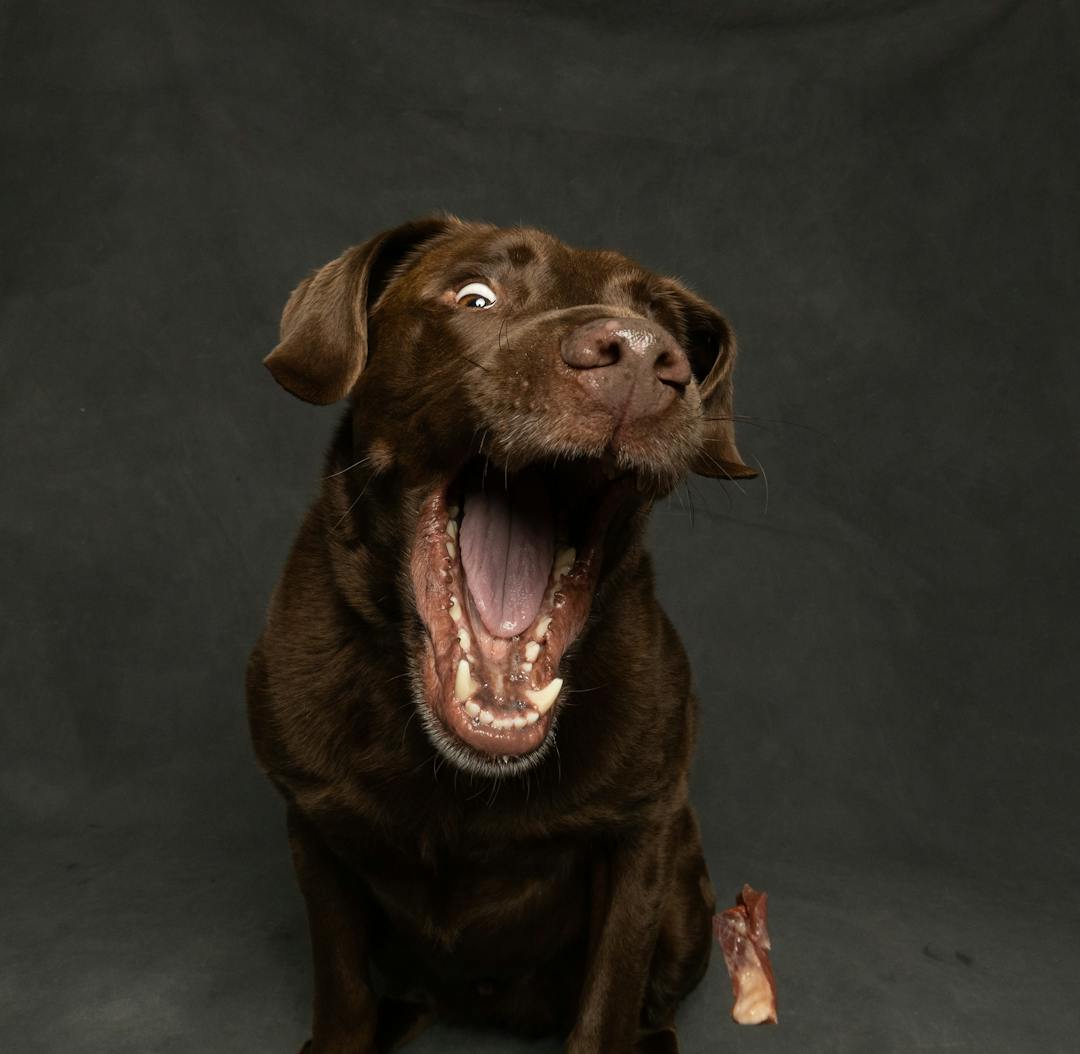
Knowing what to watch for can help you catch issues before they become emergencies. Keep an eye out for these warning signs during your daily interactions:
- Bad breath that persists — A slight odor is normal, but consistently foul breath points to bacterial buildup or infection
- Red, swollen, or bleeding gums — Healthy gums are pink and firm; inflammation means trouble
- Yellow or brown tartar buildup — Especially along the gumline on the back molars
- Dropping food while eating — May indicate tooth pain or loose teeth
- Pawing at the face or mouth — A classic sign of oral discomfort
- Excessive drooling — More than usual, sometimes with blood-tinged saliva
- Reluctance to chew hard toys — If your dog suddenly avoids things it used to love chewing
- Visible broken or missing teeth — Requires immediate veterinary attention
If you spot any combination of these signs, don’t wait for your next scheduled vet appointment. Dental pain in dogs often worsens quickly, and early intervention can save teeth that might otherwise need extraction.
How to Brush Your Dog’s Teeth (Step by Step)
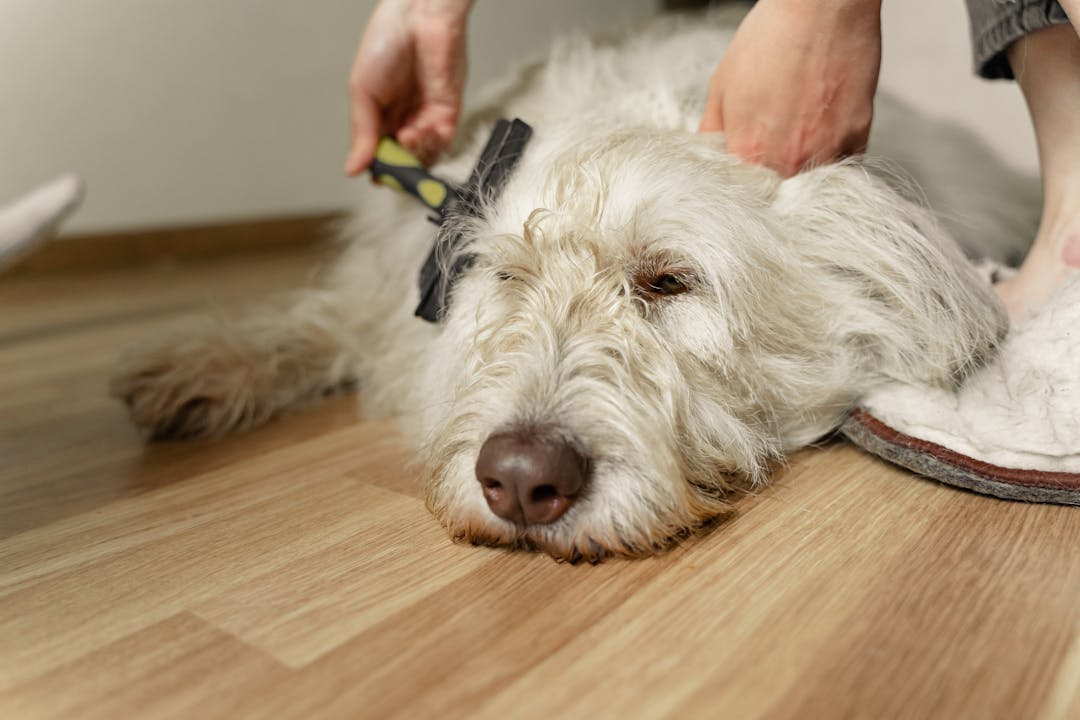
Brushing is the single most effective thing you can do for your dog’s dental health. The American Veterinary Medical Association recommends daily brushing, though even three to four times a week makes a measurable difference. Here’s how to get started, even if your dog has never had a toothbrush near its face.
Week One: Get Comfortable
Don’t start with a brush. Instead, put a small amount of dog-safe toothpaste on your finger and let your pup lick it off. Most enzymatic dog toothpastes come in flavors like poultry or beef, so this step usually goes smoothly. Practice lifting your dog’s lip gently and touching its teeth and gums with your finger for just a few seconds at a time. Reward each session with praise and a treat.
Week Two: Introduce the Brush
Once your dog is comfortable with finger contact, switch to a soft-bristled dog toothbrush or a finger brush. Apply a pea-sized amount of enzymatic toothpaste and brush a few teeth at a time, focusing on the outer surfaces where tartar accumulates fastest. The outer surfaces of the upper back molars and canines are the most important areas to reach.
Week Three and Beyond: Full Sessions
Gradually increase your coverage until you’re brushing all teeth in a single session. A thorough brushing should take about two minutes. Angle the bristles at 45 degrees toward the gumline and use gentle circular motions. Never use human toothpaste — the fluoride and foaming agents are toxic to dogs if swallowed.
Dog Dental Care Products
Shop Dog Toothbrushes, Dental Chews and Kits
Dental Chews and Toys That Actually Work

Not every chew product delivers on its dental health promises. The Veterinary Oral Health Council (VOHC) maintains a list of products proven to reduce plaque and tartar through clinical trials. When shopping, look for the VOHC seal of acceptance — it’s the gold standard for dental chew efficacy.
Effective dental chews work by mechanically scraping plaque off teeth as your dog gnaws. Some also contain enzymes or antimicrobial ingredients that slow bacterial growth. The key factors to consider are size (too small poses a choking hazard), texture (firm enough to scrape but not hard enough to crack teeth), and digestibility.
Avoid giving your dog real bones, antlers, or hooves. While popular, these are among the top causes of fractured teeth in dogs. The rule of thumb veterinary dentists use: if you wouldn’t want someone to hit you in the kneecap with it, it’s too hard for your dog’s teeth. Nylon bones, rubber dental toys, and VOHC-approved chews are safer alternatives that still satisfy the urge to gnaw.
🐾 Keep Your Pup Comfortable in Style
A healthy dog is a happy dog — and a happy dog deserves the best. Whether your furry friend needs a cozy jacket for morning walks or a comfy hoodie for lounging at home, we’ve got you covered.
🎨 Tie-Dye Dog Hoodie for Small to Large Breeds — Perfect for post-grooming cuddles
🐶 Casual Dog Sweatshirt for Medium and Large Dogs — Everyday comfort your dog will love
Diet and Dental Health: What Your Dog Eats Matters

What goes into your dog’s bowl has a direct impact on what happens in its mouth. Dry kibble provides a modest mechanical cleaning effect as it crunches, though it’s not a replacement for brushing. Some veterinary prescription diets are specifically formulated with oversized kibble pieces and fiber matrices that wipe teeth during chewing.
Raw diets are a popular choice among some dog owners who believe raw meaty bones clean teeth naturally. While there’s anecdotal support for this, veterinary organizations remain cautious. The risks of bacterial contamination (salmonella, listeria) and tooth fractures from raw bones are well-documented. If you feed raw, consult your vet about safe bone choices for your dog’s size and jaw strength.
Water additives are another option worth considering. These are flavorless solutions you mix into your dog’s drinking water that contain antimicrobial agents to slow plaque formation. They won’t replace brushing, but they add another layer of protection to your dental care routine. Look for VOHC-accepted products for the best results.
Professional Dental Cleanings: When and Why
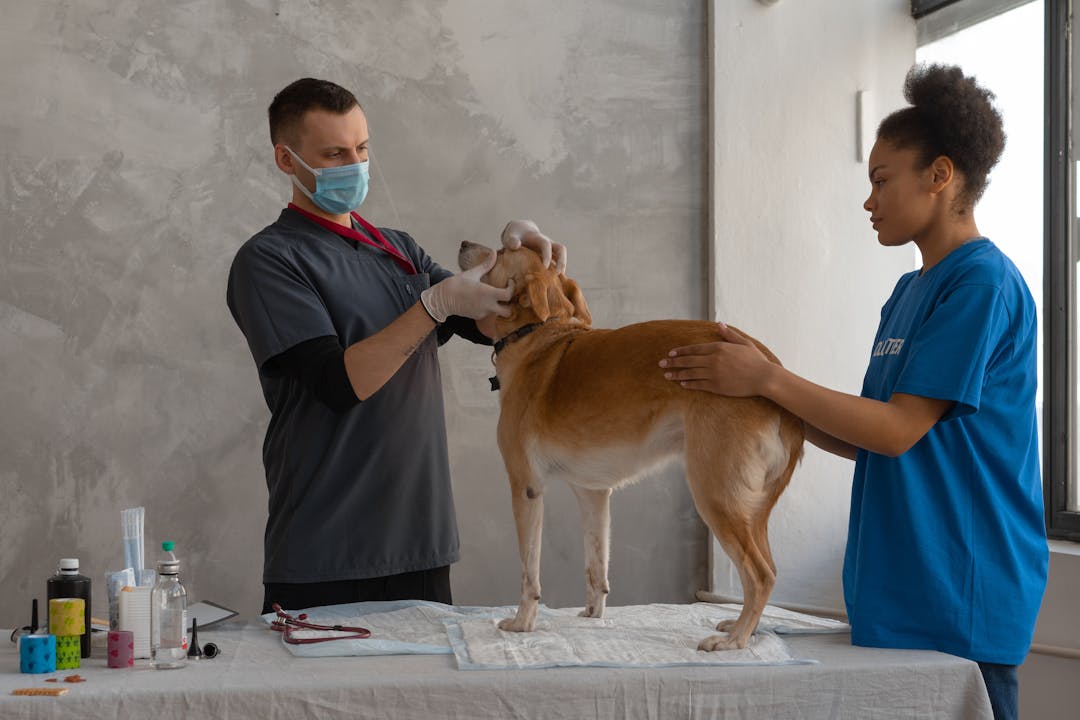
Even with diligent home care, most dogs need professional dental cleanings at some point. Veterinary dental cleanings are performed under general anesthesia, which allows the veterinarian to scale tartar below the gumline, probe for pockets of infection, take dental X-rays, and extract any teeth that can’t be saved.
Best-Selling Dental Chew Toys
Browse Enzymatic Toothpaste and Water Additives – Shop Now
The idea of anesthesia understandably worries some dog owners. Modern veterinary anesthesia, however, is extremely safe when performed by trained professionals with proper monitoring equipment. The risks of leaving dental disease untreated far outweigh the small risks associated with anesthesia. Pre-anesthetic blood work screens for underlying conditions that might complicate the procedure.
Most veterinarians recommend a dental cleaning every one to two years for adult dogs, though toy breeds and dogs predisposed to dental issues may need more frequent attention. Small breed dogs — Chihuahuas, Dachshunds, Yorkshire Terriers, and similar toy breeds — are especially prone to dental disease because their teeth are crowded into smaller jaws, creating more hiding spots for plaque.
The cost of a professional dental cleaning varies widely by region and complexity, typically ranging from $300 to $800. Extractions add to the cost. Pet dental insurance or wellness plans that include dental coverage can help offset these expenses over your dog’s lifetime.
🐾 Cozy Post-Vet Comfort for Your Pup
After a vet visit, your dog deserves some extra comfort. Keep them warm and relaxed with our premium dog outerwear.
🧥 Warm Cotton-Padded Dog Coat — Soft and snug for recovery days
🧶 Large Dog Sweater for Big Breeds — Warm knit comfort for Border Collies and more
Building a Complete Dog Dental Care Routine

The best dental care plan for your dog combines multiple approaches. No single product or habit does everything, but together they create a powerful defense against dental disease. Here’s a practical daily and weekly framework you can start using today:
Daily: Brush your dog’s teeth with enzymatic dog toothpaste. Add a VOHC-approved water additive to the drinking bowl. Give one appropriately-sized dental chew after the main meal.
Weekly: Do a visual mouth inspection — lift the lips and check the gums, teeth, and tongue. Look for new discoloration, swelling, or changes in your dog’s eating habits.
Monthly: Evaluate your dental products. Is the toothbrush wearing out? Is your dog still enthusiastic about the toothpaste flavor? Switch things up to keep compliance high.
Annually: Schedule a veterinary dental exam as part of your dog’s regular wellness checkup. Discuss whether a professional cleaning is needed based on the level of tartar buildup and gum health.
Starting a dental care routine is easier when your dog is a puppy, but it’s never too late. Older dogs can absolutely learn to tolerate brushing with patience and positive reinforcement. The investment of a few minutes each day pays off enormously in fewer vet bills, less pain, and a longer, healthier life for your best friend.
References
- American Veterinary Dental College — avdc.org
- Veterinary Oral Health Council Product List — vohc.org
- Cornell University College of Veterinary Medicine — How to Brush Your Dog’s Teeth (2025)
- American Veterinary Medical Association — Dog Dental Care Guidelines