Dog Dental Care: How to Keep Your Dog’s Teeth Clean
Most dog owners focus on feeding, walking, and grooming their pets — but how often do you think about your dog’s teeth? Dog dental care is one of the most overlooked aspects of pet health, and the consequences of ignoring it can be severe. According to the American Veterinary Medical Association (AVMA), periodontal disease affects more than 80 percent of dogs by age three. That’s a staggering statistic that should have every dog owner paying closer attention to their pup’s mouth.
Dental problems in dogs don’t just cause bad breath. Left untreated, gum disease and tooth decay can lead to infections that spread to the heart, liver, and kidneys. The good news? Most dental issues in dogs are entirely preventable with the right care routine. This guide covers everything you need to know about dog dental health — from brushing techniques and dental treats to professional cleanings and the warning signs you should never ignore.
Why Dog Dental Care Matters More Than You Think
Your dog’s mouth is the gateway to their overall health. Bacteria that builds up on teeth doesn’t stay in the mouth — it enters the bloodstream and can damage vital organs over time. A study published by the World Small Animal Veterinary Association (WSAVA) found that dogs with severe periodontal disease had a significantly higher risk of developing systemic health problems, including endocarditis (inflammation of the heart lining).
The financial impact is real too. Professional dental treatments for dogs typically cost between $300 and $800, and advanced procedures like tooth extractions can run into the thousands. Investing a few minutes each day in preventive dental care can save you significant veterinary bills down the road — and spare your dog the pain and discomfort of dental disease.
Beyond the medical angle, dental health directly affects your dog’s quality of life. Dogs with sore teeth and inflamed gums often eat less, lose weight, and become less active. They may paw at their mouths, drool excessively, or show reluctance to play with their favorite toys. If your dog has suddenly become a picky eater or seems less energetic, dental pain could be the hidden cause.
Signs Your Dog Has Dental Problems
Dogs are masters at hiding pain. Your pup won’t tell you their teeth hurt — they’ll just quietly deal with it until the problem becomes severe. That’s why every dog owner needs to know the early warning signs of dental trouble. Catching problems early means simpler treatments, lower costs, and less suffering for your pet.

Bad breath is often the first noticeable sign. While dog breath is never going to smell like roses, a persistent foul odor usually indicates bacterial buildup or infection. Don’t dismiss it as normal — healthy dog breath should be relatively neutral.
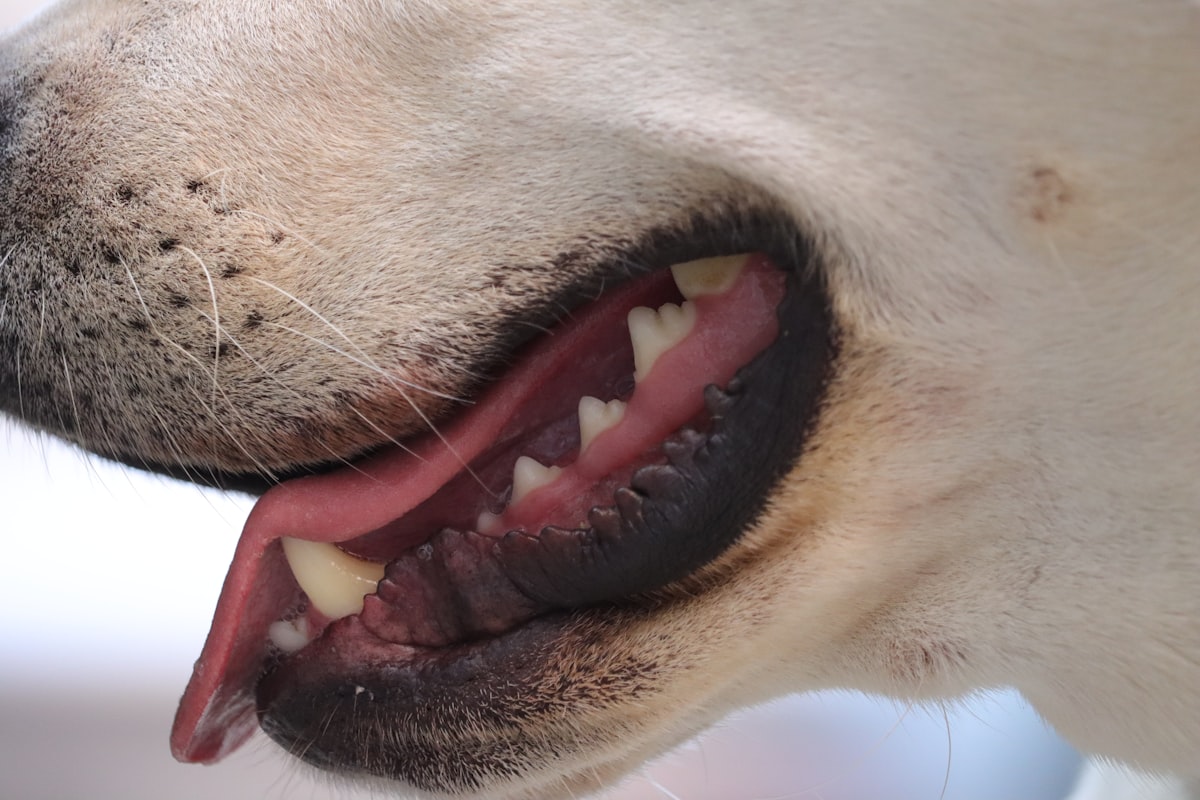
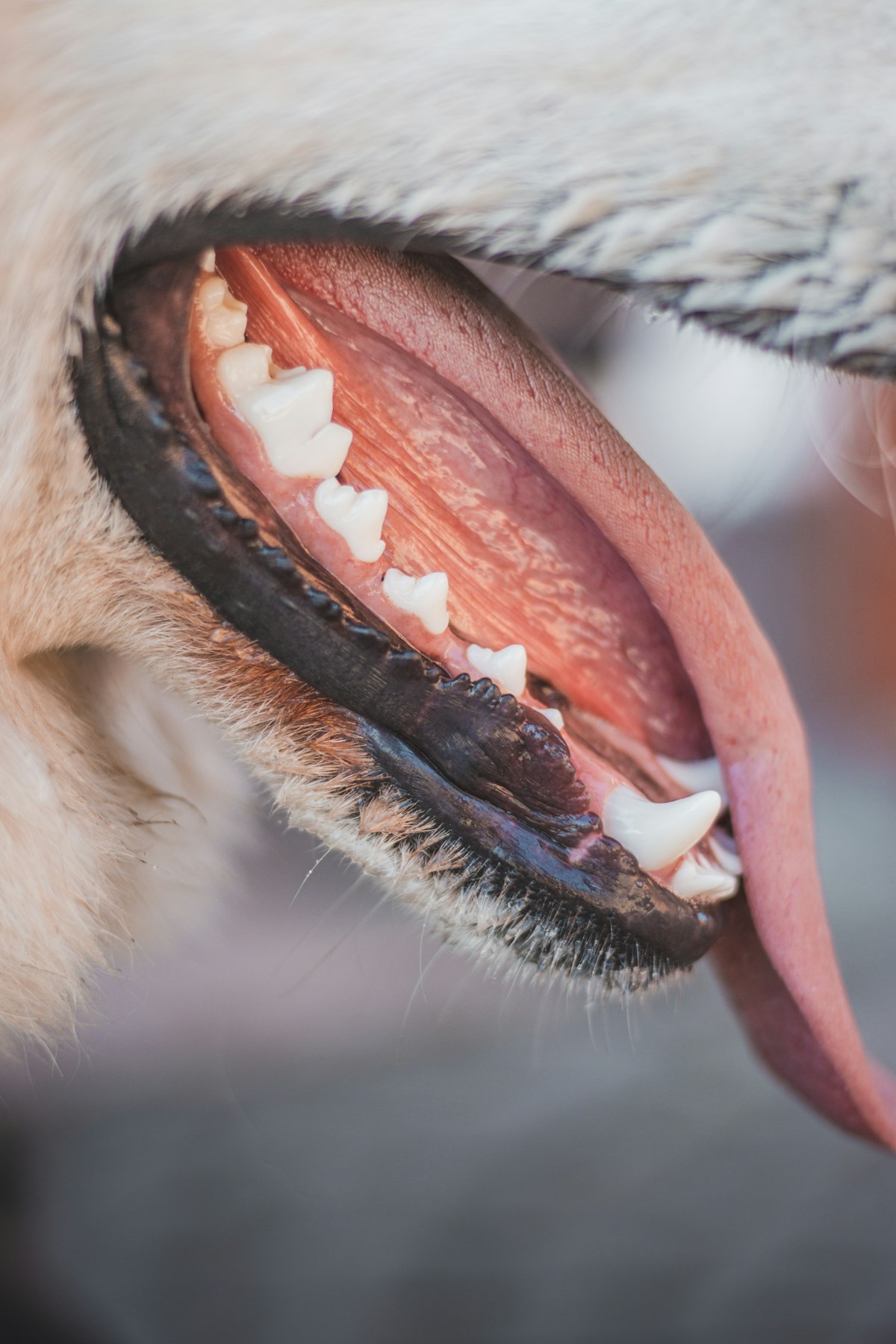
Discolored teeth are another red flag. Healthy dog teeth are white. Yellow or brown buildup along the gum line is tartar (hardened plaque), and it won’t come off with brushing alone — it requires professional cleaning. Red, swollen, or bleeding gums indicate gingivitis, the early stage of periodontal disease. At this stage, the condition is still reversible with proper care.
Behavioral changes often point to mouth pain. Watch for dogs that suddenly drop food while eating, chew on only one side of their mouth, or shy away when you try to touch their face. Excessive drooling, especially with blood-tinged saliva, demands immediate veterinary attention. Loose or missing teeth in adult dogs always signal advanced dental disease and require professional treatment.
How to Brush Your Dog’s Teeth
Brushing is the single most effective thing you can do for your dog’s dental health. The VCA Animal Hospitals recommend daily brushing, though even three to four times per week makes a meaningful difference. The key is consistency and making the experience positive for your dog.
Getting the Right Supplies
Never use human toothpaste on dogs — it contains fluoride and xylitol, both of which are toxic to dogs. Use enzymatic dog toothpaste, which comes in flavors like poultry, beef, and peanut butter that dogs actually enjoy. For the brush, you have several options: a dog-specific toothbrush with angled bristles, a finger brush (a silicone sleeve that fits over your fingertip), or even a piece of gauze wrapped around your finger for dogs that won’t tolerate a brush.
Step-by-Step Brushing Guide
Step 1: Start slow. Don’t shove a toothbrush into your dog’s mouth on day one. Spend a few days letting them taste the toothpaste from your finger. Lift their lips gently and touch their teeth and gums with your finger. Reward them with praise and treats at each step.
Step 2: Introduce the brush. Once your dog is comfortable with you touching their mouth, add the toothbrush with a small amount of paste. Brush in gentle circular motions, focusing on the outer surfaces of the teeth where plaque tends to accumulate most heavily. You don’t need to brush the inner surfaces — your dog’s tongue does a reasonable job of keeping those clean.
Step 3: Work in sections. Brush the front teeth first (they’re easier to reach), then move to the premolars and molars on each side. Each session should last about two minutes total. If your dog resists, do what you can and try again tomorrow. Short positive sessions are better than one stressful marathon.
Step 4: End on a high note. Always finish with praise, a treat, or a short play session. You want your dog to associate tooth brushing with good things, not dread. Over time, most dogs learn to tolerate — and some even enjoy — the routine.
Dental Chews and Treats That Actually Work
Not all dental treats are created equal. Some are genuinely effective at reducing plaque and tartar, while others are basically just expensive cookies with minimal dental benefit. The gold standard for evaluating dental products is the Veterinary Oral Health Council (VOHC) seal of acceptance. Products with this seal have been independently tested and proven to slow plaque or tartar accumulation.
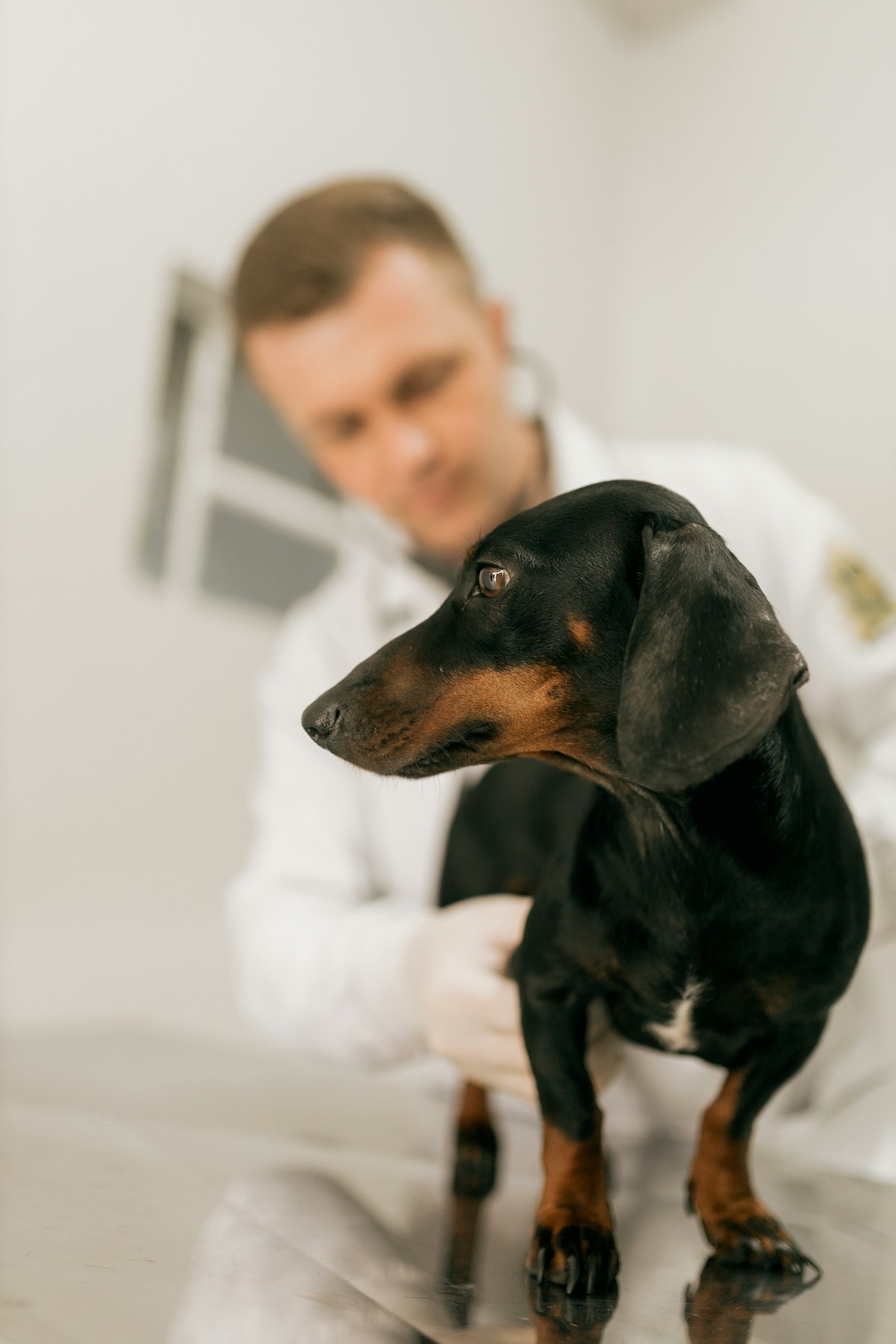
Dental chews work through mechanical action — the chewing process physically scrapes plaque off teeth. Look for chews that are firm enough to provide abrasion but flexible enough that they won’t crack your dog’s teeth. Products like Greenies, Whimzees, and OraVet chews all carry the VOHC seal. Size the chew appropriately — a chew that’s too small becomes a choking hazard, while one that’s too large won’t provide proper cleaning action.
Raw bones are a natural option, but they come with caveats. Raw bones (never cooked — cooked bones splinter and can cause serious injuries) can help clean teeth through gnawing action. However, they can also crack teeth, especially in aggressive chewers. If you offer raw bones, supervise your dog and take the bone away once it’s been chewed down to a size that could be swallowed. Recreational bones like beef knuckle bones are generally safer than weight-bearing bones like femurs, which are extremely hard.
Dental diets are another option worth considering. Several veterinary prescription diets are specifically formulated with larger kibble that encourages chewing and fiber structures that scrub teeth as the dog eats. Hill’s Prescription Diet t/d and Royal Canin Dental are two VOHC-accepted options. These work best as part of a comprehensive dental care plan rather than a standalone solution.
Keep Your Pup Comfortable During Dental Care
A relaxed dog is easier to care for. If your pup gets anxious during brushing sessions, a comfortable outfit can actually help calm them down. Gentle pressure from a well-fitted garment works similarly to a thunder shirt.
Browse Dog Clothing at Hawa Pets
Water Additives and Dental Sprays
For dogs who absolutely refuse to let you near their mouth with a toothbrush, water additives and dental sprays offer a hands-off alternative. These products contain antimicrobial agents — typically chlorhexidine or cetylpyridinium chloride — that reduce bacterial populations in your dog’s mouth.
Water additives are the simplest option. You add a measured amount to your dog’s drinking water daily. Most are tasteless and odorless, though some dogs may initially resist the change. If your dog stops drinking after you add the supplement, try reducing the concentration and gradually increasing it over a week or two.
Dental sprays and gels are applied directly to the gums and teeth. They’re more targeted than water additives but require at least some cooperation from your dog. Most work best when applied before bedtime so the product stays on the teeth overnight without being washed away by eating or drinking.
Important reality check: these products help, but they’re not a replacement for brushing. Think of them as supplementary tools in your dental care arsenal. The American Kennel Club (AKC) recommends using them alongside mechanical cleaning methods for the best results.
Professional Dental Cleanings
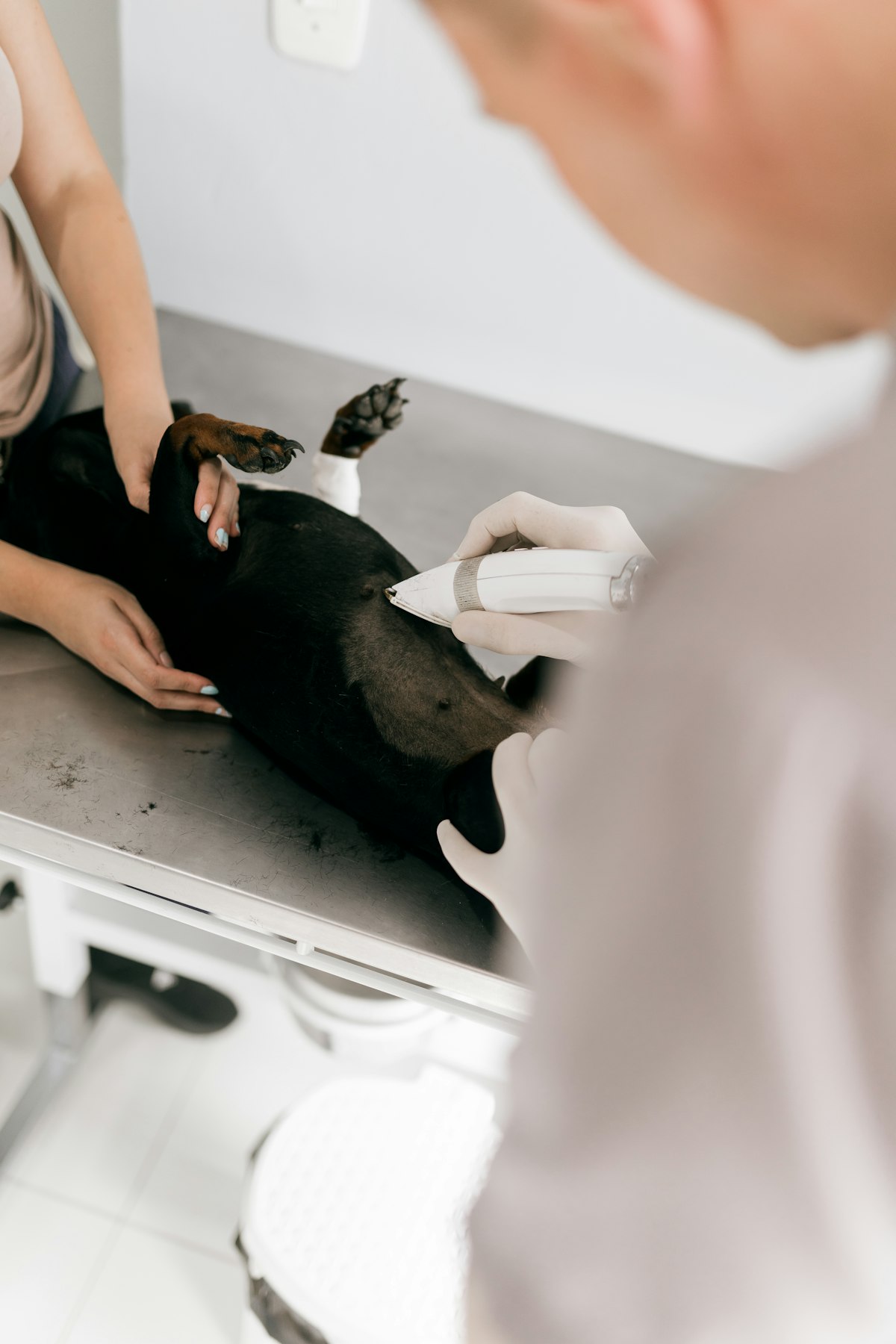
No matter how diligent you are with at-home care, most dogs will need professional dental cleanings at some point. Professional cleanings are performed under general anesthesia, which allows the veterinarian to thoroughly examine every tooth, probe for pockets of infection below the gum line, take dental X-rays, and scale away tartar from places you simply can’t reach at home.
The anesthesia requirement is one of the biggest concerns dog owners have about professional cleanings. Modern veterinary anesthesia is very safe, with complication rates below 0.1 percent in healthy dogs. Pre-anesthetic bloodwork screens for underlying conditions that might increase risk. For older dogs or those with health concerns, your vet can adjust the protocol to minimize risk while still providing thorough dental care.
Anesthesia-free dental cleanings are marketed as a safer alternative, but most veterinary dental specialists advise against them. Without anesthesia, the vet can only clean the visible surfaces of teeth — they can’t examine or treat disease below the gum line, which is where 60 percent of dental disease occurs. The cosmetic improvement can actually mask serious underlying problems, giving owners a false sense of security.
How often your dog needs professional cleanings depends on their breed, diet, and home care routine. Small breeds and brachycephalic (flat-faced) breeds tend to need more frequent cleanings due to crowded teeth and smaller jaws. Most vets recommend annual dental exams, with cleanings scheduled as needed based on the individual dog’s condition.
Breed-Specific Dental Concerns
Some breeds are genetically predisposed to dental problems and need extra attention. Understanding your breed’s vulnerabilities helps you tailor your dental care approach.
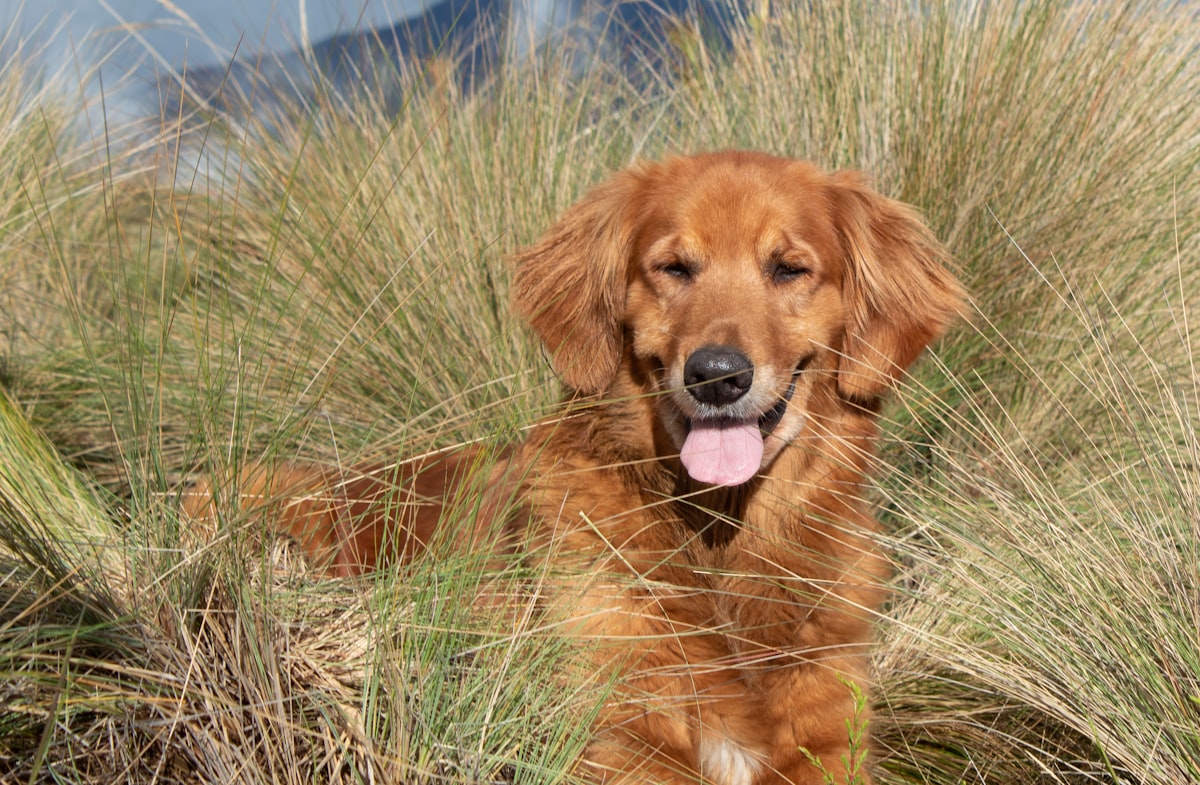
Small breeds like Yorkshire Terriers, Chihuahuas, Dachshunds, and Pomeranians are notorious for dental problems. Their small jaws create crowding, which traps food and bacteria between teeth. Many small breeds retain baby teeth that should have fallen out, creating additional pockets where bacteria thrive. If your small dog still has baby teeth alongside adult teeth, talk to your vet about extraction — it’s a common and straightforward procedure that prevents bigger problems later. If your small dog needs extra warmth during recovery, a well-fitted dog sweater can keep them comfortable.
Brachycephalic breeds — Bulldogs, Pugs, Boston Terriers, Boxers — face a double challenge. Their shortened jaws mean teeth are often misaligned and crowded, and their tendency toward mouth breathing dries out oral tissues, reducing the protective effect of saliva. These breeds typically need professional cleanings more frequently than average.
Greyhounds and other sighthounds have an unusually high rate of periodontal disease that researchers still don’t fully understand. Even well-cared-for Greyhounds often develop dental disease earlier and more severely than other breeds. If you own a sighthound, proactive dental care starting from puppyhood is essential.
Large breeds like Labradors, Golden Retrievers, and German Shepherds generally have better natural dental health due to more spacious jaws. However, they’re more prone to tooth fractures from chewing on hard objects like antlers, rocks, or thick bones. A good rule of thumb: if you can’t dent the chew item with your fingernail, it’s too hard for your dog’s teeth.
Building a Complete Dog Dental Care Routine
The most effective dental care plan combines multiple strategies rather than relying on any single approach. Here’s a practical daily and weekly routine that covers all the bases:
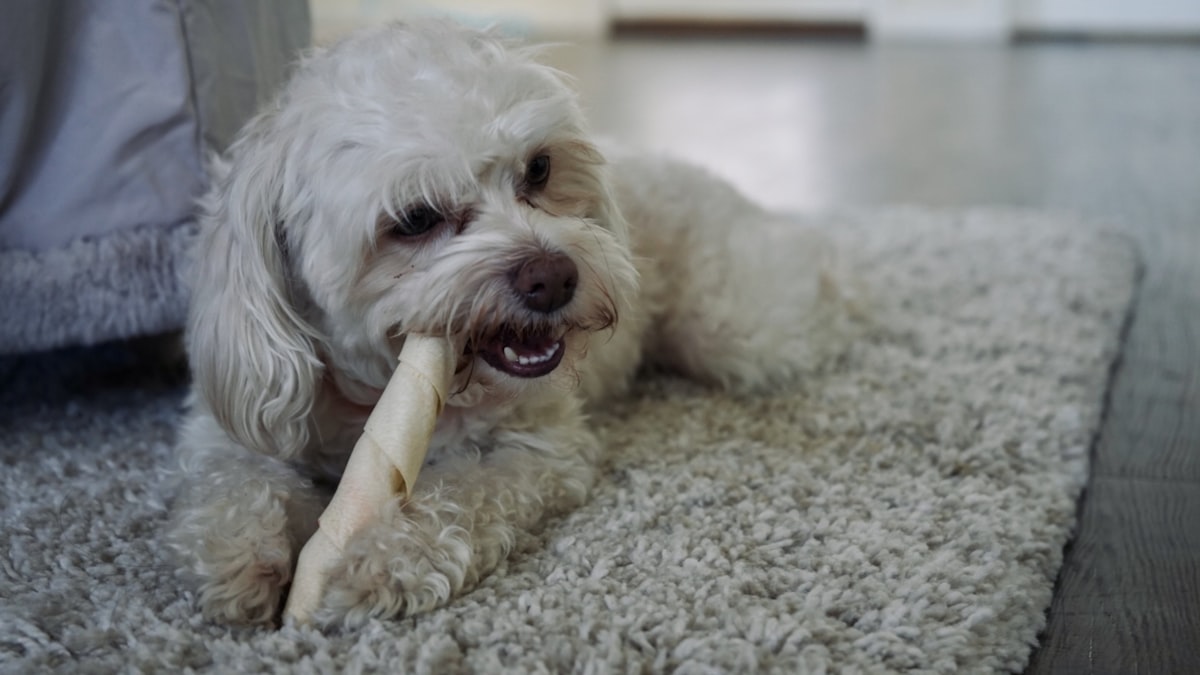
Daily: Brush your dog’s teeth (or at minimum, 3-4 times per week). Add a VOHC-approved water additive to their drinking water. Offer one appropriately sized dental chew after meals.
Weekly: Do a visual mouth inspection. Lift your dog’s lips and check for redness, swelling, broken teeth, or unusual growths. Note any changes in breath odor. Check that gums are pink (not red, white, or blue) and that teeth show no new discoloration.
Monthly: Evaluate your dental products. Are chews the right size? Is your toothbrush getting worn? Does your dog still enjoy the toothpaste flavor, or should you switch? Keeping things fresh helps maintain your dog’s cooperation.
Annually: Schedule a veterinary dental exam. Your vet will assess the overall condition of your dog’s mouth, recommend professional cleaning if needed, and catch any issues that home care alone can’t address.
Protect Your Dog’s Paws Too
Dental health is just one part of total dog care. Don’t forget about protecting your pup’s paws from hot pavement, ice, and rough terrain. A great pair of dog boots keeps those feet healthy year-round.
Shop Dog Accessories at Hawa Pets
What to Feed for Better Dental Health
Diet plays a surprisingly significant role in dental health. Dry kibble is generally better for teeth than wet food because the crunching action provides mild abrasion. However, standard kibble alone isn’t enough to keep teeth clean — the pieces are usually too small to create meaningful scrubbing action.
Certain foods can actively support dental health. Raw carrots make excellent low-calorie dental snacks — the fibrous texture helps scrub teeth naturally. Apple slices (without seeds, which contain cyanide compounds) provide similar benefits. Frozen blueberries are packed with antioxidants that support gum health.
Foods to avoid for dental health include sugary treats, soft sticky foods that cling to teeth, and any human food containing xylitol (an artificial sweetener found in many sugar-free products). Xylitol is extremely toxic to dogs and can be fatal even in small amounts. Always check ingredient labels before sharing human snacks with your dog.
Starting Dental Care Early With Puppies
Starting dental care early gives your puppy the best chance at lifelong oral health. Begin handling your puppy’s mouth from day one — lift their lips, touch their gums, peek at their teeth. Make it part of everyday play so they grow up accepting mouth handling as completely normal. Introduce a soft finger brush with puppy toothpaste around 8-10 weeks old, and graduate to a regular toothbrush as adult teeth come in around 6 months.
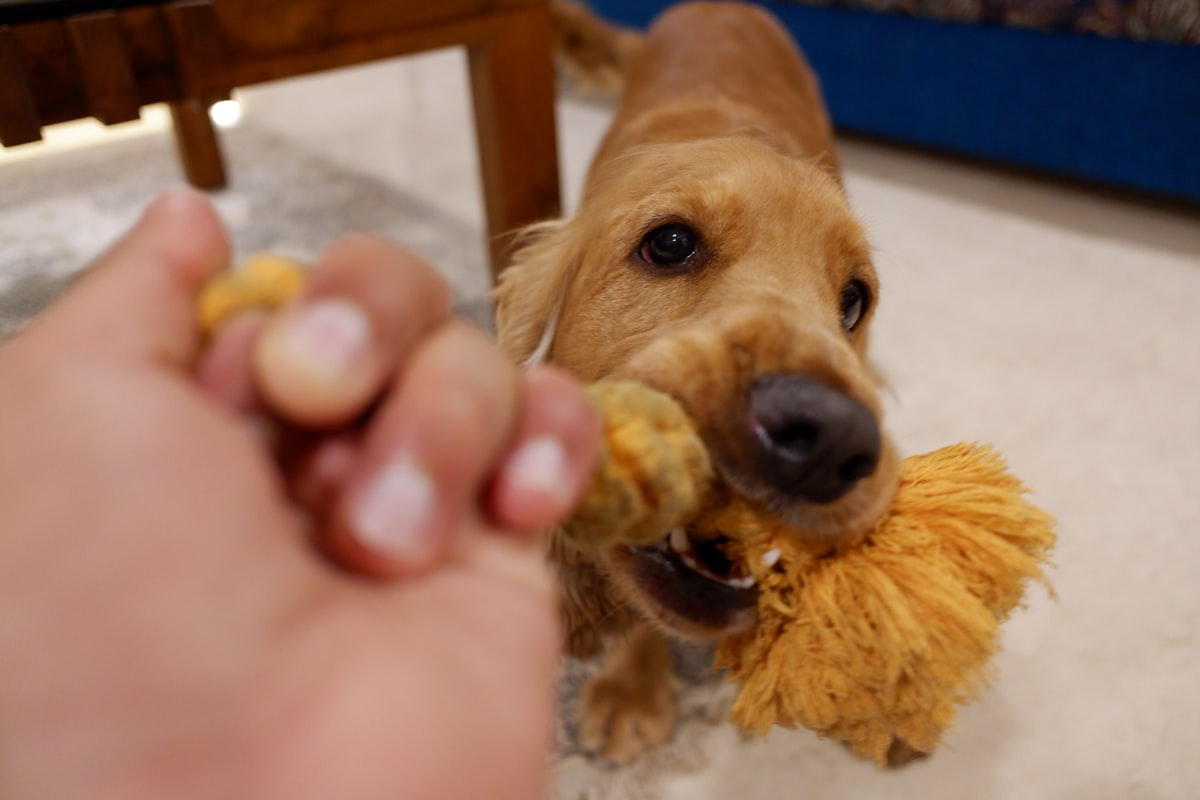
Monitor your puppy’s teething process closely between 3 and 7 months of age. During this time, puppies lose their 28 baby teeth and grow 42 adult teeth. Provide plenty of appropriate chew toys to soothe sore gums and redirect chewing away from your furniture. Frozen washcloths, rubber Kong toys, and rope toys are all excellent teething options.
Watch for retained baby teeth, which are particularly common in toy breeds. If a baby tooth hasn’t fallen out by the time the adult tooth starts emerging beside it, talk to your vet. Retained teeth create tight spaces that trap debris and accelerate plaque formation. Most vets recommend removing retained baby teeth during spay or neuter surgery to avoid an additional anesthetic event.
Your dog depends on you for every aspect of their health, and dental care deserves just as much attention as nutrition, exercise, and regular vet visits. A few minutes of daily brushing, smart treat choices, and annual dental checkups can add years to your dog’s life — and save you thousands in emergency dental procedures. Start today, stay consistent, and your dog’s healthy smile will be the proof that your effort is worth it.