Dog Exercise Tips | Complete Guide to Keeping Your Pup Active
Regular exercise is essential for every dog’s health and happiness. Dog exercise tips can transform your pet from anxious and destructive to calm and well-behaved. Whether you have a high-energy Border Collie or a laid-back French Bulldog, proper physical activity is crucial for optimal health.
Why Exercise is Critical for Dog Health
Physical fitness directly impacts your dog’s well-being. Dogs need regular cardiovascular activity to maintain healthy weight, strong muscles, and optimal organ function. Without adequate exercise, dogs become prone to obesity, affecting 56% of U.S. dogs according to the Association for Pet Obesity Prevention.
Mental stimulation through exercise prevents behavioral problems. Bored dogs develop destructive habits like excessive barking, digging, or chewing furniture. Dogs receiving appropriate physical activity are typically calmer and more obedient at home.
Age-Appropriate Exercise Guidelines
Puppies (8 weeks to 6 months) need shorter, frequent exercise sessions. The general rule: 5 minutes of exercise per month of age, twice daily.
Adult dogs (1-7 years) require 30 minutes to 2 hours of daily exercise, depending on breed and energy level. Working breeds need significantly more activity than companion breeds.
Senior dogs (7+ years) benefit from gentler, low-impact activities. Swimming and slow-paced walks maintain mobility without stressing aging joints.
Essential Dog Exercise Gear
Before starting any exercise routine, ensure proper gear. Our Striped Dog Life Jacket provides water safety, while Winter Dog Snow Boots protect paws during cold-weather exercise. Browse Our Exercise Gear
Best Types of Dog Exercise Activities
1. Walking and Jogging
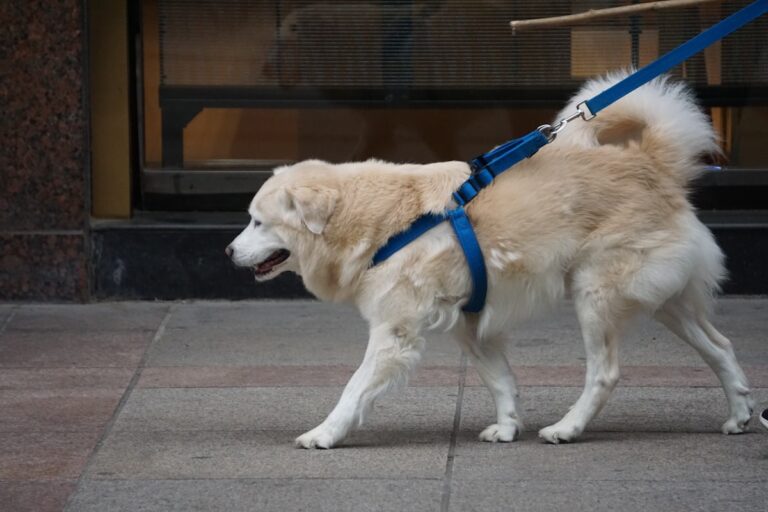
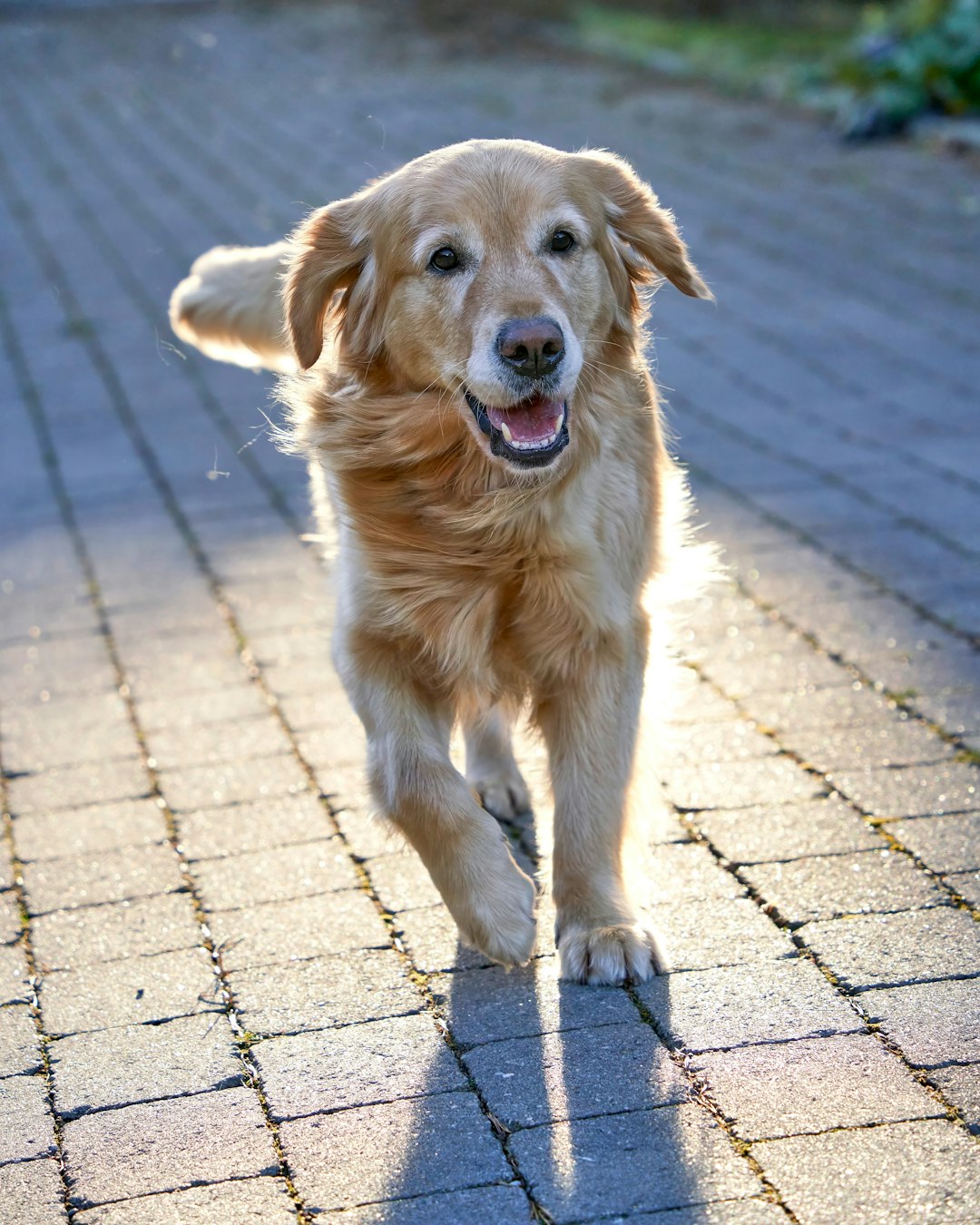
Walking forms the foundation of any dog exercise program. Start with 15-20 minute walks for sedentary dogs, gradually increasing duration and intensity. Leash training is essential for safe walks—use a properly fitted harness to prevent neck strain.
2. Swimming
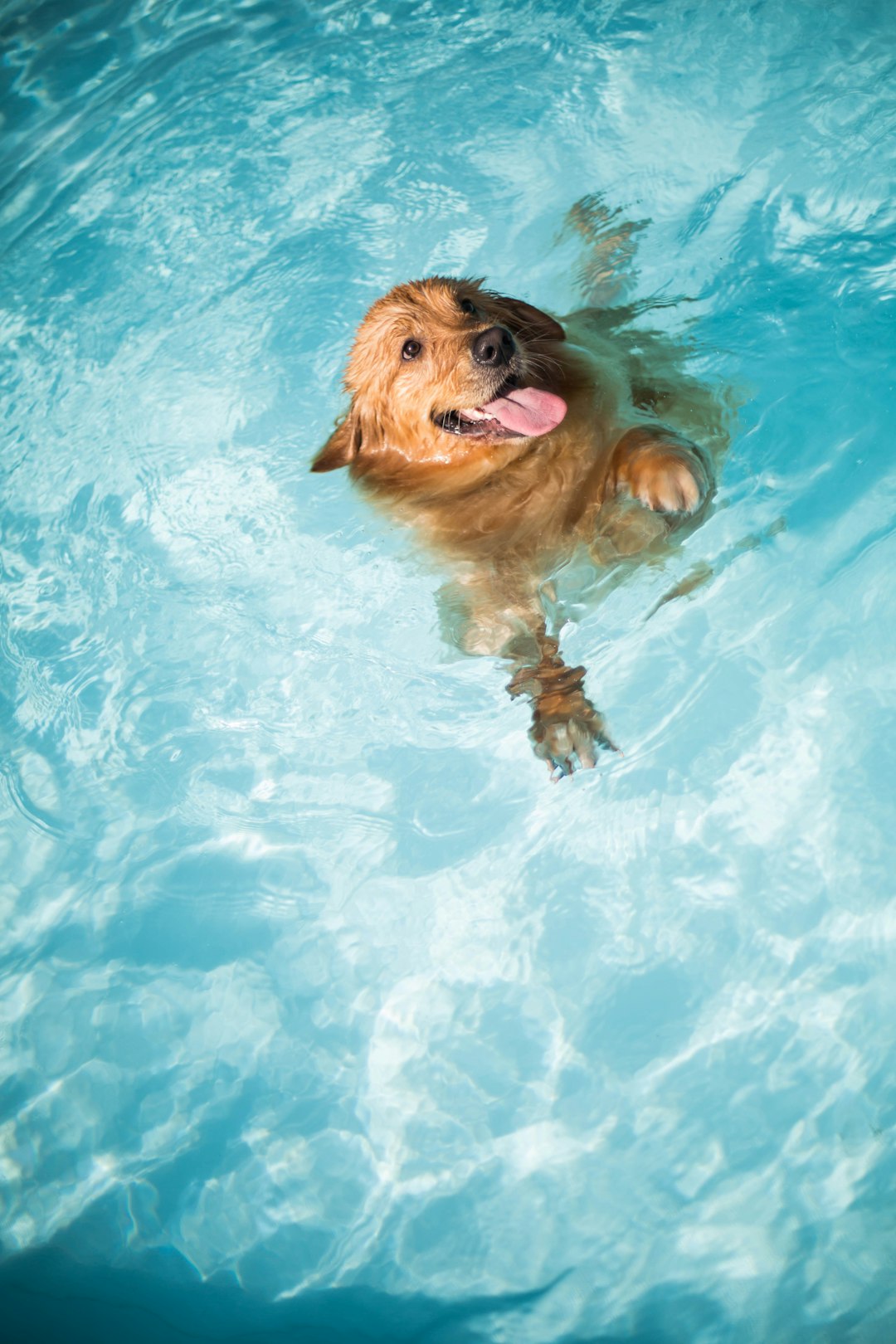
Swimming is the ultimate low-impact exercise for dogs, particularly beneficial for senior dogs, overweight pets, or those recovering from injury. Water buoyancy reduces joint stress while providing excellent cardiovascular conditioning.
3. Fetch and Frisbee
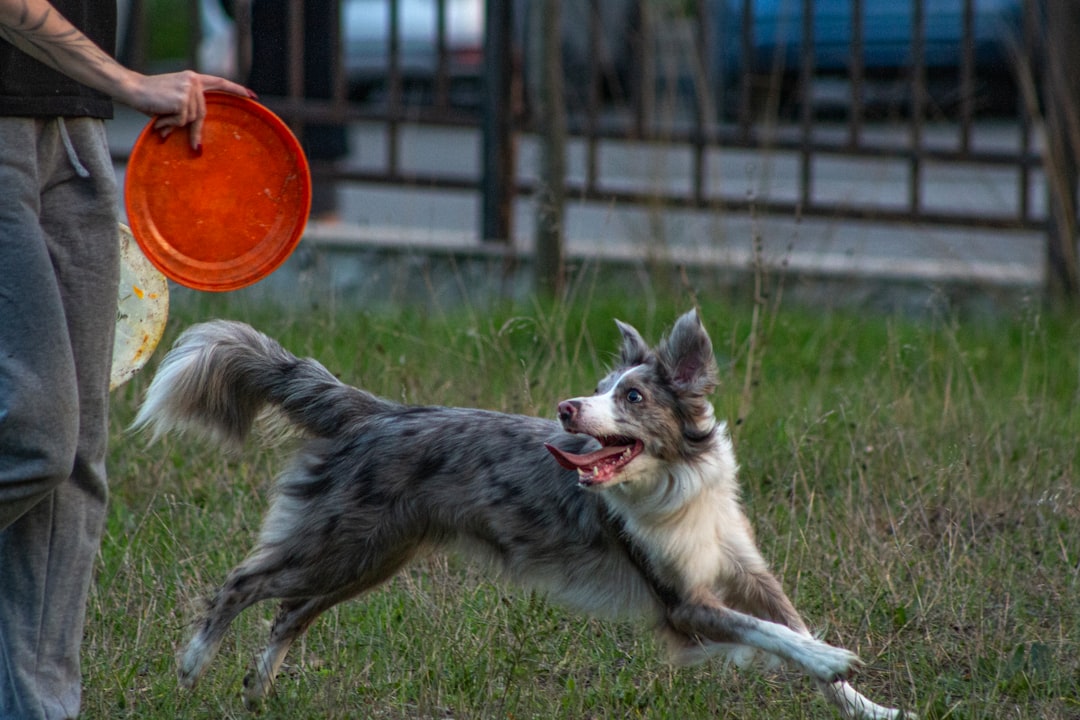
Interactive play like fetch provides both physical exercise and mental stimulation. It strengthens the human-animal bond while exercising dogs with high prey drive.
4. Agility Training
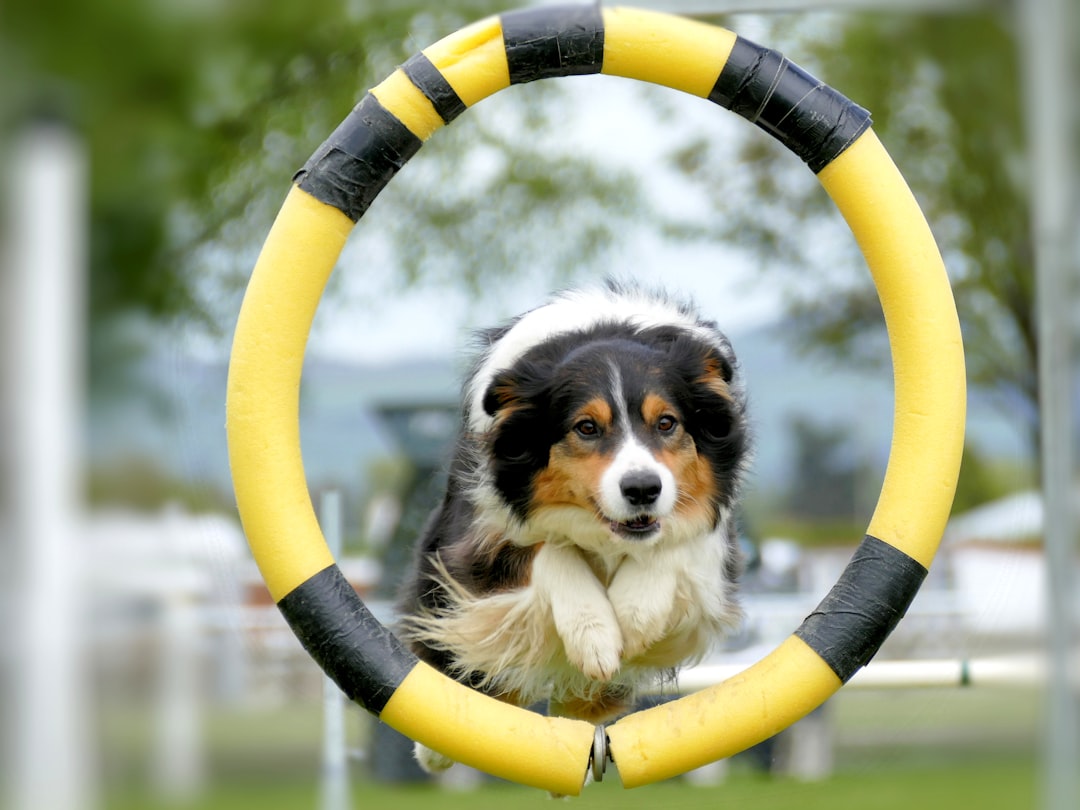
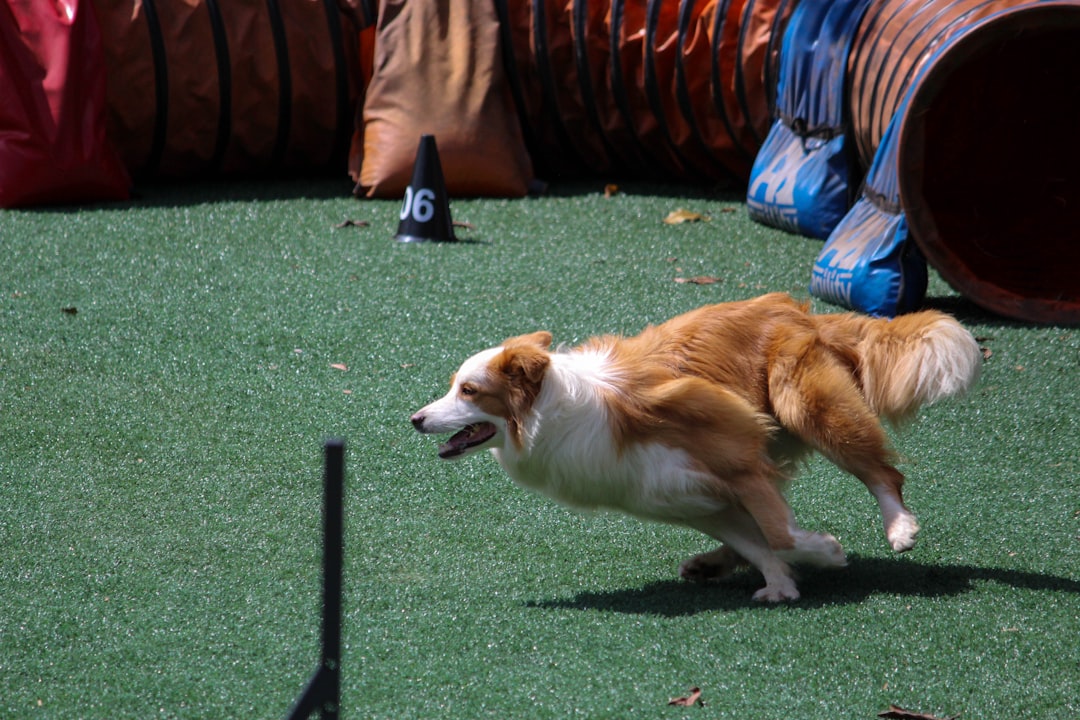
Agility courses offer comprehensive exercise challenging both body and mind. Dogs navigate obstacles like jumps, tunnels, and weave poles, improving coordination, confidence, and problem-solving skills.
5. Hiking and Trail Running
Outdoor adventures provide incredible enrichment. Hiking trails offer varied terrain, interesting scents, and natural obstacles engaging all senses.
Weather Protection for Active Dogs
Keep dogs comfortable during exercise in all conditions. Our Warm Cotton-Padded Dog Coat keeps smaller dogs warm during winter walks, while Waterproof Dog Rain Boots protect paws from hot pavement or rough terrain. Shop Weather Gear
Breed-Specific Exercise Requirements
High-Energy Breeds
Working and herding breeds like Border Collies, Australian Shepherds, and Belgian Malinois need 2+ hours of daily exercise. These dogs require both physical and mental challenges to stay balanced.
Lower-Energy Breeds
Toy breeds like Chihuahuas, Pugs, and French Bulldogs need 30-45 minutes of daily exercise. Indoor play can meet much of their exercise needs.
Exercise Safety Considerations
Weather Awareness
Hot weather poses serious risks. Exercise during cooler morning or evening hours. Watch for overheating signs: excessive panting, drooling, or breathing difficulty.
Cold weather requires precautions for short-haired breeds and seniors. Protective clothing and paw protection become essential in freezing conditions.
Surface and Hydration
Hot pavement can burn paw pads. Test surfaces with your hand—if too hot for your palm, it’s too hot for paws. Stick to grass or shaded areas.
Always bring water for both you and your dog. Dogs need frequent water breaks and can’t regulate body temperature as efficiently as humans.
Post-Exercise Recovery Gear
After intense sessions, dogs might need extra comfort. Our Waterproof Reflective Dog Pants provide coverage for sensitive skin, while proper paw protection prevents injuries. View Recovery Products
Creating an Exercise Schedule
Morning exercise should be energizing but not exhausting. A 20-30 minute walk helps dogs start positively.
Evening exercise can be more intensive, burning accumulated energy. Ideal for longer hikes, swimming, or agility training.
Incorporate different activities:
– Monday: Long walk or hike
– Tuesday: Swimming or water play
– Wednesday: Agility training
– Thursday: Fetch games
– Friday: Dog park socialization
Signs Your Dog Needs More Exercise
Behavioral indicators:
– Excessive barking or whining
– Destructive chewing or digging
– Restlessness or pacing
– Attention-seeking behaviors
Physical signs:
– Weight gain
– Loss of muscle tone
– Decreased stamina
– Reluctance to play
When to Consult Your Veterinarian
Discuss exercise plans if your dog:
– Is overweight or sedentary
– Has joint problems
– Shows breathing difficulties
– Is recovering from injury
– Is a senior (7+ years)
Veterinarians provide breed-specific recommendations and identify health concerns affecting exercise capacity.
Exercise Recommendations by Breed Size
Understanding your dog’s breed size is essential for tailoring an appropriate exercise plan. Different size categories have vastly different energy levels, physical capabilities, and exercise tolerances that every pet owner should understand.
Small Breeds (Under 20 Pounds)
Small dogs like Chihuahuas, Maltese, Yorkshire Terriers, and Pomeranians typically need 30 to 45 minutes of daily exercise. Despite their compact size, many small breeds are surprisingly energetic and benefit from short, engaging play sessions throughout the day. Keep walks to 15-20 minute intervals to avoid overexertion, and choose routes with smooth surfaces to protect their small paw pads.
Indoor games work particularly well for small breeds. Hallway fetch, hide-and-seek with treats, and small agility setups can provide excellent stimulation without requiring a large outdoor space.
Medium Breeds (20-60 Pounds)
Medium-sized dogs like Beagles, Cocker Spaniels, Australian Cattle Dogs, and Border Collies require 45 minutes to 2 hours of daily exercise depending on their breed’s working heritage. Sporting and herding breeds on the higher end of this range need structured activities that challenge both their bodies and minds.
These dogs excel at activities like jogging, hiking, swimming, and organized dog sports such as agility, flyball, and dock diving. A mix of leash walks and off-leash play in secure areas provides the best balance of controlled and free exercise.
Large and Giant Breeds (60+ Pounds)
Large breeds like Labrador Retrievers, German Shepherds, Golden Retrievers, and Great Danes need careful exercise management. While they require substantial activity — typically 1 to 2 hours daily — their joints are more susceptible to damage, especially during growth phases. Giant breed puppies should avoid high-impact activities like jumping and extended running until their growth plates close, usually around 18 to 24 months of age.
For adult large breeds, controlled activities like leash walks, swimming, and moderate hiking provide excellent exercise without excessive joint stress. According to the American Kennel Club’s exercise guidelines, large breed dogs benefit most from consistent moderate exercise rather than sporadic intense sessions.
Age-Appropriate Exercise for Every Life Stage
Your dog’s exercise needs change dramatically throughout their lifetime. Tailoring activity levels to your dog’s life stage prevents injuries and promotes healthy development at every age.
Puppies (8 Weeks to 12 Months)
Puppy exercise should be gentle and brief. The widely accepted guideline is 5 minutes of structured exercise per month of age, performed twice daily. A 4-month-old puppy, for example, should get about 20 minutes of walking or structured play per session. Puppies can play freely in safe environments, but sustained forced exercise like long jogs or extended hikes should be avoided.
Puppy bones and joints are still developing, with growth plates remaining open until 12 to 18 months depending on breed size. Over-exercising puppies can lead to developmental orthopedic diseases, joint problems, and long-term mobility issues.
Adult Dogs (1-7 Years)
Adult dogs are in their physical prime and can handle the most diverse and intensive exercise programs. This is the ideal time to explore activities like running, hiking, swimming, agility training, and competitive dog sports. Establish a consistent routine that includes both aerobic exercise and strength-building activities.
Monitor your adult dog’s weight and adjust exercise intensity accordingly. Dogs carrying excess weight need gradual increases in activity combined with dietary management, while athletic dogs may thrive with more challenging workouts.
Senior Dogs (7+ Years)
Aging dogs still need regular exercise, but the focus shifts to maintaining mobility, preventing stiffness, and supporting cognitive function. Shorter, more frequent walks are preferable to long treks. Low-impact activities like gentle swimming, slow-paced walks on soft surfaces, and controlled indoor play help keep senior dogs active without aggravating arthritis or joint pain.
Watch for signs of discomfort during exercise — limping, reluctance to move, stiffness after rest, or heavy panting. The ASPCA’s senior dog care guidelines recommend regular veterinary check-ups to monitor joint health and adjust exercise plans as your dog ages.
Indoor Exercises for Rainy Days
Bad weather doesn’t mean your dog’s exercise routine has to stop. Indoor activities can provide surprisingly effective physical and mental workouts that keep your dog happy and tired even when outdoor conditions are unfavorable.
Staircase Workouts
If your home has stairs, they become an excellent exercise tool. Toss a toy or treat to the top of the stairs and let your dog retrieve it, then toss another one down. The climbing motion engages different muscle groups than flat walking and provides a quick cardiovascular boost. Limit stair exercises for puppies and senior dogs to prevent joint strain.
Indoor Fetch and Tug-of-War
A hallway or large room provides enough space for modified fetch games. Use soft toys to prevent damage to furniture and flooring. Tug-of-war is another excellent indoor exercise that builds jaw strength, engages core muscles, and provides a bonding opportunity. Let your dog win occasionally to keep them motivated and confident.
Obstacle Courses
Create a DIY indoor agility course using household items — chairs for weaving, broomsticks across buckets for jumps, blankets draped over chairs for tunnels. Guide your dog through the course with treats, gradually increasing speed and complexity. This combines physical exercise with problem-solving skills.
Hide and Seek
Have someone hold your dog while you hide in another room, then call your dog to find you. This game engages their nose, brain, and body simultaneously. You can also hide treats around the house for a scent-tracking exercise that keeps dogs busy for extended periods.
Swimming and Water Activities for Dogs
Water exercise is one of the most beneficial forms of physical activity for dogs. Swimming is a full-body workout that builds cardiovascular fitness, strengthens muscles, and improves joint flexibility — all with minimal impact on bones and joints.
Getting Your Dog Comfortable with Water
Not all dogs are natural swimmers. Introduce water gradually, starting with shallow wading areas where your dog can touch the bottom. Never force a dog into deep water. Use positive reinforcement — treats, praise, and toys — to build positive associations with water. Some breeds like Labrador Retrievers and Portuguese Water Dogs take to swimming naturally, while breeds like Bulldogs and Dachshunds may need extra patience and always require supervision due to their body structure.
Swimming Safety
Always supervise your dog during water activities. Use a properly fitted dog life jacket, especially for beginners, senior dogs, or breeds not built for swimming. Rinse your dog with fresh water after swimming in chlorinated pools or saltwater to prevent skin irritation. Watch for signs of fatigue — dogs can overexert themselves in water because the activity feels less strenuous than it actually is.
Water Games and Dock Diving
Dock diving has become one of the fastest-growing competitive dog sports. Dogs run down a dock and leap into a pool, competing for distance or height. Even if you don’t compete, practicing dock jumping at dog-friendly pools or lakes provides incredible exercise and builds confidence. Water fetch with floating toys combines swimming with retrieval instincts for a highly engaging workout.
Mental Exercise and Enrichment
Physical exercise alone isn’t enough to tire out a dog. Mental stimulation is equally important for preventing boredom, reducing anxiety, and promoting overall well-being. A mentally stimulated dog is a calmer, more well-adjusted companion.
Puzzle Toys and Food Dispensers
Interactive puzzle toys challenge dogs to work for their food or treats, engaging problem-solving skills and extending mealtimes. Kong toys filled with frozen peanut butter, snuffle mats, and multi-step puzzle feeders provide excellent cognitive workouts. Start with simpler puzzles and progress to more challenging ones as your dog’s skills improve.
Training Sessions as Exercise
Short training sessions — 10 to 15 minutes of learning new commands or tricks — provide intense mental stimulation. Teaching complex behaviors like “find it” (scent work), “spin,” “shake,” or multi-step tricks engages your dog’s brain while reinforcing obedience. Training sessions also strengthen the bond between you and your pet.
Scent Work and Nose Games
Dogs experience the world primarily through their noses. Scent work activities — hiding treats, playing “which hand” games, or formal nose work training — provide deep mental engagement. Twenty minutes of scent work can tire a dog as effectively as an hour of walking, making it an excellent option for dogs with physical limitations or during recovery from injury.
Socialization as Enrichment
Supervised playdates with compatible dogs, visits to dog parks, and exposure to new environments provide rich mental stimulation. Social interaction teaches dogs communication skills, impulse control, and confidence. Ensure all social encounters are positive and monitor play intensity to prevent conflicts.
Signs of Overexertion in Dogs
Knowing when your dog has had enough exercise is just as important as providing adequate activity. Dogs — especially eager-to-please breeds — will often push past their physical limits if their owner keeps going. Learn to recognize these warning signs.
Immediate Warning Signs
Stop exercise immediately if you notice excessive panting that doesn’t slow down with rest, drooling more than usual, glazed or unfocused eyes, wobbling or stumbling, lying down and refusing to move, or a dark red or purple tongue. These signs may indicate heat exhaustion, dehydration, or cardiovascular distress. Move your dog to a cool, shaded area, offer water, and seek veterinary attention if symptoms persist.
Delayed Signs of Overexertion
Some overexertion symptoms appear hours after exercise. Watch for excessive stiffness or soreness the following day, limping or favoring a leg, sleeping much more than usual, loss of appetite after exercise, or swollen or tender joints. If your dog consistently shows these signs after exercise sessions, reduce intensity and duration, and consult your veterinarian for a personalized exercise plan.
Breed-Specific Vulnerabilities
Brachycephalic breeds (flat-faced dogs like Pugs, Bulldogs, and Boston Terriers) are especially prone to overheating and breathing difficulties during exercise. These breeds should avoid intense activity in warm weather and always have access to shade and water. Short, frequent exercise sessions work best for flat-faced breeds.
Dog Exercise Video Guide
Sometimes seeing exercises in action helps you plan your dog’s routine. This video demonstrates fun and effective exercises you can do with your dog at any fitness level:
Exercise Recommendations by Breed Size
Understanding your dog’s breed size is essential for tailoring an appropriate exercise plan. Different size categories have vastly different energy levels, physical capabilities, and exercise tolerances.
Small Breeds (Under 20 Pounds)
Small dogs like Chihuahuas, Maltese, Yorkshire Terriers, and Pomeranians typically need 30 to 45 minutes of daily exercise. Despite their compact size, many small breeds are surprisingly energetic and benefit from short, engaging play sessions throughout the day. Keep walks to 15-20 minute intervals to avoid overexertion, and choose routes with smooth surfaces to protect their small paw pads.
Indoor games work particularly well for small breeds. Hallway fetch, hide-and-seek with treats, and small agility setups can provide excellent stimulation without requiring a large outdoor space.
Medium Breeds (20-60 Pounds)
Medium-sized dogs like Beagles, Cocker Spaniels, Australian Cattle Dogs, and Border Collies require 45 minutes to 2 hours of daily exercise depending on their breed’s working heritage. Sporting and herding breeds on the higher end of this range need structured activities that challenge both their bodies and minds.
These dogs excel at activities like jogging, hiking, swimming, and organized dog sports such as agility, flyball, and dock diving. A mix of leash walks and off-leash play in secure areas provides the best balance of controlled and free exercise.
Large and Giant Breeds (60+ Pounds)
Large breeds like Labrador Retrievers, German Shepherds, Golden Retrievers, and Great Danes need careful exercise management. While they require substantial activity — typically 1 to 2 hours daily — their joints are more susceptible to damage, especially during growth phases. Giant breed puppies should avoid high-impact activities like jumping and extended running until their growth plates close, usually around 18 to 24 months of age.
For adult large breeds, controlled activities like leash walks, swimming, and moderate hiking provide excellent exercise without excessive joint stress. According to the American Kennel Club’s exercise guidelines, large breed dogs benefit most from consistent moderate exercise rather than sporadic intense sessions.
Age-Appropriate Exercise for Every Life Stage
Your dog’s exercise needs change dramatically throughout their lifetime. Tailoring activity levels to your dog’s life stage prevents injuries and promotes healthy development at every age.
Puppies (8 Weeks to 12 Months)
Puppy exercise should be gentle and brief. The widely accepted guideline is 5 minutes of structured exercise per month of age, performed twice daily. A 4-month-old puppy, for example, should get about 20 minutes of walking or structured play per session. Puppies can play freely in safe environments, but sustained forced exercise like long jogs or extended hikes should be avoided.
Puppy bones and joints are still developing, with growth plates remaining open until 12 to 18 months depending on breed size. Over-exercising puppies can lead to developmental orthopedic diseases, joint problems, and long-term mobility issues.
Adult Dogs (1-7 Years)
Adult dogs are in their physical prime and can handle the most diverse and intensive exercise programs. This is the ideal time to explore activities like running, hiking, swimming, agility training, and competitive dog sports. Establish a consistent routine that includes both aerobic exercise and strength-building activities.
Senior Dogs (7+ Years)
Aging dogs still need regular exercise, but the focus shifts to maintaining mobility, preventing stiffness, and supporting cognitive function. Shorter, more frequent walks are preferable to long treks. Low-impact activities like gentle swimming, slow-paced walks on soft surfaces, and controlled indoor play help keep senior dogs active without aggravating arthritis or joint pain.
Watch for signs of discomfort during exercise — limping, reluctance to move, stiffness after rest, or heavy panting. The ASPCA’s dog care guidelines recommend regular veterinary check-ups to monitor joint health and adjust exercise plans as your dog ages.
Indoor Exercises for Rainy Days
Bad weather doesn’t mean your dog’s exercise routine has to stop. Indoor activities can provide surprisingly effective physical and mental workouts that keep your dog happy and tired even when outdoor conditions are unfavorable.
Staircase Workouts
If your home has stairs, they become an excellent exercise tool. Toss a toy or treat to the top of the stairs and let your dog retrieve it, then toss another one down. The climbing motion engages different muscle groups than flat walking and provides a quick cardiovascular boost. Limit stair exercises for puppies and senior dogs to prevent joint strain.
Indoor Fetch and Tug-of-War
A hallway or large room provides enough space for modified fetch games. Use soft toys to prevent damage to furniture and flooring. Tug-of-war is another excellent indoor exercise that builds jaw strength, engages core muscles, and provides a bonding opportunity. Let your dog win occasionally to keep them motivated and confident.
Obstacle Courses
Create a DIY indoor agility course using household items — chairs for weaving, broomsticks across buckets for jumps, blankets draped over chairs for tunnels. Guide your dog through the course with treats, gradually increasing speed and complexity. This combines physical exercise with problem-solving skills.
Hide and Seek
Have someone hold your dog while you hide in another room, then call your dog to find you. This game engages their nose, brain, and body simultaneously. You can also hide treats around the house for a scent-tracking exercise that keeps dogs busy for extended periods.
Swimming and Water Activities for Dogs
Water exercise is one of the most beneficial forms of physical activity for dogs. Swimming is a full-body workout that builds cardiovascular fitness, strengthens muscles, and improves joint flexibility — all with minimal impact on bones and joints.
Getting Your Dog Comfortable with Water
Not all dogs are natural swimmers. Introduce water gradually, starting with shallow wading areas where your dog can touch the bottom. Never force a dog into deep water. Use positive reinforcement — treats, praise, and toys — to build positive associations with water. Some breeds like Labrador Retrievers and Portuguese Water Dogs take to swimming naturally, while breeds like Bulldogs and Dachshunds may need extra patience and always require supervision due to their body structure.
Swimming Safety
Always supervise your dog during water activities. Use a properly fitted dog life jacket, especially for beginners, senior dogs, or breeds not built for swimming. Rinse your dog with fresh water after swimming in chlorinated pools or saltwater to prevent skin irritation. Watch for signs of fatigue — dogs can overexert themselves in water because the activity feels less strenuous than it actually is.
Mental Exercise and Enrichment
Physical exercise alone isn’t enough to tire out a dog. Mental stimulation is equally important for preventing boredom, reducing anxiety, and promoting overall well-being. A mentally stimulated dog is a calmer, more well-adjusted companion.
Puzzle Toys and Food Dispensers
Interactive puzzle toys challenge dogs to work for their food or treats, engaging problem-solving skills and extending mealtimes. Kong toys filled with frozen peanut butter, snuffle mats, and multi-step puzzle feeders provide excellent cognitive workouts. Start with simpler puzzles and progress to more challenging ones as your dog’s skills improve.
Training Sessions as Exercise
Short training sessions — 10 to 15 minutes of learning new commands or tricks — provide intense mental stimulation. Teaching complex behaviors like “find it,” “spin,” “shake,” or multi-step tricks engages your dog’s brain while reinforcing obedience. Training sessions also strengthen the bond between you and your pet.
Scent Work and Nose Games
Dogs experience the world primarily through their noses. Scent work activities — hiding treats, playing “which hand” games, or formal nose work training — provide deep mental engagement. Twenty minutes of scent work can tire a dog as effectively as an hour of walking, making it an excellent option for dogs with physical limitations or during recovery from injury.
Signs of Overexertion in Dogs
Knowing when your dog has had enough exercise is just as important as providing adequate activity. Dogs — especially eager-to-please breeds — will often push past their physical limits if their owner keeps going. Learn to recognize these warning signs.
Immediate Warning Signs
Stop exercise immediately if you notice excessive panting that doesn’t slow down with rest, drooling more than usual, glazed or unfocused eyes, wobbling or stumbling, lying down and refusing to move, or a dark red or purple tongue. These signs may indicate heat exhaustion, dehydration, or cardiovascular distress. Move your dog to a cool, shaded area, offer water, and seek veterinary attention if symptoms persist.
Delayed Signs of Overexertion
Some overexertion symptoms appear hours after exercise. Watch for excessive stiffness or soreness the following day, limping or favoring a leg, sleeping much more than usual, loss of appetite after exercise, or swollen or tender joints. If your dog consistently shows these signs after exercise sessions, reduce intensity and duration, and consult your veterinarian.
Breed-Specific Vulnerabilities
Brachycephalic breeds (flat-faced dogs like Pugs, Bulldogs, and Boston Terriers) are especially prone to overheating and breathing difficulties during exercise. These breeds should avoid intense activity in warm weather and always have access to shade and water. Short, frequent exercise sessions work best for flat-faced breeds.
Dog Exercise Video Guide
Sometimes seeing exercises in action helps you plan your dog’s routine. This video demonstrates fun and effective exercises you can do with your dog at any fitness level:
Building Long-Term Exercise Habits
Consistency is key to successful routines. Start with manageable goals and gradually increase intensity. Make exercise enjoyable by varying activities and celebrating progress.
Regular exercise is one of the best investments in your dog’s long-term health and happiness. With proper planning, safety awareness, and gradual progression, help your furry friend maintain optimal fitness throughout their life.
Ready to start your dog’s fitness journey? Explore our exercise gear collection for safe, comfortable workouts!
Exercise By Breed Size: What Your Dog Really Needs
Not all dogs need the same amount of exercise. A Border Collie and a Bulldog live in completely different worlds when it comes to activity requirements. Understanding your dog’s breed-specific needs prevents both under-exercising and dangerous over-exertion.
Small breeds like Chihuahuas, Pomeranians, and Yorkies need 20 to 30 minutes of daily activity. Short walks around the block and brief indoor play sessions keep them healthy without overwhelming their tiny frames. Their small legs cover less ground per step, so what feels like a casual stroll to you might be a real workout for them.
Medium breeds such as Beagles, Cocker Spaniels, and Australian Shepherds thrive on 45 to 60 minutes of daily exercise. These dogs were often bred for specific jobs — hunting, herding, or retrieving — and their bodies crave that purposeful movement. A combination of walks, fetch, and training games hits the sweet spot.
Large and giant breeds including Labrador Retrievers, German Shepherds, and Great Danes need 60 to 90 minutes of activity spread throughout the day. However, giant breeds like Mastiffs and Great Danes actually need less intense exercise than many people expect. Their massive frames are prone to joint issues, making moderate walking preferable to high-impact running.
Age-Appropriate Exercise for Every Life Stage
Puppies under six months should follow the five-minute rule: five minutes of structured exercise per month of age, twice daily. A three-month-old puppy gets two 15-minute sessions. Overdoing it during growth phases causes lasting joint and bone damage that shows up years later.
Adult dogs between one and seven years old hit their exercise prime. This is when you can push intensity and duration to match their breed requirements. Introduce new activities like agility courses, hiking trails, or swimming to keep things interesting and challenging.
Senior dogs over seven years old still need daily movement but at reduced intensity. Shorter, more frequent walks replace marathon sessions. Swimming becomes especially valuable for aging dogs because it provides resistance training without joint stress. Watch for signs of arthritis or fatigue and adjust accordingly.
Indoor Exercise Ideas for Rainy Days
Bad weather doesn’t mean your dog gets a pass on exercise. Indoor activities keep both body and mind engaged when going outside isn’t practical.
Stair workouts turn your home into a gym. Toss a toy up the stairs and let your dog retrieve it. Five to ten repetitions give a surprisingly intense cardio workout. Skip this one if your dog has hip or knee issues.
Hide and seek combines mental stimulation with physical activity. Have your dog stay while you hide in another room, then call them. The searching and running builds both brain power and endurance. Most dogs absolutely love this game once they understand the rules.
Tug-of-war provides a full-body workout in a small space. Use a sturdy rope toy and let your dog pull, shake, and wrestle. Contrary to outdated advice, tug doesn’t cause aggression — it actually teaches impulse control when you incorporate “drop it” commands.
Puzzle feeders and snuffle mats make mealtime into a 20-minute mental workout. Scatter kibble in a snuffle mat or load a Kong with frozen peanut butter. Mental exercise tires dogs just as effectively as physical activity — sometimes even more so.
Swimming and Water Activities
Swimming ranks as the single best exercise for dogs of all ages and sizes. It works every major muscle group while placing zero stress on joints. Dogs with hip dysplasia, arthritis, or recovering from surgery benefit enormously from regular swim sessions.
Not every dog takes to water naturally. Introduce swimming gradually in shallow, calm water. Use a doggy life jacket for safety and confidence. Never force a reluctant dog into deep water — some breeds with deep chests and short legs (like Bulldogs and Dachshunds) are not natural swimmers and may need permanent flotation support.
Backyard splash pools, sprinkler runs, and dock diving classes offer water-based alternatives when lakes and beaches aren’t accessible. Even wading through shallow water provides resistance training that strengthens muscles more effectively than walking on dry land.
Signs Your Dog Needs More (or Less) Exercise
Your dog communicates their exercise needs through behavior. Destructive behavior — chewing furniture, digging holes, barking excessively — almost always signals insufficient physical or mental stimulation. Before hiring a trainer for “behavior problems,” try doubling your dog’s daily exercise for two weeks and see what changes.
On the flip side, watch for signs of over-exertion: excessive panting that doesn’t resolve within 10 minutes, limping, reluctance to move, and heat stroke symptoms like drooling and disorientation. Brachycephalic breeds (Pugs, French Bulldogs, Boston Terriers) overheat faster than other dogs and need careful monitoring during any activity.