Dog Hoodie vs Sweater: Which Is Better for Your Pup?
Dog hoodie or dog sweater — which one does your pup actually need? Both keep dogs warm, but they serve different purposes depending on your dog’s breed, activity level, and where you live. This guide breaks down every difference between hoodies and sweaters so you can pick the right one (or grab both).
Key Differences at a Glance
| Feature | Dog Hoodie | Dog Sweater |
|---|---|---|
| Head Coverage | Hood available | No hood |
| Warmth Level | Moderate to High | Light to Moderate |
| Material | Usually fleece/cotton blend | Knit, wool, or acrylic |
| Best For | Active dogs, outdoor play | Indoor warmth, casual wear |
| Style | Sporty, casual | Classic, dressy |
| Ease of Cleaning | Usually machine washable | May require gentle care |
| Price Range | $12–$35 | $10–$40 |
| Durability | High (stretchy fabric) | Moderate (knit can snag) |
The table above covers the basics, but the real differences show up in daily use. Let’s dig deeper into when each type shines.
When to Choose a Dog Hoodie
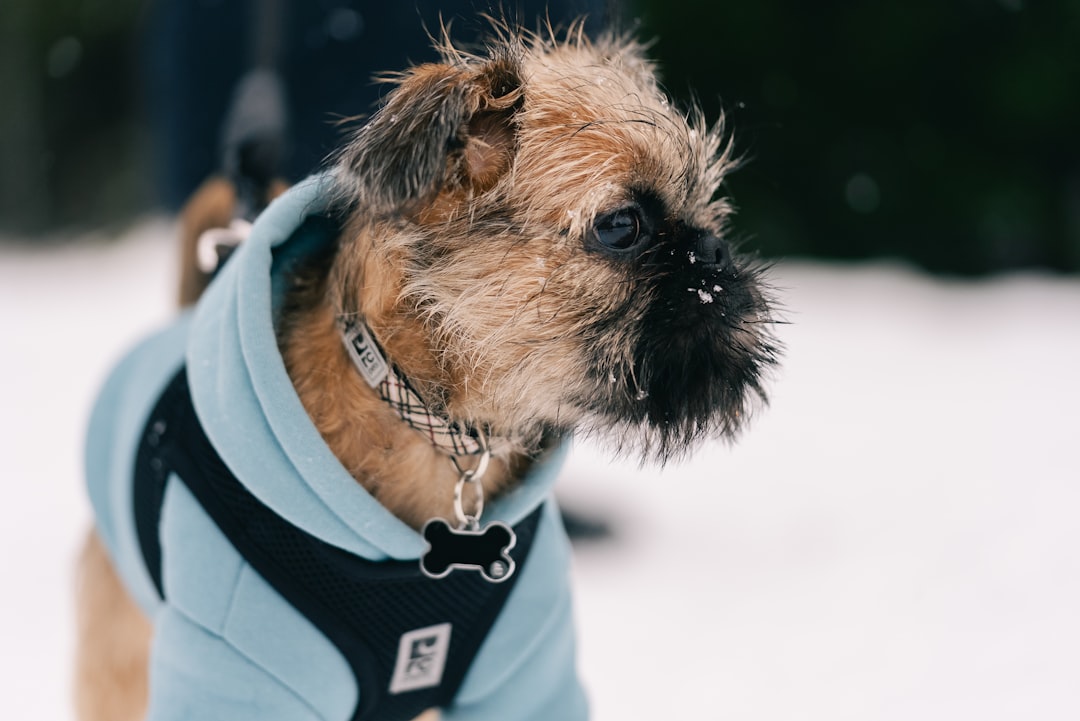
A dog hoodie is ideal when you need:
- Active wear: The stretchy, durable fabric handles running, jumping, and rough play without ripping or riding up
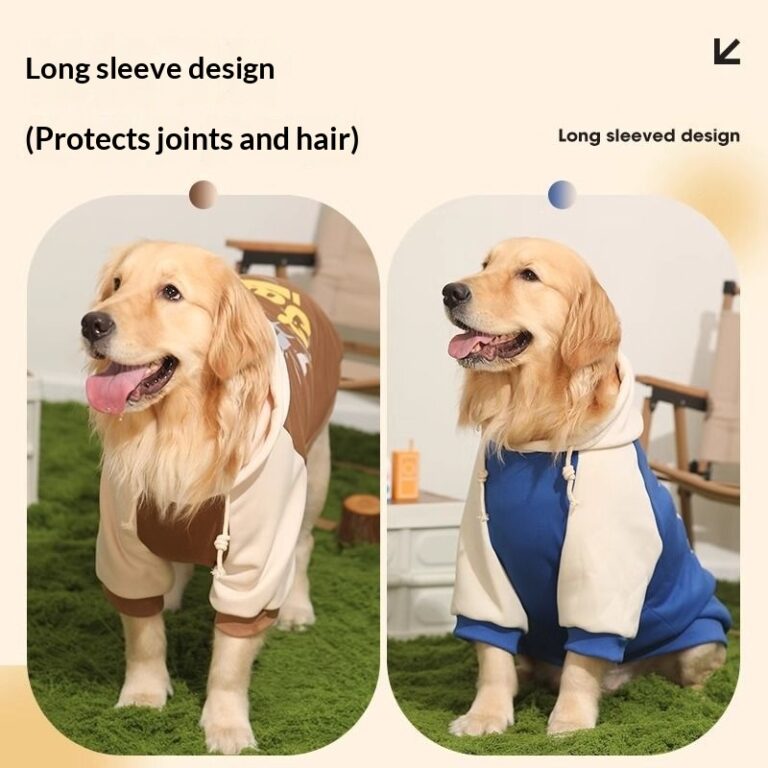
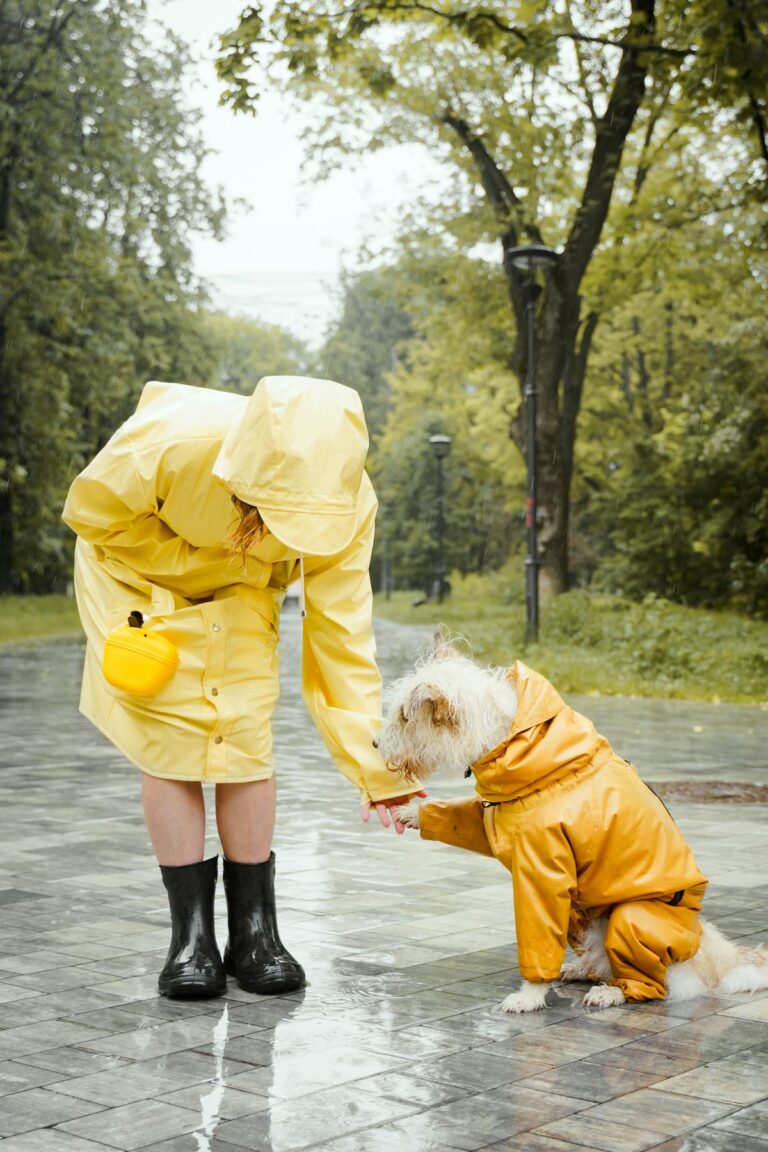
- Head and ear protection: The hood shields from wind, light rain, and keeps ears warm during cold-weather walks
- Easy care: Most hoodies are machine wash and dry — toss them in with your own laundry
- Sporty look: Great for athletic breeds and outdoor adventures — your dog looks ready for anything
- Layering: Hoodies work well under raincoats or over base layers for extreme cold
According to the American Kennel Club, hoods should fit loosely enough not to restrict hearing or peripheral vision. If your dog constantly paws at the hood, leave it down — the hoodie body still provides great coverage.
Hoodies also tend to have a more relaxed fit around the belly and chest area, which makes them comfortable for dogs with deeper chests like Dachshunds, Bulldogs, and Pit Bulls. The kangaroo pocket on some styles is purely decorative, but it does add an extra layer of warmth over the chest.
Best Dog Hoodie Picks from Our Shop
Check out these popular options:
- Casual Dog Sweatshirt for Medium and Large Dogs — comfortable everyday hoodie with soft fleece lining
- Tie-Dye Dog Hoodie for Small to Large Breeds — trendy pet sweatshirt that stands out at the dog park
When to Choose a Dog Sweater
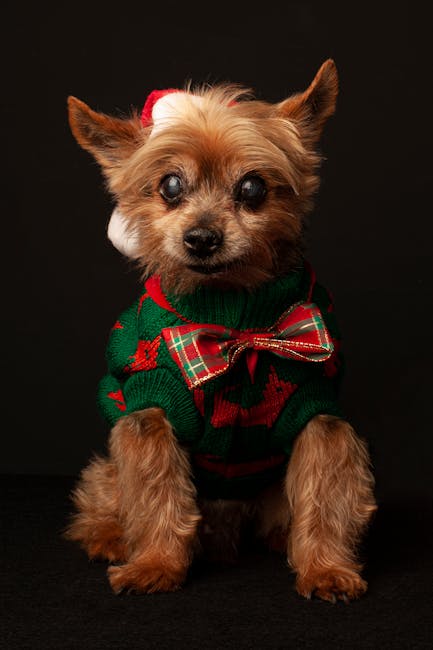
A dog sweater is the better choice when you want:
- Classic style: Cable knits, argyle patterns, and holiday designs look timeless and photograph beautifully
- Lightweight warmth: Perfect for indoor chill, air-conditioned rooms, or mild outdoor temps between 40–55°F
- Special occasions: Holiday sweaters, photo shoots, family gatherings — sweaters just look more “dressed up”
- Maximum breathability: Knit materials allow more airflow, which matters for dogs that overheat easily
- Senior dogs: The gentler, less restrictive feel suits older dogs who need warmth without bulk
Sweaters are also the go-to pick for small breeds that lose body heat fast — Chihuahuas, Toy Poodles, Italian Greyhounds, and Miniature Pinschers. These dogs have very little body fat and thin coats, so they genuinely need the extra insulation even indoors.
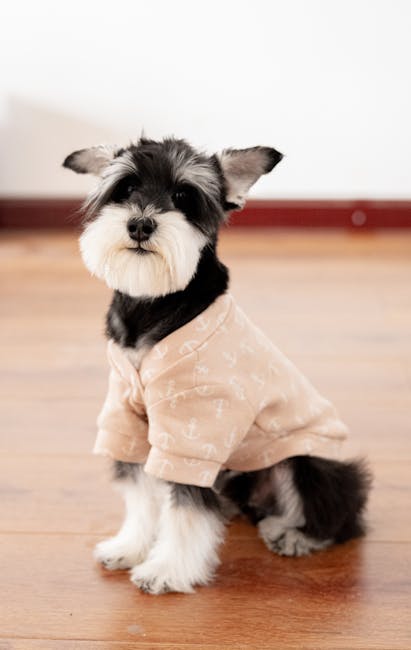
Shop Dog Sweaters
Our Large Dog Sweater for Border Collie and Big Breeds is one of our best sellers — warm knit construction that fits breeds up to 5XL.
Material Breakdown: What’s Inside Each Garment
The fabric makes or breaks a dog garment. Here’s what you’ll find in each category and what it actually means for your dog.
Hoodie Materials
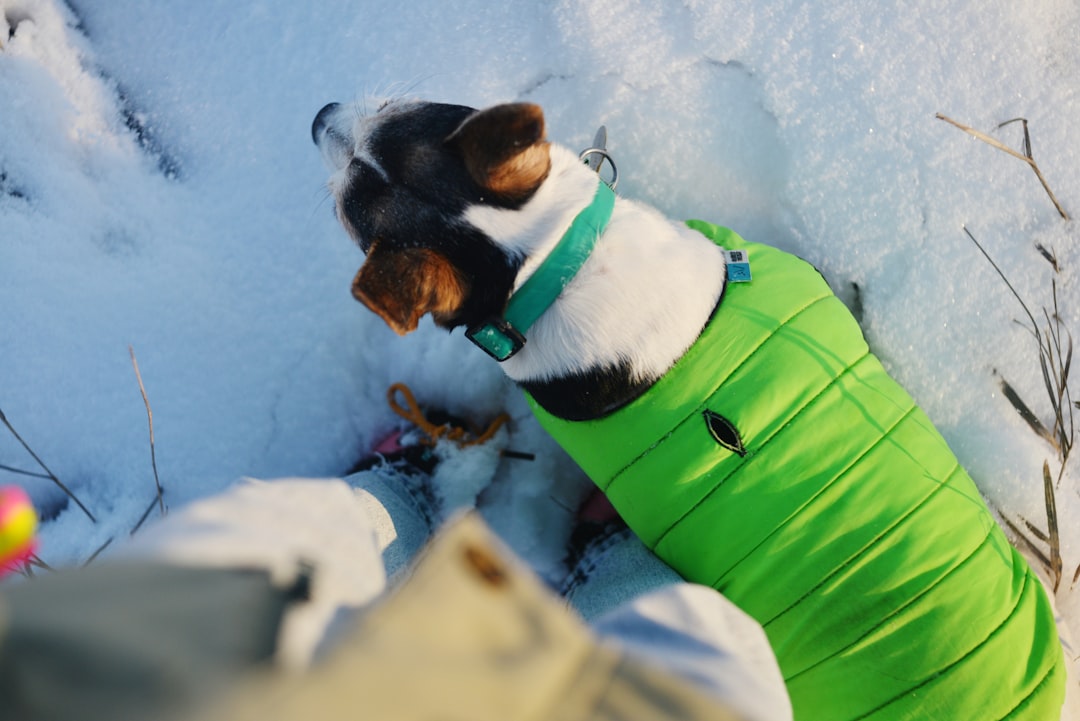
Fleece: The most popular hoodie material. It’s soft, warm, and lightweight with excellent moisture-wicking properties. Fleece dries quickly if it gets damp from snow or drool, and it holds its shape well after repeated washing. Most fleece hoodies can handle 50+ wash cycles before showing wear.
Cotton blend: Breathable and comfortable, cotton-blend hoodies work best in mild temperatures (50–65°F) or as indoor wear. They’re softer against the skin than pure fleece but don’t insulate quite as well in genuinely cold weather.
Performance fabric: Moisture-wicking, quick-dry materials originally designed for human athletic wear. These hoodies are best for hiking dogs, trail runners, and any pup that works up a sweat. They’re the lightest option and won’t hold odors.
Sweater Materials
Wool or wool blend: The warmest option by far. Real wool sweaters can keep a dog comfortable down to 20°F. The downside? They’re hand-wash only, take longer to dry, and some dogs find wool itchy. Look for merino wool blends if your dog has sensitive skin.
Acrylic knit: The practical everyday choice. Acrylic sweaters are affordable ($10–$20), machine washable, and reasonably warm. They won’t shrink, they won’t itch, and they come in every color and pattern imaginable. About 70% of dog sweaters on the market use acrylic.
Cotton knit: Lightweight and breathable — more of a “layer” than serious cold protection. Cotton knit sweaters work great for air-conditioned offices, cool summer evenings, and dogs that need just a touch of warmth without overheating.
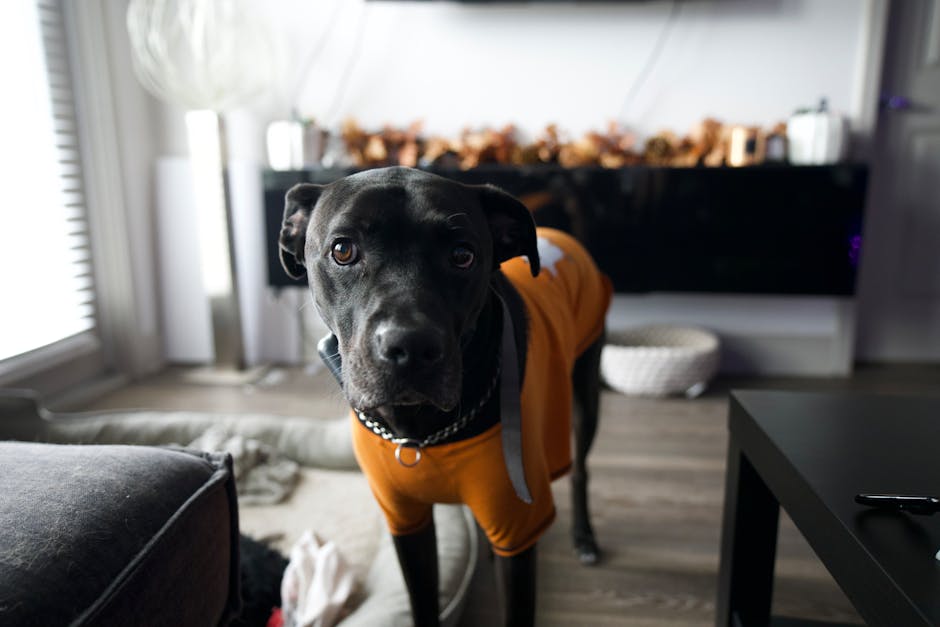
DIY Dog Clothing: Hoodies and Sweaters
Sizing: Getting the Right Fit
Both dog hoodies and sweaters require accurate measurements, but they fit differently on the body.
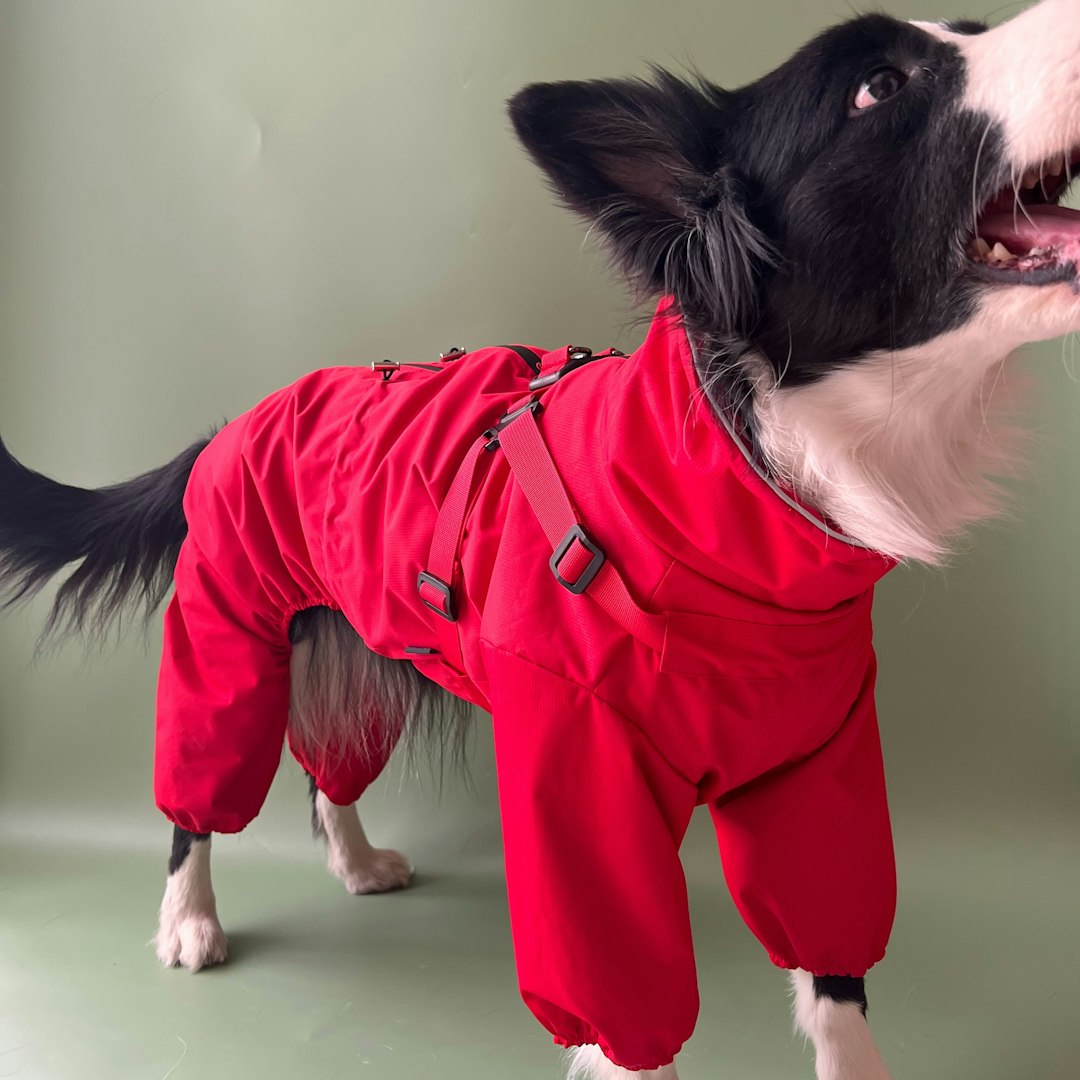
For hoodies:
- Hoodies often have more stretch (fleece/cotton blend), so sizing is more forgiving
- If between sizes, go up — a slightly loose hoodie is more comfortable than a tight one
- Check that the hood doesn’t pull on the collar or restrict neck movement
- Arm holes should be roomy enough for full range of motion
For sweaters:
- Knit sweaters (especially wool) may have less give, so precision matters more
- Measure chest girth at the widest point, right behind the front legs
- Check the neck opening — too tight and your dog will fight it every time you put it on
- Length matters more with sweaters since they don’t have a hood to “anchor” them in place
Both styles should allow two fingers between garment and dog. Need help with measurements? Our complete dog sizing guide walks you through every step, or check the breed-specific size chart.
Best Breeds for Each Style
Hoodies Work Best For:
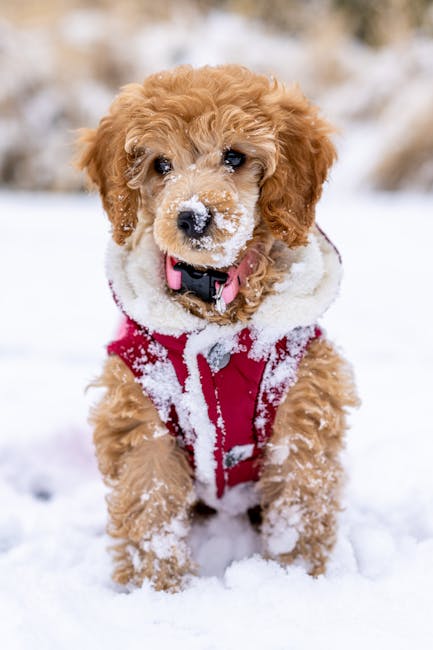
- Active breeds — Border Collies, Labs, Australian Shepherds, Jack Russell Terriers
- Outdoor dogs — any pup that spends serious time outside in cold or wet weather
- Floppy-eared breeds — Beagles, Basset Hounds, Cocker Spaniels (the hood protects ears from cold and moisture, reducing ear infection risk)
- Medium to large dogs — bigger dogs generate more heat, so the breathable hoodie fabric prevents overheating
- Dogs who tolerate head coverings — some dogs don’t mind hoods at all, while others will pull them off immediately
Sweaters Work Best For:
- Small breeds — Chihuahuas, Yorkies, Toy Poodles, Maltese, Papillons
- Hairless or thin-coated breeds — Chinese Crested, Xoloitzcuintli, Italian Greyhound, Whippet
- Senior dogs — older dogs lose the ability to regulate body temperature and benefit from gentle, consistent warmth
- Post-surgery dogs — sweaters can help keep a dog warm during recovery without interfering with incisions (check with your vet first)
- Dogs who dislike anything touching their head — many dogs that refuse hoodies will happily wear a pullover sweater
Not sure if your dog even needs clothing? The PetMD guide on dog sweaters breaks down which breeds need outerwear by temperature range.
Weather Guide: Which One for Each Temperature Range
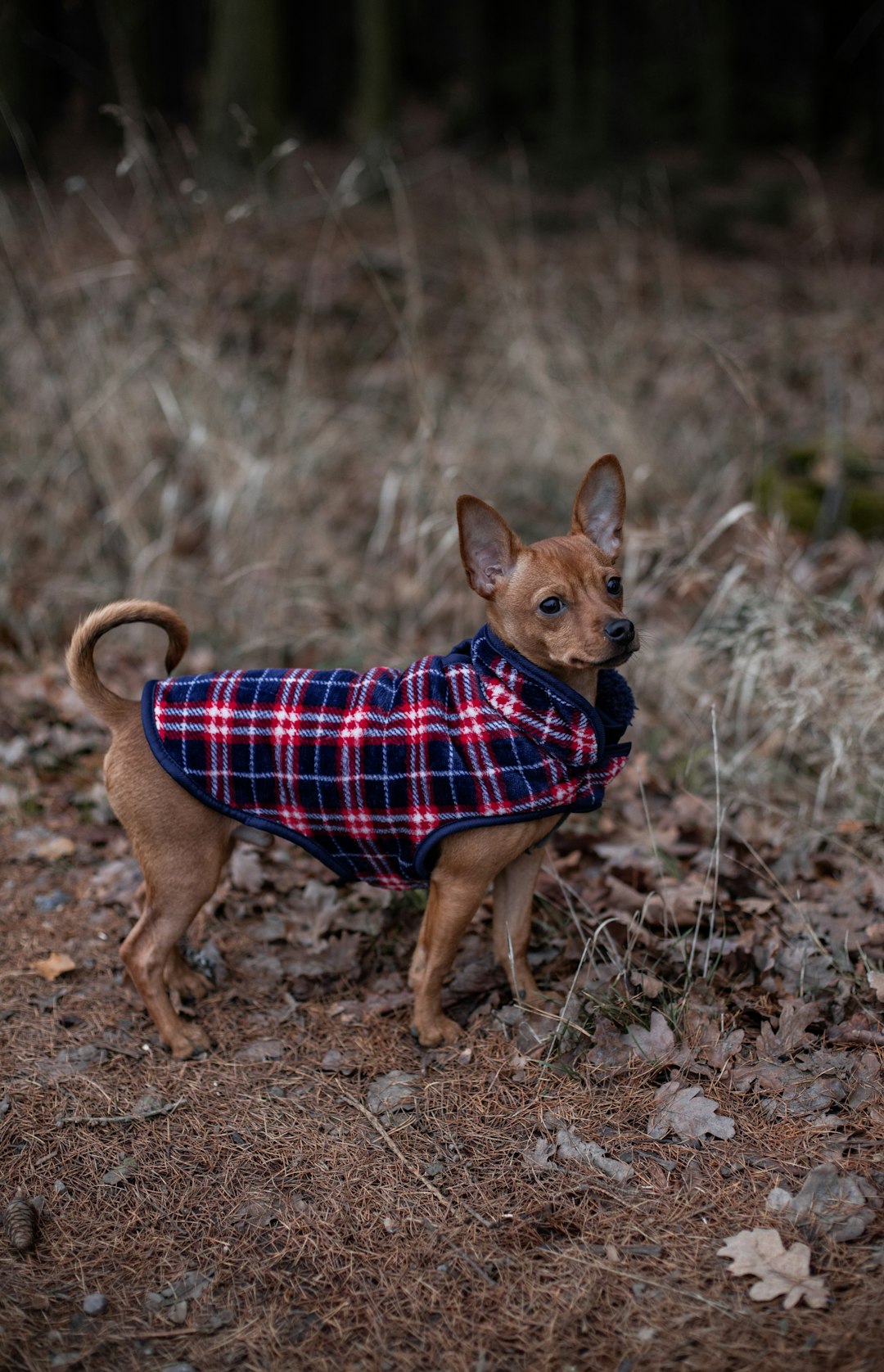
Temperature is the biggest factor in choosing between a hoodie and sweater. Here’s a practical breakdown:
- Above 65°F: Most dogs don’t need anything. If yours is thin-coated or elderly, a light cotton sweater is enough
- 50–65°F: A sweater works perfectly. Enough warmth for brisk walks without overheating
- 35–50°F: Either works. A hoodie adds the hood option for windy days. A thick wool sweater handles this range too
- 20–35°F: A hoodie with the hood up, or a sweater layered under a winter coat
- Below 20°F: Your dog needs a full winter jacket. A hoodie or sweater can serve as a base layer underneath
Wind chill matters just as much as the thermometer reading. A 40°F day with 20 mph winds feels like 28°F — that’s hoodie territory for most dogs.
Care and Maintenance
How long your dog’s clothing lasts depends almost entirely on how you wash it.
Hoodies: Machine wash cold, tumble dry low. Most fleece and cotton-blend hoodies handle regular laundry without issues. Wash after every 3–4 wears, or immediately if muddy or smelly. Avoid fabric softener — it can reduce the moisture-wicking properties of fleece.
Sweaters: Check the label first. Acrylic knits are machine washable on gentle cycle. Wool and wool-blend sweaters need hand washing in cold water with mild detergent. Lay flat to dry — never hang a wet knit sweater or it will stretch out of shape. Wash after every 2–3 wears.
Pro tip: keep a lint roller near the dog clothing drawer. One quick pass before wearing removes loose fur and keeps the garment looking fresh.
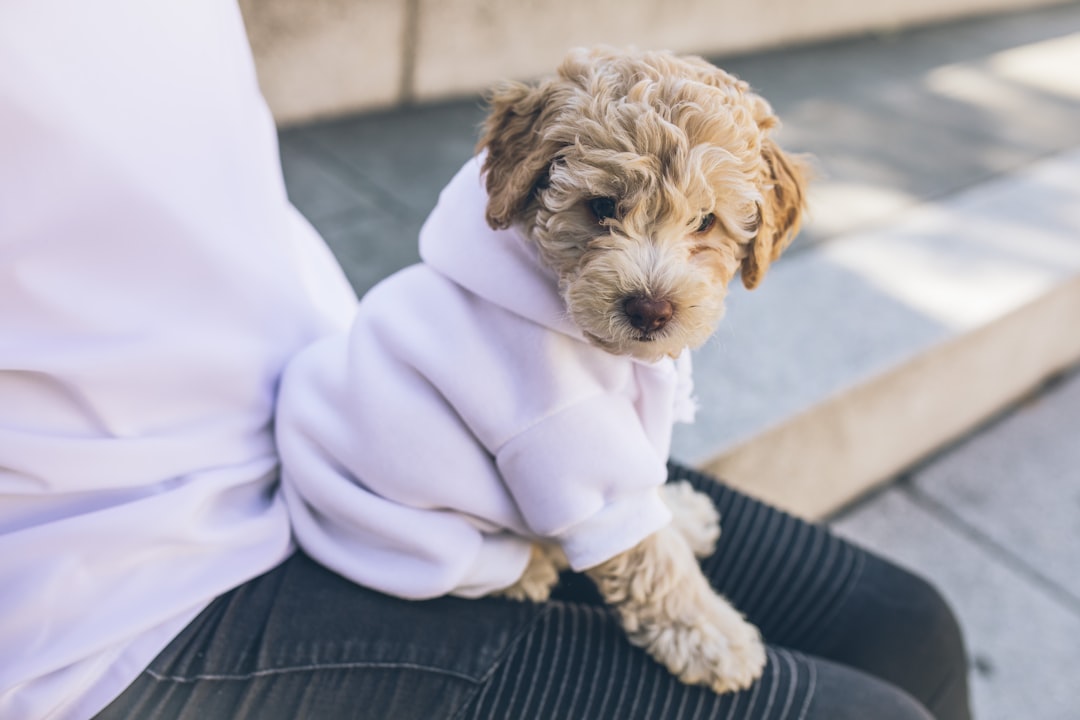
How to Get Your Dog Comfortable Wearing Clothes
Some dogs take to clothing immediately. Others act like you’ve put them in a straitjacket. If your dog freezes, rolls on the ground, or tries to chew the garment off, don’t force it.
Start with short sessions — 5 minutes at a time — and pair the clothing with treats and praise. Most dogs accept clothing within a week of gradual introduction. Sweaters tend to be easier for first-timers since there’s nothing touching the head.
For a detailed step-by-step process, read our training guide for getting your dog to wear clothes.
The Verdict: Why Not Both?
Most dog owners end up with both — and for good reason. They serve different purposes:
- Hoodie for outdoor adventures, walks in wind/rain, and active play
- Sweater for indoor warmth, casual outings, and looking adorable in photos
Think of it like your own wardrobe. You don’t wear the same jacket for hiking and for dinner out. Your dog benefits from the same variety. Start with whichever matches your dog’s main need, then add the other when budget allows.
Shop Dog Hoodies and Sweaters
Browse our collection of dog hoodies and sweaters in sizes XS through 5XL:
- Casual Dog Sweatshirt for Medium and Large Dogs
- Tie-Dye Dog Hoodie for Small to Large Breeds
- Large Dog Sweater for Border Collie and Big Breeds
- Warm Cotton-Padded Dog Coat for Autumn and Winter
From Chihuahuas to Great Danes, we’ve got every dog covered.