Dog Jacket Size Chart by Breed | Find the Perfect Fit
Buying a dog jacket online sounds simple until you realize that a “medium” from one brand fits your Beagle perfectly while a “medium” from another brand barely fits over your dog’s head. Dog jacket sizing is notoriously inconsistent across brands, which is why having a reliable dog jacket size chart organized by breed makes all the difference between a comfortable pup and an expensive return.
This guide gives you breed-specific measurements, teaches you exactly how to measure your dog at home, and helps you decode the sizing systems that different manufacturers use. Whether you’re shopping for a warm cotton-padded coat or a waterproof windproof jacket, getting the right measurements first saves you time, money, and frustration.
How to Measure Your Dog for a Jacket
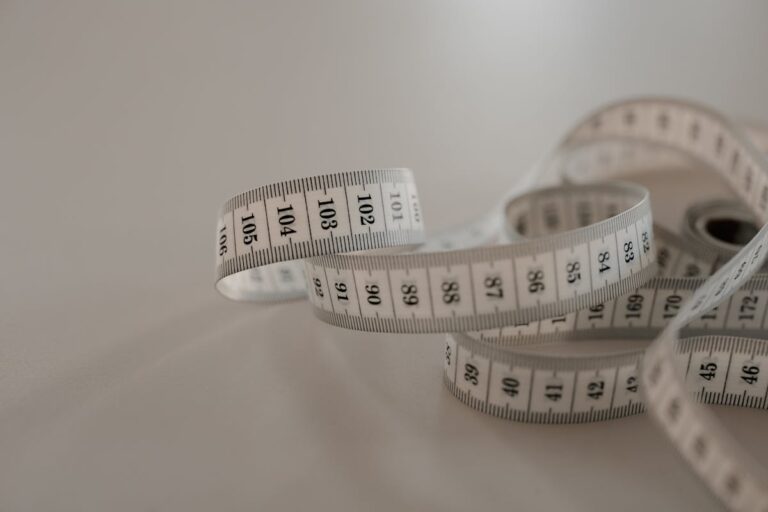
Before you even look at a size chart, you need three key measurements from your dog. Grab a soft measuring tape (the kind used for sewing) and follow these steps:
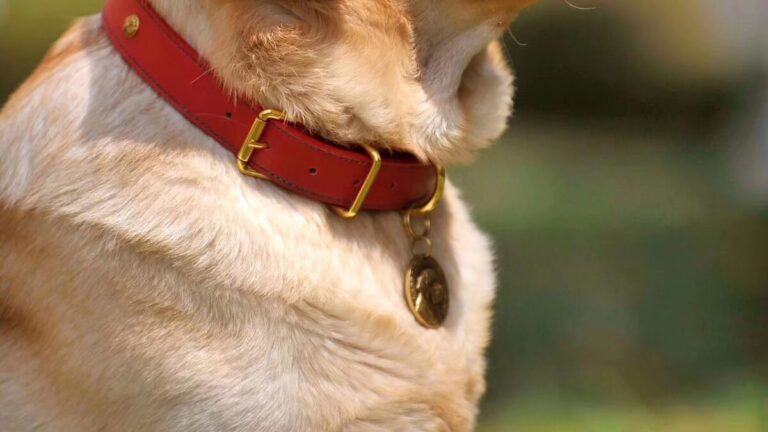
Neck Circumference: Measure around the base of your dog’s neck, right where a collar would sit. Slip two fingers under the tape for comfort allowance. This measurement determines how the jacket’s neckline will fit and whether it’ll restrict breathing or movement.
Chest Girth: This is the most important measurement for dog jackets. Wrap the tape around the widest part of your dog’s ribcage, usually right behind the front legs. This area needs the most room because your dog’s chest expands when breathing and during physical activity. Add about one inch to this measurement for a comfortable, non-restrictive fit.
Back Length: Measure from the base of the neck (where the collar sits) straight down the spine to the base of the tail. Don’t follow the curve of the body — keep the tape straight along the topline. This measurement determines how much coverage the jacket provides.
Pro tip: Measure your dog while they’re standing naturally on all four legs. Have someone hold a treat at nose level to keep them still and in a natural posture. Measuring a sitting or lying dog gives inaccurate results, especially for back length.
Small Breed Dog Jacket Size Chart
Small breeds vary dramatically in body shape. A Dachshund and a Pomeranian might weigh the same but need completely different jacket dimensions. Here’s a detailed breakdown:
| Breed | Weight (lbs) | Neck (in) | Chest (in) | Back Length (in) | Typical Size |
|---|---|---|---|---|---|
| Chihuahua | 2–6 | 8–10 | 11–14 | 8–10 | XS |
| Yorkshire Terrier | 4–7 | 8–11 | 12–15 | 9–11 | XS–S |
| Toy Poodle | 4–8 | 9–11 | 13–15 | 9–11 | XS–S |
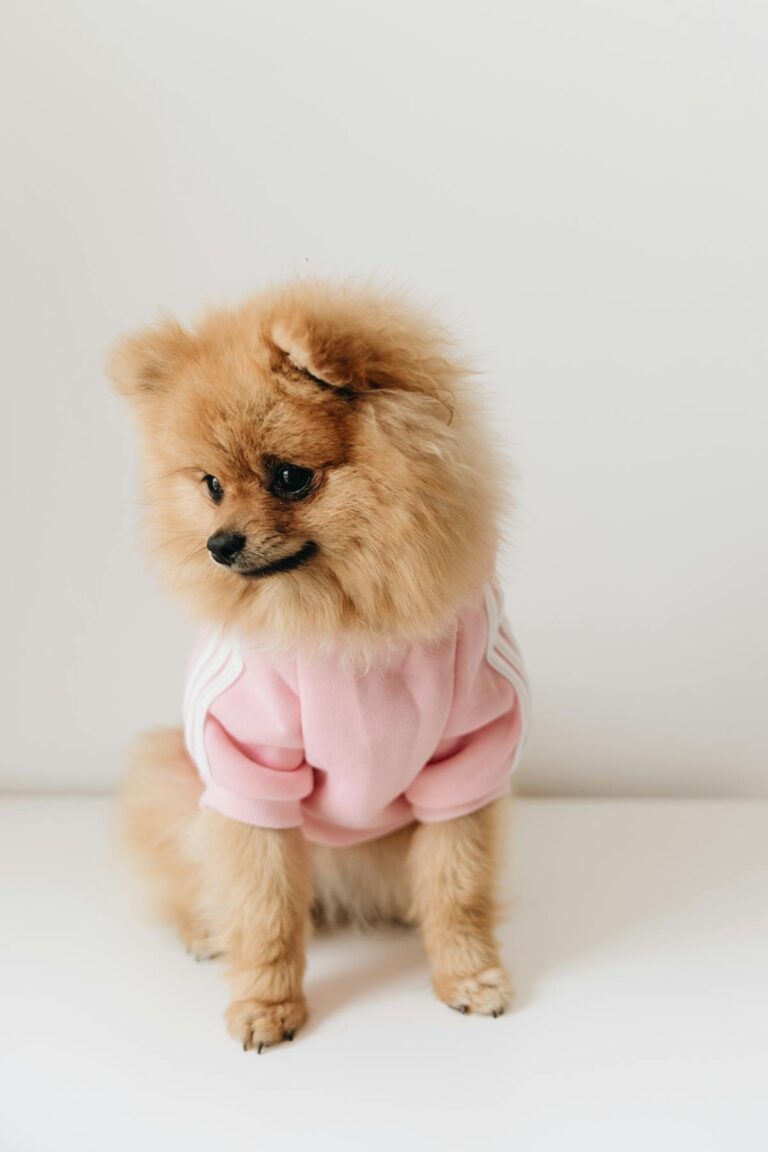
| Pomeranian | 3–7 | 9–11 | 13–16 | 9–11 | XS–S |
| Maltese | 4–7 | 9–11 | 13–15 | 9–11 | XS–S |
| Miniature Dachshund | 8–11 | 10–12 | 15–18 | 12–15 | S–M |
| Shih Tzu | 9–16 | 10–13 | 16–20 | 11–13 | S–M |
| Cavalier King Charles | 12–18 | 11–13 | 17–20 | 12–14 | S–M |
| Miniature Schnauzer | 11–20 | 11–14 | 17–21 | 13–15 | S–M |
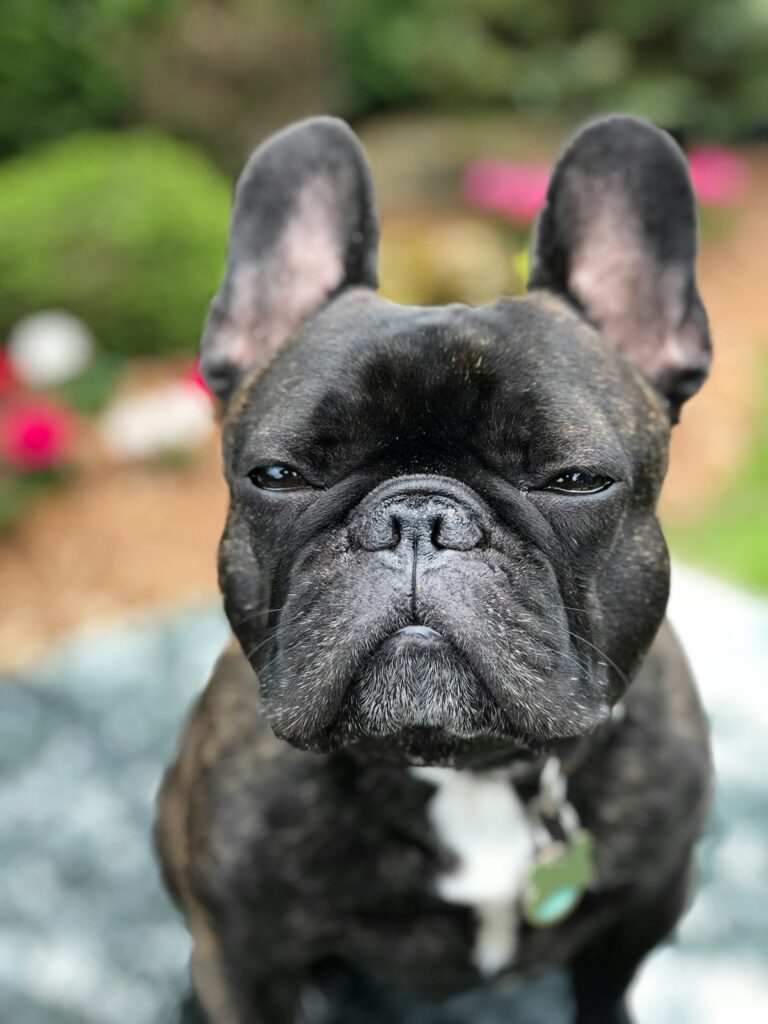
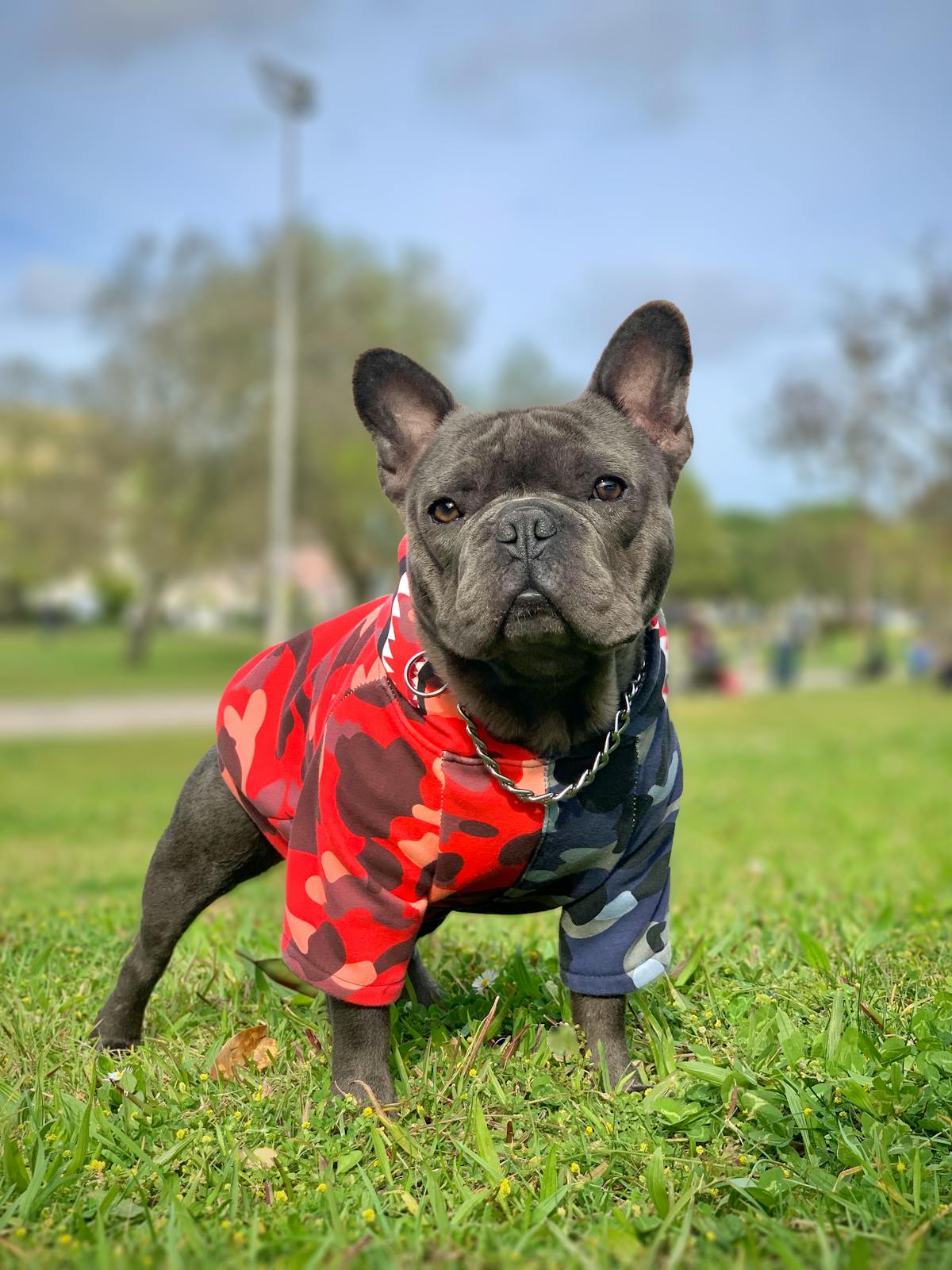
| French Bulldog | 16–28 | 13–16 | 20–26 | 12–14 | M–L |
French Bulldogs deserve special attention. They have an unusually broad chest relative to their back length, which means a jacket that fits their chest might be way too long in the back, and one that fits their back might be too tight around the ribcage. Look for brands that offer “bully breed” or “wide chest” sizing. Our casual dog sweatshirt features a relaxed fit that works well for these stocky builds.
Medium Breed Dog Jacket Size Chart
Medium breeds are where you’ll find the most sizing options from most manufacturers. These dogs generally fall into standard sizing categories more easily than small or giant breeds.
| Breed | Weight (lbs) | Neck (in) | Chest (in) | Back Length (in) | Typical Size |
|---|---|---|---|---|---|
| Beagle | 20–30 | 13–16 | 20–24 | 14–16 | M |
| Cocker Spaniel | 20–30 | 13–16 | 21–25 | 14–17 | M |
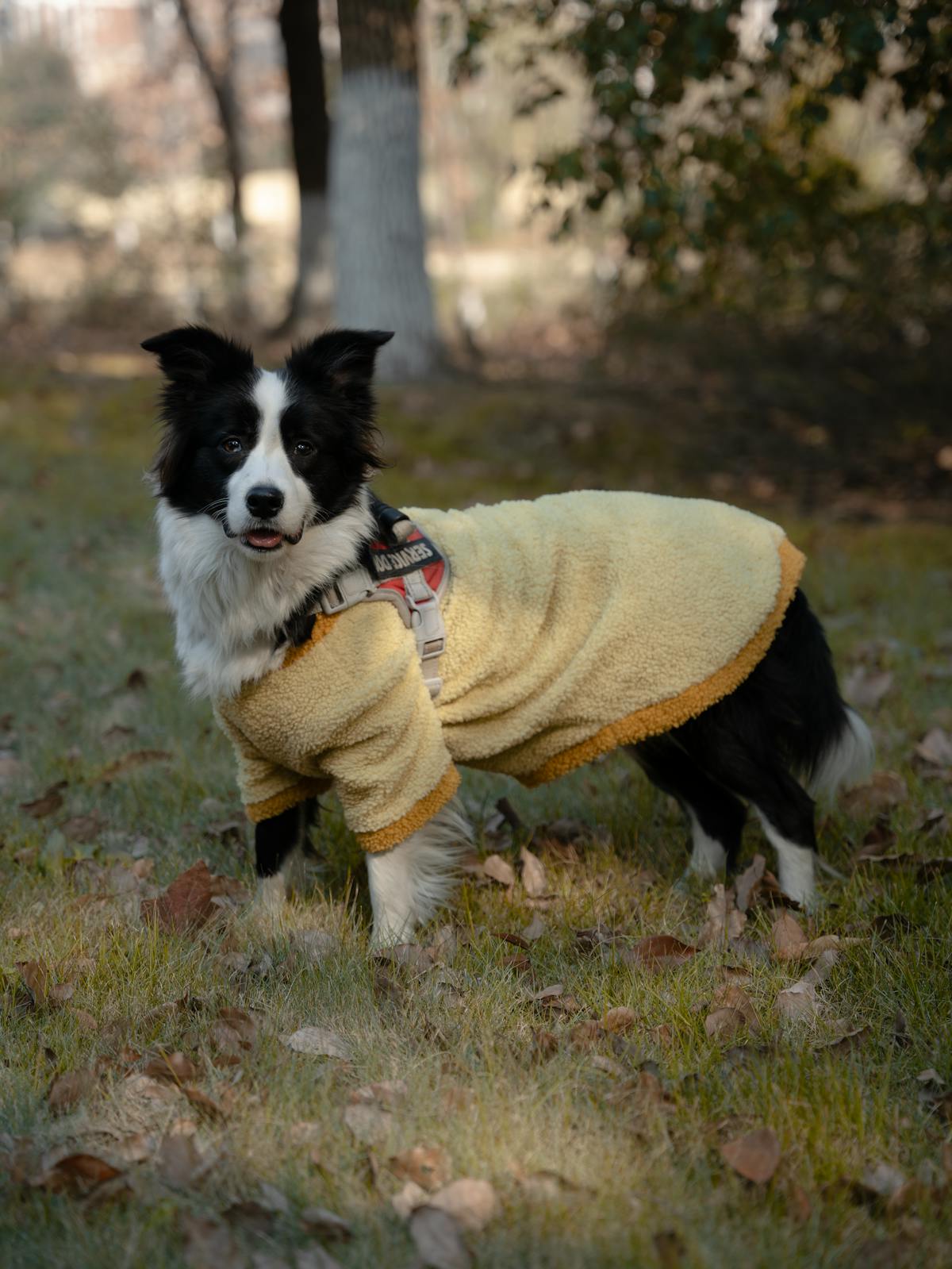
| Border Collie | 30–45 | 14–17 | 23–28 | 18–22 | M–L |
| Australian Shepherd | 40–65 | 15–18 | 25–30 | 19–23 | L–XL |
| Springer Spaniel | 40–55 | 14–17 | 24–28 | 18–21 | L |
| Standard Poodle | 40–70 | 15–19 | 24–30 | 20–24 | L–XL |
| Bulldog (English) | 40–55 | 16–20 | 26–32 | 15–18 | L–XL |
| Staffordshire Bull Terrier | 24–38 | 14–17 | 23–28 | 15–18 | M–L |
| Vizsla | 44–60 | 15–18 | 25–30 | 20–24 | L–XL |
| Siberian Husky | 35–60 | 16–20 | 26–32 | 20–24 | L–XL |
English Bulldogs share the same fitting challenge as French Bulldogs — massive chest, short back. Huskies present a different problem: they have thick double coats that add several inches to their chest measurement. If your Husky will be wearing their jacket over their full coat (rather than after a trim), add 2–3 inches to the chest measurement when selecting a size.
Large and Giant Breed Dog Jacket Size Chart
Finding jackets for large and giant breeds can be challenging because many brands top out at XL, which barely covers a Labrador. Here’s what you’re working with:
| Breed | Weight (lbs) | Neck (in) | Chest (in) | Back Length (in) | Typical Size |
|---|---|---|---|---|---|
| Labrador Retriever | 55–80 | 17–21 | 28–34 | 21–25 | XL–2XL |
| Golden Retriever | 55–75 | 17–21 | 28–34 | 22–26 | XL–2XL |
| German Shepherd | 50–90 | 18–24 | 28–36 | 24–28 | XL–3XL |
| Rottweiler | 80–135 | 20–26 | 32–40 | 24–28 | 2XL–4XL |
| Doberman Pinscher | 60–100 | 18–22 | 28–34 | 26–30 | XL–3XL |
| Great Dane | 110–175 | 22–28 | 34–44 | 30–36 | 3XL–5XL |
| Saint Bernard | 120–180 | 24–30 | 36–46 | 28–34 | 3XL–5XL |
| Bernese Mountain Dog | 70–115 | 20–26 | 30–38 | 24–30 | 2XL–4XL |
| Newfoundland | 100–150 | 22–28 | 34–42 | 28–34 | 3XL–5XL |
| Irish Wolfhound | 105–180 | 22–28 | 32–40 | 32–38 | 3XL–5XL |
For giant breeds, consider our winter warm padded jacket for large breeds or the reflective winter warm jacket, both designed specifically for bigger dogs with generous chest room and longer back coverage.
Breeds That Are Hardest to Fit
Some breeds have body proportions that make standard sizing almost useless. If you own one of these dogs, always measure carefully and consider adjustable or custom options:
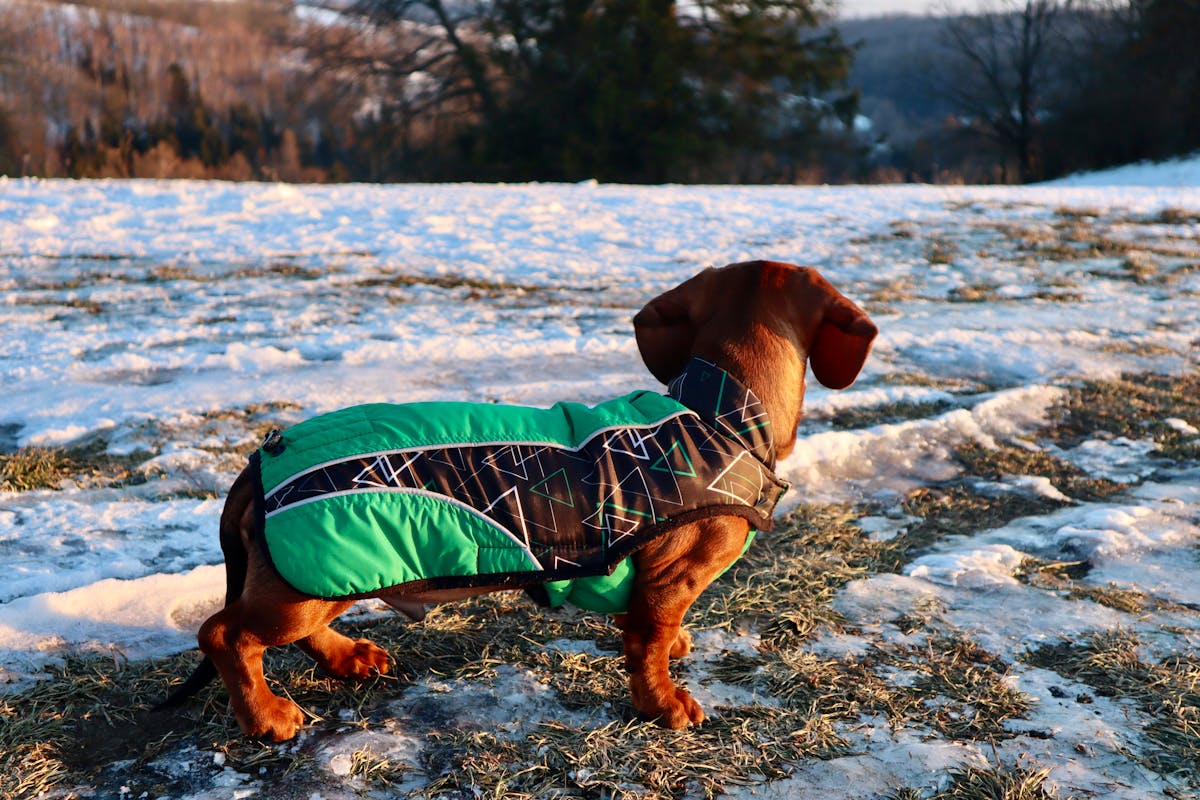
Dachshunds: Their long torsos and short legs mean standard jackets either leave their lower back exposed or drag on the ground under their belly. Look for “Dachshund-specific” sizing or jackets marketed for long-bodied breeds. Back length is your primary measurement here — chest sizes are usually fine in small or medium.
Greyhounds and Whippets: Deep, narrow chests and practically no body fat create a unique fitting challenge. A jacket that fits their deep chest will be far too loose around their waist. Sighthound-specific brands exist for exactly this reason. Typical measurements for a Greyhound: neck 14–16″, chest 26–32″, back length 24–28″ — but that chest measurement is deep, not wide.
Bulldogs and Pugs: Barrel-shaped chests, virtually no waist, and short necks that merge directly into their shoulders. Standard jackets bunch up around the neck and ride forward. Choose jackets with wide neck openings and short back lengths relative to the chest size.
Basset Hounds: Combining a Dachshund-level long body with a much broader chest and substantial weight. Measurements typically fall around neck 16–20″, chest 26–34″, back length 20–24″. They often need a size up from what their weight suggests.
Universal Size Conversion Chart
Different brands use different naming conventions. Here’s a general conversion guide that works across most dog clothing manufacturers:
| Size Label | Chest Range (in) | Back Length Range (in) | Weight Range (lbs) |
|---|---|---|---|
| XXS | 10–13 | 7–9 | 2–5 |
| XS | 13–16 | 9–11 | 5–10 |
| S | 16–19 | 11–14 | 10–18 |
| M | 19–23 | 14–17 | 18–30 |
| L | 23–28 | 17–21 | 30–50 |
| XL | 28–33 | 21–25 | 50–75 |
| 2XL | 33–38 | 25–29 | 75–100 |
| 3XL | 38–44 | 29–34 | 100–140 |
| 4XL | 44–50 | 34–38 | 140–180+ |
When between sizes, always size up. A slightly loose jacket is comfortable and allows a full range of motion. A too-tight jacket restricts movement, causes chafing, and your dog will try to wriggle out of it every chance they get.
Adjustable Fit Features to Look For
The best dog jackets include adjustability features that compensate for imperfect sizing:
Velcro belly straps let you tighten or loosen the fit around the torso. This is the single most useful feature for getting a good fit across different body types. Our waterproof windproof jacket with Velcro closure uses this system for a customizable fit.
Elastic or drawstring neck openings accommodate dogs whose neck-to-chest ratio doesn’t match standard sizing. This is especially useful for Bulldogs and Pugs.
Snap or buckle closures along the back make the jacket easier to put on and take off, which matters for dogs that don’t love the over-the-head approach. They also allow some size adjustment depending on which snap you use.
Leash holes or D-ring attachments don’t affect sizing directly, but they eliminate the need to layer a harness over the jacket, which can push the jacket out of position and create an uncomfortable fit.
Puppy Sizing and Growth Considerations
If you’re buying a jacket for a puppy, resist the urge to buy two sizes up so they’ll “grow into it.” An oversized jacket is a tripping hazard, gets caught on things, and doesn’t actually keep your puppy warm because cold air flows right through the gaps.
Instead, buy for their current size and plan to replace the jacket as they grow. Puppies grow fast — most reach their adult chest measurement by 10–12 months, though giant breeds keep growing until 18–24 months. If your puppy is nearing adult size, buying one size up is reasonable. But for a 3-month-old puppy, just buy what fits now.
For growing puppies, jackets with adjustable Velcro straps offer several weeks of extra use as your pup fills out. It’s a smarter investment than a fixed-size jacket that fits perfectly for only two weeks.
Getting It Right the First Time
The golden rule of dog jacket sizing: measure twice, order once. Don’t trust weight-based sizing alone — a muscular 30-pound Staffordshire Bull Terrier and a lean 30-pound Whippet need very different jacket dimensions despite identical scale readings.
Take your three measurements (neck, chest, back length), compare them against the breed charts above, check the specific brand’s size chart for the jacket you’re buying, and when in doubt, contact the manufacturer with your dog’s measurements. Most pet clothing companies are happy to recommend the right size when you give them actual numbers to work with.
Your dog deserves a jacket that fits properly — one that stays in place during walks, allows natural movement, and actually provides the warmth and protection it’s designed to deliver. Start with accurate measurements, and everything else falls into place.