Dog Life Jacket Guide: Keep Your Dog Safe in Water
Every summer, dogs across the country take to lakes, rivers, beaches, and backyard pools — and most of them go in without any flotation support at all. That’s a gamble even experienced swimmers take, because water conditions can change without warning, fatigue sets in faster than owners expect, and some breeds simply aren’t built for sustained swimming. A dog life jacket closes that gap. It keeps a dog buoyant when energy runs low, makes them visible in open water, and gives owners a handle to lift them out quickly when needed.
This guide covers everything you need to know before buying: how to size a life vest correctly, which features actually matter, what the research says about canine swimming safety, and how to introduce a jacket in a way that your dog will actually tolerate.
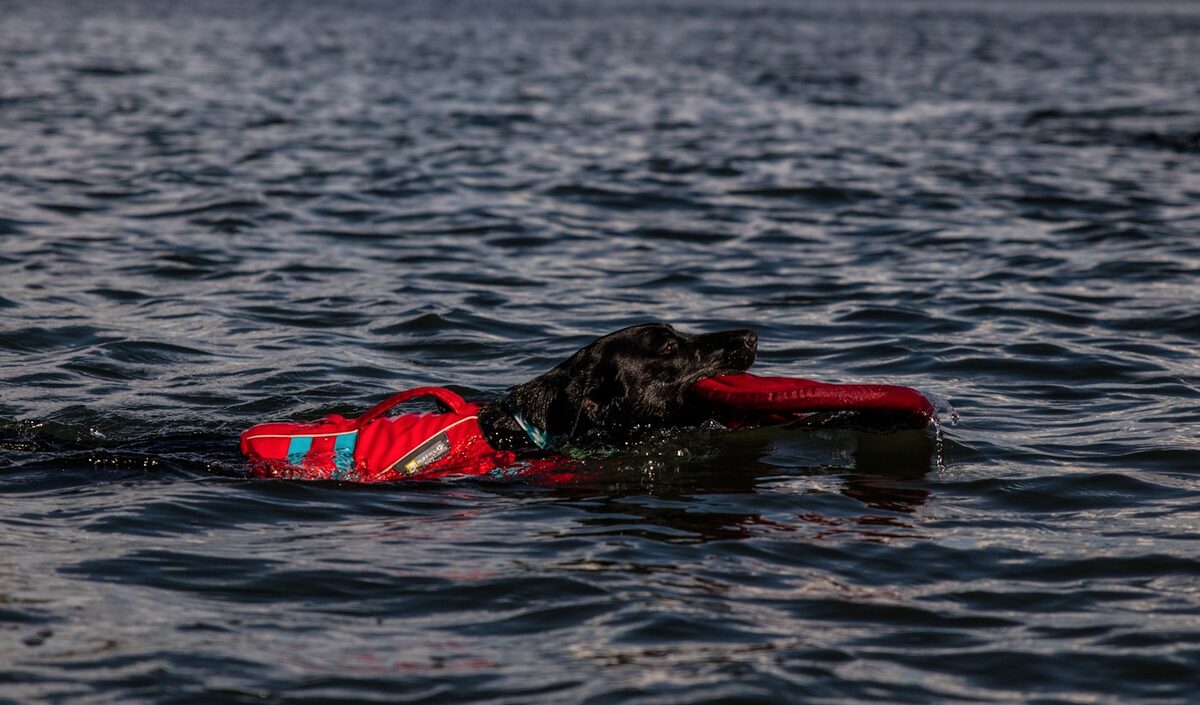
Why Dogs Need Life Jackets — Even Strong Swimmers
It’s a common assumption: “My dog loves the water and swims all the time, so he’s fine.” And many dogs are fine — right up until they aren’t. Canine swimming safety researchers and veterinary professionals point to several scenarios where even a confident swimming dog can get into serious trouble:
- Fatigue: Dogs rarely self-regulate when they’re excited. They’ll swim past the point of exhaustion and go under before an owner realizes what’s happening.
- Cold water shock: Water below 15°C (59°F) can cause involuntary gasping and muscle failure within minutes, even in athletic dogs.
- Currents and undertow: Rivers and coastal waters can overwhelm a dog’s directional swimming quickly.
- Low-sided boats: A dog that falls from a kayak or canoe in the middle of a lake has no way to climb back aboard without help — a life jacket handle makes that rescue possible.
- Breed limitations: Bulldogs, pugs, dachshunds, basset hounds, and most brachycephalic breeds are poor swimmers by anatomy. Their heavy forequarters and short muzzles make sustained swimming genuinely dangerous.[1]
Even if your dog is a seasoned lake retriever, think of a life jacket the same way you think about a seatbelt: it’s not about expecting disaster, it’s about being covered when conditions change unexpectedly.
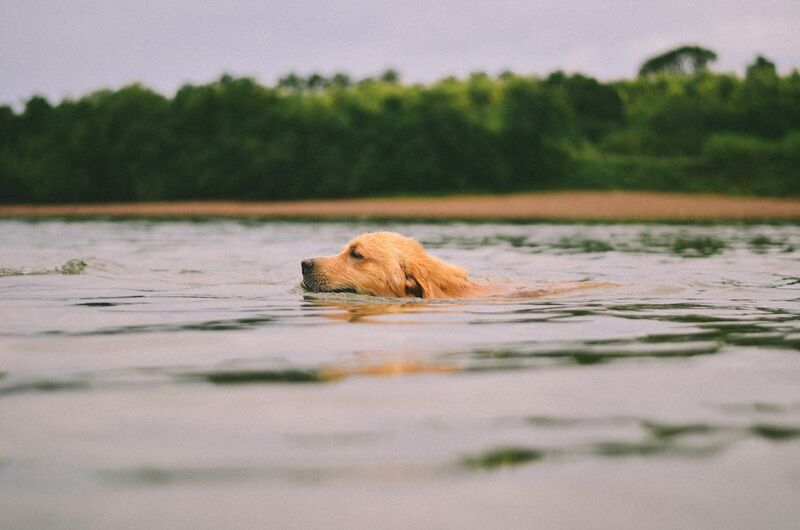
How to Choose the Right Dog Life Jacket
Not all canine life vests are created equal. The difference between a well-designed jacket and a cheap imitation can be the difference between a dog that’s actually safe and one that’s just wearing foam and nylon. Here’s what to look for:
1. Fit Matters More Than Size Labels
Most manufacturers size by weight, but body shape varies enormously between breeds. A slim greyhound and a stout corgi might weigh the same but need completely different fit profiles. Always measure:
- Girth (chest circumference) — measure at the widest point behind the front legs
- Back length — base of neck to base of tail
- Neck circumference — for collar fit and head support panels
A properly fitted jacket should be snug but not restricting — you should be able to slide two fingers underneath the straps. If the dog can slip forward or backward out of the vest, it’s too loose.
2. Buoyancy Distribution
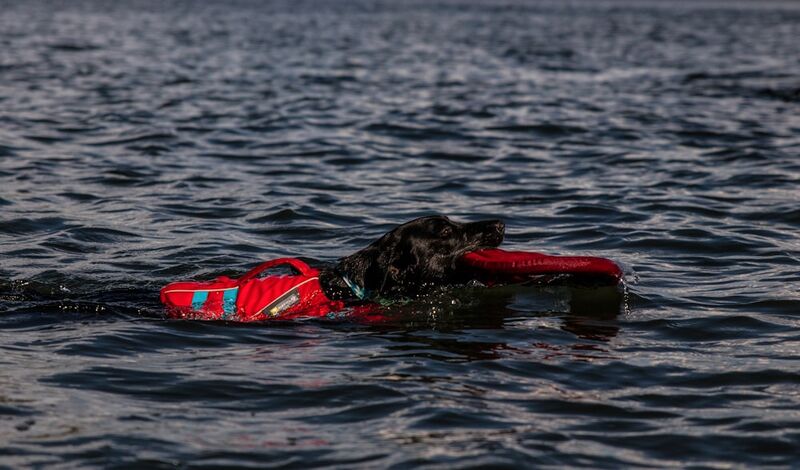
Look for foam panels placed under the chest and belly, not just along the back. Dogs naturally float with their hind end lower, and a vest that only covers the dorsal side will tip them nose-down rather than stabilizing them. The best vests keep the dog in a natural horizontal swimming position.
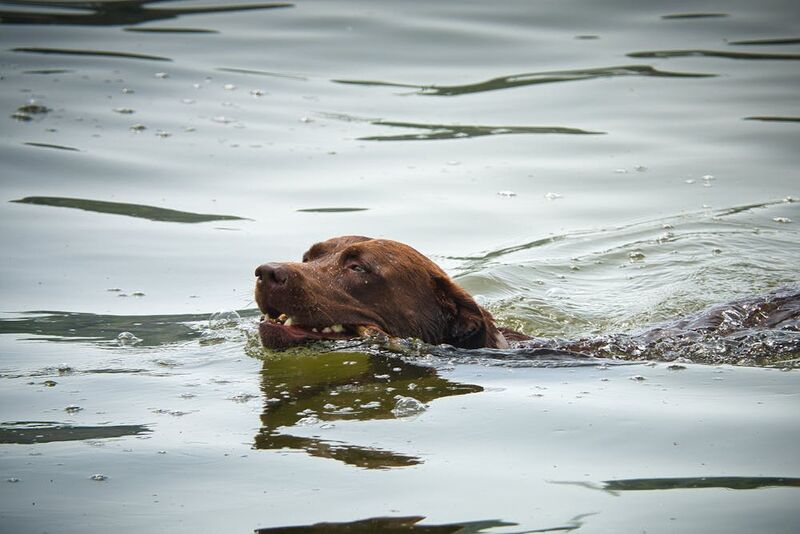
3. The Rescue Handle
This is non-negotiable. A sturdy handle sewn into the back of the vest allows you to grab your dog and lift them onto a dock, into a boat, or out of a current quickly. Test the handle before you buy — it should feel stitched solidly into the vest body, not just attached to a strap. Under load, a flimsy handle will tear off exactly when you need it most.
4. Visibility
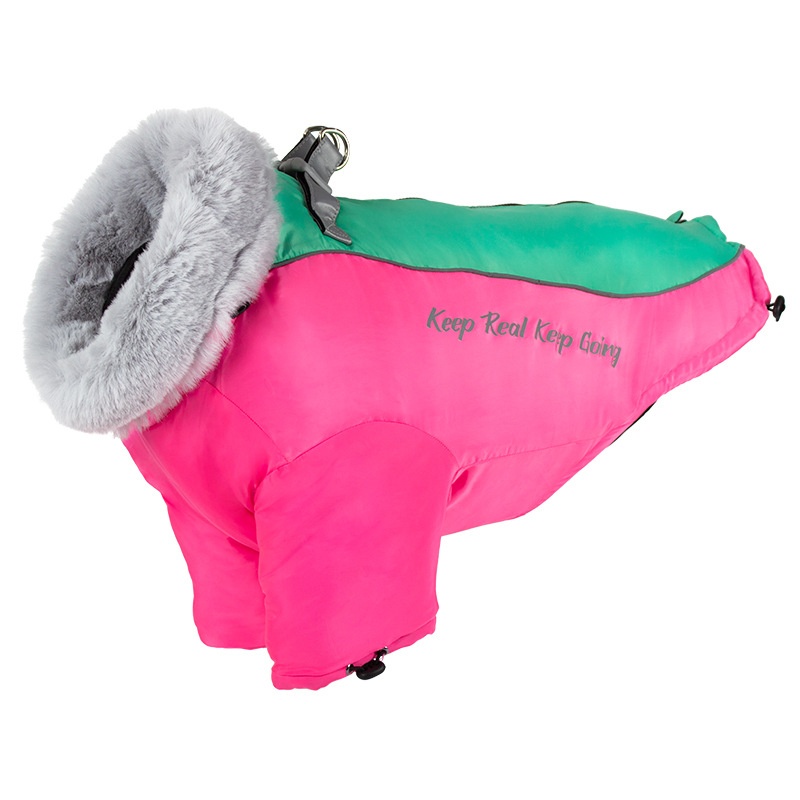
Bright colors (orange, yellow, neon pink) and reflective strips help you spot your dog in water from a distance and in low-light conditions. This matters most on large open bodies of water or rivers where a swimming dog can drift further than expected.
5. Secure Fastening System
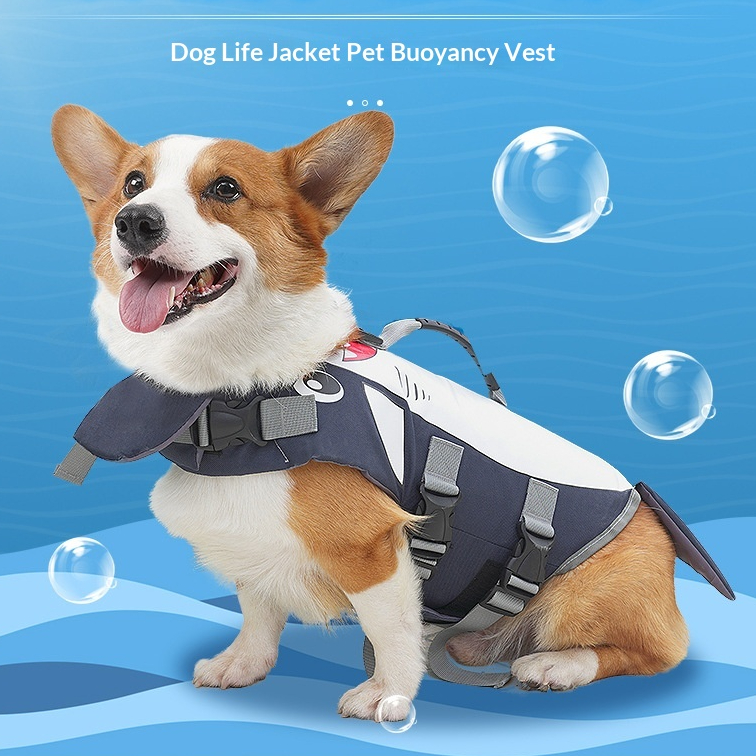
D-ring buckles and adjustable belly straps are standard. Better designs include a neck strap with a chin float that supports the head when the dog is tired. Avoid vests with only one belly strap — they tend to slide and spin on active swimmers.
Sizing Guide by Breed Type
Use this as a starting point, then always verify with actual measurements:
| Breed Type | Common Fit Challenge | What to Look For |
|---|---|---|
| Deep-chested (Labs, Goldens) | Wide chest vs. narrow waist | Multiple belly straps |
| Brachycephalic (Bulldogs, Pugs) | Short neck, heavy front | Strong head support float |
| Long-bodied (Dachshunds, Corgis) | Back length coverage | Extended back panel |
| Slim builds (Greyhounds, Whippets) | Slipping and gapping | Neck and chest straps, tight fit |
Introducing the Life Jacket: The Right Way to Do It
Most dogs need a gradual introduction to wearing a life vest — especially if they’re not used to clothing. Rushing this process leads to a dog that fights the vest at the water’s edge, which is the worst possible moment to have a struggle.
Week 1: Familiarization on dry land
Leave the vest on the floor and let the dog sniff it for a few days. Feed treats near it. Then hold it open and let the dog poke their head through — reward immediately.
Week 2: Short wear sessions indoors
Buckle the vest on for 5–10 minute sessions inside the house. Keep the mood positive. Play a bit, then remove it before the dog tries to shake it off.
Week 3: Outdoor wear, no water yet
Take the vest on walks. Let the dog move normally in it and associate it with good experiences outside. Check fit on every outing — straps can loosen.
First water introduction
Go somewhere shallow where the dog can touch the bottom. Let them wade in at their own pace. Don’t force entry. The first goal is not swimming — it’s the dog understanding that the vest doesn’t restrict their movement.
Life Jacket Maintenance: What Most Owners Forget
A dog life jacket that’s stored wet in a bag for months at a time will degrade faster than one that’s cleaned and aired properly. The foam buoyancy panels can compress or mildew, the buckles corrode, and the reflective tape loses adhesion. Here’s a simple routine:
- After each use: Rinse thoroughly with fresh water (especially after saltwater use), squeeze out excess, and hang to dry in a shaded, ventilated area — not in direct sun, which degrades foam over time.
- Monthly: Check buckle clips, D-rings, and rescue handle stitching. A small crack in a buckle today becomes a failure point in the water next month.
- Before the season: Do a float test. Put the jacket on a weighted object roughly your dog’s size and place it in water. If it doesn’t hold the object horizontally, the foam has compressed and the vest needs replacing.
- Storage: Keep flat or lightly rolled in a mesh bag — never compressed under heavy objects.
Water Safety Beyond the Life Jacket
The vest is only one piece of a complete water safety plan. Here are the other practices every dog owner should build into any water outing:
Never Leave a Dog Unattended Near Water
This seems obvious but drowning incidents typically happen in moments of inattention — someone looks at their phone, someone walks to the cooler, someone talks to another person for 90 seconds. Designate a water watcher when multiple people are present.[2]
Know Where the Exit Points Are
Before your dog swims in an unfamiliar lake or pool, walk the perimeter and identify the spots where they can climb out. Dogs can get confused and keep swimming along a sheer wall trying to find an exit. Show them the ramp or shallow edge before the swim begins.
Watch for Signs of Fatigue
A dog who is tiring in water will swim lower and lower in the water, have labored breathing, and begin struggling to keep their head up. Pull them out before they reach that stage — dogs don’t self-regulate excitement the way humans do.
Rinse After Salt or Algae Water
Salt dries and irritates the skin. Freshwater algae can carry cyanobacteria (blue-green algae) which is acutely toxic to dogs — sometimes fatally so within hours of ingestion. After any swim, rinse the dog thoroughly and don’t let them lick wet fur before rinsing.
Watch: Dog Life Jacket Fitting and Water Safety
This video walks through how to properly fit a dog life jacket and covers what to look for in open water situations — highly recommended before your first water outing of the season:
Related Reading from HawaPets
If you’re gearing up for outdoor adventures with your dog this season, these articles round out the picture:
- Dog Paw Care | 7 Essential Tips for Healthy Paw Pads 2026 — hot pavement and rocky shores can damage paws even during water outings.
- Spring Dog Walking Guide | 10 Tips for Safe and Fun Outdoor Adventures — safety principles for all outdoor activities with your dog.
- Dog Collar Styles: Complete Guide 2026 — pairing the right collar with your dog’s water gear.
Quick-Reference: Dog Life Jacket Checklist
Before any water session with a life jacket, run through this checklist:
- ✅ Measured and selected correct size based on girth and back length
- ✅ Rescue handle is firmly stitched and tested
- ✅ Bright color and reflective strips visible from distance
- ✅ Buoyancy panels under chest and belly, not just back
- ✅ Two-finger test passed (snug but not restrictive)
- ✅ Dog has worn jacket on dry land multiple times before water debut
- ✅ Inspected buckles, D-rings, and stitching for wear
- ✅ Know the exit points of the swim area
- ✅ Fresh water rinse ready for after the swim

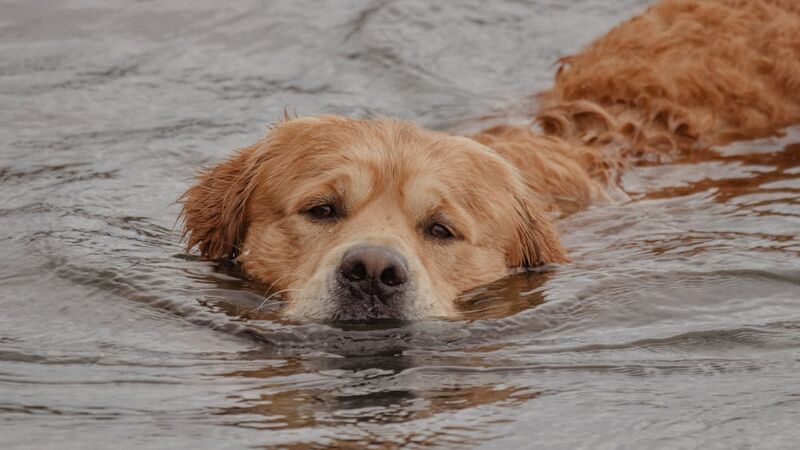
Dogs who swim regularly tend to be healthier, better exercised, and mentally enriched compared to those who only get on-leash walks. Water play activates muscles that leash walks simply don’t reach, and the sensory environment — smells, textures, sounds — provides genuine mental stimulation. The goal isn’t to prevent your dog from enjoying water. It’s to make sure that every swim is a good one, season after season.