Dog Life Jackets: Water Safety Guide for Every Breed
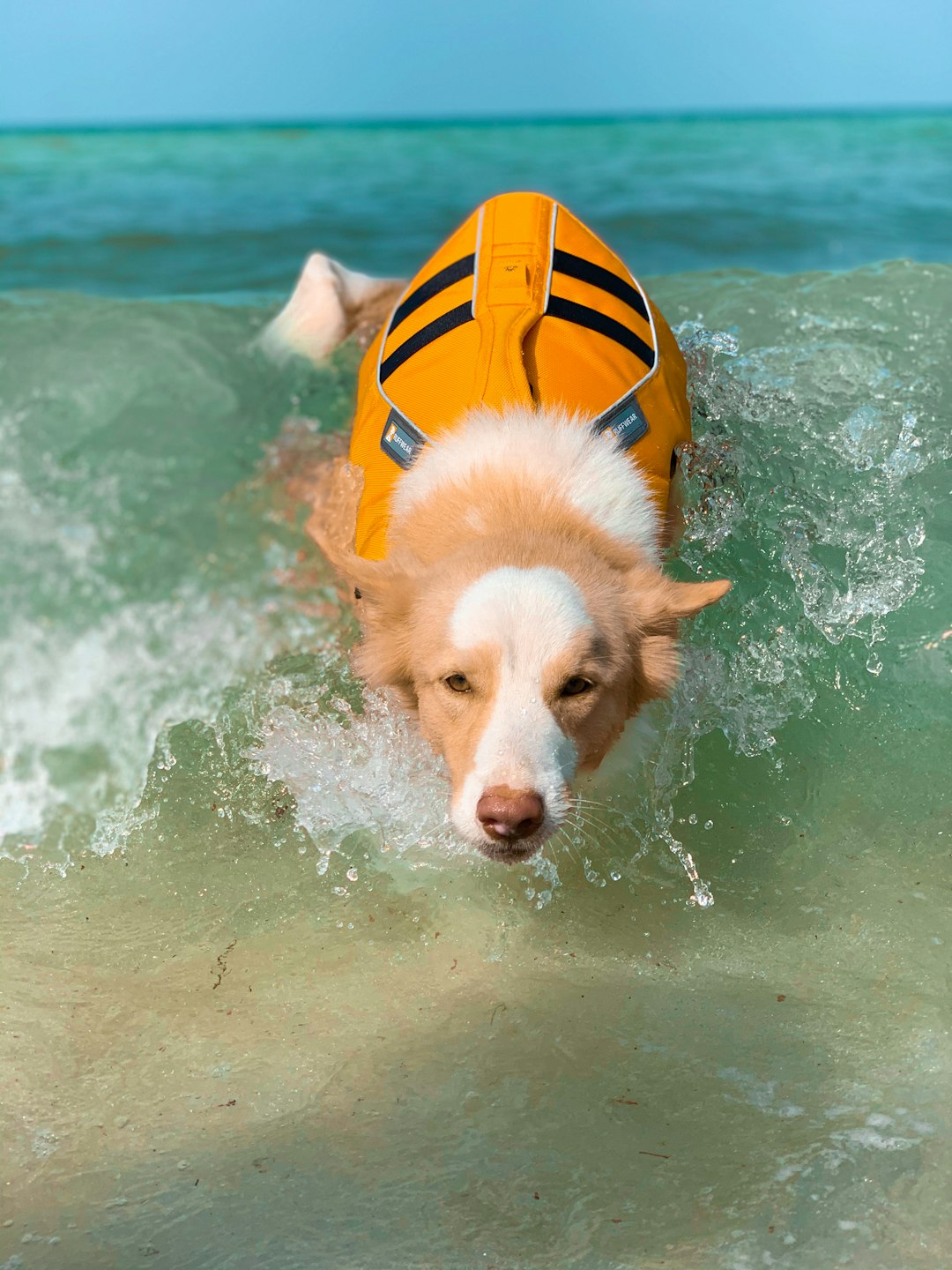
Warm weather means more time outdoors with your dog — and for many pet parents, that includes trips to the pool, lake, or beach. While some breeds take to water like they were born for it, plenty of dogs need extra support to stay safe around water. That’s where a dog life jacket comes in.
Whether you’re boating, hiking near rivers, or just hanging out poolside, a properly fitted dog life vest can literally save your pup’s life. And here’s the thing most people don’t realize: even strong swimmers can benefit from wearing one. Fatigue, currents, cold water, and unexpected waves don’t care how good your Golden Retriever’s doggy paddle is.
This guide covers everything you need to know about dog life jackets — from which breeds need them most, to how to pick the right size, to training your dog to actually enjoy wearing one. Let’s dive in (pun absolutely intended).
Why Your Dog Needs a Life Jacket
It’s easy to assume your dog is a natural swimmer. And maybe they are — Labrador Retrievers, Portuguese Water Dogs, and Irish Water Spaniels were literally bred for water work. But “can swim” and “can swim safely for an extended time” are two very different things.
According to the American Kennel Club, not all dogs are natural swimmers, and even those that are can run into trouble in open water. Dogs don’t understand currents, undertow, or how far from shore they’ve drifted. They don’t know to conserve energy. They just keep paddling until they can’t anymore.
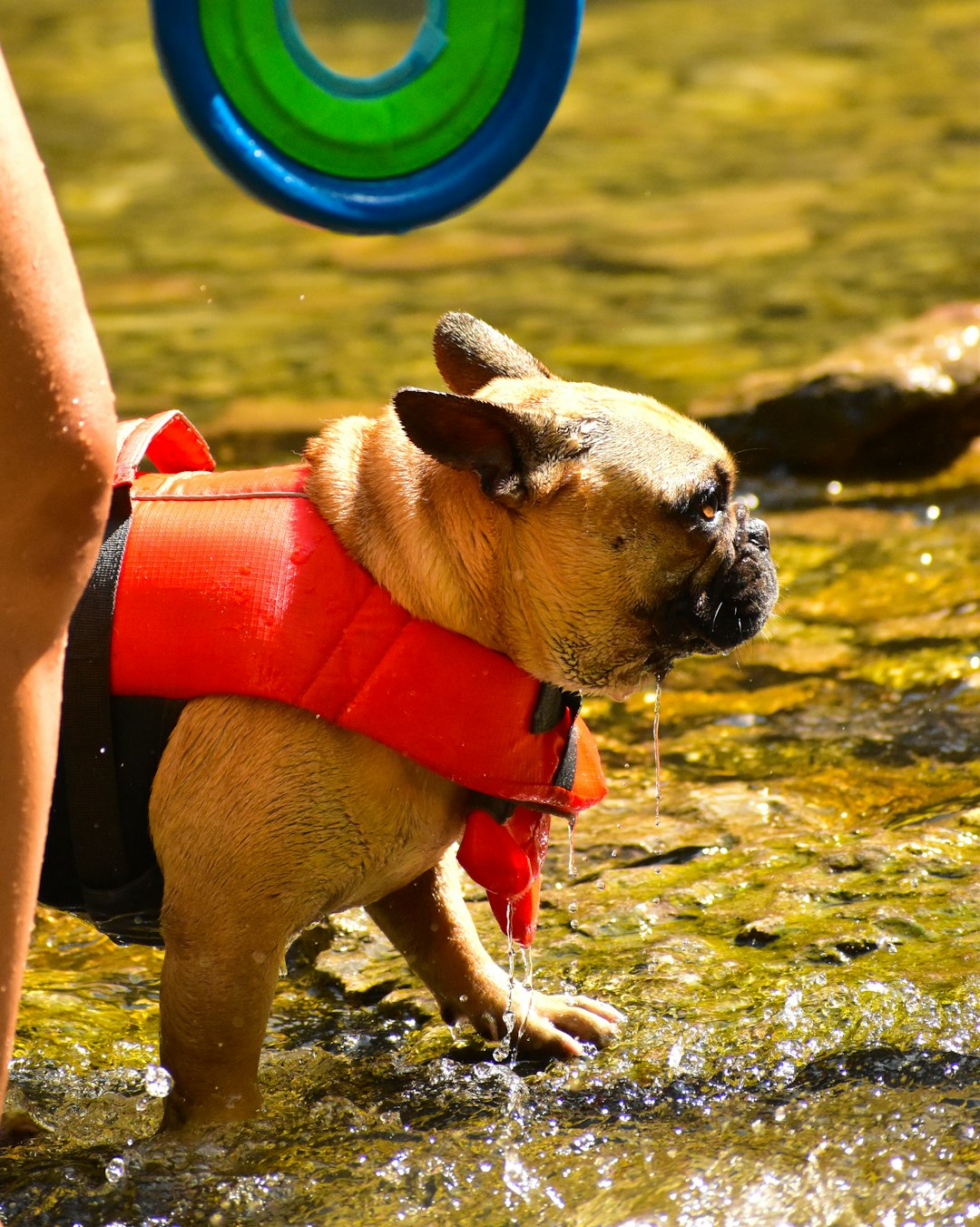
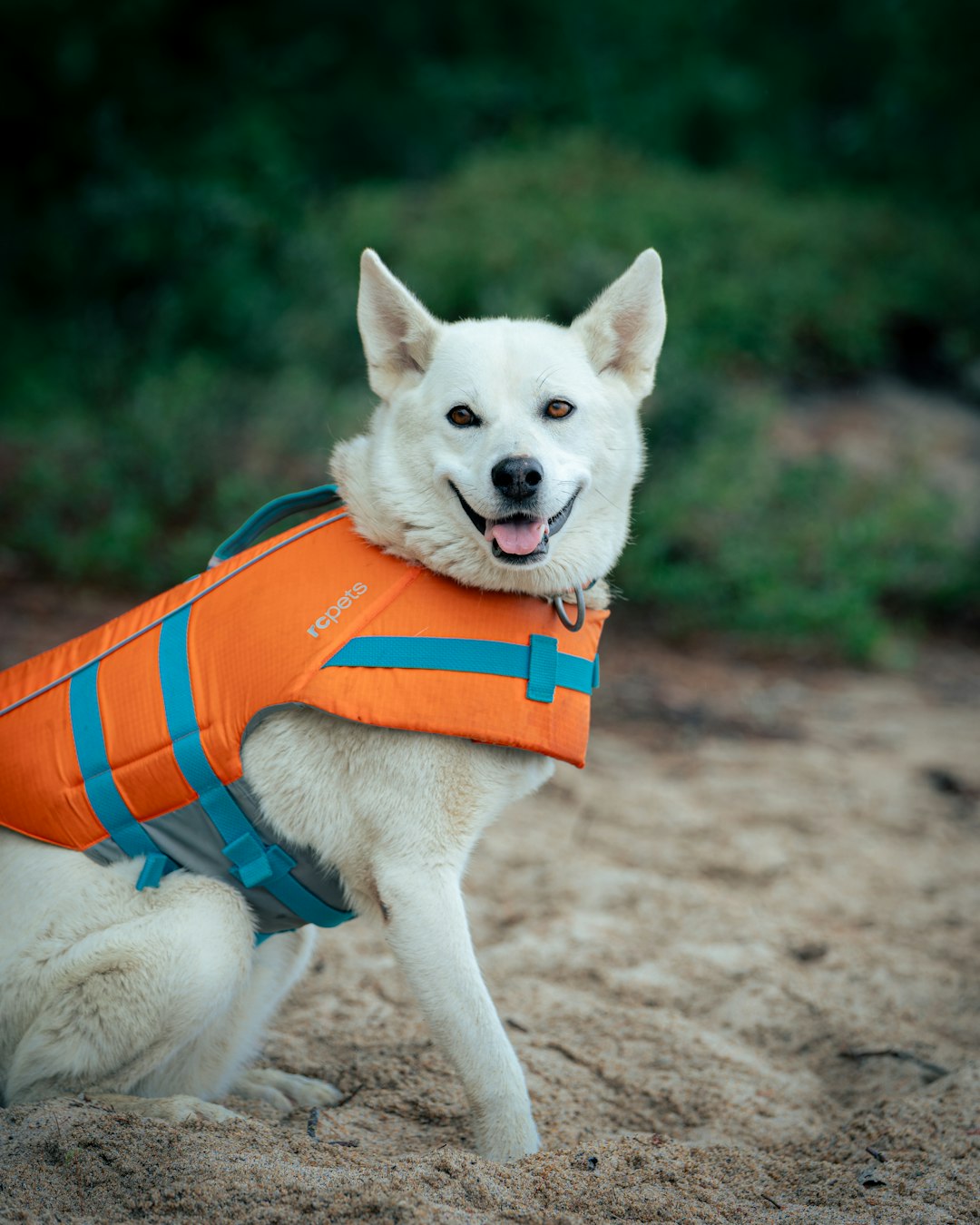
A dog life jacket provides buoyancy so your pup doesn’t have to work as hard to stay afloat. Most quality life vests also feature a rescue handle on the back — a literal lifesaver if you need to pull your dog out of the water quickly. Bright colors and reflective strips make your dog visible even in choppy or murky conditions.
Think of it this way: you wouldn’t go kayaking without a PFD (personal flotation device). Your dog deserves the same protection.
Breeds That Absolutely Need a Life Vest
While every dog benefits from a life jacket near water, certain breeds genuinely struggle with swimming due to their body structure. If you own one of these breeds, a life vest isn’t optional — it’s essential.
Brachycephalic Breeds (Flat-Faced Dogs)
Bulldogs (English, French, and American), Pugs, Boxers, and Boston Terriers have short snouts that make breathing harder during physical exertion. Swimming requires a lot of effort, and these dogs fatigue quickly. Their heavy, front-loaded bodies also make them prone to tipping forward in water. A French Bulldog in water without a life jacket is a genuine emergency waiting to happen.
Short-Legged Breeds
Dachshunds, Corgis, and Basset Hounds have legs that are simply too short to generate enough propulsion for sustained swimming. They paddle hard but move slowly and tire fast. The combination of a long body and short legs makes it hard to keep their head above water for long periods.
Toy and Teacup Breeds
Chihuahuas, Yorkshire Terriers, Maltese, and other tiny breeds weigh so little that even small waves or ripples can overwhelm them. Their low body mass means they lose body heat quickly in water, and hypothermia is a real risk even in water that feels warm to you. If you’ve read our guide on why small dogs need sweaters more than big dogs, the same heat-retention logic applies in water.
Giant and Heavy-Boned Breeds
Mastiffs, Saint Bernards, and Bernese Mountain Dogs carry a lot of muscle and bone weight. Swimming is exhausting for them. They might enjoy wading in shallow water, but deep water swimming without a life jacket puts enormous strain on their bodies.
Senior Dogs
Any older dog — regardless of breed — can benefit from a life jacket. Aging joints, reduced stamina, and potential vision or hearing loss all increase the risk in and around water. A life vest gives aging swimmers the extra support they need to enjoy the water without overdoing it.
How to Choose the Right Dog Life Jacket
Not all dog life jackets are created equal. Cheap, flimsy ones can actually be dangerous — they shift around, restrict movement, or come loose when you need them most. Here’s what to look for when shopping for one.
Proper Fit Is Everything
A dog life jacket should fit snugly without restricting movement. Measure your dog’s chest girth (widest part of the ribcage), neck circumference, and back length (base of neck to base of tail). If you’re unsure how to take these measurements, check out our complete guide on how to measure your dog for clothes — the same measurements apply for life vests.
The jacket should have adjustable straps at the neck and belly so you can dial in the fit. You should be able to slip two fingers between the jacket and your dog’s body — snug enough to stay in place, loose enough for comfortable breathing and movement.
Rescue Handle on Top
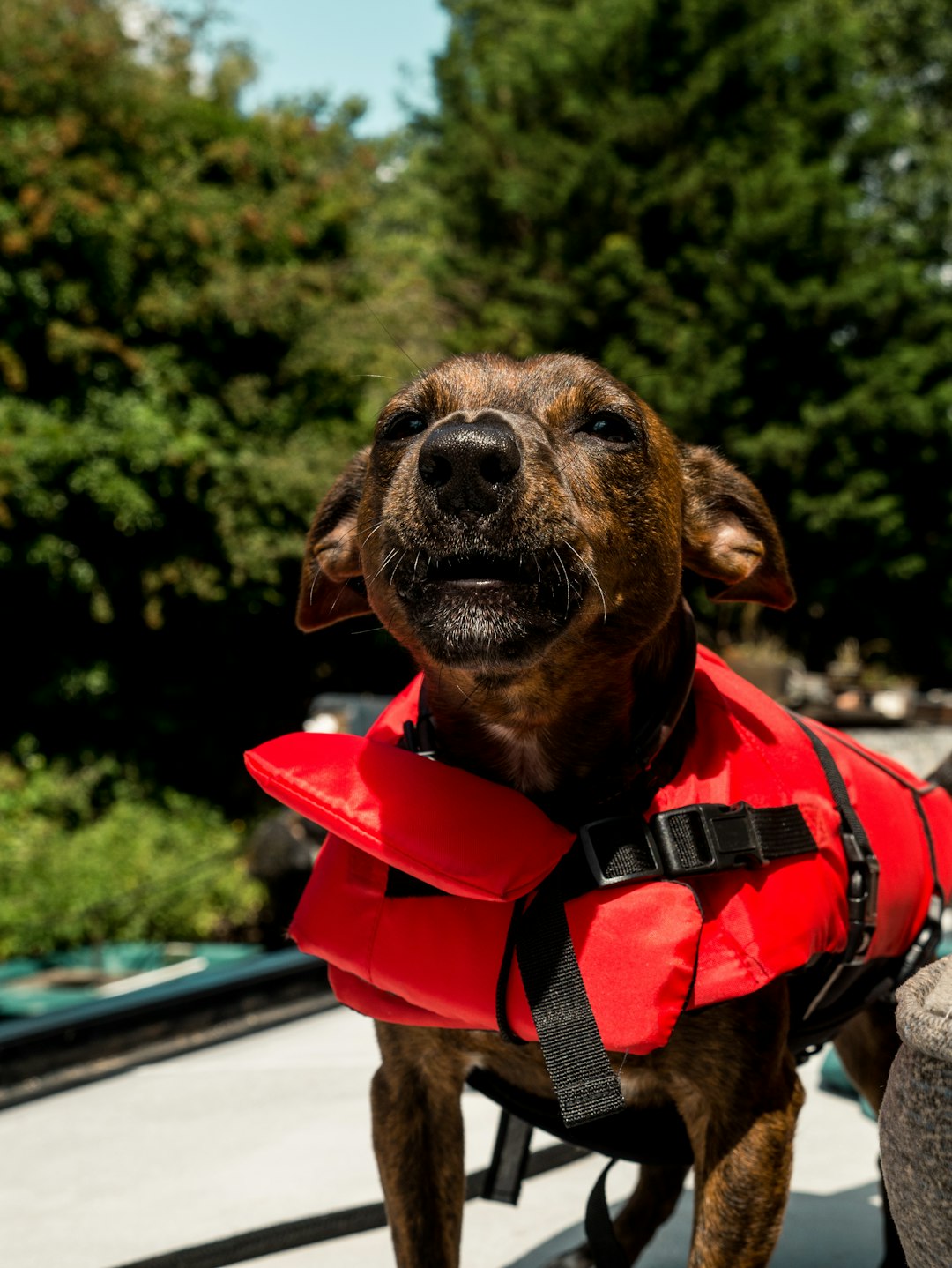
This is non-negotiable. A sturdy, reinforced handle on the back of the life vest lets you grab your dog and lift them out of the water. Whether you’re pulling them into a boat, out of a pool, or away from a current, this handle is the most important safety feature on the entire jacket.
Bright Colors and Reflective Elements
Opt for neon orange, yellow, or lime green. Dogs can be hard to spot in water, especially in lakes or oceans where the water is dark or murky. Reflective strips add visibility for low-light conditions — early morning, dusk, or overcast days.
Buoyancy Distribution
Look for a life jacket with foam panels distributed along the sides and under the belly — not just on top. Some cheaper vests only have foam on the back, which doesn’t help much for keeping a dog’s head above water. The best designs include a small chin float or front buoyancy panel that helps keep your dog’s muzzle clear of the surface.
D-Ring for Leash Attachment
A D-ring on the back gives you the option to attach a leash or tether line. This is especially useful for boating — you can clip your dog’s life jacket to the boat so they can’t jump in unexpectedly.
The Striped Dog Life Jacket from the Hawa Pets shop checks all these boxes — adjustable straps, rescue handle, bright design, and quality buoyancy panels that keep your dog safe and comfortable in the water.
How to Get Your Dog Used to Wearing a Life Jacket
Most dogs don’t immediately love wearing a life vest. It feels bulky, it restricts their normal range of motion, and it’s unfamiliar. The good news? With some patience and positive reinforcement, the vast majority of dogs adapt within a few sessions.
Step 1: Indoor Introduction
Let your dog sniff and investigate the life jacket at home first. Place it on the ground near their bed or food bowl so they associate it with comfortable, familiar territory. Don’t rush this. Some dogs need a day or two just getting comfortable with the jacket existing in their space.
Step 2: Short Wear Sessions on Dry Land
Put the jacket on your dog for 5-10 minutes while inside. Give treats, play their favorite game, make it a positive experience. If your dog freezes, lies down, or tries to wiggle out, keep the session short and try again later. Don’t force it — you’re building a positive association. This process is similar to training your dog to wear clothes in general, just with slightly bulkier gear.
Step 3: Outdoor Practice Walk
Once your dog is comfortable wearing the life jacket indoors, take them for a short walk around the yard or neighborhood. The movement helps them realize the jacket doesn’t restrict their legs or breathing. Keep treats flowing and keep the mood light.
Step 4: Shallow Water Introduction
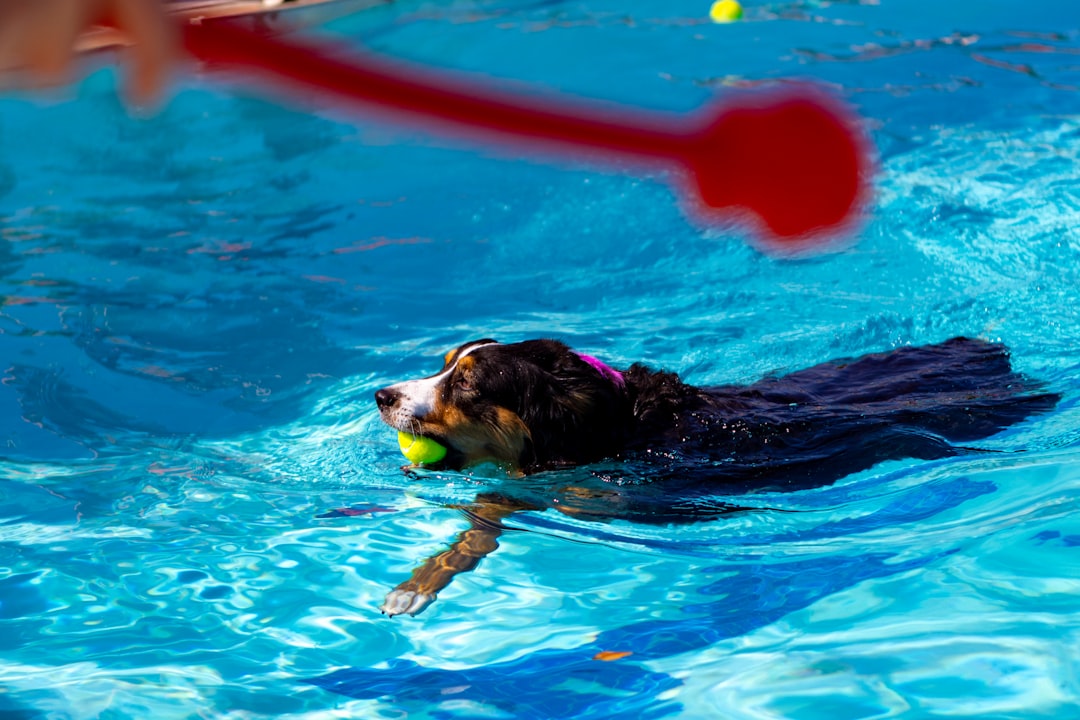
Start at a calm, shallow body of water — a kiddie pool, a calm shoreline, or the steps of a swimming pool. Let your dog wade in at their own pace. Don’t push them in, don’t carry them into deep water, and don’t make sudden moves that could startle them. Let them feel the buoyancy of the jacket working. Most dogs have a visible “oh, this is actually nice” moment when they realize the jacket is helping them float.
Step 5: Gradually Increase Depth
Over multiple sessions, let your dog go a little deeper each time. Always stay close by — within arm’s reach for small breeds, and in the water with your dog for the first few real swimming sessions. Bring their favorite toy for motivation. Many dogs who are reluctant swimmers will happily paddle after a beloved ball or tug toy.
Here’s a fantastic video that walks you through the entire process of teaching your dog to swim safely:
Water Safety Rules Every Dog Owner Should Follow
A life jacket is a critical piece of gear, but it’s only one part of keeping your dog safe around water. Here are the ground rules that apply whether you’re at the pool, the lake, the river, or the ocean.
Never Leave Your Dog Unsupervised Near Water
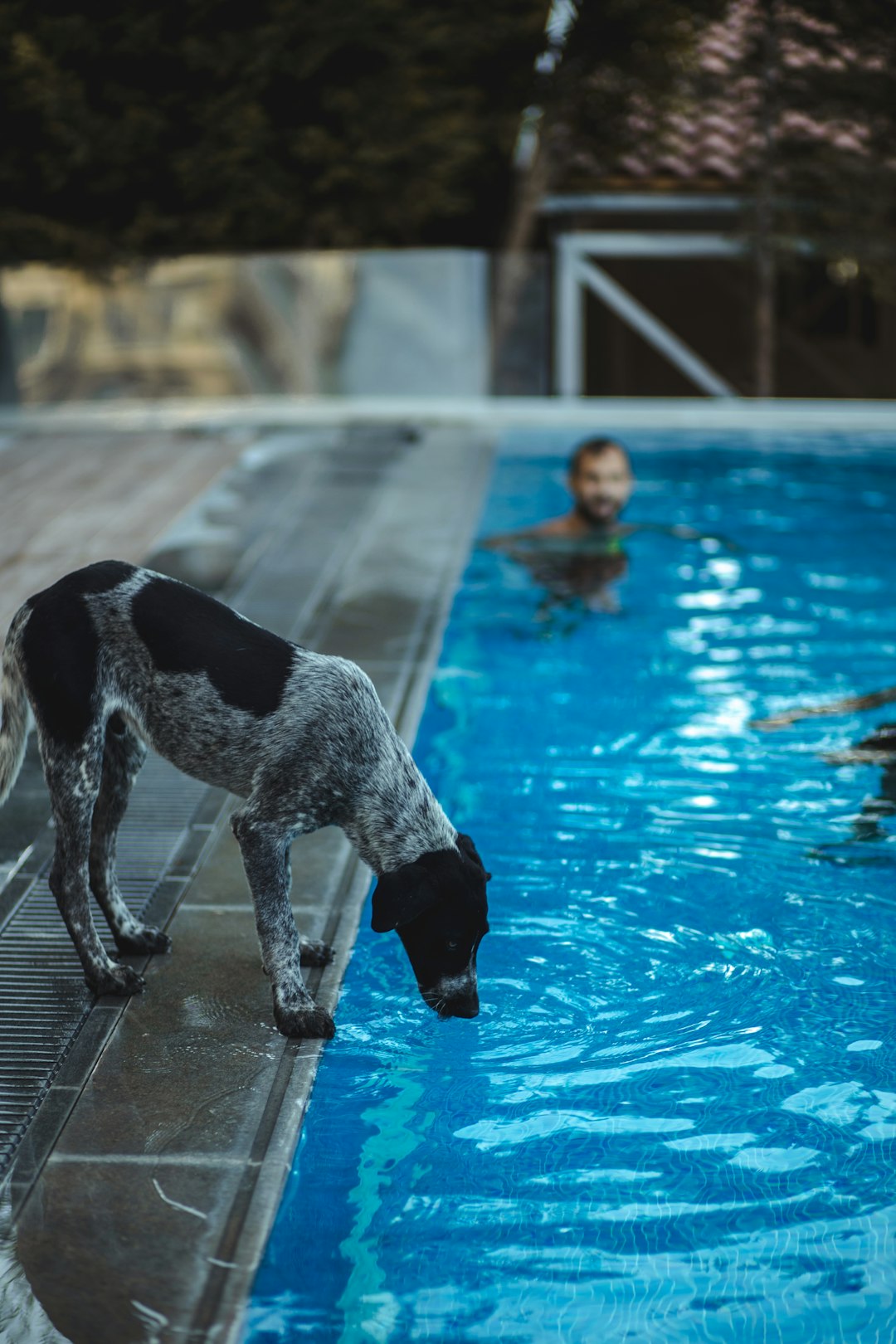
This is the number one rule and it cannot be overstated. Dogs drown every year in backyard pools, and it happens fast and silently. According to PetMD, one of the most common pool-related dog injuries happens when a dog falls in and can’t find the stairs or ramp to get out. They swim in circles until they’re exhausted. Constant supervision prevents this.
Teach Pool Exit Points
If you have a pool, spend time showing your dog exactly where the steps or ramp are. Walk them to the exit point repeatedly so they memorize the location. Some owners place a distinctive visual marker — a potted plant, a flag, a bright towel — near the pool exit so their dog always knows which direction to swim.
Watch for Fatigue Signals
Dogs don’t know when to stop. Watch for low-hanging tail, slowing paddle speed, heavy panting, or a head that’s sitting lower in the water than when they started. These are all signs your dog is getting tired and needs to come out immediately. Even with a life jacket, an exhausted dog can panic and inhale water.
Rinse After Every Swim
Chlorine, salt water, lake bacteria, and algae can all irritate your dog’s skin, eyes, and ears. Give your dog a thorough freshwater rinse after every swimming session. Pay special attention to ears — dogs that swim frequently are prone to ear infections if moisture gets trapped in the ear canal. Dry their ears gently with a soft towel.
Don’t Let Your Dog Drink the Water
Pool water contains chemicals. Lake and pond water can contain parasites like Giardia or toxic blue-green algae. Ocean water causes vomiting and diarrhea if ingested in large amounts. Always bring fresh drinking water and a portable bowl when heading to water activities with your dog.
Be Aware of Water Temperature
If the water feels uncomfortably cold to you, it’s too cold for most dogs. Cold water saps energy fast and can cause hypothermia, especially in small, lean, or short-coated breeds. Stick to water that’s at least 50°F (10°C) for swimming activities, and limit time in anything below 70°F (21°C) for small breeds.
Pool, Lake, Beach, or Boat: Location-Specific Tips
Different water environments pose different risks. Here’s what to keep in mind for each setting.
Swimming Pools
Pools are controlled environments, which makes them the safest option for introducing your dog to water. The biggest risks are not knowing where the exit is and chemical exposure. Teach your dog where the steps are, rinse them off after every swim, and consider installing a pet pool ramp if your pool doesn’t have gradual entry steps. Always keep the pool covered or fenced when you’re not actively supervising.
Lakes and Ponds
Natural bodies of water are less predictable. Check for blue-green algae warnings before letting your dog swim — this toxic algae can be fatal if ingested, and even skin contact can cause reactions. Watch for sharp rocks, fishing hooks, and underwater debris. Stick to designated dog-friendly swimming areas when possible, and always keep your dog within calling distance. The Animal Humane Society recommends always using a life jacket in open natural water, regardless of your dog’s swimming ability.
Beaches and Oceans
Ocean swimming adds waves, currents, and salt water to the equation. Even calm-looking beaches can have rip currents that pull your dog away from shore. Keep your dog in shallow water where they can still touch the bottom, and never let them swim out past where you can comfortably wade. After beach time, rinse off the salt thoroughly — it dries out skin and coat and can cause irritation.
Boating
A life jacket is absolutely mandatory for boating. Full stop. Even if your dog never plans to go in the water, boats rock, dogs get excited, and accidents happen. The rescue handle on a good life vest lets you quickly haul your dog back aboard if they fall in. Clip their life jacket to a tether line on the boat for extra security, and make sure they have a shaded, non-slip area to rest.
Caring for Your Dog’s Life Jacket
A dog life jacket is an investment in your pet’s safety, so treat it accordingly. After each use, rinse the jacket with fresh water to remove chlorine, salt, sand, or bacteria. Hang it to air dry completely before storing — stuffing a damp jacket in a bag is a fast track to mildew and deteriorating foam.
Inspect the jacket regularly for signs of wear: fraying straps, cracking buckles, compressed foam, or loose stitching. Replace the jacket if any of these show up. A life jacket that fails in the water is worse than no jacket at all because it gives you a false sense of security.
If your dog is still growing, recheck the fit every few months. A puppy can outgrow a life jacket surprisingly fast, and a jacket that’s too tight restricts breathing while one that’s too loose can slip off entirely.
Making Water Time Fun (Not Scary)
The goal isn’t just safety — it’s helping your dog genuinely enjoy the water. Swimming is phenomenal exercise. It’s low-impact on joints (great for dogs with arthritis or hip dysplasia), it burns tons of energy, and it strengthens cardiovascular health. Many veterinary rehab centers use hydrotherapy pools specifically because swimming is so beneficial.
Make water activities rewarding by bringing floating toys, playing fetch in shallow water, and rewarding brave behavior with treats and praise. Never punish a dog for being afraid of water — fear-based methods only make the anxiety worse and can create a permanent aversion.
If your dog simply doesn’t like swimming, that’s okay too. Not every dog needs to be a water dog. Wading, splashing in a sprinkler, or playing in a shallow kiddie pool are all valid water activities that keep your pup cool and entertained without full-on swimming.
Whatever your dog’s comfort level with water, having the right gear makes all the difference. A well-fitted dog life jacket turns a potentially dangerous situation into a fun, safe adventure. And honestly? Dogs in life jackets are ridiculously cute. That’s just a bonus.