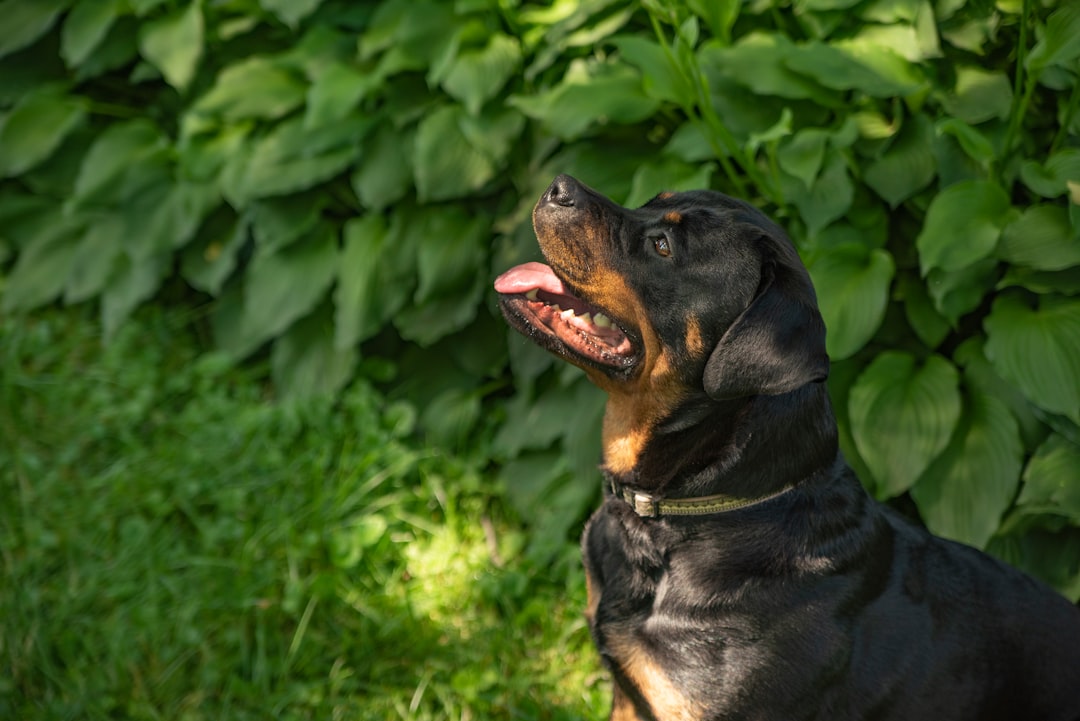
Dog Obedience Training at Home | 7 Essential Commands for Beginners
You just brought your dog home and the honeymoon phase is already fading. Shoes are getting chewed, the leash walk looks more like a sled race, and “come here” might as well be a foreign language. Sound familiar? You’re not alone — and the fix is simpler than most people think.
Dog obedience training at home doesn’t require a professional background, expensive equipment, or hours of daily drills. What it does require is consistency, patience, and the right approach. Whether you’re working with a brand-new puppy or an adult dog who never learned the basics, this guide walks you through seven foundational commands that will transform your daily life together.
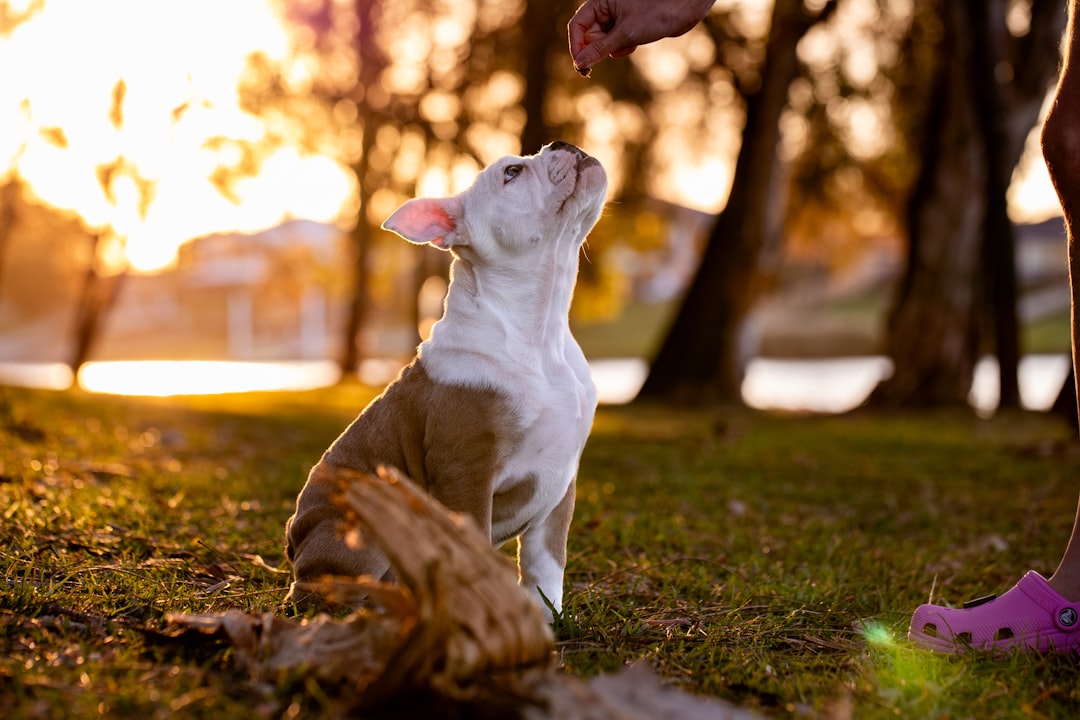
Why Home Training Works Better Than You’d Expect
There’s a common myth that only professional trainers can teach a dog proper obedience. The truth? Dogs learn best in environments where they feel comfortable, and nothing beats the familiarity of home. Your living room, backyard, and hallway become the perfect training ground.
Home training also lets you work in short bursts throughout the day. Five to ten minutes of focused practice beats a single hour-long session where both you and your dog are exhausted. According to the VCA Animal Hospitals, short and frequent sessions produce faster results because dogs retain information better when they aren’t mentally fatigued.
The other benefit? You’re training in the exact environment where behaviors actually matter. Teaching “leave it” in your kitchen — where the trash can lives — is far more practical than practicing it in a sterile classroom setting.
Gather Your Training Toolkit
Before you start teaching commands, set yourself up for success. You’ll need a few basics:
- High-value treats — Small, soft, and smelly works best. Think freeze-dried liver, small cheese cubes, or commercial training treats. Avoid anything too large; your dog should be able to eat it in one second flat.
- A treat pouch — Keeps rewards accessible so you can mark good behavior instantly. Fumbling through your pockets kills timing.
- A six-foot leash — Not a retractable one. A standard flat leash gives you control without confusing your dog about boundaries.
- A quiet space — Start in a low-distraction room. The backyard with squirrels running around is an advanced-level arena.
Recommended: A hands-free dog training treat pouch keeps your hands available for leash work and hand signals, making every session smoother.
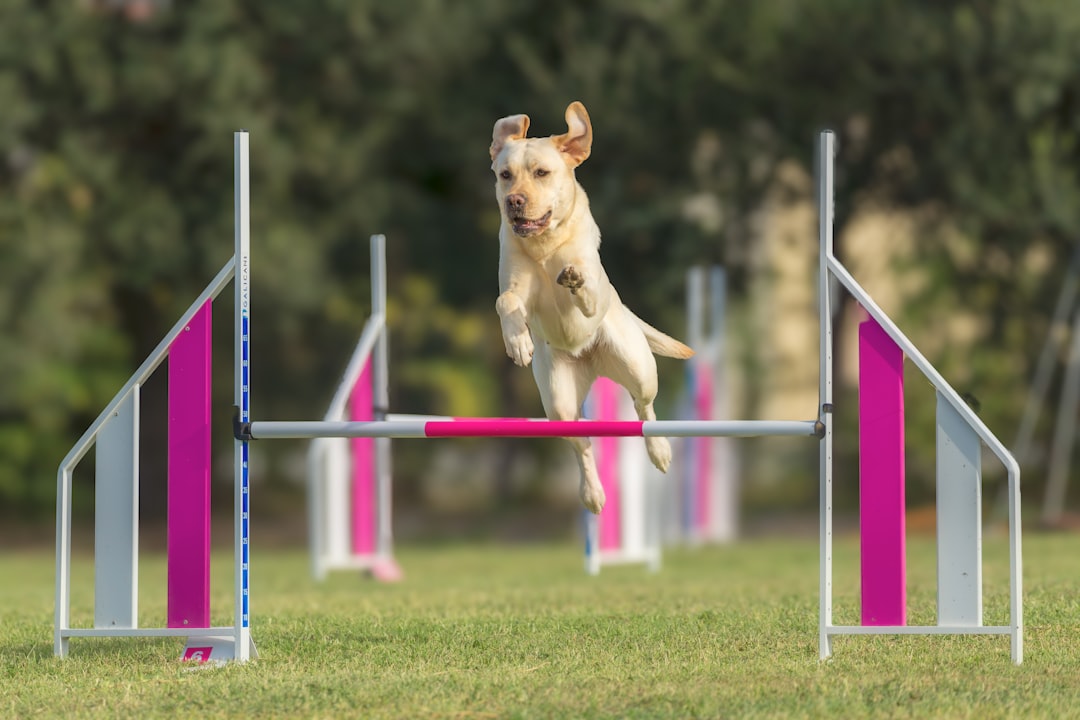
Command #1 — Sit
“Sit” is the gateway command. It’s the easiest to teach, the most universally useful, and it sets the tone for everything that follows. A dog who knows how to sit on cue already has a built-in pause button.
How to teach it:
- Hold a treat close to your dog’s nose and let them get a whiff.
- Slowly move the treat upward and slightly back over their head. As their nose follows the treat, their rear naturally drops to the ground.
- The instant their bottom touches the floor, say “yes!” and give them the treat.
- Repeat this five to six times, then start saying “sit” just before you lure them into position.
- Gradually fade the lure by using an empty hand (treat in the other hand) and rewarding after they comply.
Most dogs pick up “sit” within one or two sessions. Once they’ve got it indoors, practice at the front door before walks, before meals, and before greeting visitors.
Command #2 — Stay
“Stay” teaches impulse control — one of the most valuable skills any dog can have. A solid stay prevents door dashing, table surfing, and a hundred other daily frustrations.
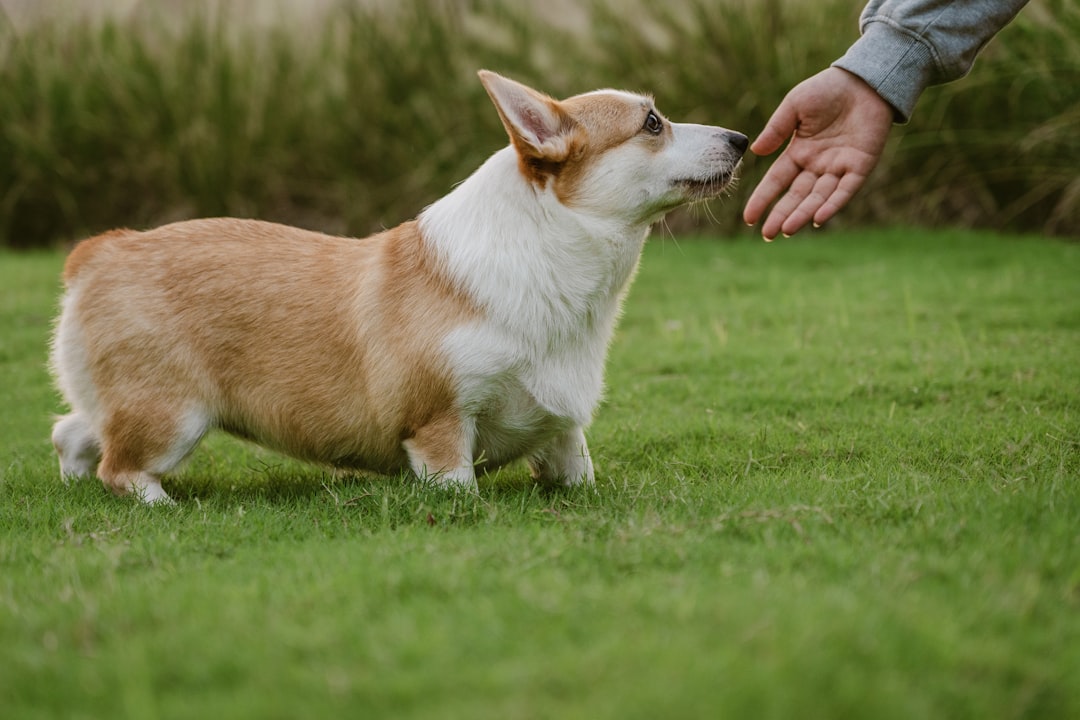
How to teach it:
- Ask your dog to sit.
- Hold your palm out in a “stop” gesture and say “stay.”
- Wait one second. If they don’t move, say “yes!” and reward.
- Gradually increase the duration — two seconds, then five, then ten.
- Once they can hold for 15-20 seconds, start adding distance. Take one step back, then two, then three.
- Add distractions only after duration and distance are solid.
The biggest mistake people make with “stay” is progressing too fast. If your dog breaks the stay, you’ve pushed too far. Go back to the last successful level and build from there. The American Kennel Club recommends the “three D’s” approach: increase Duration, Distance, and Distractions one at a time — never all at once.
Command #3 — Come (Recall)
A reliable recall might be the single most important thing you can teach your dog. It’s a safety net — the command that can literally save their life if they slip out the front door or approach a dangerous situation.
How to teach it:
- Start indoors on a leash. Let your dog wander a few feet away.
- In an upbeat, excited voice, say “come!” and gently guide them toward you with the leash.
- When they reach you, throw a party — treats, praise, petting. Make arriving at your feet the best thing that’s ever happened.
- Practice in hallways, then the backyard, then quiet outdoor spaces on a long line.
- Never call your dog to you for something unpleasant (baths, nail trims, leaving the park). That poisons the cue.
Pro tip: use a long training lead (15-30 feet) when practicing recall outdoors. It gives your dog the illusion of freedom while keeping you in control. If they ignore you, a gentle leash pressure reminds them the command isn’t optional.
Dogs who struggle with separation anxiety often have difficulty with recall because they’re already hyper-attached. Ironically, building a reliable recall through structured practice can actually reduce anxiety by giving your dog clear expectations.
Command #4 — Down
“Down” is a calming command. When a dog lies down, their body language shifts into a more relaxed state, which makes this perfect for vet visits, restaurant patios, or any time you need your dog to settle.
How to teach it:
- Ask your dog to sit.
- Hold a treat at their nose, then slowly lower it straight down to the ground between their front paws.
- As they follow the treat down, their body should fold into a lying position.
- Mark the moment with “yes!” and reward immediately.
- If they pop back up instead of lying down, try luring the treat slightly forward along the ground to encourage them to stretch out.
Some dogs find “down” vulnerable and resist it at first. That’s completely normal. Keep sessions short and reward generously. Never push your dog into a down position physically — that creates distrust, not obedience.
Command #5 — Leave It
From chicken bones on the sidewalk to that mysterious substance in the park, your dog will encounter things they shouldn’t put in their mouth. “Leave it” is your preemptive strike.
How to teach it:
- Place a treat in your closed fist and offer it to your dog.
- They’ll sniff, lick, and paw at your hand. Wait.
- The moment they pull away or look at your face, say “yes!” and give them a different treat from your other hand.
- Repeat until they consistently back off the closed fist.
- Add the verbal cue “leave it” just before presenting the fist.
- Progress to treats on the floor (covered with your hand as backup), then on the ground during walks.
The ASPCA lists scavenging as one of the most common behavior issues in dogs, and a solid “leave it” addresses it directly. Pair this command with regular exercise to reduce the restless energy that drives scavenging behavior.
Command #6 — Heel
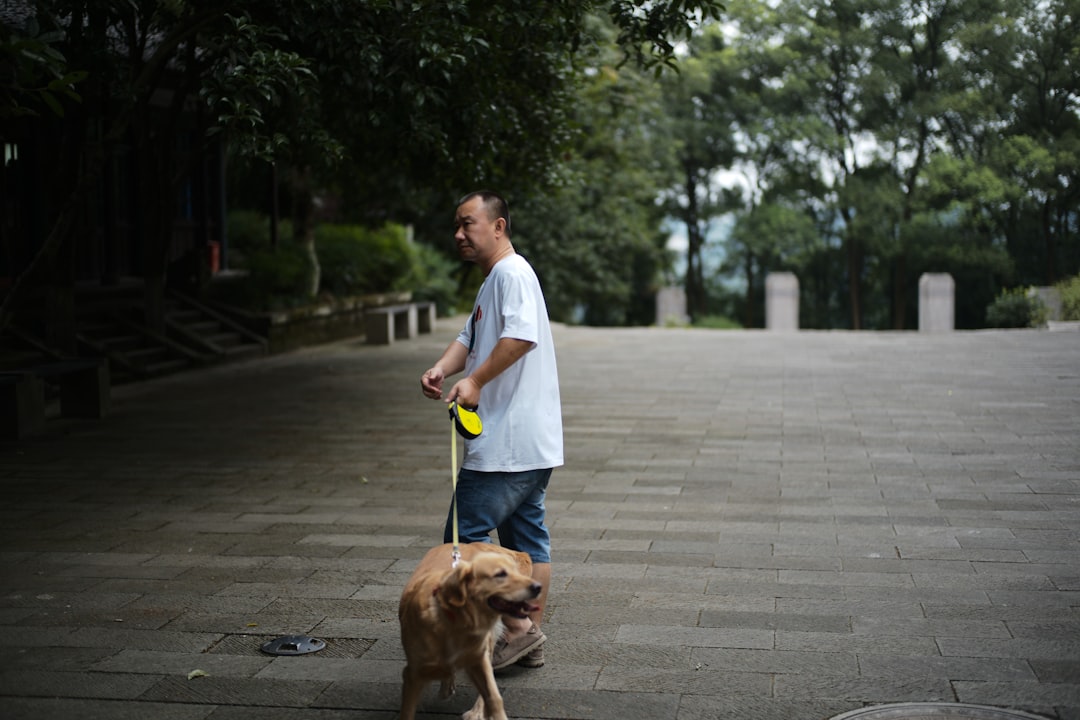
Loose-leash walking is what most people actually want, but “heel” takes it a step further. Heel means your dog walks right beside you, matching your pace, paying attention to your movement. It’s not for the entire walk — just for those moments when you need precision control (crossing streets, passing other dogs, navigating crowded sidewalks).
How to teach it:
- Hold treats in the hand closest to your dog (usually left).
- Say “heel” and start walking. Every few steps, reward your dog for staying at your side.
- If they forge ahead, stop moving entirely. Wait for them to look back at you, then reward and resume.
- If they lag behind, use an excited voice and pat your leg to encourage them forward.
- Keep heel sessions short (30 seconds to start) and let your dog have free-sniffing time between reps.
Recommended: A front-clip no-pull harness reduces pulling force by 60% and makes heel training dramatically easier for strong or excitable dogs.
Command #7 — Place
“Place” tells your dog to go to a specific spot — a bed, a mat, a crate — and stay there until released. It’s the Swiss Army knife of commands. Doorbell rings? Place. Cooking dinner? Place. Company arrives? Place.
How to teach it:
- Set up a dog bed or mat in a common area.
- Lure your dog onto the mat with a treat. The moment all four paws are on it, say “yes!” and reward.
- Add the cue “place” before luring.
- Ask for a “down” once they’re on the mat, then reward again.
- Start with short durations (10 seconds) and gradually build up to several minutes.
- Practice sending them to “place” from increasing distances — across the room, from the hallway, from another room.
“Place” is also a powerful tool for dogs who struggle with separation anxiety. It gives them a designated safe zone and a clear job to do, which reduces the frantic energy that comes from uncertainty.
Recommended: A durable, washable dog training place mat gives your dog a clear visual boundary and travels easily for training in different locations.
Watch: Getting Your Dog to Listen the First Time
This excellent walkthrough covers the mindset and mechanics behind making commands stick — not just teaching them, but getting reliable responses every single time.
The Training Schedule That Actually Works
Forget marathon sessions. Here’s a realistic weekly plan that fits into a normal life:
Monday through Friday: Two to three five-minute sessions per day. Focus on one or two commands per session. Morning sessions before breakfast work especially well because your dog is alert and food-motivated.
Saturday: Take training outdoors. Practice commands in your yard, on a quiet trail, or at a pet-friendly store. New environments test generalization — can your dog “sit” somewhere they’ve never been?
Sunday: Rest day with light reinforcement. Use commands naturally throughout the day (sit before meals, wait at doors, place during family time) but skip formal sessions. Dogs benefit from mental breaks just like people do.
Pair your training routine with regular physical exercise. A well-exercised dog learns faster because they’re not bouncing off the walls with pent-up energy. Similarly, maintaining a consistent grooming routine teaches your dog to be comfortable with handling, which reinforces the trust foundation that all training depends on.
Troubleshooting Common Sticking Points
“My dog only listens when I have treats.” This means you haven’t faded the lure yet. Transition to intermittent rewards — treat every other success, then every third, then randomly. Your dog should never know which repetition earns the jackpot.
“They’re perfect at home but ignore me outside.” That’s a generalization gap. Dogs don’t automatically transfer indoor learning to outdoor settings. You need to rebuild each command in progressively more distracting environments, starting from step one in the new location.
“My older dog seems stubborn.” Older dogs aren’t stubborn — they’re experienced. They’ve spent years learning that certain behaviors work, and you’re now asking them to rewrite their playbook. Be patient and use higher-value rewards. An older dog who has never been formally trained may need twice the repetitions of a puppy, but they’ll get there.
“We were making progress, then everything fell apart.” Regression is normal and usually means you increased difficulty too fast. Back up two steps in your training plan and rebuild. Think of it like strength training — you don’t add weight every single day.
Building a Lifelong Habit
Obedience training isn’t a one-and-done project. It’s an ongoing conversation between you and your dog that deepens over months and years. The seven commands in this guide form the foundation, but they’re just the beginning.
Once these basics are reliable, you can layer on more advanced skills: hand signals, off-leash work, trick training, or even agility courses. Every command you add reinforces the ones before it and strengthens the partnership between you.
The dogs who are a joy to live with — the ones who greet guests politely, walk calmly beside their owners, and settle quietly during dinner — weren’t born that way. They were trained by someone who committed fifteen minutes a day to making it happen. That someone can absolutely be you.