Dog Park Etiquette: 12 Essential Rules Every Dog Owner Must Know
Spring brings warmer weather and the perfect opportunity for outdoor adventures with your furry friend. Dog parks offer invaluable socialization and exercise opportunities, but they require proper etiquette to ensure everyone has a safe and enjoyable experience.
Whether you’re a first-time dog park visitor or looking to brush up on the unwritten rules, this comprehensive guide covers everything you need to know about dog park etiquette.
## Why Dog Park Etiquette Matters
Dog parks serve as social hubs for both dogs and their owners. Poor etiquette can lead to fights, injuries, and stressed animals. Following proper guidelines creates a positive environment where dogs can play safely and owners can relax knowing their pets are in good hands.

## Before You Enter: Pre-Visit Preparation
### Health and Vaccination Requirements
Never bring a sick dog to the park. Ensure your dog is:
– Current on all vaccinations
– Free from parasites (fleas, ticks, worms)
– Showing no signs of illness
– Spayed or neutered (check park rules)
### Timing Your Visit
Choose off-peak hours for your first visits. Early mornings and weekdays typically have fewer dogs, making it easier for nervous or inexperienced dogs to acclimate.
## Essential Dog Park Etiquette Rules
### 1. **Stay Alert and Engaged**
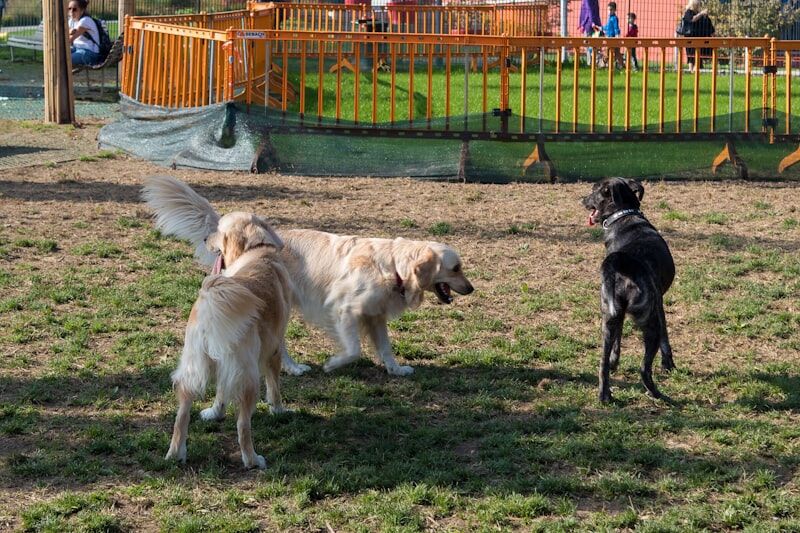
The most important rule: **never take your eyes off your dog**. Put away phones and engage with both your pet and the environment. You need to be ready to intervene if play becomes too rough or your dog shows signs of stress.
### 2. **Master the Double-Gate System**
Most dog parks feature double-gate entry systems to prevent escapes. Always:
– Close the first gate completely before opening the second
– Wait for others to clear the area
– Keep your dog on leash until inside the final enclosure
### 3. **Remove the Leash Immediately**
Once inside the park, remove your dog’s leash immediately. Leashed dogs among off-leash dogs can become territorial and aggressive. This creates an imbalanced dynamic that often leads to conflicts.
### 4. **Know When to Leave**
Recognize these red flags and exit immediately:
– Your dog shows signs of fear, stress, or aggression
– Play becomes one-sided or bullying occurs
– Your dog is overwhelmed by larger or more energetic dogs
– Any signs of resource guarding around toys or water
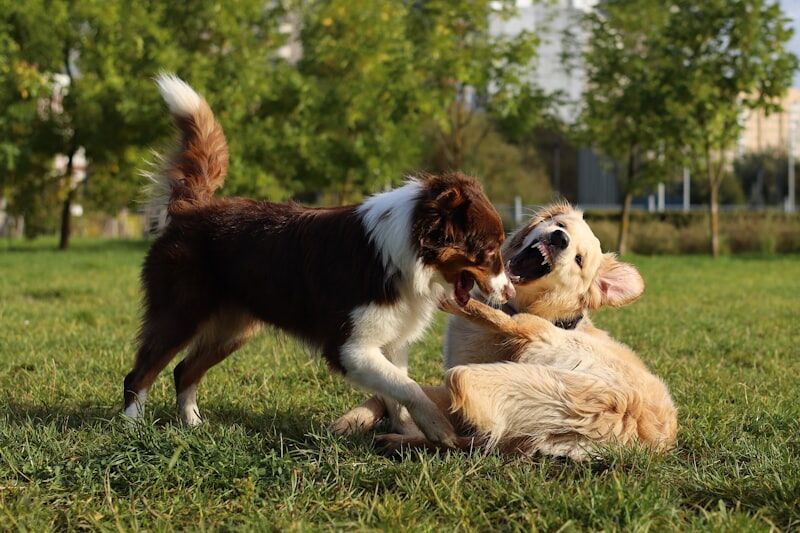
### 5. **Supervise Play Behavior**
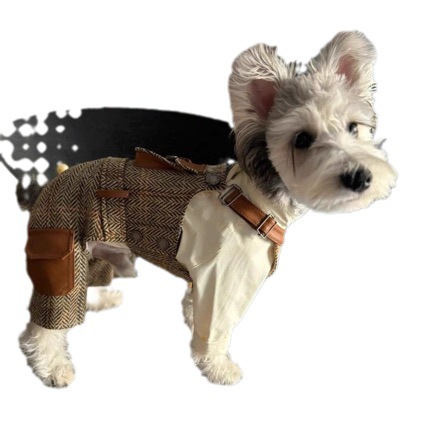
Healthy dog play includes:
– **Play bows** – front end down, rear end up
– **Role reversal** – dogs take turns being chaser/chased
– **Natural breaks** – dogs pause to rest or explore
– **Balanced engagement** – all dogs seem happy and willing
Watch for problematic behaviors:
– Persistent mounting
– Excessive barking or whining
– Stiff body language
– One dog consistently pinning another
### 6. **Respect Size Differences**
Many parks have separate areas for large and small dogs. Use them! A playful Great Dane can accidentally injure a Chihuahua, even with the best intentions. Size-appropriate play areas keep everyone safer.
### 7. **Clean Up After Your Dog**
Always bring waste bags and clean up immediately after your dog. This basic courtesy keeps the park clean and pleasant for everyone. Many parks provide bags, but bring your own as backup.
### 8. **Control Food and Treats**
Avoid bringing food, treats, or toys that could cause resource guarding. If you must bring training treats, use them away from other dogs or save them for after your visit.
## Reading Dog Body Language
### Positive Signs
– **Relaxed body posture**
– **Play bows and bouncy movements**
– **Soft, open mouth”panting**
– **Loose, wiggly body language**
### Warning Signs
– **Stiff, rigid posture**
– **Raised hackles**
– **Whale eye (showing whites of eyes)**
– **Low growling or stiff tail**
– **Lip lifting or snarling**
When you see warning signs, calmly call your dog away and create distance. Don’t wait for a situation to escalate.
## Common Dog Park Mistakes to Avoid
### Bringing Young Puppies
Puppies under 4 months (or not fully vaccinated) shouldn’t visit dog parks. Their immune systems aren’t developed enough, and negative experiences during critical socialization periods can create lasting behavioral issues.
### Ignoring Your Dog’s Stress Signals
Dogs communicate stress through:
– Excessive panting
– Drooling
– Trembling
– Trying to hide behind you
– Excessive seeking of attention
If your dog shows these signs, it’s time to leave. Forcing a stressed dog to “work through it” often makes problems worse.
### Chatting Instead of Supervising
While socializing with other dog owners is enjoyable, your primary responsibility is supervising your pet. Dogs can get into trouble quickly, and prevention is always better than intervention.
## Seasonal Considerations
### Spring Safety Tips
Spring brings specific challenges:
– **Mud and puddles** – Can harbor bacteria and parasites
– **Increased wildlife** – More squirrels and birds can overstimulate some dogs
– **Allergies** – Watch for excessive scratching or eye discharge
– **Weather changes** – Sudden temperature shifts can affect energy levels
### Weather-Appropriate Gear
Consider protective gear for spring weather:
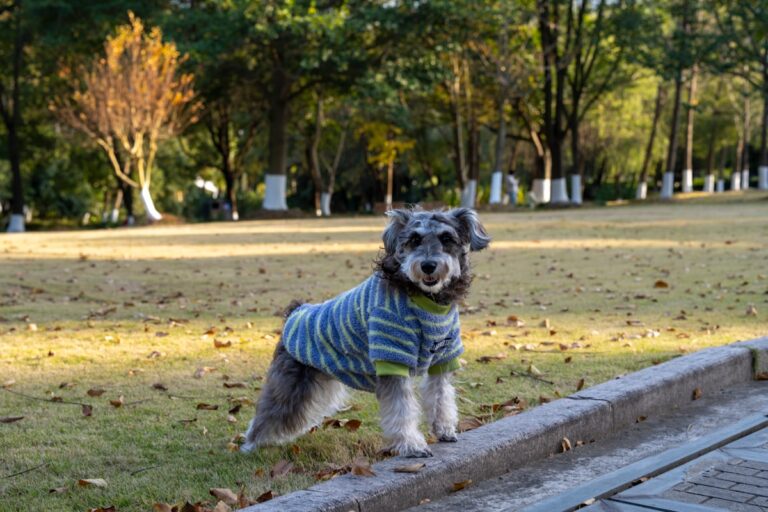
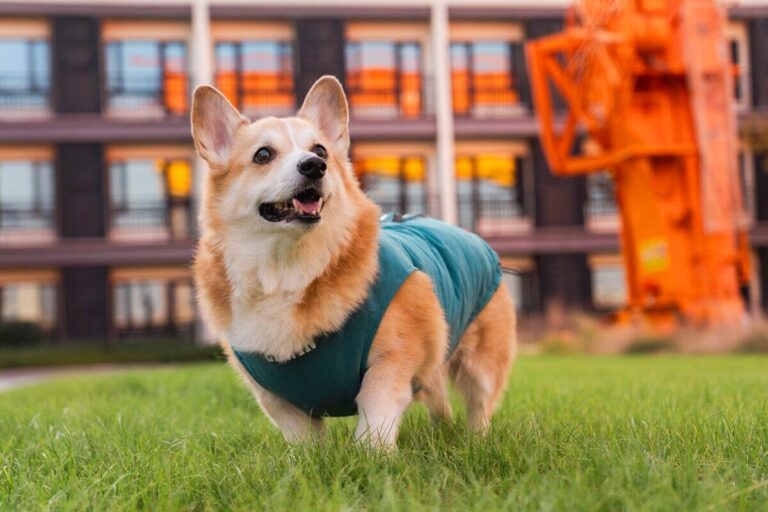
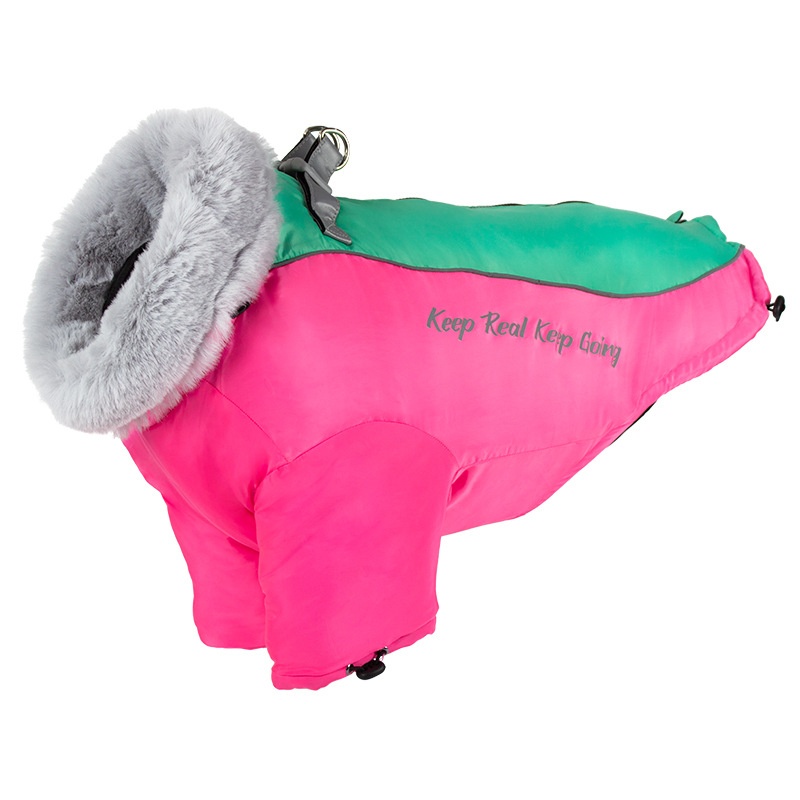
– **Light jackets** for cool mornings
– **Paw protection** for muddy conditions
– **ID tags** in case of escape during storms
## Emergency Situations and Conflict Resolution
### If Dogs Fight
1. **Stay calm** – Screaming escalates the situation
2. **Don’t reach for collars** – You risk being bitten
3. **Use distractions** – Loud noises, water, or throwing objects near (not at) the dogs
4. **Separate safely** – Grab hind legs and pull dogs apart simultaneously
5. **Leave immediately** – Even after resolution, both dogs are stressed
### When to Contact Authorities
Contact park authorities or animal control if:
– An owner refuses to control an aggressive dog
– Dogs are left unattended
– Someone violates posted park rules repeatedly
– Injuries occur
## Building Positive Relationships
### With Other Dog Owners
– **Introduce yourself** – Knowing names helps with communication
– **Share information** – Alert others about your dog’s play style
– **Offer assistance** – Help new visitors understand park culture
– **Address issues calmly** – Approach problems with solutions, not accusations
### With Your Dog
Use park visits as training opportunities:
– **Practice recall** – Start with short distances in low-distraction moments
– **Reinforce good behavior** – Praise calm greetings and appropriate play
– **Set boundaries** – Teach your dog that you’re still the leader, even in fun environments
## Educational Video Resource
For visual learners, check out this helpful video from KARE 11 News that demonstrates proper dog park etiquette:
## Conclusion: Creating Positive Park Experiences
Dog park etiquette isn’t complicated, but it requires attention, respect, and common sense. By following these essential rules, you’ll help maintain a safe, fun environment where dogs can exercise, socialize, and develop crucial social skills.
Remember: every dog is different. What works for one may not work for another. Stay flexible, observant, and always prioritize your dog’s wellbeing over social pressure to “let them work it out.”
The goal isn’t just to tire out your dog—it’s to build positive associations with other dogs and people that will benefit your pet throughout their life. With proper etiquette, dog parks become valuable community resources that strengthen the bond between you and your furry friend.
Start with short visits, stay engaged, and don’t hesitate to leave if things aren’t going well. Your dog will thank you for prioritizing their safety and comfort, and you’ll both enjoy many happy park adventures ahead.
—
*Ready to gear up for dog park visits? Check out our collection of [comfortable dog sweaters](https://hawapets.com/product-category/dog-clothes/) perfect for spring weather. Keep your pup stylish and comfortable during all your outdoor adventures!*