Dog Paw Care | 7 Essential Tips for Healthy Paw Pads 2026
Dog paw care is one of the most overlooked aspects of pet health, yet your dog’s paws absorb every step, every surface, and every season’s punishment. Cracked paw pads, torn nails, and hidden debris can cause pain that dogs instinctively hide from their owners. This guide covers everything you need to keep those four feet healthy, from daily inspections to seasonal protection strategies backed by veterinary research.
Whether you’re dealing with dog skin allergies that extend to the paws or simply want a reliable dog paw care routine, you’ll find practical, step-by-step advice below that works for every breed and every climate.
Why Dog Paw Care Matters More Than You Think
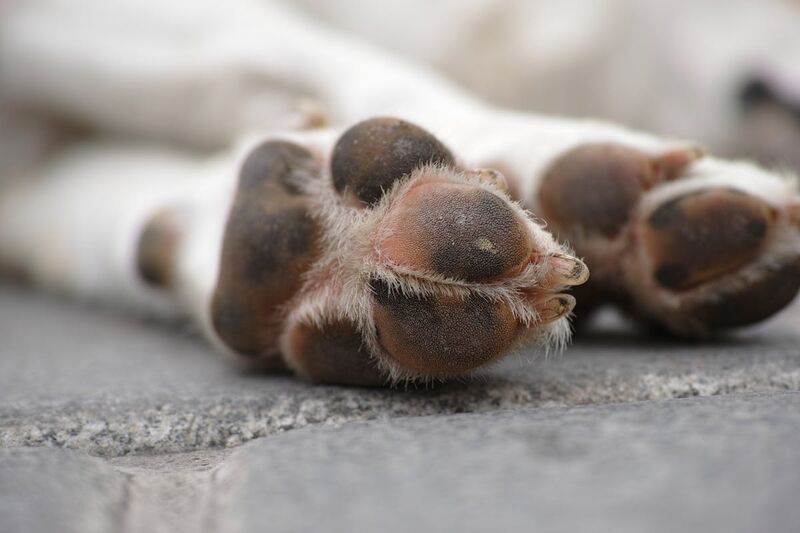
Your dog’s paw pads serve as natural shock absorbers, insulation against extreme temperatures, and traction on slippery surfaces. According to the American Kennel Club, paw pad injuries rank among the top 10 reasons for emergency vet visits during summer months. The paw pad consists of a thick layer of fatty tissue covered by tough keratinized skin — but tough doesn’t mean invincible.
Dogs walk on surfaces that range from scorching asphalt (which can exceed 150°F on a 77°F day) to icy sidewalks treated with chemical de-icers. Each of these surfaces wears down, cracks, or chemically damages the paw pad over time. Without regular dog paw care, small issues like minor cracks escalate into infections that require antibiotics and weeks of recovery.
Breeds with longer fur between their toes — like Golden Retrievers, Bernese Mountain Dogs, and Cocker Spaniels — face extra challenges. Matted fur between the pads traps moisture, ice, and debris, creating a breeding ground for yeast and bacterial infections. Short-haired breeds aren’t immune either; they simply face different risks, like reduced insulation against hot and cold surfaces.
How to Inspect Your Dog’s Paws (Daily 2-Minute Check)
A quick paw check after every walk catches problems before they become emergencies. Start by gently spreading each toe apart and looking between the pads for lodged stones, thorns, glass shards, or foxtails. Foxtails are particularly dangerous because they burrow deeper into tissue over time and can cause serious abscesses.
Here’s a simple routine that takes under two minutes:
- Flip each paw gently. Look at the pad surface for cuts, cracks, blisters, or discoloration. Healthy pads should feel slightly rough — like soft sandpaper — not smooth or peeling.
- Check between each toe. Spread the toes and look for redness, swelling, foreign objects, or foul-smelling discharge. A yeasty smell often indicates a fungal infection.
- Examine the nails. Look for splits, cracks, or nails that curve into the pad. Overgrown nails change your dog’s gait and cause joint problems over time.
- Feel for temperature. Unusually hot paws can signal inflammation or infection. Cold paws in winter may indicate frostbite risk.
- Watch for licking. Excessive paw licking is the number one sign that something’s wrong — whether it’s allergies, pain, or anxiety.
If your dog pulls away during inspection, pair the routine with high-value treats. Within a week, most dogs learn to tolerate (and even enjoy) the attention.
Cracked Dog Paws: Causes, Treatment, and Prevention
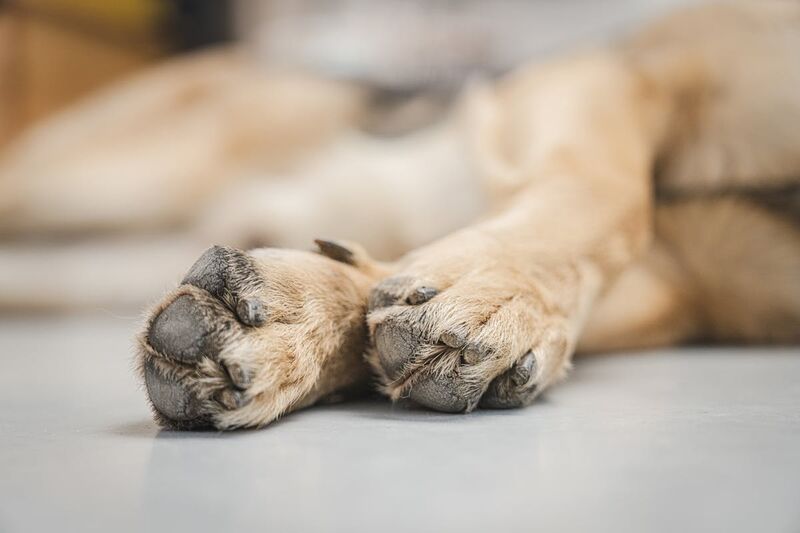
Cracked dog paws are the most common paw pad problem veterinarians see, and they range from minor dryness to deep, bleeding fissures. Understanding the root cause determines the right fix.
What Causes Paw Pads to Crack?
- Hot surfaces: Asphalt, concrete, and metal surfaces absorb heat. The “7-second test” (press the back of your hand to the pavement — if you can’t hold it for 7 seconds, it’s too hot for paws) is the gold standard for summer walks.
- Cold and ice: Freezing temperatures dry out the fatty tissue in paw pads, similar to how cold air chaps human lips. Road salt and chemical de-icers accelerate the damage.
- Allergies: Food allergies and environmental sensitivities often manifest in itchy, inflamed, cracked paws before other symptoms appear.
- Zinc deficiency: Certain breeds (particularly Huskies and Malamutes) are prone to zinc-responsive dermatosis, which causes crusty, cracked paw pads. Your vet can diagnose this with a blood test.
- Rough terrain: Hiking on rocky trails or running on abrasive surfaces wears pads faster than they regenerate.
How to Treat Cracked Paw Pads
For mild cracks, apply a dog-specific paw balm (never use human lotions with zinc oxide or fragrances — they’re toxic if licked). Coconut oil works as a temporary moisturizer, but it absorbs quickly and lacks the protective barrier of a dedicated dog paw balm. Apply the balm before bedtime, then cover with a baby sock to prevent licking and give the product time to absorb.
For deeper cracks or any sign of bleeding, the Preventive Vet recommends cleaning the area with diluted chlorhexidine solution, applying triple-antibiotic ointment, and bandaging the paw. If the crack doesn’t improve within 48 hours, or if you see pus, swelling, or your dog refuses to walk, schedule a vet visit immediately.
Dog Paw Protection: Seasonal Strategies That Work
Paw protection isn’t a one-size-fits-all approach — it shifts with the seasons. Here’s what works and when.
Spring Dog Paw Care
Spring brings allergens, mud, and leftover road salt from winter. Rinse paws after every walk with lukewarm water and dry thoroughly between the toes. This is also the time to check for early signs of allergies — if your dog starts licking paws aggressively in March or April, environmental allergens are the likely culprit. Our spring dog care transition guide covers the full seasonal checklist.
Summer Paw Protection
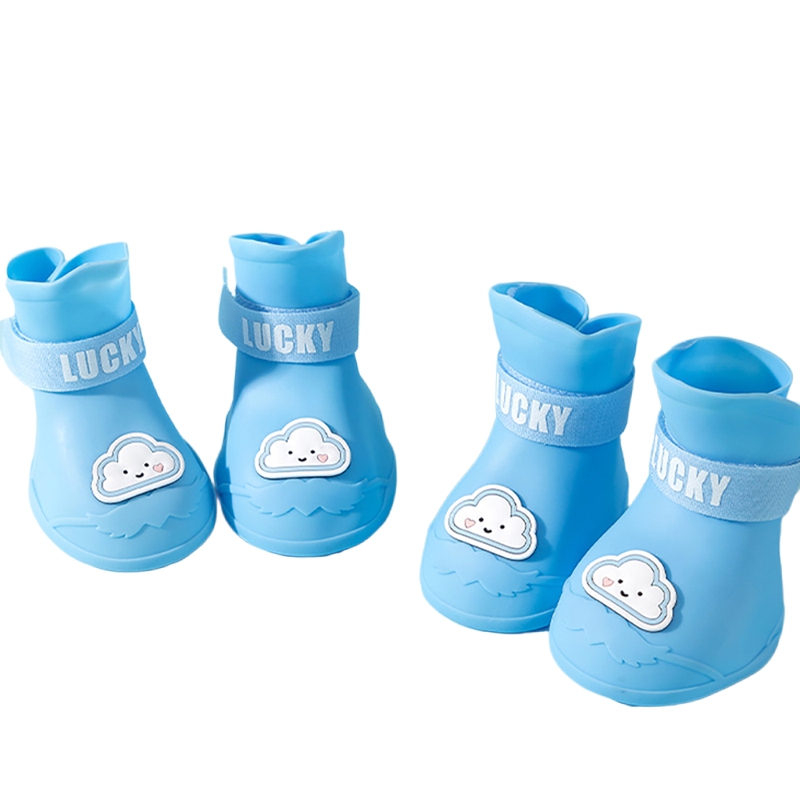
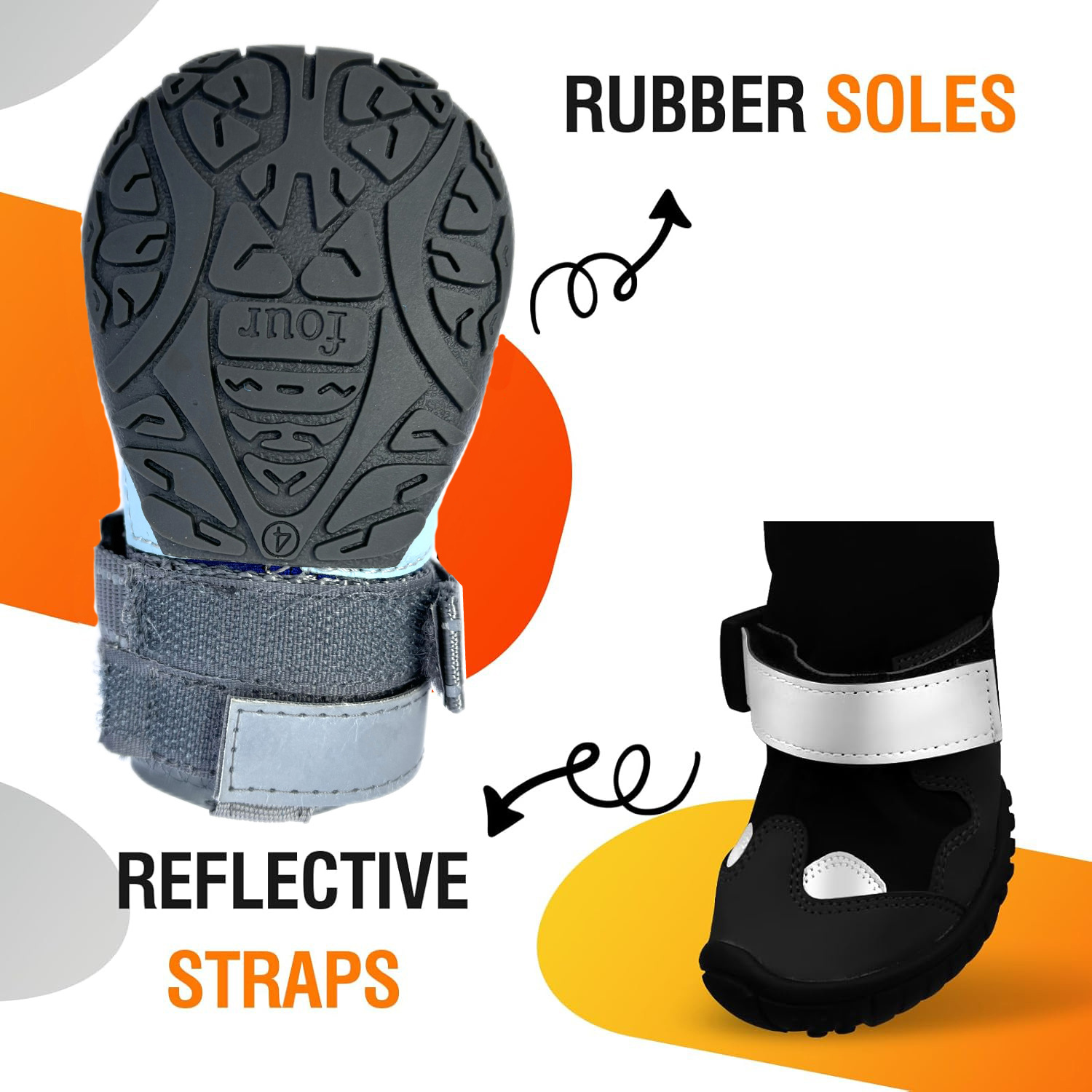
Summer is the highest-risk season for paw pad burns. Walk your dog early morning (before 9 AM) or after sunset when surfaces have cooled. Stick to grass, dirt trails, and shaded paths whenever possible. Dog booties provide the best protection for walks on unavoidable hot surfaces — look for breathable options with rubber soles.
Dog paw wax creates a semi-permeable barrier that protects against heat without the bulk of boots. Apply it 15 minutes before walks and reapply after swimming. Keep in mind that wax reduces heat transfer but doesn’t eliminate it — it buys you extra time, not unlimited exposure.
Fall and Winter Paw Care
When temperatures drop, paw protection shifts to moisture management and chemical defense. Dog paw balm applied before walks creates a barrier against salt, de-icers, and antifreeze (which is both common and highly toxic). After walks, wash paws thoroughly — dogs that lick de-icer residue off their paws can develop gastrointestinal distress or worse.
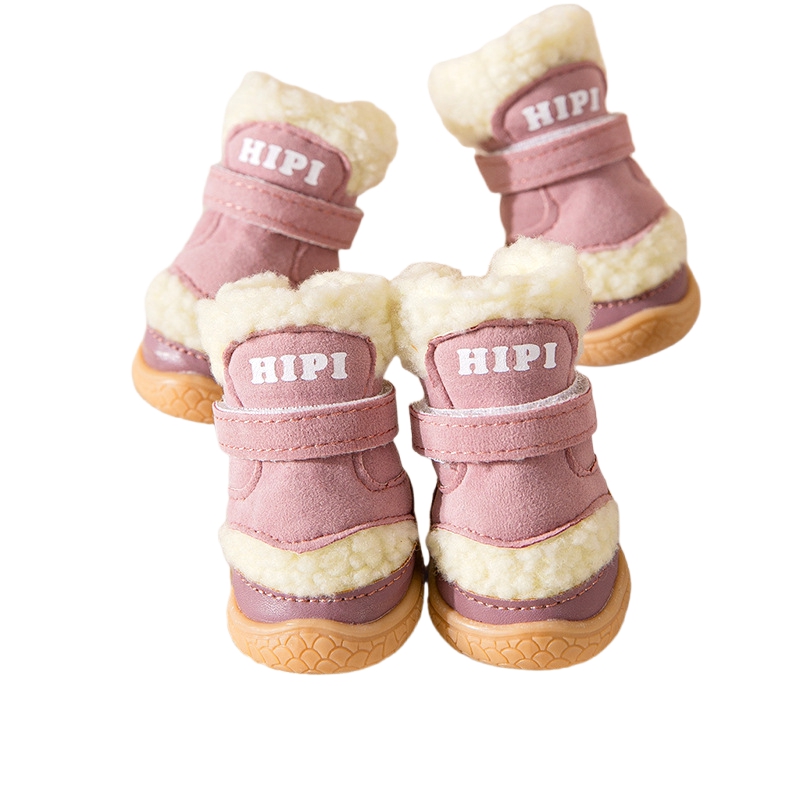
For dogs that tolerate them, insulated waterproof boots are the ultimate winter protection. They block ice, chemicals, and cold simultaneously. It takes most dogs 3-5 short indoor sessions to get used to wearing boots comfortably.
How to Clean Dog Paws After Walks
Cleaning paws after walks prevents tracking dirt, allergens, and bacteria into your home while catching potential injuries early. The method depends on how dirty your dog got.
Quick Clean (Daily Walks)
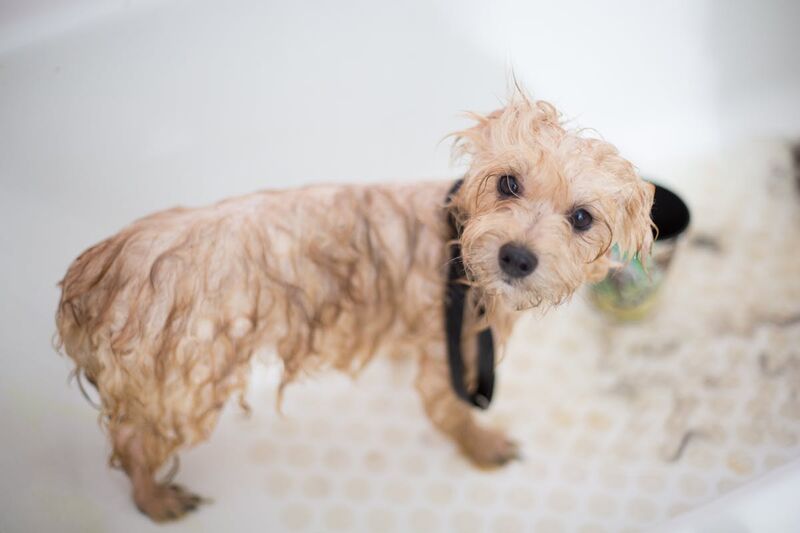
Keep a shallow container of lukewarm water and a microfiber towel by the door. Dip each paw, swish gently, and dry completely — especially between the toes. Moisture trapped between toes is the leading cause of interdigital cysts and yeast infections.
Deep Clean (Muddy or Chemical Exposure)
Use a gentle, dog-safe soap (oatmeal-based shampoos work well for sensitive paws). Lather each paw, paying attention to the spaces between pads and toes. Rinse thoroughly — soap residue causes its own irritation — and pat dry with a clean towel. A low-speed blow dryer on cool setting helps dry thick fur between the toes of breeds like Poodles and Retrievers.
Paw Cleaning Products Worth Considering
Portable paw washers (silicone cups with soft bristles) are popular for a reason — they’re faster than the dip-and-towel method and more thorough. Antibacterial paw wipes work for quick wipe-downs but shouldn’t replace washing after exposure to chemicals or salt. Avoid human baby wipes; many contain propylene glycol and fragrances that irritate dog skin.
Nail Trimming: The Forgotten Half of Dog Paw Care
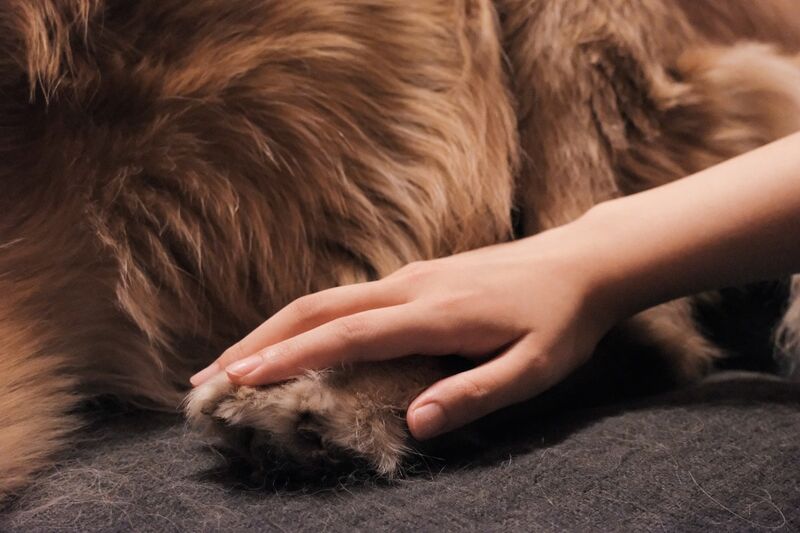
Nail care directly affects paw health. When nails grow too long, they force the toes to splay unnaturally, which changes how weight distributes across the paw pad. Over months, this altered gait stresses joints from the toes up through the wrists, elbows, and shoulders. The WebMD veterinary team notes that overgrown nails are a contributing factor in arthritis development in older dogs.
How Often to Trim Dog Nails
The general rule: if you hear clicking on hard floors, the nails are too long. Most dogs need trimming every 2-4 weeks, depending on activity level and surface types they walk on. Dogs that walk primarily on concrete naturally file their nails and need less frequent trimming than dogs that exercise mainly on grass or carpet.
Trimming Tips for Nervous Dogs
- Start with one nail per session. Trim a single nail, give a treat, and stop. Build up gradually over days.
- Use a grinder for dark nails. Guillotine-style clippers work well for light nails where you can see the quick, but grinders (Dremel-type tools) give you more control on dark nails.
- Watch for the quick. In light nails, it’s the pink center. In dark nails, trim small amounts and stop when you see a chalky white ring — that means the quick is close.
- Don’t forget dewclaws. These “thumb” nails don’t touch the ground, so they never wear down naturally. Neglected dewclaws can curl into the pad and cause infection.
If your dog truly panics at nail trimming, your vet or a professional groomer can handle it safely — and sometimes sedate anxious dogs for stress-free sessions.
Dog Paw Injuries: When Home Care Isn’t Enough
Most minor paw issues resolve with consistent home care. But some signs demand professional veterinary attention. Seek immediate vet care if you notice:
- Deep cuts that expose underlying tissue or won’t stop bleeding after 10 minutes of direct pressure
- Swelling that makes the paw look puffy or misshapen
- Limping that persists beyond 24 hours
- Pus, strong odor, or discharge from between the toes
- A nail that’s completely torn off or broken at the base
- Burns or blisters covering a large area of the pad
- Signs of frostbite: pale, grey, or blue-tinged pads that become red and swollen as they warm
For puncture wounds (common from nails, glass, or thorns), resist the urge to pull out deeply embedded objects yourself. Moving the object can cause more tissue damage or break it off inside the paw. Cover the area, keep your dog calm, and get to a vet.
Building a Dog Paw Care Routine That Sticks
The best dog paw care routine is one you’ll actually follow. Here’s a realistic schedule that covers everything without taking over your life:
| Frequency | Task | Time |
|---|---|---|
| After every walk | Quick paw rinse and visual check | 2 min |
| Weekly | Deep inspection between toes, check nail length | 5 min |
| Every 2-4 weeks | Nail trim or grind | 10-15 min |
| Seasonally | Adjust paw balm/wax/boot routine for weather | 5 min |
| As needed | Trim fur between paw pads (long-haired breeds) | 5-10 min |
Consistency beats intensity. A 2-minute check after each walk prevents 90% of paw problems. Pair it with your post-walk treat routine, and it becomes automatic for both you and your dog.
If you’re already following a spring dog walking schedule, adding a quick paw check to the end of each walk takes almost no extra effort — and it could save you hundreds in vet bills.
Watch: Dog Paw Pad Care Essentials
This video from a veterinary professional walks through proper paw pad assessment and treatment techniques you can use at home:
Healthy Paws Start With You
Dog paw care doesn’t require expensive products or complicated routines. A quick daily inspection, seasonal protection adjustments, regular nail maintenance, and prompt attention to injuries keep your dog’s paws healthy through every season and every surface. Start with the 2-minute post-walk check today — your dog’s paws (and your vet bill) will thank you for it.
Sources
- American Kennel Club — How to Care for and Clean Dog Paws — Expert guidance on paw cleaning and maintenance
- Preventive Vet — How to Properly Care for Your Dog’s Paw Pads — Veterinary-reviewed paw pad treatment protocols
- WebMD — Dog Paw Care Tips and Paw Injuries Treatment — Medical reference for paw injuries and nail care
- PetVet Care Centers — Care Tips for Your Dog’s Paws — Seasonal protection strategies from practicing veterinarians