Dog Raincoat Guide: 9 Essential Buying Tips
A dog raincoat can make wet-weather walks easier, cleaner, and safer when it fits well and matches your dog’s real needs. The best dog raincoat keeps rain off the chest and back, allows easy movement, and adds visibility for gloomy mornings without trapping too much heat.
If your dog hates getting soaked, shivers in cool wind, or comes home covered in grit after every spring shower, a smart rain layer can save you a lot of cleanup. The trick is choosing a coat that is actually functional, not just cute. This guide covers what matters most, how to measure, which features are worth paying for, and how to help your dog feel comfortable wearing rain gear.
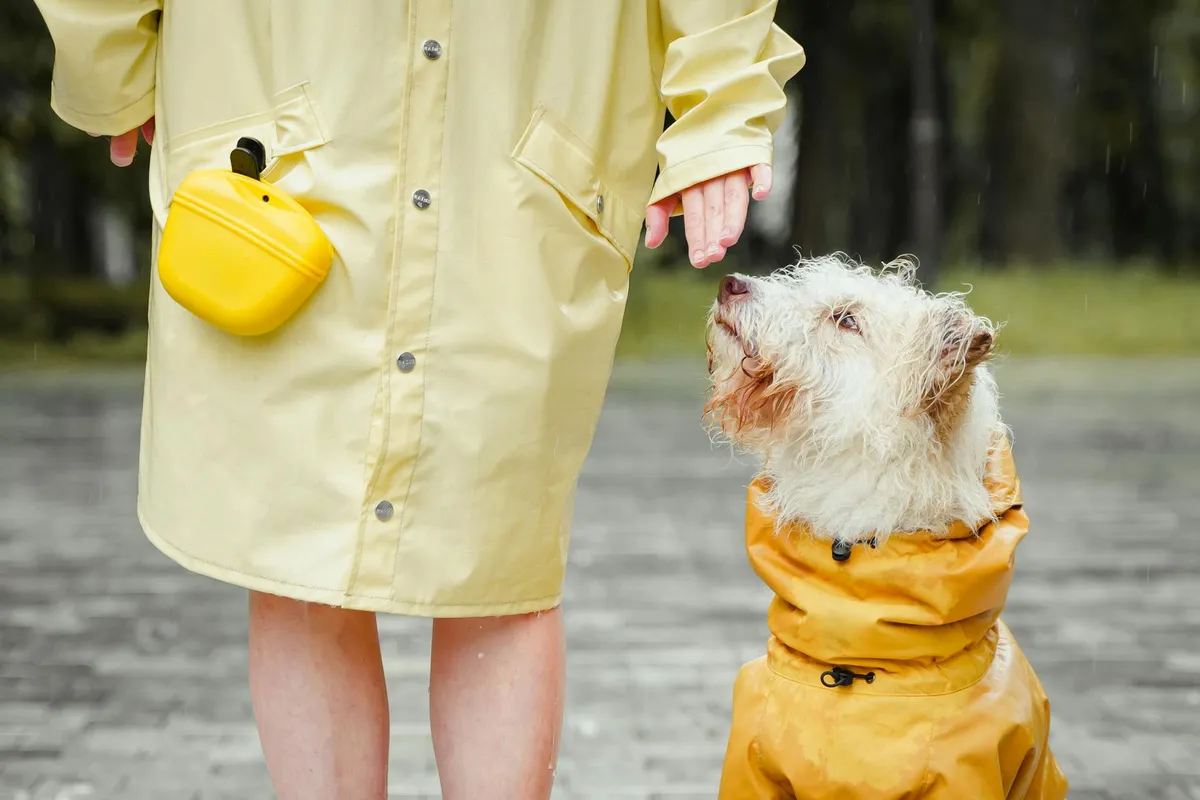
Table of Contents
- Why some dogs need a dog raincoat
- How to choose a dog raincoat
- Fit and sizing mistakes to avoid
- Best features for rainy walks
- How to help your dog accept rain gear
- Care and cleaning tips
- When to skip the raincoat
Why some dogs need a dog raincoat
Not every dog needs a rain layer, but many benefit from one. Small dogs, short-haired breeds, seniors, puppies, and dogs with lower body fat often lose comfort faster when they get wet and chilly. Even double-coated dogs can end up miserable on long rainy walks if wind, mud, and repeated exposure are part of the picture.
A dog raincoat also helps for very practical reasons. It reduces the amount of water and grime that reaches the coat, shortens drying time at home, and can limit post-walk skin irritation when streets are muddy or full of debris. According to the American Kennel Club, smaller and thinner-coated dogs may need extra protection in cold or wet weather. That same principle applies during rainy spring walks when temperature, wind, and moisture pile up together.
For city dogs, raincoats can be especially helpful because walks still need to happen on a schedule. A lightweight waterproof layer means you can get outside, finish the walk, and come back with less mess. For active dogs, it also makes quick potty breaks and training sessions more manageable when the weather is unpredictable.
If your dog already wears outerwear comfortably, a raincoat is often an easy addition. If not, start with the lightest option and focus on fit over fashion. A stiff, bulky coat that rubs the shoulders or covers the wrong areas is more likely to get rejected, even if it looks good in photos.
How to choose a dog raincoat
The best dog raincoat is not simply the most waterproof one. It should balance weather protection, freedom of movement, and easy handling. If a coat is waterproof but awkward to put on, slips sideways, or makes your dog overheat, it will not get used much.
Start with coverage. A useful raincoat should cover the back from shoulders toward the tail and protect the chest well enough to reduce splashing. Belly coverage is nice, but full-coverage designs can become fussy for potty breaks, especially for male dogs. Think about your dog’s actual routine instead of assuming more fabric is always better.
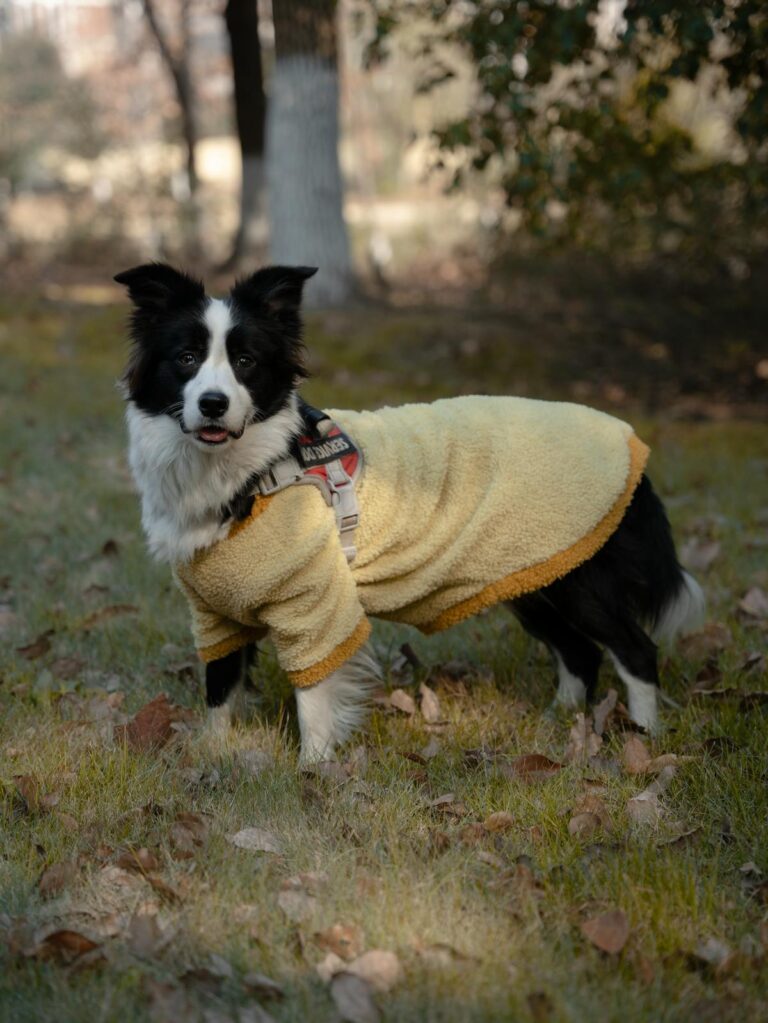
Next, look at closures. Wide hook-and-loop panels or secure buckles are easier to adjust than narrow fixed straps. You want enough adjustability to fit the neck and chest without pinching. A harness opening is also worth having if your dog walks on a harness rather than a collar.
Material matters too. Water-resistant fabric may be fine for light drizzle and short trips. A fully waterproof shell is better if you walk in steady rain or live somewhere that stays wet for weeks at a time. Breathability counts because trapped heat and moisture can make the inside of the coat damp anyway.
Reflective trim is one of the best upgrades for rainy-season gear. Reduced visibility is a real issue on gray mornings and evenings. The American Veterinary Medical Association recommends extra caution in poor weather, and reflective details make it easier for drivers and cyclists to spot your dog sooner.
Rainy walk pick
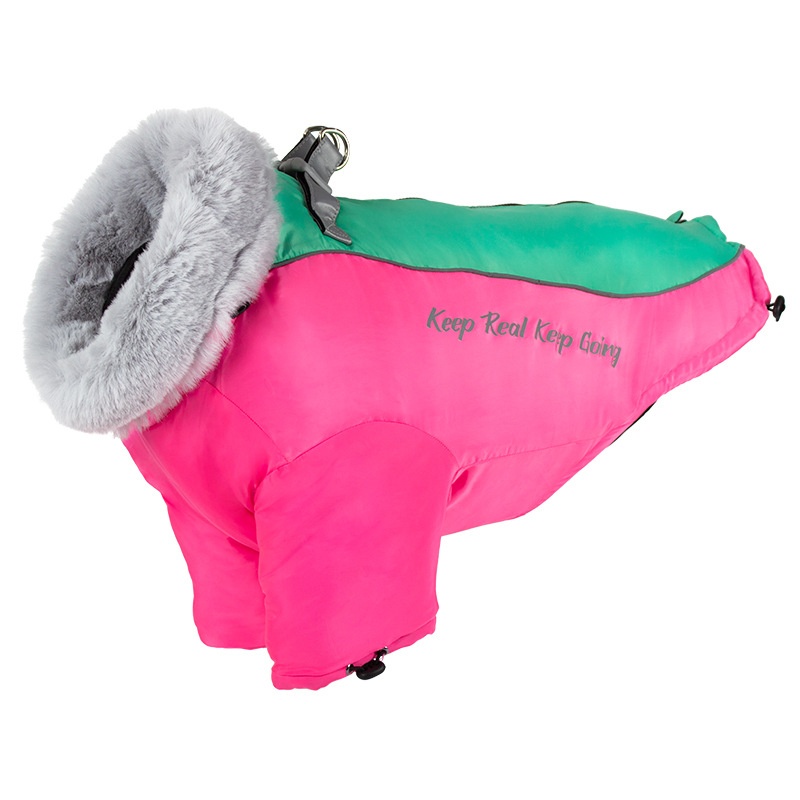
Windproof Warm Dog Coat for Large Dogs #48
If your dog needs more than a thin shell on cool wet mornings, this warm dog coat adds coverage and structure for windy rainy walks.
Fit and sizing mistakes to avoid
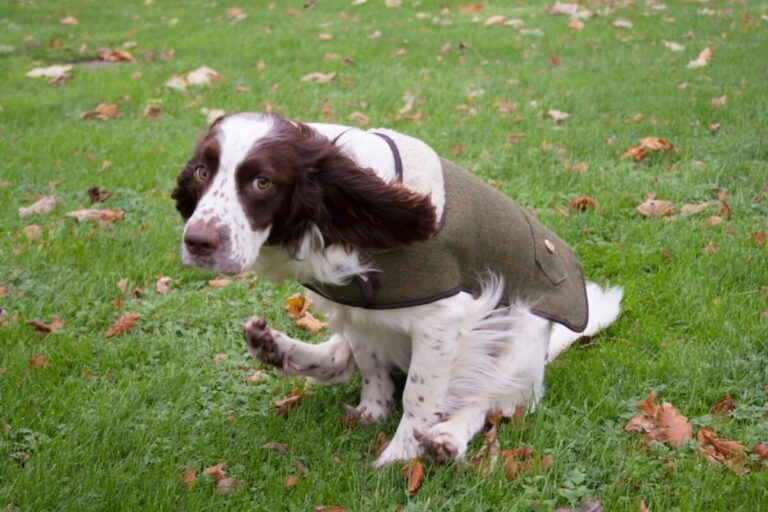
Fit is where most dog raincoat problems start. A coat that is too small will restrict the shoulders and bunch behind the front legs. A coat that is too large will slide, flap, and collect water in the wrong places. Either one can make a dog freeze, twist, or refuse to walk.
Measure three areas before buying: neck, chest, and back length. The chest is usually the most important measurement because it affects comfort and closure. Use a soft tape and measure where the coat actually sits, not where a regular collar rests. If your dog falls between sizes, the better choice depends on the brand’s cut, but in general it is safer to size for the chest first and then adjust the neck and back.
Breed shape matters more than many people expect. Deep-chested dogs, broad-shouldered dogs, and long-backed dogs often fit differently than standard size charts suggest. If your dog has struggled with clothing before, compare the shape of the coat as much as the measurements. A short, boxy body pattern may not work for a lean long-bodied dog, and a narrow chest panel can be frustrating on stockier breeds.
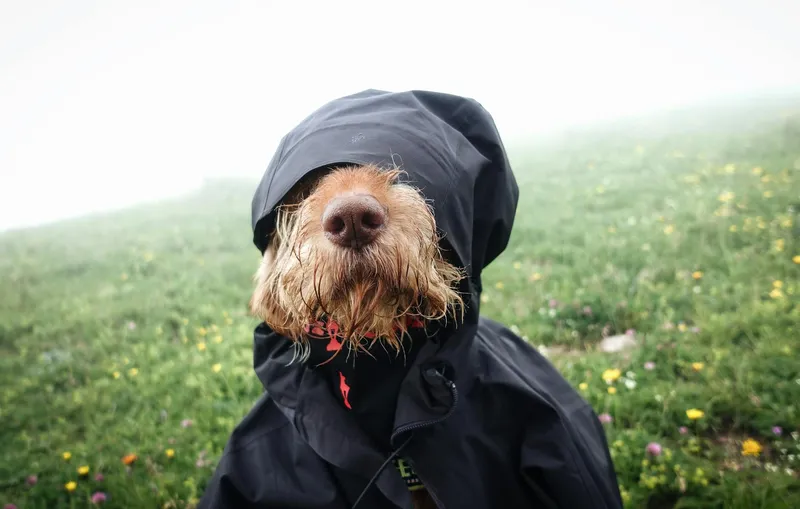
Another common mistake is assuming the hood is the main feature. Most dogs do not need a hood over the head while walking. In fact, some dogs dislike hoods because they limit vision or shift around. A well-cut neck and collar area is usually more important than dramatic hood coverage.
If you want a broader primer on getting the right shape and comfort level, our dog vest guide covers many of the same fit principles that apply to rain layers too. The best outerwear always starts with freedom of movement.
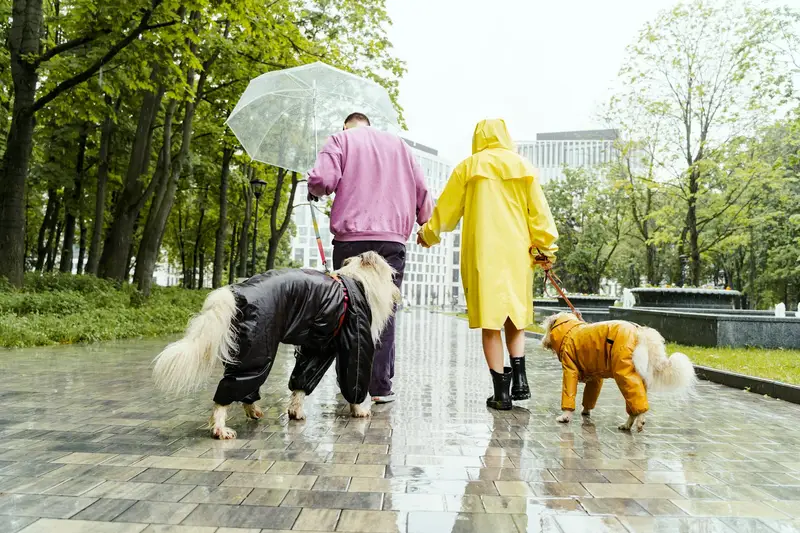
Best features for rainy walks
Some raincoat features sound impressive in product descriptions but do not matter much in real life. Others make a huge difference once you start using the coat several times a week.
1. Waterproof shell with light lining
A raincoat should block water first. Heavy fleece lining is not always necessary unless your area is cold and windy as well as wet. For many dogs, a light inner layer is the sweet spot because it adds comfort without turning the coat into a winter jacket.
2. Reflective trim or bright color
Dark rainy conditions reduce visibility fast. Bright yellow, orange, and reflective silver details help your dog stand out. This is especially useful if you walk near roads, parking lots, or bike paths.
3. Harness opening
If you already use a harness, a clean leash opening saves a lot of hassle. Without it, the coat can sit awkwardly or force you to clip to a collar when that is not your normal setup.
4. Easy-on design
The easier a coat is to put on, the more consistently you will use it. Simple wrap styles are often better than complicated step-in designs for busy mornings and quick potty breaks.
5. Coverage without too much drag
The hem should protect the body without getting under the legs or catching dirt. Coats that hang too low can pick up splash-back and become uncomfortable quickly.
For dogs that need a little more warmth during rainy wind, pairing waterproof thinking with the insulation advice from our dog vest guide can help you decide whether to choose a shell, a warmer coat, or a layered approach.
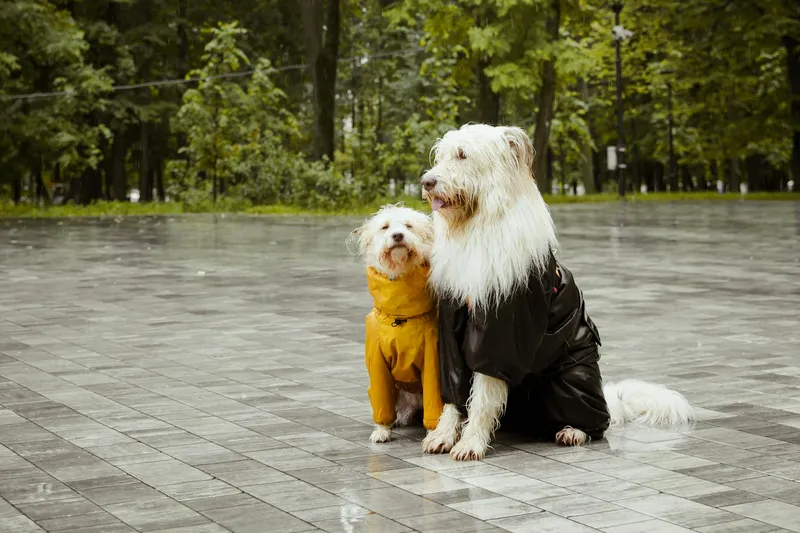
Rainy-day routine tips that make the coat work better
A dog raincoat works best when the rest of your routine supports it. Dry your dog’s paws after every walk, especially if your sidewalks collect oily residue, pollen, or grit. The VCA Animal Hospitals cold-weather care guidance also emphasizes drying pets after wet outings, which helps prevent skin discomfort and keeps body temperature more stable.
Check under the straps after longer walks. Friction can build up where wet fabric rubs behind the front legs or around the chest. If you notice redness, shift to a softer cut or shorten the walk in heavy rain.
Keep expectations realistic too. A raincoat will not keep your dog perfectly dry from nose to tail. Legs, paws, and the underside usually still get wet. The real goal is less soaking, less wind exposure, better visibility, and easier cleanup.
Many owners also find that a coat creates a useful cue. Dogs often learn that raincoat on means quick focused walk, then home. That routine can reduce weather-related stalling and make rainy days less stressful for both of you.
Layer for bigger dogs
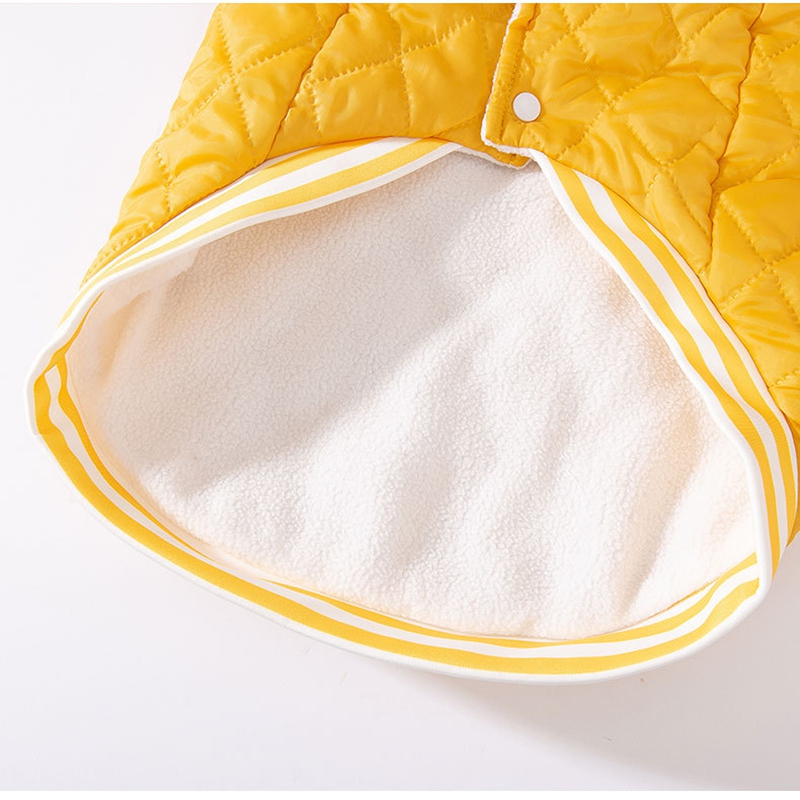
Warm Dog Jacket for Large Dogs #34
Large dogs still need weather coverage when wind and cold rain team up. This jacket-style option is a good match for broader builds.
How to help your dog accept rain gear
If your dog freezes when clothing comes out, slow down. Do not wait for a storm to introduce the coat. Let your dog sniff it indoors, reward calm behavior, and put it on for a few seconds at a time before taking it off again. Build from that.
Movement is the real test. Some dogs accept a coat while standing still but object the moment they walk. Encourage a few steps with treats, toys, or a normal happy leash routine. Keep your body language relaxed. If the dog starts biting at the coat or doing the stiff statue routine, the fit may be off or the session may be too long.
Short practice sessions work better than forcing a full walk on day one. If your dog needs extra help adjusting to wearable gear, our guide on how to get your dog to wear clothes walks through a gentle training approach that also works well for raincoats.
Pay attention to sensory triggers. Loud crinkly fabric, swinging straps, or a hood touching the ears can be enough to bother a sensitive dog. Sometimes the right solution is not better training. It is simply a quieter, lighter coat.
Care and cleaning tips
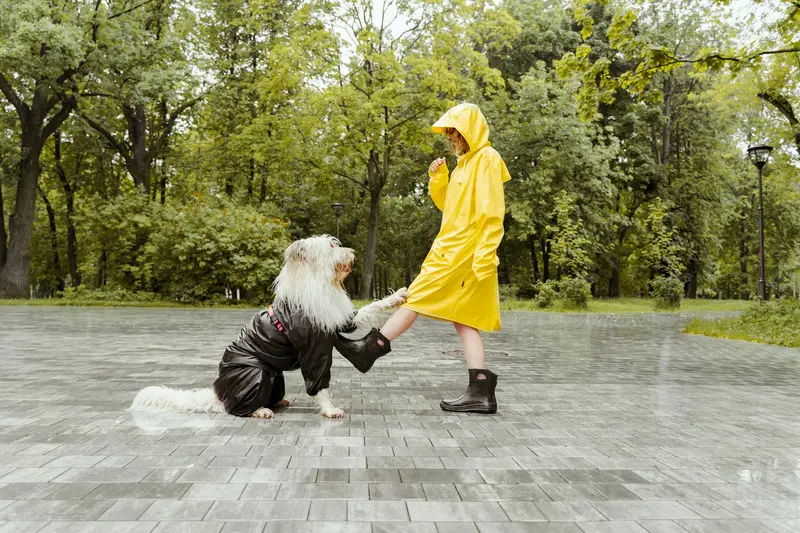
A raincoat that stays damp, dirty, or folded up in a pile will wear out much faster. After each walk, shake off debris and hang the coat to dry fully. If mud builds up, rinse it before it hardens into the seams and closures.
Wash based on use, not a rigid schedule. A city dog in light drizzle may only need occasional cleaning. A dog walking through wet parks and muddy paths may need frequent rinses. Always check the care label because waterproof coatings can break down faster if washed too harshly.
Inspect closures and reflective trim regularly. Hook-and-loop panels pick up hair and lint, which reduces grip over time. Clean them out with a small comb or your fingers so the fit stays secure. If the coat starts leaking through worn seams, it may still be usable for light showers but not for serious weather.
It also helps to keep one designated rainy-day setup by the door: coat, towel, leash, and paw wipes. That simple system can make bad-weather walks feel much less chaotic.
When to skip the raincoat
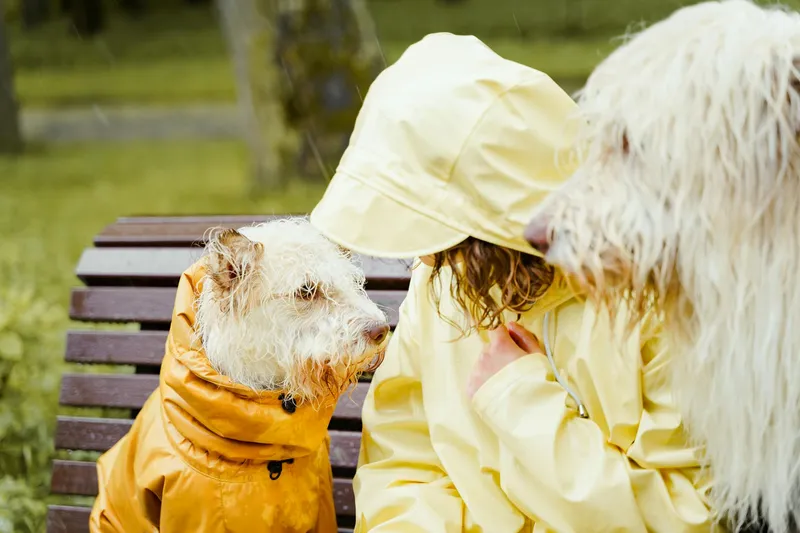
Sometimes the best choice is no coat at all. If your dog overheats easily, strongly dislikes clothing even after careful training, or is only going out for a very fast bathroom break in mild temperatures, a towel at the door may be enough.
Very shaggy dogs can also become uncomfortable if a coat traps moisture against the body instead of improving comfort. In those cases, brushing, toweling, and timing the walk around breaks in the weather may work better than outerwear.
You should also skip a coat that clearly changes your dog’s gait. Any gear that makes the shoulders move oddly, causes chafing, or creates visible stress is the wrong gear. Comfort always comes before style.
If your main goal is visibility rather than rain protection, a lighter reflective layer may be the smarter buy. If your goal is warmth plus protection, a weather-resistant jacket may outperform a thin rain shell. Match the product to the actual problem you are solving.
Small dog option
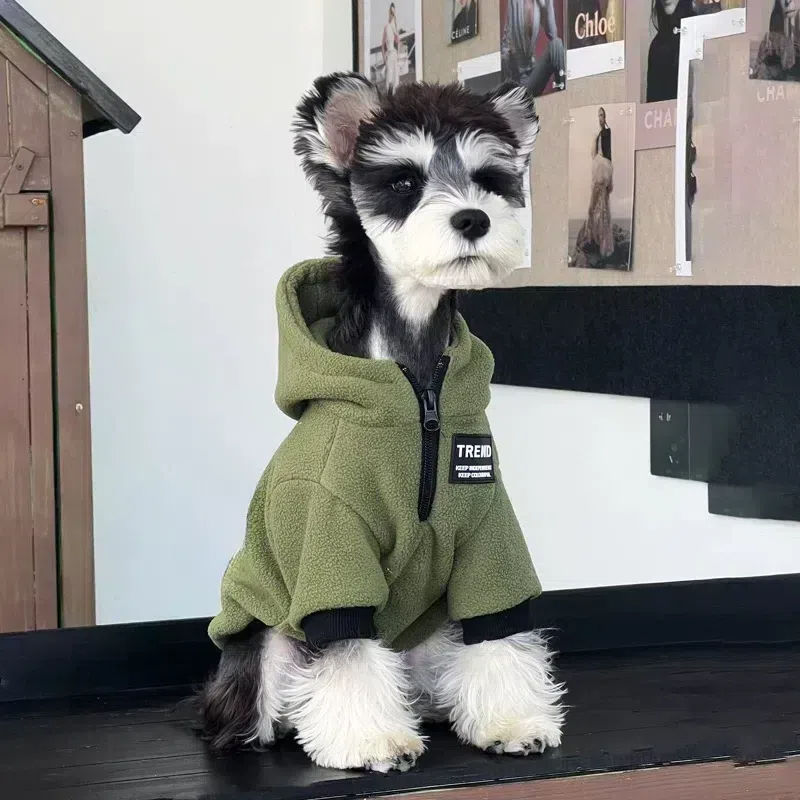
Warm Dog Hoodie for Small & Medium Dogs #38
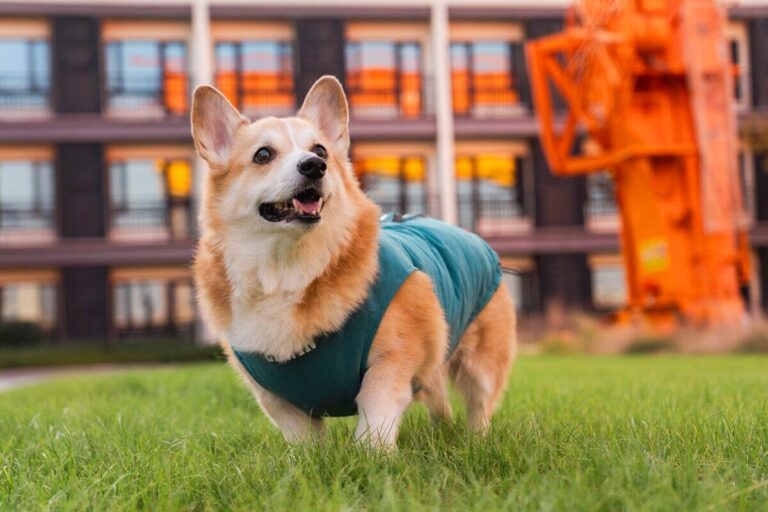
For little dogs that get chilly fast, a soft covered option can be more practical than a super-thin shell during drizzly walks.
Final thoughts on finding the best dog raincoat
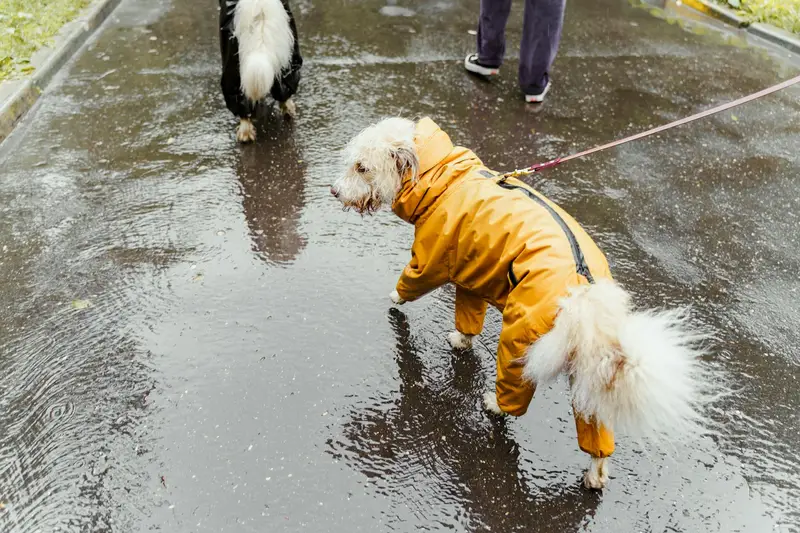
The best dog raincoat is the one your dog can move in comfortably, your routine makes easy to use, and rainy weather actually justifies. Look for solid waterproofing, adjustable fit, reflective details, and a design that suits your dog’s build rather than chasing trendy features.
For many dogs, that means a simple lightweight shell with chest protection and a good harness opening. For others, especially dogs that run cold, a slightly warmer coat will make more sense than a thin rain-only layer. Once the fit is right, rainy walks get easier, cleanup gets faster, and bad weather stops feeling like such a project.
If you are building a complete wet-weather wardrobe, pair a rain layer with the fit advice in our dog vest guide and the comfort training steps in how to get your dog to wear clothes. A little planning goes a long way toward making wet days feel normal.
Sources
- American Kennel Club, Do Dogs Need Coats in Winter? — guidance on which dogs benefit from extra weather protection.
- American Veterinary Medical Association, Cold Weather Animal Safety — safety guidance relevant to wet, low-visibility walks.
- VCA Animal Hospitals, Cold Weather Care for Dogs — practical care tips for drying and protecting dogs after wet outings.