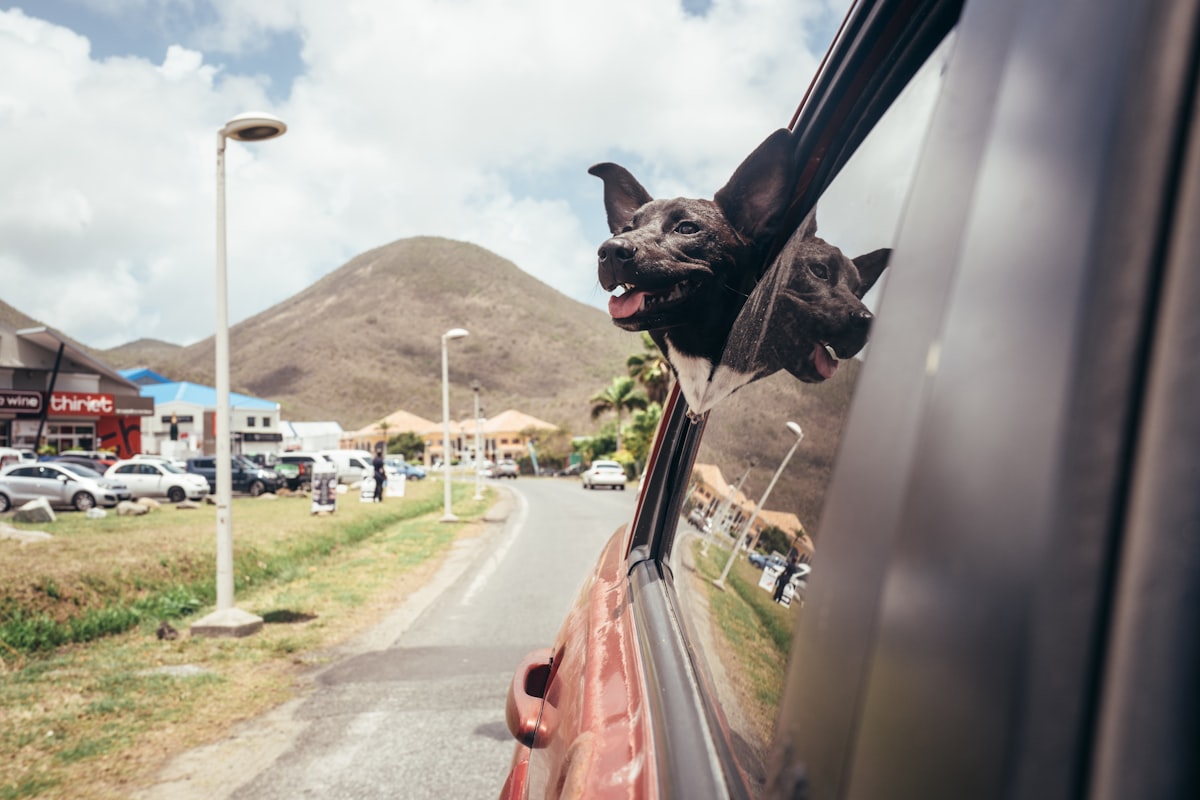
Dog Road Trip Tips | How to Travel Safely With Your Dog in the Car
Taking your dog on a road trip ranks among the most rewarding experiences any pet owner can have. Dogs love new smells, fresh scenery, and spending uninterrupted time with their favorite humans. But a poorly planned car journey can quickly turn stressful for everyone involved. Whether you are driving two hours to a campsite or crossing state lines for a vacation, proper preparation makes the difference between a dream trip and a disaster.
The good news is that traveling with your dog does not require an enormous amount of gear or a degree in veterinary science. It comes down to safety basics, smart packing, and understanding what your dog needs to stay comfortable in a moving vehicle. This guide covers everything from pre-trip vet visits to handling motion sickness, rest stop routines, and the gear that actually matters.
Schedule a Vet Visit Before You Leave
Before loading up the car, take your dog to the veterinarian for a travel checkup. This is especially important if your trip involves crossing borders or visiting areas with different parasites and diseases. Your vet can confirm vaccinations are current, prescribe preventive medications for ticks and heartworm, and provide a health certificate if required by your destination.
Ask your vet about motion sickness medication if your dog has a history of getting car sick. Cerenia (maropitant citrate) is the most commonly prescribed anti-nausea medication for dogs, and it works significantly better when given at least two hours before departure. For mild cases, natural remedies like ginger chews or calming supplements containing L-theanine can help settle a nervous stomach.
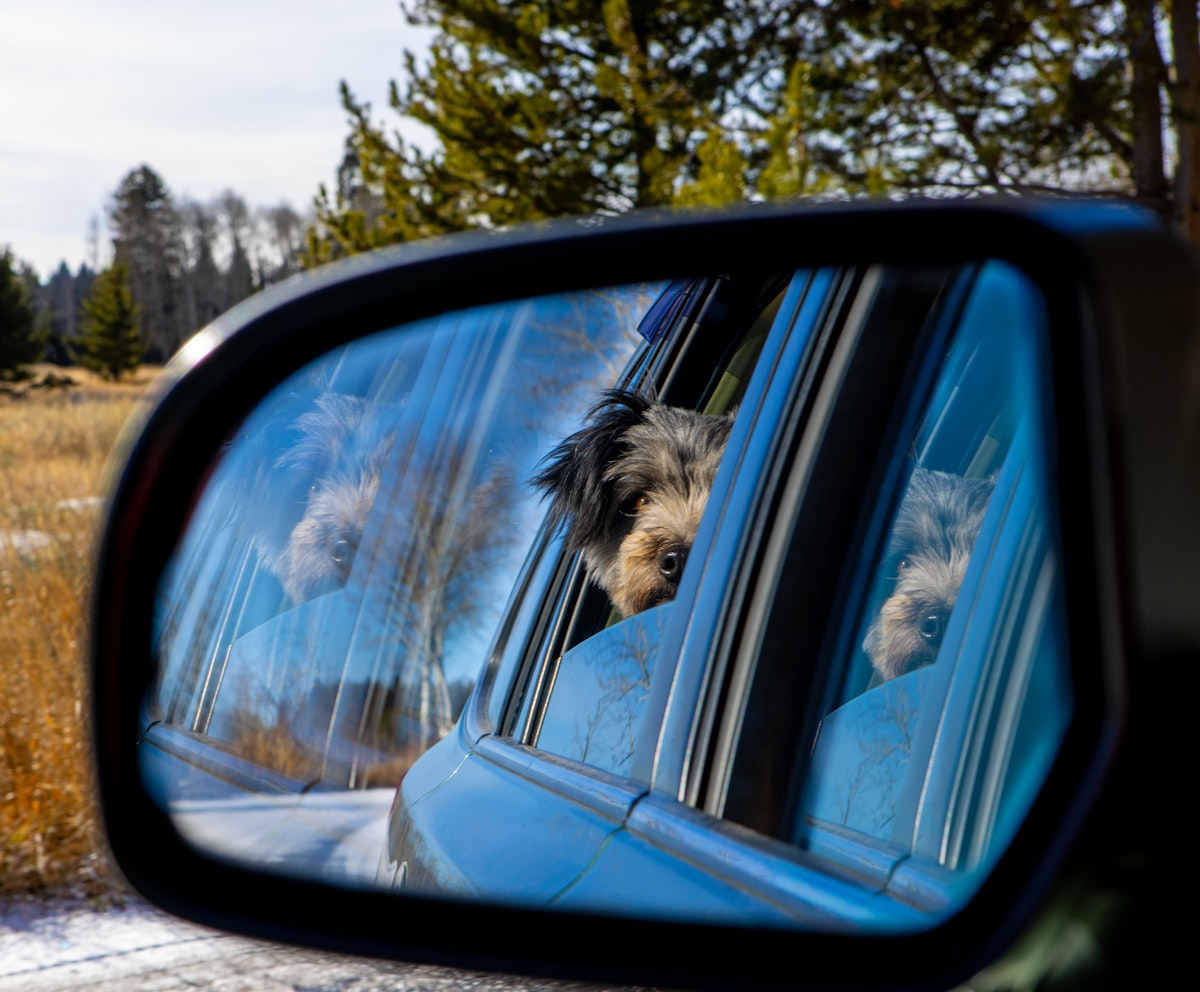
Bring copies of your dog’s medical records, vaccination certificates, and your vet’s contact information. Store digital copies on your phone as backup. If your dog takes daily medication, pack enough for the entire trip plus a few extra days in case your return is delayed.
Car Safety Is Non-Negotiable
An unrestrained dog in a moving vehicle is a projectile in an accident. A 60-pound dog traveling at 35 miles per hour generates roughly 2,700 pounds of force in a sudden stop. That endangers everyone in the car, including the dog. Proper restraint is not optional — it is a safety requirement.
The three main options for securing your dog are crash-tested harnesses, secured crates, and car barriers. Crash-tested harnesses attach to the seatbelt system and allow your dog to sit or lie down while preventing them from flying forward during braking. Look for harnesses that have passed the Center for Pet Safety crash test protocol. Brands like Sleepypod and Kurgo have models that meet this standard.
For dogs that feel calmer in enclosed spaces, a secured crate works well. The crate should be large enough for your dog to stand, turn around, and lie down comfortably. Strap it down with cargo ties so it cannot shift during turns or stops. Hard-sided crates offer better crash protection than soft carriers.
Car barriers create a physical separation between the cargo area and the passenger compartment. They work best for larger dogs riding in SUVs or hatchbacks but provide less crash protection than harnesses or crates.
🐾 Gear Up for Travel
Keep your dog comfortable and protected on the road with the right outerwear. A lightweight jacket shields against wind and rain during rest stops.
Dog Shell Jacket — Waterproof Dual-Use Trench Coat →
Waterproof Windproof Dog Jacket with Velcro Closure →
Packing the Dog Travel Kit
Your dog needs their own travel bag. Throwing random items in the trunk at the last minute leads to forgotten essentials and unnecessary stops. Pack a dedicated dog bag with these items organized and accessible.
Food and water deserve top priority. Bring your dog’s regular food rather than buying something new at your destination. A sudden diet change on top of travel stress is a recipe for digestive problems. Portion the food into daily bags so you are not hauling a giant kibble sack. Pack a collapsible water bowl and bring enough water from home for at least the first day, since unfamiliar water sources can also upset sensitive stomachs.
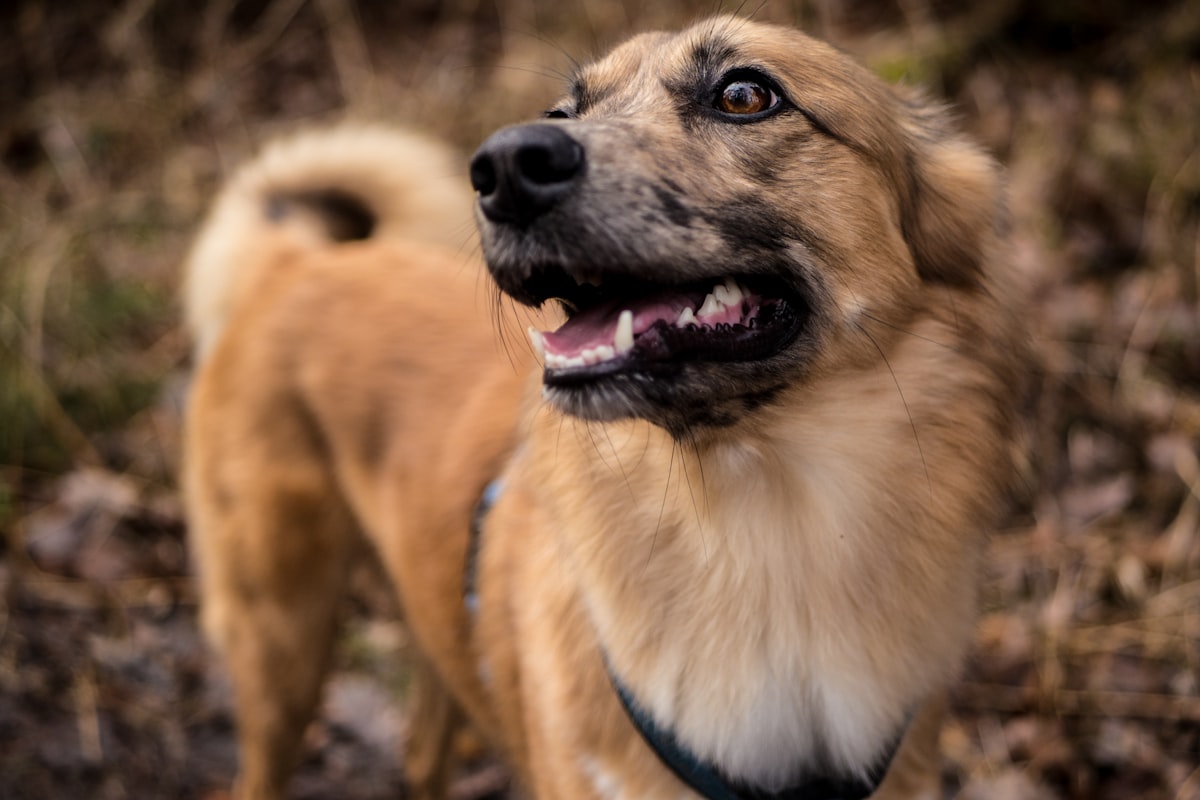
Cleanup supplies are essential. Pack poop bags, paper towels, enzyme-based stain remover, and a lint roller. Dogs shed more when stressed, and accidents happen during long drives. Having cleanup materials within arm’s reach saves seats, hotel rooms, and your sanity.
Dog Travel Gear Essentials
Shop Dog Car Seats, Harnesses and Travel Crates
Comfort items from home help reduce anxiety. Bring your dog’s favorite blanket, a familiar toy, and something that smells like home. Dogs process the world through scent, and having familiar smells in an unfamiliar car environment provides genuine comfort.
Mastering the Rest Stop Routine
Plan rest stops every two to three hours. Dogs need to stretch their legs, relieve themselves, and drink water regularly during a long drive. Skipping stops leads to restlessness, whining, and potential accidents in the car.
When you stop, leash your dog before opening any door. A startled or excited dog can bolt into a parking lot or highway rest area in a heartbeat. Use a standard leash rather than a retractable one, which gives you better control in unpredictable environments. Walk your dog for at least ten minutes at each stop to let them properly stretch and sniff around.
Offer water at every stop, even if your dog does not seem thirsty. Mild dehydration is common during car travel because dogs pant more in warm or stressful conditions. Watch for signs of dehydration: dry gums, excessive panting, lethargy, and loss of skin elasticity.
Dealing With Motion Sickness and Car Anxiety
Motion sickness affects puppies more than adult dogs because their inner ear structures are still developing. Most puppies outgrow it by around one year of age. Adult dogs can develop motion sickness too, often triggered by anxiety rather than the actual movement of the vehicle.
Signs of motion sickness include excessive drooling, lip licking, yawning, whining, vomiting, and reluctance to get in the car. If your dog shows these symptoms, try these strategies before resorting to medication.
Feed your dog a light meal three to four hours before departure rather than right before getting in the car. An empty stomach is better than a full one for preventing nausea. Keep the car cool and well-ventilated, as heat amplifies nausea. Crack a window slightly to equalize air pressure inside the vehicle. Position your dog so they can see out a window — visual reference to the horizon helps reduce motion sickness in dogs just as it does in humans.
For dogs with genuine car anxiety, a desensitization program works best. Start by simply sitting in the parked car with your dog and giving treats. Progress to short drives around the block, then gradually increase distance over several weeks. Pair every car experience with something positive — a park visit, a treat, or playtime.
🐾 Protect Those Paws at Rest Stops
Hot pavement, gravel, and rough terrain at rest areas can hurt unprotected paws. Dog boots keep your pup safe on any surface.
Winter Dog Snow Boots — Anti-Slip Warm Puppy Shoes →
Waterproof Anti-Slip Dog Rain Boots (4-Pack) →
Temperature and Weather Considerations
Never leave your dog in a parked car. Even on a 70°F (21°C) day, the interior temperature of a car can reach 104°F (40°C) within 30 minutes. On an 85°F day, it takes less than 10 minutes for the inside to become lethally hot. Cracking windows does almost nothing to prevent this dangerous temperature rise.
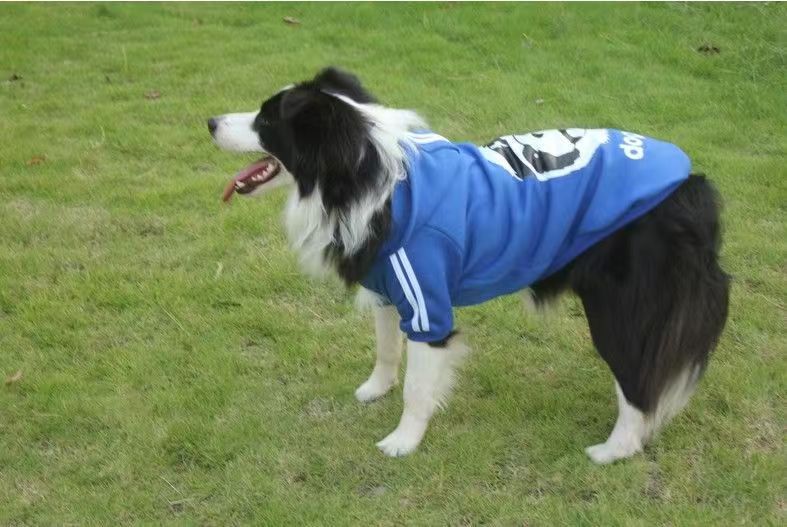
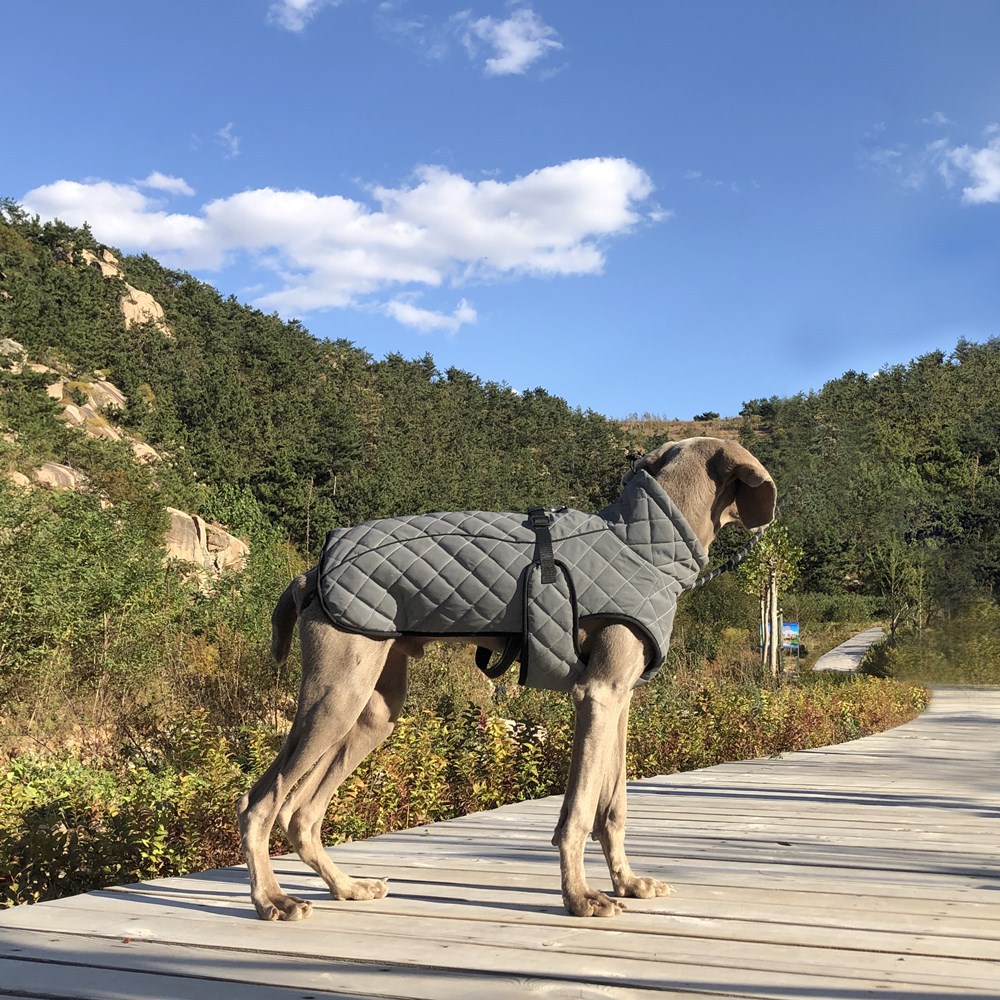
During the drive, keep the air conditioning running and ensure your dog has access to shade if they are in a crate or cargo area without tinted windows. For cold-weather road trips, bring a warm blanket and consider a dog jacket for rest stops in freezing temperatures, especially for short-coated breeds, seniors, and puppies.
Finding Dog-Friendly Accommodations
Top-Rated Dog Travel Accessories
Browse Portable Water Bowls and Travel Kits – Shop Now
Research dog-friendly hotels, campgrounds, and rental properties before you leave. Apps like BringFido and websites like GoPetFriendly.com make this significantly easier by filtering accommodations by pet policy, size restrictions, and additional pet fees. Book in advance because dog-friendly rooms fill up quickly during peak travel seasons.
Many hotels charge a per-night pet fee ranging from $25 to $75. Some cap it at a flat cleaning fee regardless of stay length. Read the fine print — some properties restrict breeds or have weight limits that could exclude your dog. Vacation rentals through platforms like Vrbo often have more flexible pet policies than chain hotels.
When you arrive, do a quick room inspection before letting your dog loose. Check for exposed wires, open trash cans, cleaning products within reach, and any gaps where a small dog could get stuck. Cover the hotel bed with your dog’s blanket to minimize fur on the bedding and make cleanup easier when you leave.
What to Do in an Emergency
Know the location of emergency veterinary clinics along your route. The ASPCA Animal Poison Control hotline (888-426-4435) should be saved in your phone contacts before departure. If you are traveling internationally, research emergency vet services at your destination ahead of time.
Pack a basic pet first aid kit with gauze, adhesive tape, hydrogen peroxide (for inducing vomiting only on veterinary advice), a digital thermometer, tweezers for tick removal, and styptic powder for nail injuries. A muzzle is also wise to include — even the friendliest dog may bite when in pain or frightened.
Make sure your dog’s ID tags are current with your cell phone number, not your home number. Consider a GPS-enabled collar or AirTag attachment for the trip. If your dog slips their collar in an unfamiliar area, a GPS tracker can be the difference between a quick recovery and a devastating loss.
🐾 Stay Visible on Night Stops
Reflective gear keeps your dog safe during dawn and dusk rest stops along the highway.
Reflective Tactical Dog Jacket — Full-Body Coverage →
Reflective Winter Warm Dog Jacket for Large Breeds →
Making the Drive Enjoyable
The best road trips with dogs happen when you plan for your dog’s needs the same way you plan for your own. Build in extra time for stops. Accept that the drive will take longer than it would without a dog. That is perfectly fine — the point of a road trip is the journey, not just the destination.
Play calming music during the drive. Studies from the Scottish SPCA and the University of Glasgow found that dogs respond positively to soft rock and reggae, showing lower heart rates and less time standing when these genres played. Classical music also helps, though the effect diminished after a few days. Create a road trip playlist for your dog — it sounds silly, but it works.
Bring a long-lasting chew toy for the quieter stretches. A frozen Kong stuffed with peanut butter can occupy a dog for an hour or more. Avoid rawhide or anything that could splinter and create a choking hazard while you are focused on driving.
The effort you put into planning pays off in calm miles and happy memories. A dog that feels safe, comfortable, and included in the adventure will be a travel companion you want to bring on every trip after. Pack smart, drive safe, and enjoy the ride together.
References
- Center for Pet Safety. (2024). Crash Test Study Results for Dog Harnesses and Carriers. centerforpetsafety.org
- Bowman, A. et al. (2017). “The effect of different genres of music on the stress levels of kennelled dogs.” Physiology & Behavior, 171, 207-215. University of Glasgow / Scottish SPCA.
- American Veterinary Medical Association. (2025). Pets in Vehicles Safety Guidelines. avma.org