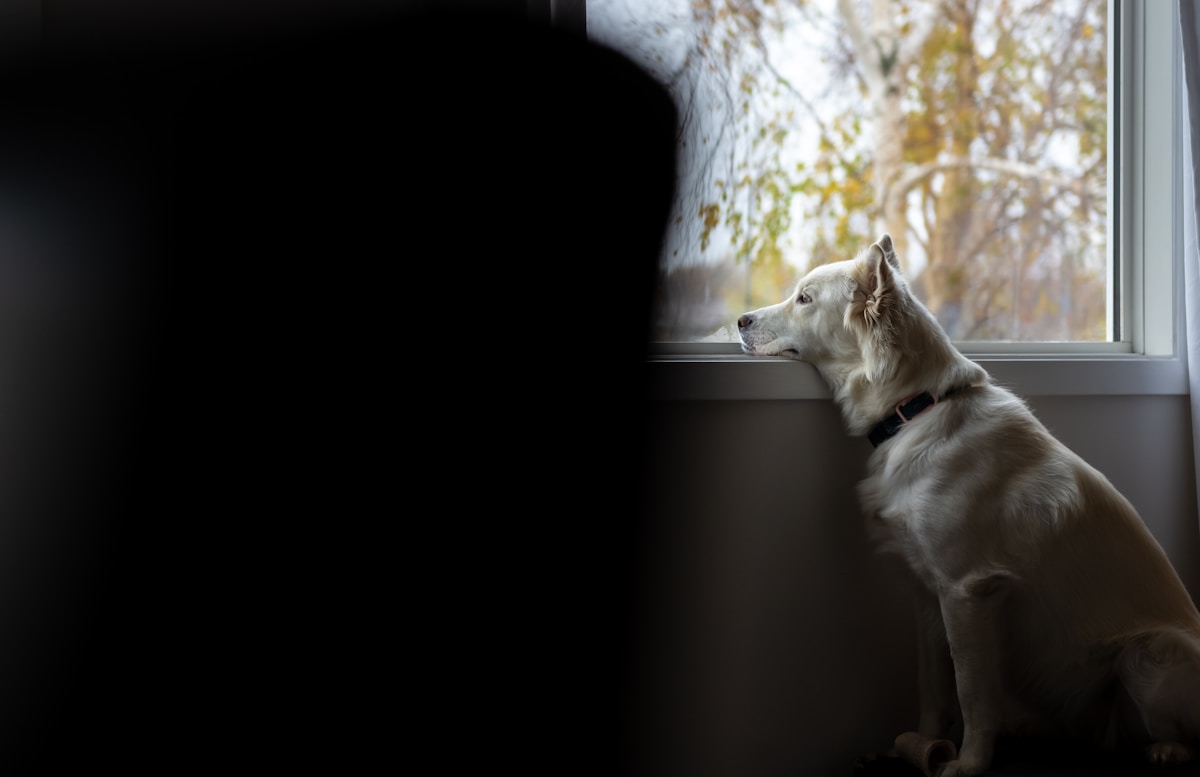
Dog Separation Anxiety | Signs, Causes, and Proven Solutions
Your dog follows you from room to room, panics when you grab your keys, and howls the moment you close the front door. If this sounds familiar, your dog may be struggling with separation anxiety — one of the most common behavioral problems veterinarians and trainers encounter. According to the ASPCA, separation anxiety affects roughly 20 to 40 percent of dogs referred to veterinary behavioral specialists across North America.
Separation anxiety is not your dog being “bad” or “spiteful.” It is a genuine panic response triggered by isolation from their primary attachment figure — you. Understanding why it happens, recognizing the warning signs early, and applying the right training techniques can transform your dog’s emotional wellbeing and save your furniture, your neighbors’ patience, and your own peace of mind.
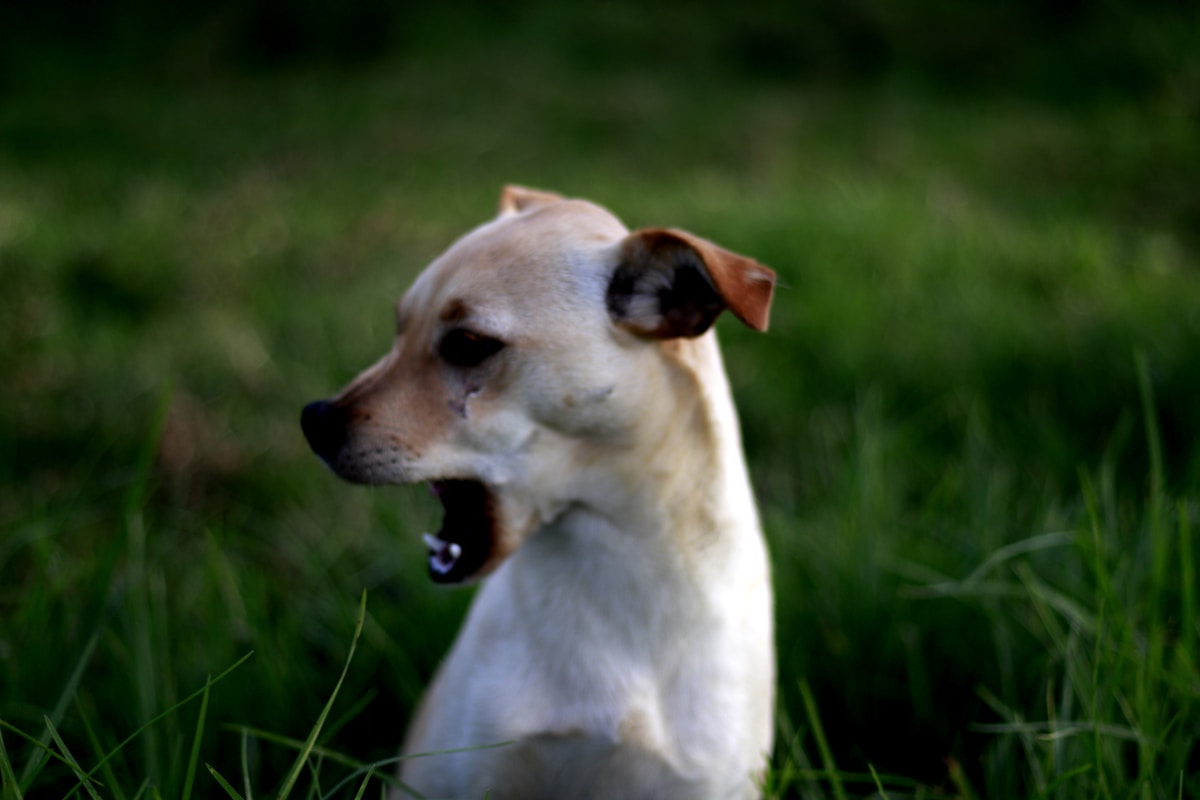
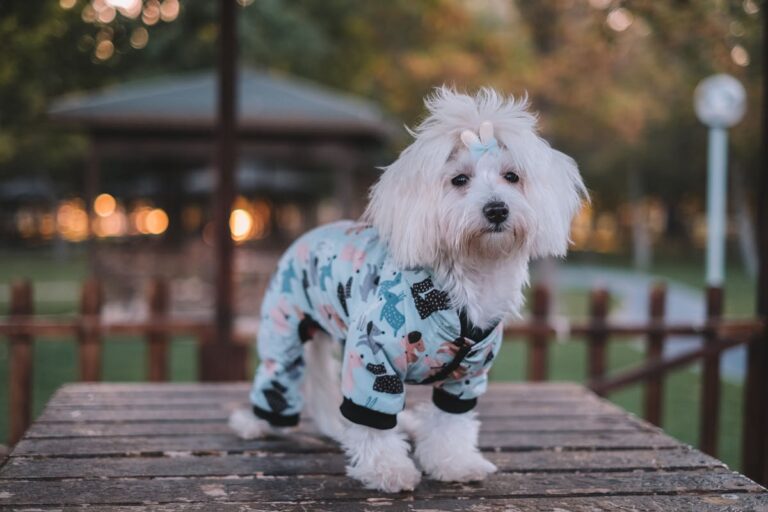
Anxious puppies often develop separation anxiety if not trained early.
What Exactly Is Dog Separation Anxiety?
Separation anxiety is a stress response that occurs when a dog becomes excessively attached to their owner and cannot cope with being left alone. Unlike mild boredom or frustration that causes a dog to chew a shoe, true separation anxiety produces intense physiological and emotional distress. Dogs experiencing this condition are not choosing to misbehave. Their nervous system enters fight-or-flight mode the moment they sense their person is leaving.
The American Kennel Club distinguishes between true separation anxiety and what trainers call “simulated separation anxiety.” Simulated anxiety is a learned behavior where a dog acts out because previous destruction got them attention. True separation anxiety involves genuine panic and distress that persists whether or not the behavior gets a reaction from the owner.
Research published in the Journal of Veterinary Behavior suggests that dogs with separation anxiety show elevated cortisol levels — the stress hormone — when left alone. Their bodies are physically reacting to perceived abandonment, which explains why punishment never works for this condition. You cannot punish a panic attack out of existence.
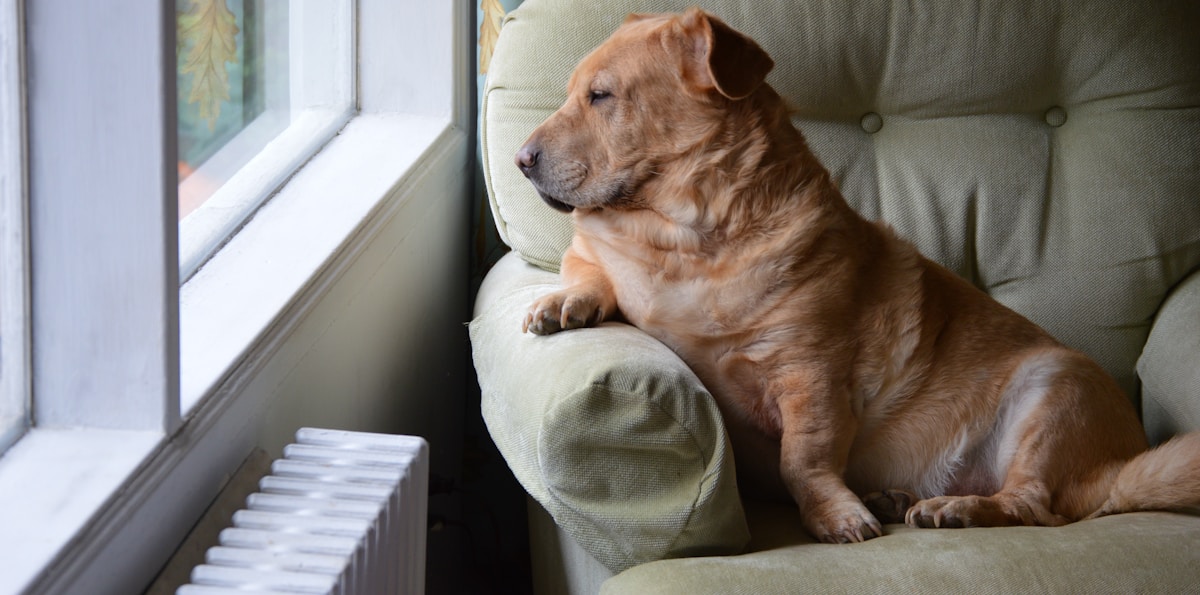
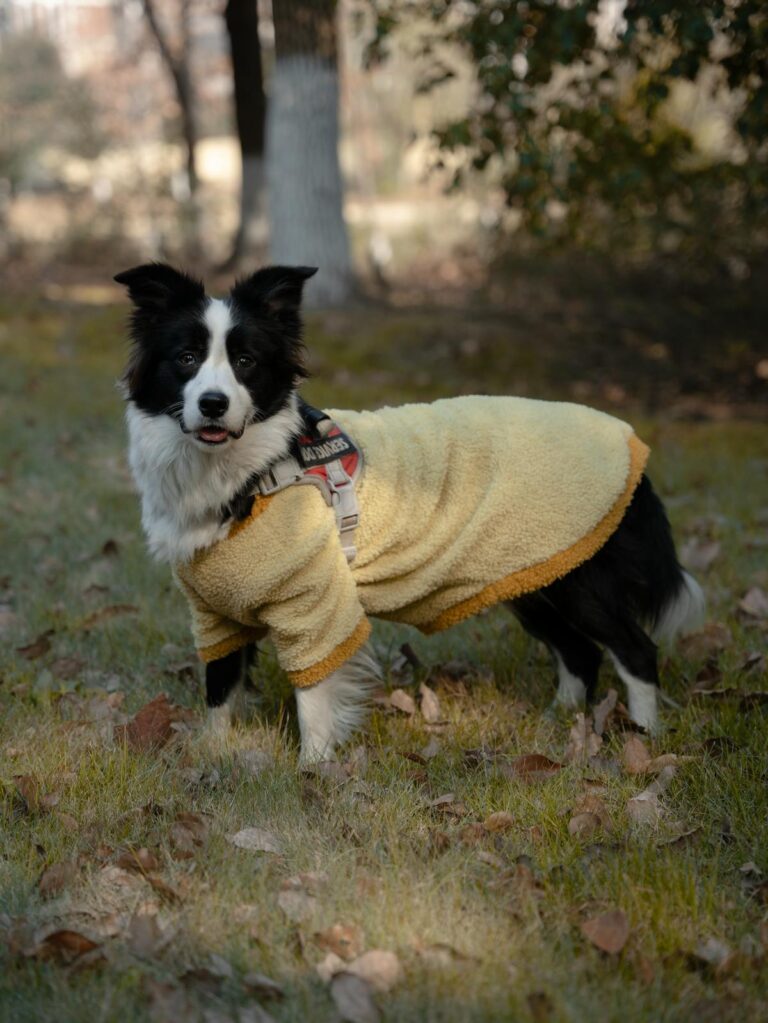
Dogs with separation anxiety often claim furniture and doorways while waiting.
Common Signs of Separation Anxiety in Dogs
Recognizing the signs early gives you the best chance of addressing the problem before it escalates. Some symptoms only appear when you are away, which is why many owners miss them entirely until a neighbor complains or they come home to destruction.
Behavioral Signs to Watch For
Excessive barking or howling is often the first thing neighbors notice. A dog with separation anxiety does not bark because they hear a noise outside. They vocalize continuously in a monotonous, distressed pattern that begins within minutes of your departure and may last for hours.
Destructive chewing and scratching typically targets exit points. Dogs scratch at doors, window frames, and crate bars trying to escape and find their owner. This is not random destruction — it is focused, desperate, and often results in broken nails, bleeding paws, or damaged teeth.
Indoor accidents from a fully housetrained dog are a red flag. If your dog only has accidents when left alone and is perfectly reliable when you are home, anxiety is likely the cause. Stress triggers the digestive system and overrides their training.
Pacing, drooling, and panting are physical stress responses. Some dogs pace in fixed patterns — back and forth along a window or in circles around a room. Excessive drooling can soak their bedding, and heavy panting occurs even in cool environments.
Escape attempts can be dangerous. Dogs have been known to jump through glass windows, claw through drywall, and bend metal crate bars when in full panic. These attempts are not casual — they risk serious injury.
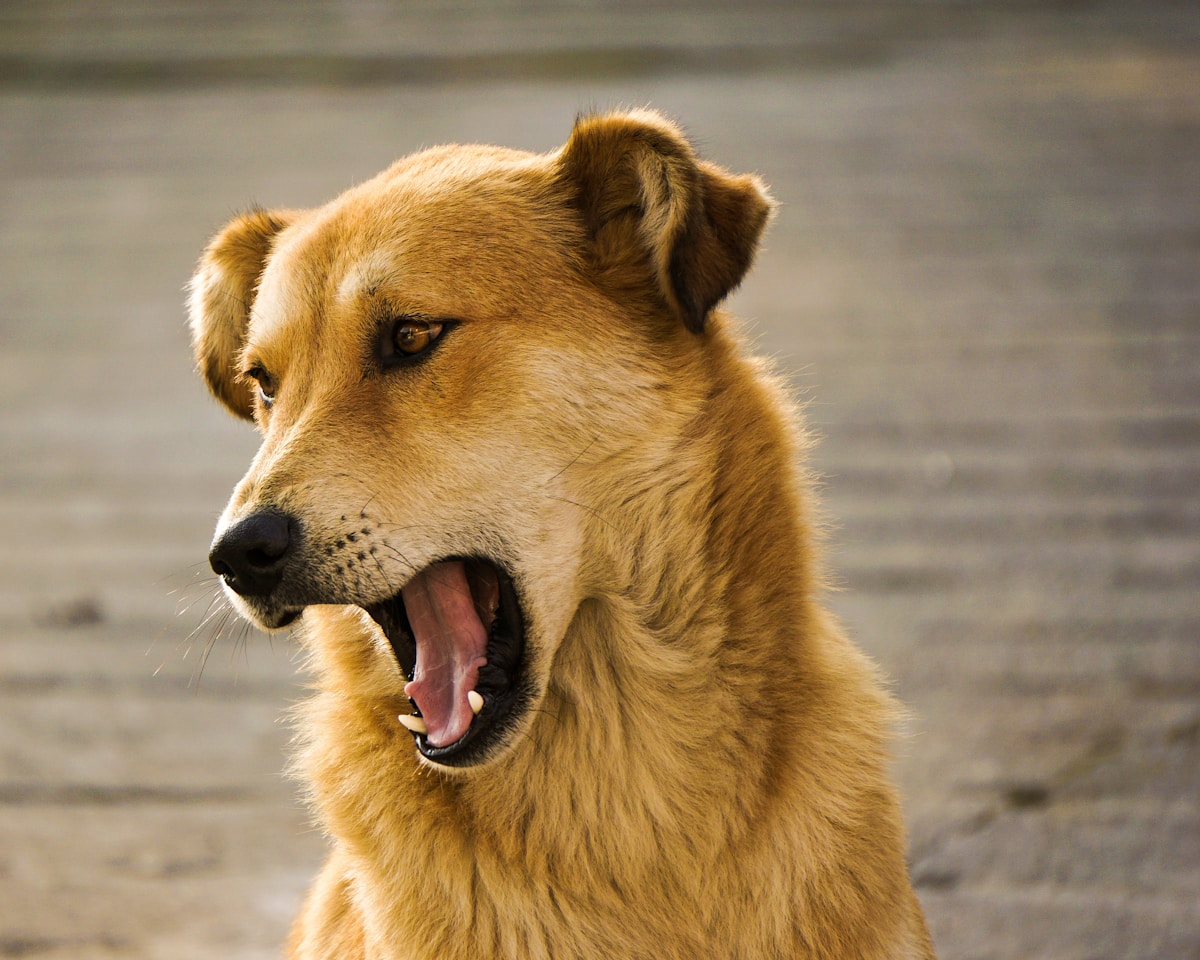
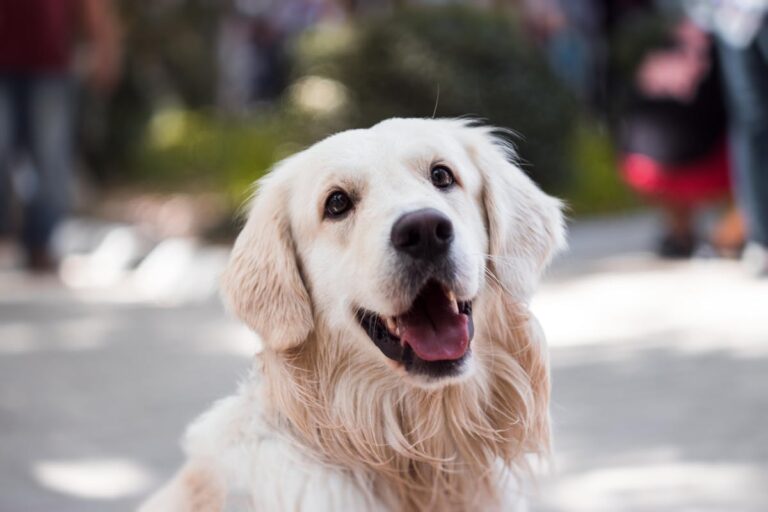
Persistent barking and howling are classic signs of separation distress.
Subtle Signs You Might Miss
Not all dogs are dramatic about their anxiety. Some show quieter signs that are easy to overlook:
- Refusing to eat when alone, even with high-value treats left out
- Excessive licking that creates hot spots or bare patches on their legs
- Following you constantly from room to room when you are home (pre-departure anxiety)
- Trembling or freezing when they notice departure cues like grabbing keys or putting on shoes
- Depression or withdrawal upon your return instead of the expected excited greeting
Setting up a camera to record your dog while you are away is one of the most effective diagnostic tools. The footage often reveals behaviors owners never suspected.
What Causes Separation Anxiety?
There is no single cause. Separation anxiety can develop from a combination of factors, and some dogs are more genetically predisposed than others.
Change in routine or household: A move to a new home, a family member leaving (divorce, kids going to college, a death in the family), or a significant schedule change can trigger anxiety. Dogs are creatures of habit, and disruption destabilizes their sense of security.
Shelter and rescue dogs are statistically more likely to develop separation anxiety. Dogs who have been rehomed, abandoned, or spent time in shelters have already experienced the loss of an attachment figure. Their brains are primed for abandonment fear.
Lack of early socialization: Puppies who were not gradually exposed to being alone during their critical socialization period (3 to 14 weeks) may never learn that solitude is safe. Pandemic puppies — dogs adopted during COVID-19 lockdowns when owners were home 24/7 — are especially prone to this problem.
Traumatic events: A dog who experienced a frightening event while alone (thunderstorm, break-in, loud construction) may associate being alone with danger.
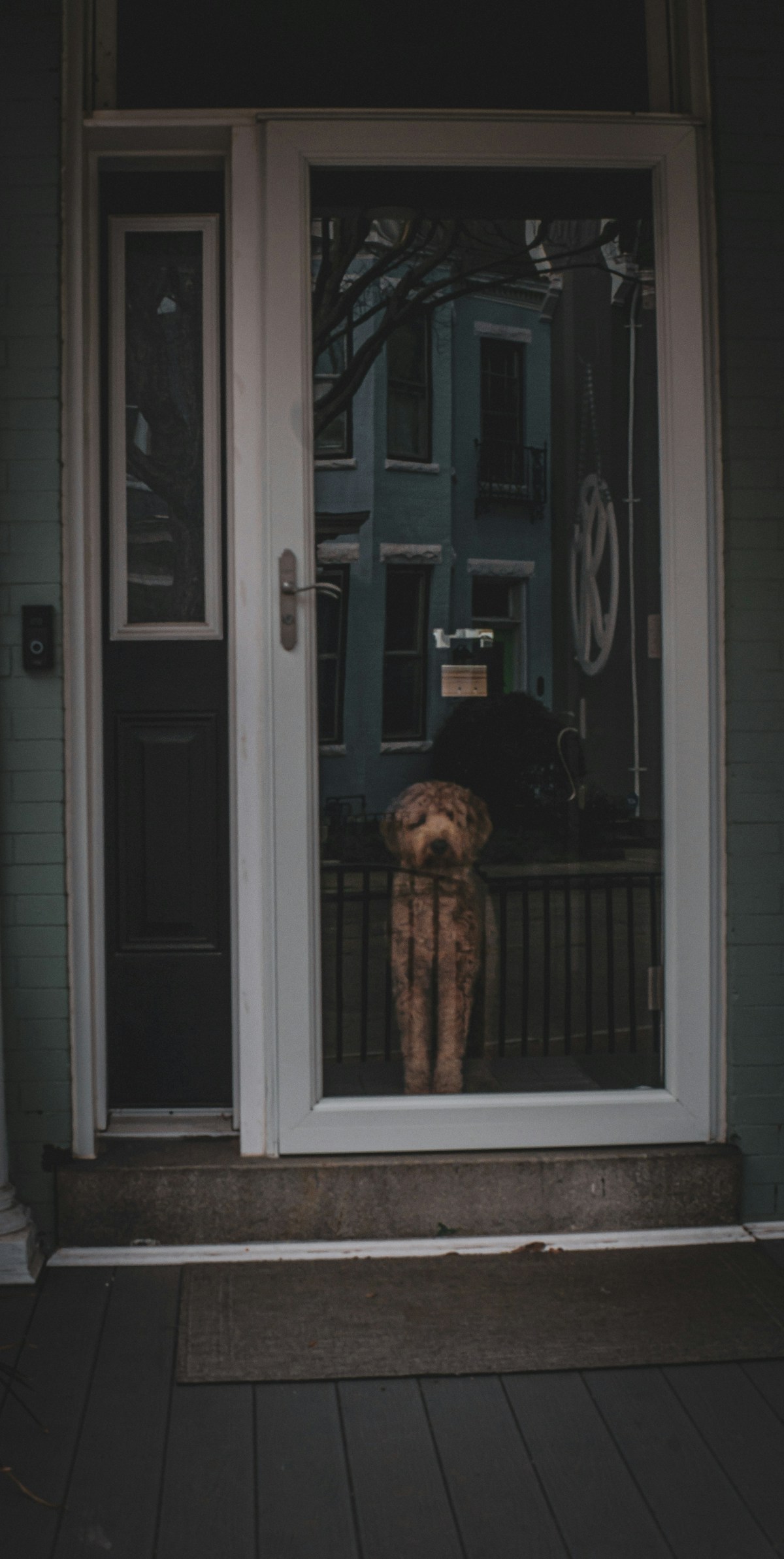
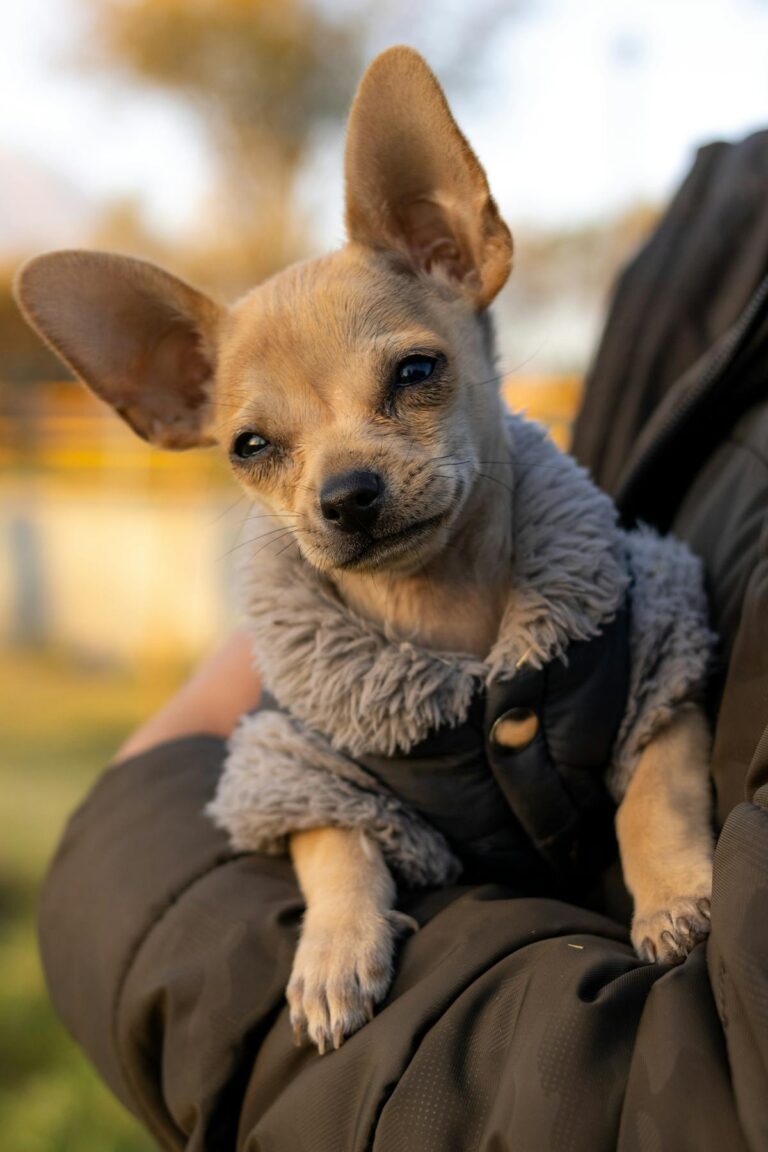
Rescue dogs and rehomed pets are more prone to separation anxiety.
Proven Training Techniques for Separation Anxiety
Treating separation anxiety requires patience, consistency, and a structured approach. Quick fixes do not exist, but meaningful improvement is absolutely achievable for most dogs within weeks to months of dedicated training.
1. Desensitize Departure Cues
Your dog has learned that certain actions predict your departure: picking up keys, putting on a jacket, grabbing your bag. Start performing these actions randomly throughout the day without actually leaving. Pick up your keys, sit back down. Put on your shoes, then watch TV. Over time, these cues lose their anxiety-triggering power because they no longer reliably predict departure.
2. Practice Graduated Absences
This is the foundation of separation anxiety treatment. Start with absences so short your dog does not have time to panic — literally stepping outside the door for two seconds and returning. Gradually increase the duration: five seconds, ten seconds, thirty seconds, one minute, three minutes. The goal is to keep your dog below their anxiety threshold at every step.
The WebMD veterinary team recommends keeping departures and arrivals low-key. No dramatic goodbyes. No excited greetings. Ignore your dog for a few minutes before leaving and after returning. This reduces the emotional contrast between “owner here” and “owner gone.”
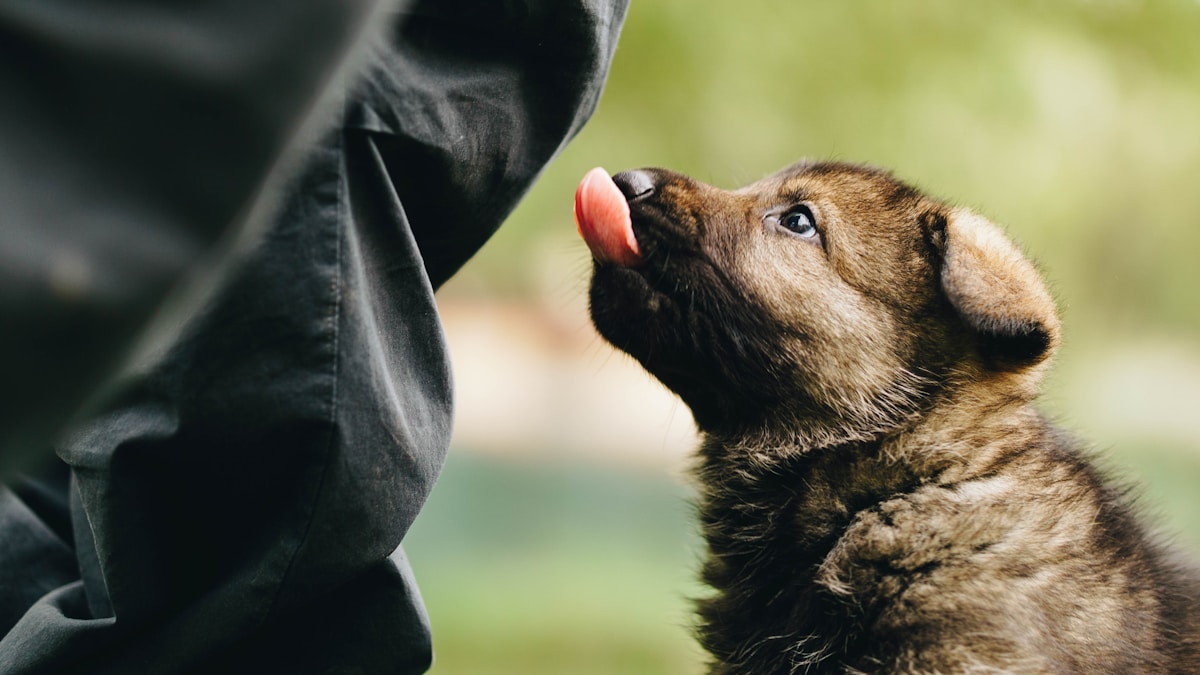
Building trust through gentle, gradual training is the foundation of recovery.
3. Create a Positive Alone-Time Association
Give your dog something amazing that only appears when you leave. A frozen Kong stuffed with peanut butter, a puzzle feeder with their favorite treats, or a long-lasting chew. The idea is to pair your departure with something your dog genuinely enjoys. Over time, leaving becomes associated with a reward rather than panic.
Remove the special item when you return. This teaches your dog that alone time = special treat time, and your presence means the treat goes away. It flips the script on their anxiety associations.
4. Build Independence at Home
If your dog cannot be in a different room from you while you are home, they are not ready to handle you leaving the house. Start teaching independence gradually:
- Use baby gates to create gentle separations between rooms
- Reward your dog for lying calmly on their bed while you move around
- Practice “place” or “mat” training where your dog learns to settle on a designated spot
- Avoid constantly petting, talking to, or engaging your dog — let them learn to self-soothe
5. Exercise and Mental Stimulation
A tired dog is a calmer dog. Ensure your dog gets adequate physical exercise before you leave — a brisk walk, a fetch session, or a trip to the dog park. Equally important is mental stimulation. Sniff walks, training sessions, and food puzzles drain mental energy and reduce overall anxiety levels.
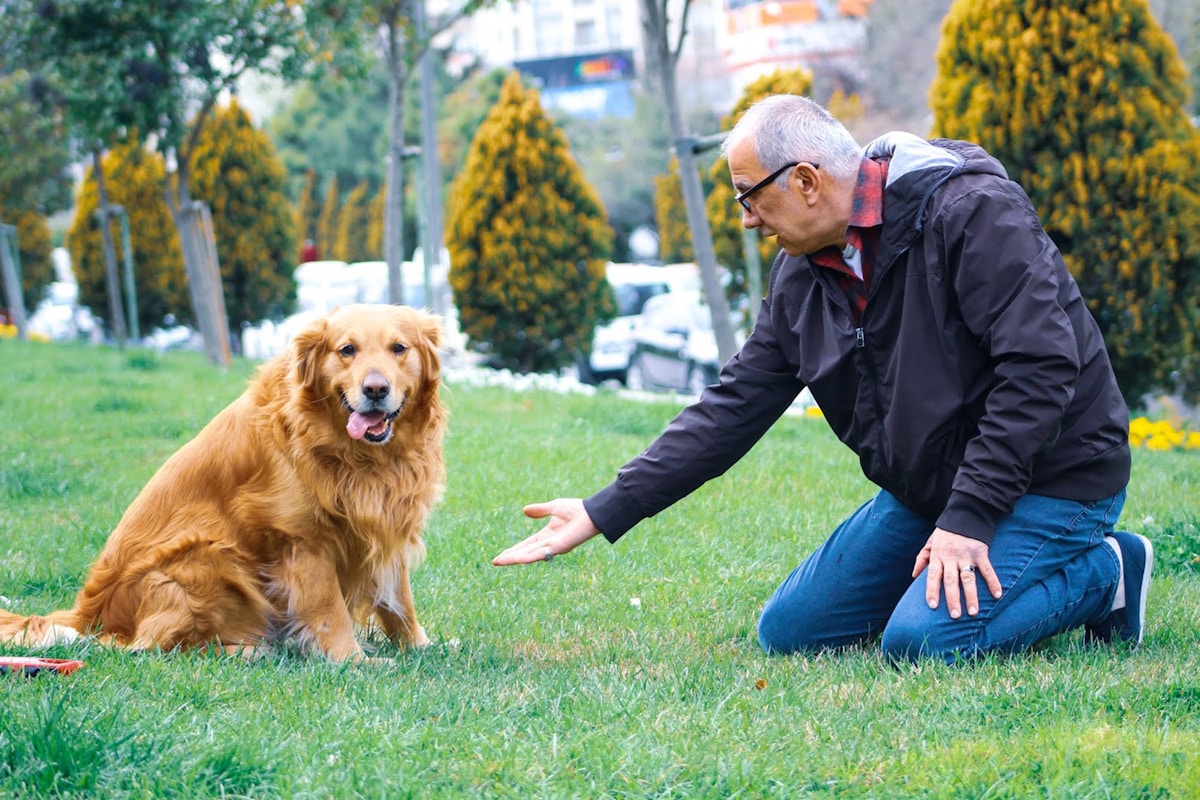
Consistent training and patience produce lasting results.
Watch: Expert Advice on Fixing Separation Anxiety
Dog behavior expert Cesar Millan explains his approach to diagnosing and treating separation anxiety in this helpful video:
When to See a Veterinarian
Behavioral training alone is not always enough. If your dog’s anxiety is severe — causing self-injury, extreme destruction, or refusal to eat for extended periods — consult your veterinarian. They may recommend:
- Anti-anxiety medication such as fluoxetine (Reconcile) or clomipramine (Clomicalm), which are FDA-approved for canine separation anxiety
- Natural supplements like L-theanine, melatonin, or adaptil (DAP) diffusers that release calming pheromones
- A certified veterinary behaviorist who can create a comprehensive behavior modification plan
Medication is not a cure by itself. It lowers the anxiety baseline so that behavioral training can actually work. Think of it as taking the edge off so your dog can learn, not as a permanent solution.
Comfort Products That Help Anxious Dogs
While training addresses the root cause, the right products can provide additional comfort during the process. Keeping your dog warm, secure, and cozy when you are away makes a real difference in their stress levels.
Keep Your Anxious Dog Cozy While You Are Away
A warm, comfortable layer can help soothe an anxious dog by providing gentle pressure and security — similar to a thunder shirt effect. Browse our collection of cozy dog apparel:
Warm Cotton-Padded Dog Coat — Soft, snug fit perfect for anxious dogs who need comfort
Casual Dog Sweatshirt for Medium and Large Dogs — Lightweight enough for indoor wear while you are out
Things That Make Separation Anxiety Worse
Knowing what not to do is just as important as knowing the right approach:
Punishment: Never scold, yell at, or punish your dog for anxiety-related behavior. They are not being defiant. Punishment increases fear and makes the problem dramatically worse.
Crating an anxious dog: While crates help some dogs feel secure, they can intensify panic in dogs with separation anxiety. A panicking dog in a crate may injure themselves trying to escape. If your dog shows distress in a crate, switch to a dog-proofed room instead.
Getting a second dog as a fix: Separation anxiety is about attachment to you, not about being alone in general. Adding another dog does not replace the absent human attachment figure and may create two anxious dogs instead of one.
Inconsistency: Training separation anxiety requires daily practice. Sporadic efforts or skipping steps because your dog “seems fine” today will undermine weeks of progress.
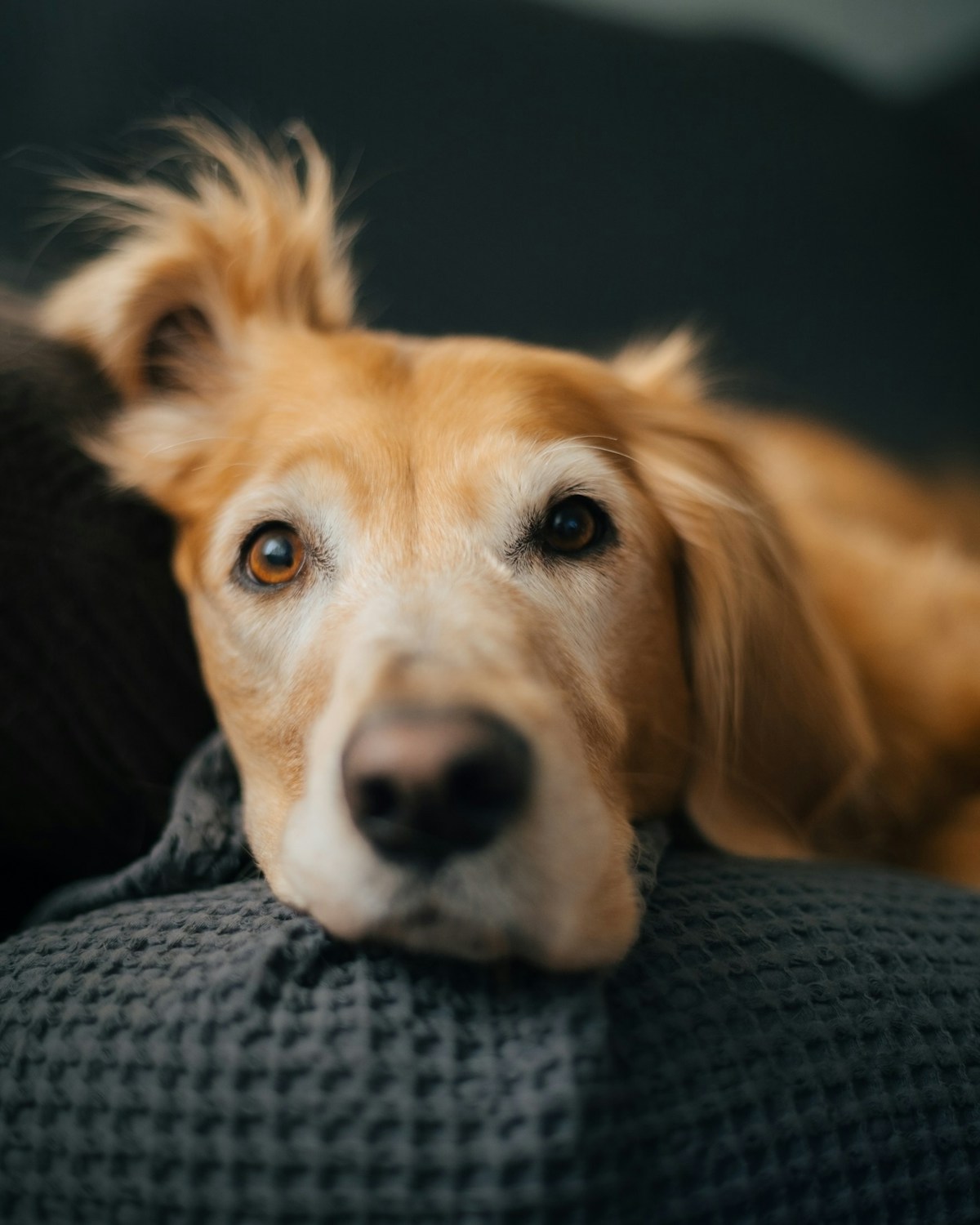
With the right approach, anxious dogs can learn to relax when left alone.
How Long Does Treatment Take?
Every dog is different. Mild cases may show significant improvement within two to four weeks of consistent training. Moderate cases typically require two to three months. Severe cases — particularly in dogs with a history of trauma or multiple rehomings — may need six months or more of combined behavioral therapy and medication.
The key metrics of progress are not perfection but improvement. Is your dog waiting longer before showing distress? Are they recovering faster after you leave? Are the destructive episodes less intense? Track these changes. Progress is often gradual enough that you will not notice it day-to-day, but looking back over weeks reveals real change.
Daily Routine for Dogs With Separation Anxiety
Structure reduces anxiety. Here is a sample daily routine designed to support an anxious dog:
- Morning: 30-minute walk or active play session before you leave for work
- Departure: No fanfare. Leave a stuffed Kong or puzzle toy. Walk out calmly
- Midday: If possible, arrange for a dog walker or neighbor to break up the alone time
- Return: Enter calmly. Wait until your dog settles before giving attention
- Evening: Training session (10-15 minutes of obedience or trick work), followed by a relaxed walk
- Bedtime: Consistent sleeping arrangement. If your dog sleeps with you, maintain that. Routine is comfort
Outdoor Adventures Help Burn Anxious Energy
Dogs who get enough exercise and outdoor time are significantly calmer when left alone. Make sure they are protected during walks and outdoor play:
Reflective Tactical Dog Jacket — Visibility and protection for active dogs
Waterproof Windproof Dog Jacket — Rain or shine, they stay comfortable
Breeds More Prone to Separation Anxiety
While any dog can develop separation anxiety, certain breeds are genetically predisposed due to their breeding history as companion or working dogs that thrive on human interaction:
- Labrador Retrievers — bred for close partnership with handlers
- German Shepherds — intensely bonded working dogs
- Border Collies — need constant mental engagement
- Vizslas — nicknamed the “Velcro dog” for their clinginess
- Cavalier King Charles Spaniels — bred specifically as lap dogs
- Australian Shepherds — working drive combined with deep owner attachment
- Toy breeds (Chihuahuas, Toy Poodles, Bichon Frises) — often carried and held constantly, reinforcing dependence
Breed predisposition does not mean your dog will develop separation anxiety. Early socialization, independence training, and healthy attachment habits prevent the condition in the vast majority of cases. If you already have one of these breeds and notice early signs, now is the time to act — before the behavior becomes entrenched.
Related reading on our blog: Keeping Your Chihuahua Warm in Winter covers another important care topic for small breeds prone to anxiety. You may also find our Dog Grooming at Home Guide helpful for building a calm, trust-based routine with your dog.
Small Breed Comfort for Anxious Toy Dogs
Tiny breeds feel more secure when wearing a snug, warm layer — it mimics the comforting pressure of being held:
Warm Knit Pet Pullover — Cozy comfort for all sizes
Tie-Dye Dog Hoodie — Fun, snug, and calming for small to large breeds
Separation anxiety is not a life sentence for your dog. With early recognition, patient training, the right environment, and professional support when needed, most dogs learn to tolerate — and eventually feel comfortable with — time alone. Your commitment to the process is what makes the difference. Start small, stay consistent, and celebrate every bit of progress along the way.