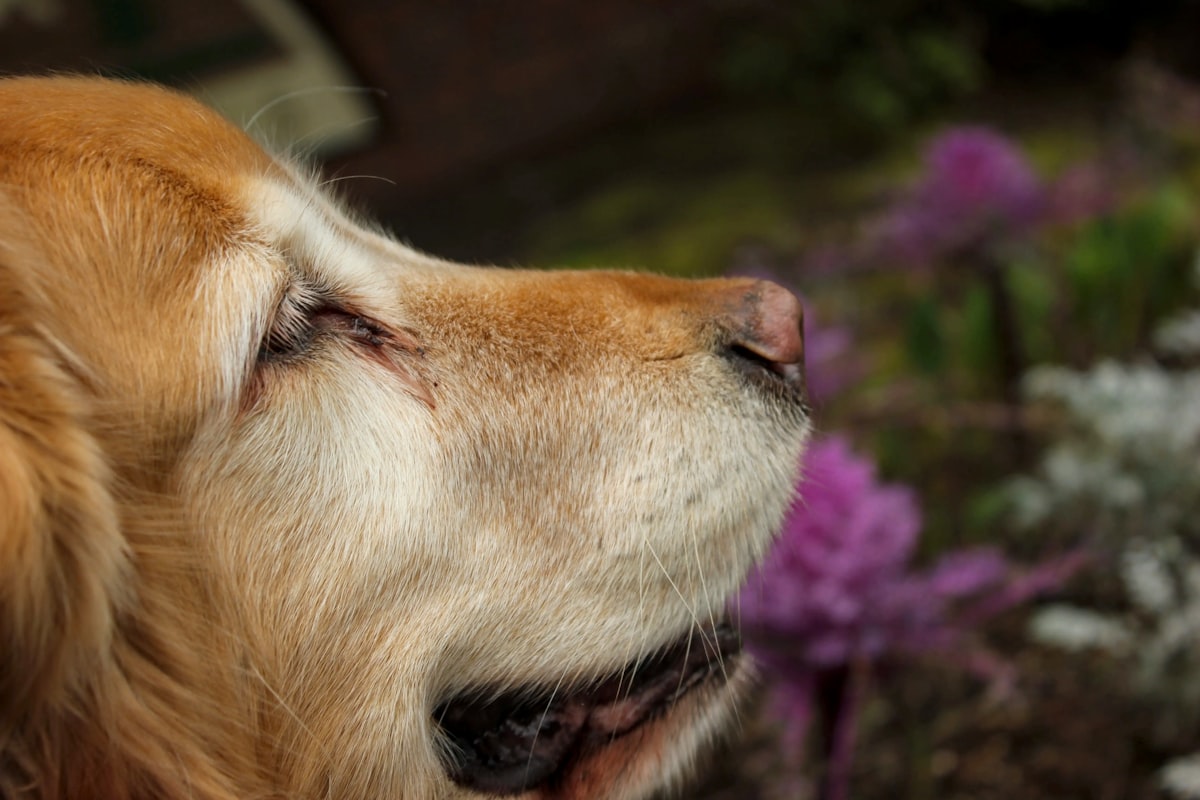
Dog Spring Allergies: Signs, Treatment & Prevention Guide
Spring brings blooming flowers, warmer weather, and unfortunately for many dogs, seasonal allergies. Just like humans, dogs can suffer from spring allergies that make them uncomfortable and itchy. Understanding the signs, causes, and treatment options can help you keep your furry friend happy and healthy during allergy season.
What Causes Dog Spring Allergies?
Spring allergies in dogs are typically triggered by environmental allergens that become more prevalent as plants begin to bloom and release pollen. The most common spring allergy triggers include:
Environmental Allergens
- Tree pollen (oak, maple, birch, cedar)
- Grass pollen from newly growing grass
- Weed pollen from early spring weeds
- Mold spores from increased moisture and humidity
- Dust mites that multiply in warmer weather

Common Signs of Spring Allergies in Dogs
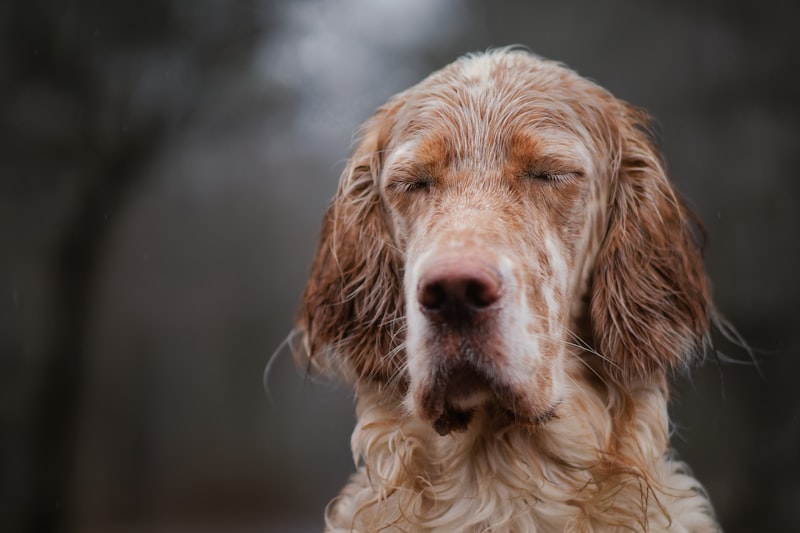
Recognizing the symptoms of dog spring allergies is crucial for early intervention. Watch for these warning signs:
Skin-Related Symptoms
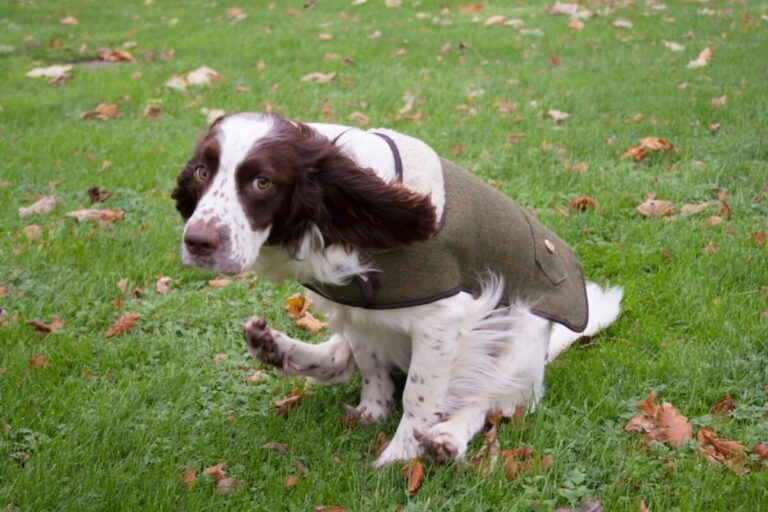
- Excessive scratching, especially around the face, paws, and ears
- Red, inflamed skin or hot spots
- Hair loss from constant scratching and licking
- Skin infections from secondary bacterial growth
Respiratory Symptoms
- Sneezing and coughing more frequently
- Watery or red eyes that appear irritated
- Nasal discharge that may be clear or colored
- Difficulty breathing in severe cases
Behavioral Changes
- Restlessness due to discomfort
- Excessive licking of paws and legs
- Head shaking to relieve ear irritation
- Loss of appetite from feeling unwell
Treatment Options for Dog Spring Allergies
Medical Treatments
Your veterinarian may recommend several treatment approaches:
Antihistamines: Benadryl, Zyrtec, or Claritin can provide relief (always consult your vet for proper dosing)
Prescription medications: Apoquel or Cytopoint injections for severe cases
Medicated shampoos: Anti-inflammatory shampoos to soothe irritated skin
Topical treatments: Sprays or creams for localized hot spots
Natural Remedies
Some dog owners find success with natural approaches:
- Omega-3 fatty acid supplements to reduce inflammation
- Apple cider vinegar diluted in water for paw soaks
- Oatmeal baths to soothe itchy skin
- Local honey to potentially build tolerance to local pollens
Prevention Strategies
Environmental Management
- Limit outdoor exposure during high pollen count days (typically mid-morning and early evening)
- Keep windows closed and use air conditioning during peak allergy season
- Wash your dog’s bedding weekly in hot water to remove allergens
- Use air purifiers with HEPA filters in your home
Grooming and Hygiene
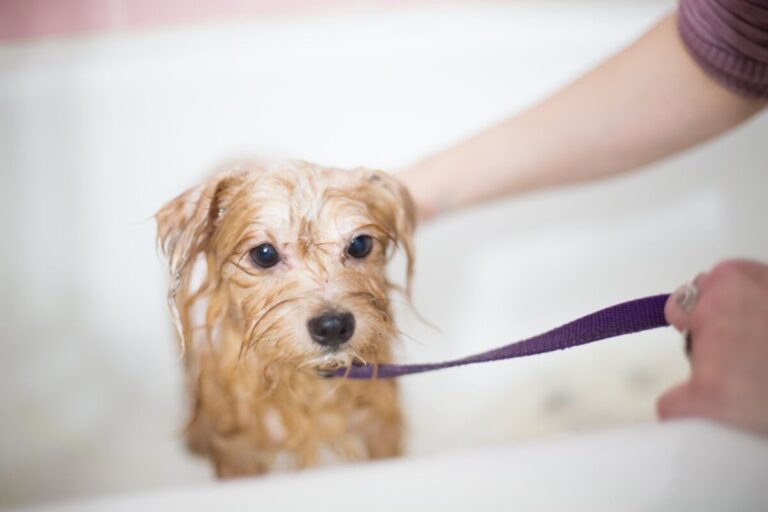
- Regular bathing (weekly during allergy season) to remove pollen and allergens
- Paw cleaning after every outdoor walk with dog-safe wipes
- Daily brushing to remove pollen from your dog’s coat
- Keep grass short in your yard to reduce pollen production
Dietary Support
- High-quality diet rich in omega-3 fatty acids
- Probiotics to support immune system health
- Limited ingredient diets if food allergies are also suspected
- Proper hydration to help flush allergens from the system
When to See a Veterinarian
Contact your veterinarian if your dog experiences:
- Severe scratching that causes wounds or bleeding
- Signs of infection like foul odor, pus, or excessive discharge
- Difficulty breathing or persistent coughing
- Loss of appetite lasting more than 24 hours
- Symptoms that worsen despite home treatment
Long-term Allergy Management
Allergy Testing
Consider allergy testing to identify specific triggers. This helps create a targeted treatment plan and may lead to:
- Immunotherapy (allergy shots) for long-term desensitization
- Precise avoidance strategies for known allergens
- Customized treatment protocols based on your dog’s specific sensitivities
Seasonal Preparation
Start preparing for allergy season before symptoms appear:
- Begin supplements 4-6 weeks before allergy season
- Schedule vet checkups in late winter to discuss prevention
- Stock up on supplies like medicated shampoos and air filters
- Monitor pollen forecasts to plan outdoor activities
Creating an Allergy-Friendly Home Environment
Indoor Air Quality
- Regular HVAC maintenance with high-quality filters
- Daily vacuuming with HEPA filtration
- Minimize carpets and opt for hard flooring when possible
- Control humidity levels between 30-50% to reduce mold growth
Safe Spaces for Your Dog
- Designated allergy-free zones like your dog’s sleeping area
- Washable furniture covers that can be cleaned frequently
- Easy-to-clean surfaces throughout your home
- Air purifiers in rooms where your dog spends the most time
Conclusion
Dog spring allergies can significantly impact your pet’s quality of life, but with proper understanding, prevention, and treatment, you can help your furry friend enjoy the warmer months comfortably. Remember that every dog is different, and what works for one may not work for another. Work closely with your veterinarian to develop a comprehensive allergy management plan tailored to your dog’s specific needs.
Early recognition of symptoms and proactive management are key to keeping your dog happy and healthy during allergy season. With the right approach, both you and your dog can look forward to enjoying beautiful spring weather together.