Eco Friendly Dog Clothes: Your Complete Guide to Sustainable Pet Fashion 2026
As conscious pet owners increasingly seek sustainable alternatives for their furry companions, eco friendly dog clothes have emerged as a powerful way to reduce environmental impact while keeping our dogs comfortable and stylish. From organic cotton sweaters to hemp-based raincoats, the world of sustainable dog fashion offers numerous benefits for both your pet and the planet.
Why Choose Eco Friendly Dog Clothes?
Environmental Benefits
Traditional pet clothing manufacturing contributes significantly to environmental pollution through chemical treatments, synthetic materials, and wasteful production processes. Eco friendly dog clothes address these concerns by utilizing:
- Organic materials that require no harmful pesticides or chemicals
- Renewable fibers like hemp, bamboo, and organic cotton
- Sustainable production methods that minimize water waste and energy consumption
- Biodegradable materials that won’t persist in landfills for centuries
Health Benefits for Your Dog
Your dog’s skin is sensitive and absorbs chemicals from synthetic fabrics. Eco friendly alternatives provide:
- Chemical-free comfort with no harsh dyes or treatments
- Better breathability from natural fibers
- Reduced allergic reactions for sensitive dogs
- Temperature regulation that keeps dogs comfortable year-round
Best Eco Friendly Materials for Dog Clothes
1. Organic Cotton
Organic cotton stands as the gold standard for eco friendly dog clothes. Unlike conventional cotton, organic varieties are grown without pesticides, synthetic fertilizers, or genetically modified organisms (GMOs).
Benefits:
- Incredibly soft and breathable
- Machine washable and durable
- Naturally hypoallergenic
- Comes in natural, undyed colors or low-impact dyes
Best for: Everyday sweaters, t-shirts, and light jackets
2. Hemp Fiber
Hemp represents one of the most sustainable materials available for pet clothing. This remarkable plant grows quickly, requires minimal water, and actually improves soil health.
Benefits:
- Naturally antimicrobial properties
- UV protection for outdoor activities
- Becomes softer with each wash
- Extremely durable and long-lasting
Best for: Outdoor coats, heavy-duty sweaters, and work vests
3. Bamboo Fiber
Bamboo grows rapidly without pesticides and regenerates from its root system, making it an excellent sustainable choice.
Benefits:
- Natural moisture-wicking properties
- Thermal regulating qualities
- Silky soft texture
- Naturally odor-resistant
Best for: Base layers, summer clothing, and undergarments
4. Recycled Materials
Many eco friendly dog clothes incorporate recycled polyester from plastic bottles or recycled wool from post-consumer garments.
Benefits:
- Diverts waste from landfills
- Reduces need for virgin materials
- Often water-resistant
- Maintains durability of original materials
Best for: Raincoats, winter jackets, and outdoor gear
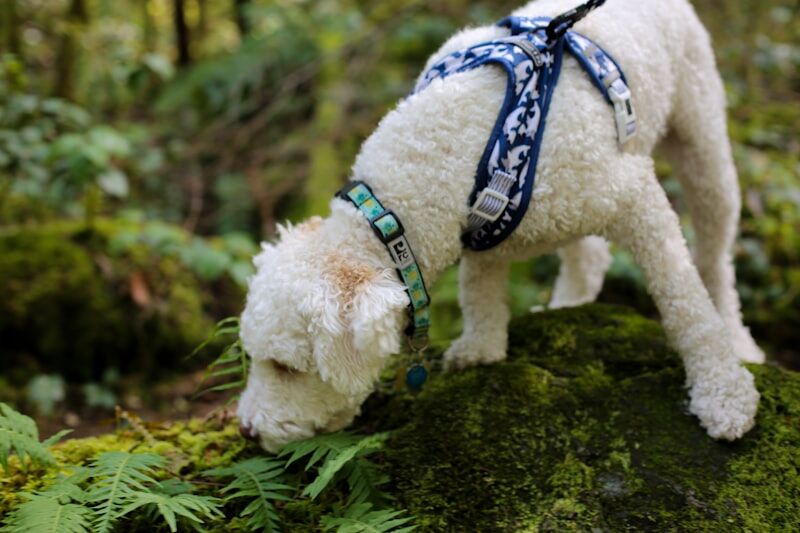
Seasonal Eco Friendly Dog Clothing Guide
Spring Essentials
Spring weather calls for lightweight, breathable options:
- Organic cotton t-shirts for mild days
- Bamboo rain jackets for spring showers
- Hemp walking vests for outdoor adventures
Summer Solutions
Keep your dog cool and protected:
- UV-protective hemp shirts for sunny walks
- Bamboo cooling vests for hot weather
- Organic cotton bandanas for style and sweat absorption

Fall Fashion
Transition into cooler weather:
- Recycled wool sweaters for temperature drops
- Organic cotton hoodies for morning walks
- Hemp-blend jackets for variable weather
Winter Warmth
Provide eco-friendly protection from cold:
- Organic wool coats for maximum warmth
- Recycled polyester snow suits for wet conditions
- Hemp-lined boots for paw protection
Caring for Eco Friendly Dog Clothes
Proper care extends the life of sustainable garments and maintains their eco-friendly benefits.
Washing Guidelines
- Use cold water to reduce energy consumption
- Choose biodegradable, phosphate-free detergents
- Air dry when possible to save energy
- Wash only when necessary to preserve fibers
Storage Tips
- Store clean, dry garments in breathable containers
- Use natural cedar blocks instead of chemical mothballs
- Rotate seasonal items to prevent permanent creasing
- Keep away from direct sunlight to prevent fading
Making the Switch to Eco Friendly Options
Budget-Friendly Approaches
- Start with one or two key pieces
- Look for sales and clearance items
- Consider gently used sustainable options
- DIY simple items like bandanas and toys
Quality Over Quantity
- Invest in well-made pieces that last longer
- Choose versatile items that work across seasons
- Focus on your dog’s actual needs rather than fashion trends
- Repair and mend items instead of replacing them
Conclusion
Eco friendly dog clothes represent more than just a trend—they’re a meaningful way to reduce environmental impact while providing superior comfort and health benefits for our beloved pets. By choosing sustainable materials like organic cotton, hemp, and bamboo, we can ensure our dogs stay stylish and comfortable while supporting a healthier planet.
Whether you’re purchasing from established eco-friendly brands or creating your own DIY projects, every sustainable choice makes a difference. Start small with one or two key pieces and gradually build a wardrobe of eco-friendly options that reflect your values and meet your dog’s needs.
Remember, the best eco friendly dog clothes are those that your pet will actually wear and enjoy. Focus on comfort, fit, and quality over trends, and you’ll create a sustainable wardrobe that benefits both your dog and the environment for years to come.