Essential Dog Walking Equipment for Spring 2026: Your Complete Safety & Comfort Guide
Spring 2026 brings renewed enthusiasm for outdoor adventures with your furry companion. As the weather transitions from winter’s harsh grip to spring’s unpredictable patterns, having the right dog walking equipment becomes more critical than ever. Whether you’re navigating muddy trails, dodging sudden rainstorms, or enjoying those perfect 70-degree afternoons, the right gear keeps both you and your dog safe, comfortable, and ready for any spring surprise.
This comprehensive guide covers everything from must-have safety equipment to seasonal considerations that make spring dog walking both enjoyable and worry-free. Let’s dive into the essential gear every dog owner needs for spring 2026.
Why Spring Dog Walking Equipment Matters More Than You Think
Spring weather is notoriously unpredictable. According to the National Weather Service, spring months see the highest variability in daily temperature swings, with changes of 30-40 degrees not uncommon. One morning might start at 45°F with drizzle, then climb to 75°F with brilliant sunshine by afternoon.
This variability creates unique challenges for dog walking. Your morning gear needs might be completely different from your evening requirements. Having versatile, adaptable equipment ensures you’re prepared for anything spring throws your way.
Beyond weather considerations, spring brings increased outdoor activity. More pedestrians, cyclists, and other dogs are out enjoying the warmer weather. This makes visibility, control, and identification equipment more important than ever for both safety and peace of mind.
The Essential Spring Dog Walking Equipment Checklist
1. Weather-Adaptive Leashes
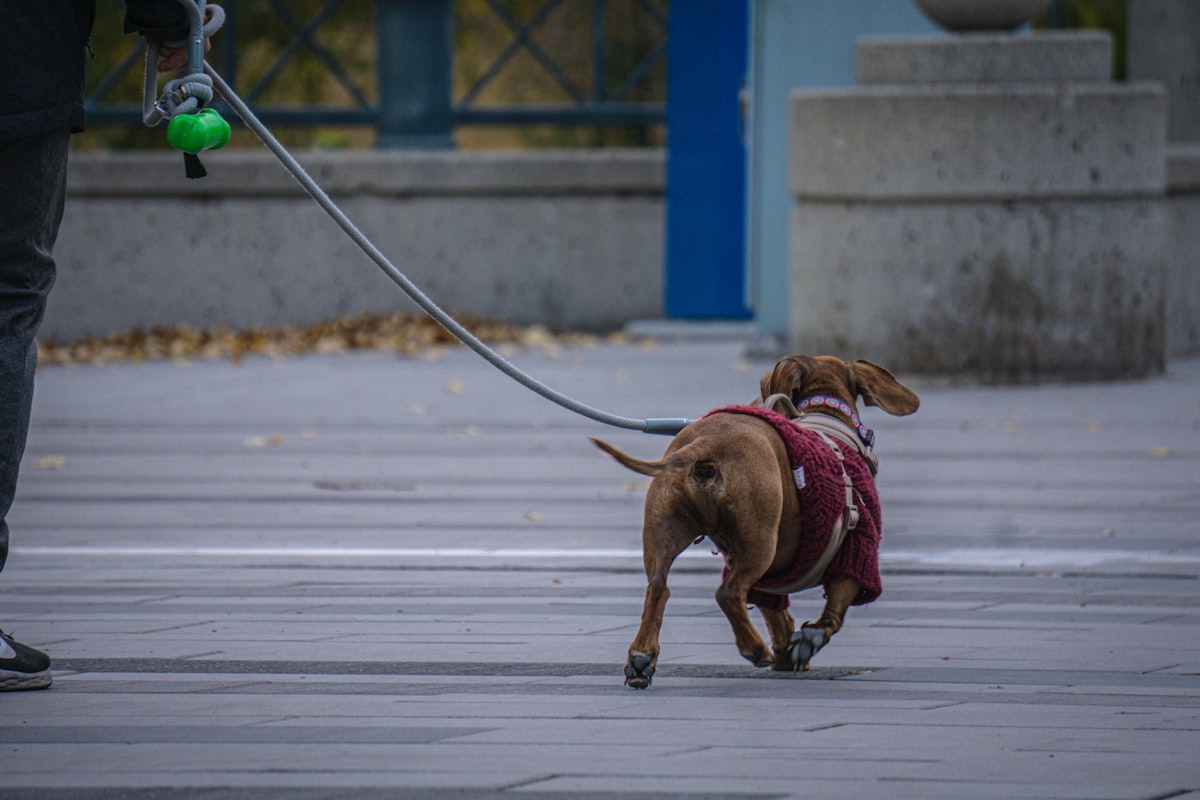
The foundation of any dog walking setup, but spring demands more versatility than a basic nylon leash can provide. Look for these key features:
Waterproof or Quick-Dry Materials: Spring showers happen suddenly. A waterproof biothane leash or quick-dry nylon with weather-resistant hardware prevents that soggy, muddy leash smell from lingering in your car or home.
Reflective Elements: Daylight Saving Time means more early morning and evening walks in low-light conditions. Reflective stitching or strips improve visibility for both you and approaching traffic.
Comfortable Grip: Wet conditions make grip safety crucial. Padded handles with non-slip surfaces prevent accidents when your dog suddenly spots a squirrel on slippery pavement.
Appropriate Length: 6-foot leashes offer the best balance of control and freedom for most spring walking scenarios. Retractable leashes, while popular, can be dangerous in high-traffic spring environments.
2. Harnesses Built for Spring Activity
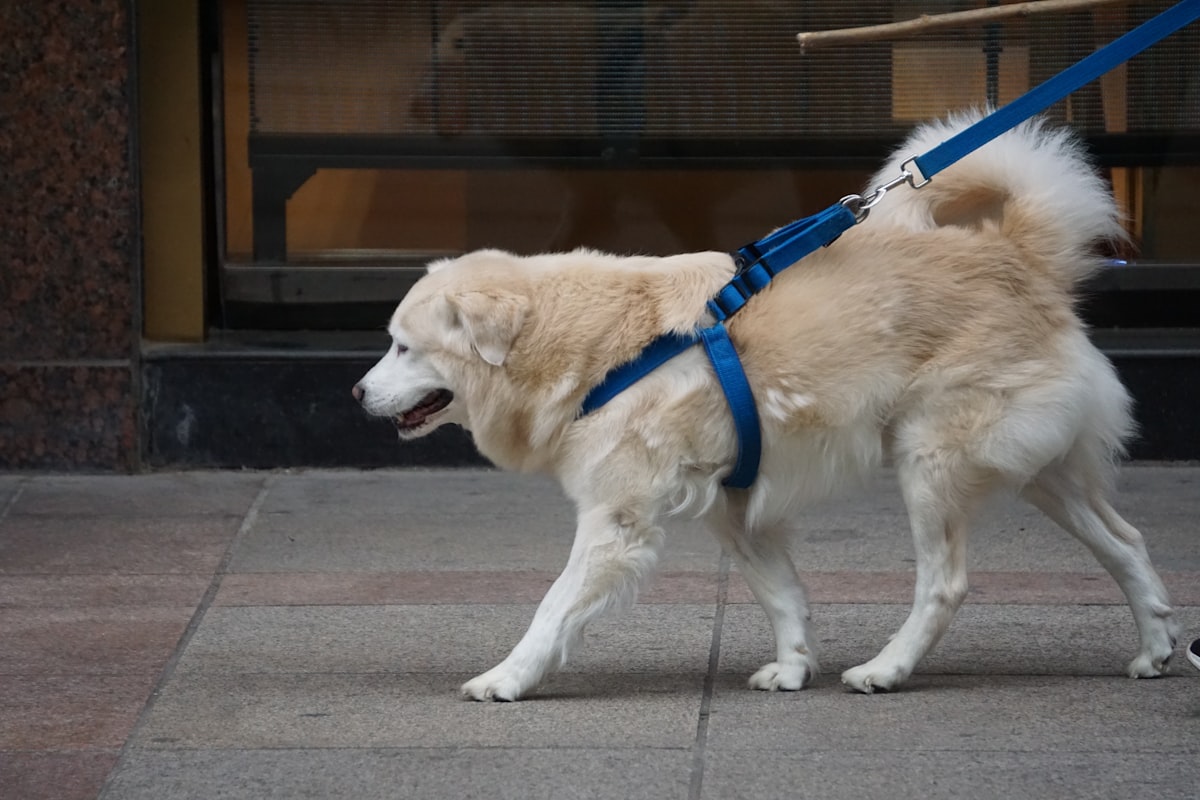
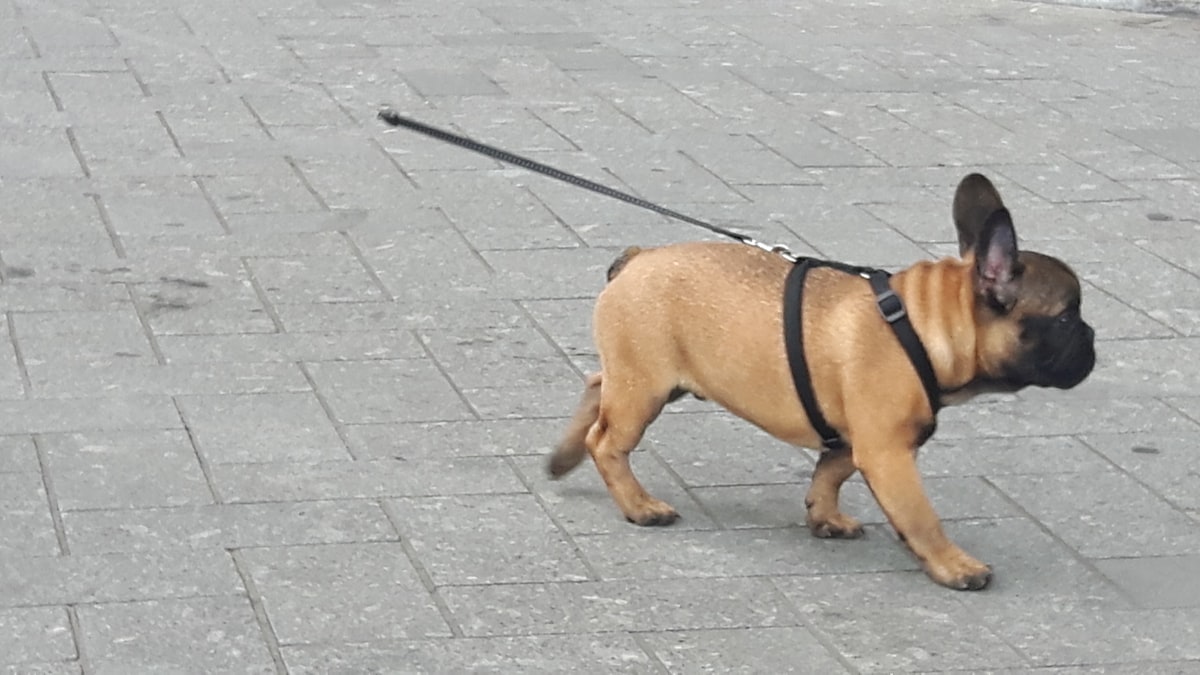
Harnesses distribute pulling force across your dog’s chest rather than concentrating it on their neck, making them ideal for energetic spring walks when dogs are excited to explore after winter’s indoor confinement.
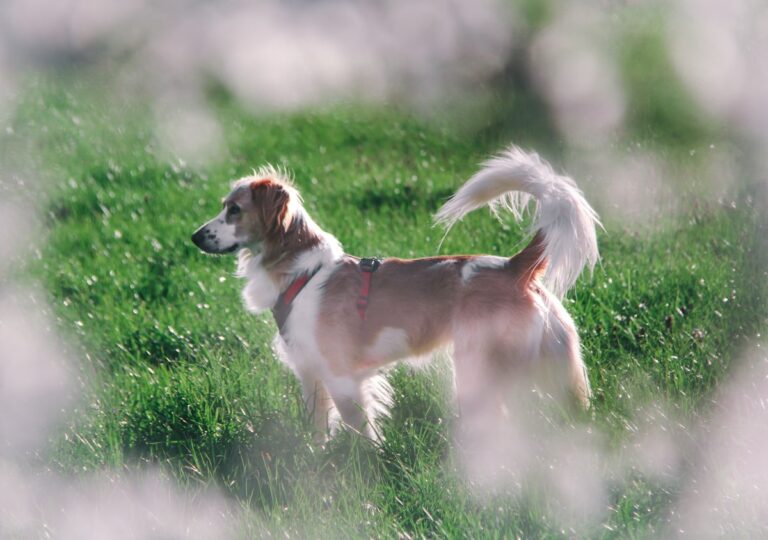
Front-Clip vs. Back-Clip Design: Front-clip harnesses provide better control for dogs who pull, while back-clip designs work well for trained dogs who walk calmly. Many quality harnesses offer both attachment points for versatility.
Breathable Materials: As temperatures warm up, breathable mesh or moisture-wicking fabrics prevent overheating during longer spring adventures.
Reflective Safety Features: Just like leashes, harnesses with reflective elements improve visibility during dawn and dusk walks when spring lighting can be tricky.
Easy On/Off Design: Step-in harnesses or those with quick-release buckles make gear changes easier when weather conditions shift during your walk.
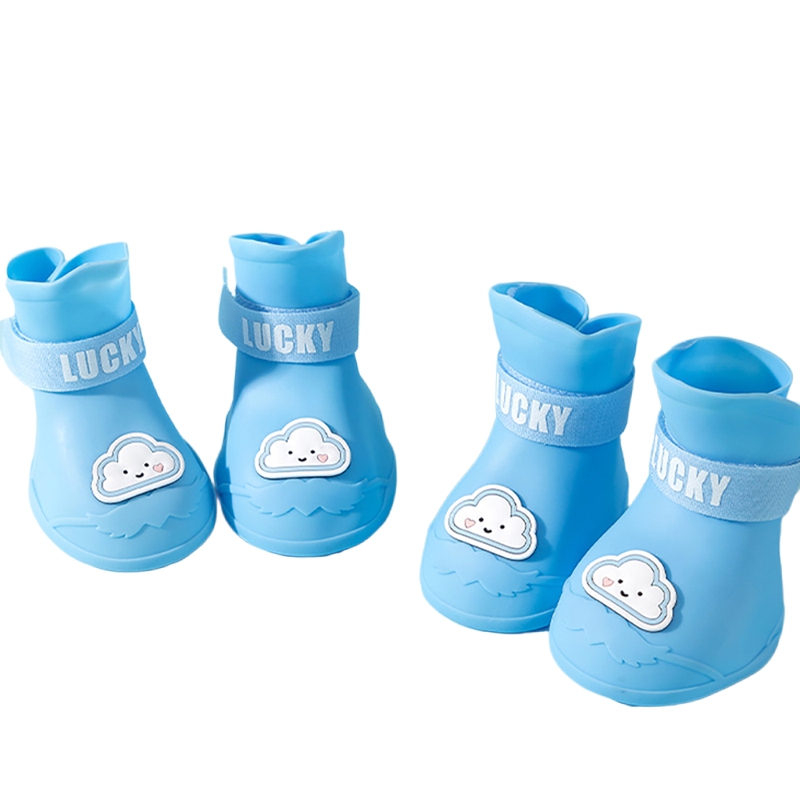
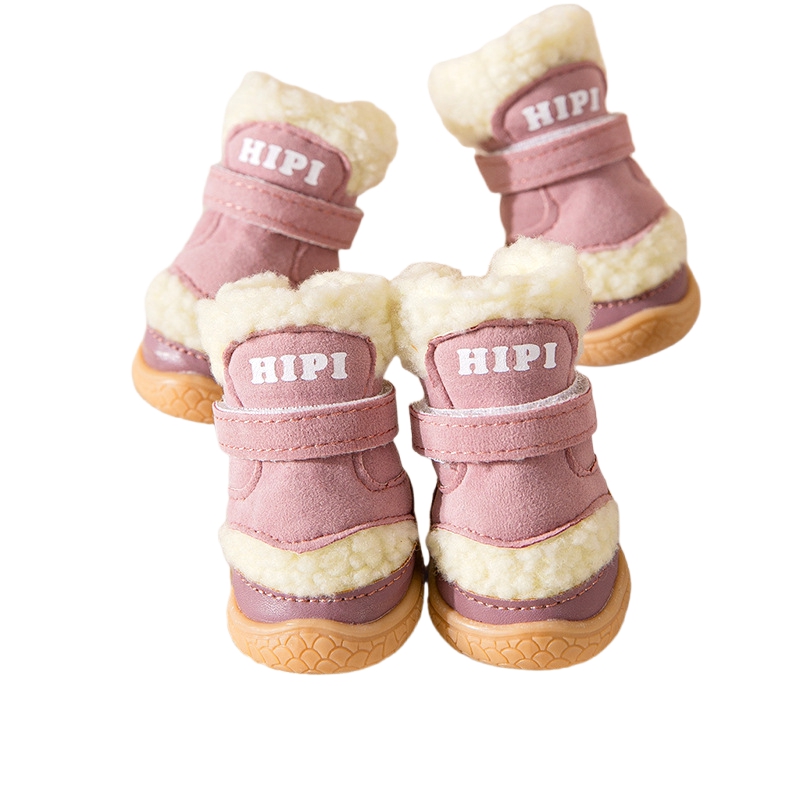
3. Protective Paw Gear
Spring terrain can be brutal on dog paws. Ice melt chemicals linger on sidewalks, sharp debris emerges as snow melts, and wet surfaces can cause cracking or irritation.
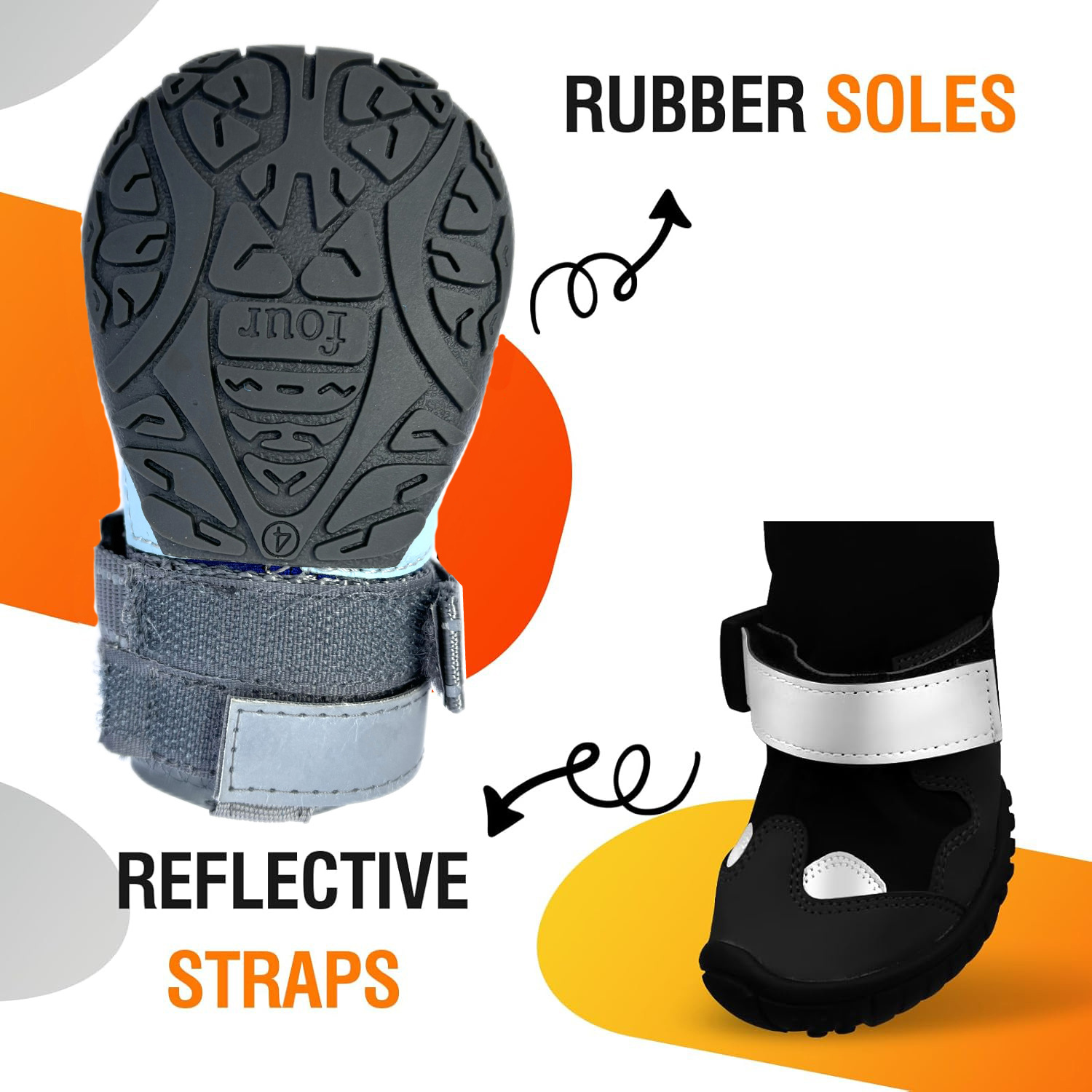
Seasonal Boot Options: Lightweight, breathable dog boots protect against chemical burns from road salt while allowing air circulation as temperatures rise. Look for boots with good traction for wet surfaces.
Paw Balms and Waxes: If your dog won’t tolerate boots, protective balms create a barrier against harmful chemicals and rough terrain. Apply before walks and wipe paws clean afterward.
Portable Paw Cleaning Kit: A small bottle of water and microfiber towel let you clean muddy paws before getting back in the car or returning home.
4. Weather Protection Clothing
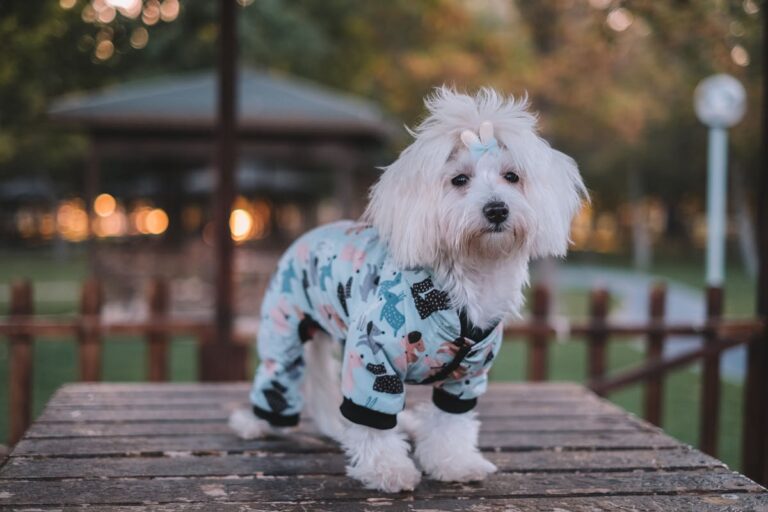
Spring’s temperature swings mean your dog might need a light jacket at 7 AM but be perfectly comfortable in just their coat by 10 AM.
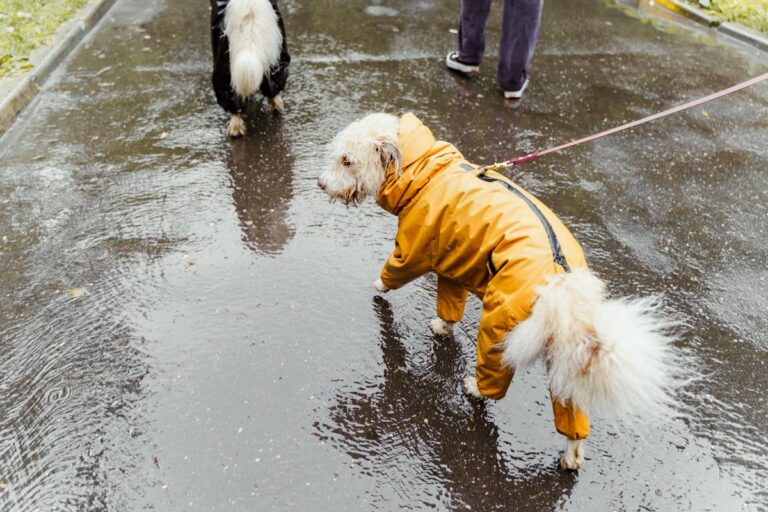
Lightweight Rain Gear: Sudden spring showers are common. A lightweight, packable rain coat keeps your dog dry without adding bulk when the weather clears.
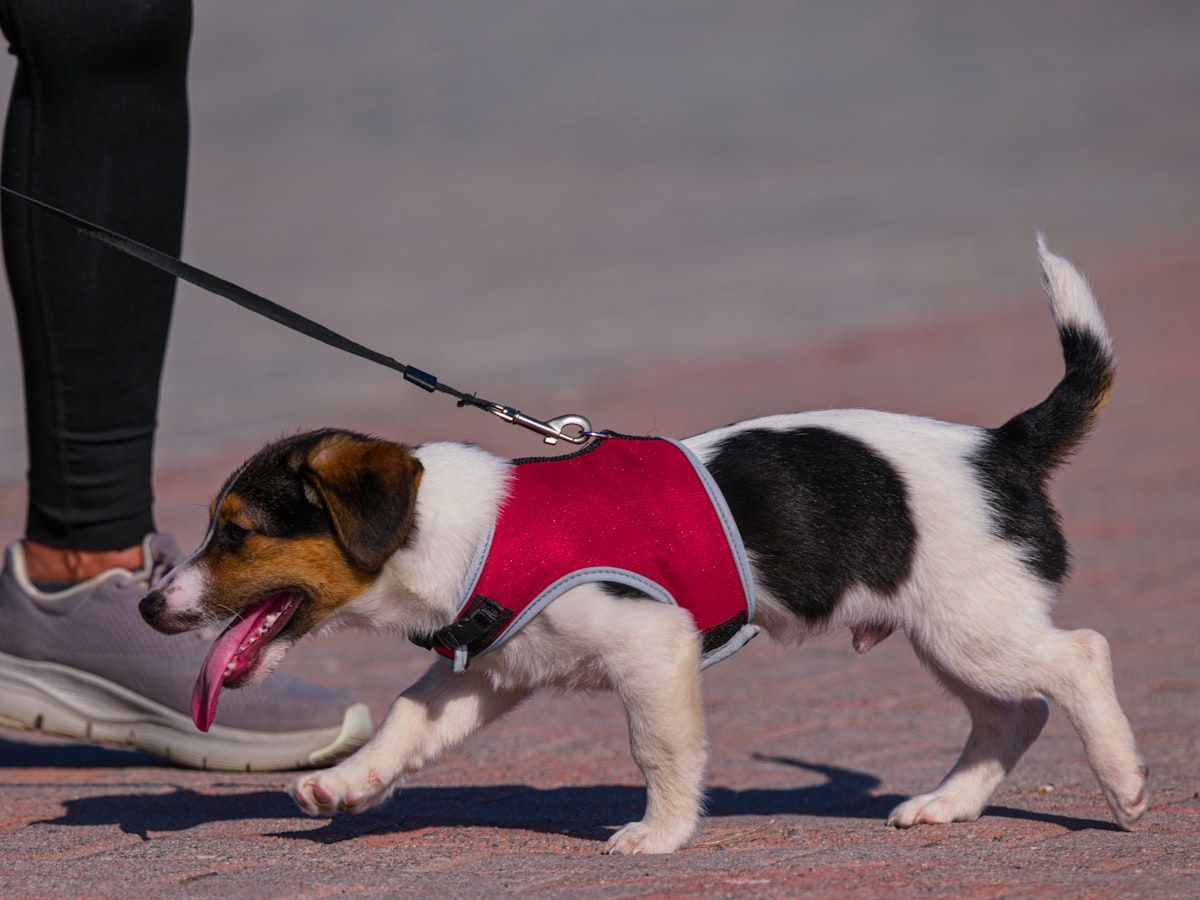
Reflective Vests: For dogs walking in high-traffic areas or during low-light conditions, a reflective vest dramatically improves visibility.
Temperature-Adaptive Layers: Think of your dog’s spring wardrobe like your own. Light fleece for cool mornings, waterproof shell for rain, and nothing extra for warm afternoons.
Spring-Specific Safety Equipment
1. Enhanced Visibility Gear
Spring brings more activity to parks, trails, and neighborhoods. Making your dog visible to cyclists, joggers, and vehicles becomes paramount.
LED Safety Lights: Clip-on LED lights for your dog’s collar or harness provide 360-degree visibility. Many offer multiple flash patterns and impressive battery life.
Reflective Accessories: Reflective collars, harness trim, and leash details catch headlights and flashlights from much farther distances than you might expect.
High-Contrast Colors: Bright orange, yellow, or lime green equipment stands out against the earth tones of spring landscapes.
2. Identification Essentials
More outdoor time means more opportunities for dogs to slip away or get separated from their owners.
Updated ID Tags: Ensure your dog’s ID tags have current information, including your cell phone number. Consider adding a temporary tag with local contact info if you’re traveling.
GPS Tracking Devices: Modern GPS collars provide real-time location tracking through smartphone apps. Essential for adventurous dogs or new rescue dogs still learning boundaries.
Emergency Contact Cards: Carry a small card with your dog’s essential information: weight, allergies, medications, and emergency vet contact.
3. First Aid and Emergency Supplies
Spring hiking and extended outdoor time require basic first aid preparedness.
Portable First Aid Kit: Include items specific to dogs: tweezers for thorns or splinters, antiseptic wipes, gauze pads, and emergency contact numbers.
Extra Water: Both for drinking and emergency paw cleaning. Collapsible bowls make hydration easy anywhere.
Emergency Blanket: Lightweight space blankets provide warmth if your dog gets injured or you’re stranded longer than expected.
Activity-Based Equipment Recommendations
Urban Walking and Neighborhood Strolls
Priority Equipment:
- 6-foot reflective leash with padded handle
- Front-clip harness for control
- Waste bag dispenser and LED collar light
- Lightweight rain jacket (packable)
Why These Work: Urban environments require maximum control and visibility. Front-clip harnesses reduce pulling past other pedestrians, while reflective elements and LED lights ensure visibility near traffic.
Trail Hiking and Nature Walks
Priority Equipment:
- Adjustable-length leash (4-6 feet)
- Back-clip harness with handle
- Protective boots or paw balm
- Tick prevention spray and first aid kit
Why These Work: Trail environments allow more freedom but require protection from natural hazards. The harness handle gives you extra control during steep sections or stream crossings.
Beach and Waterfront Walking
Priority Equipment:
- Quick-dry, sand-resistant leash
- Floating toys for water play
- Paw protection balm (sand can be abrasive)
- Fresh water rinse bottle
Why These Work: Sand and salt water require special considerations. Quick-dry materials prevent equipment degradation, while paw protection and fresh water prevent irritation.
Park and Off-Leash Areas
Priority Equipment:
- Long training leash (15-30 feet)
- High-visibility vest
- Strong recall training tools (whistle, treats)
- Emergency leash backup
Why These Work: Off-leash areas require distance control and enhanced visibility. Long training leashes provide freedom while maintaining safety.
Seasonal Maintenance and Storage
Cleaning Spring Equipment
Spring mud, pollen, and rain require more frequent equipment maintenance than other seasons.
Weekly Cleaning Schedule: Rinse leashes and harnesses weekly during high-use spring months. Use mild soap and air dry to prevent damage.
Deep Cleaning Monthly: Remove all hardware and give fabric components a thorough wash. Check for wear points that might need replacement.
Pollen Removal: Spring pollen can trigger allergies. Regular cleaning prevents buildup on equipment that transfers to your dog’s coat.
Proper Storage
Rotation System: Keep frequently used items in an easily accessible location. Store seasonal items (heavy winter coats, summer cooling vests) separately.
Drying Station: Designate a spot for wet equipment to air dry before storage. This prevents mold and extends equipment life.
Inventory Check: Spring is perfect for evaluating last year’s equipment. Replace worn items before they fail during an important walk.
Training Your Dog to Use New Equipment
Gradual Introduction
Spring often means introducing new gear as dogs grow or weather needs change.
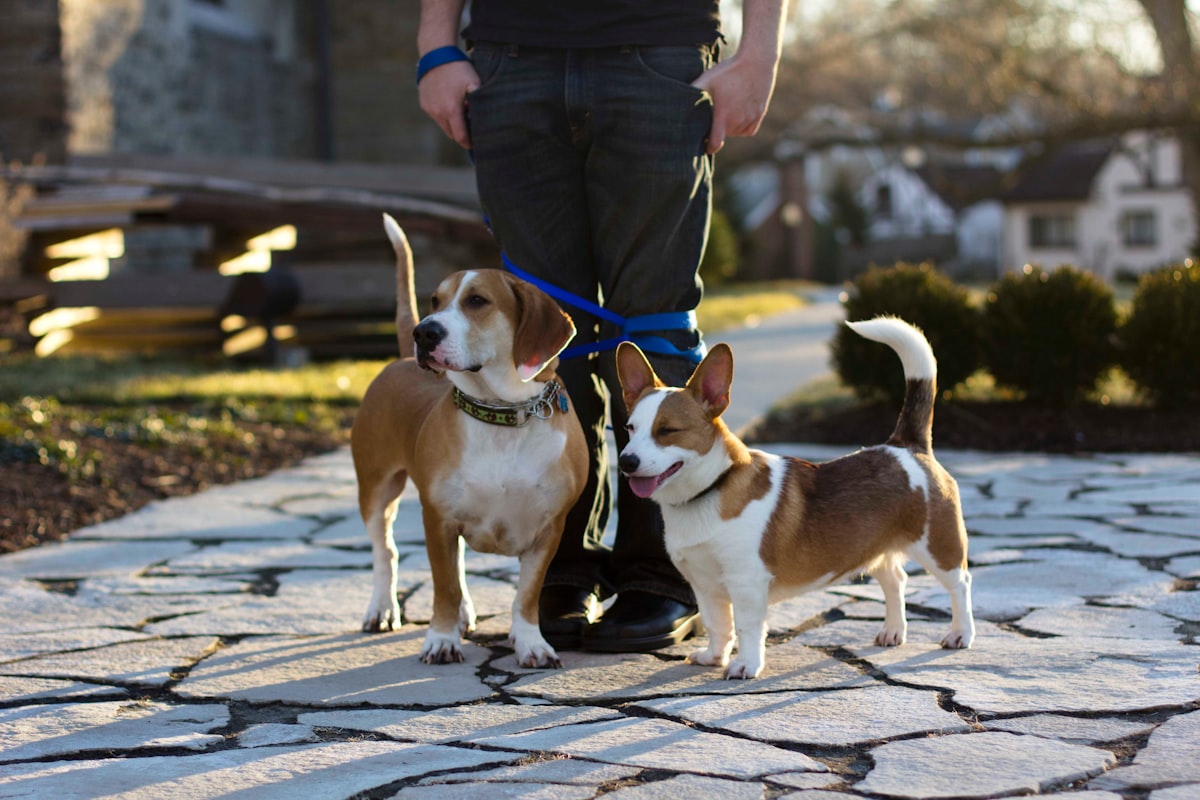
Short Sessions: Start with 5-10 minute wearing sessions indoors. Gradually increase duration as your dog becomes comfortable.
Positive Association: Pair new equipment with favorite activities like treats, play, or walks. This builds positive associations with wearing gear.
Check for Fit Issues: Watch for rubbing, chafing, or mobility restrictions. Proper fit prevents discomfort and rejection of equipment.
Troubleshooting Common Problems
Equipment Rejection: If your dog refuses to wear new gear, try a different style or gradual desensitization training.
Mobility Issues: Ensure harnesses don’t restrict shoulder movement and boots don’t interfere with natural gait.
Weather Resistance: Some dogs need time to adjust to wearing protective gear in rain or wind.
Budget-Friendly Equipment Options
Quality dog walking equipment doesn’t have to break the bank. Here are ways to build a complete spring walking kit affordably:
Multi-Use Items
Look for equipment that serves multiple purposes:
- Harnesses with both front and back attachment points
- Leashes with built-in waste bag dispensers
- Collapsible bowls that work for water and food
- Reflective gear that provides both visibility and style
Seasonal Shopping
End-of-Winter Sales: February and March often bring clearance prices on winter gear that works for cool spring mornings.
Online vs. Retail: Compare prices between online retailers and local pet stores. Sometimes shipping costs make local purchases more economical.
Generic vs. Brand Names: Many high-quality generic options perform just as well as expensive brand names, especially for basic items like leashes and waste bags.
Spring Dog Walking Safety Tips
Weather Awareness
Temperature Monitoring: Use a weather app to track hourly changes. Pack layers when significant temperature swings are predicted.
Ground Surface Checks: Test pavement temperature with your hand. If it’s too hot for your palm, it’s too hot for paw pads.
Storm Preparedness: Spring storms can develop quickly. Know shelter locations along your regular routes.
Seasonal Hazards
Allergy Considerations: Spring pollen affects dogs too. Watch for excessive scratching, eye irritation, or respiratory issues.
Wildlife Activity: Spring brings increased animal activity. Keep dogs leashed in areas with wildlife to prevent conflicts.
Chemical Hazards: Lawn treatments, fertilizers, and pest control chemicals are applied heavily in spring. Avoid treated areas and wash paws after walks.
Maintaining Equipment Longevity
Regular Inspection Schedule
Weekly Checks: Examine leashes, harnesses, and collars for wear points, frayed stitching, or hardware issues.
Monthly Deep Inspection: Check less obvious areas like buckle wear, D-ring attachment points, and fabric stress points.
Seasonal Replacement: Plan to replace high-wear items annually, especially if you walk daily or in challenging conditions.
Extending Equipment Life
Proper Use: Follow manufacturer guidelines for weight limits and intended use.
Immediate Cleaning: Remove mud, salt, and debris promptly to prevent permanent damage.
Appropriate Storage: Store equipment in dry, temperature-controlled areas when not in use.
Building Your Spring Dog Walking Kit
Essential Starter Kit (Under $75)
- Quality 6-foot reflective leash: $15-25
- Adjustable harness with front and back clips: $20-35
- Basic LED collar light: $8-15
- Collapsible water bowl: $5-10
- Waste bag dispenser with starter bags: $5-15
Intermediate Kit (Under $150)
Add to starter kit:
- Lightweight rain jacket: $25-40
- Protective paw balm: $10-15
- Portable first aid basics: $15-25
- Additional leash for backup: $15-25
Advanced Adventure Kit (Under $300)
Add to intermediate kit:
- GPS tracking collar: $50-100
- Professional-grade boots (set of 4): $40-60
- Long training leash: $25-35
- Emergency blanket and whistle: $15-25
Remember, you don’t need everything immediately. Build your kit gradually based on your specific walking needs and frequency.
Making the Most of Spring Dog Walking
Spring represents new beginnings for both you and your dog. After months of shorter winter walks, spring offers opportunities to explore new trails, meet new friends, and rebuild fitness gradually.
Start Slow: If your dog has been less active during winter, gradually increase walk duration and intensity to prevent injury.
Explore New Routes: Spring weather opens up trails and areas that might have been inaccessible during winter.
Social Opportunities: More people and dogs are out in spring. Use this as training opportunities for socialization and recall.
Health Benefits: Regular spring walks benefit both physical and mental health for dogs and humans alike.
The right equipment makes these spring adventures safer, more comfortable, and more enjoyable for everyone involved. Invest in quality basics, add seasonal items as needed, and most importantly, get outside and enjoy the beautiful spring weather with your four-legged companion.
Whether you’re navigating puddles on neighborhood sidewalks or exploring mountain trails, proper equipment ensures that both you and your dog can focus on what matters most: spending quality time together outdoors.
Watch: Essential Dog Walking Tips for Spring
This video from a professional dog trainer covers essential spring walking techniques and equipment recommendations:
Sources
- National Weather Service — Spring Weather Variability — Official data on spring temperature patterns and weather challenges
- American Kennel Club — Dog Walking Safety — Professional guidance on safe dog walking practices
- ASPCA — Spring Safety for Dogs — Seasonal hazard awareness and prevention strategies
- Veterinary Emergency Group — Spring Dog Care — Professional veterinary advice for spring season transitions
- International Association of Animal Behavior Consultants — Equipment Guidelines — Evidence-based equipment recommendations for dog safety and training