How to Measure Your Dog for Clothes | Complete Dog Sizing Guide
Ordering dog clothes online can feel like a gamble. You pick something adorable, wait for it to arrive, and then watch your pup wiggle out of it in three seconds flat — or worse, it doesn’t even fit over their head. The fix is simple: measure your dog before you buy.
Getting accurate measurements takes about five minutes and saves you from returns, exchanges, and a very unimpressed dog. Whether you’re shopping for a lightweight summer tee or a padded winter jacket, proper sizing makes all the difference between a dog who struts and a dog who sits in protest.
Why Dog Clothing Sizes Vary So Much
Unlike human clothing, dog apparel has no universal sizing standard. A “medium” from one brand might fit a Beagle perfectly and be way too tight on a Cocker Spaniel from another brand. Every manufacturer uses their own size charts, which means relying on breed alone is unreliable.
Dogs also carry weight differently. A muscular Pit Bull mix and a slim Whippet might have the same back length but wildly different chest measurements. That’s why actual tape-measure numbers beat guesswork every time.
The 4 Measurements You Need
Grab a soft measuring tape (the kind used for sewing, not a metal one). If you don’t have one, a piece of string and a ruler work fine. Have your dog stand on all fours on a flat surface — no sitting, no squirming if you can help it.
1. Back Length (Most Important)
Measure from the base of the neck (where the collar sits) to the base of the tail. Don’t include the tail itself. This is the single most important measurement for jackets, sweaters, raincoats, and most clothing. If you can only take one measurement, make it this one.
Pro tip: For male dogs, shorten the length by about 1–2 cm if the garment doesn’t have a belly cutout. This prevents the clothing from interfering when he lifts his leg.
2. Chest Girth
Wrap the tape around the widest part of the chest, usually right behind the front legs. Keep it snug but not tight — you should be able to slip two fingers between the tape and your dog’s body. This measurement determines whether your dog can breathe comfortably and move freely in the garment.
3. Neck Circumference
Measure around the base of the neck, right where a collar would normally sit. Again, leave room for two fingers. This matters most for hoodies, turtleneck sweaters, and any clothing that goes over the head.
4. Body Length (For Full-Coverage Garments)
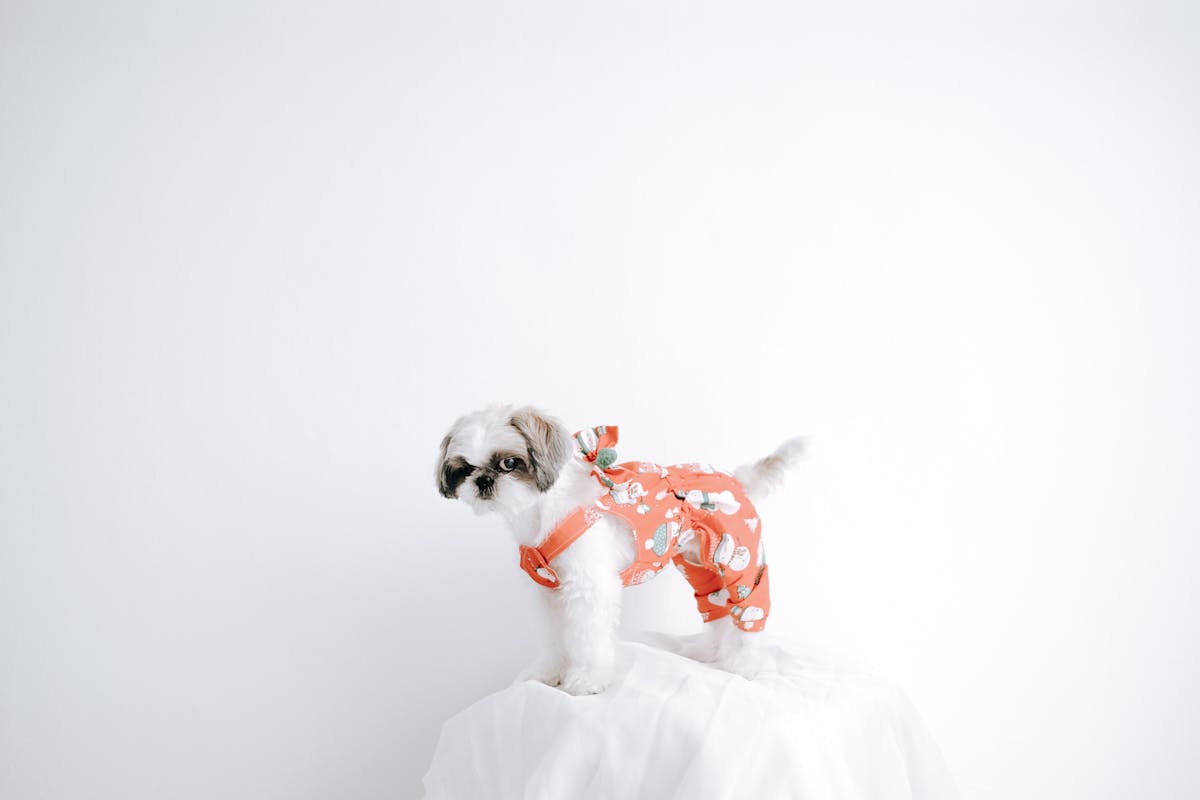
For onesies, pajamas, or full-body outfits, you’ll also need the length from the chest to the belly. Measure from the base of the throat (between the front legs) down to just before the groin area.
Dog Clothing Size Chart by Breed
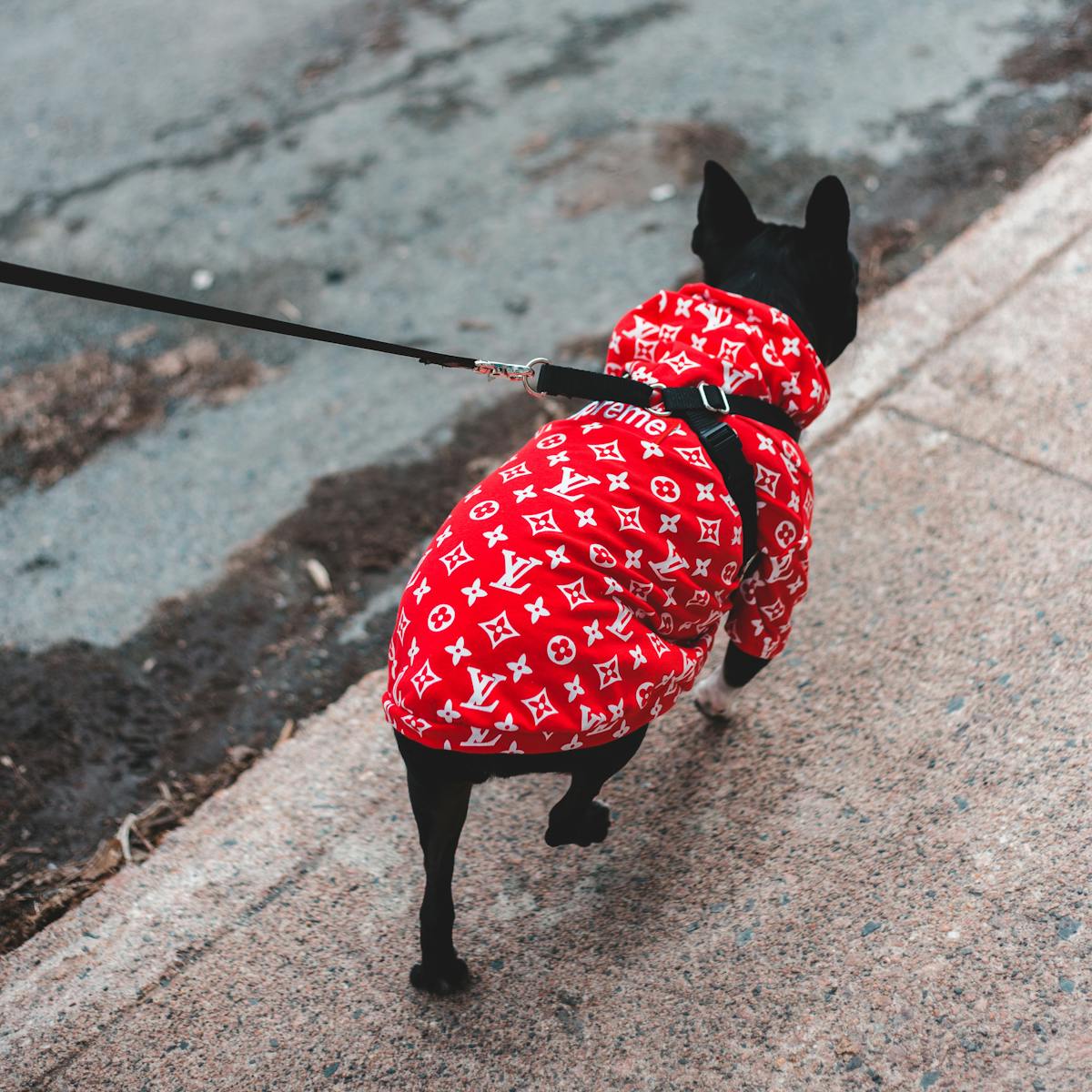
While you should always measure your specific dog, this general breed guide can help you start in the right ballpark:
| Size | Back Length | Chest Girth | Common Breeds |
|---|---|---|---|
| XS | 20–25 cm (8–10 in) | 30–35 cm (12–14 in) | Chihuahua, Yorkie, Toy Poodle |
| S | 25–30 cm (10–12 in) | 35–42 cm (14–17 in) | Pomeranian, Maltese, Shih Tzu |
| M | 30–40 cm (12–16 in) | 42–52 cm (17–20 in) | French Bulldog, Pug, Beagle |
| L | 40–50 cm (16–20 in) | 52–65 cm (20–26 in) | Cocker Spaniel, Border Collie, Corgi |
| XL | 50–60 cm (20–24 in) | 65–80 cm (26–31 in) | Labrador, Golden Retriever, Boxer |
| 2XL+ | 60+ cm (24+ in) | 80+ cm (31+ in) | German Shepherd, Rottweiler, Great Dane |
What to Do When Your Dog Is Between Sizes
This happens more often than not. Here’s the rule: always size up. A slightly loose garment is comfortable. A too-tight garment restricts movement, causes chafing, and your dog will hate wearing it.
Some specific scenarios:
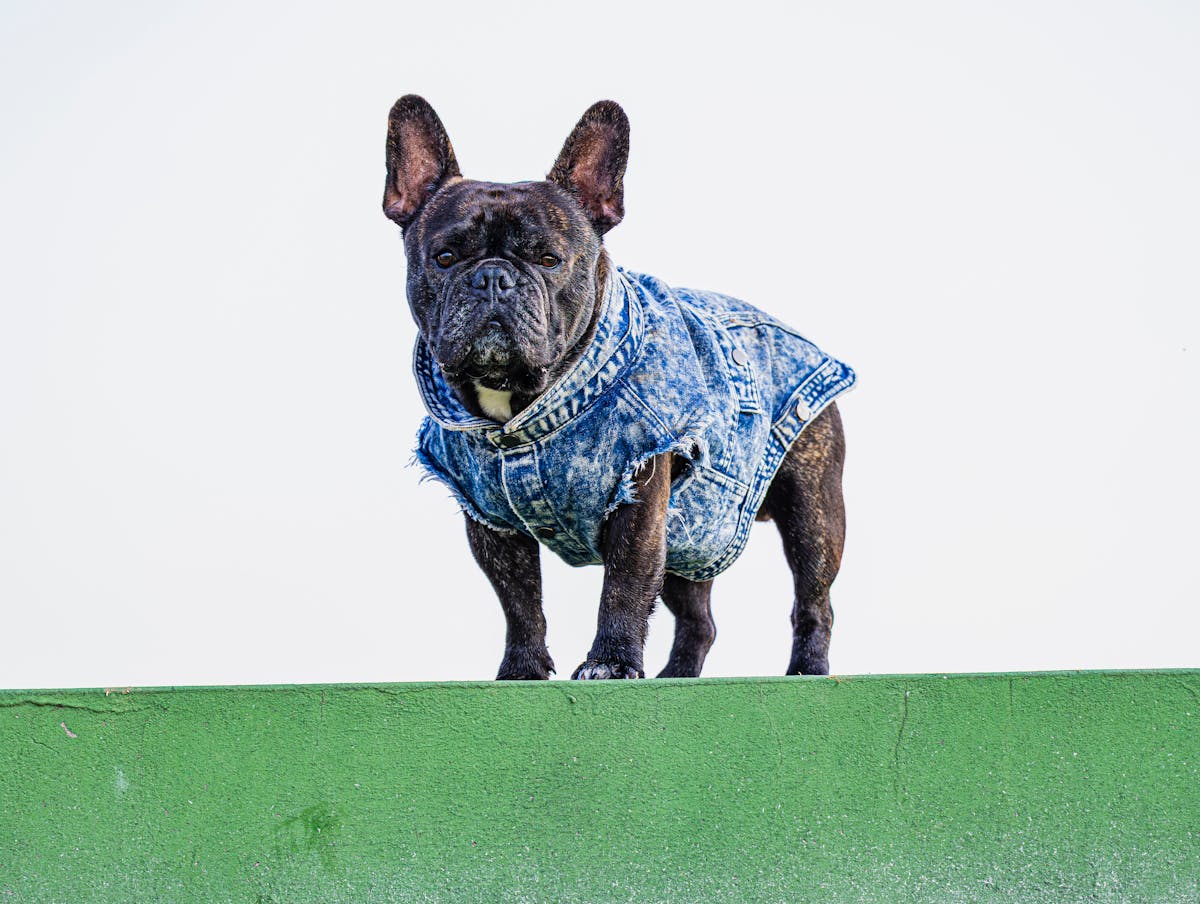
- Barrel-chested breeds (French Bulldogs, Pugs, English Bulldogs) — Size up based on chest girth. Their short backs and wide torsos make standard sizing tricky.
- Long-bodied breeds (Dachshunds, Basset Hounds, Corgis) — Prioritize back length. You may need to go up a size even if their chest measurement says otherwise.
- Deep-chested breeds (Greyhounds, Dobermans, Whippets) — They’re narrow but deep. Look for brands that offer “sighthound” or slim-fit options.
5 Common Dog Clothing Fit Mistakes
- Measuring while the dog is sitting or lying down. This compresses the body and gives inaccurate numbers. Always measure while standing.
- Pulling the tape too tight. You want snug, not squeezed. Two-finger rule applies everywhere.
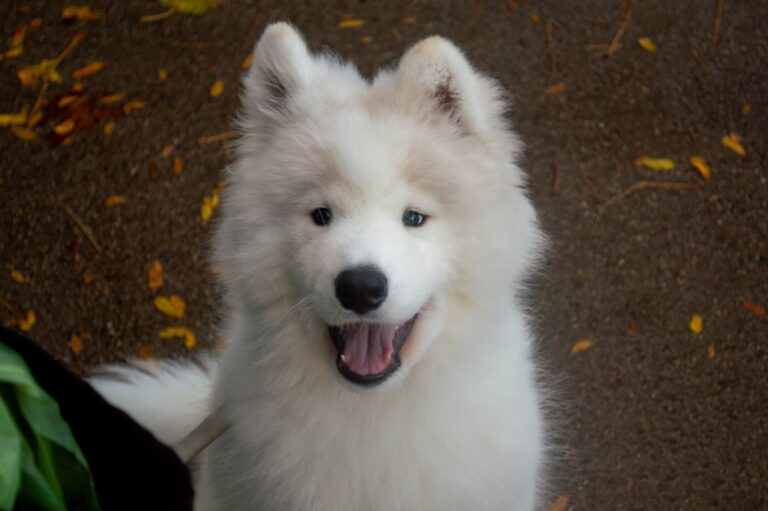
- Ignoring the fur factor. Dogs with thick, fluffy coats (Pomeranians, Samoyeds, Chow Chows) need extra room. Add 2–3 cm to chest and neck measurements.
- Using breed charts alone. A 30-pound Frenchie and a 30-pound Beagle have completely different proportions. Weight and breed are starting points, not answers.
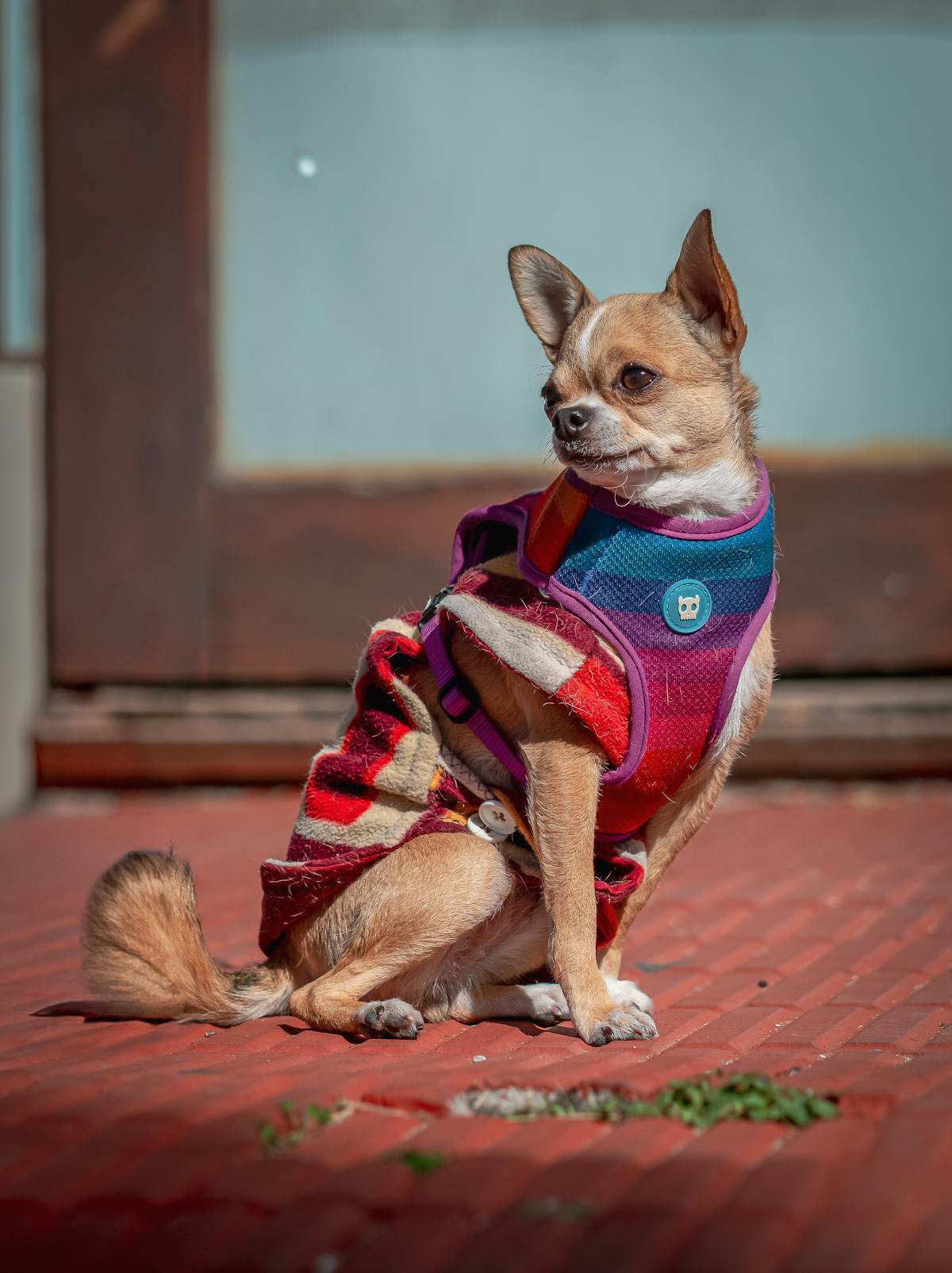
- Forgetting about the harness. If your dog wears a harness under their jacket, measure with the harness on. Otherwise, you’ll get a jacket that fits beautifully — until you add the harness and it’s suddenly too snug.
How Often Should You Re-Measure?
Puppies grow fast — measure every 2–4 weeks until they reach adult size. For adult dogs, re-measure every 6 months or whenever you notice weight changes. Even a kilogram or two can shift a size, especially in small breeds where the margin is tight.
Seasonal changes matter too. Some dogs bulk up slightly in winter and slim down in summer. If you’re buying a winter coat in August, keep that in mind.
Quick-Fit Checklist Before Your Dog Walks Out the Door
After putting on any garment, run through this quick check:
- ✅ Can you slip two fingers under the neck opening?
- ✅ Does the clothing stay put when your dog walks, sits, and shakes?
- ✅ Are the leg openings loose enough that they don’t rub or restrict stride?
- ✅ Can your dog go to the bathroom without the garment getting in the way?
- ✅ Is your dog moving naturally, or are they doing that stiff “something is wrong” walk?
If any of those get a no, the fit needs adjusting. A well-fitted garment should be invisible to your dog within a few minutes of wearing it.
Get the Fit Right, Every Time
Five minutes with a tape measure saves you time, money, and the sad sight of a $25 sweater sitting unused in a drawer. Measure once, order with confidence, and enjoy watching your dog actually enjoy wearing clothes — or at least tolerate them with dignity.
Ready to find the perfect fit? Browse our dog clothing collection and use your measurements to pick the right size from every product listing.