Spring Dog Care Transition: From Winter Coats to Fresh Season Health
As winter melts away and spring arrives, your dog needs a complete care transition to stay healthy and comfortable during the changing season. The shift from cold weather protection to spring readiness involves more than just swapping heavy coats for lighter options – it requires a comprehensive approach to grooming, health, and wardrobe adjustments that will keep your furry friend thriving in the warmer months ahead.
The seasonal transition period presents unique challenges for dog owners. Your pet’s winter coat needs attention, their immune system requires seasonal support, and their wardrobe needs updating to match both practical needs and the latest 2026 spring fashion trends. Understanding how to navigate this transition properly ensures your dog stays healthy, comfortable, and stylish throughout the spring season.
Understanding Your Dog’s Natural Coat Transition

Dogs naturally begin shedding their thick winter undercoats as daylight hours increase and temperatures rise. This biological process, triggered by photoperiod changes, means your dog will lose significant amounts of fur over a 4-6 week period. The dense winter coat that kept them warm during cold months becomes unnecessary and potentially dangerous if not properly managed during spring’s warmer days.
Different breeds experience varying intensities of seasonal shedding. Double-coated breeds like Golden Retrievers, German Shepherds, and Huskies undergo dramatic coat blowouts that can fill vacuum bags daily. Single-coated breeds such as Poodles and Maltese experience less dramatic changes but still require adjusted grooming routines to maintain skin and coat health during the transition period.
During this natural process, dead hair can trap moisture against the skin, creating ideal conditions for bacterial growth and skin irritation. Regular brushing becomes essential – not just for cleanliness but for your dog’s comfort and health. Professional groomers report seeing more skin problems during spring transition periods when owners fail to adapt their grooming routines appropriately.
Essential Spring Grooming Routine

Establishing a proper spring grooming routine requires daily commitment during the peak shedding period. Start with a high-quality undercoat rake or slicker brush designed for your dog’s coat type. Brush thoroughly every day, paying special attention to areas where mats commonly form: behind ears, under legs, around the collar area, and on the hindquarters.
Professional-grade de-shedding tools become invaluable during this period. The Furminator and similar tools can remove up to 90% of loose undercoat when used correctly. However, limit de-shedding tool use to 2-3 times per week to avoid damaging the healthy topcoat. On other days, use a standard slicker brush or pin brush to maintain coat health and distribute natural oils.
Shop Now →
Bathing frequency should increase during spring transition to remove loose hair and refresh the skin. Use lukewarm water and a moisturizing shampoo designed for dogs. Oatmeal-based formulas work excellently for sensitive skin that might be irritated from increased shedding. Follow up with a conditioning treatment to maintain coat softness and reduce static that can worsen matting problems.
Updating Your Dog’s Spring Wardrobe

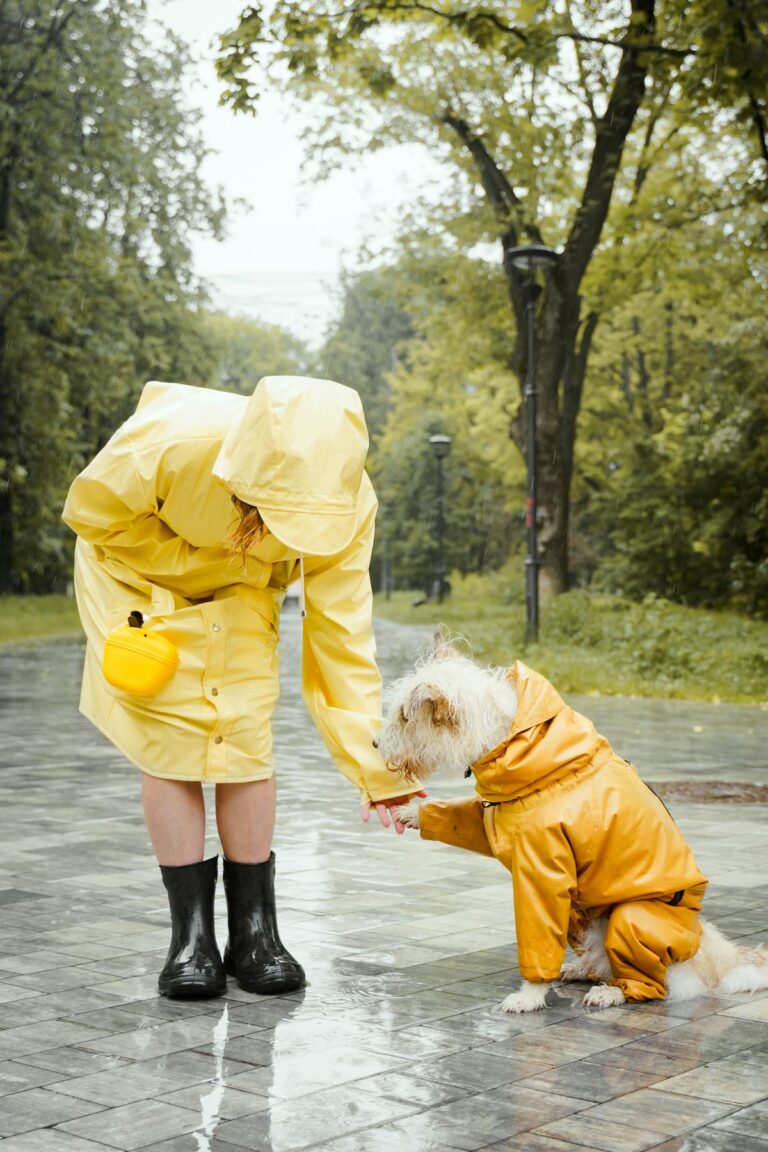
Spring 2026 fashion trends for dogs emphasize versatile layering pieces that can adapt to fluctuating temperatures. Lightweight sweaters, breathable jackets, and stylish accessories allow you to adjust your dog’s outfit based on daily weather conditions while maintaining comfort and protection.
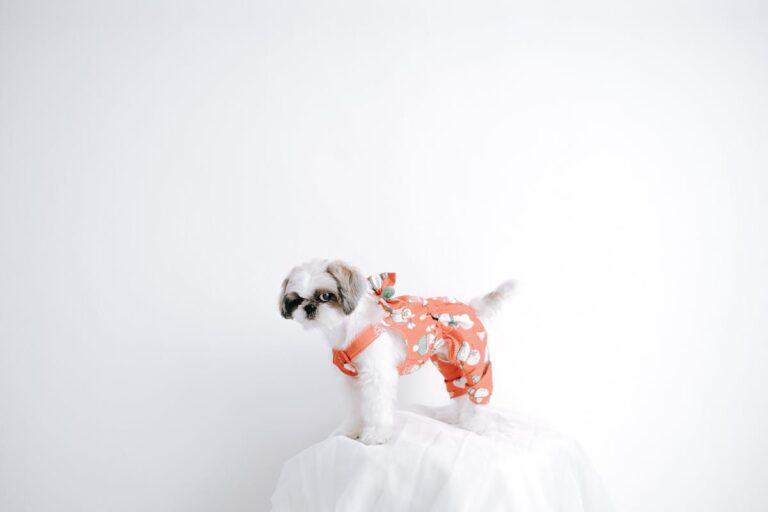
Abstract floral patterns dominate this season’s accessory trends. Harnesses, collars, and bandanas featuring modern floral designs add personality while serving practical purposes. These accessories work particularly well for dogs who no longer need heavy coats but still benefit from visible identification and style enhancement during outdoor activities.
The sustainability movement influences 2026 pet fashion significantly. Crochet and knitted pieces made from eco-friendly materials offer both style and environmental consciousness. These handcrafted-look items pair beautifully with natural grooming routines and organic care products, creating a cohesive, health-conscious approach to dog care.
Shop Now →
Breathable fabrics become essential as temperatures rise. Cotton blends, bamboo fibers, and moisture-wicking synthetics help regulate body temperature while providing necessary coverage. Avoid heavy materials like wool or fleece except for early morning or late evening outings when temperatures might still drop unexpectedly.
Health Considerations During Seasonal Transition

Spring brings specific health challenges that require proactive management. Increased pollen levels can trigger allergies in sensitive dogs, causing skin irritation, excessive scratching, and respiratory discomfort. Monitor your dog for signs of seasonal allergies: red eyes, frequent scratching, paw licking, and changes in breathing patterns.
Parasite prevention becomes crucial as warmer weather activates fleas, ticks, and mosquitoes. Update flea and tick prevention protocols with your veterinarian, considering your local area’s specific parasite seasons. Many regions see tick activity begin when ground temperatures consistently stay above 40°F, which often occurs during late winter and early spring transitions.
Energy levels typically increase as dogs feel more comfortable in moderate temperatures. This natural energy boost requires adjustments to exercise routines and nutrition plans. Dogs who were less active during winter months need gradual increases in physical activity to prevent injuries and overexertion as they regain full fitness levels.
Hydration needs change significantly during spring. While dogs might have consumed less water during winter due to lower activity levels and indoor heating effects, spring weather can increase thirst through improved exercise tolerance and outdoor exposure. Ensure fresh water availability increases accordingly, especially during longer outdoor adventures.
Nutrition Adjustments for Spring

Winter feeding schedules often include higher calorie intake to support increased energy needs for maintaining body temperature. As weather warms, many dogs require reduced portion sizes to prevent weight gain during the less demanding spring season. Monitor body condition scores and adjust feeding amounts based on activity levels and body weight changes.
Essential fatty acid supplementation becomes particularly important during coat transition periods. Omega-3 and omega-6 fatty acids support healthy skin and promote proper coat regrowth as the winter undercoat sheds. Fish oil supplements or foods rich in these nutrients help maintain skin barrier function during increased grooming and environmental exposure.
Shop Now →
Fresh spring vegetables can supplement your dog’s diet beneficially when introduced gradually. Carrots, green beans, and sweet potato provide vitamins and fiber that support digestive health during seasonal transitions. Always introduce new foods slowly and consult with your veterinarian about appropriate vegetables for your dog’s specific dietary needs and restrictions.
Managing Spring Allergies and Sensitivities

Environmental allergies often emerge or worsen during spring months as trees, grasses, and flowers begin releasing pollen. Dogs with environmental sensitivities may develop contact dermatitis from increased exposure to pollens, molds, and other outdoor allergens. Recognizing early symptoms allows for prompt intervention before conditions become severe.
Common spring allergy symptoms include excessive licking, particularly of paws and lower legs, red or inflamed skin, recurring ear infections, and changes in coat quality or texture. These symptoms can be subtle initially but tend to worsen with continued allergen exposure if left unaddressed during the critical early spring period.
Managing outdoor exposure during high pollen days helps minimize allergic reactions. Check local pollen counts and plan outdoor activities during lower exposure periods, typically early morning or after rain when airborne allergens are reduced. Post-outdoor cleanup routines become essential: wipe paws, brush coat to remove surface allergens, and consider gentle rinses for dogs with significant sensitivities.
Creating the Perfect Spring Exercise Routine

Spring’s moderate temperatures create ideal conditions for establishing healthy exercise routines that will benefit your dog throughout the warmer months. Dogs who reduced activity levels during winter need gradual conditioning to prevent injuries as they return to more active lifestyles.
Start with shorter walks and play sessions, gradually increasing duration and intensity over 2-3 weeks. Pay attention to your dog’s breathing, energy levels, and recovery times. Older dogs or those with health conditions may need longer conditioning periods and modified activities that accommodate their physical limitations while still providing mental and physical stimulation.
Mental stimulation becomes equally important as physical exercise during spring transitions. Dogs experiencing increased energy levels benefit from puzzle toys, training sessions, and new environmental experiences that challenge their minds while burning excess energy constructively. This combination prevents destructive behaviors that can emerge when dogs feel energetic but lack appropriate outlets.
Water-based activities gain appeal as temperatures rise. Swimming provides excellent low-impact exercise for dogs with joint issues or those rebuilding fitness after winter’s reduced activity periods. However, introduce water activities gradually, ensuring your dog’s comfort and safety while building confidence and stamina in aquatic environments.
Conclusion
Successfully transitioning your dog from winter care to spring wellness requires attention to grooming, wardrobe updates, health monitoring, and lifestyle adjustments. The investment in proper seasonal care pays dividends in your dog’s comfort, health, and happiness throughout spring and beyond. By understanding your dog’s natural biological processes and adapting care routines accordingly, you create the foundation for a vibrant, healthy spring season that prepares both you and your furry companion for the active months ahead.