Spring Dog Grooming Checklist: 8 Essential Steps for a Healthy Coat
Spring brings warmer weather, longer walks, and the perfect opportunity to refresh your dog’s grooming routine. After months of winter hibernation, your furry friend deserves a thorough grooming session that addresses seasonal challenges like heavy shedding, parasite prevention, and skin health. This comprehensive spring dog grooming checklist ensures your dog looks and feels their best for the active months ahead.
Why Spring Dog Grooming Matters
Spring grooming goes beyond aesthetics—it’s essential for your dog’s health and comfort. During winter, dogs develop thicker undercoats for insulation, which they naturally shed as temperatures rise. Without proper grooming, this loose fur can cause matting, skin irritation, and overheating.
Additionally, spring brings increased exposure to allergens like pollen, new parasites awakening from winter dormancy, and more outdoor activities that demand clean, well-maintained coats. A thorough spring grooming routine prevents these seasonal challenges while strengthening the bond between you and your pet.
Essential Spring Grooming Supplies
Before starting your spring grooming routine, gather these professional-quality tools:
- De-shedding tools: Undercoat rake, slicker brush, or deshedding blade
- Regular brushes: Pin brush for daily maintenance, bristle brush for finishing
- Bathing supplies: Dog-specific shampoo, conditioner, and microfiber towels
- Nail care: Sharp nail clippers, nail file, styptic powder for accidents
- Ear cleaning: Veterinary ear cleaning solution, cotton balls (never Q-tips)
- Dental care: Dog toothbrush, enzymatic toothpaste
- Safety gear: Non-slip bath mat, gentle restraint harness if needed

Step 1: Deep Brushing for Winter Coat Removal
Start your spring grooming session with thorough brushing to remove your dog’s winter undercoat. This prevents matting and reduces shedding throughout your home.
Brushing technique: Work systematically from head to tail, brushing in sections. Use an undercoat rake against the direction of hair growth to catch loose fur, then smooth with a slicker brush. Pay special attention to areas prone to matting: behind ears, under legs, chest, and hindquarters.
For double-coated breeds like Golden Retrievers or German Shepherds, plan 20-30 minutes of brushing. Single-coated breeds need less intensive brushing but still benefit from thorough sessions.
Pro tip: If you encounter mats, work from the outside in using short, gentle strokes. Never cut mats with scissors—you risk injuring your dog’s skin.
Step 2: Professional-Quality Bathing Techniques
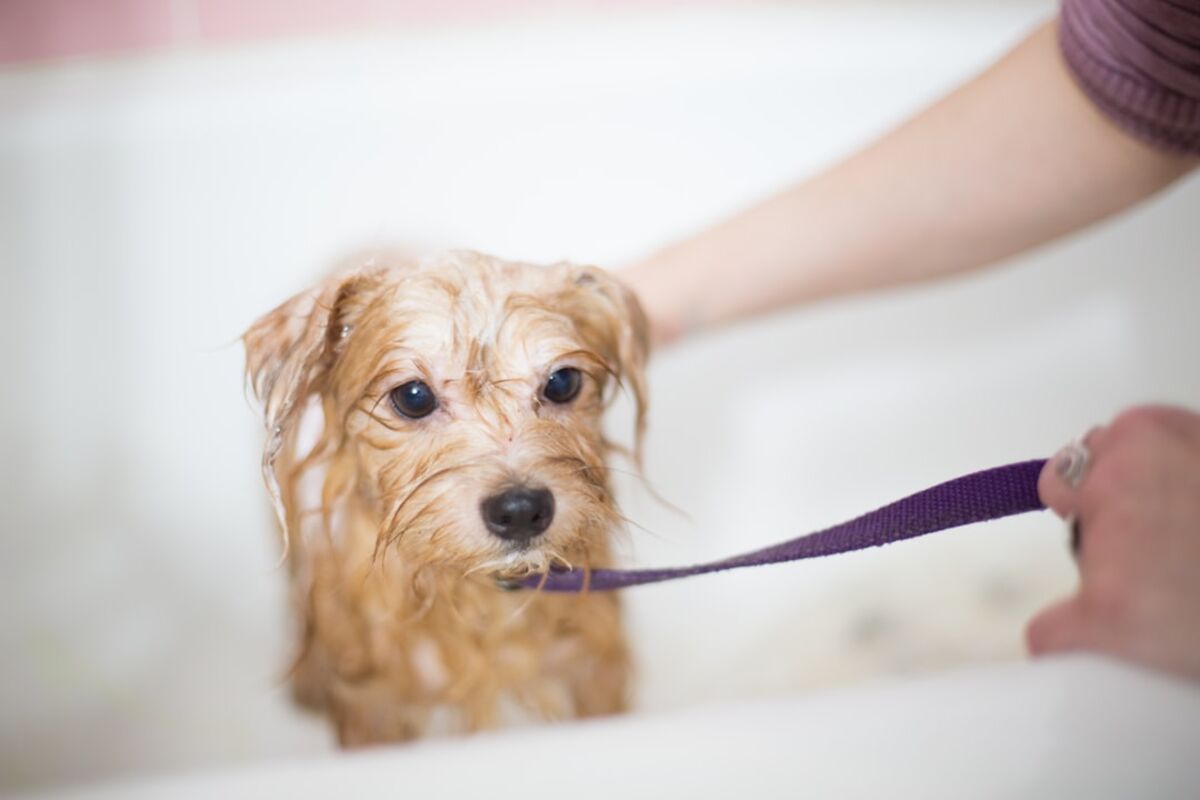
After removing loose fur, it’s time for a thorough bath using lukewarm water and high-quality dog shampoo.
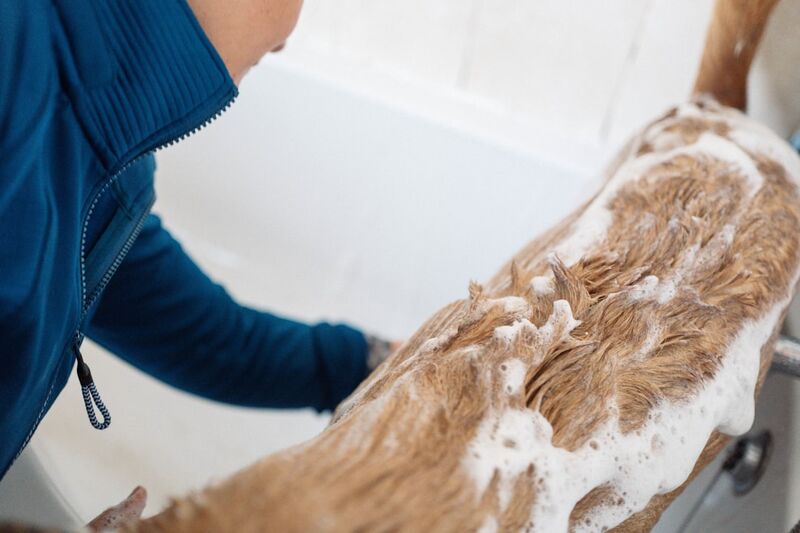
Pre-bath preparation: Place a non-slip mat in your tub and have towels ready. Brush thoroughly before wetting—wet mats become impossible to remove.
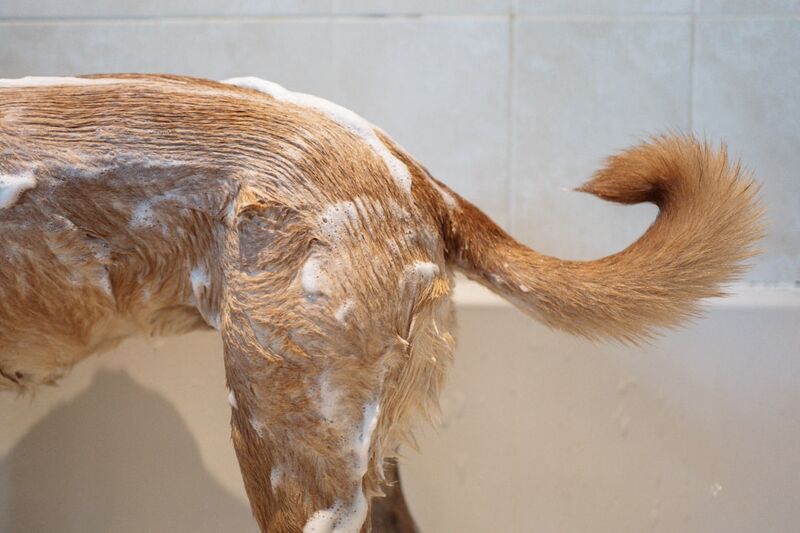
Washing process: Wet your dog completely, starting from the neck down. Apply shampoo in sections, massaging gently to create lather. Rinse thoroughly—soap residue causes skin irritation and attracts dirt.
Water temperature: Test with your wrist—it should feel slightly warm, never hot. Dogs are more sensitive to temperature than humans.
Drying: Towel-dry first, then use a blow dryer on cool setting if your dog tolerates it. Brush while drying to prevent new mats from forming.
Step 3: Nail Care and Paw Maintenance
Spring activities increase wear on your dog’s paws, making nail and pad care crucial for comfort and health.
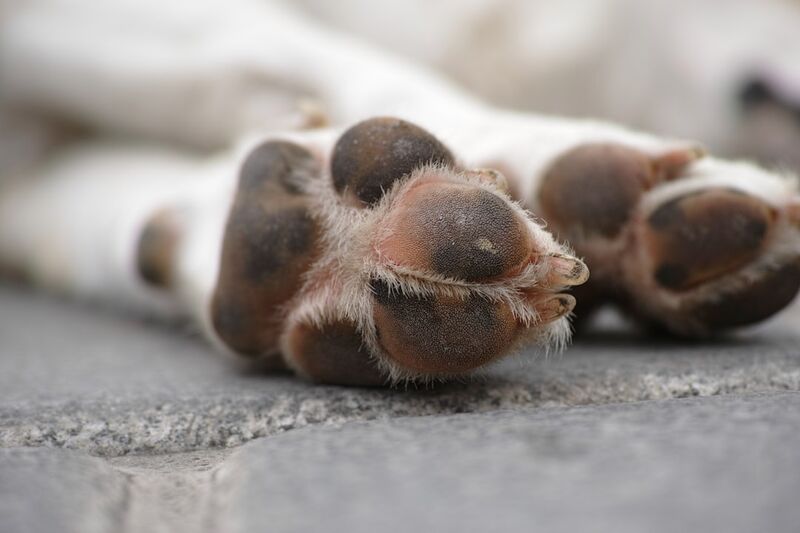
Nail trimming: Cut just the white tip, avoiding the pink quick inside. If your dog has dark nails, trim tiny amounts and stop when you see a dark circle in the center—that’s near the quick.
Frequency: Most dogs need nail trims every 3-4 weeks. Active dogs who walk on concrete may need less frequent trimming.
Paw pad inspection: Check for cuts, foreign objects, or dry skin. Apply paw balm if pads appear cracked or rough from winter weather.
Hair trimming: Trim excess hair between toes to prevent debris accumulation and improve traction on smooth surfaces.
Step 4: Ear Cleaning for Allergy Season
Spring allergens and increased outdoor time make regular ear cleaning essential for preventing infections and discomfort.
Inspection first: Look for redness, unusual odor, or dark discharge. Any of these signs warrant a veterinary visit before cleaning.
Cleaning process: Apply veterinary ear cleaning solution to the ear canal, massage the base of the ear for 20-30 seconds, then allow your dog to shake. Clean visible areas with cotton balls—never insert anything deep into the ear canal.
Frequency: Weekly during allergy season, bi-weekly for maintenance. Dogs with floppy ears or excessive ear hair need more frequent attention.
Warning signs: Stop cleaning and consult your vet if you notice excessive wax buildup, strong odors, or your dog showing pain during cleaning.
Step 5: Dental Hygiene During Transition Months
Spring is an excellent time to establish or refresh your dog’s dental care routine, which many pet parents neglect during busy winter months.
Brushing technique: Use dog-specific toothpaste (human toothpaste is toxic to dogs) and a soft-bristled dog toothbrush. Start by letting your dog taste the toothpaste, then gradually introduce the brush.
Focus areas: Concentrate on the outer surfaces of teeth where plaque accumulates most. The tongue naturally cleans inner surfaces.
Alternative options: If your dog won’t tolerate brushing, dental chews, water additives, or dental wipes provide some benefit, though brushing remains most effective.
Professional cleaning: Spring veterinary checkups often include dental assessments. Discuss professional cleaning if tartar buildup is significant.
Step 6: Skin Health Assessment
Winter conditions can affect your dog’s skin, making spring an ideal time for thorough skin health evaluation.
What to look for: During brushing and bathing, check for lumps, bumps, cuts, or unusual skin discoloration. Pay attention to areas hidden by thick coats.
Common spring skin issues: Dry patches from winter weather, hot spots from trapped moisture, or allergic reactions to emerging pollens.
Moisturizing: Dogs with dry skin benefit from oatmeal-based shampoos or skin conditioning treatments. Avoid human lotions, which can be toxic.
When to worry: Contact your veterinarian about persistent scratching, unusual odors, open wounds, or rapidly changing skin conditions.
Step 7: Parasite Prevention Through Grooming
Thorough grooming provides excellent opportunities for early parasite detection while spring activities increase exposure risks.
Flea and tick inspection: Run your hands through your dog’s coat, feeling for small bumps. Check warm areas like armpits, groin, and behind ears where parasites prefer to attach.
Visual inspection: Look for “flea dirt” (small black specks that turn red when moistened) or actual fleas jumping in light-colored fur areas.
Safe removal: Remove ticks with fine-tipped tweezers, grasping as close to the skin as possible. Clean the area with antiseptic afterward.
Prevention products: Consult your veterinarian about topical treatments, oral medications, or collars appropriate for your area’s parasite risks.
Step 8: Scheduling Your Spring Grooming Routine
Consistency makes spring grooming more effective and less stressful for both you and your dog.
Weekly maintenance: Brush 2-3 times weekly during shedding season, increasing to daily for heavy shedders. Weekly ear cleaning and nail checks.
Monthly deep cleaning: Full bath, thorough nail trimming, and comprehensive health assessment. Schedule professional grooming if needed.
Seasonal transitions: Increase grooming frequency during peak shedding periods (typically 2-3 weeks in spring). Adjust based on your dog’s individual needs.
Professional support: Consider professional grooming for dogs with complex coat types, behavioral challenges during grooming, or if you’re uncomfortable with certain procedures.
Conclusion
A comprehensive spring grooming routine sets the foundation for your dog’s health and comfort throughout the warmer months. Regular brushing, proper bathing techniques, and thorough health assessments prevent common seasonal issues while strengthening your bond with your pet.
Remember that grooming tolerance develops gradually—start slowly with nervous dogs and always end sessions on positive notes. With consistency and patience, spring grooming becomes an enjoyable ritual that keeps your furry friend looking and feeling their absolute best.
Most importantly, trust your instincts during grooming sessions. If you notice anything unusual about your dog’s skin, coat, or behavior, consult your veterinarian promptly. Early detection through regular grooming often prevents minor issues from becoming major health problems.