Spring Dog Shedding | Your Complete Guide to Managing Coat Blowouts 2026
Spring has arrived, and with it comes one of the most challenging times for dog owners: shedding season. If you’ve noticed your furry friend leaving tumbleweeds of hair around your home, you’re experiencing what experts call a “coat blowout.” This natural process can seem overwhelming, but with the right knowledge and tools, you can manage your dog’s spring shedding effectively.
According to veterinary research, climate changes in 2026 have led to what many groomers now call “perpetual blowouts” – instead of two clean shedding events per year, dogs are experiencing more frequent, smaller shedding cycles. Understanding this new pattern is crucial for modern dog care.

What Causes Spring Shedding in Dogs?
Spring shedding is controlled by hormonal changes triggered by increasing daylight hours. As days get longer, your dog’s body receives signals to shed the heavy winter coat and prepare for warmer weather. This process, called “blowing the coat,” involves shedding the entire undercoat structure.
During spring coat blowouts, dogs can lose extraordinary amounts of loose hair. Double-coated breeds like German Shepherds, Golden Retrievers, and Huskies experience the most dramatic shedding, often lasting 2-4 weeks. Even single-coated breeds will shed more noticeably during this transition period.
The shedding process serves an important biological function: it prevents overheating by removing the insulating winter undercoat. Without proper grooming support, this natural process can lead to matting, skin irritation, and excessive indoor hair accumulation.

Essential Daily Brushing Techniques
Daily brushing becomes non-negotiable during spring shedding season. The key is using the right technique and tools for your dog’s specific coat type. Start with a slicker brush to remove loose topcoat hair, then switch to an undercoat rake for deeper penetration.
Begin brushing sessions gradually if your dog isn’t used to daily grooming. Start with 5-10 minute sessions and gradually increase duration as your pet becomes comfortable. Always brush in the direction of hair growth, using gentle but firm strokes to avoid skin irritation.
Focus on high-shedding areas first: the neck, chest, hindquarters, and anywhere your dog has thick undercoat. These areas tend to mat quickly if neglected during heavy shedding periods. Consistency is crucial – missing even one day during peak shedding can set you back significantly.

Product Spotlight: Protective Clothing During Grooming
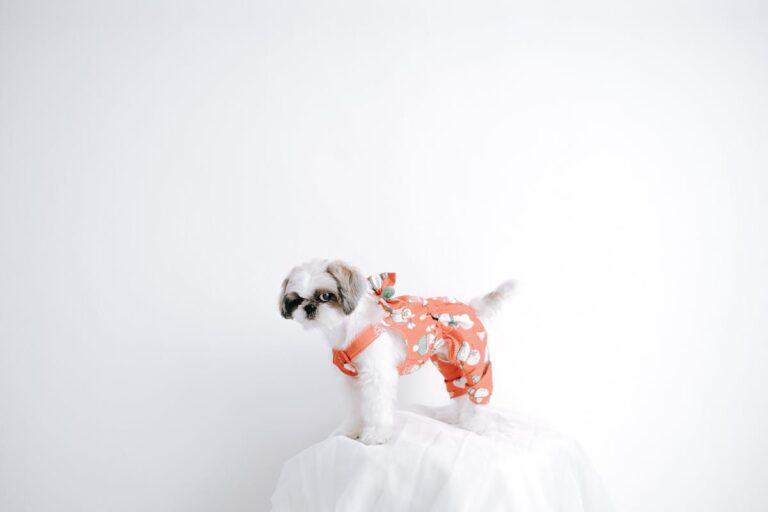
Keep your dog comfortable during extended grooming sessions with our Warm Dog Sweater #50. Perfect for post-bath warmth or protecting sensitive skin during brushing breaks.
Professional Grooming vs. Home Care
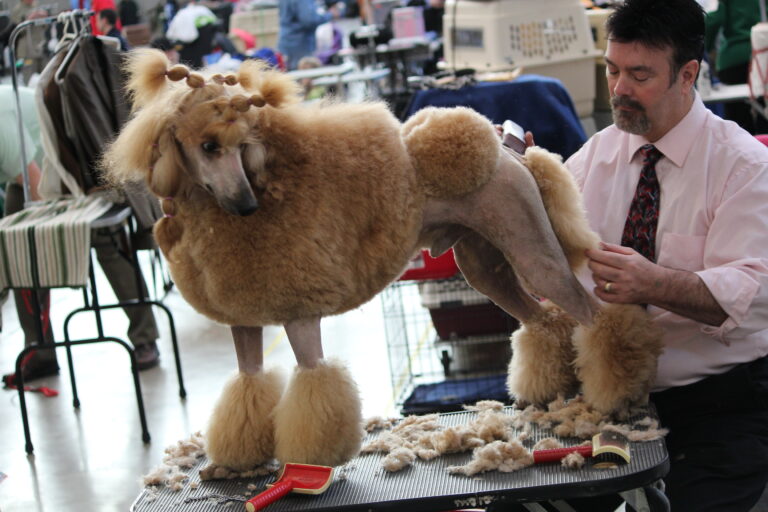
While daily home brushing is essential, professional grooming provides deep cleaning that’s difficult to achieve at home. Professional groomers use high-velocity dryers and specialized tools to remove undercoat more effectively than standard home equipment.
Schedule professional grooming every 4-6 weeks during shedding season, or more frequently for heavy-shedding breeds. A professional can also identify potential skin issues hidden under thick coats and provide deshedding treatments that dramatically reduce home maintenance.
Between professional visits, maintain your dog’s coat with proper home care. This includes regular brushing, appropriate bathing (not too frequent), and using quality grooming products designed for your dog’s coat type.

Managing Indoor Hair Accumulation
Spring shedding can quickly overwhelm your home’s cleanliness. Establish a daily cleaning routine that includes vacuuming high-traffic areas and your dog’s favorite spots. Use dryer sheets on furniture to reduce static that attracts loose hair.
Invest in quality air purifiers with HEPA filters to capture airborne hair and dander. These are especially important for household members with allergies. Strategic placement of washable rugs and covers can also contain hair in manageable areas.
Consider confining your dog to hard-surface areas during peak shedding times. Tile and hardwood are much easier to clean than carpeting, which can trap hair deep in fibers despite regular vacuuming.

Comfort Solutions for Sensitive Dogs
Some dogs experience skin sensitivity during heavy shedding. Our Full Coverage Warm Dog Clothes #47 provide gentle protection for irritated skin while maintaining comfort during the shedding process.
Nutrition and Supplements for Healthy Shedding
Proper nutrition significantly impacts shedding quality and duration. High-quality proteins support healthy hair growth and natural shedding cycles. Omega-3 fatty acids, found in fish oil supplements, can reduce excessive shedding and improve coat condition.
Ensure your dog has constant access to fresh water, as dehydration can worsen shedding and lead to brittle hair that breaks rather than sheds naturally. Some veterinarians recommend specific supplements during shedding season, but always consult your vet before adding anything to your dog’s diet.
Avoid feeding table scraps or low-quality foods during shedding season, as poor nutrition can extend the shedding period and create more mess. Stick to consistent, high-quality dog food formulated for your pet’s life stage and activity level.

When to Worry About Excessive Shedding
While spring shedding is normal, certain signs indicate potential health issues. Bald patches, red or inflamed skin, or shedding that continues intensely beyond 4-6 weeks may signal underlying problems requiring veterinary attention.
Sudden changes in shedding patterns, especially increases in non-shedding breeds, can indicate stress, dietary deficiencies, or medical conditions. Similarly, if your dog shows signs of discomfort during normal grooming activities, this warrants professional evaluation.
Keep detailed notes about your dog’s shedding patterns from year to year. This baseline information helps you and your veterinarian identify abnormal changes early, when treatment is most effective.

Large Dog Comfort Solutions
Large breeds often need extra support during grooming sessions. Consider our Windproof Warm Dog Coat for Large Dogs #48 to keep your big dog comfortable during extended outdoor grooming or drying sessions.
Spring shedding is a natural, healthy process that every dog owner must learn to manage effectively. With daily brushing, proper nutrition, strategic home management, and professional grooming support, you can minimize the chaos while keeping your dog comfortable and healthy.
Remember that shedding patterns are evolving with climate changes, so stay flexible in your approach and don’t hesitate to adjust your routine based on your dog’s specific needs. The investment in proper grooming tools and techniques pays dividends in both home cleanliness and your pet’s overall well-being.
Most importantly, approach shedding season with patience and consistency. Your dog doesn’t enjoy leaving hair everywhere any more than you enjoy cleaning it up. With the right approach, you can both survive spring shedding season successfully and maintain the strong bond that makes dog ownership so rewarding.