Spring Dog Walking Guide | 10 Tips for Safe and Fun Outdoor Adventures
Spring is here, and that means longer days, warmer temperatures, and the perfect excuse to spend more time outside with your four-legged best friend. After months of shorter, colder walks, both you and your dog are probably itching to get back outdoors and explore.
But before you clip on that leash and head out the door, there are a few things worth knowing. Spring brings its own set of challenges — from seasonal allergies and muddy trails to increased wildlife activity and unpredictable weather. With the right preparation, you can make every walk safe, comfortable, and genuinely enjoyable for both of you.
In this guide, we cover 10 practical tips for spring dog walking that every pet parent should know. Whether you are a seasoned dog walker or a new puppy owner navigating your first spring together, these tips will help you make the most of the season.
1. Ease Back Into Longer Walks Gradually
If your winter walks were short jaunts around the block, resist the urge to jump straight into 5-mile hikes. Just like humans, dogs need time to rebuild stamina after a less active season. Starting with moderate 20- to 30-minute walks and gradually increasing distance over a couple of weeks helps prevent muscle strain and joint issues — especially in older dogs or breeds prone to hip problems.
Pay attention to your dog’s body language during walks. Heavy panting, slowing down, or sitting and refusing to move are all signs they need a break. Let them set the pace during those first few spring outings, and you will both build up endurance naturally.
According to the American Kennel Club, most dogs need between 30 minutes and two hours of physical activity per day, depending on breed, age, and health. Spring is a great time to reassess your dog’s exercise routine and find the right balance.
2. Choose the Right Walking Gear
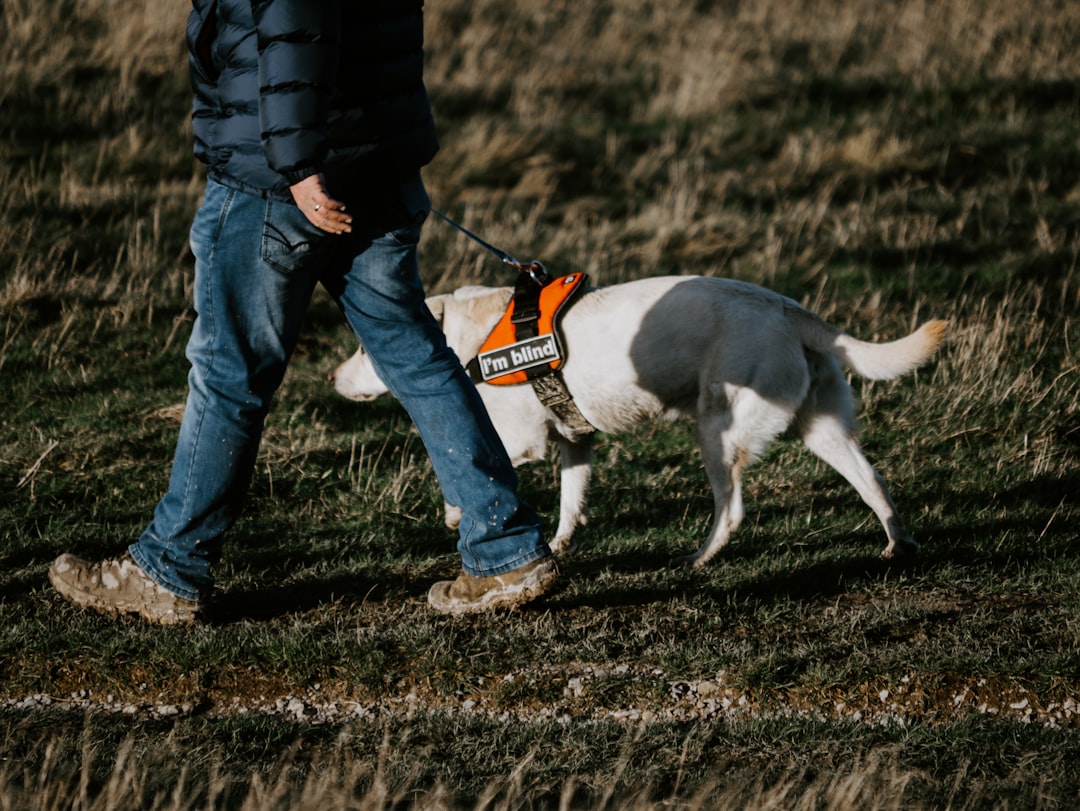
Spring weather can be unpredictable — sunny one minute, rainy the next. Having the right gear for your dog makes a huge difference in comfort and safety. A lightweight, breathable harness is ideal for warmer weather because it distributes pressure evenly across the chest instead of the neck, reducing strain and giving you better control.
If your dog tends to pull, a front-clip harness gently redirects their movement without choking. For evening walks when daylight is still limited, consider a reflective leash or collar to keep your dog visible to cyclists and motorists.
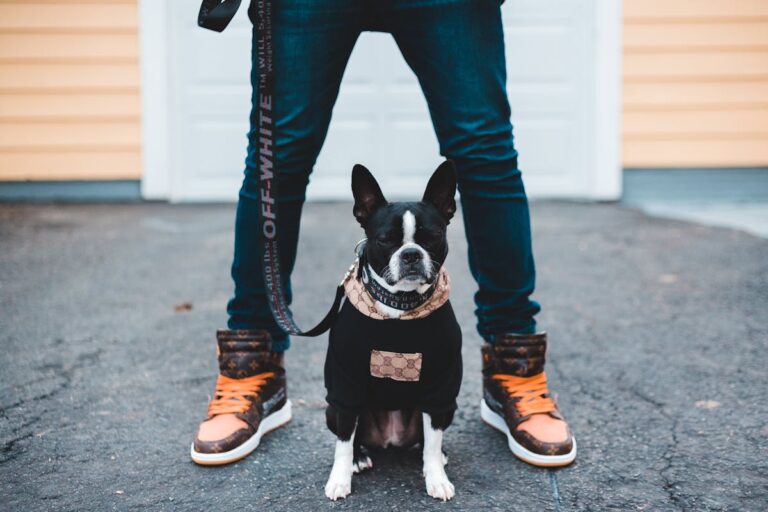
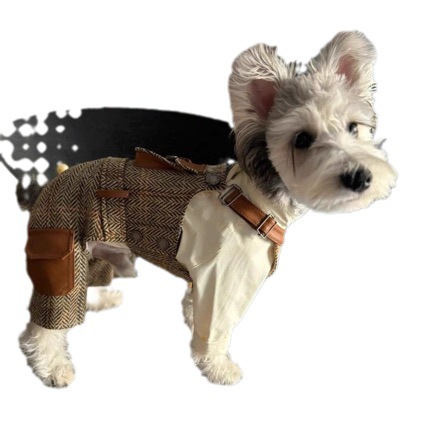
If you are looking for lightweight spring layers for dogs that get cold on early morning outings, check out our guide to dog fashion for special occasions for ideas on stylish yet functional options.
🛒 Shop Spring Dog Gear
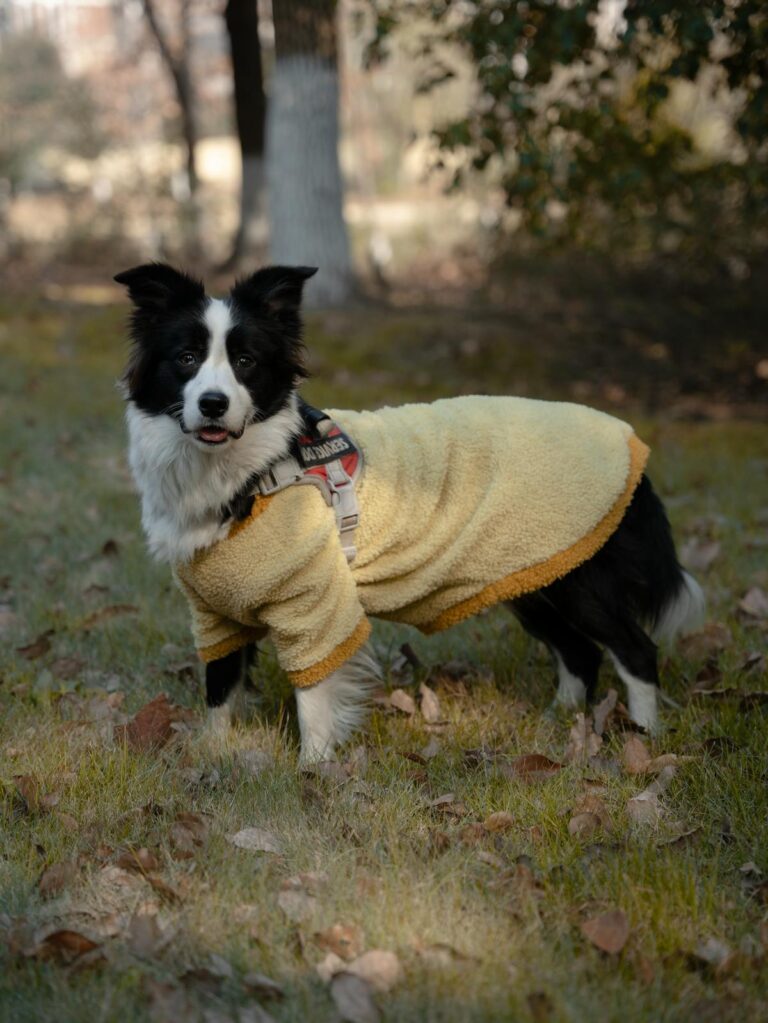
Keep your dog warm on chilly spring mornings with our lightweight Dog Hoodie — breathable, cozy, and perfect for layering during unpredictable spring weather. Browse all styles →
3. Protect Against Ticks and Fleas
Spring is peak season for ticks and fleas. As temperatures climb above 4°C (40°F), these parasites become active and start looking for hosts. Tall grass, wooded trails, and even your backyard can harbor ticks carrying Lyme disease and other infections.
Make sure your dog is up to date on flea and tick prevention — whether that is a topical treatment, oral medication, or a tick collar. After every walk, do a quick tick check. Run your hands through your dog’s fur, paying special attention to the ears, neck, armpits, and between the toes.
The American Veterinary Medical Association recommends year-round parasite prevention, but it is especially critical in spring when tick populations surge. Talk to your vet about the best prevention plan for your area.
4. Keep Your Dog Hydrated
Even though spring temperatures are milder than summer heat, your dog still needs plenty of water during walks. Dogs lose moisture through panting, and a dehydrated dog is more susceptible to overheating and fatigue.
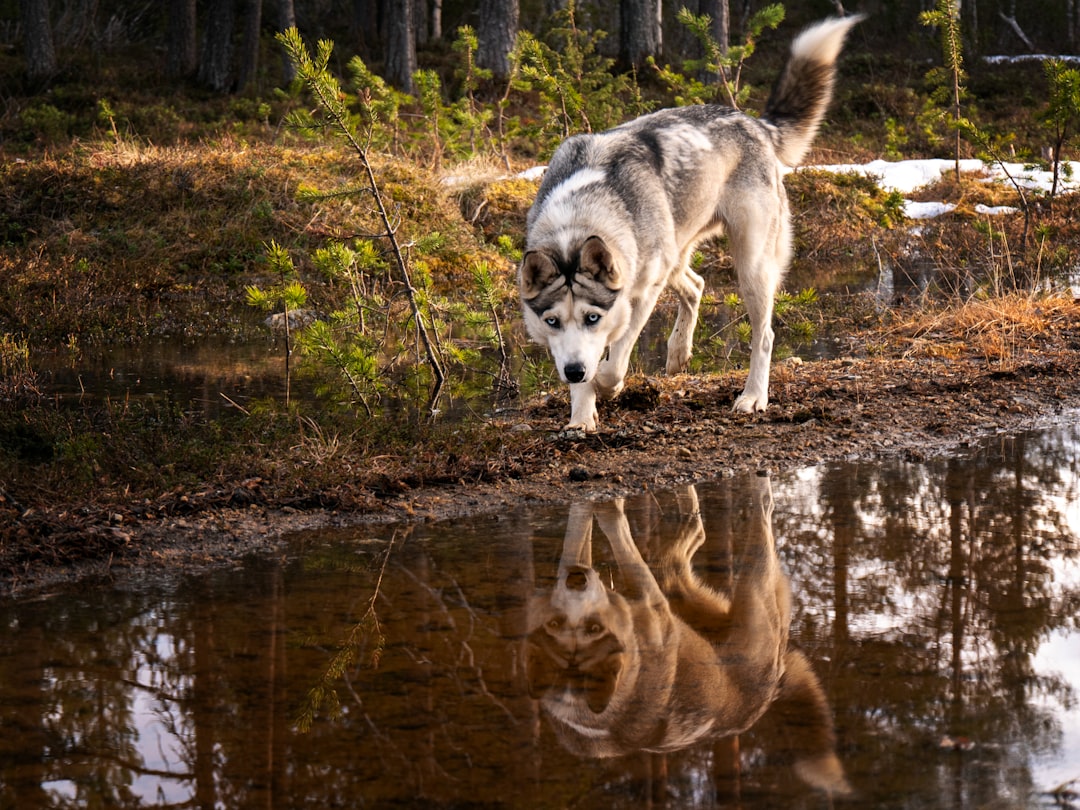
Carry a collapsible water bowl or a dog-specific water bottle on every walk. A good rule of thumb is to offer water every 15 to 20 minutes during active outings, and more frequently on warmer days. Avoid letting your dog drink from puddles or standing water, which can contain harmful bacteria, pesticides, or parasites like giardia.
Signs of dehydration include dry gums, excessive drooling, sunken eyes, and lethargy. If you notice any of these, stop walking, offer water, and rest in a shaded area.
5. Watch Out for Spring Allergies
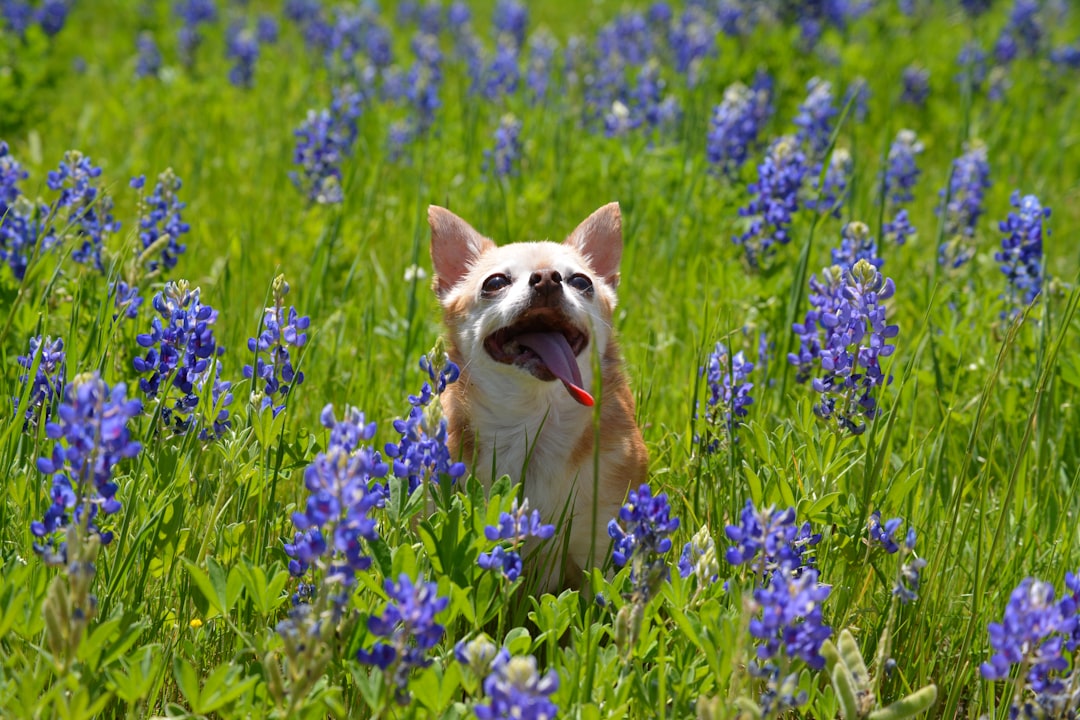
Dogs can suffer from seasonal allergies just like people. Pollen from trees, grasses, and flowers can trigger itching, sneezing, watery eyes, and skin irritation in sensitive dogs. You might notice your dog scratching more, licking their paws excessively, or developing red, inflamed patches on their skin.
To minimize allergy flare-ups, try walking during times when pollen counts are lower — early morning or after rain tends to be best. After each walk, wipe your dog’s paws and belly with a damp cloth to remove pollen and allergens. Regular baths with a gentle, oatmeal-based shampoo can also provide relief.
If your dog’s allergies are severe, your vet may recommend antihistamines or other treatments. For more on skin health, check out our detailed article on dog skin allergies, symptoms, causes, and remedies.
6. Protect Those Paws
Spring trails can be deceptively rough on your dog’s paws. Wet ground softens paw pads, making them more vulnerable to cuts from sharp rocks, broken glass, or thorny branches. Mud can also hide hazards you would not see on a dry path.
Before and after each walk, inspect your dog’s paws for cuts, cracks, or foreign objects stuck between the toes. A paw balm or wax applied before walks can create a protective barrier against rough terrain and moisture. If you frequently walk on gravel or through wooded areas, dog boots are a practical option — most dogs adjust to them quickly with a little patience.
Also watch out for residual road salt from winter, which can linger well into spring and cause irritation. Rinsing paws after walks near roads is a simple habit that prevents a lot of discomfort.
7. Practice Good Leash Manners
Spring brings more people, dogs, and wildlife to parks and trails. Good leash manners are essential for keeping everyone safe and avoiding stressful encounters. If your dog pulls, lunges, or gets overly excited around other dogs, now is a great time to reinforce basic training.
A front-clip harness paired with positive reinforcement works wonders. Reward your dog with treats for walking calmly beside you, and practice the “look at me” command to redirect attention when distractions appear. Consistency is key — short, focused training sessions during walks add up quickly.
Here is a helpful video on pre-walk training exercises that make a noticeable difference:
8. Be Aware of Toxic Plants
Spring gardens are gorgeous, but many common plants are toxic to dogs. Tulips, daffodils, azaleas, sago palms, and lily of the valley can all cause serious illness if ingested. Even fertilizers and mulch used in gardens can be dangerous.
Keep your dog on leash when walking near landscaped areas, and discourage them from eating or chewing on plants during walks. If you suspect your dog has eaten something toxic, contact your vet or the ASPCA Animal Poison Control Center immediately.
Knowing which plants are in your neighborhood or along your regular walking routes helps you plan safer paths. A quick mental note of where flower beds and garden plots are can save you a lot of worry.
🛒 Layer Up for Cool Spring Mornings
Our bestselling Warm Dog Sweater is the perfect layering piece for brisk spring mornings. Soft, stretchy, and easy to take on and off as the day warms up. See the full collection →

9. Adjust Your Route for the Season
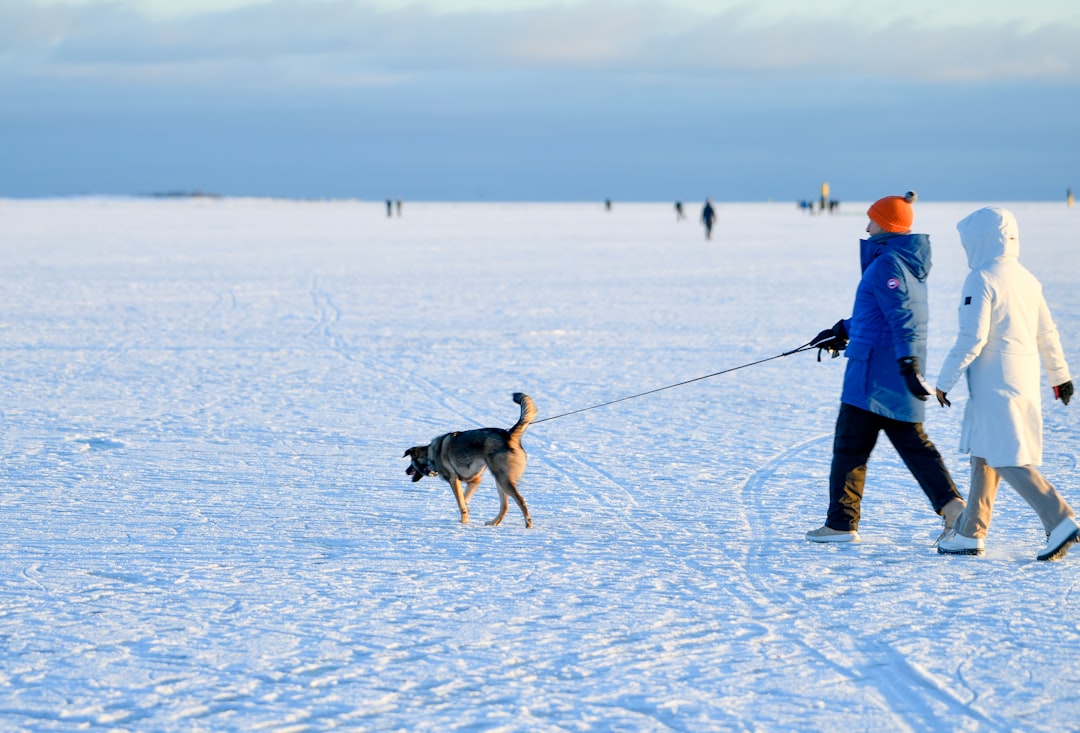
Variety keeps walks interesting for both you and your dog. Spring is the ideal time to explore new routes — different parks, trails, neighborhoods, or even a dog-friendly beach if you have one nearby. New scents and environments provide mental stimulation that is just as important as physical exercise.
When choosing routes, consider the terrain and your dog’s fitness level. Flat, paved paths are great for warm-up walks, while grassy trails offer a softer surface that is easier on joints. Avoid heavily trafficked roads where exhaust fumes and noise can stress your dog, and look for shaded routes on warmer days.
If you are planning a road trip to explore new walking spots, our dog road trip safety guide has everything you need to know about traveling safely with your pup.
10. Make Walks Fun With Play and Enrichment
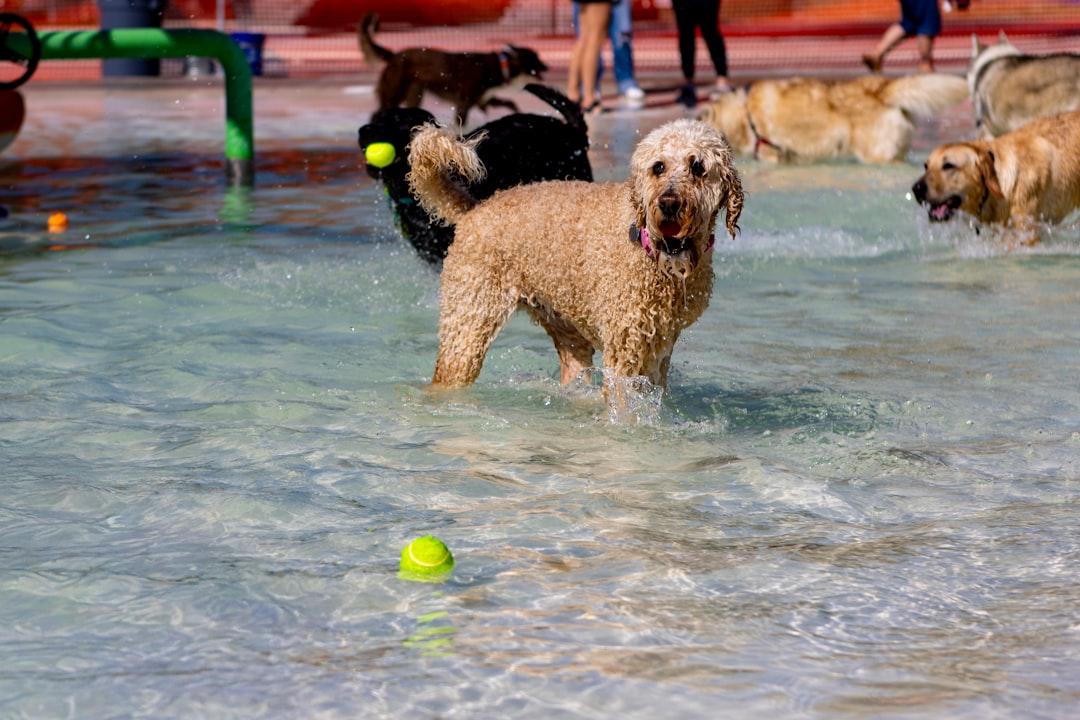
A walk does not have to be just walking. Mixing in play and enrichment activities turns an ordinary outing into a highlight of your dog’s day. Bring a ball or frisbee for a game of fetch at the park. Let your dog sniff freely along the trail — “sniff walks” are incredibly enriching and allow your dog to explore the world through their most powerful sense.
You can also incorporate simple training exercises during walks. Practice sit, stay, and recall in different environments to reinforce commands and build confidence. Hide treats along the path for your dog to find, turning the walk into a fun scavenger hunt.
The goal is to create positive associations with outdoor time. A dog who enjoys walks is easier to manage, better behaved, and overall happier and healthier.
🛒 Gear Up for Spring Adventures
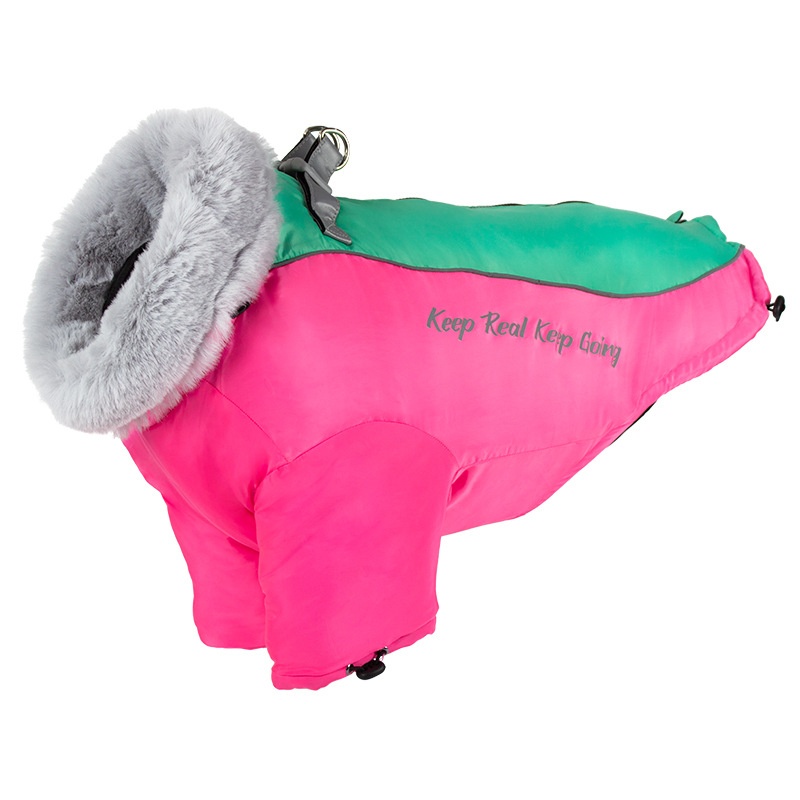
Heading out for cooler walks? The Dog Jacket is lightweight enough for spring yet provides solid wind protection on breezy days. Pair it with a comfy harness for the ultimate spring walking setup. Shop now →
Bonus: Spring Walking Safety Checklist
Before you head out, run through this quick checklist:
- Flea and tick prevention — up to date
- Water bottle and bowl — packed
- Leash and harness — fitted and in good condition
- Poop bags — always carry extras
- Paw balm — applied for rough terrain
- ID tags — current info on collar
- Weather check — dress for the forecast
- Allergy meds — if prescribed by your vet
Final Thoughts
Spring dog walking is one of the simplest joys of pet ownership. With a little preparation and the right gear, every walk can be a safe, enriching adventure for you and your dog. Start slow, stay alert to seasonal hazards, and most importantly — have fun out there together.
Your dog does not care about the destination. They care about the journey, the smells, and the fact that they are doing it with you. So lace up those shoes, clip on that leash, and go make some spring memories.
Looking for more ways to keep your dog happy and healthy? Explore our Hawa Pets blog for expert tips on dog care, fashion, and nutrition.