Windproof Dog Coat: 7 Essential Features for Cold Walks
A windproof dog coat helps your dog hold body heat, stay drier on exposed walks, and keep moving comfortably when cold air cuts through thin fur or damp outer layers. The best ones do not just look cozy, they block wind, fit cleanly around the chest and shoulders, and let your dog walk, sniff, and potty without rubbing or bunching.
If your dog shivers in open parks, slows down on blustery mornings, or comes home with a cold chest after a short walk, a wind-blocking outer layer can make a real difference. This guide covers what features matter most, how to fit a coat properly, and when a hoodie or sweater can work as a smart backup layer.
Table of Contents
Why a windproof dog coat matters on cold walks
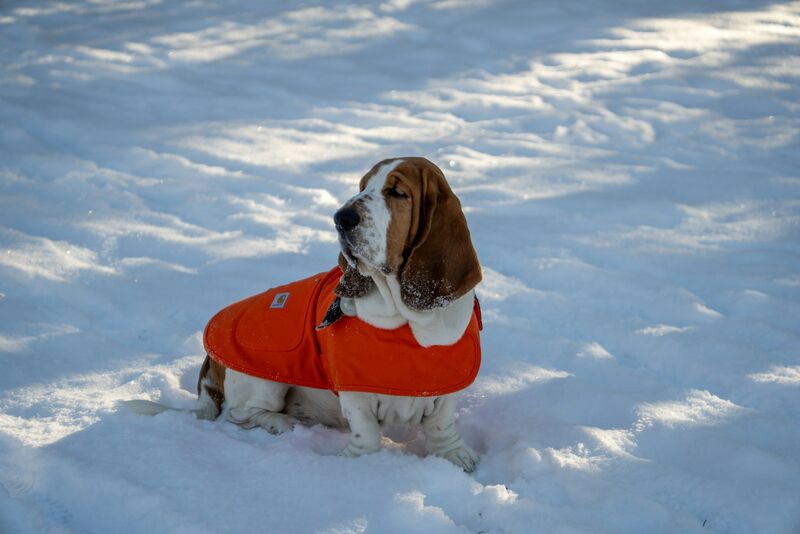
A windproof dog coat matters because moving air strips heat from the body faster than still air. That matters most on open sidewalks, park paths, beaches, mountain trails, and winter mornings when your dog is exposed at chest level to gusts. According to the American Kennel Club, small dogs, lean dogs, seniors, puppies, and short-coated breeds often need extra protection in cold weather. A proper outer layer helps reduce that chill before it reaches the skin and muscles.
Wind also makes damp weather feel harsher. Even when the temperature does not look extreme, a cold breeze against wet fur can leave your dog uncomfortable fast. That is why many owners who already use a sweater discover they still need a shell or coat for exposed walks. A knit layer can trap some warmth, but it does not block moving air the way a tighter woven outer coat can.
If your dog tucks the tail, lifts paws often, tries to turn back early, or starts shivering on breezy walks, those are signals worth taking seriously. A coat should not replace common sense about weather limits, but it can buy your dog more comfort and steadier energy on necessary outings.
Which dogs benefit most from a wind-blocking outer layer
Not every dog needs a heavy coat, but some dogs clearly benefit from one. Short-haired breeds with less natural insulation often feel cold earlier than double-coated breeds. Puppies and senior dogs regulate body temperature less efficiently. Lean, athletic dogs can lose heat faster because they have less insulating body fat. Dogs recovering from illness, dogs with arthritis, and toy breeds can also do better with a protective layer that helps them stay warm enough to move normally.
Large dogs should not be ignored here either. A big dog may tolerate cold better than a tiny one, but size alone does not guarantee comfort. A lean large breed on a windy morning can still get chilled, especially if the chest, belly, and shoulders stay exposed. That is where a longer cut and better chest coverage matter. If you already read our dog jacket size chart by breed or our guide to winter coats for dogs, think of this article as the next step, choosing for wind, not just temperature.
7 essential features to look for in a windproof dog coat
1. A tightly woven outer shell
The shell is the first thing that stops cold air. Look for a smooth, tightly woven exterior instead of a loose knit. If the fabric feels light but dense, that is often a good sign. Water resistance is a bonus for damp sidewalks, but the core job is blocking airflow.
2. Good chest coverage
A lot of body heat is lost from the chest and front shoulders because they take the wind directly on a walk. A coat that leaves the front too open may look cute but will not do the hard work. Better coverage across the chest and upper belly usually means better real-world warmth.
3. Clean movement through the shoulders
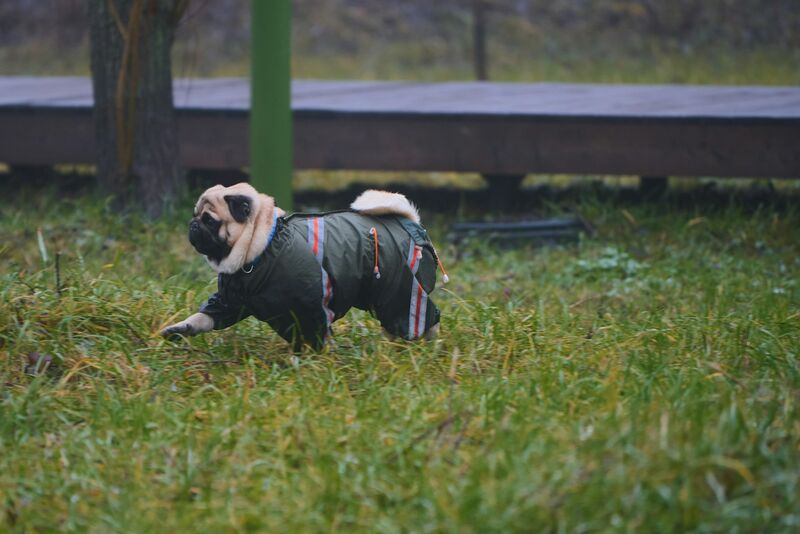
The coat should never shorten your dog’s stride. Watch a few steps indoors before the first walk. If the shoulder fabric bunches, the chest panel pulls, or the front legs catch the hem, sizing or cut is wrong. The fit advice from Pet Circle is simple and useful here, measure carefully and check freedom of movement, not just back length.
4. Secure but adjustable closures
Wind finds gaps. Adjustable chest and belly closures help you get a close fit without squeezing the ribcage. Velcro is convenient, but make sure it grips firmly and does not loosen when the dog pulls ahead. Snaps and buckles can add stability if they are easy to use with cold fingers.
5. Coverage that matches your walk style
Neighborhood potty trips need less coverage than long dawn walks in open spaces. If your dog is often out in gusty areas, a coat that extends farther along the back and shields more of the sides is often worth it. If you mostly need something quick for short outings, a lighter coat can be enough.
6. Warm lining without bulk
A good lining keeps warmth in without turning the coat into a stiff sleeping bag. Soft inner fabric helps prevent rubbing under the armpits and around the chest. For many dogs, a moderate lining works better than something overly thick, especially if the coat already blocks wind well.
7. Leash and visibility details
A leash opening, harness compatibility, and reflective trim are practical features, not extras. If you walk early or late, visibility matters. If your dog wears a harness, make sure the coat works with it instead of forcing awkward layering. That becomes even more important in windy weather when you want everything to sit flat and secure.
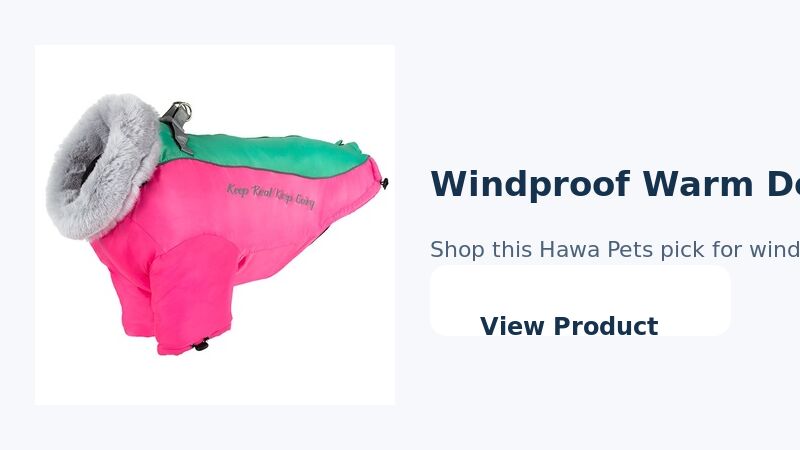
Shop Windproof Warm Dog Coat #48
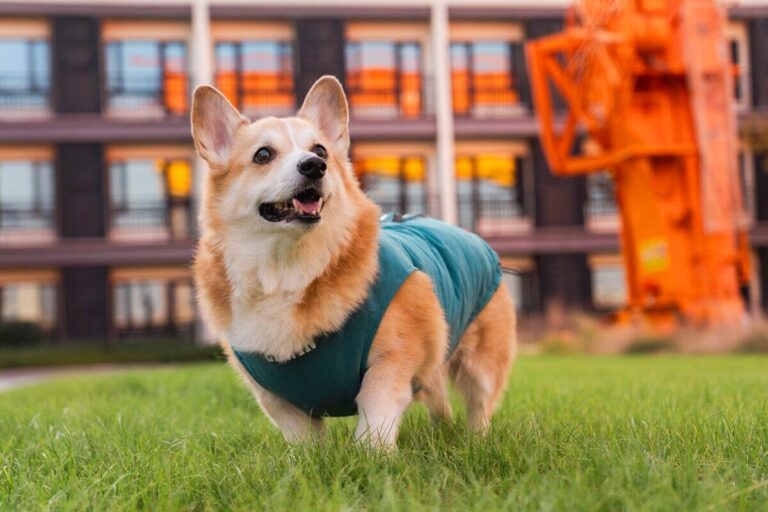
This Hawa Pets pick is a strong match if you want more chest and leg coverage for breezy outdoor walks, especially for bigger dogs that need a bit more weather protection without losing mobility.
How to fit a windproof dog coat correctly
The right fit should feel close, not tight. Measure neck, chest, and back length before buying, then compare those numbers with the product size chart. Back length alone is not enough. Many fit problems happen because owners size to the spine but forget the chest. If you need a refresher, our dog sweater size chart can help you think through proportions before you choose a coat.
Once the coat is on, check five things. First, the neckline should sit securely without pressing the throat. Second, the chest panel should lie flat. Third, the belly closure should feel snug but should not pinch when the dog twists. Fourth, the coat should stop short enough that potty breaks stay easy. Fifth, your dog should be able to trot naturally. If the gait shortens, the coat is not fitted well enough for a real walk.
Always test indoors for a few minutes. Let your dog stand, sit, turn, and walk across the room. Then do a short outdoor trial. The first successful fitting should end with the coat still centered on the back, no twisting, no leg catching, and no rubbing under the front legs.
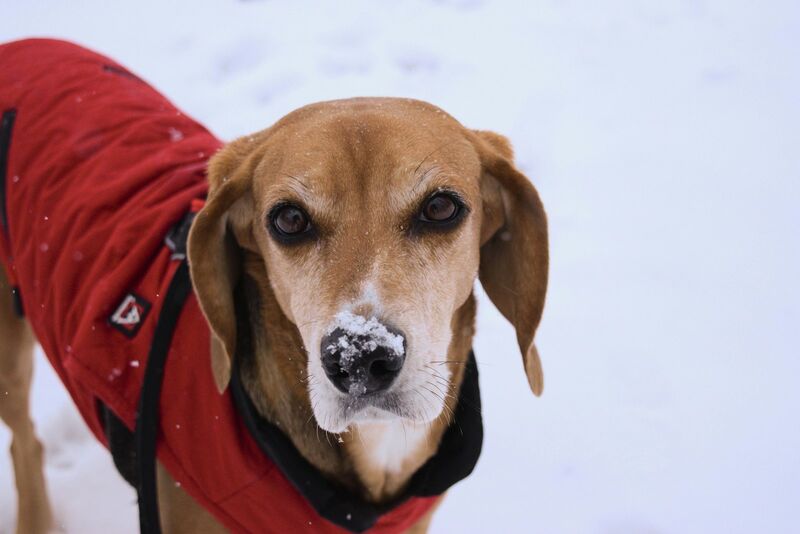
Hoodie vs sweater vs coat, what should you actually buy?
A sweater is best for dry, cool conditions and indoor warmth before or after walks. A hoodie adds a little more structure and can work well for casual cold-weather outings when the wind is mild. A windproof coat is the better choice when the weather is exposed, gusty, or damp. In other words, knitwear traps warmth, but a coat protects warmth.
That does not mean you only need one option. Many dog owners do best with a small rotation. A sweater handles easy indoor-to-outdoor transitions. A hoodie works for everyday chill. A wind-blocking coat comes out when the weather is uncomfortable enough that your dog would otherwise rush the walk.
If your dog already tolerates clothing well, keeping both a coat and a lighter backup layer makes seasonal dressing simpler. For example, a hoodie can handle a crisp evening, while a lined coat takes over for blustery mornings.
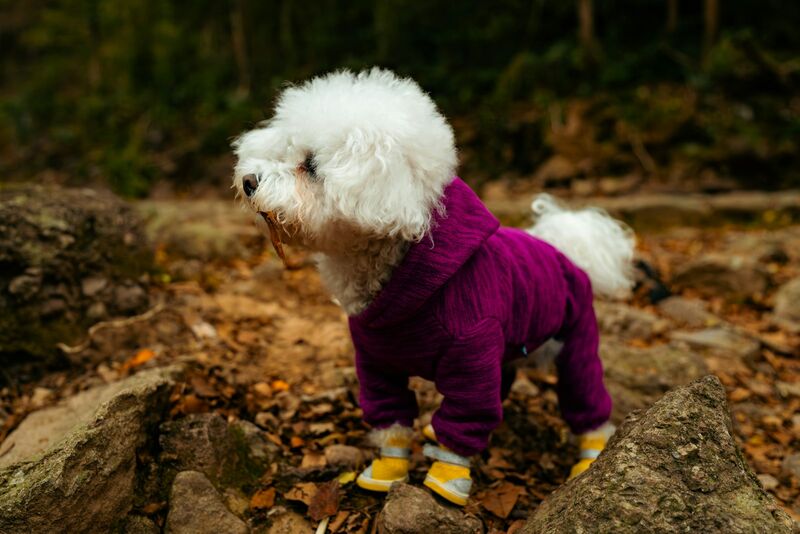
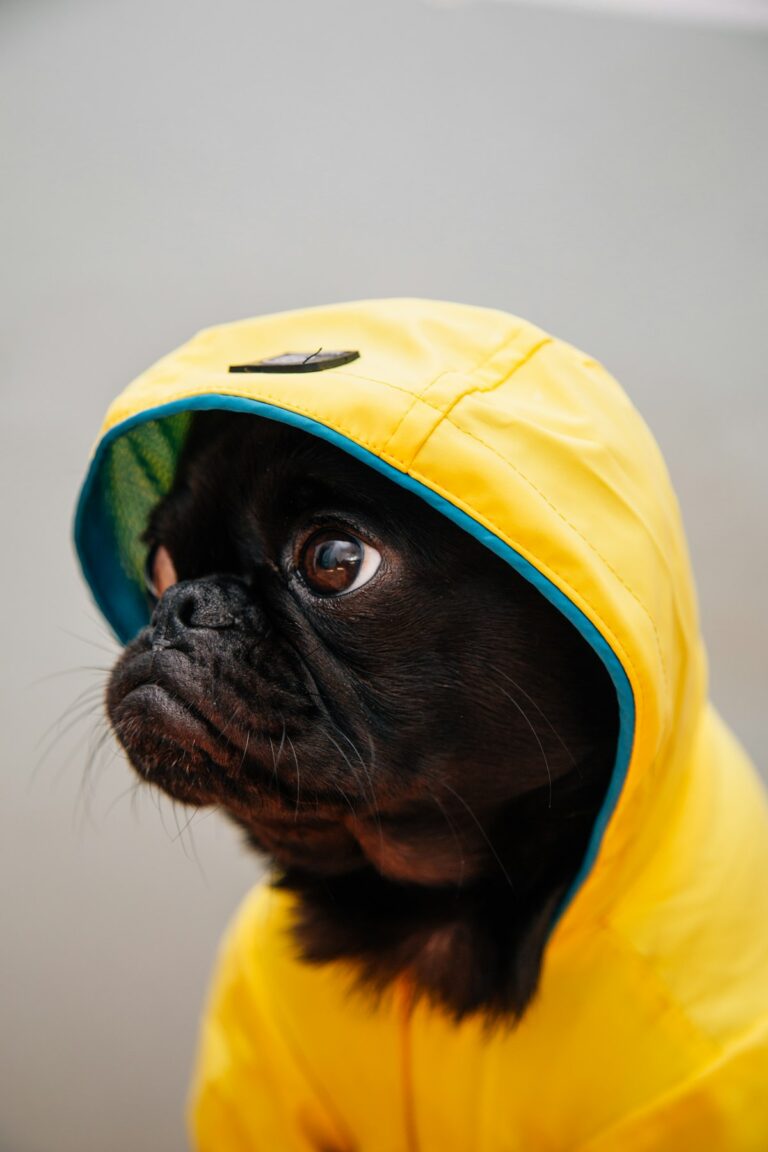
If your climate is cool more often than freezing, a hoodie like this can cover a lot of everyday walks while staying soft and easy to wear under a harness.
A simple cold-walk routine that keeps dogs more comfortable
Start by checking the weather before you head out. Wind, dampness, and duration matter together. Put the coat on inside so your dog steps out already warm. Keep the first minute relaxed, because dogs often settle into the layer after a short adjustment period. Watch for signals during the walk, shivering, frequent stopping, hunched posture, or ears pinned back in strong gusts.
After the walk, remove the coat if it is damp and let it dry fully before the next outing. Brush off grit, wipe the chest area clean, and check for rubbing points. This is especially important if your dog has fine fur or sensitive skin. The RSPCA winter dog advice also reminds owners to shorten walks when conditions become harsh and to watch older dogs closely.
A practical routine is simple: lighter hoodie for calm chilly weather, windproof coat for blustery walks, then a dry towel and quick body check when you get home. That routine is easy to stick with, and consistency matters more than overcomplicating things.
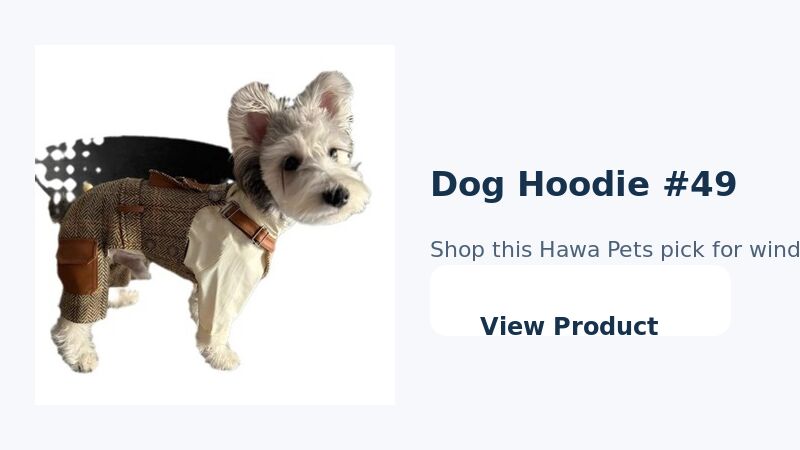
For calmer dry days, a warm sweater is a useful backup option. It is a nice choice when your dog needs warmth but not the full wind-blocking protection of a heavier coat.
Common mistakes that make dog coats less effective
The most common mistake is buying for looks first and function second. A stylish coat that rides up, leaves the chest open, or twists under the leash is not doing the job. Another mistake is choosing a thick sweater and assuming that automatically means enough protection outside. On windy days, insulation without a protective shell often falls short.
Owners also tend to size up too much because they worry about restricting movement. In practice, an oversized coat lets cold air rush in and can shift badly during the walk. The better goal is a trim fit with room to move. Finally, do not wait for obvious shivering. Some dogs simply slow down, look reluctant, or keep trying to head home. Subtle discomfort still counts.
Final answer
If your dog struggles on breezy, exposed, or damp walks, a windproof dog coat is usually the most useful upgrade you can make. Focus on a dense outer shell, strong chest coverage, adjustable fit, and easy movement through the shoulders. Then match the layer to the day, hoodie or sweater for lighter chill, full coat for real wind. If you want more help comparing options, start with our guides on dog hoodie vs sweater and cold weather dog walking gear to build a setup that actually fits your dog and your climate.
Sources
- American Kennel Club, Do Dogs Need Coats in Winter? — Practical guidance on which dogs benefit from extra cold-weather protection.
- Pet Circle, How to Measure a Dog for a Coat — Clear fitting guidance for chest, back length, and movement.
- RSPCA, Caring for Dogs in Winter — Winter care advice on exposure, comfort, and safe adjustments to walks.