Winter Coats for Dogs: Complete Guide to Keeping Your Pet Warm and Safe
When temperatures drop and winter weather arrives, protecting your furry friend from the cold becomes a top priority. Winter coats for dogs are essential gear for keeping your pet warm, comfortable, and safe during harsh weather conditions. Whether you have a small Chihuahua or a large retriever, choosing the right winter coat can make the difference between an enjoyable outdoor experience and a miserable one for your dog.
Why Dogs Need Winter Coats
Not all dogs are naturally equipped to handle freezing temperatures. While breeds like Siberian Huskies and Saint Bernards have thick double coats designed for cold weather, many dogs benefit significantly from additional protection. Small dogs, senior dogs, puppies, and short-haired breeds are particularly vulnerable to cold weather and can suffer from hypothermia or frostbite without proper winter gear.
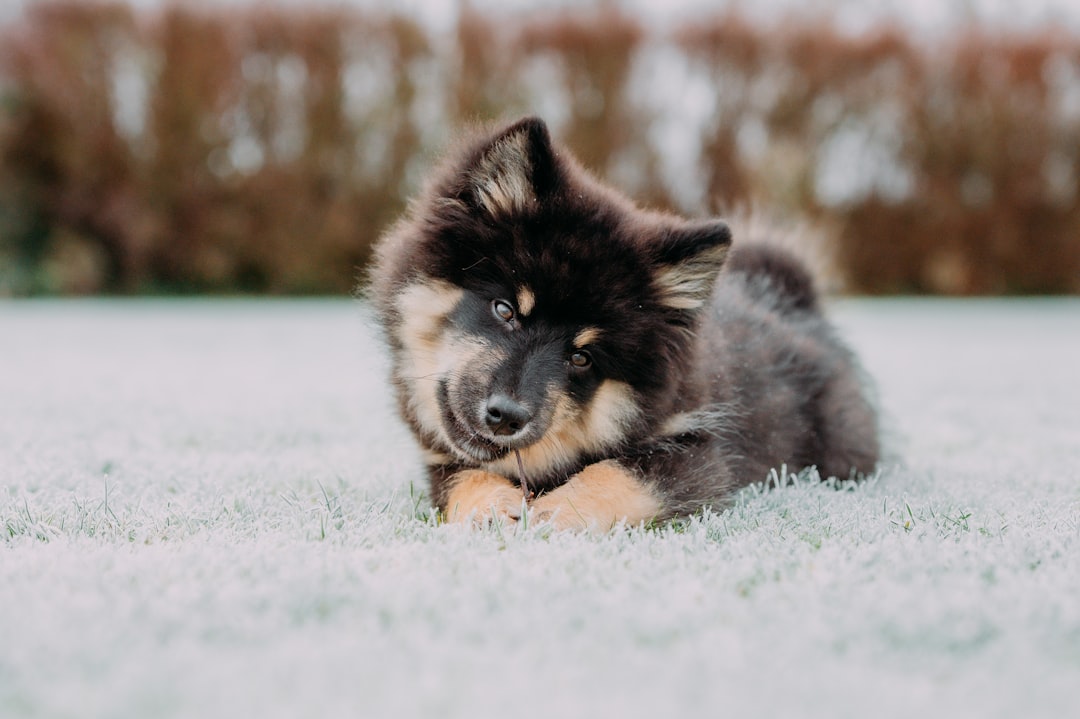
Dogs with thin coats, low body fat, or health conditions often struggle to maintain their body temperature in winter conditions. Signs your dog might need a winter coat include shivering, reluctance to go outside, lifting paws off cold surfaces, or seeking warm spots indoors. Even dogs with natural winter coats may benefit from waterproof protection during wet, snowy conditions.
Essential Features in Winter Dog Coats
When shopping for winter coats for dogs, several key features determine the effectiveness and comfort of the garment. The best dog jackets combine warmth, weather resistance, and practical design elements that make them easy to use and comfortable for your pet.
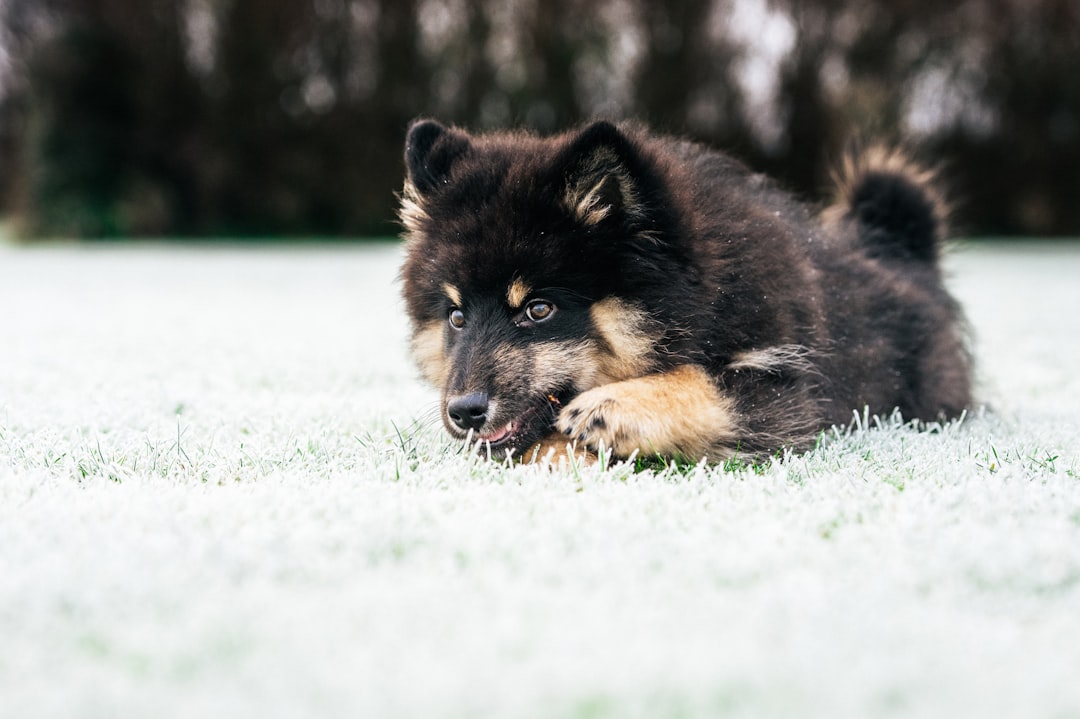
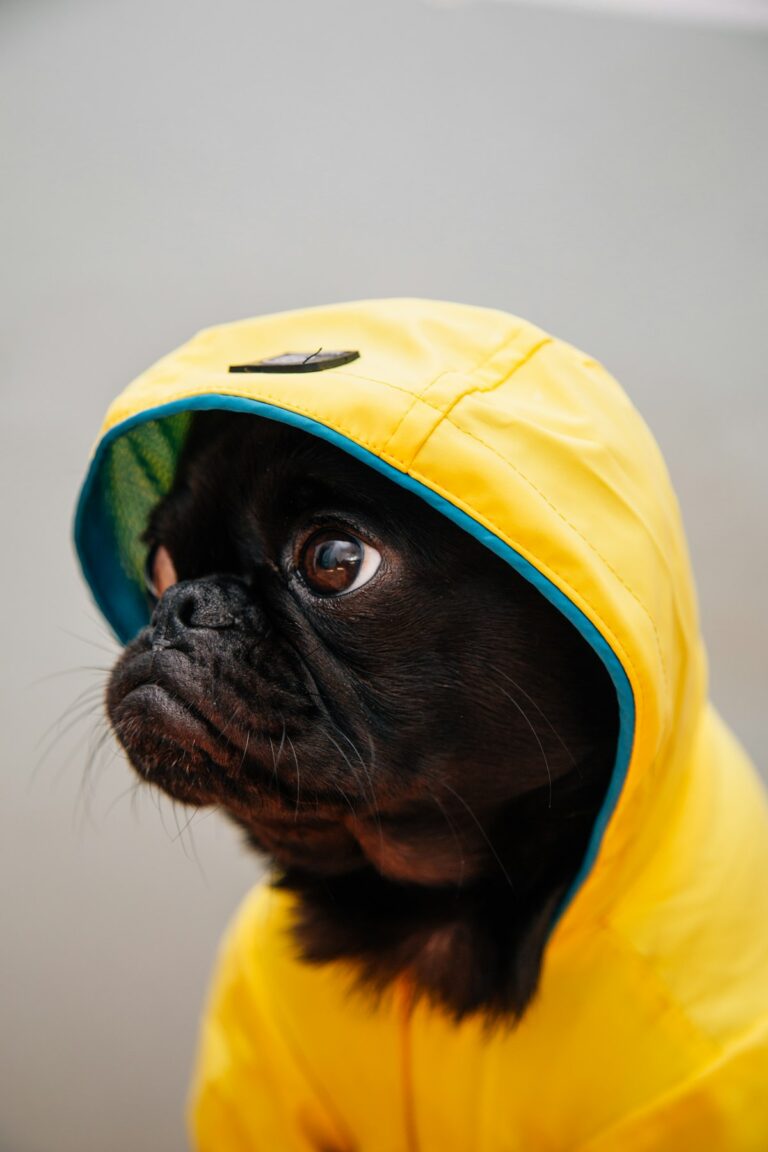
Waterproof materials form the foundation of effective winter protection. Look for coats made with waterproof or water-resistant outer shells that can repel snow, rain, and slush. Many quality coats feature sealed seams and durable water repellent (DWR) coatings that maintain their protective properties over time. Insulation provides the warmth your dog needs during cold weather. Designer dog clothes often feature synthetic insulation like PrimaLoft or Thinsulate, which offers excellent warmth-to-weight ratios and maintains insulating properties even when damp. Some premium coats use down insulation for maximum warmth in extreme conditions. Reflective elements enhance visibility during early morning or evening walks when daylight is limited. High-visibility trim, reflective strips, or bright colors help keep your dog visible to vehicles and other pedestrians during winter months when outdoor lighting conditions are poor.
Measuring Your Dog for the Perfect Fit
Proper sizing ensures your dog’s winter coat provides maximum protection and comfort. A poorly fitted coat can restrict movement, cause chafing, or fail to provide adequate coverage where your dog needs it most.
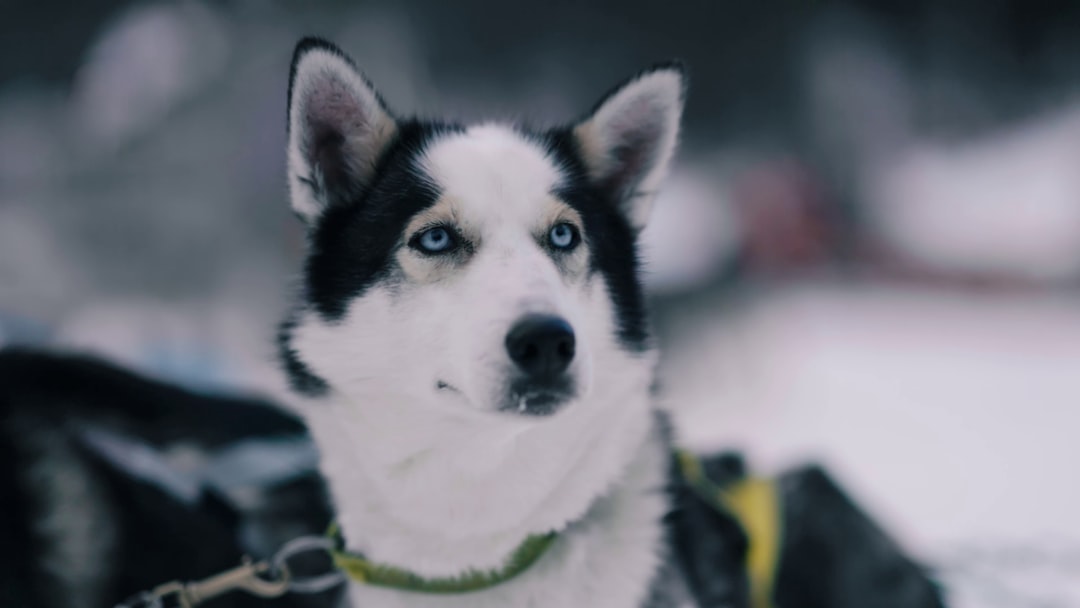
Start by measuring your dog’s back length from the base of the neck to the base of the tail. This measurement typically determines coat size, as most manufacturers base their sizing charts on back length. Use a flexible measuring tape and ensure your dog is standing in a natural position during measurement. Next, measure the chest girth around the widest part of your dog’s ribcage, usually just behind the front legs. This measurement ensures the coat won’t be too tight around the chest or too loose around the belly. Some coats feature adjustable straps that accommodate variations in chest size. Neck circumference measurement helps ensure proper collar fit and coverage. Measure around your dog’s neck where a collar would naturally sit, allowing for comfortable movement without restriction. Many winter coats feature adjustable neck closures that can accommodate different neck sizes within each size range.
Top Winter Coat Styles for Different Dog Types
Different dog breeds and sizes benefit from specific coat styles designed to address their unique needs and body types. Understanding these differences helps you choose the most appropriate winter protection for your specific dog.
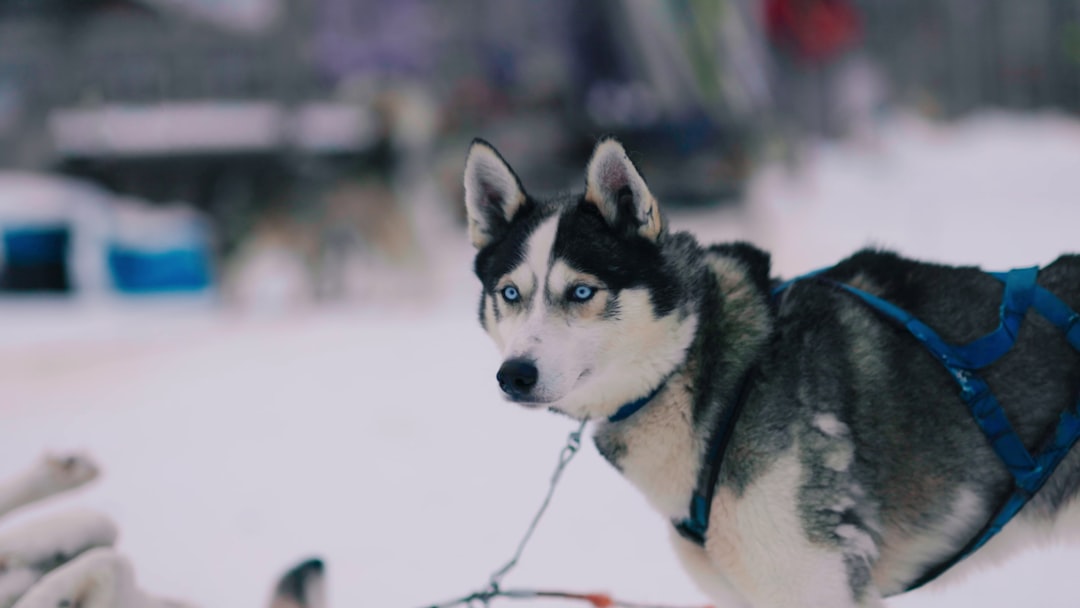
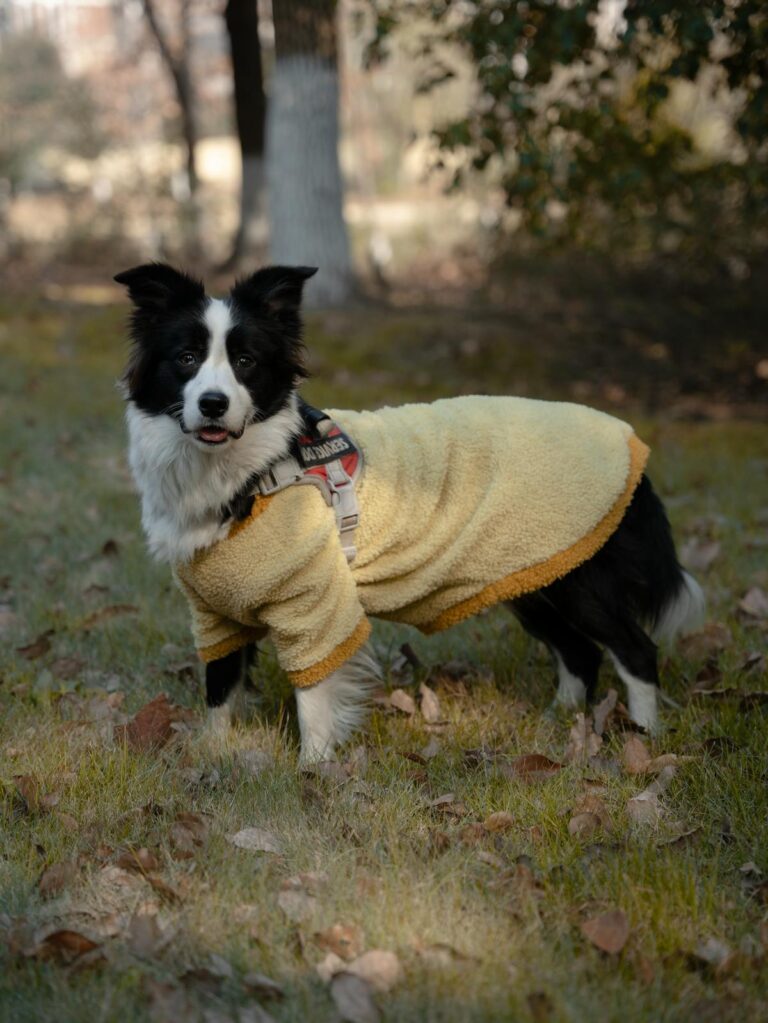
Small dog jackets often feature full-body coverage with leg openings to provide maximum warmth for breeds with high surface-area-to-body-mass ratios. Breeds like Yorkshire Terriers, Chihuahuas, and toy Poodles lose body heat rapidly and benefit from coats that cover their chest, belly, and back completely. Medium and large dogs typically require less coverage but benefit from waterproof protection and insulation over vital organs. Coats for larger breeds often focus on covering the back and chest while allowing freedom of movement for active outdoor activities. Athletic and working dogs need winter coats that provide protection without restricting movement. Look for designs with stretch panels, articulated sleeves, or strategic cutouts that allow full range of motion while maintaining core warmth.
Warm Dog Coats: Materials and Construction
The materials and construction methods used in quality winter dog coats determine their effectiveness, durability, and comfort level. Understanding these technical aspects helps you make informed decisions when comparing different options.
Outer shell materials must balance waterproof protection with breathability. Modern technical fabrics like ripstop nylon with waterproof membranes provide excellent weather protection while allowing moisture vapor to escape, preventing overheating during active periods. Insulation materials vary significantly in performance characteristics. Synthetic insulation performs well in wet conditions and dries quickly, making it ideal for dogs that love snow play. Down insulation provides superior warmth-to-weight ratios but requires more careful maintenance and loses effectiveness when wet. Lining materials should feel comfortable against your dog’s skin and help regulate temperature. Soft polyester fleece, merino wool, or moisture-wicking synthetic materials create comfortable interior environments while enhancing the coat’s overall warmth retention.
Waterproof Dog Coats: Maximum Weather Protection
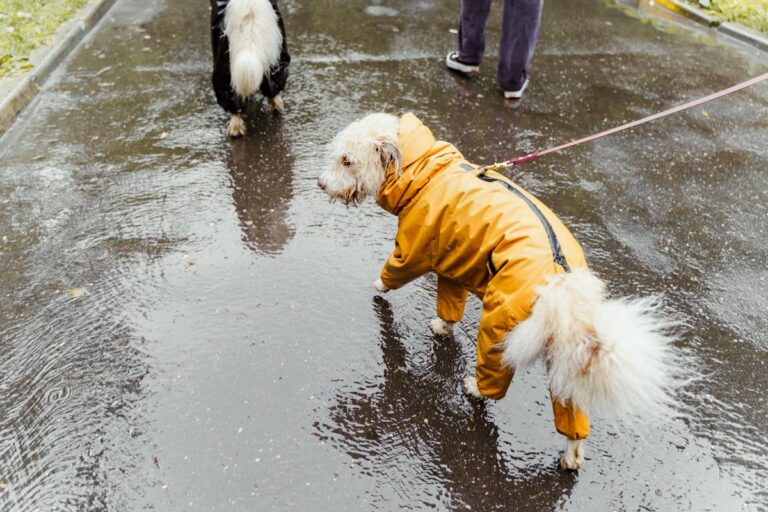
For dogs that spend significant time outdoors during winter months, waterproof dog coats provide essential protection against wet conditions that can quickly lead to dangerous heat loss. Understanding waterproof technology helps you choose coats that perform reliably in challenging conditions.
Waterproof ratings indicate how well a coat repels water under pressure. Look for coats with waterproof ratings of at least 10,000mm for reliable protection during snow and rain. Higher ratings provide better protection for dogs that spend extended periods in wet conditions. Breathability ratings, measured in grams per square meter over 24 hours (g/m²/24hr), indicate how well the fabric allows moisture vapor to escape. Coats with breathability ratings above 10,000 g/m²/24hr help prevent overheating during active periods while maintaining waterproof protection. Seam sealing prevents water from entering through needle holes where fabric pieces are sewn together. Fully taped seams provide complete waterproof protection, while critical seam sealing focuses on high-exposure areas to balance protection with cost-effectiveness.
Best Dog Jackets for Specific Weather Conditions
Different winter conditions require different approaches to dog protection. Matching coat features to expected weather conditions ensures your dog stays comfortable and safe regardless of what winter throws your way.
Dry, cold conditions benefit most from insulated dog coats that prioritize warmth over waterproof protection. Down-filled or heavily insulated synthetic coats provide excellent protection when precipitation isn’t a concern, allowing for lighter, more flexible designs. Wet, cold conditions require waterproof protection as the primary concern. Even moderately cold temperatures become dangerous when combined with wet conditions that can rapidly strip away body heat. Prioritize waterproof capabilities over maximum insulation in these conditions. Windy conditions benefit from windproof outer shells that block cold air infiltration. Wind can dramatically increase effective temperature through wind chill effects, making windproof protection valuable even in moderately cold conditions. Extreme cold requires the most comprehensive protection available. Look for coats that combine maximum insulation, windproof protection, and coverage of vulnerable areas like the chest and belly. Some extreme weather coats include additional features like snow gaiters or booties integration.
Dog Winter Safety and Care Tips
Proper winter dog care extends beyond just providing a quality coat. Understanding comprehensive winter safety helps ensure your dog stays healthy and happy throughout the coldest months of the year.
Paw protection becomes critical during winter months when salt, ice, and snow can damage sensitive paw pads. Consider dog booties for extended outdoor activities or apply paw balm before walks to create a protective barrier. Always rinse and dry paws after winter walks to remove salt and ice particles. Hydration needs change during winter months, as heated indoor air can cause dehydration while dogs may drink less cold water. Ensure fresh water availability and consider slightly warming water to encourage adequate consumption during cold weather. Exercise modifications help maintain your dog’s fitness while respecting winter weather limitations. Shorter, more frequent walks may be necessary during extreme cold, while active breeds may need indoor exercise alternatives during severe weather periods.
Stylish Dog Apparel: Fashion Meets Function
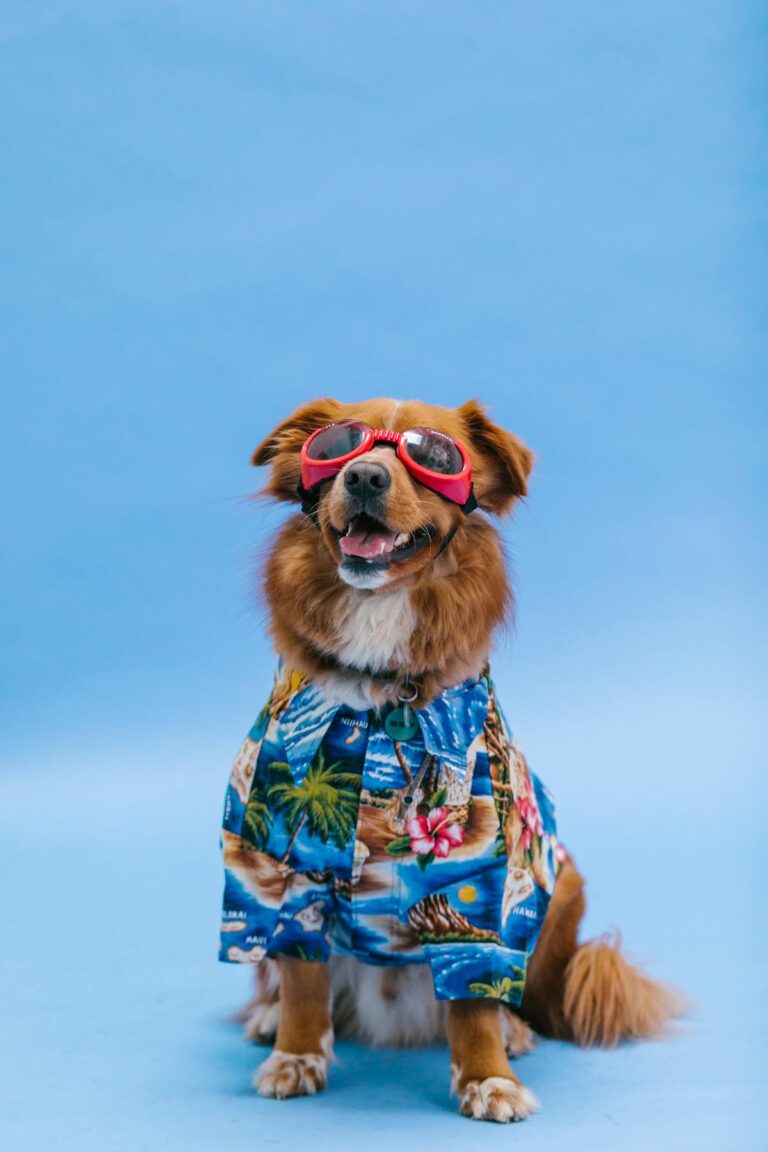
Modern winter dog coats successfully combine practical protection with attractive designs that reflect your personal style preferences. Today’s stylish dog apparel proves that functional winter gear doesn’t require compromising on appearance. Contemporary designers create winter coats in various colors, patterns, and style elements that complement different aesthetic preferences. From sleek, minimalist designs in neutral colors to bold patterns and bright accent colors, options exist for every taste and personality. Premium brands often incorporate fashion-forward design elements like contrast stitching, unique closure systems, or distinctive cut lines that create visually appealing silhouettes while maintaining functional performance. These design details help your dog look great while staying warm and dry. Coordinating accessories like matching leashes, booties, or neck warmers allow you to create complete winter outfits that showcase your dog’s personality while providing comprehensive cold weather protection.
Caring for Your Dog’s Winter Coat
Proper care and maintenance extend the life of your dog’s winter coat while ensuring it continues to provide effective protection throughout multiple seasons. Regular maintenance also helps identify potential problems before they compromise performance. Regular cleaning removes dirt, salt, and oils that can accumulate during winter use. Follow manufacturer care instructions carefully, as improper cleaning can damage waterproof coatings or insulation materials. Many high-quality coats are machine washable, but always use appropriate detergents and temperature settings. Storage between seasons affects coat longevity and performance. Clean coats thoroughly before storage and store in dry, well-ventilated areas away from direct sunlight. Avoid compressing insulated coats for extended periods, as this can reduce loft and insulating effectiveness. Regular inspection helps identify wear patterns, damage, or performance degradation before they become serious problems. Check for worn areas, loose seams, or compromised waterproof coatings that might require repair or replacement.
Choosing the Right Winter Coat for Your Dog
Selecting the perfect winter coat requires balancing your dog’s specific needs with practical considerations like budget, intended use, and maintenance requirements. Taking time to evaluate these factors ensures you choose a coat that provides years of reliable protection. Consider your local climate conditions when evaluating coat features. Dogs in consistently dry, cold climates may prioritize maximum insulation over waterproof protection, while dogs in wet, variable climates need comprehensive weather resistance. Activity level affects coat design requirements significantly. Highly active dogs need coats that provide protection without restricting movement, while less active dogs may prioritize maximum warmth and coverage over athletic performance features. Budget considerations help narrow choices while ensuring you get the best value for your investment. Quality winter coats represent long-term investments in your dog’s comfort and safety, making it worthwhile to choose well-made options that provide reliable performance over multiple seasons. Remember that the best winter coat for your dog is one that fits properly, suits your climate conditions, and provides the specific features your dog needs to stay warm, dry, and comfortable throughout the winter months. With proper selection and care, a quality winter coat becomes an essential piece of equipment that enhances both safety and enjoyment during cold weather activities.