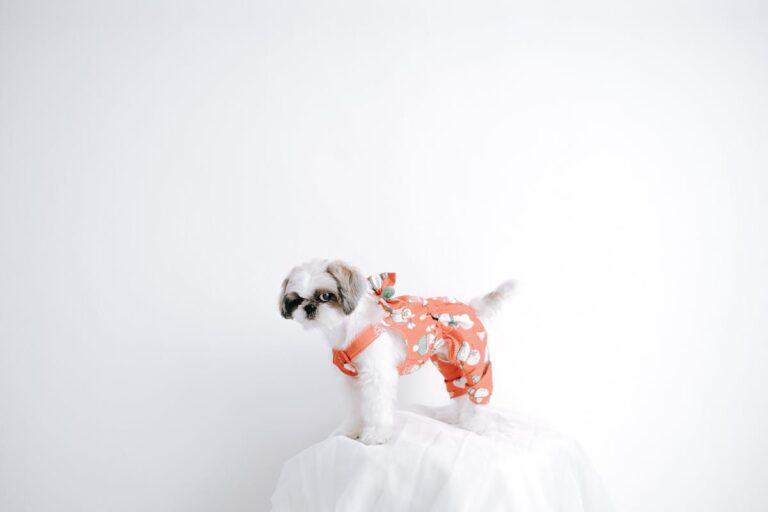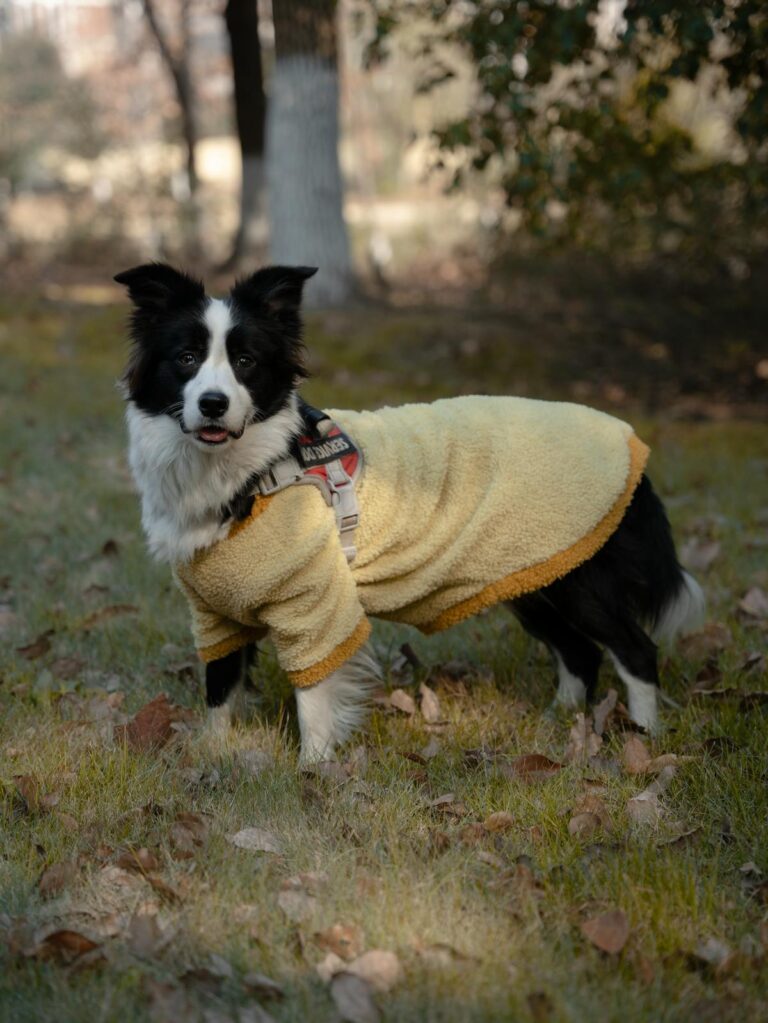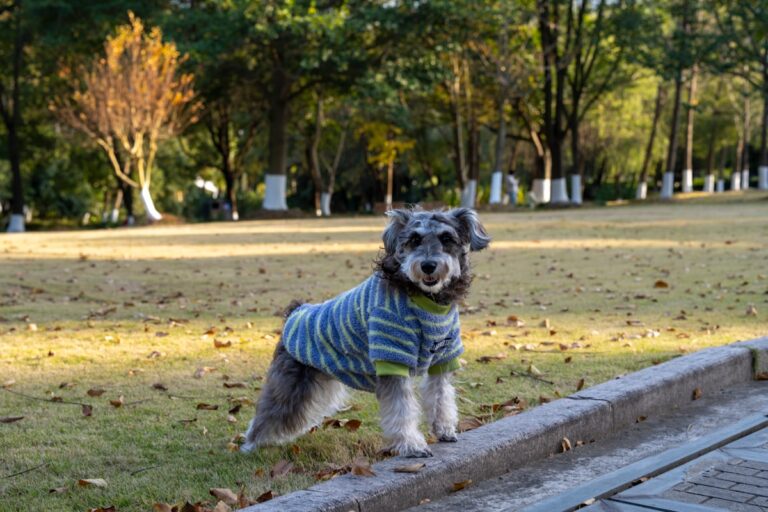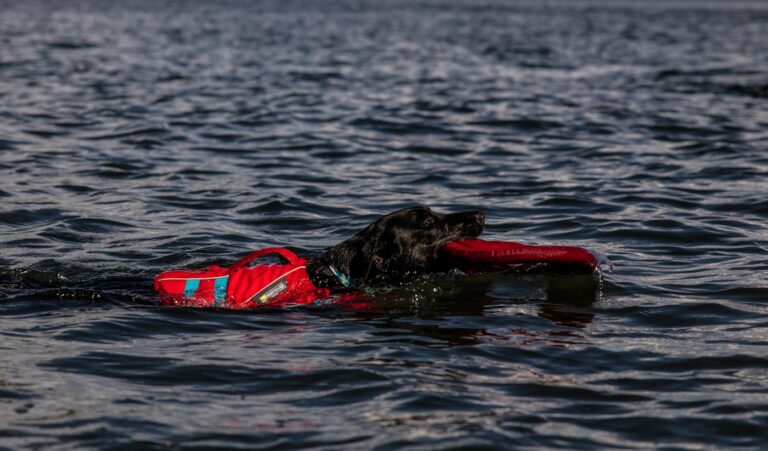
Dog Vest Guide: 9 Smart Tips for Fit and Comfort
A good dog vest does more than make your pup look put together. The right one can add light warmth, improve visibility, reduce rubbing from rough straps, and make everyday walks more comfortable for dogs that hate bulky coats. If you want a piece of gear that sits between a full jacket and a simple harness, this dog vest guide will help you choose the right fit, fabric, and use case.
Some dogs need a soft extra layer for cool mornings. Some need a sturdier outer layer for training, hiking, or high-energy outdoor time. Others just do better in a vest because it gives them coverage without the full-body feel of a coat. The trick is matching the vest to your dog’s body shape, local weather, and routine instead of buying the cutest option and hoping for the best.

What is a dog vest, exactly?
A dog vest is a lighter outer layer that covers the chest and back without the bulk of a heavy winter coat. Some vests are made for warmth. Some are made for visibility and outdoor use. Some, especially tactical styles, are built for structure and utility with stronger fabric, handle support, or attachment points.
That middle-ground role is why vests work so well. A sweater can be too soft for messy outdoor use. A heavy coat can feel like too much on a dog that runs hot or gets annoyed by full coverage. A vest gives you flexibility. It adds protection while still letting the shoulders and hips move freely, which matters for active dogs and dogs that dislike restrictive clothing.
The American Kennel Club notes that weather, coat type, age, and body condition all affect how much extra protection a dog needs. That is why the best vest is not just a fashion buy. It is a practical layer that supports the dog in the conditions you actually live in.
Which dogs benefit most from wearing a vest?
Not every dog needs one every day, but plenty of dogs do better with a vest in the right situation. Small dogs, short-haired breeds, seniors, lean athletic dogs, and dogs that walk early in the morning often appreciate that extra bit of coverage. A vest can also help during the awkward in-between weather when a full coat feels excessive but bare fur is not quite enough.
Vests also work well for dogs that hate sleeves or full-body clothing. If your dog freezes when you put on a jacket, a vest may be the better compromise. It keeps the core warmer while leaving the legs more free. For bigger outdoor dogs, sturdier utility vests can be useful for hikes, travel days, and training sessions where you want durable fabric and easy grab control.
If your dog is still getting used to clothing, start simple. We already covered the basics in How to Get Your Dog to Wear Clothes, and the same principle applies here. Choose the least intrusive option first, then build comfort gradually.
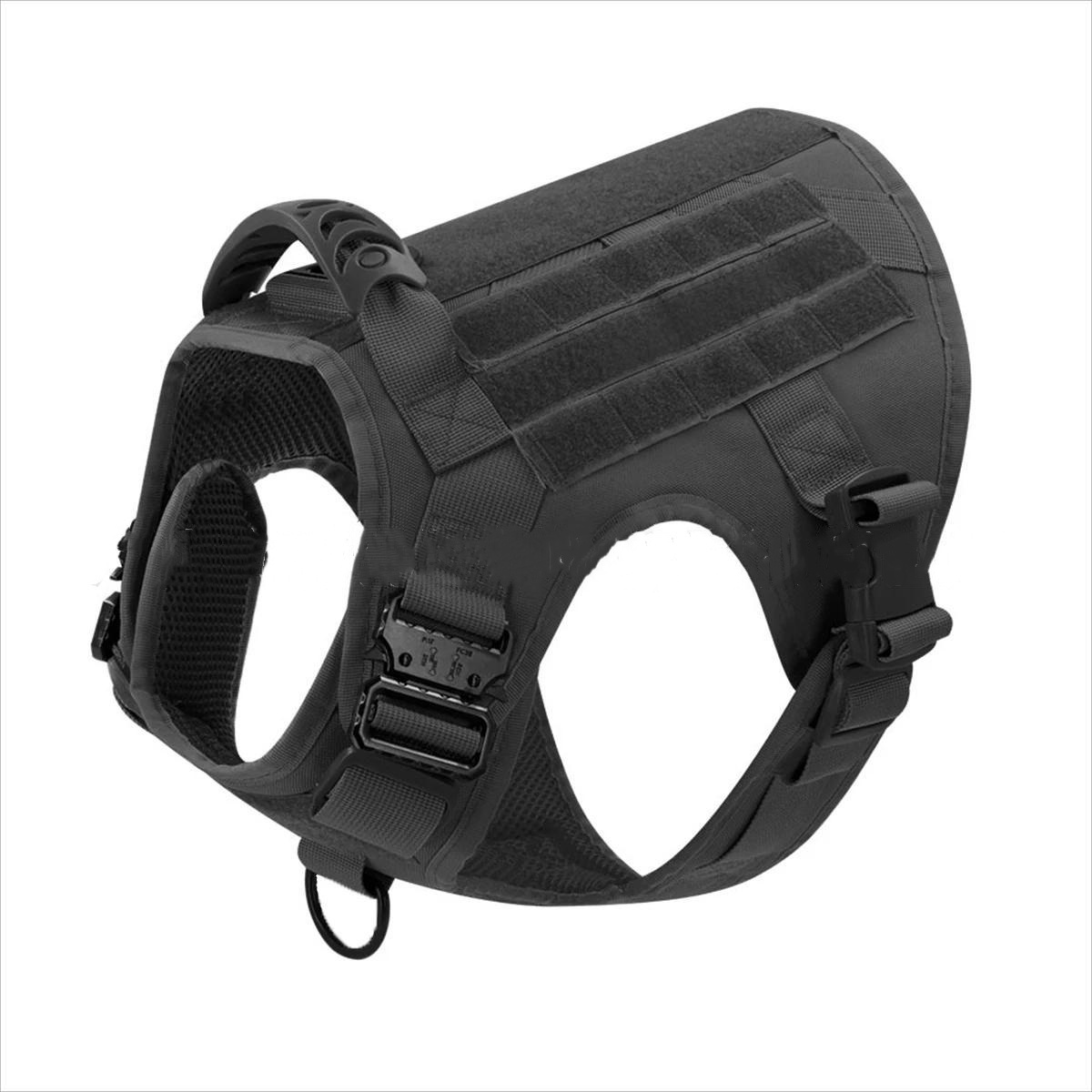
Tougher option for active dogs
If your dog needs a more structured outdoor layer, this Tactical Dog Vest for Large Dogs Outdoor #18 is the closest match for dogs that hike, train, or need a sturdier everyday vest.

How a dog vest should fit before you ever leave the house
A dog vest should sit close enough to stay in place, but loose enough that you can slide two fingers under the main contact points. The neckline should not choke when the dog lowers its head. The chest area should not press into the armpits. The back should cover the body without hanging so low that it twists when the dog moves.
Before you keep any vest, do a five-minute test indoors. Let your dog stand, sit, turn, trot, and lie down. Watch for bunching near the shoulders and rubbing behind the front legs. If the vest shifts sharply to one side after a few turns, the cut is probably wrong for your dog’s chest shape. If the dog takes short choppy steps, it is too tight or too long through the front.
If sizing is still unclear, start with your measuring process first, not the product page. Our dog sizing guide is the best place to confirm neck, chest, and back length before ordering. That one small step prevents most returns and most miserable first walks.
Which vest fabric works best in real life?
Fabric matters more than most people think. Soft fleece-lined vests are great for cool mornings, post-grooming warmth, and dry weather errands. They are cozy, easy to wear, and usually friendlier for clothing-sensitive dogs. Structured technical fabric is better when your dog is active outdoors, brushes against rough surfaces, or needs gear that can handle more abuse.
If your dog overheats easily, avoid thick padding unless the weather truly calls for it. According to RSPCA heat guidance, overheating can escalate fast, especially in warm, humid conditions or for flat-faced breeds. A vest should never trap heat just because it looks cute on the hanger.
For light chill, go with breathable warmth. For rain, a vest should resist moisture without turning stiff. For rugged outings, prioritize durability and stable closures. Think about your dog’s real routine, not just the weather forecast on the day you buy it.

When a light vest beats a full dog coat
Dog owners often jump straight from no clothing to a heavy coat, but that is not always the smartest move. A light vest can be better for transitional weather, quick bathroom trips, apartment elevator rides, or dogs that run warm after ten minutes of movement. It keeps the torso comfortable without overdoing it.
This is especially useful in spring and fall, when temperatures swing across the day. Morning air can feel cool, while midday walks get much warmer. A lighter layer is easier to manage and usually easier for the dog to tolerate. That is why vests tend to become “grab and go” gear for many dog owners. They are practical, not fussy.
If your dog needs more core warmth without a heavy shell, a soft insulated option like Warm Dog Vest #10 fits that everyday middle zone well.

Best for cool mornings and easy daily wear
The Warm Dog Vest #10 works well for dogs that want warmth without the weight and coverage of a full jacket.

How to get your dog comfortable wearing a vest
Never make the first vest session an hour-long walk. Let your dog investigate it first. Reward sniffing, calm standing, and one or two seconds of wear. Remove it before your dog gets annoyed. Then repeat. The fastest way to create clothing drama is to force the vest on and head straight outside.
Keep early sessions short and boring. Put the vest on before dinner, before a short hallway walk, or before a favorite game. That helps the dog connect the vest with normal good things. If your dog scratches at it, freezes, or flops dramatically, stay calm. Those reactions often fade once the fit is right and the sessions are brief.
The VCA cold-weather safety guide also reinforces the idea that gear should support comfort, not replace common sense. Dogs still need monitoring, movement, and breaks. The vest is a tool, not a magic fix.

Choosing the right dog vest for home, walks, and outdoor training
The easiest way to shop is to group your needs into three buckets. First, everyday comfort. Second, weather support. Third, outdoor utility. If the vest only needs to handle short neighborhood walks, soft fabric and easy closures matter more than heavy-duty structure. If your dog hikes or trains, tougher materials and better control matter more.
For everyday wear, soft warmth usually wins. For weather support, pay attention to how much coverage your dog actually needs. For utility, you want a vest that stays stable when the dog moves fast, turns sharply, or pulls. Large active breeds often need more structure through the chest and back than smaller companion dogs.
That is also where comparing similar styles helps. A softer insulated design like Warm Dog Vest #9 will feel very different from a structured outdoor vest, even if both technically count as a dog vest.
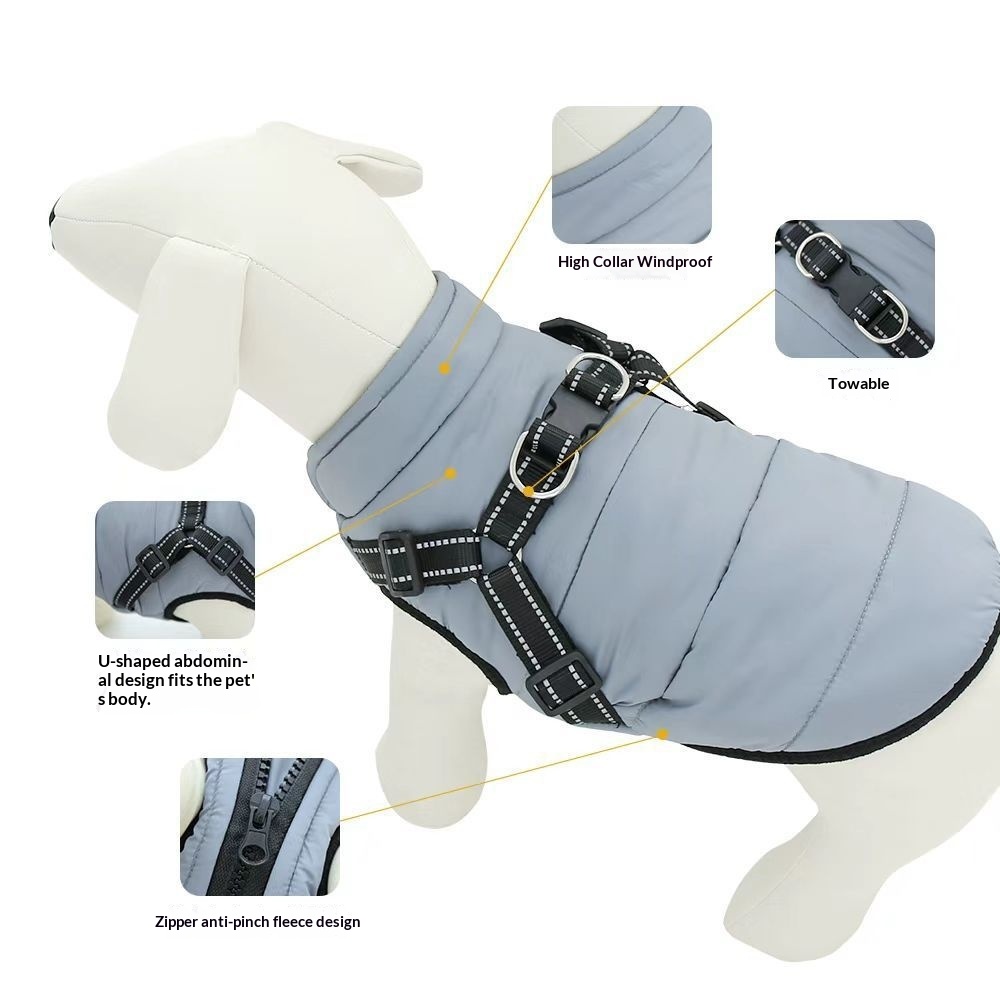
Soft insulated pick for dogs that dislike bulky coats
The Warm Dog Vest #9 is a nice choice if your dog needs extra warmth but gets cranky in heavier outerwear.

Common dog vest mistakes that cause instant regret
The most common mistake is buying by breed name instead of measurements. Two French Bulldogs can need very different sizes. The second big mistake is picking a thick vest for a dog that already runs hot. The third is assuming a stiff working vest will feel comfortable on a couch-loving companion dog who only goes outside for short walks.
Another issue is ignoring the armhole area. That is where many clothing problems show up first. If the vest rubs there, your dog will tell you quickly by licking, pausing, or trying to step out strangely. Also watch the belly area. On some shapes, a vest that looks fine while standing becomes annoying once the dog starts moving.
If you are deciding between fuller coverage and a true vest cut, it helps to compare against our hoodie vs sweater guide and large dog clothes guide. Those articles help clarify when more coverage is useful and when it is just extra fuss.

Dog vest care, washing, and storage
A vest that stays damp, gritty, or full of shed fur gets uncomfortable fast. Brush off debris after outdoor use, especially if your dog wears a utility-style vest on trails or rough ground. Close all straps before washing so they do not twist. Air dry when possible unless the label clearly says machine drying is safe.
It also helps to rotate gear. If your dog wears one vest every day, keep a backup option ready so the first one can dry fully after washing. This matters even more in humid weather. Clean gear lasts longer, smells better, and causes fewer skin issues.
For dogs with sensitive skin or seasonal shedding, regular brushing matters just as much as clothing care. That is one reason our spring grooming checklist pairs so well with clothing planning.
Final answer: what kind of dog vest should most owners buy first?
For most dogs, the best first vest is a lightweight, comfortable style that matches everyday walks and mild weather. Start simple. Make sure the fit is right. Watch how your dog moves. If your dog needs something tougher for training or outdoor work, move up to a more structured vest after you know what your dog tolerates well.
The best dog vest is not the most tactical-looking one or the puffiest one. It is the one your dog can actually wear comfortably, safely, and regularly. If you choose with fit, fabric, and routine in mind, you will end up with a piece of gear that gets real use instead of collecting dust by the door.
Sources
- American Kennel Club, Do Dogs Need Jackets in Winter? — guidance on breed, coat type, age, and weather-related clothing needs.
- RSPCA, Heatstroke in Dogs — reminder that overheating risk matters when choosing heavier gear.
- VCA Animal Hospitals, Cold Weather Safety for Dogs — practical advice on safe outdoor comfort in lower temperatures.
- How to Measure Your Dog for Clothes — Hawa Pets internal sizing reference before ordering.
- How to Get Your Dog to Wear Clothes — Hawa Pets internal training guide for clothing-sensitive dogs.