Dog Heat Stroke Symptoms: 10 Critical Warning Signs
Dog heat stroke symptoms can progress from mild overheating to a life-threatening emergency in under 15 minutes. The most critical warning signs include heavy panting with thick saliva, bright red or purple gums, stumbling, vomiting, and collapse — and any dog showing them needs cooling and an emergency vet visit immediately. This guide covers the 10 symptoms every owner must recognize, the three progressive stages of heat exhaustion, how to cool down a dog safely, and the at-home prevention steps that actually work.
What Is Heat Stroke in Dogs?
Heat stroke in dogs (medically called hyperthermia) occurs when a dog’s body temperature rises above 103°F (39.4°C) and the normal cooling mechanisms — panting and paw-pad sweating — can no longer keep up. A dog’s normal temperature sits between 101°F and 102.5°F (38.3°C–39.2°C), and once internal temperature crosses 106°F (41°C), organ damage begins within minutes.
Unlike humans, dogs cannot sweat efficiently through their skin. They rely almost entirely on panting to release heat, which makes them vulnerable in humid weather, hot cars, direct sunlight, and during intense exercise. Heat stroke is especially dangerous because the first signs of heat stroke in dogs can look like normal playful panting — until it’s too late.
10 Dog Heat Stroke Symptoms Every Owner Must Recognize
If you notice any of these signs of heat stroke in dogs, move your dog into shade and start cooling immediately while arranging transport to a vet. Do not wait to see if symptoms improve on their own.
1. Heavy, Frantic Panting That Doesn’t Slow Down
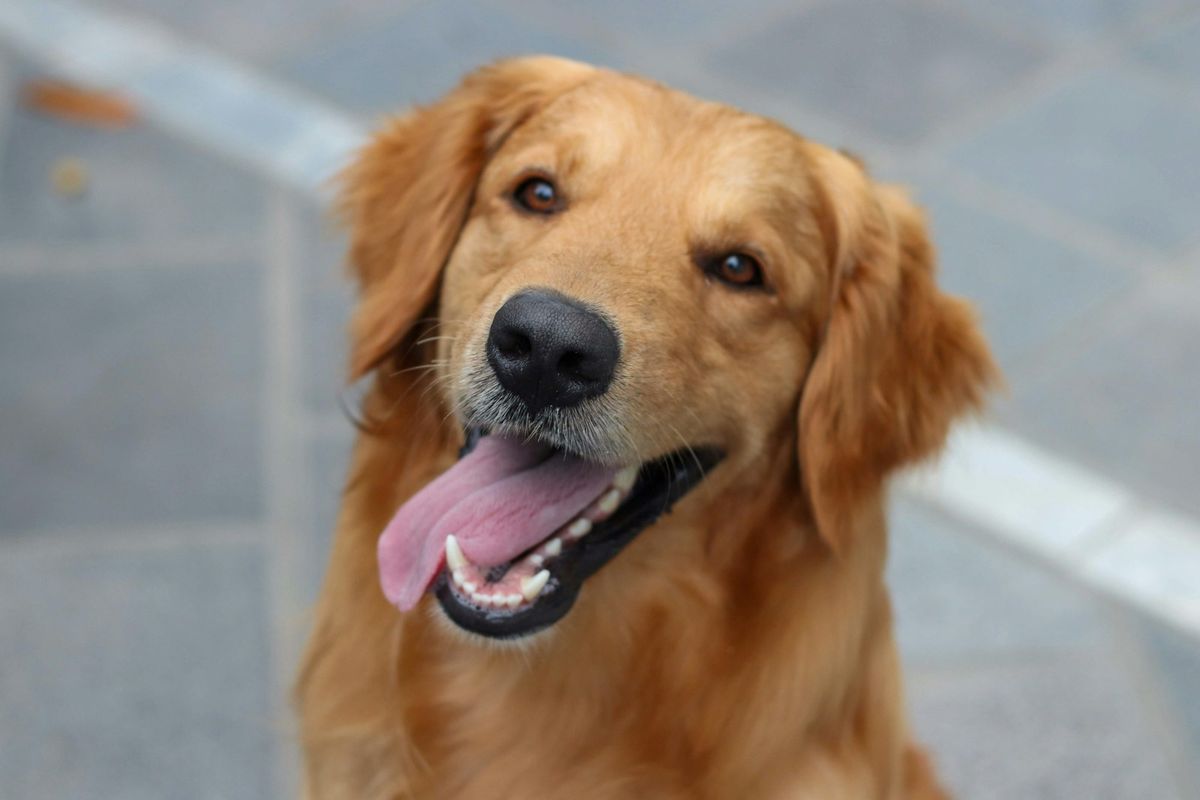
Normal post-exercise panting gradually slows once a dog rests. With heat stroke, panting becomes continuous, noisy, and desperate — the dog may look like it’s gasping for air. This is often the earliest of all dog overheating symptoms.
2. Bright Red, Purple, or Pale Gums and Tongue
Lift your dog’s lip and check gum color. Healthy gums are pink and moist. Overheated dogs often show brick-red or purplish gums from dilated blood vessels, and in advanced heat stroke, gums turn pale or bluish — a sign of circulatory shock.
3. Thick, Sticky Drool or Ropey Saliva
As dehydration sets in, saliva thickens and becomes stringy. You may see it hanging from your dog’s mouth in long, sticky ropes rather than the usual clear watery drool during exercise.
4. Rapid Heart Rate and Pulse
Place a hand over your dog’s chest behind the left elbow. A resting heart rate above 140 beats per minute in medium-to-large dogs, or an obviously pounding pulse, is a red flag. Blood thickens as water leaves the bloodstream, forcing the heart to work harder.
5. Disorientation, Glazed Eyes, or Stumbling
An overheated dog may walk in circles, bump into things, fail to respond to its name, or stare blankly. Uncoordinated movement means the brain is already being affected by heat — this is a late-stage warning.
6. Vomiting or Diarrhea (Sometimes With Blood)
Heat damages the gut lining. Vomiting, watery diarrhea, or bloody stool are among the most serious dog heat stroke symptoms and indicate the emergency is progressing rapidly.
7. Muscle Tremors or Weakness
Watch for shaking hind legs, an inability to stand up, or a dog that lays down and refuses to move. Electrolyte imbalance and muscle breakdown (rhabdomyolysis) can begin before the dog fully collapses.
8. Elevated Rectal Temperature Above 103°F (39.4°C)
If you have a digital pet thermometer, a reading above 103°F means the dog is already in danger. Above 104°F is heat exhaustion; above 106°F is full heat stroke. According to the AKC Canine Health Foundation, irreversible organ damage becomes likely once core temperature stays above 107°F for more than a few minutes.
9. Seizures
Heat-induced seizures appear as muscle twitching, paddling limbs, loss of bowel or bladder control, and loss of awareness. Any seizure in a hot, panting dog is a life-threatening emergency.
10. Collapse or Unconsciousness
The final stage. The dog may fall onto its side, stop responding to touch or voice, and lose consciousness. At this point, survival depends on cooling measures begun in the first few minutes and aggressive veterinary support.
Dog Heat Exhaustion vs Heat Stroke: The 3 Stages
Veterinary literature describes canine hyperthermia in three progressive stages. Understanding them helps you act earlier.
- Stage 1 — Heat stress (body temp 103–104°F): Heavy panting, intense thirst, seeking cool surfaces. Fully reversible with rest and water.
- Stage 2 — Heat exhaustion (104–106°F): Thick saliva, bright red gums, weakness, mild disorientation. Needs active cooling and vet assessment.
- Stage 3 — Heat stroke (above 106°F): Vomiting, seizures, collapse, organ damage. Critical emergency — cool and transport immediately.
Most dogs that die from heat-related illness pass through stage 1 without their owners recognizing it. The Royal Veterinary College found that early intervention in stage 1 or 2 results in survival rates above 85%, while stage 3 survival drops below 50% even with emergency care.
How to Cool Down a Dog With Heat Stroke (Emergency First Aid)
If you recognize dog heat stroke symptoms, every minute matters. Here is the step-by-step process endorsed by most emergency vets for how to cool down a dog on the way to treatment.
- Move to shade or air conditioning. Get out of direct sun immediately. A car with A/C running is fine if it’s the fastest option.
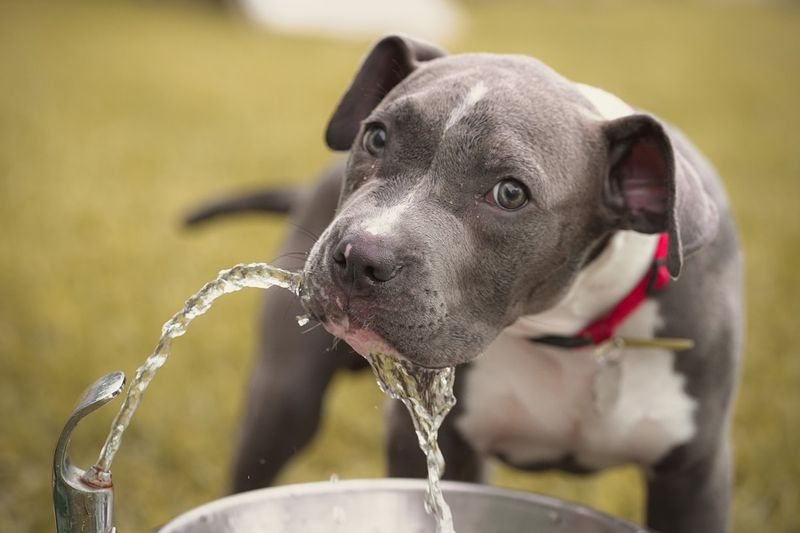
- Pour cool (not ice-cold) water over the body. Focus on the belly, armpits, groin, and paw pads where blood vessels run close to the skin. Use a hose, watering can, or soaked towels.
- Do NOT use ice or ice baths. Ice-cold water causes blood vessels near the skin to constrict, trapping heat inside the body. Cool tap water works better and faster.
- Run a fan or roll down car windows. Moving air over wet fur accelerates evaporative cooling, which is the same mechanism panting uses.
- Offer small sips of cool water. Do not force-feed water. Let the dog drink voluntarily — large gulps can cause vomiting or dangerous bloat.
- Stop cooling at 103°F. If you have a thermometer, stop active cooling once the dog reaches 103°F. Continuing past that point causes hypothermia and rebound shock.
- Go to the vet anyway. Even a dog that appears fully recovered needs a vet check. Delayed organ damage and blood-clotting disorders can appear 24–72 hours later.
When to Rush to the Vet — Even After Cooling Down
Many owners assume a dog that stops panting and perks up after cooling is out of the woods. That’s one of the most dangerous misconceptions in canine first aid. Even after successful cooling, a dog with confirmed heat exhaustion or heat stroke needs professional dog heat stroke treatment because:
- Blood-clotting disorders (DIC) can develop up to 72 hours later and are often fatal without IV support.
- Kidney damage may not show until blood work is run — dogs can pass urine normally while kidneys are failing.
- Cerebral swelling can cause seizures or behavior changes days after the event.
- Gut damage may lead to bacterial translocation and sepsis.
Cornell University’s Riney Canine Health Center classifies heat stroke as a Category 1 medical emergency — meaning every confirmed case gets admitted, regardless of how well the dog looks on arrival.
Which Dogs Are Most at Risk

Not all dogs carry the same heat-stroke risk. Owners of these dogs should be especially vigilant during the warm months:
- Brachycephalic (flat-faced) breeds — Bulldogs, Pugs, Boxers, French Bulldogs, Pekingese, Shih Tzus. Their shortened airways make panting inefficient. Studies published in The Veterinary Journal show they are up to 2.5× more likely to suffer fatal heat stroke.
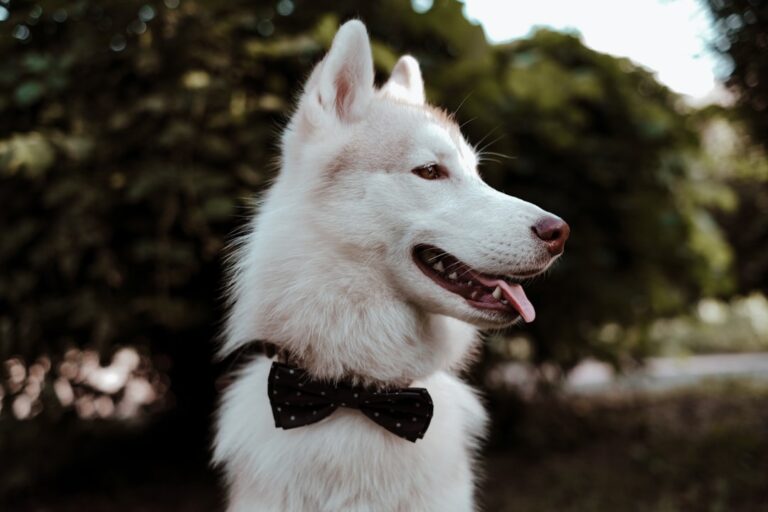
- Double-coated breeds — Huskies, Malamutes, Samoyeds, Akitas, Chow Chows. Their insulation traps heat.
- Giant breeds — Great Danes, Saint Bernards, Newfoundlands. More muscle mass generates more metabolic heat.
- Overweight dogs — Extra fat acts as insulation and stresses the cardiovascular system.
- Senior dogs and puppies — Less efficient temperature regulation.
- Dogs with heart, lung, or laryngeal conditions — Compromised airflow and circulation.
Dark-colored dogs also absorb more heat in direct sun. A black Labrador on a July afternoon can reach dangerous coat-surface temperatures in under 10 minutes of direct exposure.
7 Ways to Prevent Dog Heat Stroke This Summer
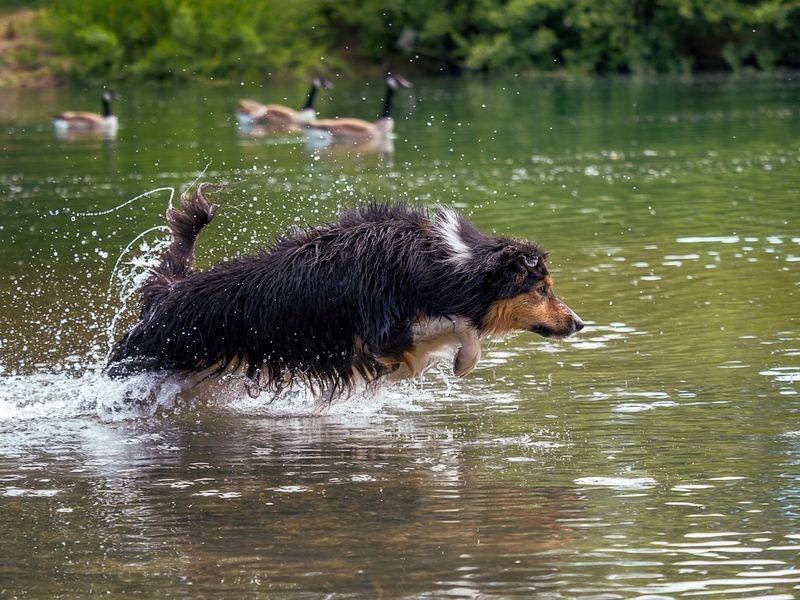
Almost every case of canine heat stroke is preventable. Build these habits into your summer routine and you dramatically cut risk.
- Walk at dawn or after sunset. Aim for surface temperatures under 77°F (25°C). Press the back of your hand against the pavement — if you cannot hold it there for 7 seconds, it’s too hot for paws.
- Never leave a dog in a parked car. On a 75°F (24°C) day, car interiors hit 100°F (38°C) within 10 minutes, even with windows cracked. According to RSPCA data, parked cars are responsible for the largest share of fatal heat-stroke cases reported.
- Provide constant shade and cool water. Refresh water bowls multiple times a day. Add a few ice cubes in the late afternoon.
- Use a cooling mat, wet towel, or cooling vest. These work by wicking heat away through evaporation. See our Dog Cooling Vest Guide for fit and fabric recommendations.
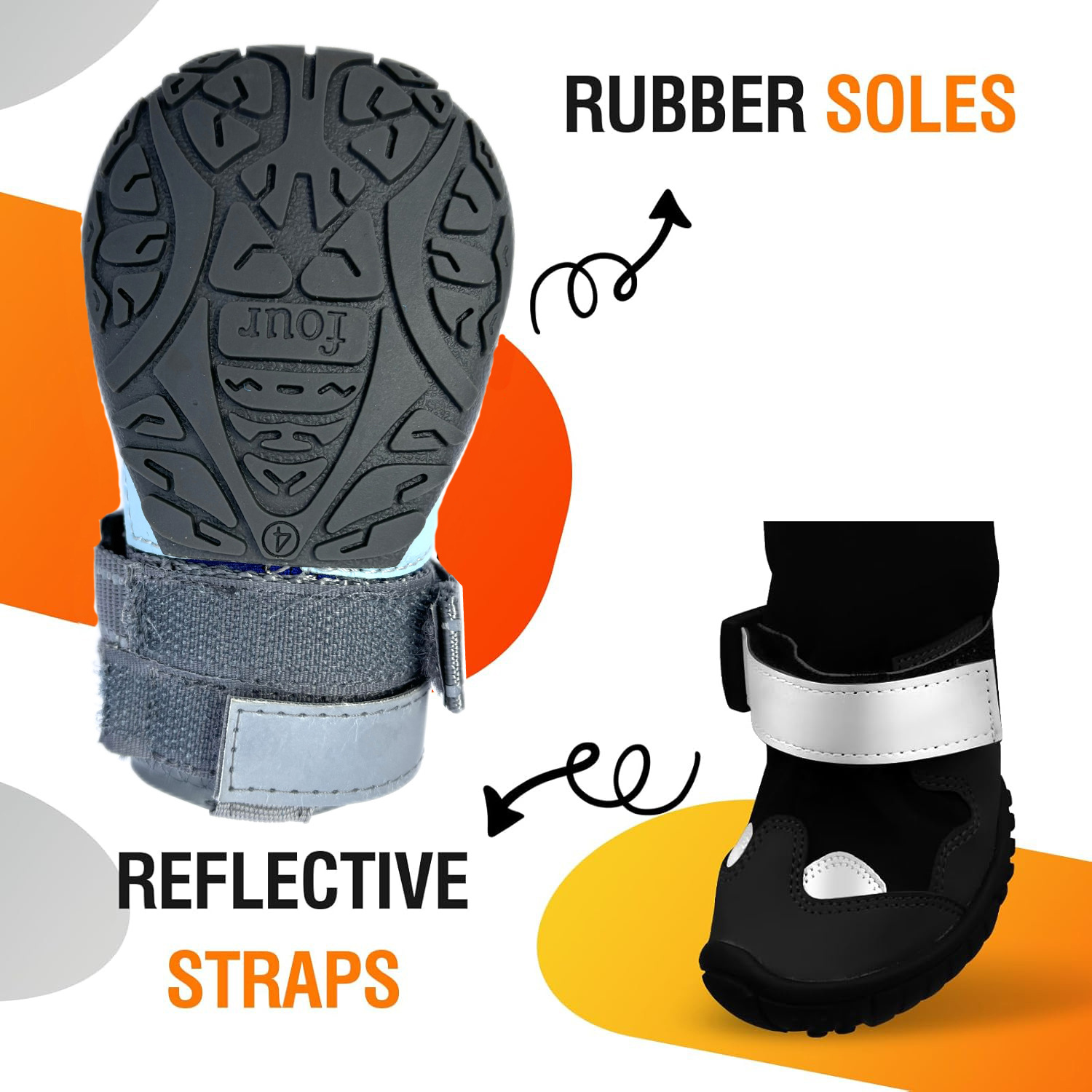
- Protect paw pads from hot pavement. Asphalt at 31°C air temperature can reach 62°C — hot enough to cause burns in 60 seconds. Dog boots or early/late timing prevents this entirely.
- Limit intense exercise on hot days. Swap fetch for short leash walks, and skip high-intensity play when the heat index exceeds 80°F (27°C). Our Spring Dog Walking Guide covers seasonal activity adjustments in depth.
- Know your dog’s normal temperature baseline. Take a resting rectal temperature a couple of times so you have a personal reference point — not every dog sits exactly at 101.5°F.
Safe Water Play: Cooling Down the Right Way
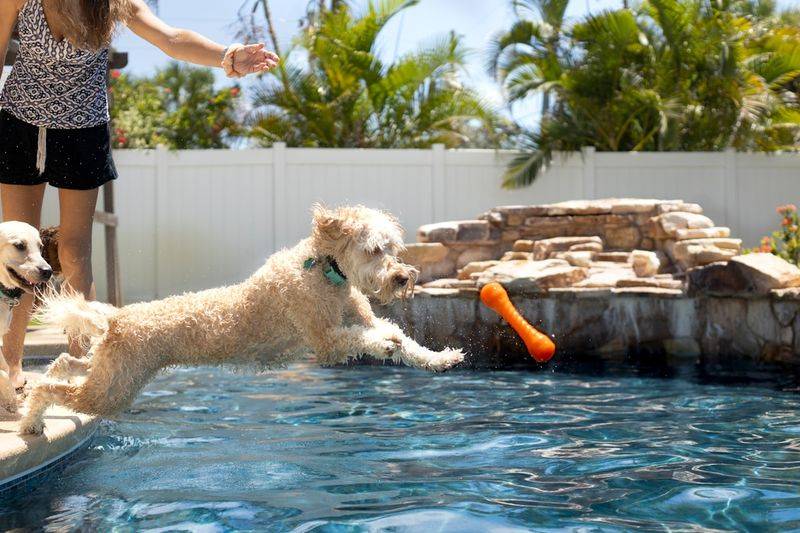
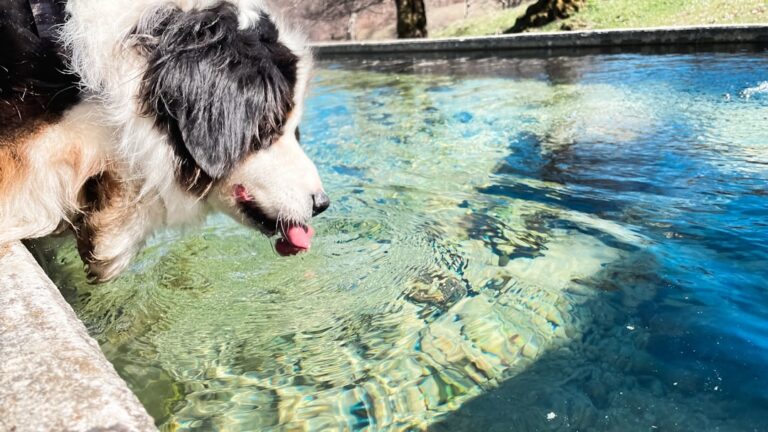
Swimming and water play are two of the most effective natural ways to regulate body temperature — but only when done safely. Even confident swimmers can tire quickly in the heat, and exhaustion in deep water rapidly turns into a drowning risk.
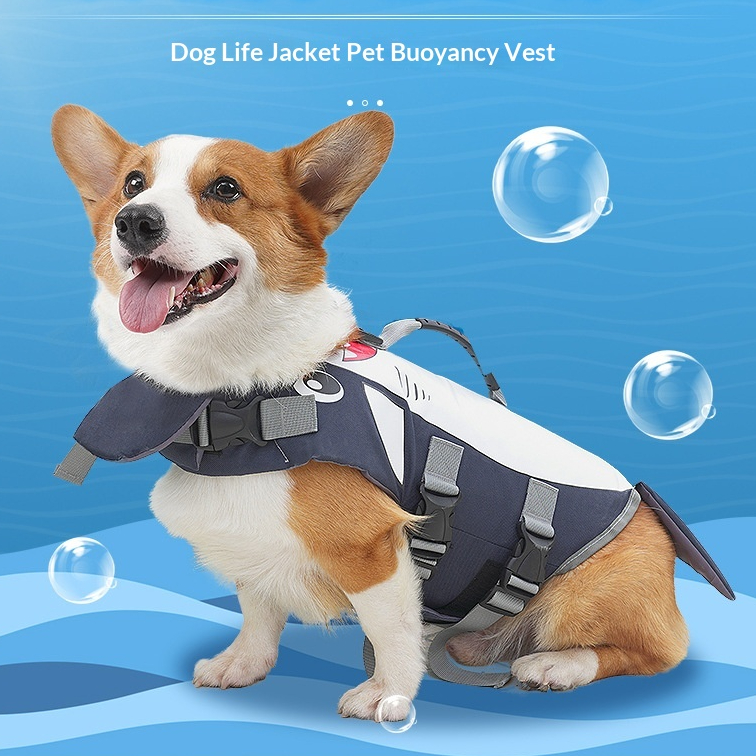
- Use a well-fitted dog life jacket in pools, lakes, or the ocean — especially for brachycephalic breeds and seniors.
- Rinse salt and chlorine off afterward to prevent skin irritation.
- Offer fresh drinking water every 15 minutes — dogs often drink pool water when thirsty, which can cause vomiting.
- Watch for signs of fatigue: slower paddling, head dropping, or repeatedly trying to climb out.
- Never leave a dog unattended near water, even a kiddie pool.
Signs of Heat Stroke Recovery — What to Expect
After emergency treatment, most dogs are hospitalized for 24–72 hours on IV fluids with regular blood work. Early signs of recovery include:
- Gum color returning to healthy pink
- Body temperature stabilizing between 100°F and 102.5°F
- Resumption of normal urination
- Alert, responsive behavior without disorientation
- Appetite returning within 24–48 hours
Full recovery can take one to three weeks. Dogs that have survived heat stroke are approximately 40% more likely to experience it again in the future because their thermoregulation can be permanently compromised — which means prevention becomes even more important for the rest of their life.
Watch: How Vets Diagnose and Treat Heat Stroke
Building a Heat-Stroke-Aware Summer Routine
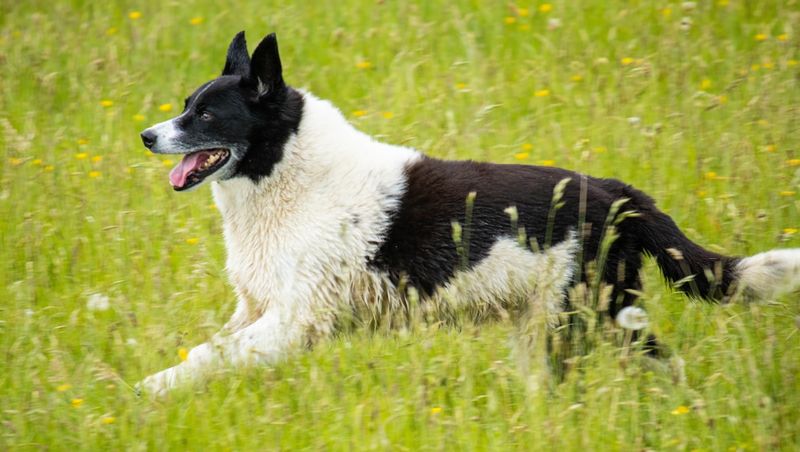
The best prevention strategy is a routine that removes heat-risk decisions altogether. Set phone alarms for dawn walks, keep a filled water bottle and collapsible bowl in the car, map out three shaded routes, and save an emergency vet number to favorites. Owners who plan around temperature rarely face emergencies, because they never let their dog get into the stage-1 zone in the first place.
If you’re investing in summer gear, prioritize paw protection, a cooling vest, and a dog-specific water bottle before anything else. For a broader seasonal overhaul, our Essential Dog Walking Equipment guide pairs nicely with this article and covers spring-to-summer transitions.
Recognizing dog heat stroke symptoms early is the single most important skill any warm-climate dog owner can learn. Save this page, share it with every dog-loving friend, and keep a thermometer, towel, and bottled water in your car all summer. A 60-second recognition window can save your dog’s life.
Sources
- PetMD — Heatstroke in Dogs: Signs, Treatment, and Prevention — Comprehensive veterinary-reviewed overview of canine heat stroke clinical signs and management.
- AKC Canine Health Foundation — Heat Stroke and Heat Exhaustion in Dogs — Peer-reviewed data on body-temperature thresholds and organ-damage timelines.
- Royal Veterinary College — Heatstroke in Dogs and Cats Fact File — Staging system and survival-rate data by stage of presentation.
- Cornell University Riney Canine Health Center — Heatstroke: A Medical Emergency — Category 1 emergency classification and hospital-admission protocol.
- RSPCA — How to Recognise & Treat Heatstroke in Dogs — UK field data on parked-car heat stroke incidents and prevention advice.