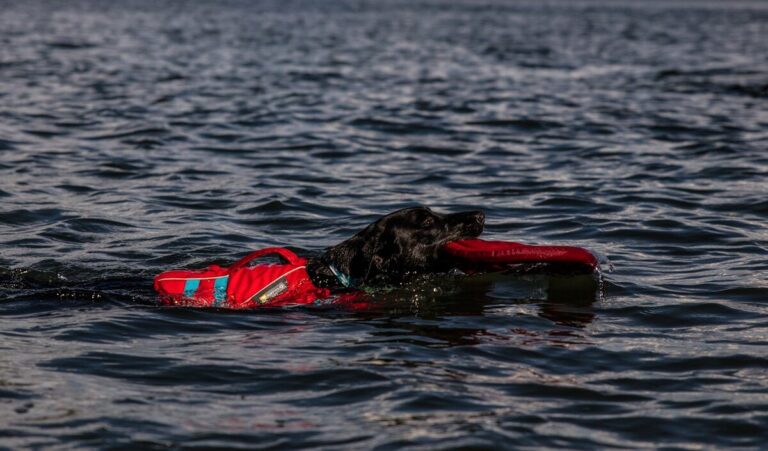
Dog Hiking Gear: 10 Essentials for Trail Adventures
The right dog hiking gear turns a stressful trail day into the kind of adventure your dog will pull toward the door for next weekend. The ten essentials below cover safety, hydration, paw protection, and visibility so you can hit any trail confidently. Whether you’re starting with a flat half-hour loop or building toward a full-day summit attempt, get the kit dialed in first and the rest of the experience falls into place.
Spring 2026 is prime trail season — temperatures are mild, ticks are still warming up, and your dog has been cooped up all winter. Pack smart, pack light, and pack the items below. We’ll break down what each piece does, when you actually need it, and how to choose a version that fits your dog’s size and energy level.
1. A Properly Fitted Hiking Harness
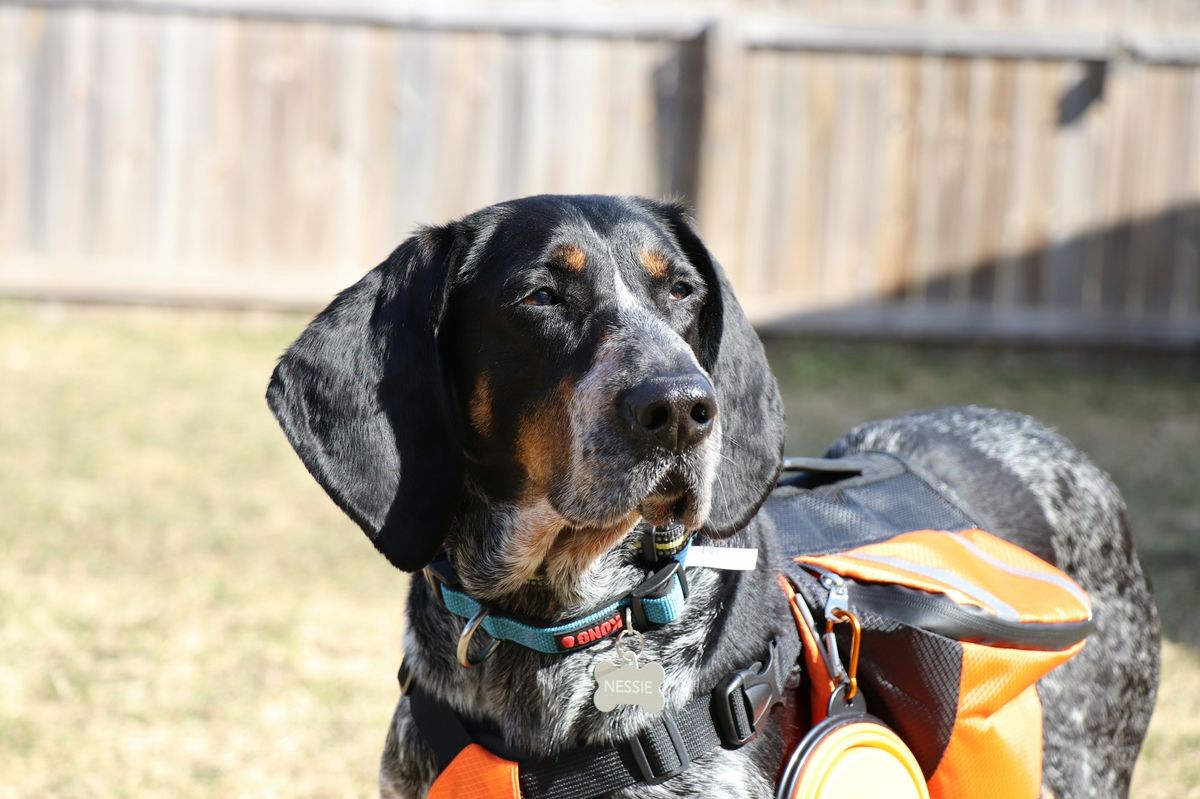
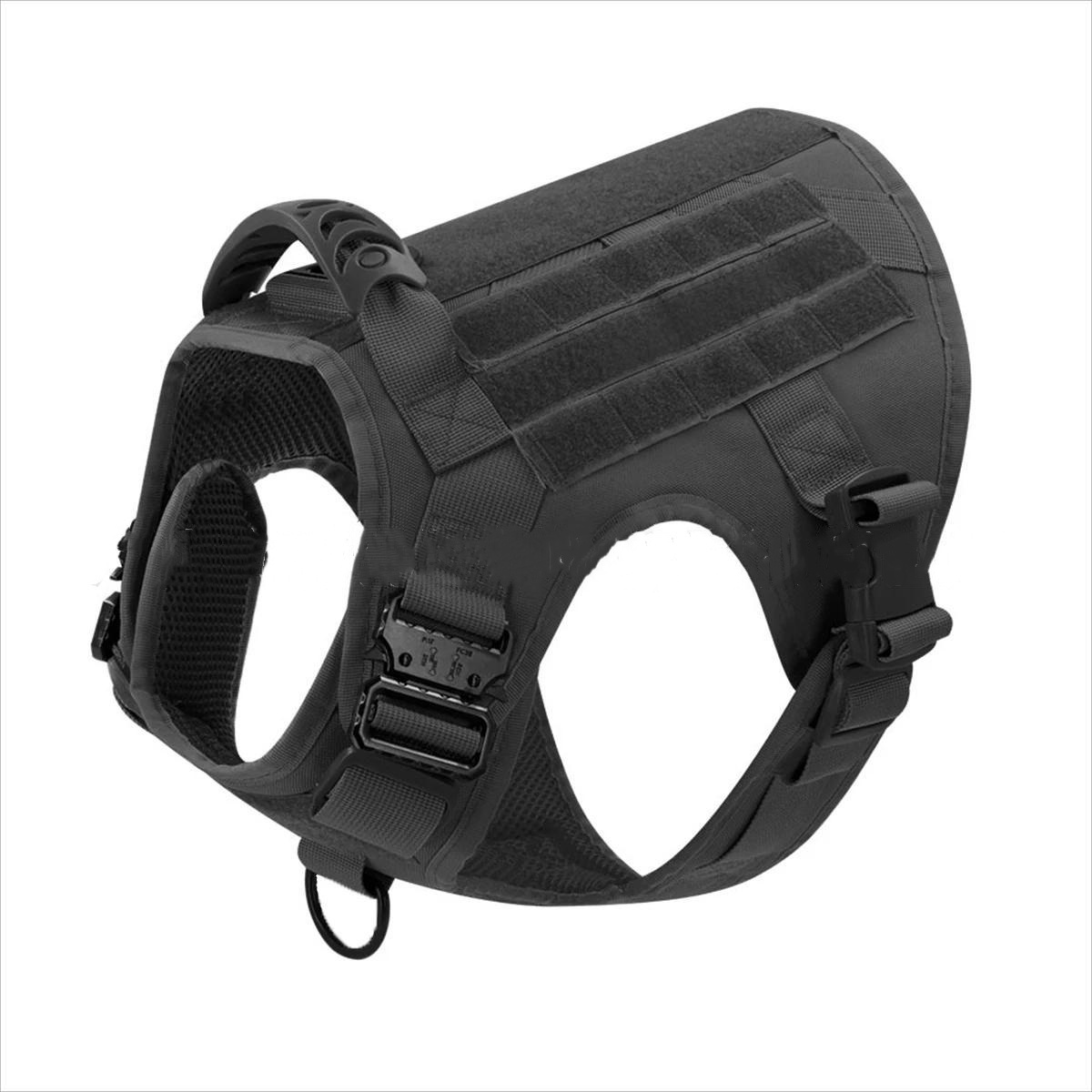
A standard walking collar is not dog hiking gear — it puts pressure on the trachea every time your dog lunges at a squirrel and gives you almost no control on steep, technical terrain. A trail harness distributes pull force across the chest and shoulders, includes a top handle so you can lift your dog over obstacles or boost them onto rock ledges, and usually has padded contact points to prevent rub spots over long days.
Look for two leash attachment points (front for pull-correction, back for relaxed walking), at least four points of size adjustment, and a sternum strap that won’t slide out of position. If your dog is a known escape artist, a three-strap design is non-negotiable. Test the fit at home for at least two short walks before relying on it on the trail — a harness that rubs after twenty minutes will rub raw after three hours.
2. A Trail-Worthy Leash (and Why Retractables Don’t Make the Cut)
Most hiking trails legally require dogs on leash, and even off-leash trails come with hazards your dog cannot judge — cliff edges, wildlife, snake-filled brush, fast streams. A 6-foot fixed leash made of climbing-grade webbing or biothane is the trail standard. Retractable leashes are dangerous on trails: the thin cord snaps under sudden force, the lock can fail, and the long range puts your dog in front of hazards before you can react.
For confident dogs on quiet trails, a hands-free waist leash with a built-in bungee section reduces shoulder strain and frees both hands for trekking poles or scrambles. Always carry a backup leash in your pack — one chewed buckle can end a trip.
3. Collapsible Water Bowl and Enough Water for Both of You
Dogs cannot sweat efficiently. They cool by panting, which dumps water fast on a hot trail. The general rule is one ounce of water per pound of body weight per day, but a working dog on a long hike can need two to three times that amount. Pack a collapsible silicone bowl that clips to your harness or pack — they weigh almost nothing and unfold instantly.
Do not let your dog drink from streams, ponds, or puddles. Giardia, leptospirosis, and blue-green algae can all hide in water that looks pristine. According to the U.S. Centers for Disease Control and Prevention, leptospirosis is one of the most common bacterial infections dogs pick up from contaminated water and soil. Carry your own water and offer it every 20 to 30 minutes — don’t wait until your dog looks parched.
4. Paw Protection: Boots, Wax, or Both
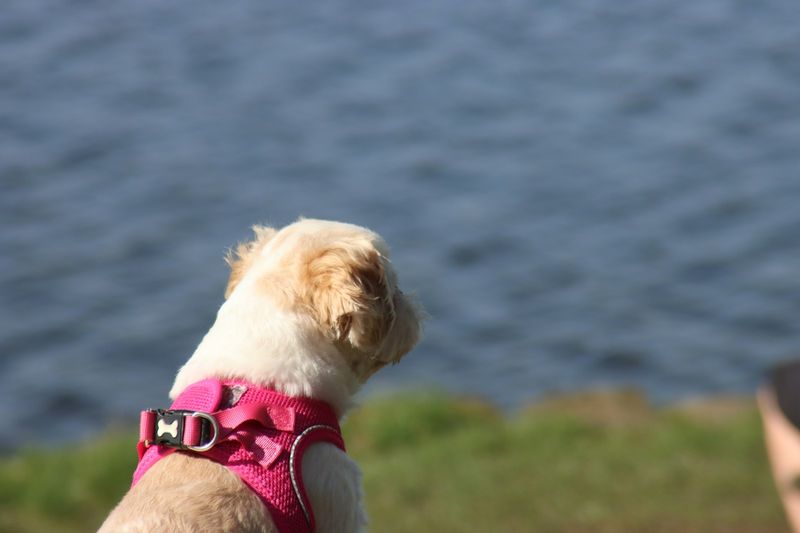
Hot rock, ice, sharp gravel, cactus spines, and salted winter trails all destroy paw pads. Trail boots with rubberized soles and Velcro closures protect against the worst of it, but they need acclimation — most dogs hate them on first wear. Start with five-minute living-room sessions, then short walks, then full hikes. Boots that fit too loose will fly off on the first muddy section; too tight and they cut off circulation.
For dogs who refuse boots, a paw wax (the type used on sled dogs) creates a thin protective barrier against rough surfaces. It’s not a substitute for boots in extreme conditions, but it solves most rough-trail problems for short hikes. For more on keeping paws healthy year-round, see our guide to dog paw care and healthy paw pads.
5. A Dog Backpack (Only When Your Dog Is Ready)
A well-fitted dog backpack lets your dog carry their own water, snacks, and waste bags — which sounds like a great idea until you load it wrong and create joint problems. Healthy adult dogs can carry up to 25 percent of their body weight, but most should start at 10 percent and build slowly. Puppies under 18 months should not carry weight at all; their growth plates are still closing.
Distribute weight evenly across both saddlebags. Lopsided loads cause gait issues and chafing. Skip the pack entirely on hot days — extra fabric over the back traps heat and accelerates overheating. The pack is a tool for cool, well-conditioned trail dogs on moderate terrain, not a costume.
6. ID Tags, Microchip, and a GPS Tracker for Backcountry Hikes
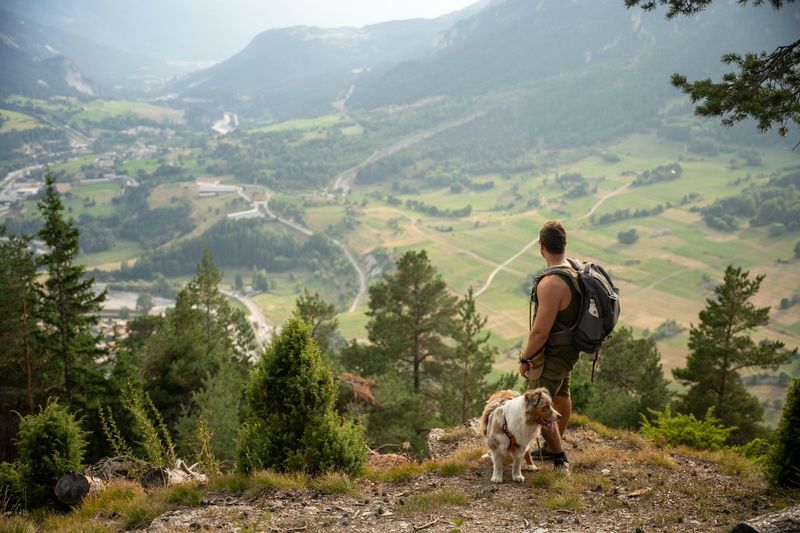
Your dog should have at least two ways to come home if separated. A physical ID tag with your phone number is the basic minimum — engraved, not handwritten, since dampness and friction wipe out marker ink in days. A registered microchip is the second layer; verify the registry has your current phone number before every season.
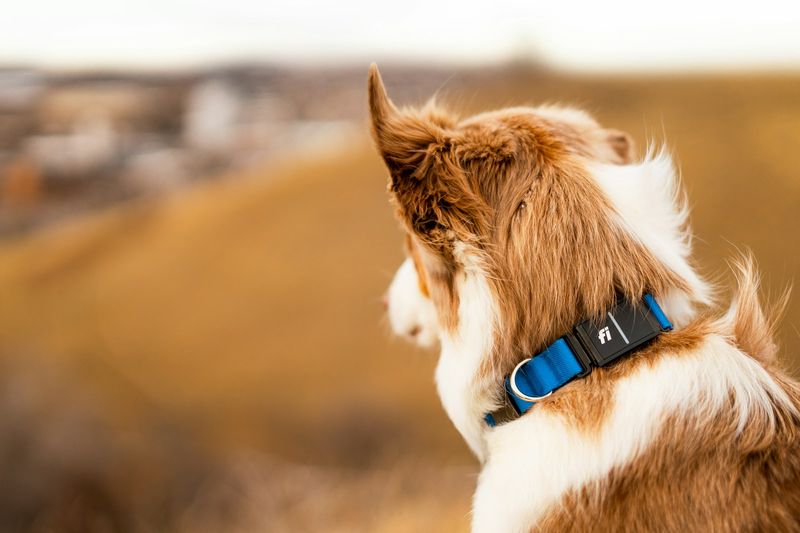
For longer or more remote trails, a real-time GPS tracker (Tractive, Fi, Garmin Astro) is worth the subscription cost. Most run on cellular networks, so confirm coverage on your trail before relying on it. The American Kennel Club strongly recommends microchipping for any dog who spends time off-leash or in unfamiliar terrain.
7. A Compact Dog First Aid Kit
Trail injuries happen — torn pads, ear cuts from brush, foxtails lodged between toes, bee stings, scraped noses. A purpose-built dog first aid kit weighs under a pound and saves a hike. Minimum contents:
- Self-adhesive vet wrap (sticks to itself, not fur)
- Sterile gauze pads and sterile saline rinse
- Tick remover tool and fine-tip tweezers
- Styptic powder to stop nail or pad bleeding
- Benadryl tablets (ask your vet for your dog’s correct dose ahead of time)
- A folded emergency mylar blanket for shock or hypothermia
- Your vet’s emergency number and the nearest 24-hour animal hospital on your route
Take a pet first aid course or watch the Red Cross video series before your first season — knowing how to stabilize a torn pad or remove a foxtail is the gear that actually saves your dog.
8. High-Energy Trail Snacks (Yours and Theirs)
Dogs burn calories on the trail at two to three times their resting rate. A long hike without snacks can lead to a wobbly, exhausted dog by mile four. Pack soft, high-protein training treats in a pocket pouch — small enough to feed every 30 minutes without overloading the stomach. Freeze-dried liver, salmon, or chicken work perfectly.
Avoid jerky with garlic, onion, or xylitol (a sugar substitute toxic to dogs). For multi-hour hikes, bring a meal-sized portion of your dog’s regular food — sudden diet changes on the trail can cause stomach upset miles from a bathroom.
9. A Reflective or High-Visibility Vest
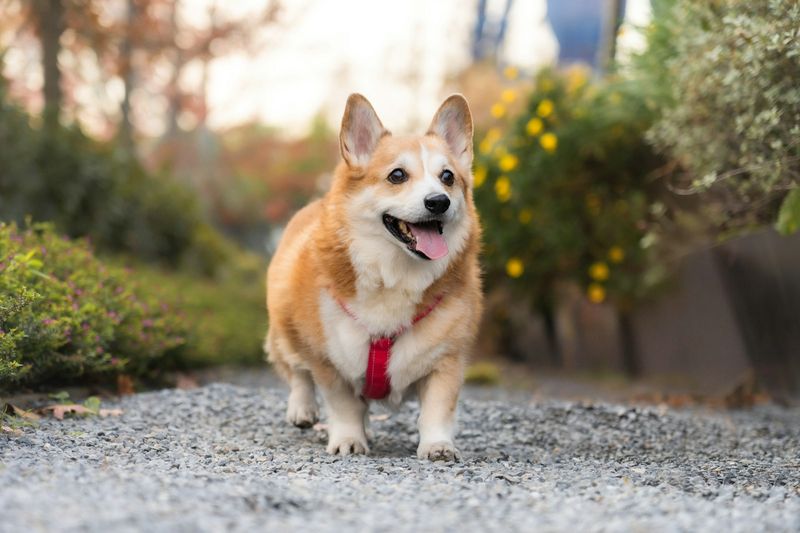
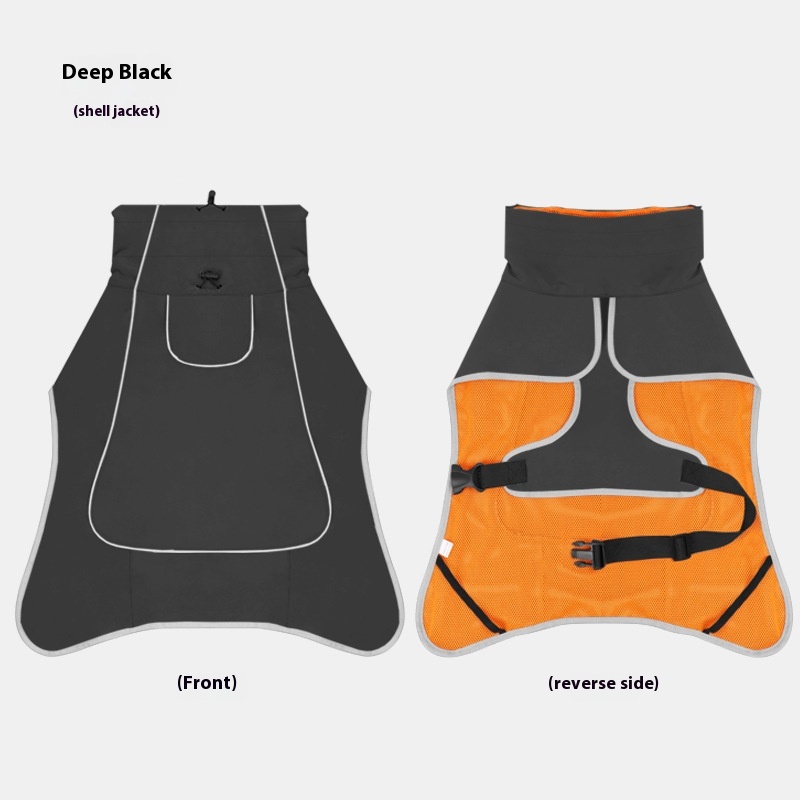
Trail conditions change fast. A short morning hike can stretch into late afternoon, fog can roll in on alpine ridges, and dense forest blocks light hours before sunset. A reflective dog vest makes your dog visible to other hikers, mountain bikers, and hunters during legal season. Bright orange is the standard for any trail in or near hunting areas — even off-season, it removes any doubt.
For longer day hikes that might end in low light, the same gear that keeps your dog safe at night doubles for trail use. Our roundup of reflective dog gear for safe night walks covers vest options that work both on the trail and on evening neighborhood walks.
10. Waste Bags and Pack-Out Discipline
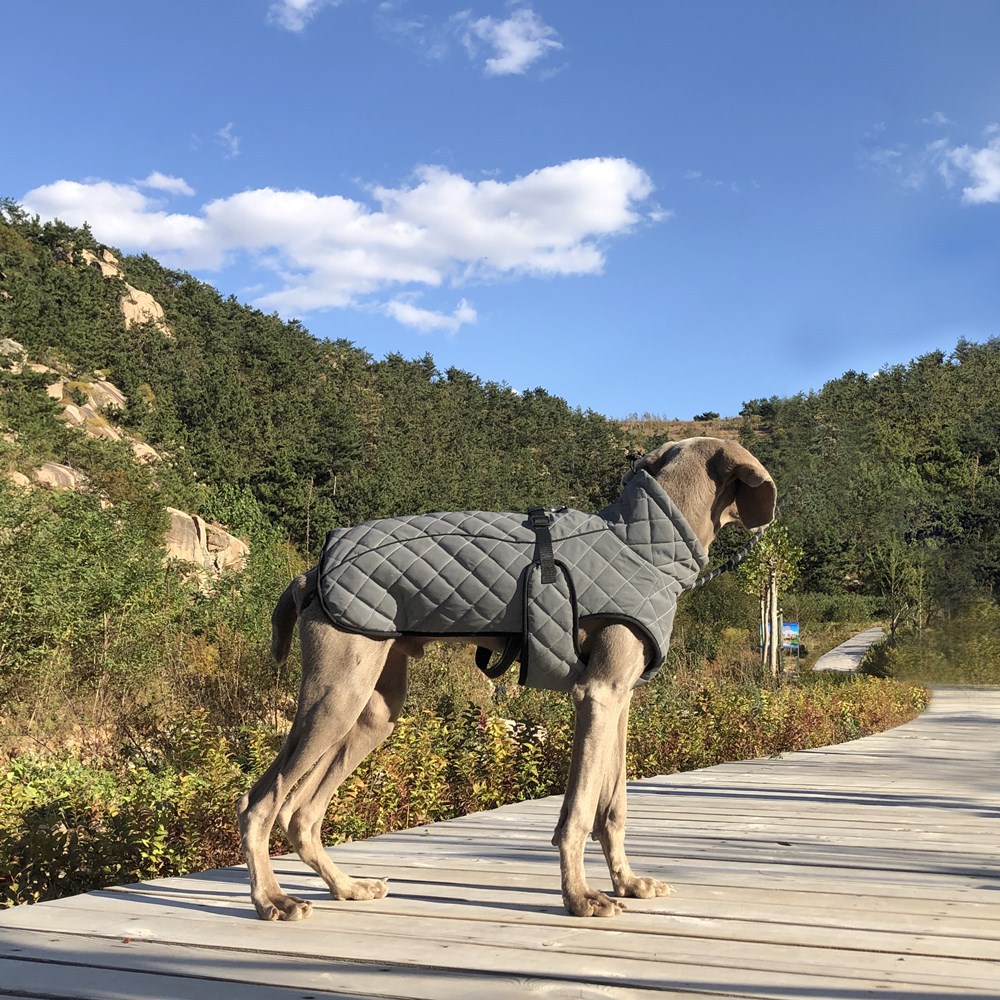
Leave No Trace applies to dog waste too. Buried waste still releases nitrogen into trail watersheds, and uncovered waste attracts wildlife to high-traffic spots. Pack a roll of biodegradable waste bags and carry every single one out — most trailheads have bins. Some hikers carry a sealable odor-blocking pouch (the same kind used for cloth diapers) to keep the smell out of their pack on long hikes.
Train your dog to do their business near the trailhead before heading out so you start with a lighter load. Never leave a tied bag on the trail “for the way back.” Other hikers will assume you forgot, and many people genuinely do.
Pre-Hike Conditioning: Don’t Skip This Step
The most expensive dog hiking gear in the world won’t compensate for an out-of-shape dog. Build distance gradually — start with two miles on flat ground, add a mile per week, and watch for limping, excessive panting, or a slow tail. Senior dogs and short-nosed breeds (pugs, bulldogs, boxers) need shorter, lower-elevation routes; their breathing limits make hard climbs genuinely dangerous.
Vet-check before the season starts. Confirm flea, tick, and heartworm prevention is current — backcountry exposure is significantly higher than backyard exposure. Trim nails to trail length the day before so they don’t catch on roots. Your dog walks for fitness on neighborhood loops; hike days are workouts. Treat them that way.
Trail Etiquette Every Dog Hiker Should Know
The dogs-on-trail debate is louder every year. The hikers who keep trails open to dogs are the ones who follow basic etiquette. Yield to uphill hikers, horses, and trail runners. Pull off the trail and have your dog sit while others pass — never assume a stranger wants to interact with your dog. If your dog reacts to other dogs, plan your hikes for low-traffic mornings and carry a brightly colored “in training” or “give space” leash sleeve.
Recall is non-negotiable on any off-leash trail. If your dog won’t return on the first call every single time, keep them leashed. One wildlife chase, one off-leash dog tangling with a leashed reactive dog, or one off-trail trample of fragile vegetation can shut down dog access for everyone. For more on shared-space behavior, our piece on dog park etiquette covers many of the same principles.
Choosing Trails That Actually Suit Your Dog
Match the trail to the dog, not the other way around. Sub-five-mile loops with shade and water access work for most adult dogs. Steep elevation, exposed scrambling, and any trail rated “strenuous” should wait until your dog is in trail shape. Check trail rules before driving — many national parks ban dogs from backcountry trails entirely. State parks, national forests, and Bureau of Land Management land are usually more dog-friendly.
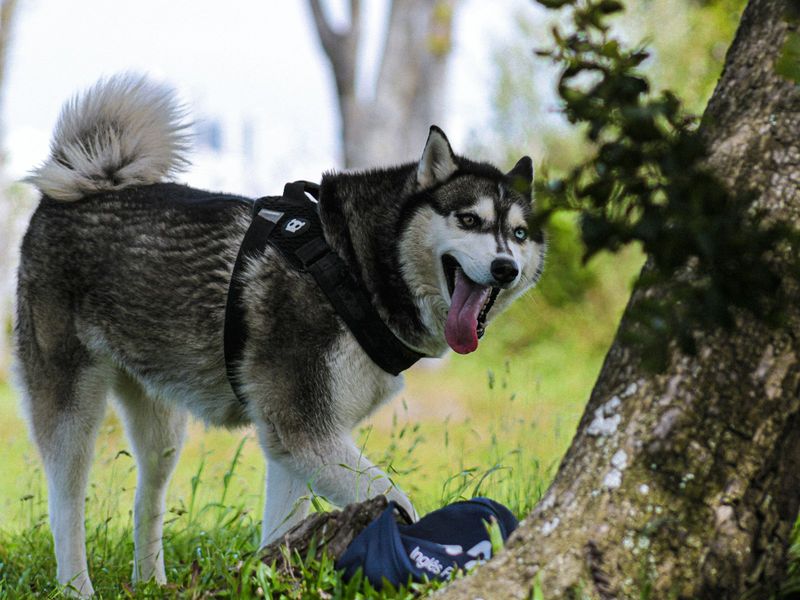
Avoid summer afternoons. The pavement-and-asphalt rule (if you can’t hold the back of your hand on the ground for seven seconds, it’s too hot for paws) applies to sun-baked rock as well. Early morning and evening hikes are kinder, especially for dark-coated dogs who absorb more heat.
What to Watch on the Trail
Heat exhaustion and dehydration are the two emergencies most likely to cut a hike short. Excessive panting that doesn’t ease with a five-minute rest in shade, bright red gums or tongue, slow capillary refill (press your finger to the gum — color should return in under two seconds), and stumbling are all stop-now signals. Get your dog to shade, offer water in small amounts, and wet down the belly, paw pads, and groin with cool water (not ice cold, which can shock the system).
Watch for limping, even minor. A dog who shifts weight off a paw probably has a stuck foxtail, a torn pad, or a stone wedged in a boot. Stop and check before the issue compounds. When in doubt, turn around — the trail will be there next week. For broader walking-day prep beyond hiking-specific gear, our complete dog walking equipment guide covers the everyday basics that overlap with hiking essentials.
Watch: 12 Tips for Hiking Safely With Your Dog
Putting It All Together
Stack the ten essentials in your pack the night before so you’re not scrambling at the trailhead: harness on the dog, leash clipped to harness, water and bowl up top, snacks in pocket pouch, first aid kit in side pocket, vest packed if needed, waste bags clipped to your belt loop. A pre-loaded kit means the only decision left in the morning is which trail to drive to.
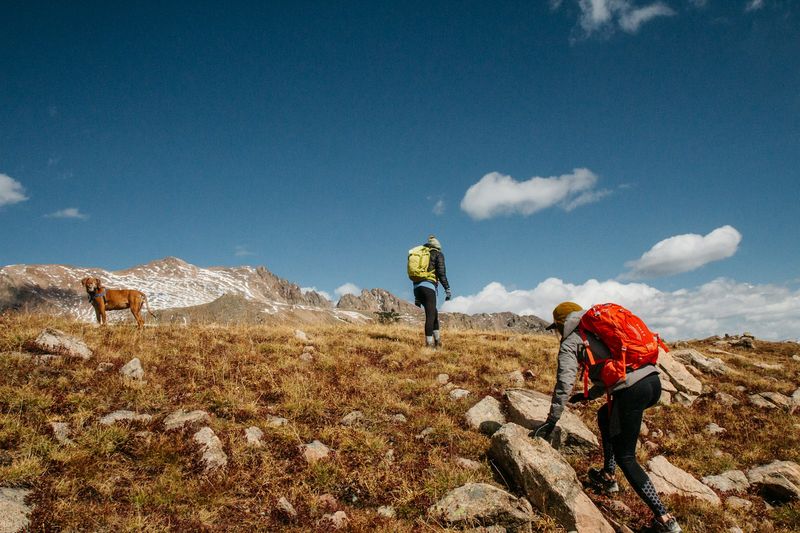
Build the trail habit slowly. Five short hikes will teach you more about your dog’s pace, water needs, and trail manners than any gear list. Refine the kit each time — drop what you didn’t use, add what you wished you’d brought, and within a season you’ll have a setup tuned to your specific dog. Then the only thing left is to go pick the next trail.
Sources
- CDC — Leptospirosis and Pets — Bacterial infection risk from contaminated water and soil
- American Kennel Club — Microchipping Your Dog — Why microchipping is recommended for off-leash and trail dogs
- Leave No Trace — Dispose of Waste Properly — Trail waste management principles, including pet waste