Dog Sweater Size Chart: 9 Essential Fit Tips
If you are shopping with a dog sweater size chart in hand, the goal is not just finding a size label that looks close. The right fit should keep your dog warm, let the shoulders move freely, and stay comfortable through a full walk, nap, or car ride. A good dog sweater size chart is really a measuring system, not a guess.
Most sizing problems happen because pet parents rely on breed stereotypes or pick the same size their dog wore in another brand. Sweaters, hoodies, coats, and jackets are all cut a little differently. This guide explains how to use a dog sweater size chart properly, what measurements matter most, how to spot a bad fit fast, and when to size up or down for different body types.
Dog Sweater Size Chart Basics Every Owner Should Know
A dog sweater size chart usually focuses on three measurements: neck, chest, and back length. Of those three, chest size is usually the most important because it tells you whether the sweater can wrap comfortably around your dog’s ribcage without pinching or riding up. Back length helps you avoid sweaters that stop too early or extend too far past the tail base.
To get a reliable fit, measure your dog while standing naturally. Use a soft measuring tape and avoid pulling it tight. You want a snug measurement, not a compressed one. If your dog is fluffy, press the tape lightly through the coat so you are measuring the body, not just the fur.
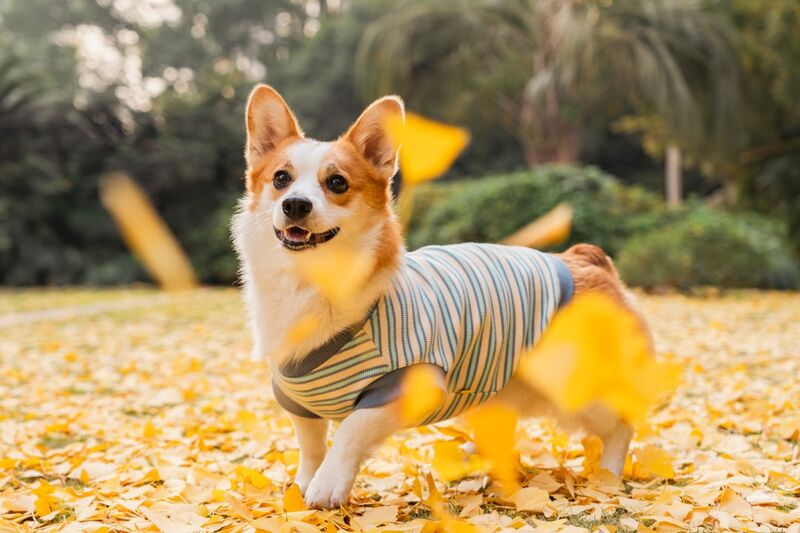
Here is the simplest way to measure:
- Neck: Measure around the base of the neck where a collar naturally sits.
- Chest: Measure around the widest part of the chest, usually just behind the front legs.
- Back length: Measure from the base of the neck to the start of the tail.
If your dog falls between sizes, chest usually breaks the tie. A sweater that is slightly longer is usually manageable. A sweater that is too tight around the chest is not.
How to Measure Your Dog for a Sweater Without Guessing
The best way to use a dog sweater size chart is to measure twice and buy once. Take the measurements when your dog is calm, ideally after a walk or meal when they are less likely to wiggle. If your dog hates measuring tape, let them sniff it first and reward them with a treat after each measurement.
For deep-chested dogs such as boxers, whippets, and some mixes, the chest measurement matters more than the back. For long-bodied dogs such as dachshunds and corgi mixes, back length becomes more important. For broad-necked breeds like French bulldogs, you need to check that the neck opening will not rub or feel restrictive.
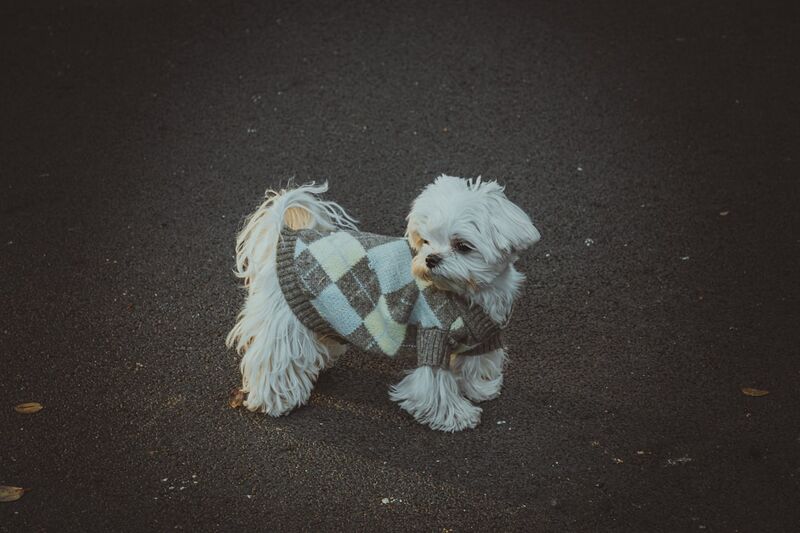
Write the measurements down immediately. Do not trust memory, especially if you are comparing several products. If a product page lists only weight ranges, that is less reliable than a full size chart. Two dogs can weigh the same and have very different chest shapes.
For dogs with thick coats, remember that a sweater adds another layer. If you are buying for chilly mornings instead of freezing winter weather, a closer fit may feel better. If you plan to layer a harness or shirt underneath, leave a bit more room.
What a Good Dog Sweater Fit Looks Like
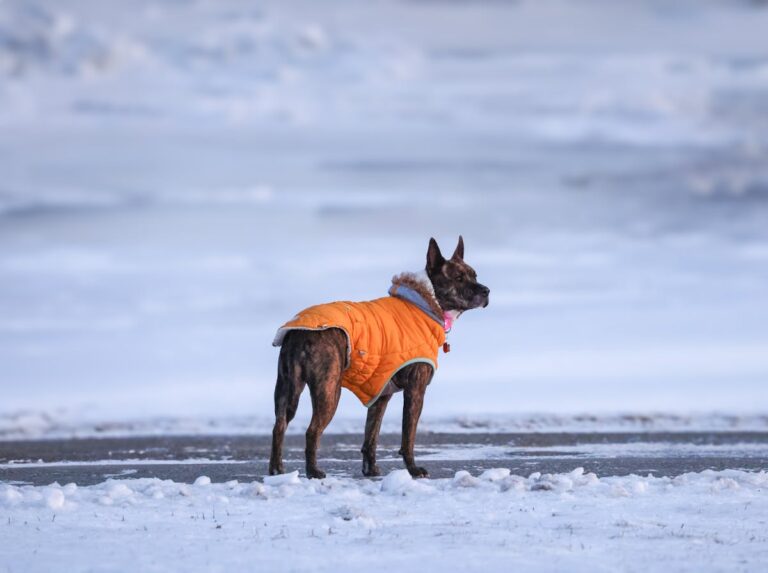
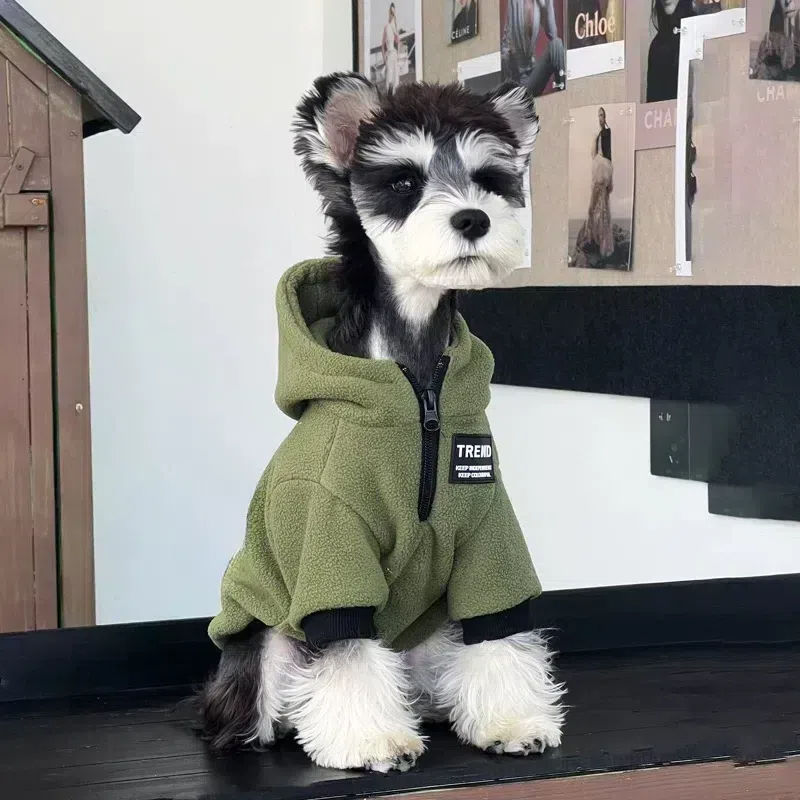
A properly fitted dog sweater should feel secure without limiting movement. Your dog should be able to walk, sit, lie down, and turn comfortably. The arm openings should sit high enough to avoid dragging, but not so high that they rub under the legs. The sweater should lie flat over the back without twisting to one side.
Look for these signs of a good fit:
- The sweater covers the chest and upper back without bunching.
- You can slide two fingers under the neck and chest openings.
- Your dog can move the front legs freely.
- The hem stays clear of the genitals for male dogs and does not interfere with bathroom breaks.
- The sweater stays in place during normal movement.
If your dog freezes, scratches constantly, or takes tiny stiff steps, the fit may be too tight or the fabric may feel unfamiliar. Sometimes the issue is not the size chart. Sometimes it is the cut.
For puppies, keep in mind that a perfect fit today may be a tight fit within a few weeks. If growth is still rapid, buy for the current chest measurement but avoid investing too heavily in a large wardrobe until growth slows down.
Signs the Sweater Is Too Small or Too Large
The fastest way to tell whether you misread a dog sweater size chart is to watch your dog move for one minute. A sweater that is too small will usually ride up, pull across the shoulders, or create pressure at the armpits. A sweater that is too large can sag, twist, slide sideways, or catch on furniture.
Too small:
- Visible stretching across the chest
- Neck opening leaves marks on the fur
- Front legs cannot extend naturally
- Your dog resists walking or lies down immediately
Too large:
- Back panel hangs past the tail base
- Leg openings droop low on the shoulders
- The sweater rotates around the body
- Fabric bunches under a harness or leash clip
If the sweater almost fits but not quite, ask whether the issue is size or garment style. A stocky dog may need a broader chest cut, while a slim dog may need a trimmer shape even within the same size range.
How Dog Hoodie Size Charts and Dog Jacket Size Charts Differ
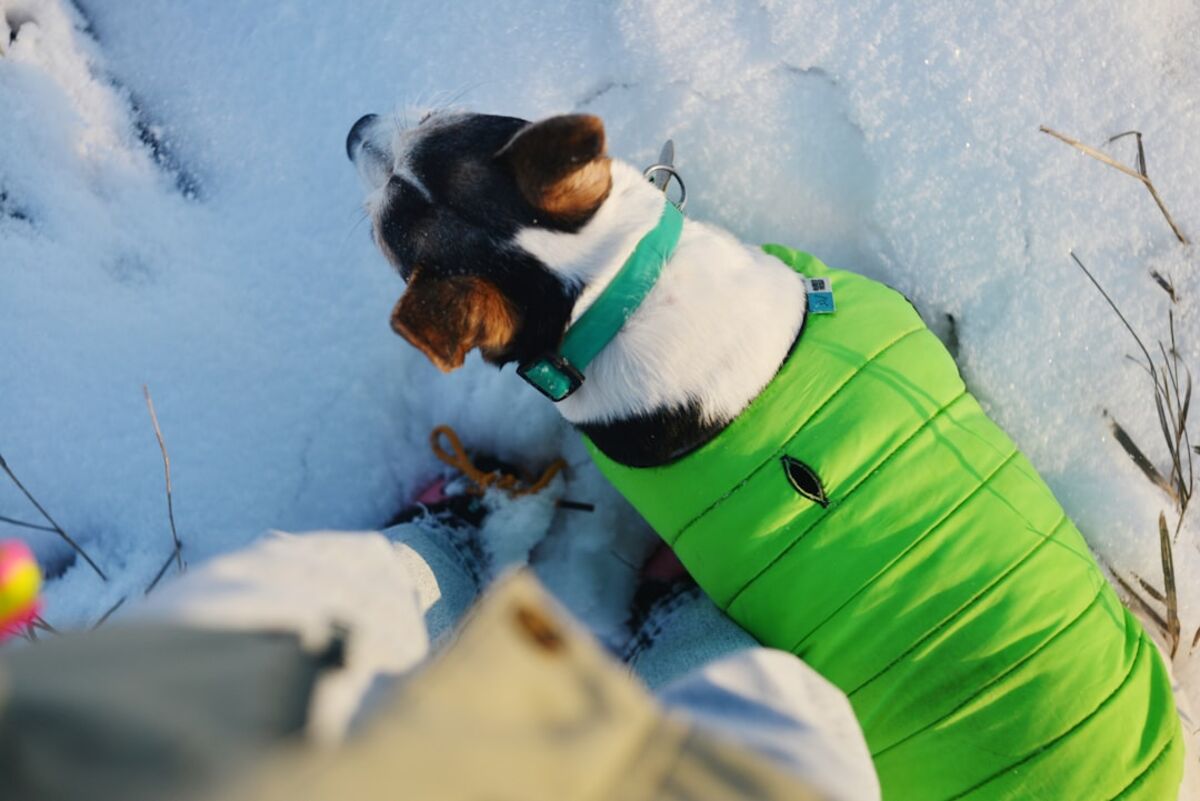
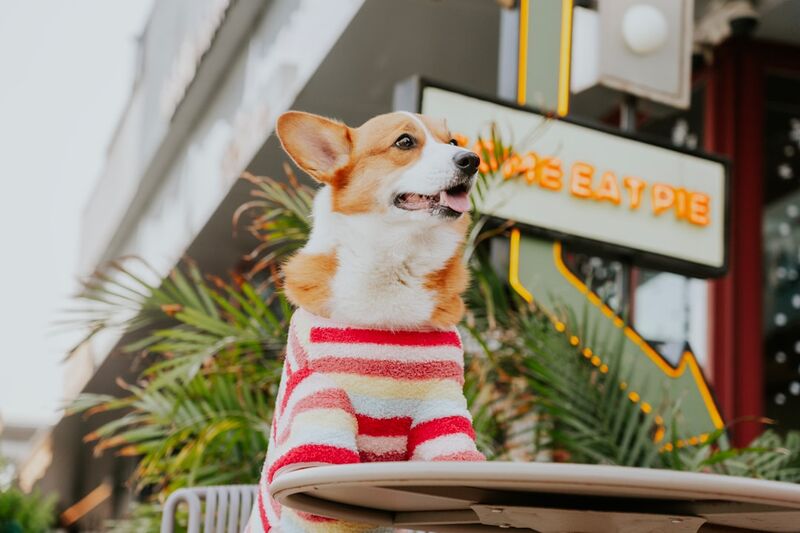
Dog hoodie size charts and dog jacket size charts often use the same basic measurements, but the fit goals are different. Hoodies usually have softer fabric, more stretch, and a more casual cut. Jackets often have less give, more structure, and sometimes extra layers or closures. That means your dog may wear one size in a sweater and another in a stiff winter coat.
If you are comparing categories, treat a dog hoodie size chart as a separate guide from a dog jacket size chart. A fleece hoodie may flex with the body. A lined jacket may need extra room for movement at the chest and shoulders. If the material is waterproof, quilted, or windproof, it usually stretches less.
This is one reason brand-specific charts matter. Even when the measurement labels look similar, the garment cut can change the real-world fit.
When you shop for seasonal layers, think about use case:
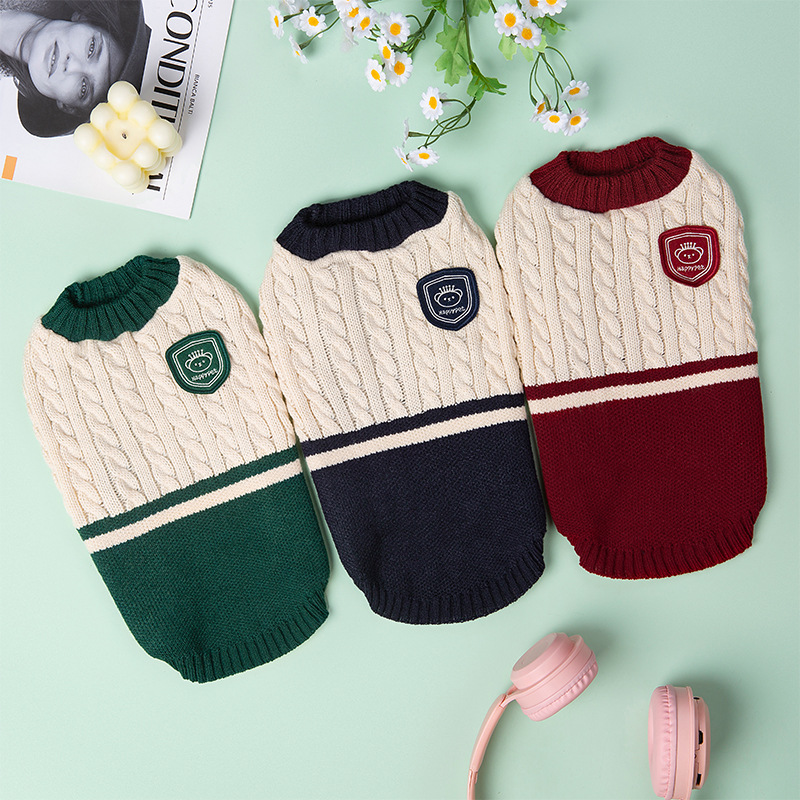
- Sweaters: best for indoor warmth, cool mornings, and relaxed daily wear
- Hoodies: good for casual outdoor use and slightly cooler conditions
- Jackets: better for wind, colder weather, or rougher outdoor use
If your dog already wears a harness, check whether the sweater needs to fit under it or over it. That decision alone can change the size you choose.
How to Choose the Right Size for Small, Medium, and Large Dogs
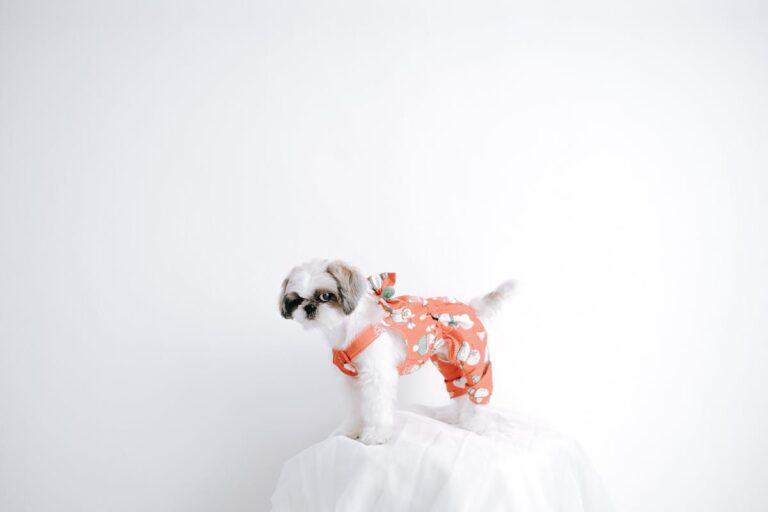
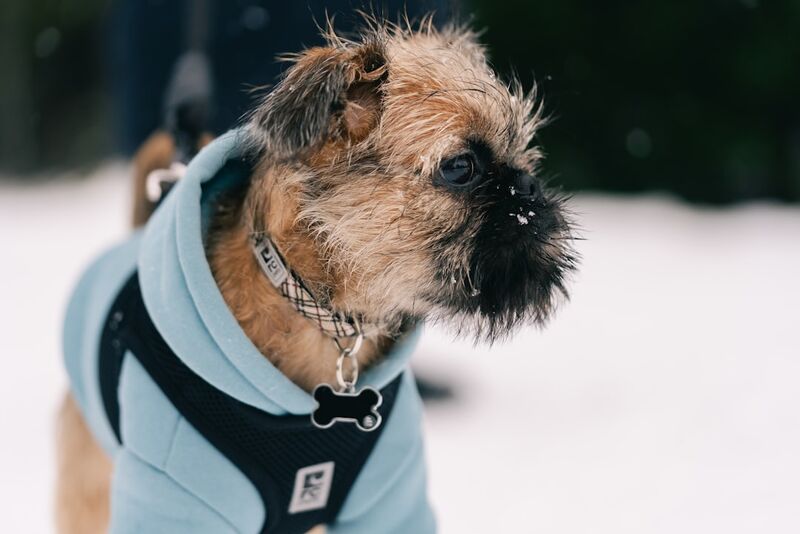
Small dogs often need extra attention at the neck and chest because many toy breeds have narrow frames but fluffy coats. A small dog sweater should stay light, flexible, and easy to put on. For compact breeds like pugs and French bulldogs, the chest can be much wider than the back length suggests, so never size by length alone.
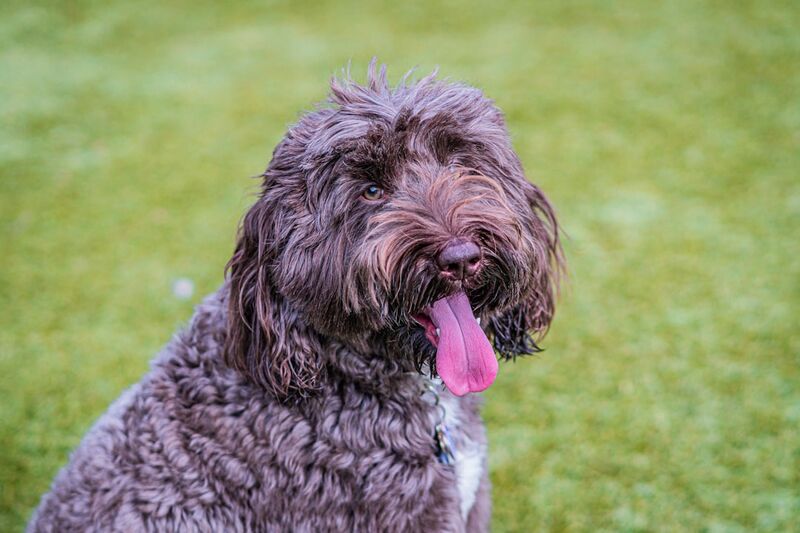
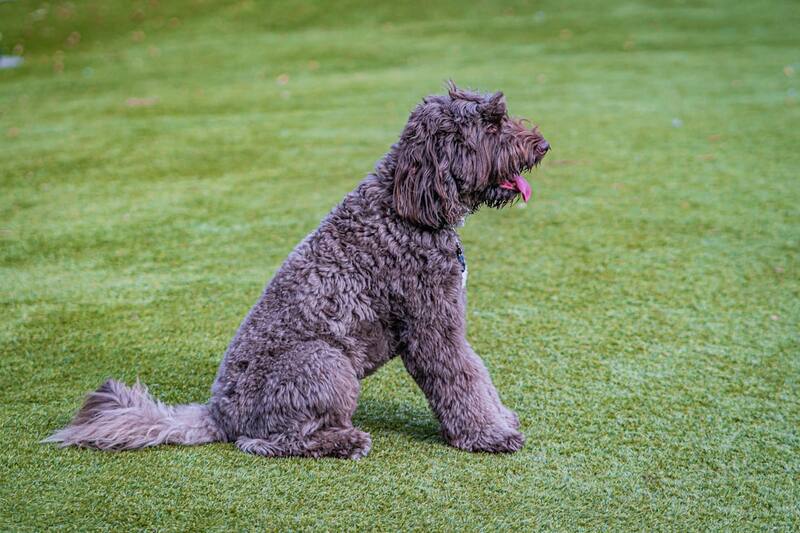
Medium dogs are usually the easiest to fit, but mixed breeds can still surprise you. Two thirty-pound dogs may need completely different sizes depending on ribcage depth and coat thickness.
Large dogs create a different challenge. If you are using a dog coat size chart for large dogs, double-check that the garment has enough chest room and that the back length is not too short. Large dogs generate more movement in the shoulders and front legs, so a stiff cut can feel restrictive fast.
For broad, athletic dogs, prioritize chest clearance and shoulder movement. For lean dogs, you may need a slimmer cut or adjustable straps to avoid looseness around the torso. Measuring is still the best equalizer, no matter the breed label.
If you already know your dog wears clothes comfortably, compare any new item against a sweater that already fits well. Measure that garment flat across the chest and length, then compare it with the product chart before buying.
Layering, Harnesses, and Bathroom Comfort Matter Too
One of the most overlooked parts of a dog sweater size chart is how the sweater works with the rest of your dog’s routine. If your dog wears a harness on every walk, the sweater must work with it. A sweater that fits perfectly at home may bunch awkwardly under a harness outside.
Male dogs need enough clearance underneath to avoid accidents on the fabric. Female dogs usually have more flexibility, but a sweater that hangs too low can still collect dirt or shift when running. Long-bodied dogs need extra care here because longer back coverage can sometimes create bathroom issues if the cut is not thoughtful.
If you live in a place with real winter, you may also layer. In that case, the dog sweater sizing guide should be treated as your base layer rule, not your outer layer rule. Thin knitwear can fit closer. Thick outerwear needs more room.
After the first try-on, do a quick movement check at home. Let your dog walk down a hallway, sit for a treat, and turn in a circle. That tiny test catches most fit problems before you head outside.
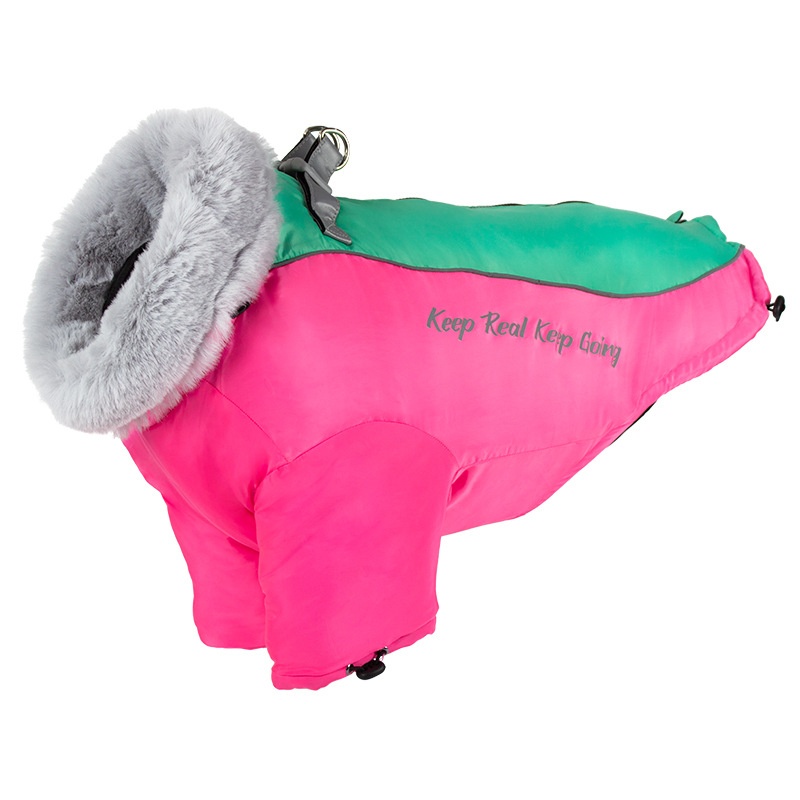
Using a Dog Sweater Size Chart for Online Shopping
Online shopping makes size charts more important, not less. Since you cannot try the sweater on in person, you need to use the chart, product photos, and item description together. Read whether the material stretches, whether the cut is slim or roomy, and whether reviewers mention sizing up or down.
If a chart gives a range and your dog sits on the upper edge of the chest measurement, size up unless the fabric is very stretchy. If your dog is long and slim, check whether the garment style is meant to sit cropped or full-length. Fashion cuts sometimes look short by design, while practical winter wear usually offers more coverage.
It also helps to shop from stores that clearly show dog apparel categories, body measurements, and product photos from multiple angles. On Hawa Pets, you can compare different styles depending on whether your dog needs a soft hoodie, a cozy sweater, or a sturdier coat for colder weather.
For a deeper measuring walkthrough, see How to Measure Your Dog for Clothes. If you are deciding between styles, Dog Hoodie vs Sweater helps clarify which option works best. For heavier outerwear, Dog Vest Guide is another useful comparison point.
The Best Rule: Measure the Dog, Not the Label
The smartest way to use a dog sweater size chart is to treat it like a tool, not a guarantee. Size names like small, medium, and large are inconsistent across pet clothing brands. Measurements are what matter. Once you know your dog’s chest, neck, and back length, you can shop more confidently and avoid the usual cycle of returns, awkward fits, and barely worn outfits.
A comfortable sweater should feel natural enough that your dog forgets about it after a few minutes. That is the real test. If the fit supports warmth, movement, and easy daily routines, you have found the right size, even if the label is different from what you expected.
Start with the chest, confirm the back length, double-check neck comfort, and choose the garment style that fits your dog’s body shape and weather needs. That approach works far better than guessing by breed or weight alone.
Sources
- American Kennel Club: Do Dogs Need Sweaters? — Guidance on when dogs benefit from extra layers in cool weather.
- VCA Animal Hospitals: Cold Weather Safety for Dogs — Veterinary guidance on cold-weather comfort and protection.
- RSPCA: Looking After Dogs in Cold Weather — Advice on winter comfort, coats, and practical safety.
- Hawa Pets: How to Measure Your Dog for Clothes — Internal reference for dog clothing measurements.
- Hawa Pets: Dog Hoodie vs Sweater — Internal style comparison for dog apparel choices.
- Hawa Pets: Dog Vest Guide — Internal reference for fit and cold-weather apparel decisions.