Dog Raincoat: 9 Essential Tips for Rainy Walks
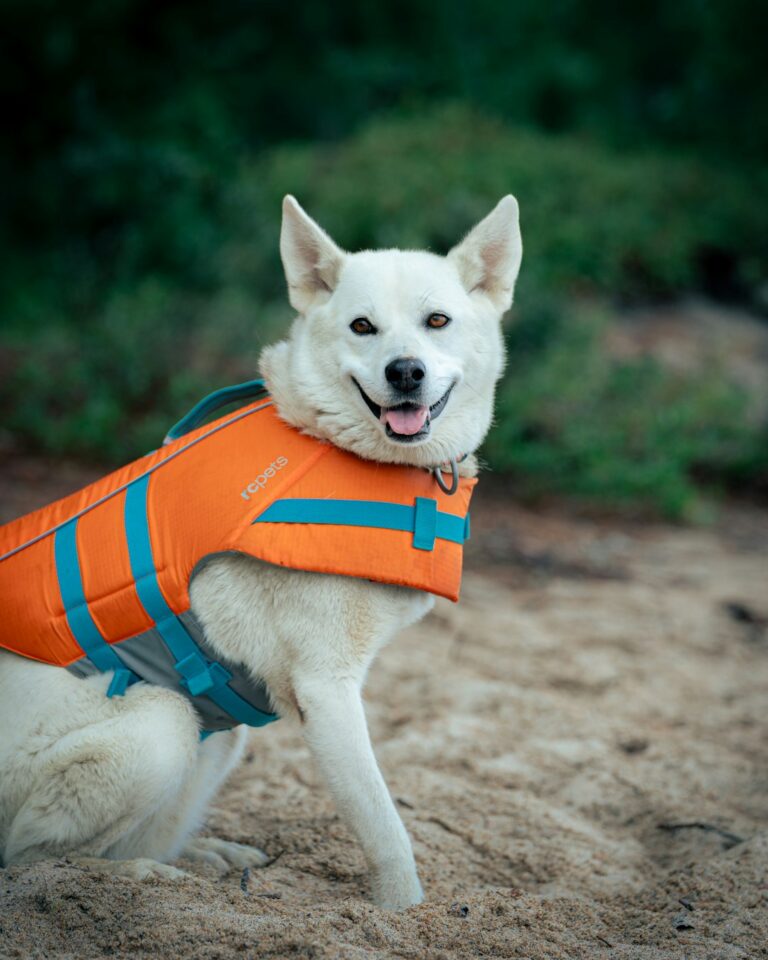
A good dog raincoat keeps your dog dry enough to stay comfortable, visible enough to stay safe, and mobile enough to keep walking naturally. If your dog dreads wet weather, gets chilled fast, or comes home soaked to the skin after a short outing, the right rain layer can turn rainy walks from a messy chore into a simple routine.
That does not mean every dog needs a coat every time the sky turns gray. The real goal is choosing a dog raincoat that fits your dog’s body, local weather, and walking habits, then using it in a way that supports coat health, paw care, and stress-free movement. This guide covers what to look for, how to size it, when to skip it, and which Hawa Pets pieces make the most sense for everyday wet-weather walks.
Table of Contents
Why a dog raincoat matters
A dog raincoat matters because staying dry can reduce post-walk chills, limit how much mud and street grime sit in the coat, and make cleanup easier for both dogs and humans. That is especially useful for short-haired dogs, seniors, smaller breeds, puppies, and dogs that already dislike bad weather. Groups like the AVMA and ASPCA both stress that exposure tolerance varies by size, coat type, age, and health status, which is exactly why a one-size-fits-all answer never works.
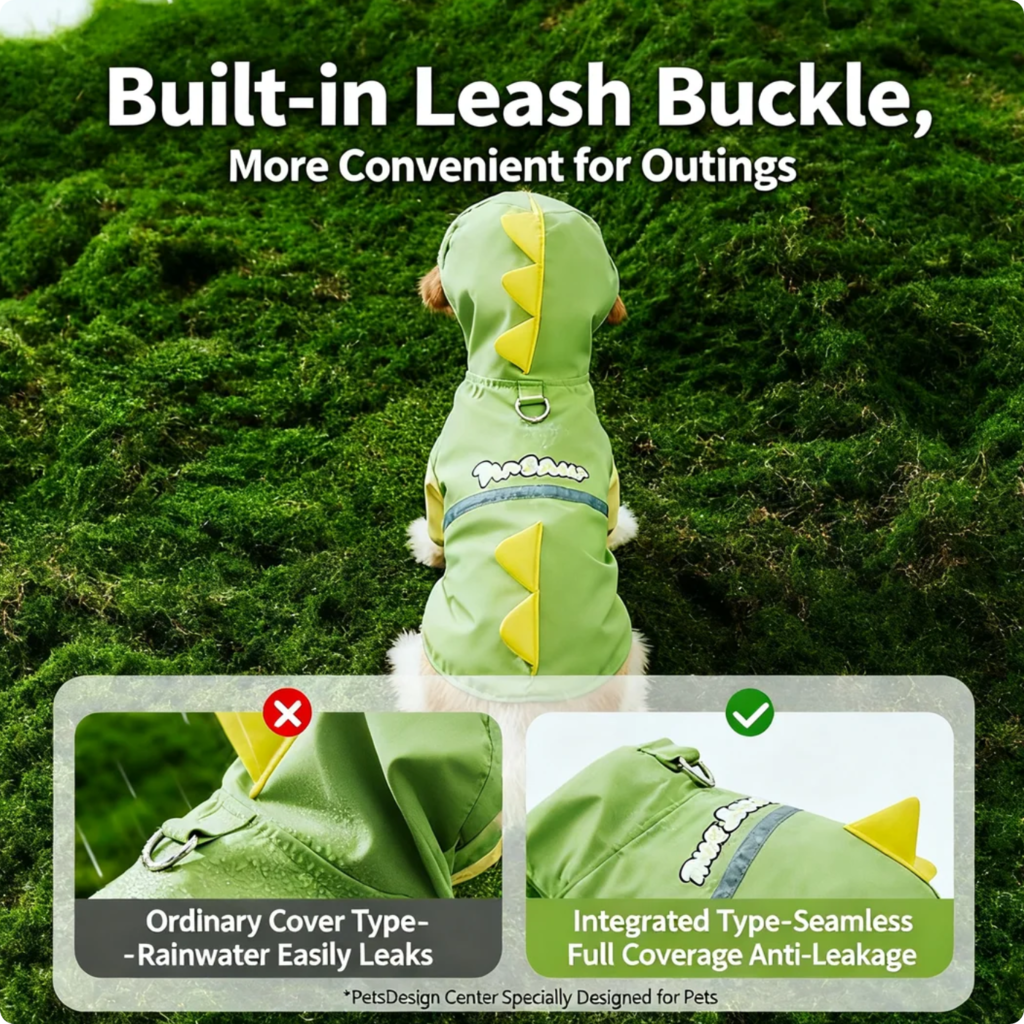
Rain gear can also improve visibility and routine. Many modern designs include reflective trim, covered leash access, and belly coverage that keeps the chest cleaner on splashy sidewalks. If your dog already benefits from smart outdoor gear, this is the same logic behind the spring setup in our essential dog walking equipment guide. Good gear reduces friction. Bad gear creates it.
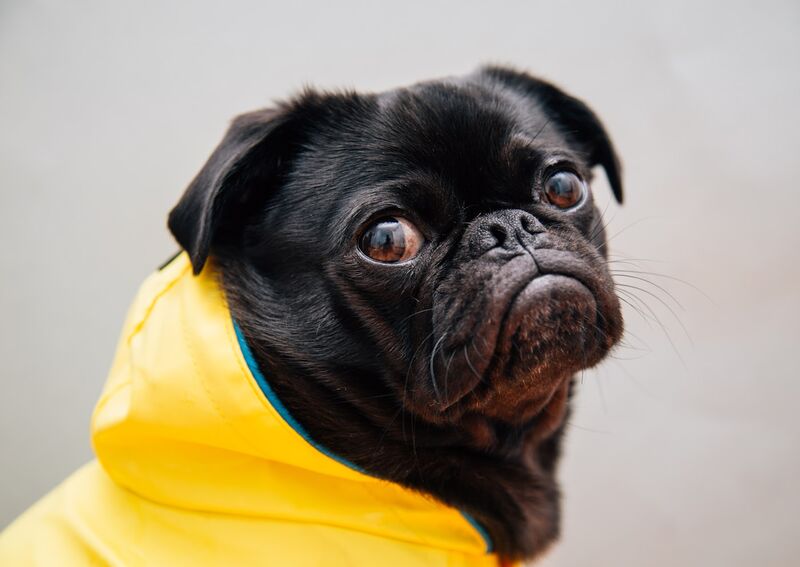
That said, a raincoat is not automatically the right answer for every dog. Thick double-coated dogs on a mild wet walk may be fine without one, while anxious dogs may initially find clothing more stressful than rain. The question is not “Should all dogs wear raincoats?” It is “Will this specific dog be more comfortable and safer with one?”
How to choose a dog raincoat that actually works
The best dog raincoat balances four things: waterproof protection, freedom of movement, easy leash access, and fast on-off handling. If one of those fails, the coat usually ends up hanging by the door unused.
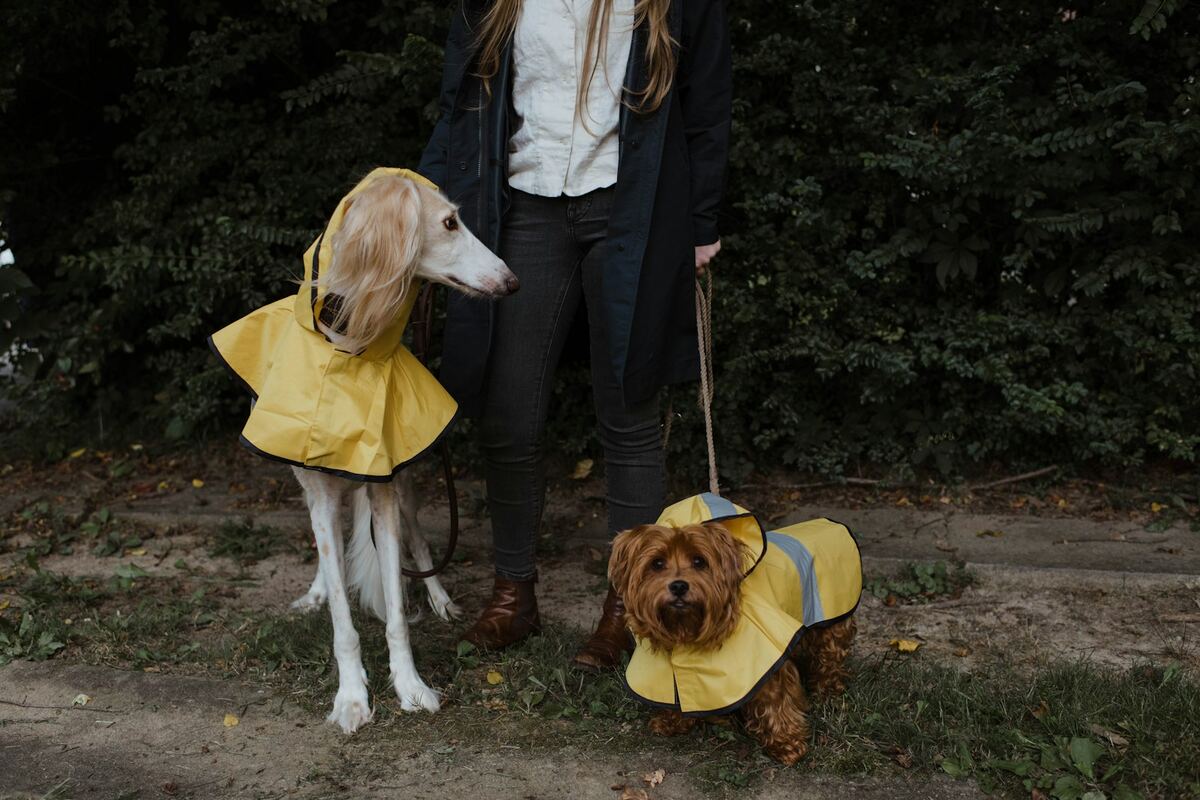
Start with coverage. A useful raincoat protects the back, shoulders, and chest without blocking the dog’s stride. Belly coverage helps on dirty sidewalks, but full-body designs need more careful sizing. Dogs should be able to walk, shake, sniff, sit, and relieve themselves without the coat twisting or bunching.
Next, check fabric and visibility. A waterproof outer layer is more important than heavy insulation for rainy weather, especially in mild temperatures. If you often walk at dawn, dusk, or in traffic-heavy neighborhoods, reflective trim is a genuine safety feature, not a cosmetic extra. The AKC also points out that coat choices should reflect weather conditions and a dog’s tolerance, not just style.
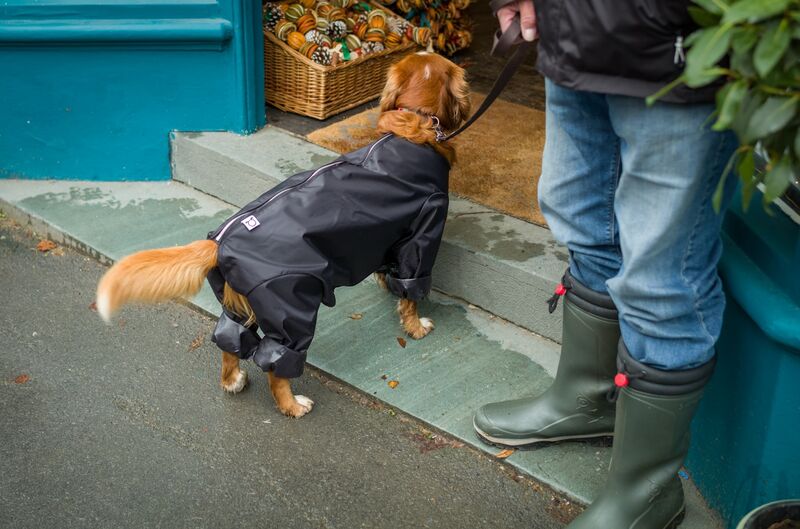
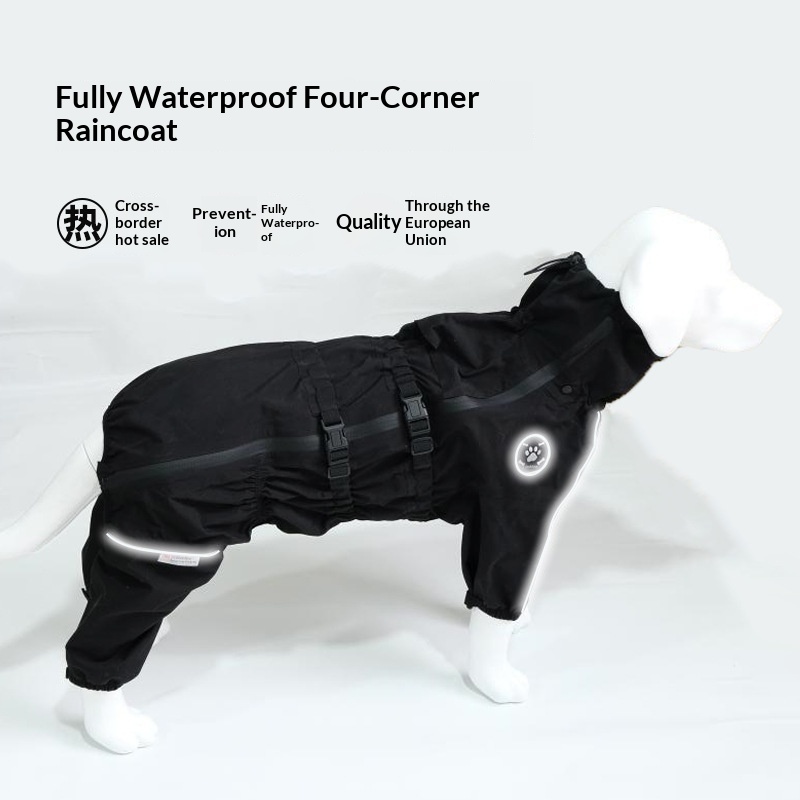
Also be realistic about your dog’s temperament. Some dogs tolerate pullover styles well, while others do better with buckles or wraps that avoid going over the head. If your dog freezes when clothing touches the legs, a simple back-and-chest raincoat may work better than a four-leg option. The best product is the one your dog will actually wear without stress.
Dog raincoat sizing and fit checks
Dog raincoat sizing should never be guessed from breed alone. Two dogs of the same breed can have very different chest depth, back length, and neck width. Measure three points before buying: base of neck to tail start, widest part of the chest, and neck circumference where a collar sits. Chest fit usually matters most because that is where tight coats start restricting movement.
After the coat is on, do a quick fit test. Slide two fingers under the neck and chest closures. Watch your dog walk ten to fifteen steps. If the front edge presses into the throat, the leg openings rub the armpits, or the back slides sideways, the fit is off. A dog rain jacket should feel secure, not clingy.
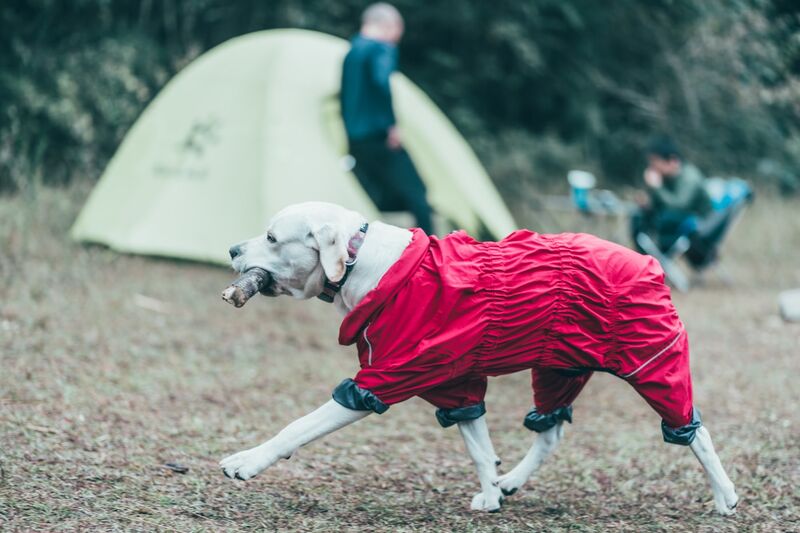
Look closely at the tail end too. If the coat is too long, dogs may step on it or resist moving. If it is too short, water can run straight onto the lower back. This is one reason fit-focused clothing matters across seasons, not just on wet days. If you want a broader wardrobe strategy, our spring dog clothes guide and eco-friendly dog clothes guide both reinforce the same principle: comfort first, style second.
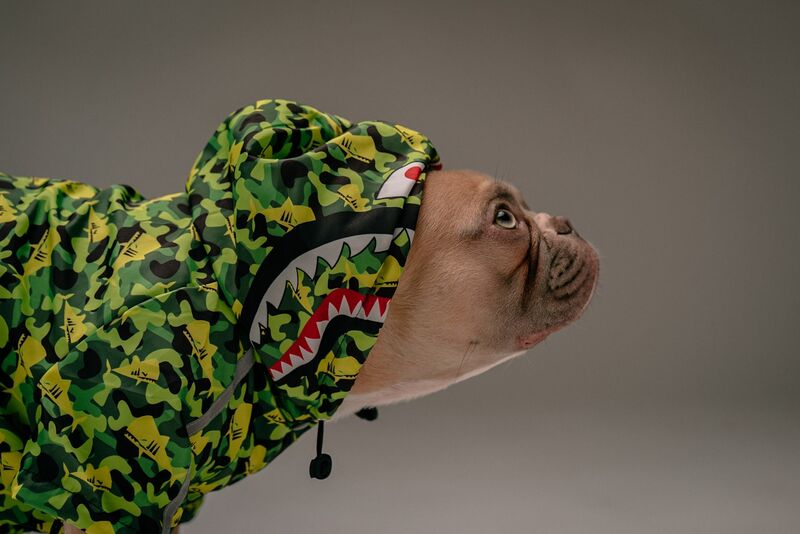
A hood is optional. Some dogs hate hoods and immediately shake them off, so treat that feature as a bonus, not a must-have. Back coverage, chest protection, and easy leash use matter more in the real world.
When dogs benefit most from a raincoat
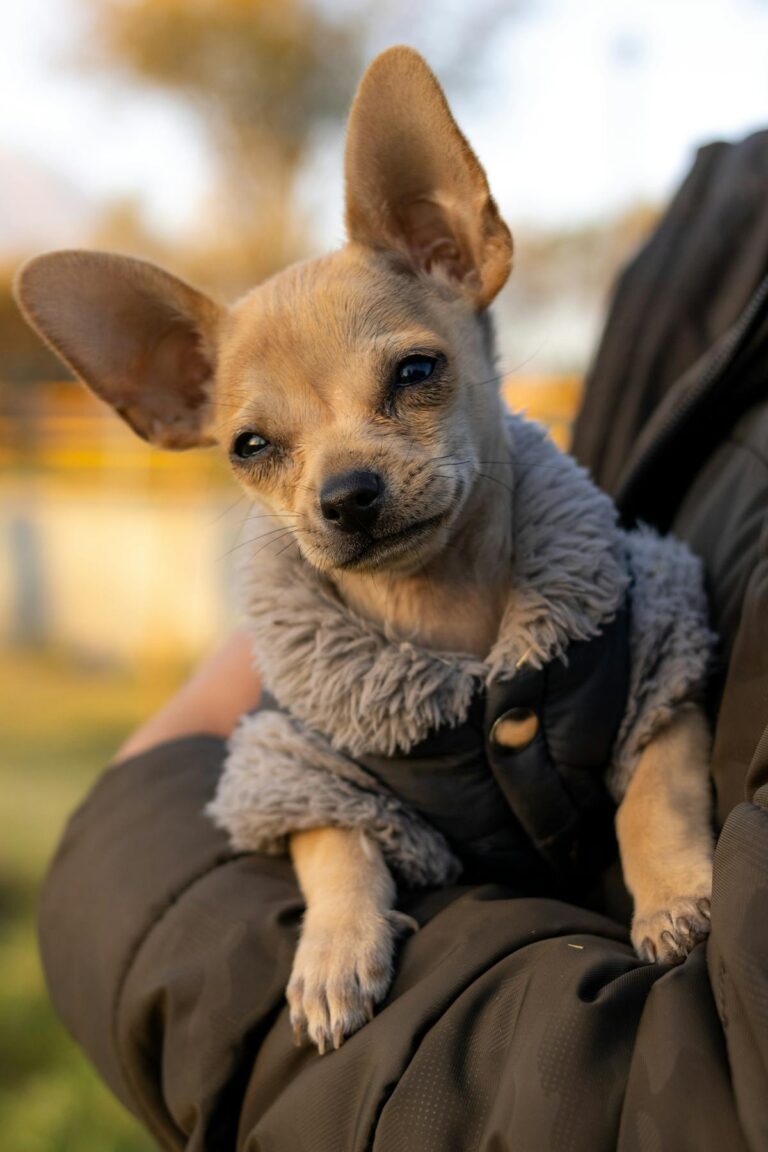
Dogs benefit most from a raincoat in cold rain, windy drizzle, long walks, and any situation where the coat gets soaked through. Small dogs and short-haired dogs often lose comfort quickly once water reaches the skin. Senior dogs and lean athletic dogs may also appreciate added protection when the temperature drops with the rain.
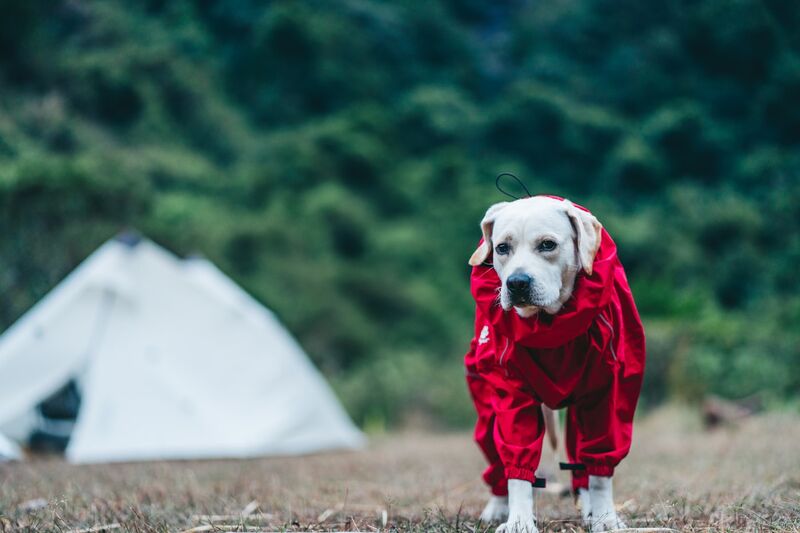
Raincoats are especially helpful if your post-walk routine is already a struggle. If your dog tracks in mud, hates towel drying, or develops damp chest fur after repeated spring showers, a coat can make the entire outing easier. For dogs with sensitive paws, combining a raincoat with the habits in our dog paw care guide is a smart way to reduce both moisture and irritation.
On the other hand, skip the coat when the weather is warm and muggy, when your dog overheats easily, or when the dog shows clear stress signals once dressed. Panting, stiff posture, refusal to walk, or repeated scratching at the garment means the setup needs to change.
How to help your dog accept a raincoat
Many dogs do not dislike the raincoat itself. They dislike surprise, awkward handling, or a poor fit. The easiest fix is a short introduction indoors. Let your dog sniff the coat, reward calm interest, touch it lightly to the shoulders, reward again, then fasten it for just a few seconds before removing it. Keep the first few sessions boring and easy.
Once the dog is comfortable standing in the coat, add movement. Walk a few steps inside, offer praise or treats, then take the coat off. Build to a short outdoor loop on a dry day before expecting success in real rain. That way the dog is learning the garment separately from the stress of weather, puddles, traffic, and hurried humans.
If your dog seems unsure, check the mechanics again. Does the harness bunch under the coat? Is the leash hole hard to reach? Are you pulling the legs through too quickly? Tiny handling problems can make a workable coat feel terrible.
A simple wet-weather walking routine
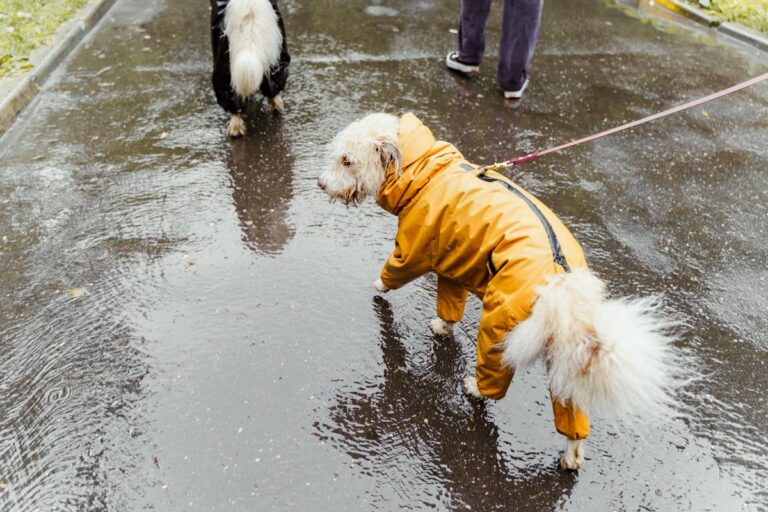
The easiest rainy-day routine is simple. Put the harness on first if the coat design allows it. Add the raincoat, confirm the leash opening lines up, and keep the first few minutes of the walk active so the dog settles into a natural stride. After the walk, remove the coat immediately, towel the paws, and check the belly, armpits, and chest for dampness.
Dry the coat fully before the next use. That matters more than many owners think. A raincoat that stays damp between walks can smell bad, feel clammy, and irritate the skin. Quick maintenance also helps the garment last longer and keeps the next walk from starting with resistance.
If your dog still ends up wet underneath, do not assume raincoats are pointless. It may simply mean you need better chest coverage, a tighter neck seal, or a shorter walk in heavier weather. Gear works best when it matches conditions.
Best Hawa Pets picks for rainy days
If you want the most weather-focused option, start with a purpose-built waterproof design. Full-coverage cuts can be especially useful for dogs that walk through puddles, brush against wet grass, or pick up chest mud on every outing. Reflective details are worth prioritizing if you walk early or late.
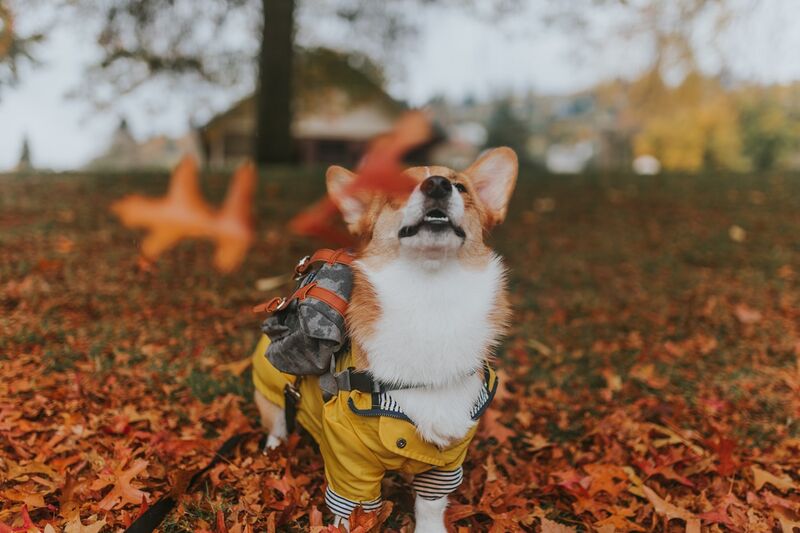
For everyday use, I would break rainy-day shopping into three buckets. First, a true waterproof raincoat for active wet walks. Second, a reflective option for low-light conditions. Third, a lighter backup layer for cool damp days when full rain protection may be too much but a little body coverage still helps.
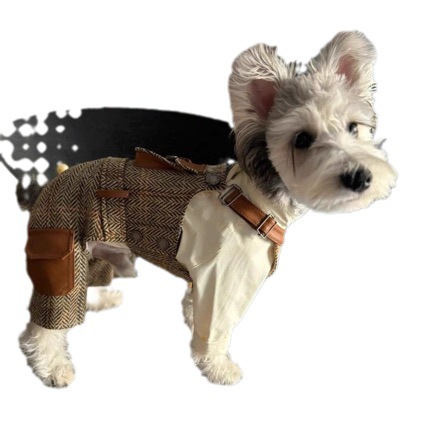
The hoodie is not a substitute for a waterproof shell in heavy rain, but it can work as a useful lightweight layer on cool damp mornings or for dogs that hate stiffer technical fabrics. Some dogs accept soft clothing more easily, which can make it a helpful stepping stone before introducing a full dog raincoat.
Common mistakes to avoid
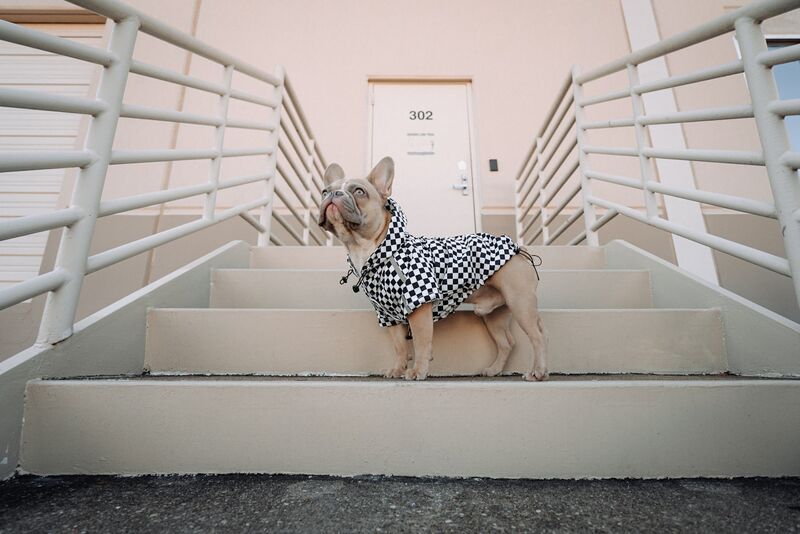
The biggest mistake is buying for looks instead of function. Cute patterns are fine, but if the coat slips, traps the shoulders, or has no practical leash access, it will not earn a place in your routine. The second mistake is skipping measurement. Most returns and most dog clothing frustration start there.

A third mistake is leaving the coat on too long after the walk. Wet gear should come off fast, especially if your dog has sensitive skin or dense fur. Finally, do not force a coat onto a clearly distressed dog. Slow training almost always works better than a battle at the front door.
The best rainy-day setup is the one your dog will tolerate, your schedule can support, and the weather actually demands. If you get those three pieces right, a dog raincoat stops being a novelty and becomes one of the most practical parts of your walking kit.
Sources
- AVMA: Cold Weather Pet Safety — guidance on how coat type, age, and size affect weather tolerance.
- ASPCA: Cold Weather Safety Tips — practical advice on exposure, cleanup, and weather-related comfort.
- AKC: Does Your Dog Need a Raincoat, Jacket, or Winter Coat? — breed, climate, and comfort considerations for dog outerwear.
- Non-Stop Dogwear Fjord 2.0 Raincoat For Dogs Review — video reference for raincoat design features and fit expectations.